Artificial insemination in cows is a widely used technique that enhances breeding efficiency and improves herd genetics. Did you know that this process not only saves time but also allows farmers to access superior genetics from bulls far beyond their geographical reach? For those involved in agriculture, understanding how artificial insemination is done is crucial for maximizing herd productivity and maintaining genetic diversity. Whether you’re a seasoned farmer or new to livestock management, this guide will walk you through the process step-by-step. We’ll explore everything from selecting the right semen to the actual insemination procedure, all while ensuring the health and well-being of your cattle. Join us as we delve into the intricacies of this essential practice and empower you to make informed decisions that benefit both your animals and your operation.
Understanding Artificial Insemination in Cows
Artificial insemination (AI) in cows is a powerful tool in modern dairy farming, focusing on enhancing productivity and improving herd genetics. The technique allows farmers to introduce superior genetics into their herds without the need for physical mating, making it a preferred choice for breeding efforts. To achieve this, a trained technician uses a syringe to deposit sperm directly into the cow’s reproductive tract, maximizing the chances of conception.
Understanding the reproductive cycle of cows is crucial for successful artificial insemination. Cows have a natural estrous cycle that lasts approximately 21 days, during which they will be in heat for about 12 to 18 hours. Identifying this window is essential because it significantly influences the success of AI. Farmers and technicians often use various synchronization methods to ensure that a larger portion of the herd is ready for insemination at the same time, greatly increasing efficiency and predictability in breeding.
To prepare for AI, several factors must be taken into account, such as the nutritional status of the cow and her overall health. A well-nourished cow is more likely to conceive, so implementing a good feeding strategy can enhance reproductive performance. Additionally, choosing the right semen is vital, as it varies based on breed and the specific traits desired in the offspring. Quality control of the semen-ensuring it is stored and handled correctly-also plays an important role in achieving successful insemination outcomes.
When AI is done properly, the benefits can be significant. Farmers can select for desirable traits such as milk production and disease resistance, positively impacting the herd’s overall health and productivity. Despite the challenges that may arise, such as the need for skilled personnel and the investment in equipment, AI remains a cost-effective strategy with the potential for substantial returns in dairy farming.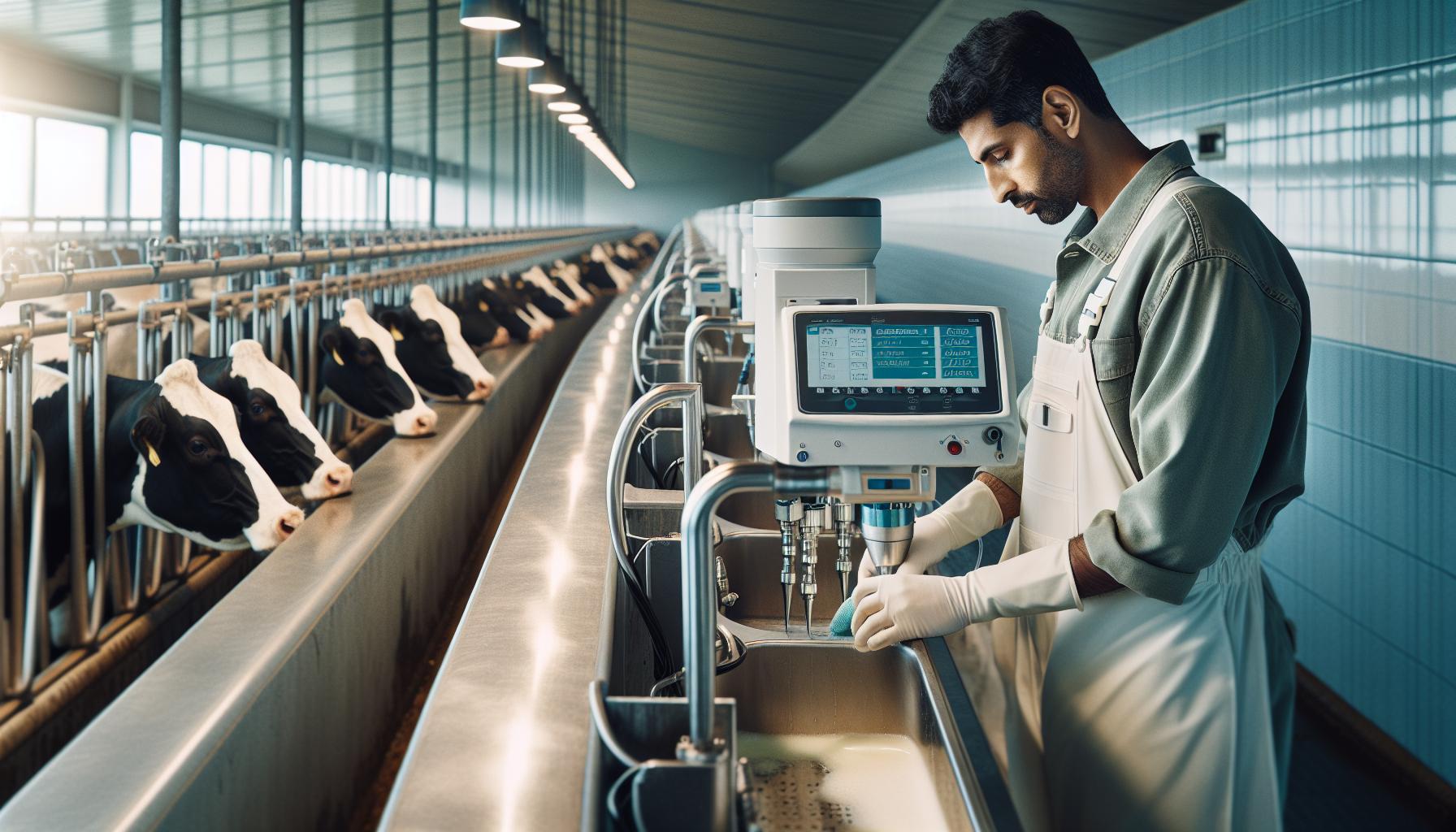
Benefits of Using Artificial Insemination in Dairy Farming
Artificial insemination (AI) has revolutionized dairy farming, offering numerous benefits that go beyond traditional breeding methods. One of the most significant advantages is the ability to rapidly improve herd genetics. By using semen from superior bulls, farmers can quickly introduce desirable traits such as increased milk production, better feed efficiency, and enhanced disease resistance into their herds. This genetic advancement contributes to overall herd health and long-term sustainability in an industry that demands high productivity.
Additionally, artificial insemination allows for a more controlled breeding environment. Unlike natural mating, AI enables farmers to select the timing of insemination precisely. This precision ensures that breeding happens during the optimal window, increasing the chances of conception. By synchronizing estrus cycles among multiple cows, farmers can maximize the number of successful inseminations, thus improving herd replacement rates and reducing the time and costs associated with managing bulls.
Another compelling benefit is the reduction of physical injuries. Natural breeding can pose risks, including harm to both cows and bulls during mating. AI mitigates these risks, ensuring that farmers maintain a safer environment for their livestock. Furthermore, the use of AI can lessen the need for maintaining a bull on the farm, which can save on feed and care expenses. This streamlining of operations not only reduces costs but also enhances the focus on other essential aspects of farm management.
In terms of economics, the investment in AI technology and training can yield significant returns. The costs associated with veterinary services and equipment can be offset by the increased productivity and profitability resulting from higher quality offspring. Over time, as the genetic quality of the herd improves, milk yield and overall farm income can see a marked increase, making AI a worthwhile endeavor for modern dairy farmers.
Essential Tools and Equipment for Successful Insemination
Successful artificial insemination in cows hinges on having the right tools and equipment, which can greatly enhance the efficacy of the procedure. Understanding these essentials can help farmers streamline the insemination process, improve outcomes, and ensure the well-being of their livestock.
The most critical component is the insemination gun, which is used to deposit the semen into the cow’s reproductive tract. This tool comes with a plastic or metal straw, which should be inserted carefully into the cow’s reproductive system. It’s important to select a gun with a firm grip and smooth action to facilitate precision during the procedure.
Additionally, having semen thawing equipment is vital for ensuring that the insemination process is effective. Semen should be thawed in a controlled manner to maintain its viability; therefore, a water bath at the appropriate temperature or a thawing device specifically designed for this purpose is essential.
Another key element is a semen tank, which stores liquid nitrogen to preserve the semen. This tank must be capable of maintaining the necessary low temperatures and be equipped with a safe handling system to prevent cold burns. Regular checks on the level of liquid nitrogen are crucial to ensure that the semen remains viable.
Moreover, the use of ultrasound equipment can vastly improve the success rates of artificial insemination. Ultrasound allows farmers to monitor reproductive health and determine the optimal timing for insemination by confirming when cows are in estrus. Being able to visualize the ovaries and follicles provides a higher level of accuracy in the insemination process.
Other useful tools include lubricants, which can facilitate easier passage of the insemination gun, and protective gear such as gloves and sleeves to ensure hygiene during the insemination.
In summary, investing in high-quality tools and equipment not only enhances the accuracy and success of the artificial insemination process but also prioritizes the health and welfare of the cows, contributing to a more productive and sustainable farming operation.
Step-by-Step Process of Artificial Insemination
To successfully perform artificial insemination in cows, it’s essential to follow a systematic approach that ensures accuracy and minimizes stress for the animal. The process typically involves several critical steps, each designed to enhance the likelihood of pregnancy.
First, the timing of the insemination is crucial. Farmers need to accurately identify when the cow is in estrus, which is typically expressed through behavioral signs such as increased vocalization and restlessness. Using tools like ultrasound or observing heat detection aids can help pinpoint the optimal time for insemination. Ideally, insemination should occur within a narrow window around ovulation, which happens approximately 12-16 hours after the onset of standing heat.
Next, preparation of the semen is essential. The semen should be thawed carefully, usually in a water bath at a specific temperature, to maintain its viability. Once ready, the insemination gun, preloaded with the thawed semen, needs to be handled with care to avoid contamination or damage.
During the actual insemination, the farmer must gently insert the insemination gun through the cervix into the uterus. This requires a steady hand and the right technique to place the semen properly. After deposition, the gun is withdrawn carefully, and it’s vital to ensure that the straw did not cause any injury during the process.
Post-insemination care involves monitoring the cow’s health and behavior for signs of pregnancy. Farmers should be knowledgeable about the normal post-insemination signs and any deviations that may indicate complications. Following this careful protocol increases the chances of a successful conception, ultimately leading to a healthier herd and more efficient dairy farming.
Timing and Estrus Synchronization Techniques
To maximize the chances of successful conception through artificial insemination in cows, precise timing coupled with effective estrus synchronization techniques is paramount. Estrus, or the period when a cow is in heat and receptive to mating, lasts approximately 12 to 30 hours and is the optimal time for insemination. Understanding the behavioral signs of estrus, such as increased movement or vocalization, is essential for farmers preparing to inseminate.
One effective strategy for ensuring timely insemination is the use of estrus synchronization protocols. These protocols help to control and predict the timing of ovulation, allowing farmers to inseminate multiple cows within a short window, which enhances overall efficiency and lowers the labor costs associated with monitoring heat signs. Common synchronization methods include:
- Hormonal Treatments: Utilizing hormones like prostaglandins and gonadotropin-releasing hormone (GnRH) can trigger or synchronize estrus across a group of cows, guiding them to ovulate at the same time.
- Timed Artificial Insemination (TAI): Implementing a timed AI protocol allows farmers to inseminate cows without having to observe individual estrus signs, streamlining the process significantly.
- Heat Detection Aids: Employing tools such as tail paint or pedometers can help monitor signs of estrus more accurately, ensuring that insemination occurs within the optimal fertilization window.
Farmers should also consider the nutritional and environmental factors that can influence estrus cycles. Maintaining a balanced diet and minimizing stressors, such as overcrowding or improper housing, can enhance reproductive performance. Adequate body condition scores are crucial, as both under-conditioned and over-conditioned cows may experience difficulties with estrus expression.
By integrating these techniques and maintaining vigilant observation of each cow’s reproductive health, farmers can significantly improve the success rates of artificial insemination, leading to a more productive and sustainable dairy operation.
Selecting the Right Semen for Insemination
is a critical step in achieving a successful pregnancy in dairy cows. The quality of the semen not only impacts the likelihood of conception but also the health and viability of the resulting offspring. Farmers need to consider several factors when choosing semen, including genetic traits, fertility potential, and health status of the semen.
To begin with, it’s vital to select semen from bulls that are well-regarded in the industry, known for producing offspring that meet desired traits such as high milk production, good temperament, and disease resistance. These characteristics can be identified through the bull’s genetic evaluations, known as Expected Progeny Differences (EPDs), which provide estimates of how their offspring are expected to perform based on data from previous generations.
Another essential aspect to consider is the semen’s quality and viability. Farmers should always opt for semen that has been processed and stored correctly. This means it should be stored in liquid nitrogen and assessed for motility and morphology prior to use. Semen with high motility (the percentage of sperm that are moving) and normal morphology (the percentage of sperm with the correct shape) increases the chances of successful fertilization.
Moreover, understanding the bull’s health history is important. Semen should ideally come from bulls that have been tested negative for infectious diseases and have a proven reproductive health record. Farmers should ask for health certificates to ensure the semen’s origin is reliable. Working with reputable AI companies can streamline this process, as they often provide detailed profiles of their bulls, including health tests and genetic data.
In addition to these factors, farmers might want to incorporate sexed semen into their breeding program. This process allows for the selection of semen that produces female offspring, an advantageous strategy for dairy operations that prioritize heifer production. While sexed semen tends to be more expensive and has a slightly lower fertility rate than conventional semen, it can positively impact the herd composition in the long run.
By carefully selecting the right semen based on these principles, farmers can enhance their artificial insemination success rates, leading to a healthier, more productive dairy herd.
Common Challenges in Artificial Insemination
Artificial insemination in dairy cows, while an innovative and effective tool for enhancing herd genetic potential, comes with its own set of challenges that farmers must navigate to achieve success. One prominent issue is accurately timing the insemination. The reproductive cycle of cows can be influenced by various factors, including environmental changes and stress levels. If insemination occurs outside the cow’s optimal estrus period, the likelihood of conception decreases significantly. Thus, meticulous monitoring of estrus signs and employing methods like synchronization protocols are critical to optimizing timing.
Another common challenge is related to the quality of the semen used. Variability in semen quality can affect the success rate of insemination. Factors such as improper handling, storage conditions, or outdated semen can lead to reduced sperm motility and viability. Farmers should ensure that they are sourcing semen from reputable providers and adhere to best practices for its storage and handling. Additionally, assessing semen quality through parameters like motility and morphology before use can help reduce surprises during the breeding process.
Disease management also poses significant hurdles. Breeding diseases can silently affect fertility rates and overall herd health. It is vital for farmers to maintain a comprehensive health program, including regular health checks and vaccinations for both bulls and cows. Proper testing and pairing semen from bulls with proven reproductive health records can significantly enhance the chances of successful insemination.
Lastly, financial considerations cannot be overlooked. The costs involved in artificial insemination-ranging from the price of high-quality semen to the labor and monitoring associated with the process-can add up quickly. Farmers need to develop a budget that accommodates both fixed and variable costs associated with artificial insemination. Understanding and planning for these financial factors can help farmers make informed decisions about breeding practices that align with their economic goals.
Navigating these challenges may require patience and resilience, but with careful planning and dedicated practices, farmers can optimize their artificial insemination strategies and enhance the productivity of their dairy herds.
Post-Insemination Care and Monitoring
Following the insemination process, the attention to detail remains critical in ensuring the cow’s optimal health and facilitating a successful pregnancy. The days immediately following insemination can be crucial for achieving conception. Farmers should implement a comprehensive strategy, which includes managing the cow’s stress levels, maintaining proper nutrition, and observing any signs of estrus or health changes.
Providing a calm environment is essential. Cows can experience stress from various sources including changes in routine, environment, or transportation. Reducing their stress levels can significantly enhance the chances of conception. Some effective methods include minimizing loud noises, maintaining comfortable housing conditions, and limiting interaction with unfamiliar animals. Additionally, ensuring that each cow receives adequate space and the ability to exhibit natural behaviors can promote overall well-being.
Nutrition plays a vital role in supporting a cow’s reproductive system. After insemination, it’s crucial to supply the cow with a balanced diet rich in vitamins and minerals, particularly those known to support reproductive health, such as Vitamin E and selenium. Monitoring body condition scores can help assess whether the cow is receiving adequate nutrition. A well-fed cow is more likely to maintain a healthy pregnancy, should conception occur.
Monitoring for any signs of estrus after insemination may also be necessary, particularly within the first 21 days. Understanding the signs of estrus, such as persistent mounting behavior, can help farmers identify whether a second insemination may be necessary. Farmers should also keep thorough records of insemination dates, health observations, and any behavioral changes to inform future breeding decisions.
In summary, post-insemination care involves a combination of stress management, proper nutrition, and vigilant monitoring of health and behavior. By adopting these practices, dairy farmers can enhance the overall outcomes of artificial insemination procedures, fostering a more productive and healthy herd.
Evaluating Success Rates of Artificial Insemination
Evaluating the success rates of artificial insemination in cows is crucial for any dairy farmer aiming to enhance reproductive efficiency and overall herd productivity. Success rates typically range from 50 to 70%, depending on various factors such as the timing of insemination, the quality of the semen used, and the overall health of the cow. Understanding these factors not only helps in benchmarking performance but also in making adjustments to improve outcomes.
Several key elements influence the likelihood of successful conception through artificial insemination. Timing is paramount; inseminating a cow during her estrus phase significantly enhances the chances of pregnancy. Dairy farmers often use estrus detection tools and synchronization techniques to optimize the timing of insemination. Additionally, the quality of the semen plays a vital role-fresh, properly stored, or well-thawed semen tends to yield better results. Selecting semen from high genetic merit bulls can also contribute positively to the success rates, as it improves both pregnancy chances and the potential quality of the offspring.
Monitoring health and nutrition post-insemination is equally important. Maintaining a balanced diet rich in essential nutrients supports reproductive health and can make a difference in achieving successful pregnancies. Regular health check-ups and body condition scoring help in identifying cows that may require additional support or might be struggling to conceive.
To make data-driven decisions, it is beneficial for farmers to keep detailed records of inseminations and their outcomes. Assessing trends over time can guide adjustments in management practices and breeding programs, ultimately leading to higher success rates. By embracing a proactive approach to monitoring and analyzing these success factors, farmers can effectively increase the reproductive efficiency of their herds and foster sustainable dairy farming practices.
Next Steps After Insemination: Pregnancy Checks
After the artificial insemination procedure, timely and accurate pregnancy checks are crucial steps in the reproductive management of cattle. Early detection of pregnancy not only helps in confirming the success of the insemination but also allows farmers to make necessary adjustments in their care routines. Typically, pregnancy checks can begin as early as 30 days post-insemination through modern techniques such as ultrasound, or via rectal palpation.
Utilizing ultrasound aids in visualizing the developing fetus and can confirm pregnancy status with high accuracy. This method is particularly beneficial as it provides the opportunity to assess fetal viability and count the number of embryos. In contrast, rectal palpation, usually performed 30 to 60 days after insemination, often confirms pregnancy through the identification of specific changes in the uterus. Both methods have their pros and cons regarding accuracy, skill requirement, and costs, so it may be beneficial to choose the one that best fits the farm’s operational style.
To prepare for the pregnancy check, ensure that the cow is calm and comfortable. Proper handling during this period can minimize stress, promoting the overall health of both the cow and any potential offspring. Following the check, record-keeping is essential. Document the outcomes and any observations made during the procedure to enhance future decision-making and management practices.
In the case of a non-pregnant result, farmers can investigate potential reasons for insemination failure. Factors such as semen quality, timing of insemination, or the cow’s health should be reviewed, and adjustments made to the breeding strategy as needed. By focusing on the potential for improvement, farmers can better support their herd’s reproductive health and success in future inseminations. By implementing these practices, you’ll optimize your cattle’s breeding efficiency and ensure a smoother journey into each new calving season.
Advanced Techniques in Artificial Insemination
Advancements in artificial insemination techniques continue to transform cattle breeding, allowing farmers to increase productivity and improve herd genetics. One of the cutting-edge methods currently being utilized is gendered semen, where sperm cells are sorted by sex. This allows farmers to select whether they want male or female offspring, providing significant advantages for dairy farmers looking to enhance their herds. For instance, farmers that prefer female calves can utilize sorted semen, thereby increasing their chances of breeding calves that will ultimately produce milk.
Another notable technique is the use of intracytoplasmic sperm injection (ICSI), which involves injecting a single sperm directly into an egg. This method is particularly beneficial for farmers dealing with fertility issues in their cows or using frozen sperm, which may have lower motility. ICSI has been shown to significantly improve fertilization rates in certain situations, although it requires specialized equipment and expertise, thus involving higher costs than conventional artificial insemination methods.
Synchronization of estrus can also be enhanced through the use of hormonal protocols, allowing farmers to manage breeding more efficiently. By synchronizing heat cycles, farmers can ensure that multiple cows are ready for insemination within a narrow timeframe, facilitating coordinated breeding efforts and improving overall success rates. Such techniques often involve a combination of hormones that prompt ovulation at specific times, maximizing the chances of conception with artificial insemination.
Lastly, the utilization of embryo transfer can further optimize genetic selection within a herd. By fertilizing eggs outside the cow’s body and then implanting the resulting embryos into a recipient cow, farmers can propagate desired genetic traits more rapidly. This technique can drastically accelerate genetic improvement, allowing farmers to enhance the quality of their herd without waiting for full gestation periods.
Incorporating these advanced techniques not only boosts the efficacy of artificial insemination but also enables farmers to make more informed choices regarding herd management and genetic improvement, ultimately leading to better productivity and profitability in the long run.
Cost Considerations and Budgeting for Farmers
Understanding the financial aspects of artificial insemination is essential for farmers aiming to enhance their herds strategically while managing expenses effectively. The costs associated with artificial insemination vary widely based on several factors including method, semen quality, and overall management practices. By preparing adequately and budgeting properly, farmers can ensure that they achieve the best possible outcomes without compromising their financial stability.
The primary expenses involved in artificial insemination include the cost of semen, breeding supplies, training for personnel, and potential veterinary services. Semen pricing can fluctuate based on the genetics of the bull, with top-tier genetics often commanding higher prices due to their proven performance in livestock production. Farmers should consider the longevity of genetic advantages against the initial costs, as premium genetics typically yield superior offspring that can improve dairy production over time.
In addition to semen costs, farmers should factor in the expenses associated with necessary tools and equipment. This includes items such as insemination guns, gloves, and storage tanks for semen, each of which is critical for successful artificial insemination. Furthermore, training personnel in the proper techniques can incur additional costs but is crucial for maximizing success rates and minimizing mistakes that could lead to additional costs down the line.
Creating a Budget
To structure a sensible budget, farmers can start by estimating the following expenses:
- Semen Cost: Approximate $20 to $150 per straw, depending on genetics.
- Insemination Supplies: Budget around $50 to $200 for necessary tools and hygiene supplies.
- Training: Consider costs associated with workshops or courses to train staff, potentially ranging from $100 to $500.
- Veterinary Assistance: Enlisting a veterinarian can cost anywhere from $50 to $300 per visit, especially if there are complications or health assessments are required.
By clearly outlining these costs, farmers can see where they might be able to economize while still ensuring high-quality breeding practices. Additionally, tracking the success rates of artificial insemination in their herds can help farmers understand their investment returns better. For example, analyzing the conception rates and the subsequent productivity of calves can inform whether future investments in certain types of semen are justified.
Ultimately, while the initial costs of artificial insemination can seem daunting, the long-term benefits of improved genetics and herd productivity can outweigh these expenses, enabling farmers to budget wisely and achieve sustainable growth in their dairy farming operations.
Q&A
Q: What are the main steps in the artificial insemination process for cows?
A: The artificial insemination process in cows includes evaluating the cow’s estrus cycle, selecting appropriate semen, preparing the tools and equipment, inserting the insemination rod into the cervix, and depositing sperm into the uterus. Monitoring the cow post-insemination is also crucial for pregnancy confirmation.
Q: How can farmers determine the best time for artificial insemination in cows?
A: Farmers can determine the best time for artificial insemination by closely monitoring signs of estrus or heat. Tools like estrus detection aids, hormonal synchronization methods, and observing behavioral changes in cows can help pinpoint the optimal time for insemination.
Q: What equipment is necessary for successful artificial insemination in cows?
A: Essential equipment for artificial insemination in cows includes insemination rods, syringes, *
In Retrospect
As we conclude our detailed exploration of how artificial insemination is performed in cows, it’s clear that this process is vital for successful breeding and herd management. Understanding the steps, from heat detection to the placement of viable sperm, empowers farmers to enhance production efficiency. If you’re eager to optimize your livestock breeding strategies, consider diving deeper into our related articles on managing cow fertility and selecting the right insemination techniques.
Don’t hesitate to reach out for expert guidance or further resources-sign up for our newsletter to stay updated on the latest in agriculture and animal husbandry. Your journey towards effective breeding starts here, so take the next step today! Share your thoughts or experiences in the comments below; we love hearing from our community. Remember, investing in knowledge not only strengthens your herds but also supports a sustainable future in farming. Let’s explore together!