When it comes to starting a family, many people wonder whether artificial insemination might be a better option than natural conception. Did you know that artificial insemination can significantly boost your chances of pregnancy, especially if you’re facing fertility challenges? This method not only addresses various reproductive concerns but also offers hope for those navigating complex emotional journeys. By exploring the advantages and limits of artificial insemination compared to natural conception, we can empower you with the necessary information to make informed decisions about your family-building path. In an era where diverse fertility options exist, understanding these choices-along with their costs and success rates-can help you feel more confident in your choices and future. Let’s delve into the nuances of artificial insemination and how it measures up against natural conception, giving you the clarity you deserve on this important topic.
Benefits of Artificial Insemination Compared to Natural Methods
Artificial insemination offers several notable benefits compared to natural conception, particularly for couples facing infertility challenges. One major advantage is the ability to time the insemination process with precision. This increases the likelihood of sperm meeting the egg at the optimal moment for fertilization, potentially enhancing success rates. In cases where natural conception is hampered by timing issues, artificial insemination can be a more effective alternative.
Moreover, artificial insemination allows for the use of prepared sperm, which have been selected for quantity and quality. By washing and concentrating the sperm, clinics can enhance motility and overall fertility potential, maximizing the chances of successful conception. This is particularly beneficial for individuals with conditions like low sperm count or motility issues, where natural methods may fall short.
In addition, artificial insemination provides a level of control and predictability that can be reassuring for couples. Knowing that a professional is managing the process-from sperm selection to timing-can alleviate some of the stress associated with trying to conceive. This method also allows for various sperm sources, including donor sperm, which can expand options for single individuals or same-sex couples wanting to start a family.
Lastly, artificial insemination can serve as a first step for those considering more advanced fertility treatments later on. It is often less invasive and less costly than other procedures such as in vitro fertilization (IVF), making it a practical option for couples exploring their options. The journey through fertility can be fraught with emotional highs and lows; understanding the distinct advantages of artificial insemination may help couples navigate their choices with greater confidence and clarity.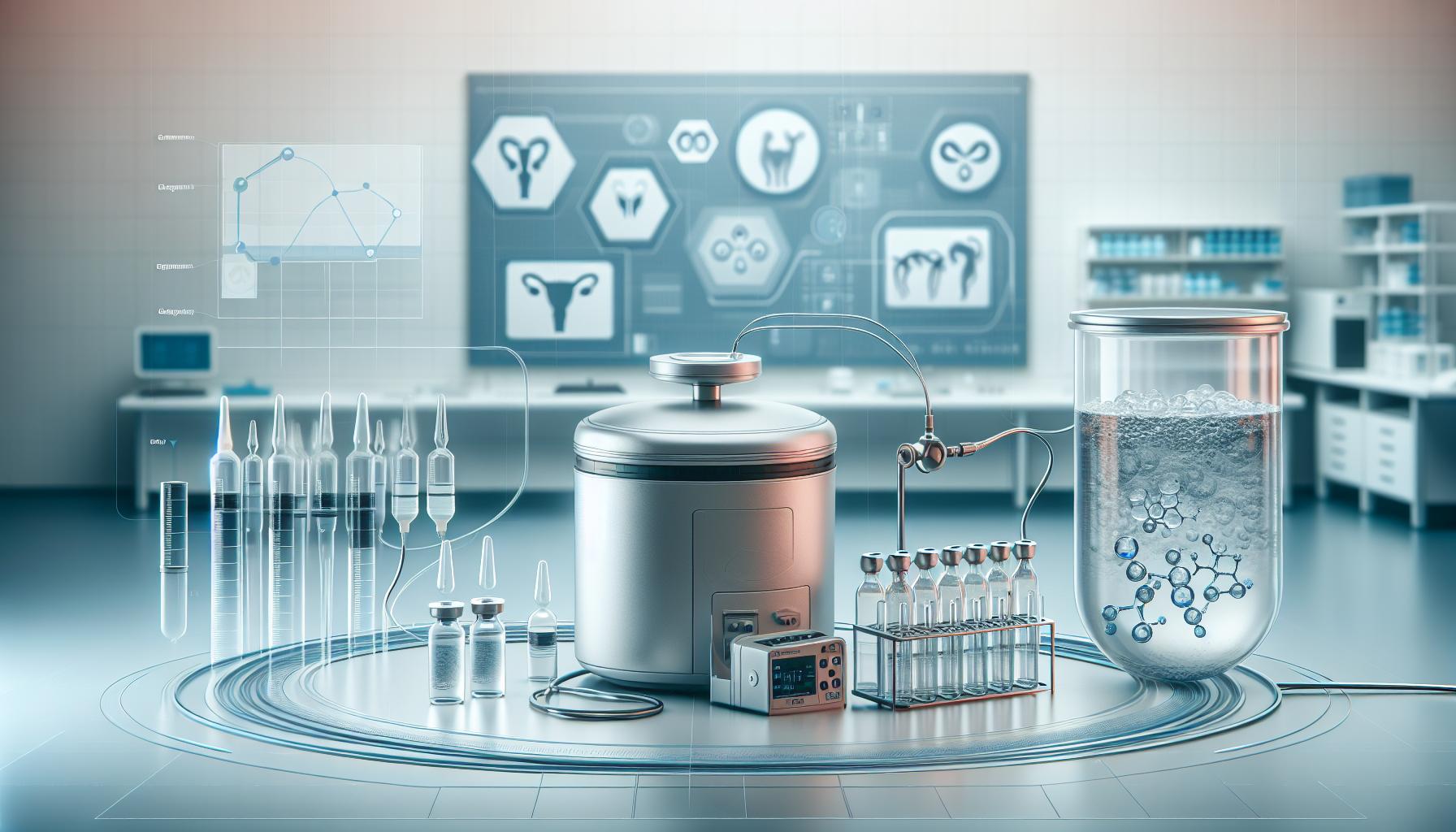
Understanding Success Rates of Artificial Insemination
Success rates for artificial insemination (AI) can vary widely, influenced by multiple factors including the method used, the age and health of the participants, and the underlying cause of infertility. Generally, intrauterine insemination (IUI) tends to yield higher success rates than intracervical insemination (ICI), primarily because IUI places sperm directly in the uterus, closer to the awaiting egg. On average, success rates for IUI range from 10% to 20% per cycle, depending largely on these factors.
Age is a significant determinant of success. Data shows that women under 35 often experience the highest success rates, while those over 40 may see a sharp decline in outcomes. For instance, a woman under 35 might have a monthly success rate of around 15-20%, while women over 40 could see rates drop to 5% or lower. This difference highlights the importance of early intervention and consulting with fertility specialists.
It’s also vital to consider that success rates increase with multiple cycles of treatment. Many clinics recommend undergoing several IUI attempts, as cumulative success rates can be more indicative of achieving a pregnancy than single-cycle data. Overall, while AI offers a hopeful alternative for many, it’s essential for individuals and couples to have realistic expectations and to discuss their particular circumstances with a healthcare provider to better understand their specific chances for success.
Ultimately, the journey toward conception, whether through natural methods or artificial insemination, is fraught with emotional ups and downs. It requires a blend of hope, patience, and support. Being informed about success rates and the factors at play can provide clarity and aid in decision-making throughout this often challenging journey.
Cost Analysis: Artificial Insemination vs. Natural Conception
The cost of seeking to expand your family can weigh heavily, both emotionally and financially. When comparing artificial insemination (AI) to natural conception, it’s essential to be aware of the financial implications each approach can entail. Natural conception typically incurs minimal direct costs-primarily related to regular health check-ups. However, if complications arise or if there are fertility challenges, costs can escalate quickly due to the need for fertility testing, medications, and potentially assisted reproductive technologies.
In contrast, the financial aspect of artificial insemination can be more transparent but also more significant. A single cycle of intrauterine insemination (IUI), commonly the method used in AI, can range from $300 to $1,000, depending on the clinic and whether sperm washing is included. If multiple cycles are needed to achieve pregnancy-often recommended to improve chances-the costs can add up substantially. Some sources estimate that couples may spend upwards of $10,000 or more over several cycles, including medications and monitoring.
Understanding Financial Options
Insurance coverage for artificial insemination varies widely. Some plans cover IUI or certain fertility treatments, while others do not support them at all. It’s crucial to review your insurance policy carefully and consult with your insurance provider to understand what is covered and what out-of-pocket expenses you might anticipate. Many clinics also offer payment plans or financing options, which can alleviate some of the financial burdens.
Long-term Financial Considerations
While AI might represent a larger upfront investment, it is a often a preferred choice for couples facing infertility, with the hope of a successful pregnancy that could eliminate the need for even more expensive procedures, such as in vitro fertilization (IVF), later on. When comparing the costs, consider also the emotional and psychological investments. Each choice carries its own set of hopes, uncertainties, and outcomes, reflecting the complex journey of family building.
Ultimately, it’s essential to weigh the financial, emotional, and logistical aspects of both artificial insemination and natural conception thoroughly. Making informed choices-as well as seeking support from healthcare providers-can provide clarity and assist in navigating this challenging yet hopeful journey toward parenthood.
Emotional Impact of Infertility Treatments
Navigating the emotional landscape of infertility treatments, including artificial insemination (AI), can be an overwhelming journey. Each cycle of treatment can bring a mix of hope and anxiety, often felt deeply as individuals and couples seek to expand their families. The impact of these experiences cannot be underestimated-feelings of sadness, frustration, or isolation might creep in, particularly when faced with the uncertainties of success.
It’s crucial to understand that these emotional responses are normal and shared by many on the same path. The prospect of undergoing AI can open up new avenues for hope while simultaneously inviting doubts about the process and its efficacy. It helps to embrace these feelings rather than dismiss them. Recognizing the fear of potential failures or setbacks is the first critical step toward personal healing. Celebrating small milestones, such as positive steps taken in the treatment journey, can foster resilience and provide moments of joy amidst the challenges.
The emotional toll of AI isn’t just about the psychological stress; it can also strain relationships. Partners may find themselves reacting to the emotional rollercoaster in different ways, potentially leading to miscommunication. It’s important to create an environment where both partners feel free to express their feelings. Engaging in open dialogues, attending counseling, or joining support groups can enhance understanding and provide communal relief, assuring each partner that they are not alone in this experience.
One should also consider incorporating self-care practices into their routine. Engaging in activities that bring pleasure, such as yoga, meditation, or creative outlets, can mitigate stress and enhance emotional well-being. Furthermore, staying informed about the technical aspects of AI can also ground the emotional journey, transforming some of the fear into empowerment as individuals navigate their fertility choices with greater knowledge and confidence. By recognizing the emotional complexities of artificial insemination and providing oneself with compassion and patience, the path toward building a family can be approached with a sense of agency and hope, regardless of the outcome.
Procedure Timeline: What to Expect with AI
Understanding the procedure timeline for artificial insemination (AI) can ease some of the anxiety that often accompanies the fertility journey. Typically, the process unfolds in several critical phases that are designed to maximize the chances of conception while providing a clear structure for expectations.
Initially, you will have an initial consultation with a fertility specialist, who will review your medical history, perform necessary tests, and discuss your options. This appointment is essential for establishing a personalized plan based on your specific circumstances. Following this, the fertility evaluation often involves ultrasound scans to monitor ovulation and blood tests to check hormone levels, typically happening in the weeks leading up to the insemination.
Once you are ready to proceed, the actual artificial insemination procedure is relatively straightforward. It usually occurs around the time of ovulation to enhance the likelihood of fertilization. Intrauterine insemination (IUI), the most common form of AI, is performed in a clinical setting and takes place within a few minutes. During IUI, previously prepared sperm is gently placed directly into the uterus. Many patients report feeling only mild discomfort, and the procedure requires no anesthesia.
After insemination, there is a waiting period until you can take a pregnancy test-typically about two weeks. This time can be emotionally challenging, as you might experience a mix of hope and anxiety. It’s important to remain engaged in self-care practices and stay connected with your support network during this phase. Knowing the steps involved-from initial consultation to post-procedure waiting-can help demystify the experience and equip you with the knowledge to navigate this important journey.
In summary, understanding what to expect at each stage not only helps you prepare physically but also supports your emotional well-being throughout the entire process.
Factors Influencing the Success of Insemination Techniques
Success in artificial insemination (AI) can be influenced by a variety of factors. Understanding these elements can empower you on your fertility journey by setting realistic expectations and guiding preparations. Each aspect of the process plays a significant role in determining the likelihood of achieving pregnancy through artificial insemination.
One key factor is the timing of insemination. For optimal results, AI should be performed close to ovulation when the egg is available for fertilization. Monitoring ovulation through ultrasound and hormonal testing helps pinpoint the most favorable time for the procedure. Additionally, the choice of sperm quality and preparation methods can significantly influence outcomes. Sperm sample collection, washing, and preparation (such as removing any dead cells or impurities) are essential for ensuring the best quality sperm is used, which can enhance the chances of successful fertilization.
Age is another critical factor. A woman’s age can affect the quantity and quality of her eggs, with fertility typically declining after age 35. Similarly, male factor infertility, such as low sperm count or motility, also becomes more prominent with age. If you are considering AI, consulting a fertility specialist about these age-related concerns can provide clarity and options tailored to your situation.
Moreover, underlying health conditions must be addressed. Issues such as polycystic ovary syndrome (PCOS), endometriosis, or hormonal imbalances can impact the success of AI. Comprehensive evaluations and treatments aimed at correcting these health challenges can greatly improve the odds of conception. Lifestyle factors also play a role; maintaining a healthy weight, reducing stress, avoiding smoking, and limiting alcohol can enhance fertility for both partners.
Each of these factors works in conjunction with one another, creating a complex interplay that impacts the success of artificial insemination. It’s essential to engage openly with your fertility specialist, ask questions, and seek support as you navigate these challenges. Understanding these influences not only prepares you for the process but also helps manage the emotional weight that accompanies fertility treatments.
Understanding Infertility Causes and Their Treatments
Understanding the intricacies of infertility is essential for anyone navigating the complex journey to parenthood. Infertility can stem from various factors that affect either partner, or a combination of both. This understanding not only helps in choosing the right intervention, such as artificial insemination (AI) or natural methods, but also in setting realistic expectations about the prospects of conception.
Female infertility often results from several medical conditions. Conditions like polycystic ovary syndrome (PCOS), which disrupts hormonal balance and ovulation, and endometriosis, where tissue similar to the uterine lining grows outside the uterus, are significant contributors. Additionally, anatomical issues such as blocked fallopian tubes impede sperm from reaching the egg. Regular visits to reproductive health specialists can assist in diagnosing these conditions through assessments like ultrasounds and hormone level testing. Treatment may involve lifestyle changes, medications, or procedures aimed at restoring ovulation or improving overall reproductive health.
On the male side, infertility is frequently linked to low sperm count, poor sperm motility, or morphological abnormalities. Factors such as age, hormonal imbalances, and environmental influences like heat exposure or toxic substances can exacerbate these conditions. A semen analysis is typically conducted to evaluate sperm health, and interventions may range from lifestyle modifications to medical treatments, including hormone therapy or surgical options for correcting anatomical defects. For couples facing male-related infertility, AI can be a practical solution when paired with healthy sperm from a donor or partner.
It’s important to recognize that infertility can carry an emotional burden. Couples may experience grief, frustration, and anxiety. In such times, support groups or counseling can provide a valuable space for sharing experiences and coping strategies. Understanding that both partners’ emotional and psychological well-being is vital can lead to a more harmonious journey through treatment. Each couple’s experience with infertility is unique, and there are multiple paths to explore, whether through AI, IVF, or adoption, each deserving respect and consideration.
Ultimately, taking a proactive approach by consulting with healthcare professionals, understanding personal infertility causes, and exploring treatment options can empower couples. Addressing both the medical and emotional aspects of infertility creates a supportive framework for those embarking on their family-building journey.
Insurance Coverage and Financial Options for AI
Understanding the financial landscape surrounding artificial insemination (AI) can significantly ease the stress of this fertility journey. Many couples find themselves asking not just if AI is a viable option for them, but also how the costs will impact their decision-making process. While the emotional weight of infertility can be heavy, having clarity around financial options offers a sense of control and planning.
The cost of artificial insemination typically ranges from $300 to $4,000 per cycle, which can vary based on geographical location, the clinic’s pricing, and whether donor sperm is needed. It’s also essential to consider additional expenses like medication, ultrasounds, and lab fees. Because of these variations, understanding your health insurance coverage is a crucial step. Some insurance plans cover a portion of fertility treatments, including AI, but the extent of this coverage can differ widely from one provider to another. Reviewing your policy and consulting with your insurance representative can clarify what is included, and any co-pays or deductibles you might face.
Navigating Financial Options
There are several financial avenues couples may explore when considering AI. Some fertility clinics offer financing plans that allow you to spread out the costs over time. Additionally, grants and scholarships for fertility treatments exist and can lessen the financial burden for eligible families. Crowdfunding has also emerged as a popular option for those seeking support from their community. Many platforms allow you to share your story with friends and family, potentially finding financial help in unexpected places.
Additionally, some patients may be eligible for health savings accounts (HSAs) or flexible spending accounts (FSAs), which enable you to set aside pre-tax dollars for qualified medical expenses, including AI. This can not only reduce immediate out-of-pocket costs but also provide long-term savings, making this journey slightly more manageable financially.
Ultimately, while the journey toward parenthood through AI may be filled with uncertainties, understanding the financial aspects can ease some of the emotional load. Remain proactive in discussions with your healthcare team about costs and insurance options, recognizing that each step, no matter how small, brings you closer to your goal. Validate your feelings throughout this process-whether they are hopeful or anxious-because your emotions are valid as you navigate this complex landscape.
Lifestyle Changes to Enhance Fertility
Making intentional lifestyle changes can play a vital role in enhancing fertility, whether you choose artificial insemination or natural conception methods. Research shows that factors such as diet, exercise, and overall well-being pave the way for a better reproductive environment. In fact, adopting healthier habits can positively influence your chances of conception, support your emotional health, and empower you on your family-building journey.
One foundational change involves nutrition. Consuming a well-balanced diet rich in whole foods can significantly impact reproductive health. Aim for a variety of fruits, vegetables, whole grains, and lean proteins. Specific nutrients, such as folic acid, vitamin D, and omega-3 fatty acids, have been linked to improved fertility. It’s advisable to minimize processed foods, trans fats, and excessive sugar, as these can disrupt hormonal balance and affect ovulation. Additionally, staying hydrated helps maintain optimal bodily functions, including the reproductive system.
Physical activity is also a cornerstone of fertility enhancement. Engaging in regular moderate exercise not only helps to manage weight but also fosters hormonal balance. Aiming for at least 150 minutes of moderate-intensity exercise, such as brisk walking or swimming, each week can be beneficial. However, it’s essential to find a balance, as excessive high-intensity workouts may have the opposite effect by disrupting ovulation. Consider incorporating relaxation techniques like yoga or meditation, which can reduce stress-a significant factor that can influence fertility.
Lastly, assessing and improving your emotional health is paramount. The journey through fertility treatments can evoke a spectrum of feelings, from anxiety to hope. Connecting with support groups or therapists who specialize in fertility can provide much-needed emotional support. Surrounding yourself with understanding friends and family can also help create a supportive network, making the journey feel less isolating.
By focusing on these lifestyle changes, you not only enhance your fertility but also prepare your body and mind for the journey ahead, whatever path you choose to pursue.
Alternative Fertility Treatments: Exploring Your Options
In the world of reproductive health, exploring various fertility treatment options is essential, especially for individuals and couples facing challenges in conceiving. While artificial insemination (AI) is a popular choice, several alternative fertility treatments can complement or serve as alternatives to AI. Understanding these alternatives can empower you to make informed choices that align with your personal circumstances and goals.
In Vitro Fertilization (IVF)
One of the most well-known alternatives to artificial insemination is In Vitro Fertilization (IVF). This process involves extracting eggs from a woman’s ovaries and fertilizing them with sperm in a lab. Once embryos form, they can be implanted into the uterus. IVF is particularly beneficial for individuals facing more complex fertility issues, such as blocked fallopian tubes or severe male infertility. The success rates for IVF can vary significantly based on age and health factors, but it generally offers a higher outcome than AI for certain conditions.
Intracytoplasmic Sperm Injection (ICSI)
Similar to IVF, Intracytoplasmic Sperm Injection (ICSI) is often employed when sperm quality is a major concern. In this highly specialized procedure, a single sperm is injected directly into an egg, enhancing the chances of fertilization. This technique is particularly useful for couples dealing with male infertility issues, such as low sperm count or motility problems.
Fertility Medications
In some cases, fertility medications can stimulate ovulation and improve the chances of conception. These are often prescribed for women with irregular cycles or ovulatory disorders. Medications like Clomiphene citrate or Gonadotropins can enhance follicle development, making the window of natural conception more viable. These medications may be used alongside other treatments, including artificial insemination, to increase success rates.
Donor Eggs or Sperm
For individuals with diminished ovarian reserve or male infertility issues, using donor eggs or sperm can be a viable option. This method can work in conjunction with IVF or AI to increase the likelihood of conception. While emotional considerations are important, many find joy in creating a family this way, celebrating the diverse paths to parenthood.
Support and Counseling
Navigating fertility treatments can evoke a rollercoaster of emotions. Connecting with support groups or counselors who specialize in family-building concerns can provide essential emotional support. Sharing experiences and learning from others who have walked similar paths can be incredibly validating and help manage the emotional weight of this journey.
Choosing a path that feels right for you can often be daunting, but understanding the options available empowers you to take control of your fertility journey. Each treatment has its own set of benefits, challenges, costs, and emotional impacts, which should be carefully considered alongside the advice of healthcare professionals. Celebrate every step in this process, as each decision brings you closer to your goal of building a family.
Personal Stories: Experiences with AI and Natural Methods
Navigating the journey of parenthood can be profoundly complex, especially when it diverges from natural conception. Many individuals and couples turn to artificial insemination (AI) as a hopeful solution, and their stories reflect a tapestry of experiences filled with both challenges and triumphs. For some, AI has proven to be the bridge they needed to achieve pregnancy, while others have found solace in natural methods, leading to a diverse array of outcomes.
For Sarah and Liam, a same-sex couple, the decision to pursue AI felt empowering. After extensive research, they chose intrauterine insemination (IUI) as their preferred method. “It was amazing to feel like we were taking control of our journey,” Sarah recalls. Emotional milestones, such as selecting a sperm donor, brought them closer together and filled their experience with joy. After two cycles of AI, they were thrilled to discover that they were pregnant with twins. Their story illustrates the heartwarming possibilities AI can offer, especially for couples facing societal barriers to parenthood.
In contrast, Maria, who initially pursued natural conception, faced long months of disappointment before exploring AI. She describes the emotional toll of each negative pregnancy test as a powerful wave of grief, compounded by the societal expectation to conceive naturally. After a year of trying, Maria decided to transition to artificial insemination. “I remember entering the clinic, feeling nervous yet hopeful,” she shared. With each attempt, she learned the importance of patience and support from her partner. After several AI tries, she finally received the life-changing news that she was pregnant-an experience that refined her understanding of what it means to build a family.
Both Sarah and Maria’s journeys highlight an essential truth in fertility-there’s no one-size-fits-all solution. Whether through AI or natural conception, the process can be fraught with emotional intensity and uncertainty. Share your feelings through support groups, connect with others on a similar path, and always remember that every story is valid, and each step brings you closer to your dream of parenthood.
The key takeaway is that the route to parenthood, whether through artificial insemination or natural methods, is unique to each journey. Reflect on the various paths available, share your fears and triumphs, and embrace the adventure of building a family with openness and love.
Faq
Q: What are the main pros and cons of artificial insemination compared to natural conception?
A: Artificial insemination (AI) offers targeted sperm placement and may be beneficial for couples facing certain infertility issues, yet it can be more costly and emotionally taxing. Natural conception is typically less expensive but may be less effective for those with fertility challenges. Consider your specific situation and speak to a healthcare provider for tailored advice.
Q: How does the emotional experience of artificial insemination differ from natural conception?
A: The emotional impact of artificial insemination can be profound, often involving anticipation and disappointment during cycles. In contrast, natural conception is often seen as less pressured, though it can still evoke emotional distress if unsuccessful. Support groups or therapy can help navigate these feelings.
Q: Are there specific health factors that influence the choice between artificial insemination and natural methods?
A: Yes, health factors such as age, ovulation irregularities, sperm quality, and underlying medical conditions can greatly affect conception chances. A thorough evaluation by a fertility specialist can help determine the most suitable approach for your needs.
Q: What affordable alternatives exist to artificial insemination?
A: Affordability options include timed intercourse during ovulation, over-the-counter ovulation kits, and lifestyle changes to enhance fertility. Exploring alternative treatments such as acupuncture or nutritional therapy may also provide additional support. Consultation with a fertility expert can clarify your best options.
Q: What should I expect during the artificial insemination procedure?
A: During the artificial insemination procedure, you can expect a quick, non-invasive process where sperm is introduced into the uterus at the optimal time for ovulation. It typically takes about 15-30 minutes, and there’s usually minimal discomfort. Post-procedure rest and follow-up care are advisable.
Q: How can I improve the success rates of artificial insemination?
A: To enhance success rates, maintain a healthy lifestyle, manage stress, avoid substances such as tobacco, and follow your doctor’s pre-procedure guidelines. Staying informed about your body’s ovulation schedule can also optimize timing for insemination.
Q: What role does insurance play in covering artificial insemination costs?
A: Insurance coverage for artificial insemination varies by plan. Many do cover certain procedures, but you should verify specifics with your insurer. Discussing financial options with your clinic may also help in managing costs effectively.
Q: How does artificial insemination impact future fertility treatments?
A: Artificial insemination does not hinder future fertility treatment options. If AI is unsuccessful, methods like IVF or advanced reproductive technologies remain available, providing multiple avenues for achieving pregnancy. Each case is unique, so continual consultation with a fertility expert is crucial.
Key Takeaways
As we’ve explored, the decision between artificial insemination and natural conception is deeply personal, influenced by various factors including success rates, costs, and personal circumstances. Remember, whether considering IVF, insemination artificial, or exploring options for infertility, it’s crucial to consult with a healthcare professional who understands your unique journey. For more insights, check out our articles on common causes of infertility and treatment timelines to make informed choices.
We encourage you to share your thoughts in the comments or connect with others experiencing similar journeys. It’s a path filled with challenges, but you’re not alone. If you found this comparison helpful, consider subscribing to our newsletter for updates on the latest in reproductive health and support. Your family-building journey matters, and we’re here to help every step of the way.