Artificial insemination (AI) offers hope for individuals seeking to grow their families, whether due to infertility, same-sex partnerships, or single motherhood. This medical procedure involves the introduction of sperm into a woman’s reproductive system, significantly increasing the chances of pregnancy without the need for sexual intercourse. As you explore this guide, you’ll find valuable insights into how artificial insemination works, its benefits, and what to expect throughout the process. Understanding AI can empower you on your fertility journey, addressing concerns about costs, success rates, and emotional support-all crucial for making informed decisions. Join us as we navigate the complexities and possibilities of artificial insemination, and discover how this technique may align with your family-building aspirations.
Understanding Artificial Insemination: Basics You Need to Know
Artificial insemination is a medical procedure designed to help individuals and couples conceive when natural conception is challenging. It primarily serves those facing infertility issues, single women, and same-sex couples wishing to build their families. The technique allows sperm to be introduced directly into a woman’s reproductive system, increasing the chances of pregnancy without the need for sexual intercourse. This method can be beneficial for those who might have lower sperm motility or other fertility complications, making natural conception more difficult.
The process typically involves a carefully timed procedure, often coinciding with a woman’s ovulation cycle. This strategic timing enhances the likelihood that the sperm will meet the egg at the most optimal moment, which is essential for fertilization. Patients undergoing artificial insemination should prepare for the procedure by discussing their medical history, potential fertility medications, and any emotional support needs they may have, as the journey can be filled with both hope and uncertainty.
Moreover, it’s important for those considering artificial insemination to understand the various types, such as intrauterine insemination (IUI) and intracervical insemination (ICI). IUI generally offers a higher success rate as it delivers sperm directly into the uterus instead of the cervix. This selection often depends on individual circumstances, including health factors and personal preferences.
In the emotional landscape of fertility treatments, it’s crucial to acknowledge the pressure and potential grief accompanying the quest for conception. Many individuals find reassurance in forming connections with support groups or seeking counseling, helping them navigate their feelings while pursuing this path. Understanding all aspects-medical, emotional, and logistical-can empower patients as they take this significant step toward expanding their families.
How Does Artificial Insemination Work? Step-by-Step Procedure
Bringing a new life into the world is a journey filled with hope and anticipation, but for many individuals and couples, the path to parenthood doesn’t follow a traditional route. Artificial insemination offers a practical solution, allowing sperm to be introduced directly into a woman’s reproductive system, enhancing the chances of conception. Understanding how this procedure works is essential for anyone considering it as part of their family-building journey.
The process begins with a thorough consultation with a fertility specialist who will review your medical history and any potential fertility issues. This conversation is crucial, as it sets the stage for everything that follows. In many cases, doctors may recommend fertility medications to increase ovulation and improve the chances of success. Once a woman’s ovulation cycle is properly monitored-typically through blood tests and ultrasounds to track hormone levels and follicle development-the timing of the insemination can be strategically planned.
On the day of the procedure, which is often scheduled to coincide with ovulation, the collected sperm-either fresh or frozen-is prepared in a lab to enhance motility. During the insemination, the doctor will use a thin catheter to place the sperm either directly into the uterus (intrauterine insemination, or IUI) or into the cervix (intracervical insemination, or ICI). The decision between IUI and ICI may depend on several factors, including the specific circumstances of the individuals involved, as IUI generally has a higher success rate due to the placement of sperm closer to the egg.
After the insemination, patients typically spend a few minutes resting before resuming normal activities, although some doctors may advise against strenuous exercise for a short time. It’s normal to experience a mix of emotions following the procedure-excitement, anxiety, and even uncertainty. Remember to allow yourself space to process these feelings, as they are a natural part of the fertility journey. After approximately two weeks, a blood test will confirm whether the procedure was successful, leading to either celebration or the opportunity to discuss next steps with your healthcare team.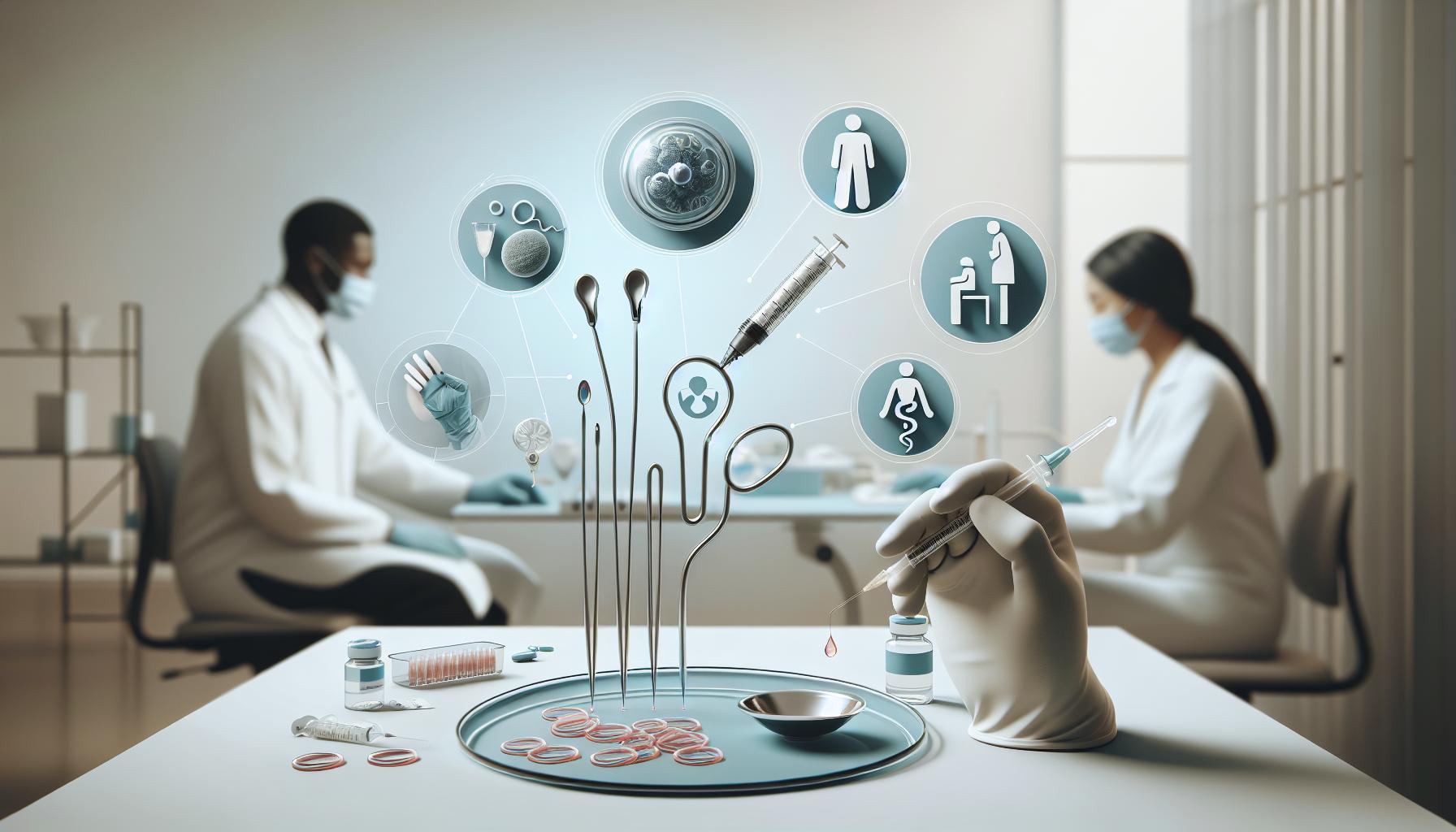
Success Rates of Artificial Insemination: What to Expect
Success rates for artificial insemination can vary significantly based on various factors, providing a landscape of hope and realism for those considering this path. Intrauterine insemination (IUI), a common form of artificial insemination, generally presents success rates ranging from about 5% to over 20% depending on age, diagnosis, and treatment specifics. For example, younger individuals often experience higher success rates, aligning with findings that suggest a rate of approximately 18.5% per cycle attempt, particularly for donor insemination [[1]](https://www.thespermbankofca.org/resources/research/success-rates-considering-age-insemination-method/) [[2]](https://www.pfcla.com/blog/intrauterine-insemination-iui-procedure-success-rates).
It’s important to recognize the multitude of variables influencing these rates. Age is one of the most critical factors, as fertility tends to decline with increasing age. Other aspects, like underlying medical conditions, the quality of sperm, and the use of fertility medications, can also impact outcomes. Personalized treatment plans are essential, as fertility specialists often tailor approaches based on individual circumstances, closely monitoring hormone levels and follicle development to identify the optimal moment for insemination [[2]](https://www.pfcla.com/blog/intrauterine-insemination-iui-procedure-success-rates) [[3]](https://www.cnyfertility.com/iui-success-rates).
As you navigate this journey, it’s crucial to have open conversations with your healthcare provider regarding expectations and possible outcomes. Remember that while one cycle may not lead to a successful pregnancy, each attempt brings valuable insights that can guide subsequent efforts. Celebrate the small victories along the way, and allow yourself to feel a spectrum of emotions. It’s a path filled with uncertainties, yet it is also lined with possibilities, where each step brings you closer to the family you desire.
Cost Breakdown of Artificial Insemination: Budgeting for Treatment
The financial aspects of artificial insemination can feel daunting, but understanding the costs involved is vital for effective budgeting and decision-making on your fertility journey. On average, the cost of intrauterine insemination (IUI) ranges from $150 to $4,000 per cycle, depending on various factors such as clinic location and whether any fertility medications are used [3]. If you consider the possibilities of multiple cycles to increase your chances of success, it’s important to plan accordingly.
Understanding Cost Components
Costs for IUI can be influenced by:
- Consultation Fees: Initial visits for fertility assessments often incur fees that can range from $200 to $400.
- Medications: Fertility medications, if required, can add an additional $500 to $1,500 to the overall cost.
- Insemination Procedure: The procedure itself can range from $300 to $1,500, depending on the clinic.
- Follow-up Costs: Monitoring hormonal levels and ultrasound imaging may incur extra costs.
Budgeting for Multiple Cycles
It’s crucial to recognize that achieving pregnancy through IUI may not happen in the first attempt. Many couples plan for three to six cycles, which can substantially increase the total expenditure. For example, if you estimate an average cost of $1,500 per cycle, three cycles could total $4,500, excluding medications and any additional tests needed.
Insurance Considerations
Before initiating treatment, check with your insurance provider to understand your coverage options. Many insurance plans do not cover artificial insemination or may require you to meet specific conditions before benefits kick in. This can significantly affect your out-of-pocket expenses. Having an upfront conversation with your insurance provider can help clarify what costs you might expect to incur versus what may be covered.
Navigating the financial landscape of artificial insemination requires careful planning, but being informed about potential costs can alleviate some of the emotional burden. Always remember to communicate openly with your healthcare provider about any financial concerns, as they may be able to suggest tailored solutions to help manage expenses.
Causes of Infertility: When to Consider Insemination
When couples face challenges in conceiving, it can feel overwhelming and disheartening. Understanding the causes of infertility is essential for determining whether artificial insemination might be a viable option. Infertility can stem from various factors affecting either partner’s reproductive health, including hormonal imbalances, anatomical issues, and lifestyle choices. Couples experiencing difficulties after a year of trying to conceive or six months if the woman is over 35 should consider seeking medical advice to explore these underlying causes further.
Common causes of infertility include issues like ovulatory disorders in women, which can prevent eggs from being released, or male factor infertility, characterized by low sperm motility or poor semen quality [1]. Other issues, such as abnormal fallopian tubes, conditions like endometriosis, or previous pelvic infections can also impede natural conception. This understanding is crucial because addressing these conditions can improve the chances of a successful pregnancy.
It’s important to consider artificial insemination, such as intrauterine insemination (IUI), when pinpointing specific infertility causes leads to treatment recommendations. This method can provide a direct approach, allowing sperm to bypass potential barriers in the reproductive tract. For example, cervical disorders may hinder sperm entry, making IUI a preferred option [2].
Even if no specific cause is identified (known as unexplained infertility), IUI may still be worth exploring, especially if you have already attempted conventional methods. Many couples have found success through artificial insemination after undergoing preliminary fertility evaluations. Remember, seeking support during this journey is vital. Emotional wellness and feeling validated in your experiences can make a significant difference as you navigate the complexities of infertility treatment.
Types of Artificial Insemination: IUI vs. IVF Explained
Understanding the various methods of artificial insemination is critical for couples looking to conceive when faced with infertility challenges. Two of the most common approaches are Intrauterine Insemination (IUI) and In Vitro Fertilization (IVF). Each method serves different purposes and has unique procedures, costs, and success rates, which makes it essential for prospective parents to navigate their options judiciously.
Intrauterine Insemination (IUI) is a relatively straightforward procedure. It involves directly placing a concentrated sample of sperm into the uterus around the time of ovulation, increasing the likelihood of sperm reaching an egg. IUI is often recommended for patients with specific fertility issues such as mild male factor infertility, unexplained infertility, or cervical issues. This method is less invasive, typically requires less medication, and may be a cost-effective first step in fertility treatment. The average success rate for IUI varies, ranging from 10% to 20% per cycle, depending on individual factors like age and specific fertility concerns.
In contrast, In Vitro Fertilization (IVF) is a more complex and involved process. It includes several steps: stimulating the ovaries with medication to produce multiple eggs, retrieving these eggs, fertilizing them with sperm in a lab, and then transferring the resulting embryos back into the uterus. IVF is often recommended when other treatments, including IUI, have failed or in cases like blocked fallopian tubes or severe male factor infertility. While IVF typically has higher success rates-around 30% to 40% per cycle for women under 35-it’s also more costly, ranging from $12,000 to $15,000 per cycle on average.
When considering these methods, couples should assess their personal circumstances, including health, emotional readiness, and financial capacity. Consulting with a fertility specialist can provide invaluable insights tailored to individual needs. Furthermore, navigating emotional challenges is an integral part of the journey; it’s vital for couples to seek support along the way, whether through counseling, support groups, or shared experiences within their community. Remember, each step taken, regardless of the outcome, is a part of a broader journey toward family building, filled with both hope and resilience.
Preparing for Insemination: Health Tips and Lifestyle Changes
Taking the step towards artificial insemination can feel overwhelming, but there are proactive measures you can take to prepare your body and mind for this journey. Consider these health tips and lifestyle changes as crucial components that can enhance your overall well-being, potentially increasing your chances of success with insemination.
Nutrition Matters
A balanced diet rich in essential nutrients can play a significant role in your reproductive health. Focus on incorporating a variety of fruits, vegetables, whole grains, and lean proteins. Some specific foods known to support fertility include:
- Leafy greens: Spinach and kale are high in folate, essential for embryo development.
- Healthy fats: Avocados and nuts can help regulate hormones.
- Whole grains: Brown rice and quinoa provide fiber and stabilize blood sugar levels.
- Lean proteins: Fish and poultry may contribute to reproductive health, but limit red meat intake.
Hydration is equally essential-aim to drink plenty of water daily to keep your body functioning optimally.
Physical Activity
Regular exercise can improve your overall health and stress levels. Aim for a mix of cardio and strength training while being mindful not to overexert yourself. Activities like walking, yoga, and swimming can not only help manage stress but also promote better circulation and hormonal balance. However, it’s important to listen to your body and consult with your healthcare provider about what level of activity is right for you during this phase.
Emotional Readiness
Preparing for insemination is not only a physical undertaking but also an emotional one. Acknowledge that feelings of anxiety, hope, and uncertainty are normal. Consider seeking support from qualified professionals such as therapists who specialize in fertility issues. Community support groups can also provide understanding and encouragement from those walking similar paths. Remember, it’s essential to manage your expectations while honoring your emotional journey.
Additionally, practical steps like organizing your schedule for treatment days, understanding medications, and maintaining open communication with your partner are vital. Taking it one step at a time and celebrating small milestones can make the process feel less daunting and more manageable. Every effort you put into your health and well-being is a significant part of your journey towards building a family.
Navigating Emotional Challenges During Fertility Treatments
Embarking on the journey of artificial insemination can stir a complex mix of emotions. Many individuals and couples face a rollercoaster of feelings, ranging from hope and anticipation to anxiety and uncertainty. These emotional challenges are an integral part of the fertility process, and it’s important to acknowledge and address them head-on. Remember that you are not alone-countless others share your experience, and seeking support can be invaluable.
One effective way to navigate these emotional ups and downs is by establishing a strong support system. This can include friends, family, or support groups specifically catering to those facing fertility challenges. Sharing your thoughts and feelings in a safe environment can help alleviate feelings of isolation and provide a sense of community. Mental health professionals who specialize in fertility can offer coping strategies tailored to your unique situation, helping you process any grief or disappointment that may arise during this time.
During your journey, it’s essential to remain patient and practice self-compassion. Setting realistic expectations can help mitigate disappointment, as the path to successful insemination may not always align with your timeline. Celebrate small milestones along the way, whether it’s completing a treatment cycle or simply staying committed to healthy lifestyle changes. Acknowledge each step you take as a meaningful part of your journey towards building a family.
Lastly, be mindful of the language you use when talking about your fertility journey. Positive self-talk can significantly impact your emotional wellbeing. Embrace the terminology surrounding your treatment but interpret it in a way that reinforces your resilience. By recognizing the emotional weight of this process and actively engaging with it, you set the stage for a more empowered experience in your path to parenthood.
Understanding Medical Terms: A Simple Guide for Patients
Understanding medical terms related to artificial insemination can empower you on your fertility journey. It’s normal to feel overwhelmed when encountering complex vocabulary. Having a clear understanding can help you feel confident when discussing your options with healthcare providers. Here, we’ll break down some essential terms you might come across.
Key Terms Explained
- Intrauterine Insemination (IUI): A procedure in which prepared sperm is placed directly into the uterus during ovulation, increasing the chances of sperm reaching the egg.
- Follicles: These are fluid-filled sacs within the ovaries that contain eggs. Monitoring follicle development is crucial for timing insemination.
- Ovum (plural: Ova): The female reproductive cell, or egg, which is fertilized by sperm. Understanding ovum health is vital for successful conception.
- Sperm Motility: A measure of how well sperm move. High motility is important for successful fertilization, as sperm need to swim through the female reproductive tract to reach the egg.
- Embryo: A fertilized egg that has begun to divide and develop. Knowledge of embryo quality can impact treatment choices.
- Fertility Medications: Medications prescribed to stimulate ovulation or improve sperm quality. Understanding the role and implications of these can help in planning treatment.
- Donor Sperm: Sperm provided by a donor for artificial insemination. Knowing the options available can alleviate anxiety surrounding donor selection.
These terms might seem daunting at first, but they represent the key components of your fertility process. If you’re Googling terms like “IUI success rates” or “what is sperm motility,” understand that each term has real implications for your journey toward parenthood. Consider keeping a glossary of terms for quick reference during discussions with your healthcare team. Always feel encouraged to ask questions-there are no silly inquiries in this journey, and clarity is essential for your peace of mind.
Insurance Considerations for Artificial Insemination: What You Should Know
Navigating the financial aspects of artificial insemination (AI) can be daunting, especially when considering the associated costs and varying levels of insurance coverage. Understanding how insurance treats artificial insemination is crucial in planning both your budget and your fertility journey. The landscape of fertility treatments and related insurance policies can vary significantly based on your location, insurance provider, and individual plan details.
Many insurance plans do not cover artificial insemination or set specific limitations, such as the number of cycles they will finance. It’s essential to review your insurance policy carefully. Look for sections regarding fertility treatments or reproductive health, and do not hesitate to contact your insurance provider for clarification. They can inform you about what services are encompassed, any prerequisites for coverage (such as medical diagnosis of infertility), and whether specific conditions apply to services like intrauterine insemination (IUI).
Here are some practical steps you can take to manage your insurance considerations effectively:
- Verify Coverage: Check with your insurance directly to understand what is included in your plan regarding artificial insemination. Some policies might cover diagnostics but not the treatments themselves.
- Documentation: Ensure you have all necessary documentation ready when seeking coverage. This might involve proving medical necessity through a physician’s referral or reports.
- Understand Costs: Familiarize yourself with the potential out-of-pocket expenses associated with artificial insemination. This includes not only the procedure itself but also medications used for ovulation stimulation and follow-up appointments.
- Explore Financing Options: If insurance coverage is insufficient or non-existent, consider discussing financing options with your chosen fertility clinic. Many clinics offer payment plans or financing programs to help spread out costs.
Financial stress can add an extra emotional layer to the fertility journey, making it essential to be proactive and informed. Each step you take toward understanding insurance can help empower you throughout this process. Remember, you are not alone; many individuals and couples navigate these challenges, and finding supportive resources-be it financial advisors or fertility support groups-can provide additional encouragement.
Aftercare and Recovery: Post-Insemination Guidance
After undergoing artificial insemination, it’s natural to feel a mix of excitement and anxiety as you wait to see if the procedure was successful. The aftercare phase is crucial, not only to ensure your physical well-being but also to support your emotional health during this uncertain time.
Post-insemination care typically involves monitoring for any signs of discomfort or unusual symptoms. It’s important to rest and avoid strenuous activities for a few days following the procedure to allow your body to adjust. Make sure to stay hydrated and maintain a balanced diet, which can help your body recover and support overall reproductive health. Some patients may experience mild cramping or spotting, which is often normal, but you should contact your healthcare provider if these symptoms become severe or if you have concerns.
Coping with Emotional Challenges
The emotional journey after artificial insemination can be a rollercoaster. During this period, practicing self-compassion and patience is vital. It’s okay to feel anxious about the outcome; acknowledging these feelings can help you cope better. Consider engaging in relaxation techniques such as meditation, yoga, or gentle walks, which can help alleviate stress and promote mental well-being. Connecting with supportive friends or joining a fertility support group can also provide comfort and understanding as you navigate your feelings.
Furthermore, keeping a journal to express your thoughts and feelings throughout this time can serve as a valuable outlet. Documenting your journey can also help you reflect on the process and recognize the support you have around you.
When to Follow Up
It’s advisable to schedule a follow-up appointment with your fertility specialist about two weeks post-insemination. This will typically coincide with the time when a pregnancy test can be reliably conducted. Your doctor might also recommend certain tests to determine if everything is proceeding as expected. Be sure to communicate openly with your provider about any symptoms you experience or any questions you have during this period.
In this aftermath, remember that while artificial insemination can be a significant step toward building your family, it’s also just one part of your broader fertility journey. Celebrate small victories and be kind to yourself as you wait for the next steps.
Exploring Alternative Family-Building Options After Insemination
Exploring other avenues for building your family after artificial insemination can provide hope and numerous pathways to parenthood. Whether you’re dealing with the aftermath of a failed attempt or simply planning your next steps, understanding alternative options can empower you to continue your journey with confidence.
One option to consider is In Vitro Fertilization (IVF). This process entails retrieving eggs from the ovaries and fertilizing them with sperm in a laboratory to create embryos. IVF can be ideal for individuals facing specific fertility challenges, such as issues with egg quality or fallopian tube blockages. The procedure may also allow for the screening of embryos for genetic conditions before implantation, thus enhancing the likelihood of a successful pregnancy.
Another path is donor eggs or sperm. If your own sperm or eggs are not viable, using third-party donors can open up possibilities. For instance, using donor eggs if you’re older or have diminished ovarian reserve can lead to successful pregnancies, and many couples find this option suits their needs well. The process consists of retrieving the donor’s eggs, fertilizing them, and then transferring the resulting embryos to your uterus.
Additionally, adoption is a meaningful route that many choose. This process can fulfill the desire for family and provide a loving home to a child in need. Adoption can be domestic or international, and each route comes with unique considerations and emotional journeys. Engaging with adoption agencies helps navigate the legal and logistical complexities involved in this compassionate choice.
In some situations, surrogacy may be the preferred option. If carrying a pregnancy is not feasible due to medical conditions, utilizing a gestational carrier can help. This involves another person (the surrogate) carrying the pregnancy. It’s essential to work with legal professionals familiar with reproductive law to oversee agreements and ensure that the journey respects the rights and responsibilities of all parties involved.
As you consider these pathways, remember to recognize and honor your feelings throughout this process. Family-building decisions are deeply personal and often involve complex emotions. Seeking support through counseling, connecting with support groups, and discussing your feelings with trusted friends can provide reassurance and insight as you navigate the options available to you. Keep in mind that you are not alone in this journey, and each step you take is a testament to your strength and commitment to building your family.
Q&A
Q: What is the purpose of artificial insemination?
A: Artificial insemination is primarily used to treat fertility issues by directly introducing sperm into a woman’s reproductive system. This increases the chances of conception in couples facing difficulties due to various factors, including unexplained infertility or male infertility issues.
Q: How successful is artificial insemination compared to natural conception?
A: Artificial insemination success rates vary widely based on individual circumstances but generally range from 10% to 20% per cycle. It is often less successful than natural conception, especially for couples facing severe infertility issues.
Q: Who should consider artificial insemination?
A: Individuals or couples facing infertility due to factors like ovulation disorders, sperm quality issues, or unexplained infertility may consider artificial insemination. It is also an option for single women or same-sex couples wanting to start a family.
Q: What are the emotional impacts of undergoing artificial insemination?
A: Undergoing artificial insemination can be emotionally challenging. It often involves anxiety, hope, and potential feelings of disappointment. Seeking support from counseling or support groups can be beneficial during the process.
Q: How many cycles of artificial insemination should one undergo?
A: Many fertility specialists recommend trying 3 to 6 cycles of artificial insemination before exploring other options like IVF, depending on individual circumstances and responses to treatment.
Q: What are the health considerations before undergoing artificial insemination?
A: It’s essential to manage chronic health issues, maintain a healthy lifestyle, and undergo necessary fertility evaluations before artificial insemination. Consult your doctor about the necessary tests and potential lifestyle changes.
Q: Are there alternatives to artificial insemination?
A: Yes, alternatives to artificial insemination include IVF, surrogacy, and adoption. Couples should evaluate their options based on their unique situations and consult with fertility specialists for personalized advice.
Q: How much does artificial insemination typically cost?
A: The cost of artificial insemination varies but can range from $300 to $4,000 per cycle, depending on factors like clinic location and necessary medications. It’s crucial to check with your insurance for coverage options.
Future Outlook
In understanding the purpose of artificial insemination, it’s essential to recognize the hope it brings to many families facing infertility challenges. As we conclude this guide, remember that each journey is unique, and exploring your options is crucial. If you’re ready to take the next step, consider scheduling a consultation with our experts, who can provide personalized advice tailored to your situation. Be sure to also check out our articles on IVF and common infertility causes, as they can offer further insights and support during this emotional journey.
Your family-building path deserves compassionate guidance, and we’re here to help. Have questions or experiences to share? Join our community by leaving a comment below or sharing this guide with someone who might benefit from it. Together, let’s navigate the complexities of reproductive health with empathy and understanding. Remember, you’re not alone, and every small step is a step toward your goal.