Artificial insemination in animals is a method that involves deliberately introducing sperm into the reproductive tract to achieve conception, bypassing the need for natural mating. This technique not only enhances breeding efficiency but also helps conserve genetic diversity among species that may face reproductive challenges. With increasing global demand for livestock and companion animals, understanding artificial insemination‘s benefits is essential for breeders and pet owners alike.
As you explore this complete overview, you will discover how artificial insemination can facilitate healthier breeding practices, optimize genetic traits, and contribute to the overall welfare of animals. Whether you are a seasoned breeder or a curious pet owner, this guide will equip you with the insights needed to navigate the complexities of artificial insemination, ensuring a bright future for your animals and an enriching experience for you.
Understanding Artificial Insemination: A Comprehensive Guide
Artificial insemination in animals is a fascinating technique that revolutionizes reproductive practices in the animal husbandry sector. This method involves introducing sperm directly into the reproductive tract of a female, aiming to achieve pregnancy without the need for natural mating. Understanding this process is essential for livestock producers, breeders, and pet owners who wish to enhance their breeding programs or ensure genetic diversity.
One of the key advantages of artificial insemination is its ability to facilitate the use of superior genetics. Breeders can choose sperm from high-quality males, even if they are geographically distant, thus improving the overall genetic potential of the offspring. Additionally, artificial insemination reduces the risk of transmitting diseases that might occur during natural mating and can help control breeding seasons more effectively. This technique also supports the management of endangered species by allowing a greater variety of genetic material to be utilized without the need for physical contact between animals.
However, successful artificial insemination requires knowledge of the reproductive cycles of the specific species involved. Understanding hormone cycles, timing of ovulation, and optimal insemination techniques is vital for achieving positive outcomes. Moreover, emotional resilience plays a role in this journey; as with any reproductive technology, results can vary, and it’s essential to remain hopeful and open to adapting methods as needed.
In summary, artificial insemination offers remarkable opportunities for animal breeding while demanding an informed and sensitive approach from those involved. Being equipped with the right knowledge helps ensure that both the emotional and practical aspects of this process are managed carefully, ultimately leading to fruitful and responsible breeding practices.
Types of Artificial Insemination Techniques in Animals
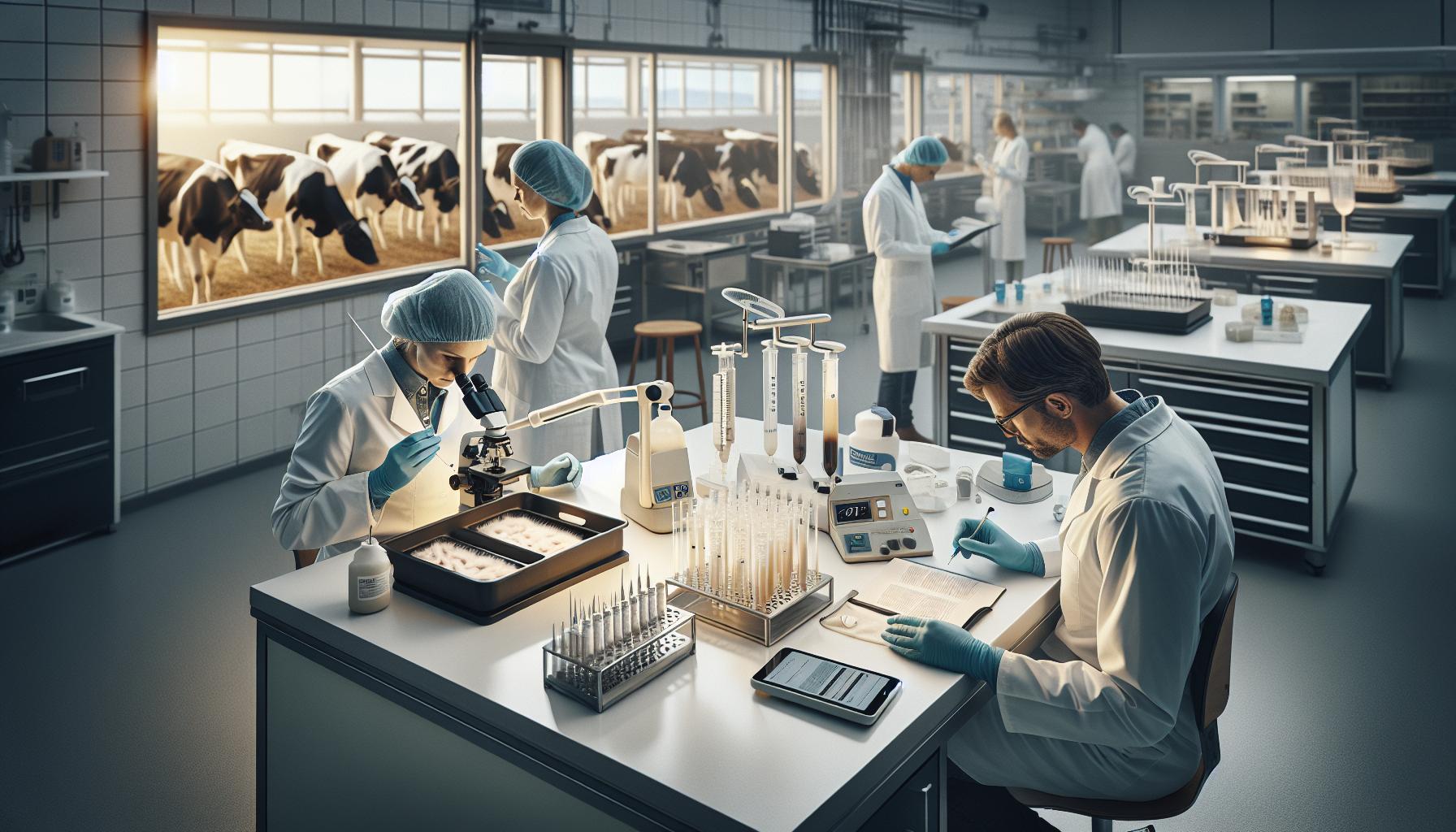
Artificial insemination (AI) techniques in animals have become a cornerstone of modern breeding practices, offering numerous advantages over traditional mating. Understanding these techniques not only enhances breeding success but also supports genetic diversity and animal welfare. The two primary methods of artificial insemination are Intrauterine Insemination (IUI) and Intracervical Insemination (ICI). Each method serves distinct purposes and caters to varying needs depending on the species and reproductive goals.
Intrauterine Insemination (IUI)
IUI involves the careful placement of prepared sperm directly into the uterus using a thin catheter. This method is particularly beneficial for species with complex reproductive anatomy or when timing must align precisely with ovulation. The primary advantage of IUI is that it can increase the likelihood of conception by ensuring that sperm are much closer to the egg at the time of fertilization. A notable example includes dairy cattle, where the timing of insemination aligns with the estrous cycle to maximize pregnancy rates.
Intracervical Insemination (ICI)
ICI utilizes a simpler technique where sperm is deposited in the cervix rather than the uterus. This method can be less invasive and is often used in smaller species or where the anatomical access proves challenging. For instance, ICI is commonly employed in canine breeding, where the sperm is deposited within the cervical canal to stimulate natural biological processes. While there may be a marginally lower success rate compared to IUI, ICI has its own share of advantages, such as reduced stress on the animal and ease of application.
Both techniques require meticulous preparation and understanding of the reproductive cycles of the species involved. Factors such as the quality of sperm, timing of ovulation, and even the emotional state of the animals play a crucial role in the success of artificial insemination. Familiarity with hormone cycles and careful monitoring can ease the process, allowing breeders to navigate these procedures effectively.
In conclusion, choosing the appropriate artificial insemination technique depends on several factors including the species being bred, objectives of the breeding program, and available resources. Whether through IUI’s targeted approach or ICI’s simpler execution, these methods significantly enhance the capabilities of animal breeding, paving the way for healthier, genetically diverse populations. With the right knowledge and support, animal breeders can harness these techniques to achieve successful outcomes while respecting the emotional and ethical implications inherent in the reproductive journey.
The Science Behind How Artificial Insemination Works

Artificial insemination (AI) is a remarkable practice that leverages scientific advancements to enhance reproductive success in animals. At its core, AI involves the strategic introduction of sperm into the female reproductive tract to facilitate conception without the need for natural mating. This method has been refined over the years, making it possible to overcome many reproductive challenges faced by breeders.
The science behind artificial insemination hinges on a deep understanding of animal reproductive physiology and the precise handling of spermatozoa. Sperm collection typically begins with the use of specialized techniques to ensure that viable, healthy sperm is obtained. This involves collecting sperm from a male using methods such as electroejaculation or manual stimulation, followed by rigorous testing to assess sperm quality, including motility (the ability to move) and morphology (shape and structure). An optimized sample can substantially increase the chances of successful fertilization.
Once collected, the sperm is often cryopreserved, enabling its use months or even years later. Cryopreservation allows for the storage of genetic material from distinguished males, facilitating selective breeding and contributing to genetic diversity within populations. Upon thawing, the sperm is carefully evaluated again to ensure it retains quality. Timing is crucial; insemination must align with the female’s ovulation cycle to enhance the likelihood of conception. Veterinary reproductive specialists often monitor hormonal changes through blood tests or ultrasound imaging, thereby pinpointing the optimal moment for insemination.
In summary, artificial insemination is not merely a straightforward procedure; it is an intricate combination of science and art that requires detailed knowledge of reproductive systems, timing, and semen handling. This intricate approach significantly boosts the chances of successful breeding outcomes, ultimately working to improve the overall health and vigor of animal populations. With the dedicated support of animal breeders and reproductive specialists, the journey to expanding and enhancing animal genetics can be a rewarding and successful endeavor.
Benefits of Using Artificial Insemination in Animal Breeding
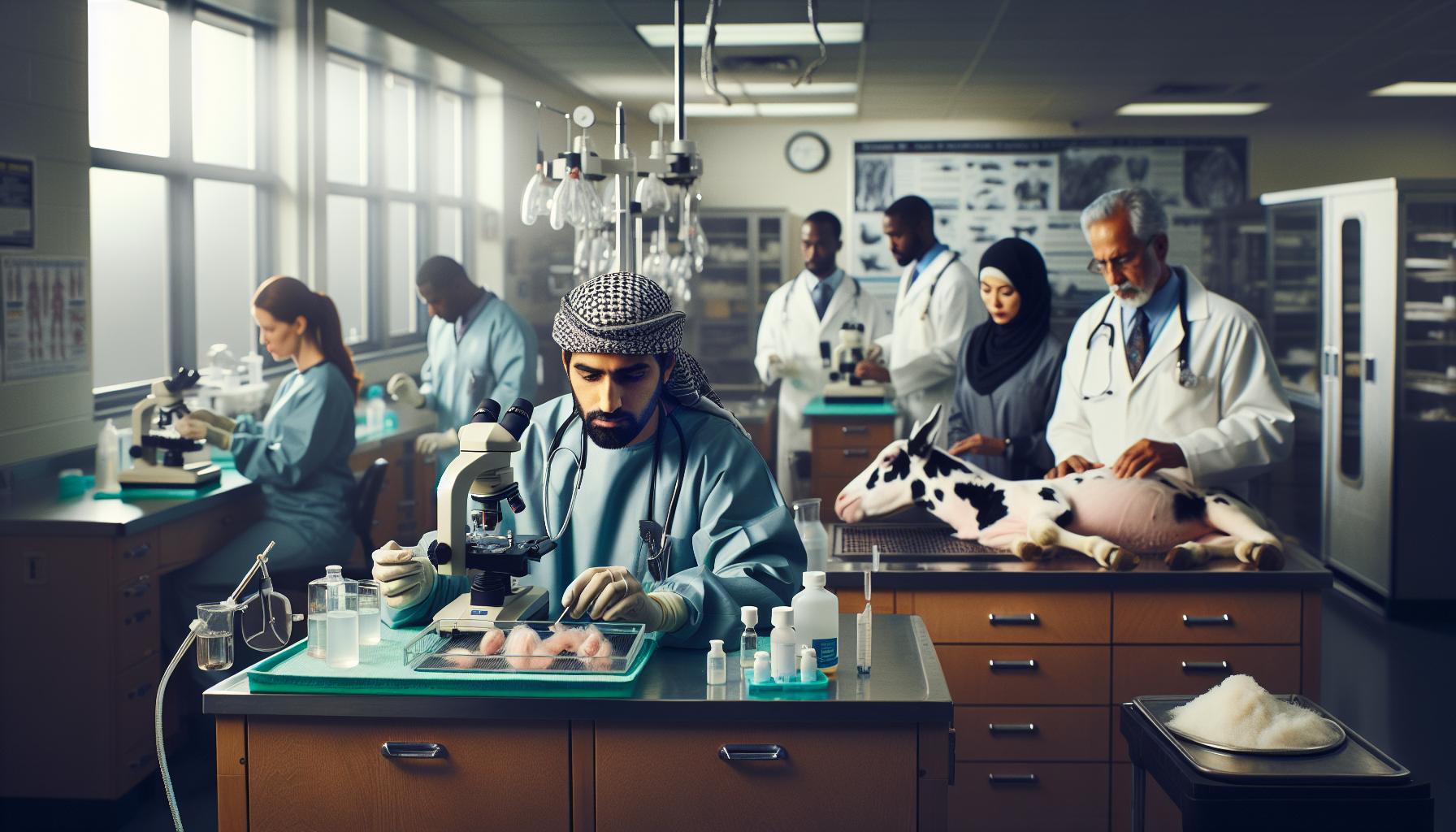
Artificial insemination (AI) has transformed animal breeding, offering a host of benefits that enhance reproductive success while also promoting genetic diversity. One of the most compelling advantages of AI is its ability to utilize superior genetics without the logistical challenges of natural breeding. For example, breeders can access a wider gene pool by using sperm from high-quality males located far away, allowing for the introduction of traits that may significantly advance the health and productivity of future generations.
Another noteworthy benefit is the enhancement of breeding efficiency. AI enables timing precision that can lead to increased conception rates. By monitoring a female’s ovulation cycle and precisely timing insemination, breeders can maximize the potential for successful fertilization. This not only reduces the waiting time between breeding attempts but also helps manage costs associated with maintaining breeding animals.
Additionally, artificial insemination promotes biosecurity and health management. It minimizes the risk of disease transmission that can occur during natural mating. Since AI can be performed with meticulous hygiene practices, the likelihood of transferring infectious agents is significantly reduced. This is particularly important in densely populated breeding environments or when introducing new genetics into a herd.
Finally, AI also supports ethical breeding practices. By allowing for selective breeding and reducing the need for physical mating, animal welfare can be prioritized. Breeders can make informed decisions that align with their ethical standards, ensuring the well-being of their animals while striving for genetic enhancement. In summary, the application of artificial insemination not only optimizes breeding outcomes but does so while maintaining strong ethical, health, and genetic principles that benefit both animals and their owners.
Preparing for Artificial Insemination: What You Need to Know
To achieve successful artificial insemination in animals, preparation is key. In understanding the nuances of this intricate process, breeders can enhance their chances of a successful breeding outcome. Prior to insemination, a thorough assessment of the female’s reproductive health is essential. This may include veterinary check-ups, hormonal evaluations, and possibly ultrasonography to ascertain the timing of ovulation. Each of these evaluations allows breeders to choose the optimal moment for insemination, maximizing the likelihood of fertilization.
The selection of quality semen is another crucial aspect. Breeders should opt for sperm from proven sires with a history of healthy offspring and desirable traits. This not only increases genetic diversity but also allows breeders to introduce specific qualities into their breeding stock. Additionally, it’s important to ensure that the semen is properly stored and handled according to veterinary guidelines to maintain its viability.
Many breeders benefit from developing a protocol or checklist to follow in the lead-up to insemination. This can include:
- Confirming the timing of the insemination according to the female’s estrous cycle
- Gathering all necessary tools and supplies for the procedure, ensuring they are sterile
- Preparing the environment to facilitate a calm atmosphere for the animal, which can positively influence the process
- Consulting with a veterinarian or an experienced technician for advice and support
Communication and preparation can significantly ease the emotional and logistical challenges that accompany artificial insemination. Breeders should be ready for the possibility of multiple attempts, as each animal may respond differently to the process. By fostering an empathetic approach towards the entire journey, breeders can navigate this path with both hope and realistic expectations, celebrating progress-no matter how small-along the way. Understanding the physical and emotional implications of the process enables better support for the animals and can reinforce the commitment to ethical breeding practices.
Step-by-Step Process of Artificial Insemination
To navigate the intricate journey of artificial insemination in animals, understanding the step-by-step process is essential. This technique offers a valuable opportunity for breeders to enhance genetic diversity and improve the health and quality of offspring. By following a systematic approach, breeders can maximize their chances of success while ensuring a compassionate experience for the animals involved.
The first crucial step is to assess the female’s reproductive cycle. This typically involves monitoring the estrous cycle to determine when she is most fertile. Employing methods such as hormonal evaluations and ultrasonography can help pinpoint the optimal timing for insemination. Once the optimal breeding moment has been identified, the next step is preparing the necessary materials. Breeders should assemble a sterile kit that includes an insemination catheter, gloves, and other essential tools in a calm, clean environment to mitigate stress for the animal.
Following preparation, the actual insemination procedure can begin. This involves carefully inserting the catheter through the cervix and delivering the semen into the uterus or fallopian tubes. It’s vital that this is done gently and skillfully to minimize discomfort. Post-insemination, the female should be monitored for any signs of distress, allowing for a smooth transition back to her environment.
After the insemination, ongoing care is paramount. This includes providing a nutritious diet and monitoring for signs of pregnancy, such as changes in behavior or physical condition. Breeders should remain patient, as the success of artificial insemination may require multiple attempts, and being mindful of the emotional weight of the process helps sustain a supportive atmosphere for everyone involved. In this way, each step taken is part of a larger commitment to responsible breeding practices, ensuring the well-being of the animals and the success of the endeavor.
Success Rates: What Can You Expect?

Understanding the likelihood of success with artificial insemination is crucial for breeders aiming to enhance their herds or promote specific genetic traits. While there are no guarantees in any reproductive process, having realistic expectations based on available data can significantly help in planning and mental preparedness.
Success rates for artificial insemination in animals can vary widely depending on several factors: the species, the timing of insemination, the quality of the semen, and the overall health of the female. For example, in cattle, success rates can range from 30% to 70% in a single synchronized estrous cycle, while in dogs, the rates can be lower, often around 50% per cycle. Factors such as the age of the female and her reproductive history also play a significant role in these outcomes.
To improve the chances of success, it’s essential to monitor the female’s estrous cycle closely. Utilizing hormonal treatments and conducting fertility assessments can optimize the timing for insemination. In most cases, repeated attempts are necessary, so patience is key. Consider consulting with a veterinarian who specializes in reproductive health to devise a tailored plan that considers each animal’s unique circumstances.
Moreover, tracking and documenting each insemination attempt, including the type of semen used and the timing, will provide valuable insights for future efforts. This systematic approach not only enhances your understanding of what works best but also allows you to celebrate small victories along the way-even minor improvements can be significant stepping stones on this journey.
Common Challenges and Solutions in Artificial Insemination
The journey of artificial insemination in animals can be filled with excitement and anticipation, but it isn’t without its challenges. Understanding these obstacles-and having strategies to navigate them-can significantly improve outcomes. Many breeders encounter issues such as improper timing, insemination technique failures, and the health status of the animal, all of which can affect the chances of a successful pregnancy.
One common challenge is timing the insemination to coincide with the female’s fertile window. If insemination occurs too early or too late, the chances of conception decrease dramatically. To address this, breeders should closely monitor the estrous cycle using progesterone tests or other methods to determine the optimal window for insemination. Keeping detailed records of the female’s cycles and any hormonal treatments can also enhance timing accuracy on subsequent attempts.
Another frequent obstacle is the quality of the semen used-whether it’s fresh, frozen, or chilled. Each type has its unique handling and processing requirements, which can affect sperm viability. For successful use of frozen semen, for instance, it’s crucial to ensure that proper thawing techniques are employed to maximize motility and viability. Consulting with experienced veterinarians who specialize in artificial insemination can provide valuable insights and meticulous planning that helps optimize semen usage.
Health issues of the female animal can also complicate the process. Conditions affecting reproductive health-such as infections, hormonal imbalances, or anatomical abnormalities-can hinder success rates. It is essential to conduct thorough health screenings and possibly remedial treatments ahead of insemination to maximize the chances of conception. Regular veterinary checks can help catch potential issues early, allowing for timely intervention.
Positive attitudes and realistic expectations can also play a role. It’s essential to approach each insemination attempt with hope but also with an understanding of the variable success rates. Celebrating small victories-even the ones that seem minor-can keep morale high and maintain motivation throughout the process. By staying organized, informed, and proactive, breeders can overcome many common challenges associated with artificial insemination.
Post-Insemination Care for Optimal Results
After the artificial insemination procedure is complete, the post-insemination phase is critical for maximizing the likelihood of a successful pregnancy. This period often brings a mix of hope and anxiety, as the waiting begins to see if conception has occurred. Providing proper care and creating a conducive environment for the female animal can significantly impact the overall results of the insemination attempt.
One of the key aspects of post-insemination care is monitoring the health and comfort of the female. Ensuring that she is in a stress-free environment is paramount. High stress levels can interfere with hormonal functions and reduce the chances of implantation. Breeders should create a calm space, limiting disturbances and ensuring the animal has access to fresh water and nutritious food. Regular gentle handling can also be beneficial, fostering a sense of security and well-being.
It is also advisable to keep an eye on signs of estrus or any unusual behavior in the days following insemination. This can include changes in appetite, activity levels, or physical symptoms. Regular veterinary check-ups may be warranted, especially if there are concerns about hormonal imbalances or health issues. A veterinarian can provide guidance on any necessary interventions or supplements that may support the female’s reproductive health during this critical time.
In terms of timing, breeders should prepare for a pregnancy confirmation test about two to three weeks after insemination. This is an emotionally charged stage that requires patience. Having a realistic understanding of the time it takes for pregnancy to be established-and being prepared for the possibility of needing multiple insemination attempts-can help mitigate undue stress. Providing emotional support and practical resources for breeders during this waiting period can foster resilience and optimism regardless of the outcome.
Adopting a comprehensive approach that considers both the physical and emotional aspects of post-insemination care can enhance the chances of successful outcomes. In nurturing an environment that supports the health and well-being of the female animal, breeders can navigate this journey with empathy, understanding, and informed care.
Cost Factors in Artificial Insemination Procedures
The journey of artificial insemination can be as emotionally charged as it is financially demanding. Understanding the costs involved is crucial for any breeder considering this method as part of their breeding strategy. The expenses associated with artificial insemination can vary widely based on several factors, which include the type of insemination technique used, the species involved, and even geographic location.
One of the primary costs to consider is the insemination method itself. Techniques such as intrauterine insemination (IUI) or intracervical insemination (ICI) may have different price points depending on the preparation and handling of the sperm. Additionally, the expertise of the veterinarian or reproductive specialist performing the procedure can also affect fees. Generally, you can expect to pay anywhere from hundreds to several thousands of dollars for the procedure, especially when factoring in consultations and follow-up visits.
Moreover, sperm acquisition can be a significant cost factor. If you are using frozen semen from a specific sire, the price can vary based on the animal’s pedigree and breeding history. In some cases, the acquisition of high-quality frozen sperm can substantially increase the total cost due to storage fees and shipping charges, especially if the source is out of state or country.
- Procedure Fees: Costs associated with the actual insemination can range from $300 to $2,000, depending on the complexity.
- Semen Costs: Quality and pedigree can lead to prices from $250 to $1,500 or more per insemination.
- Veterinary Expenses: Regular check-ups, hormone tests, and pregnancy confirmation can add an additional $100 to $500.
- Post-Insemination Care: Ensure you account for any supplementary care the female may need post-procedure.
It’s also worth noting that success rates can impact how breeders perceive these costs. A single unsuccessful attempt may necessitate additional procedures, escalating overall expenses. It’s essential to have realistic expectations about expected success rates, as well as the emotional capacity to face potential challenges involved in the breeding process.
Ultimately, being prepared for the costs associated with artificial insemination not only helps in financial planning but also allows for a more focused approach to achieving desired outcomes in animal breeding. Understanding these expenses and navigating them with a comprehensive plan can empower breeders to face this journey with confidence and clarity.
Ethical Considerations in Animal Reproduction
In the world of animal reproduction, artificial insemination (AI) offers many benefits, but it also raises significant ethical considerations that both breeders and animal welfare advocates must address. Among these ethical considerations is the fundamental question of consent and the welfare of the animals involved. While AI can enhance breeding efficiency and genetic diversity, it can also lead to the commodification of animals, particularly when they are treated merely as vessels for reproduction rather than sentient beings.
Animal Welfare Concerns
A key ethical concern with artificial insemination is the physical and psychological impact on the animals. It is crucial to ensure that the procedures are performed by trained professionals to minimize pain and stress. In addition, careful consideration should be given to the breeding practices employed. Breeding animals solely for desirable traits can lead to health issues in offspring, especially when genetic diversity is neglected. Ethical breeders prioritize not only the success of the insemination but also the health and well-being of the animals involved.
Responsibility of Breeders
Breeders have a responsibility to make informed decisions that prioritize the long-term welfare of both the parent animals and their offspring. This includes selecting breeding pairs based on a wider consideration of genetic health, rather than simply on physical characteristics or market demand. For instance, using AI to enhance genetic diversity can ultimately contribute to healthier animal populations, showing that ethical considerations can align with practical breeding outcomes.
Transparency and Communication
Transparency in practices and communication with potential clients is another important ethical consideration. Breeders should strive to keep all stakeholders informed about the methods used, the health and welfare of the animals, and the potential challenges involved in the breeding process. This ensures that decisions are made with full awareness of their implications and fosters trust between breeders and those seeking to expand their livestock or companion animal populations.
In conclusion, the ethical landscape surrounding artificial insemination in animals is complex, requiring a balanced approach that respects animal welfare while achieving breeding goals. By prioritizing the health and well-being of animals, engaging in responsible breeding practices, and maintaining open lines of communication, breeders can navigate these ethical challenges thoughtfully and compassionately.
Future Trends in Artificial Insemination Technologies
As advancements in reproductive technology continue to evolve, artificial insemination in animals is on the brink of transformative improvements. Innovations in genetic analysis and reproductive techniques not only promise higher success rates but also enhance animal welfare practices across the industry. In this dynamic landscape, breeders can look forward to strategies that optimize genetic diversity and health, ultimately benefiting animal populations and breeders alike.
Enhanced Genetic Screening
One of the most notable trends in future artificial insemination technologies is the integration of advanced genetic screening techniques. Tools such as whole-genome sequencing can identify genetic traits that increase disease resistance and reproductive health. By utilizing these insights, breeders can make informed choices when selecting mating pairs, ensuring healthier offspring and reducing the risk of genetic disorders. This proactive approach supports the long-term sustainability of animal breeding programs and helps in creating resilient populations.
Innovative Reproductive Technologies
Emerging reproductive technologies such as cryopreservation of gametes and embryos allow for improved storage and availability of genetic material. Techniques like in vitro fertilization (IVF), combined with AI, are being used effectively to bypass natural reproductive barriers. As these technologies become more established, they provide breeders with greater flexibility in timing and genetic selection, ultimately enhancing breeding outcomes.
Automation and Artificial Intelligence
The future also points toward the incorporation of automation and artificial intelligence (AI) in artificial insemination practices. Automated systems for timing insemination and monitoring fertility can minimize human error and optimize the insemination window. Additionally, AI can analyze vast amounts of breeding data to predict outcomes, enabling breeders to refine their strategies with pinpoint accuracy. These technologies not only streamline the insemination process but also enhance overall efficiency and reduce costs.
Focus on Animal Welfare
Finally, an increasing emphasis on animal welfare is driving changes in how artificial insemination procedures are conducted. Emerging practices prioritize minimizing stress and discomfort for the animals involved. Enhanced training for technicians and the development of more refined techniques contribute to this effort, ensuring that all procedures are conducted with care and compassion. Breeders are often opting for less invasive methods, thereby aligning their practices with animal welfare standards that resonate with conscientious consumers.
These trends paint a hopeful picture for the future of artificial insemination in animals. By leveraging technology and emphasizing ethical practices, the breeding community can not only enhance their productivity but also ensure that they are caring stewards of the animals they work with. This balanced approach fosters a harmonious relationship between advancing technology and the fundamental values of animal welfare and health.
FAQ
Q: What are the main objectives of artificial insemination in animals?
A: The primary objectives of artificial insemination in animals are to enhance breeding efficiency, improve genetic diversity, and increase the likelihood of pregnancy. It allows breeders to ensure better timing with the female’s ovulation cycle, ultimately leading to healthier offspring and optimized breeding outcomes.
Q: What types of animals can benefit from artificial insemination?
A: Artificial insemination can benefit a wide range of animals, including cattle, horses, pigs, sheep, goats, and dogs. Each species may have specific techniques tailored to their reproductive biology, improving breeding success rates overall.
Q: How successful is artificial insemination compared to natural breeding?
A: Success rates for artificial insemination can vary widely but often range from 50% to 80%, depending on the species and the timing of insemination. While natural breeding may yield similar results, AI can maximize genetic potential and control breeding stock, often improving overall outcomes.
Q: What are some common challenges associated with artificial insemination in animals?
A: Common challenges include improper timing of insemination, handling of semen, and the reproductive health of the female. Addressing these issues through careful monitoring and preparation can significantly enhance the chances of successful pregnancy.
Q: How do you prepare an animal for artificial insemination?
A: Preparation involves monitoring the animal for signs of heat, ensuring good nutrition, and maintaining overall health. Breeders must also ensure the quality of the semen and equipment used during the insemination process.
Q: What are the ethical considerations of using artificial insemination in animals?
A: Ethical considerations include the welfare of the animals involved, the potential for overpopulation, and the implications of selective breeding. Breeders should approach artificial insemination with a focus on promoting health and well-being in animal populations.
Q: How has technology impacted artificial insemination in animals?
A: Advancements in technology, such as improved semen freezing techniques and hormonal treatments for synchronizing estrous cycles, have boosted the efficiency and success of artificial insemination, making it a standard practice in modern animal breeding.
Q: What aftercare is required following artificial insemination in animals?
A: Following artificial insemination, animals should be monitored for signs of pregnancy. Proper nutrition, stress reduction, and veterinary check-ups are essential for ensuring both the mother and potential offspring remain healthy during gestation.
Closing Remarks
Thank you for exploring our comprehensive overview of artificial insemination in animals. Understanding the intricate process and its significance can empower you to make informed decisions for your breeding practices. If you’re considering this method, remember that success rates vary and it’s important to consult with a veterinary expert specializing in reproductive health to address any questions or concerns you may have.
To delve deeper, check out our articles on related topics such as “Selecting the Right Sperm for Artificial Insemination” and “The Impact of Timing on AI Success Rates.” Don’t miss out on valuable insights that can enhance your knowledge and strategies in animal breeding. For ongoing updates and expert advice, consider signing up for our newsletter. Together, let’s navigate this journey with confidence and compassion. We’re here to support you every step of the way!