Artificial insemination at home can be a transformative step in your fertility journey. It’s an accessible option for many individuals and couples wishing to conceive, making the process feel more personal and less clinical. While the idea may seem daunting, understanding each step can empower you in this intimate endeavor.
Many people face emotional challenges while navigating their paths to parenthood; feelings of hope, uncertainty, and even grief can be overwhelming. This guide aims to provide clarity on how to effectively perform artificial insemination at home, offering step-by-step instructions and addressing common concerns. You’ll learn about necessary preparations, techniques, and factors that influence success rates, all while fostering a sense of inclusivity for various family structures. By the end, you’ll feel more informed and confident, ready to take a meaningful step towards growing your family. Let’s explore this together, ensuring you have the support you need at every turn.
Understanding Artificial Insemination Basics
Artificial insemination (AI) is a method that allows individuals or couples to conceive a child without the physical intimacy often associated with traditional conception. This technique can be particularly valuable for those facing fertility challenges, single individuals wishing to become parents, or same-sex couples. Understanding the basics of AI is crucial for anyone considering this path, as it sets the stage for informed decision-making throughout the process.
At its core, artificial insemination involves directly placing sperm into a person’s reproductive system with the goal of fostering fertilization. The sperm can be sourced from a partner or a sperm donor, broadening the options available for building a family. AI is typically performed in a clinical setting; however, many individuals are now exploring the possibility of home insemination, which can be a more comfortable and private alternative. This approach requires careful planning and adherence to specific protocols to ensure safety and effectiveness.
For those considering home insemination, awareness of timing is essential. Key elements such as tracking ovulation cycles can significantly impact the chances of success. Tools like ovulation predictor kits or routine basal body temperature monitoring can help in identifying the optimal time for insemination. Moreover, having the necessary materials prepared in advance is paramount to facilitate a smooth process.
In summary, understanding artificial insemination helps demystify the journey of conception for many. By recognizing the various options and approaches, individuals can better navigate their reproductive journeys while nurturing hope, understanding, and compassion during this transformative experience.
Types of Artificial Insemination Techniques
Artificial insemination (AI) offers several techniques that cater to different needs and circumstances, giving individuals and couples the choice to find the best fit for their journey to parenthood. Understanding these methods can empower you to make informed decisions, particularly if you are considering home insemination.
One of the most widely used techniques is Intrauterine Insemination (IUI). In this procedure, specially prepared sperm is placed directly into a woman’s uterus using a thin catheter, which increases the chances of sperm reaching the egg. This method is often performed around the time of ovulation, making it a popular choice for those trying to conceive. IUI is typically done in a clinical setting, but with the right guidance, it can also be adapted for home use, with careful timing and preparation.
Another option is Intracervical Insemination (ICI), where sperm is deposited directly into the cervix rather than the uterus. This method requires less medical intervention and can be performed at home. It may be suitable for those who prefer a more natural approach or for situations where immediate access to clinical facilities is challenging. While ICI is less invasive, it may have slightly lower success rates compared to IUI, making it important to consider your specific circumstances and timing carefully.
Both techniques rely on timing and sperm quality, which are pivotal factors for success. For at-home insemination, understanding your ovulation cycle is crucial. Using ovulation predictor kits, charts, or smartphone apps can help you pinpoint the most favorable time for insemination, minimizing uncertainty and maximizing effectiveness.
In summary, whether choosing IUI for its targeted approach or ICI for its simplicity, knowing the techniques available allows you to tailor your journey to conception. Each option comes with its considerations regarding preparation, timing, and success rates, making it essential to assess these factors thoughtfully as you plan your path to parenthood.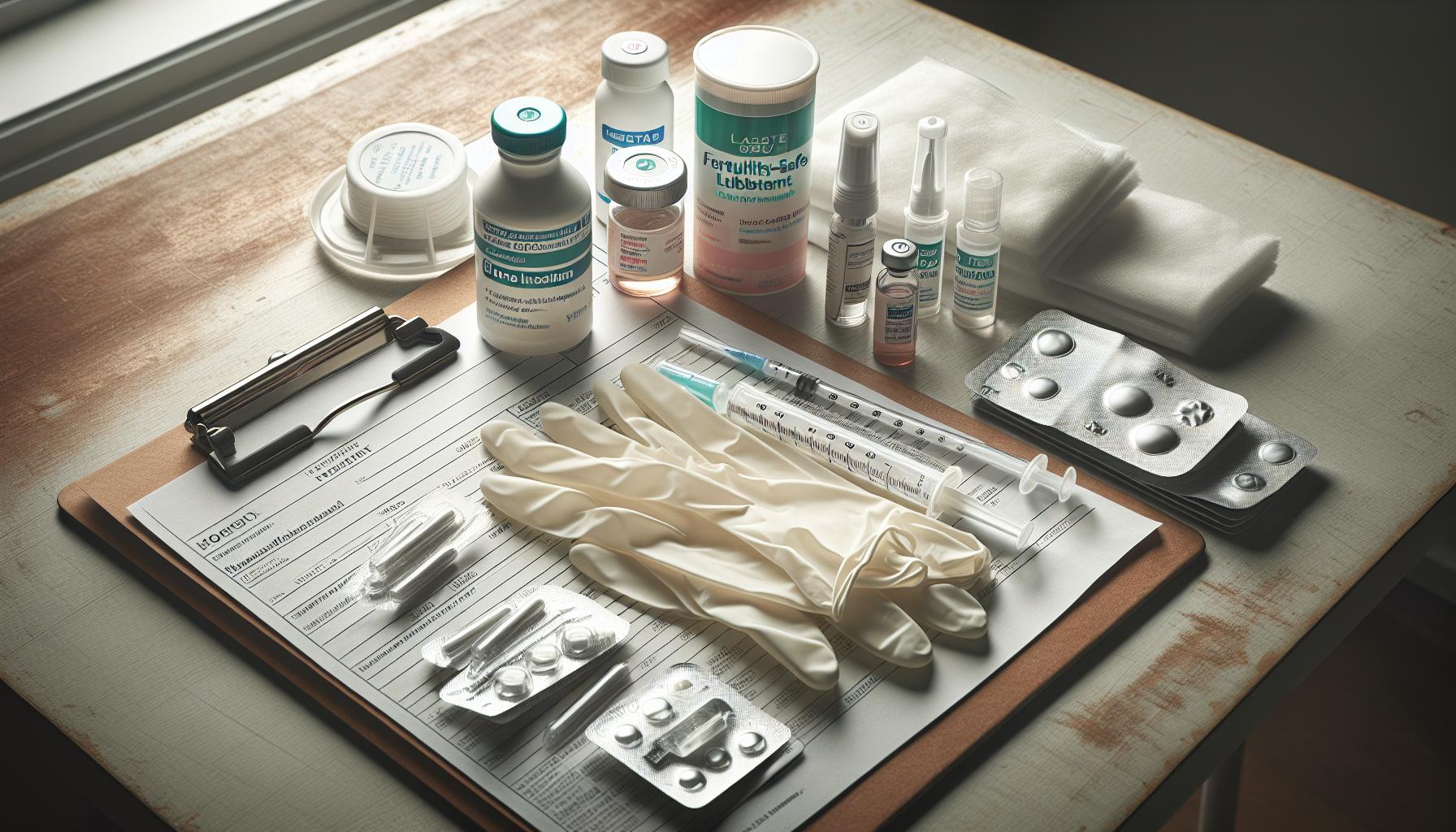
Essential Materials for Home Insemination
A successful home insemination requires careful preparation and the right materials to create a conducive environment for conception. Understanding what you need can help ensure a smoother process, reducing anxiety and uncertainty as you embark on this pivotal journey. Below are essential items to gather and some important considerations.
- Sperm Sample: Depending on your method of insemination, you may need fresh sperm from a partner or a donor. Ensure that the sperm is collected and stored properly, as it is sensitive to temperature and time. If using donor sperm, check the expiration date and storage requirements.
- Insemination Kit: Purchase a home insemination kit tailored to your chosen method (IUI or ICI). These kits generally include sterile syringes or catheters, collection cups, and detailed instructions. Ensure that the equipment is entirely sterile to prevent infection.
- Lubricant: If using a cervix insemination method, opt for a fertility-friendly lubricant, as many common lubricants can damage sperm. Make sure the one you choose is safe for use in conjunction with sperm.
- Ovulation Prediction Tools: Timing is crucial, so consider investing in ovulation predictor kits (OPKs) or basal body thermometers. These tools help determine your most fertile days, maximizing your chances of conception.
- Disposable Gloves: Use sterile disposable gloves during the insemination process to maintain hygiene and minimize the risk of contamination.
- Comfortable Space: Create a relaxing environment for the insemination process. A quiet, comfortable space where you feel secure can help ease any tension, making the experience more positive and focused.
In addition to gathering materials, emotionally preparing yourself is just as important. Recognize that fertility journeys can be filled with ups and downs. Allow yourself to feel whatever emotions arise, whether that be hope, anxiety, or frustration, and ensure you have a support system in place, whether that be friends, family, or support groups. Embracing your feelings can empower you to navigate this sensitive phase with more resilience and openness.
Step-by-Step Guide to Home Insemination
The process of home insemination can feel daunting, but with the right steps and preparation, it can be a manageable and intimate experience. To help you navigate this journey, here’s a clear guide that breaks down the steps involved in artificial insemination at home.
Begin by ensuring that you have all the necessary materials ready and that your environment is conducive to a calm and private experience. It’s vital to choose a time when you feel relaxed and composed, as this can positively influence the process. Using the sperm sample as your starting point, make sure it’s at room temperature, especially if it has been stored in a refrigerator.
Once you’ve set the right mood and gathered your materials, proceed with the following steps:
Step 1: Preparing the Sperm Sample
– If using a partner’s sperm, ensure they have provided it in a sterile collection cup.
– For donor sperm, verify that it’s from a reputable source and within its expiration date.
– Allow the sample to reach body temperature for optimal viability; this often means holding it in your hands for a short time.
Step 2: Insemination Process
– Put on a pair of sterile disposable gloves to maintain hygiene.
– If using a syringe or insemination kit, carefully draw the sperm into the syringe.
– Find a comfortable position; many prefer lying back with their hips elevated to facilitate the sperm’s journey.
– Gently insert the syringe or catheter into the vagina. If you’re inseminating through the cervix, do so carefully and avoid any discomfort.
Step 3: After Insemination
– Once insemination is complete, remain in a reclined position for at least 15-30 minutes. This allows the sperm the best chance of reaching the egg.
– During this time, take deep breaths and engage in calming activities that soothe your mind.
Step 4: Clean Up
– After the waiting period, gently remove any materials used during the process. Dispose of gloves and any other waste appropriately.
– Remember to wash your hands thoroughly to maintain hygiene.
Throughout this whole journey, it’s essential to remain hopeful yet realistic. Understand that while many achieve success with at-home insemination, there may be challenges along the way. Keeping a journal of your experiences and emotions can also be quite helpful, allowing you to reflect on your journey and process any feelings of hope or anxiety that might arise. Remember, nurturing your emotional health is just as crucial as the physical steps taken during insemination.
Optimal Timing for Artificial Insemination
Knowing when to perform artificial insemination is crucial to increase the chances of conception. Ovulation is the key event; it is when an ovary releases an egg, making it ready for fertilization. Understanding your ovulation cycle is essential. Typically, a woman’s cycle lasts about 28 days, but this can vary. To pinpoint ovulation, tracking menstrual cycles, basal body temperature, and changes in cervical mucus can be beneficial. Many women notice a change in their cervical mucus, which becomes clear and slippery, similar to egg whites, just before ovulation.
To optimize timing, consider using ovulation predictor kits. These kits measure luteinizing hormone (LH) levels in urine, which surge shortly before ovulation. Testing should start a few days before the expected ovulation date, calculated based on the length of your cycle. For example, if you have a 28-day cycle, you may begin testing around day 11. When the kit indicates a surge, the best time for insemination is within the next 24 to 48 hours.
For those using donor sperm, prepare ahead of time as well. Ensure that the sperm sample is at room temperature and ready to use as you approach ovulation. The ideal scenario is to perform the insemination right after the LH surge, maximizing the chances for the sperm to meet the egg. Many women choose to inseminate on the same day of the surge and again the following day for added opportunity.
By planning insemination around these optimal times, you not only enhance your chances of success but also create an experience that feels more rewarding and intentional. Remember, this journey can be filled with emotional highs and lows, so maintaining a gentle and hopeful outlook is invaluable.
Understanding Success Rates and Expectations
Understanding the success rates and expectations surrounding artificial insemination can help couples navigate their fertility journey with greater confidence and clarity. It’s essential to have realistic expectations about the process, as success rates can vary significantly based on various factors, including age, the underlying cause of infertility, and overall reproductive health.
Research indicates that the success rates for intrauterine insemination (IUI), a common form of artificial insemination, are generally around 10-20% per cycle. Several factors can influence these rates. For instance, a woman’s age plays a crucial role; those under 35 typically see higher success rates compared to older patients. Other factors include the quality of the sperm, the presence of any underlying health conditions, and how well timing aligns with ovulation.
It’s also vital to approach the emotional aspects of the process realistically. The journey of artificial insemination can be filled with ups and downs, and it’s normal to experience feelings of hope but also uncertainty or disappointment. Acknowledge that each cycle is a step forward, regardless of the outcome. Tracking your journey, celebrating small milestones-like your cycles, ovulation detection, or successful insemination-can be uplifting. Creating a support system with friends, family, or support groups can also provide comfort and encouragement during tougher times.
As you embark on this path, it’s beneficial to discuss success rates and expectations with a healthcare provider. They can offer tailored insights based on your unique circumstances, helping you formulate a plan that’s right for you. Embracing the journey with patience and understanding can transform the process into a meaningful experience, regardless of the challenges it may present.
Common Challenges and How to Overcome Them
The journey of artificial insemination at home can present various challenges that may test your patience and resilience. Understanding these challenges is crucial for making informed decisions and managing expectations throughout the process. One of the most common hurdles couples face is the emotional toll. The anticipation of each cycle, coupled with the potential for disappointment, can lead to stress, anxiety, and even feelings of inadequacy. It’s important to acknowledge these emotions and understand that they are a natural part of the journey. Finding coping strategies, whether through mindfulness, journaling, or communicating with a supportive partner, can significantly alleviate emotional burden.
Another significant challenge is the technical aspect of home insemination. Without the guidance of professionals, couples may encounter difficulties with the procedure itself. Proper timing is essential, and understanding ovulation cycles can be daunting. Consider investing in ovulation kits or fertility tracking apps to enhance your ability to time the insemination accurately. Additionally, it’s vital to familiarize yourself with the equipment and materials you’ll be using. Practicing with a method to use the syringe or ensuring sperm viability before use can help boost your confidence on the day of insemination.
Moreover, logistical issues such as managing time efficiently or balancing insemination with daily life can become overwhelming. Creating a structured plan that outlines the steps leading up to insemination, including pre-insemination health checks and setting aside quiet time for the procedure, can mitigate stress. Don’t hesitate to lean on your support network during this time. Connecting with others who understand what you’re going through can provide perspective and encouragement.
Finally, navigating the financial aspects associated with home insemination can also present a challenge. It is essential to evaluate the costs involved, from purchasing sperm to ovulation tracking methods. Researching various sperm banks or donor services can help identify the most cost-effective options available while still aligning with your values and preferences. Understanding your health insurance policy regarding coverage for fertility treatments can provide additional clarity and potentially alleviate some financial pressure.
By proactively addressing these challenges with thorough preparation, emotional support, and informed decision-making, you can approach your artificial insemination journey with greater confidence and resilience. Remember, each step taken is part of your unique path, deserving of recognition and respect.
Legal Considerations and Ethical Aspects
Navigating the legal and ethical landscape of artificial insemination at home involves understanding a variety of considerations that can shape your journey toward parenthood. As you embark on this path, it’s crucial to be aware of laws that govern the use of donor sperm, parental rights, and potential donor anonymity, which can vary significantly based on your location. Many couples may not realize that the legal framework surrounding artificial insemination can impact not only the procedure but also the future family’s legal standing and relationships.
Understanding the rights of sperm donors is essential. In many jurisdictions, sperm donors may give up their parental rights, but this is not universally true. Familiarize yourself with the regulations related to sperm donation in your area, which often require a written agreement that outlines the relationship between donors and recipients. This can be especially important for same-sex couples or single parents who may have different legal battles ahead. Consulting with a legal expert familiar with reproductive law can provide valuable peace of mind and help ensure that you make informed decisions.
Additionally, ethical considerations play a significant role in the artificial insemination process. For instance, the choice of donor-whether anonymous or known-brings its own ethical implications. Couples must reflect on how they wish to address the child’s understanding of their conception story, including the role of the donor in their lives. Many families find it beneficial to have open discussions about donor anonymity and genetic heritage long before a child arrives to establish a foundation of trust and understanding. Each family’s situation will influence these conversations, and being proactive can help ease potential future conflicts.
In light of these complexities, creating a clear, open dialogue about the agreement with your partner and any donor involved is crucial. Consider drafting documents that clarify rights, responsibilities, and expectations stemming from the use of donor sperm. Seeking support from reproductive health professionals and legal advisors can provide you with guidance tailored to your unique situation. By being thorough and thoughtful about the legal and ethical aspects, you can embark on your fertility journey with greater confidence, paving the way for a loving environment for your future family.
Emotional Support During Your Fertility Journey
The journey to parenthood can be an emotionally charged experience, especially as you navigate the ins and outs of home artificial insemination. It’s essential to recognize the mixture of feelings this process may evoke-hope and excitement often paired with anxiety and uncertainty. Embracing these emotions is a natural part of your path, and acknowledging them can make your journey more manageable.
Building a support system is crucial. Surround yourself with understanding friends, family, or support groups that can provide emotional comfort. Sometimes, simply talking about your experiences can alleviate feelings of isolation. Consider connecting with others who are on similar paths, whether through online forums or local meetups, as shared stories can create a sense of community and solidarity.
It’s important to celebrate small victories along the way. Each step, from preparing for insemination to tracking ovulation, is a milestone worthy of recognition, even if potential challenges loom ahead. Keeping a journal can be an effective way to document your journey-jotting down thoughts, feelings, and reflections can help you process your emotions and observe your growth over time.
Acknowledge that this journey may test your resilience. Emotional swings are common, and it’s okay to seek professional help if needed. Therapists specializing in fertility issues can offer coping strategies and emotional support tailored to your unique situation. Ultimately, approach this journey with self-compassion, allowing space for both your hopes and your fears as you strive for the family you desire.
Cost Breakdown: Home Insemination Expenses
The costs associated with home insemination can vary widely, and understanding these expenses is essential as you plan your journey toward parenthood. Many couples might opt for this route as a more affordable alternative to clinical insemination methods, such as IUI (Intrauterine Insemination) or IVF (In Vitro Fertilization). However, it’s crucial to keep in mind that while home insemination may be less expensive in some respects, associated costs can still accumulate.
Breakdown of Costs
- Sperm Acquisition: This is often the most significant expense. If you choose to use a sperm bank, costs can range from $300 to $1,000 or more per vial, depending on factors like donor selection and the type of sperm being purchased (washed or unwashed). Additionally, you should consider shipping fees if you’re ordering sperm online, which can add another $100 to $200.
- Insemination Supplies: You’ll need various supplies to conduct the insemination safely and effectively. Essential items may include:
– Insemination Kit: Ranging from $30 to $150, these kits typically include syringes or catheters designed for easier insemination.
– Ovulation Test Kits: To time your insemination properly, ovulation predictor kits can cost between $15 and $50 for a month’s supply.
– Additional Supplies: Items like lubricants (make sure to choose ones that are sperm-friendly) can cost about $10 to $30.
- Health Monitoring: Depending on your health needs, you may also want to include costs for regular check-ups and fertility assessments. This could involve blood tests for hormone levels or ultrasounds, which can add up to several hundred dollars.
- Legal and Consultation Fees: If you are working with a donor, you may want to consider legal consultations to draft agreements and ensure that your rights are protected. Costs here can fluctuate significantly based on location and the complexity of your arrangement, often ranging from $200 to $1,500.
Total Estimated Cost
By accumulating these expenses, a rough estimate for home insemination can range anywhere from $600 to $2,500 per attempt. Keep in mind that these estimates do not guarantee success; it can take multiple attempts to achieve pregnancy.
Given these cost factors, it’s vital to create a budget and honestly examine your financial situation. Additionally, various resources and support networks may offer insights and assistance, so don’t hesitate to reach out to others on similar journeys. They can provide invaluable tips for managing costs and emotional support as you navigate the complexities of home insemination.
Insurance and Financial Guidance for Insemination
Navigating the financial landscape of home insemination can feel overwhelming, especially for couples who are already managing the emotional complexities of their fertility journey. Understanding how insurance may or may not cover these expenses is crucial in making informed decisions about your options. Many insurance plans vary significantly regarding what they cover when it comes to fertility treatments, including artificial insemination. Before embarking on your journey, take the time to review your policy in detail and reach out to your insurance provider to clarify what is included.
Insurance Coverage Insights
Many states have specific regulations mandating insurance coverage for infertility treatments, which can include artificial insemination. However, not all policies are created equal. Here are a few aspects to consider:
- Check Coverage Limits: Some plans may only cover a certain number of attempts or may have a cap on specific treatments.
- Understand the Definition of Infertility: Your insurance might define infertility in particular terms, often requiring documentation from a healthcare professional to qualify for coverage.
- Out-of-Pocket Costs: Even if your insurance covers artificial insemination, be prepared for co-pays, deductibles, and costs associated with medication or additional procedures that may be necessary.
Engaging with a healthcare provider who is familiar with the ins and outs of insurance can be invaluable. They can often assist in providing necessary documentation or letters of medical necessity that may help in your case for coverage. Additionally, if working with a donor, ensure all legal agreements are drafted properly, as this can impact both your legal rights and potential future costs.
Financial Planning for Home Insemination
As you begin budgeting for your home insemination journey, it’s beneficial to break down your expected costs into categories, as previously mentioned. Consider creating a spreadsheet to track anticipated expenses versus actual costs as you progress.
Furthermore, many couples find it helpful to connect with financial counselors or support groups specializing in fertility-related financial issues. These resources can offer insights and practical advice on how to make the most of your budget or find financial assistance programs that may be available in your area. Remember, reaching out for support doesn’t diminish your autonomy – it’s a powerful step in creating a more informed and prepared approach to your journey toward parenthood.
The journey can indeed be filled with ups and downs, and while financial constraints may feel disheartening at times, knowing there are paths to managing these costs can offer a glimmer of hope. Celebrate each small achievement along the way, and be gentle with yourself as you navigate this deeply personal journey.
Resources and Support for Couples Trying to Conceive
Finding a supportive network can make a significant difference in the journey to conceiving, especially through methods like artificial insemination. Whether it’s a trusted friend, a supportive family member, or an online community, having people who understand your aspirations and struggles is invaluable. Many couples find comfort and guidance in support groups that cater specifically to those undergoing fertility treatments or exploring options such as home insemination.
Online Communities and Support Groups
The internet offers a wealth of resources where individuals and couples can connect with others who share similar experiences. Websites like Resolve: The National Infertility Association provide forums and discussions where you can ask questions, share experiences, and gain insights from others who understand the emotional and practical aspects of trying to conceive. Additionally, social media platforms often host various support groups that can offer real-time advice and encouragement.
Professional Counseling and Support
Consider seeking professional help. Therapists or counselors specializing in fertility issues can provide a safe space to process the emotional ups and downs of this journey. They can help you navigate feelings of grief, hope, and frustration, offering coping strategies tailored to your situation. Many clinics also offer emotional support services as part of their fertility treatment packages, which can be an excellent resource for couples feeling overwhelmed.
Educational Resources
Invest time in educating yourself about artificial insemination and fertility treatments in general. Books, webinars, and workshops can offer comprehensive information that demystifies the process. They can also provide insights into the emotional aspects of the journey, helping you prepare mentally and emotionally. Some resources are specifically geared toward couples exploring home insemination, providing practical tips and insights from professionals in the field.
Celebrating Milestones
While the journey might be fraught with challenges, it’s essential to recognize and celebrate small milestones along the way, whether it’s a successful insemination attempt or simply reaching a point where you feel more knowledgeable and empowered. Acknowledging these moments not only boosts morale but also fosters a sense of community and shared experience, reminding you that you are not alone in your pursuit of parenthood.
Frequently Asked Questions
Q: What is the best time to perform artificial insemination at home?
A: The best time to perform artificial insemination is during your ovulation window, typically 12 to 36 hours after your LH surge. Tracking your cycle and using ovulation predictor kits can help identify this optimal timing for higher success rates.
Q: What types of sperm can be used for home insemination?
A: Fresh or frozen sperm can be used for home insemination. Fresh sperm is collected just before the procedure, while frozen sperm must be thawed and handled according to specific guidelines. Both types can be effective with proper technique.
Q: How can I increase my chances of success with home insemination?
A: To increase your chances of success, ensure you are inseminating at the right time during your cycle, maintain a healthy lifestyle, and follow proper procedures for sperm collection and insemination. Consider reading about success rates in our Understanding Success Rates and Expectations section for detailed insights.
Q: Are there any side effects from artificial insemination?
A: Most individuals experience minimal side effects from artificial insemination, such as light cramping or spotting. It’s crucial to monitor your body’s response, and if you experience severe pain or unusual symptoms, consult a healthcare professional.
Q: What emotional support is available for couples undergoing home insemination?
A: Support can come from friends, family, or support groups specifically for individuals facing fertility challenges. Our section on Emotional Support During Your Fertility Journey offers practical strategies to manage the emotional aspects of this process.
Q: Can I use an at-home kit for artificial insemination?
A: Yes, at-home insemination kits are available and often include syringes and instructions. These kits facilitate sperm collection and insemination, making the process easier and more accessible.
Q: How do I handle the legal considerations of using donor sperm?
A: Before using donor sperm, research your state’s laws regarding parental rights and donor anonymity. It’s advisable to consult a legal expert to understand any potential implications, which is discussed in our Legal Considerations and Ethical Aspects section.
Q: What should I do if home insemination is unsuccessful?
A: If home insemination fails, consider consulting a fertility specialist. They can provide further evaluation and alternative options, which are addressed in sections regarding Common Challenges and How to Overcome Them and potential next steps in your fertility journey.
Final Thoughts
As you embark on the journey of artificial insemination at home, remember the vital steps and the emotional resilience needed along the way. Take action today by gathering the resources and support you need to make informed decisions about your fertility journey. For deeper insights, check out our articles on IVF options and the causes of infertility, which can provide valuable context and additional support.
Don’t hesitate to subscribe to our newsletter for ongoing tips and updates, or consult our expert resources for personalized guidance tailored to your family-building aspirations. We understand the various paths to parenthood can be overwhelming, so know that you’re not alone. Share your thoughts or questions in the comments below-your experience matters to us. Every step taken is a step closer to your dreams; let’s navigate this journey together with compassion and understanding.