Every year, countless men experience the alarming sensation of impact to their testicles, often wondering about the potential long-term consequences. While the immediate pain is usually fleeting, many may question: can such trauma lead to infertility? Understanding the risks associated with testicular injuries is crucial as concerns about male fertility continue to grow. Infertility can evoke a whirlwind of emotions-confusion, frustration, and fear of the unknown. This article will explore the real risks linking testicular trauma to infertility, shedding light on essential facts and offering reassurance as you navigate this sensitive topic. Join us as we delve into the intricate relationship between injury and reproductive health, helping you separate myth from reality on your fertility journey.
Can Trauma to the Testicles Impact Fertility?
Trauma to the testicles can significantly impact fertility, particularly when it involves injury to one side. Research indicates that unilateral testicular trauma may lead to impaired fertility due to potential damage to the affected testicle. The mechanisms behind this can involve both physical and autoimmune responses, where the body may begin to attack its own tissue following an injury. In various animal studies, the removal of the damaged testicle shortly after trauma has been shown to preserve fertility, highlighting the importance of prompt medical intervention [1[1].
Understanding the implications of such trauma is crucial for those who experience testicular injuries. Symptoms like swelling, pain, or unusual changes in the testicles should prompt immediate medical consultation. Ignoring these signals can lead to complications that compromise not only immediate well-being but also long-term reproductive health. It’s vital to differentiate between physical damage-such as structural changes in the testicles-and functional damage that affects hormone production and sperm quality. Each case is unique, and individual assessment is necessary to determine the long-term effects on fertility.
Myths abound regarding the effects of testicular injury on reproductive capabilities. Many believe that minor injuries won’t affect fertility, but even seemingly insignificant trauma can lead to issues, especially if left untreated. Doctors may utilize various diagnostic tests, such as ultrasounds and hormone level assessments, to evaluate testicular health and guide treatment options effectively. In moments of uncertainty and worry, having an open line of communication with healthcare providers can help address not only medical but also emotional concerns regarding fertility. Seeking clarity and support in these situations can be crucial for coping with the psychological aspects of potential infertility.
Understanding Male Fertility and Its Factors
Understanding male fertility is essential for anyone navigating the complexities of reproduction and family planning. One critical aspect often overlooked is how external factors, like trauma to the testicles, can influence fertility. The male reproductive system is a delicate balance of structures and hormones; any disruption, especially from physical harm, can have significant implications.
Factors affecting male fertility include sperm production, hormone levels, and overall testicular health. Sperm production occurs in the testicles, and any injury-such as a kick or blow to this area-can impact this process. Trauma can lead to inflammation or scarring, which may interfere with both the quantity and quality of sperm produced.
In addition to injury, hormonal balance plays a vital role in fertility. Conditions that arise from trauma, such as low testosterone levels, can hinder not just sperm production but also libido, further complicating the fertility journey. Understanding these interrelated systems is crucial for recognizing the potential risks that physical impacts may pose.
It’s important to remember that not all injuries result in long-term issues. While severe trauma can lead directly to infertility, minor injuries might resolve without any reproductive consequences. This is why many men may overlook symptoms or dismiss concerns as trivial. However, if you’ve experienced any kind of testicular injury, paying attention to symptoms like swelling, persistent pain, or changes in testicular size is crucial. Ignoring these signs could lead to more significant complications that affect your reproductive capabilities.
Ultimately, seeking medical advice following any testicular trauma can clarify the risk factors at play, allowing you to make informed decisions about your fertility and next steps.
The Connection Between Severe Injury and Infertility
The impact of severe testicular injury on fertility is a concern that many may overlook, yet it can hold significant implications for those navigating family planning. When trauma occurs, such as through a kick or blunt force, it can lead not just to immediate pain and swelling but also to long-term reproductive challenges. Research indicates that injuries to the testicles can affect sperm production and quality, primarily through mechanisms like inflammation, which may lead to scarring and ultimately disrupt normal spermatogenesis.
One critical factor in is the body’s response to trauma. When a testicle is injured, the body may initiate an inflammatory response that can inadvertently harm sperm-producing tissues. A study highlighted that even unilateral testicular trauma (injury to one testicle) has the potential to impair fertility, possibly due to autoimmune reactions that occur following the injury [1[1]. This means that while one testicle may still function normally, the impact of the injury could trick the body into treating healthy cells as foreign, leading to reduced or impaired sperm production.
Additionally, the relationship between trauma and hormonal imbalance cannot be understated. Injuries can disrupt the delicate hormonal balance necessary for healthy sperm production, potentially leading to decreased testosterone levels. Low testosterone not only affects sperm output but can also influence libido and overall reproductive health. Thus, while some men may experience nothing more than temporary discomfort after an injury, others may face lingering issues that require medical attention and intervention.
Recognizing the signs of testicular injury and understanding its implications is vital. If you’ve experienced trauma to the testicles, it’s essential to seek medical evaluation, especially if you notice symptoms like persistent pain, swelling, or changes in the size of the testicles. Early intervention can provide you with clarity on your reproductive health and the steps necessary to address any potential infertility concerns.
Physical Damage vs. Functional Damage: What’s the Difference?
Experiencing trauma to the testicles can lead to two distinct types of damage: physical and functional. Understanding the difference between these types is crucial for comprehending the potential implications for fertility.
Physical damage refers to the observable injuries to the testicular tissue and surrounding structures. This could manifest as bruising, swelling, or even lacerations, depending on the nature of the trauma. For instance, a direct kick to the testicles may cause immediate pain and inflammation, but the extent of physical damage can vary widely. The body’s inflammatory response aims to initiate healing, but this can unintentionally harm the cells responsible for sperm production if severe enough. Over time, scarring or necrosis may result from such injuries, which can further impair the integrity of the testicles.
On the other hand, functional damage relates to the testicles’ ability to perform their vital roles, particularly sperm production and hormone regulation. Even if an injury appears minor physically, it can still disrupt hormonal balances and interfere with normal spermatogenesis. For example, inflammation caused by trauma can lead to changes in testosterone levels, which are essential for sperm health and overall reproductive function. Some individuals may not experience significant physical symptoms but could face long-term functional repercussions, such as infertility, due to these underlying hormonal disruptions.
After any trauma, it’s essential to monitor symptoms and seek medical advice if concerns about fertility or testicular health arise. Understanding both types of damage helps you navigate your concerns more effectively and advocates for prompt evaluation and management, fostering not only physical well-being but also peace of mind regarding your fertility journey.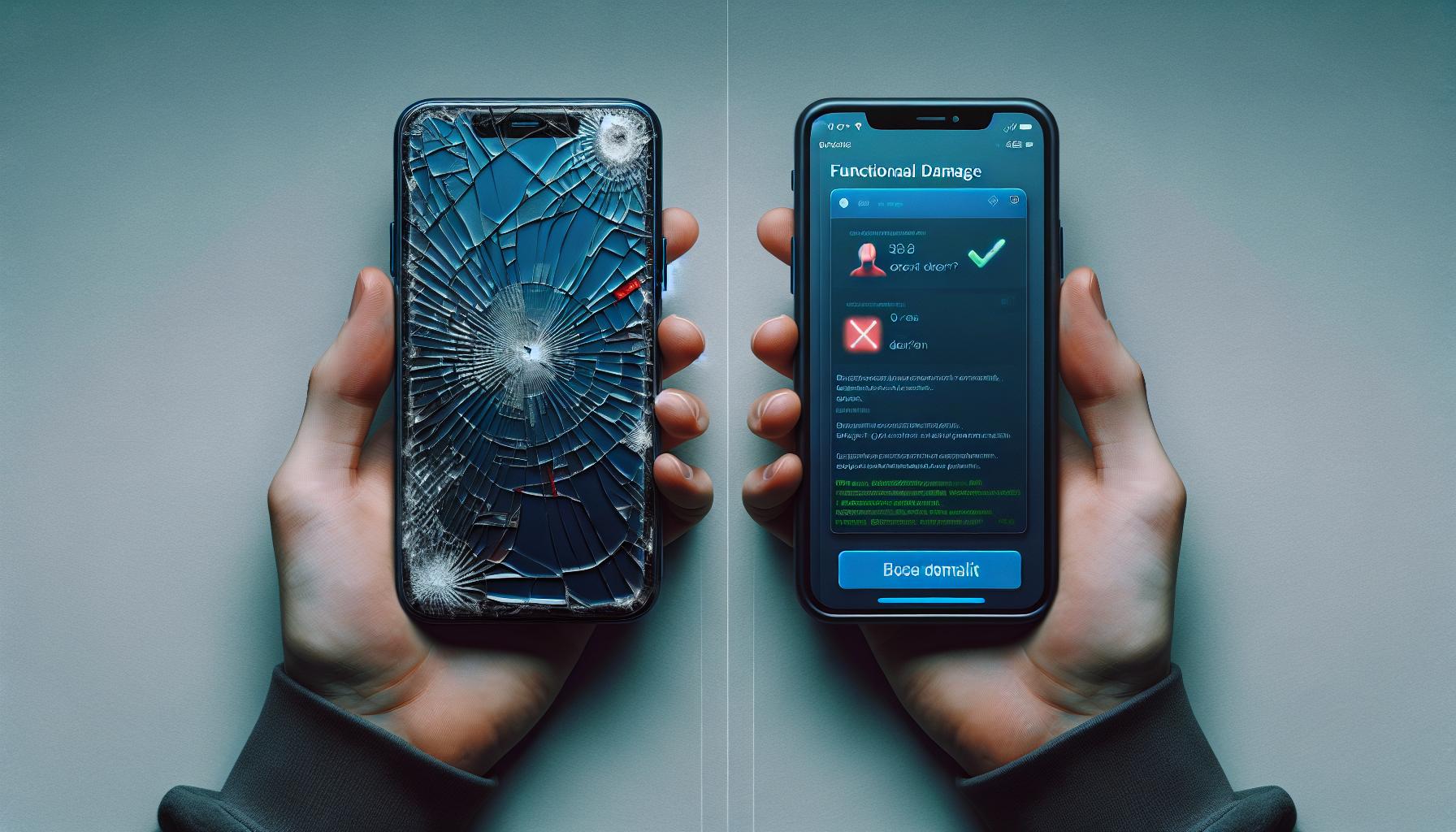
Symptoms of Testicular Injury You Should Watch For
Experiencing trauma to the testicles can be alarming, and recognizing the symptoms of injury is crucial for timely intervention and maintaining fertility. After an incident such as a kick or blunt trauma, you might be wondering whether the pain you feel is just temporary or if it could lead to long-term fertility issues. While every individual’s response to trauma varies, certain signs and symptoms warrant close attention.
The most immediate indicator of a testicular injury is severe pain, which can range from sharp to dull aching. This may be accompanied by swelling or bruising around the scrotum, indicating physical damage that could affect testicular function. It’s also important to monitor for nausea or vomiting, which can occur as a reaction to the intense pain. Such physical responses may signify that the body is undergoing stress, and recognizing these symptoms early can be crucial for preventing further complications.
Another symptom that should not be overlooked is difficulty urinating. If you find it painful or challenging to urinate after the injury, it might indicate additional issues requiring medical evaluation. Further, if there are any changes in the appearance of the scrotum, such as a noticeable lump or irregularities, these could suggest internal damage that might affect sperm production and hormonal balance.
Lastly, even if the immediate physical symptoms seem to subside, remain vigilant for any emotional and psychological impacts such as anxiety or worry about fertility. It’s essential to approach your emotional health with care-acknowledging these concerns is a vital part of your overall well-being and can aid in navigating your fertility journey effectively.
In summary, be attentive to physical symptoms like pain, swelling, bruising, and any urinary difficulties, and recognize the emotional weight that may accompany concerns about fertility. Seeking medical advice soon after trauma can lead to better management of both immediate and long-term consequences for your reproductive health.
When to Seek Medical Attention After Trauma
Experiencing a kick or blunt trauma to the testicles can be a distressing event, and understanding when to seek medical attention is crucial for safeguarding both physical health and potential fertility. It’s essential to recognize that while some injuries may seem minor, others can lead to serious complications that affect reproductive capabilities. Seeking timely medical advice not only addresses immediate concerns but also lays the foundation for long-term reproductive health.
If you encounter severe pain that doesn’t improve, or if the pain intensifies over time, it is imperative to consult a healthcare professional. Pain is a significant indicator, and prolonged or increasing discomfort could suggest underlying damage. Accompanying symptoms are also critical; if you observe swelling, bruising, or difficulty urinating, these may signal serious conditions such as testicular torsion or rupture. These emergencies require immediate medical intervention to prevent permanent damage to the testicular tissue.
Another key indicator for medical attention is any visible changes in the scrotum, such as lumps or discolored areas. These signs could indicate significant internal issues that warrant further evaluation. Medical professionals can conduct thorough assessments, including imaging tests like ultrasounds, to determine the extent of the injury and recommend appropriate treatments. Remember, your emotional wellbeing is equally important; feeling anxious or concerned about potential fertility impacts is entirely valid. Engaging with your healthcare provider about these feelings can provide clarity and guidance during a challenging time.
In summary, if you experience severe or worsening pain, noticeable changes in the scrotum, difficulty urinating, or ongoing emotional distress following testicular trauma, seeking medical attention promptly is vital. Early intervention could significantly influence not only recovery and pain management but also long-term fertility preservation. Your health and peace of mind are paramount-don’t hesitate to reach out to a healthcare specialist for support.
Common Myths About Testicular Injury and Fertility
While many believe that a single incident of testicular trauma can lead to irreversible infertility, this is often an oversimplification. A common misconception is that all forms of injury will result in permanent damage to fertility. In reality, the outcome largely depends on the severity of the trauma, the type of injuries sustained, and timely medical intervention. Many individuals who experience testicular injuries still retain the ability to father children, and exploring this reality can enhance understanding and reduce anxiety surrounding fertility concerns.
Some might assert that testicular injury is a guaranteed path to infertility, but research indicates that many males recover fully, particularly if they receive prompt medical care. Factors such as blood supply to the testes, potential for healing, and any surgical interventions play vital roles in recovery. Moreover, following an injury, the body can often compensate or heal itself, maintaining normal testosterone levels and sperm production.
Another prevalent myth is that if no immediate symptoms arise, such as severe pain or noticeable swelling, there is no risk of infertility. This belief can lead individuals to overlook subtle symptoms that may require evaluation. It’s essential to recognize early signs of testicular damage-like occasional discomfort or changes in the scrotum-so that a healthcare professional can assess potential injuries before complications develop. Seeking advice earlier rather than later can lead to better outcomes.
Ultimately, a deep understanding of these myths allows individuals to approach testicular trauma with a more informed perspective. Acknowledging that each case is unique empowers those affected to engage in conversations with healthcare providers, ensuring that concerns about fertility and reproductive health are addressed thoroughly. Creating an open dialogue can help validate emotions and provide clarity, while also embracing the challenges inherent in the fertility journey.
Diagnostic Tests for Assessing Testicular Health
Understanding the health of your testicles is crucial, especially after experiencing trauma like a kick or injury. Timely and thorough diagnostic tests can be the difference between worry and peace of mind, as they reveal any potential impacts on fertility. The emotional toll of infertility concerns can be overwhelming, but getting a clear assessment can help in navigating those anxieties.
When testicular trauma occurs, doctors may recommend a series of diagnostic tests to evaluate both the physical and functional aspects of testicular health. A common initial assessment involves a physical examination to check for swelling, bruising, or tenderness. If abnormalities are suspected, further testing may be necessary. One such test is a scrotal ultrasound, which uses sound waves to create images of the testicles and surrounding structures, enabling doctors to detect any injuries, fluid collections, or signs of torsion.
In cases where there is concern about fertility specifically, a semen analysis is often ordered. This test assesses sperm count, motility, and morphology, providing insight into the functional health of the testes post-injury. Additionally, hormone levels may be measured to evaluate testosterone production, which is crucial for maintaining reproductive capabilities. Such evaluations inform not only the immediate response to trauma but also long-term treatment options.
It’s essential to remember that seeking medical help early can lead to better outcomes and reduce the risk of complications that could affect fertility later on. If you’re feeling anxious about your testicular health following an injury, don’t hesitate to reach out to a healthcare professional who can guide you through the testing process and help you understand the results. The journey through these evaluations can be daunting, but armed with knowledge, you can empower yourself to make informed decisions about your reproductive health.
Treatment Options Following Testicular Trauma
In the wake of testicular trauma, understanding the treatment options is critical for ensuring long-term reproductive health. Timely and appropriate interventions can assist not just in physical recovery but also in alleviating concerns about potential fertility issues. Recognizing the emotional weight that comes with fertility-related worries is essential; thus, it’s paramount to adopt a holistic approach to treatment.
Immediate treatment may involve conservative measures such as rest, application of ice, and pain management with over-the-counter medications. However, if there is significant damage-indicated by persistent pain, swelling, or other alarming symptoms-surgical intervention might be necessary. Surgical options can include repairing the damaged tissue or, in more severe cases, removing the affected testicle. Studies indicate that if unilateral testicular trauma is addressed swiftly-often requiring removal if injury is severe-fertility can be preserved or restored effectively [1[1].
Following any surgical procedure, a comprehensive follow-up plan is crucial. Regular monitoring through semen analysis and hormone level assessments will help in tracking recovery and fertility parameters. This may lead to various assisted reproductive techniques, such as in vitro fertilization (IVF) or insemination methods, should fertility concerns escalate. Having open discussions with specialists who understand the emotional challenges surrounding this journey can provide both reassurance and guidance through potential next steps.
Awareness of treatment costs and insurance coverage should also be part of your preparation. Fertility treatments can be significant investments, often necessitating detailed discussions with healthcare providers and financial advisors. Remember, you’re not alone in navigating this; countless individuals have walked this path and found ways to manage both the physical and emotional aspects of testicular trauma and its aftermath. Establishing a support network can also be invaluable, helping you celebrate small milestones and cope with the emotional rollercoaster that accompanies the journey towards family-building.
Long-Term Effects of Testicular Injuries on Fertility
Experiencing testicular trauma can lead to profound long-term impacts on fertility, a concern that resonates deeply with many men. The consequences of any injury to the testicles can vary widely, influenced by factors such as the severity of the damage, the promptness of medical intervention, and the individual’s overall health. Importantly, while some men may recover fully, others might face challenges that affect their reproductive capabilities.
Research indicates that severe testicular injuries, particularly those involving significant trauma like fractures or blood vessel damage, have a higher likelihood of resulting in fertility issues. This can manifest in different ways, such as reduced sperm production or hormonal imbalances, which could make conception more difficult. Studies have shown that men who suffer from severe trauma to the testicles are at increased risk of developing conditions like testicular atrophy or infertility thereafter, even years after the initial injury [[1]](https://pmc.ncbi.nlm.nih.gov/articles/PMC4104106/) [[3]](https://pubmed.ncbi.nlm.nih.gov/36281974/).
After a traumatic event, it’s essential to monitor potential symptoms that could signal long-term effects on fertility. For example, new-onset erectile dysfunction or hormonal issues can be red flags that warrant further evaluation. To diagnose these complications, healthcare providers often recommend various tests, including semen analysis or hormone level assessments, aimed at providing a comprehensive understanding of the individual’s fertility status.
Treating the aftermath of testicular injuries involves more than just physical repair; it’s also about emotional support. Men may grapple with anxiety over their fertility status, which can impact their emotional well-being and relationships. Therefore, it’s crucial to foster an environment where open discussions about fears and expectations are encouraged. Support networks, whether through health professionals, counseling, or peer groups, can play a vital role in navigating the complexities of these emotional and physical challenges, paving the way for a hopeful journey toward family-building.
Managing Emotional Impact of Infertility Concerns
Experiencing fertility concerns following testicular trauma can evoke a multitude of emotions. It’s common for men to feel anxious, uncertain, or even isolated in this journey. The emotional weight of potential infertility can be daunting, making it vital to acknowledge and address these feelings with compassion and understanding. Connecting with others who have faced similar situations can provide relief and reassurance, transforming feelings of loneliness into a shared experience of hope and resilience.
One effective approach to manage these emotional impacts involves open communication with partners and loved ones. Discussing fears and expectations fosters intimacy and understanding, helping both partners navigate this challenging time together. Support groups or counseling services can also be beneficial, offering safe spaces to express feelings and explore coping strategies. Many find comfort in professional guidance, whether through fertility specialists, therapists, or peer support networks. These resources validate the emotional struggles and empower individuals to embrace their journey.
Setting realistic goals and celebrating small milestones can be both uplifting and motivating. Whether it’s reaching a certain point in medical evaluations or simply learning something new about fertility options, acknowledging these achievements can provide a sense of progress amid uncertainty. It’s also crucial to stay informed about treatment options, costs, and success rates, as better understanding can reduce anxiety surrounding the unknown.
Lastly, remember that each person’s path to family-building is unique, whether through IVF, artificial insemination, or adoption. Respecting personal choices and timelines is key to maintaining emotional balance. Be kind to yourself during this process; it’s okay to grieve what is lost while also holding space for hope and possibility. The journey may be fraught with challenges, but with the right support, it can also lead to growth, connection, and, ultimately, the realization of family dreams.
Preventative Measures to Protect Testicular Health
Preventing testicular injuries is crucial, not only for maintaining comfort but also for safeguarding fertility. While it’s easy to overlook the importance of testicular health amidst daily activities, acknowledging and protecting this sensitive area can significantly reduce the risk of trauma and its possible implications on reproductive capabilities.
Regularly wearing protective gear during potentially hazardous activities is a simple yet effective preventive measure. Athletes, for instance, should always use a properly fitted athletic cup when playing contact sports. Beyond sports, engaging in activities where there’s a risk of blunt force trauma-like construction work-warrants similar precautions. Furthermore, practicing safe sex can help avoid sexually transmitted infections (STIs) that might lead to complications affecting fertility.
Another essential aspect of protecting testicular health lies in fostering a healthy lifestyle. Maintaining a balanced diet rich in antioxidants, regular exercise, and avoiding excessive heat exposure (like saunas) can contribute to overall reproductive health. Men should also be mindful of their weight, as obesity can affect hormone levels and reduce fertility. Monitoring for any symptoms-such as pain, swelling, or unusual lumps-and seeking medical advice promptly can ensure that any issues are addressed before becoming more serious.
Lastly, implementing good communication around health matters with healthcare providers is vital. Men should feel empowered to discuss concerns about testicular health and fertility without fear or embarrassment. This proactive approach to health can lead to timely interventions and informed decisions about family planning, ultimately fostering both physical and emotional well-being. Taking these steps together creates a supportive environment for managing the complexities of reproductive health.
Frequently asked questions
Q: Can getting kicked in the testicles cause infertility?
A: Yes, severe trauma to the testicles, like from a kick, can lead to infertility. Such injuries can damage the testicular tissue and impact sperm production. Immediate medical attention is recommended to assess the extent of the injury and mitigate potential long-term effects.
Q: What are the signs of testicular injury?
A: Signs include severe pain, swelling, bruising, nausea, or difficulty walking. If you notice any of these symptoms after trauma, seek medical attention promptly to evaluate potential damage and treatment options.
Q: How does testicular trauma affect male fertility?
A: Testicular trauma can disrupt sperm production and hormone levels. Damage may be physical, like rupturing tissue, or functional, leading to diminished sperm quality. Both scenarios can jeopardize fertility.
Q: When should I see a doctor after a testicular injury?
A: You should consult a doctor immediately if you experience intense pain, significant swelling, or any visible damage. Early intervention can help prevent complications and preserve fertility.
Q: What treatments are available for testicular trauma?
A: Treatments vary depending on the severity and may include pain management, surgery to repair damage, or fertility preservation methods like sperm banking. Consult a specialist to explore the best options for your situation.
Q: Can mild testicular injuries lead to fertility issues?
A: While many mild injuries heal without complications, repeated trauma or even untreated mild injuries can impact long-term fertility. Monitoring and consultation with a healthcare professional are advisable.
Q: Are there preventative measures for testicular injuries?
A: Wearing protective gear during sports and avoiding risky activities can help prevent testicular injuries. Being mindful of your body’s limitations is also crucial to reduce the risk of trauma.
Q: What emotional support is available for men facing infertility?
A: Support groups and counseling services can offer emotional aid to men dealing with infertility. It’s essential to discuss feelings and concerns with supportive individuals or professionals who understand the journey.
The Conclusion
In conclusion, while a kick to the testicles can cause immediate pain and discomfort, the likelihood of it leading to infertility is relatively low. However, if you’re experiencing persistent issues or have concerns about your reproductive health, it’s crucial to seek immediate medical advice. Remember, knowledge is power, and understanding the risks allows you to take proactive steps. For more insights, check out our articles on male infertility causes and the latest advancements in fertility treatments, including IVF and artificial insemination.
Don’t wait any longer-take charge of your health today! Sign up for our newsletter to receive expert tips and personal stories from those navigating similar journeys. Join our community, ask questions, and share your experiences in the comments below; your voice matters. Together, we can tackle the challenges of fertility with compassion and support. Explore related topics that interest you, and let’s keep the conversation going to empower your family-building journey.