In the quest for physical perfection and muscle gains, many men turn to steroids, often unaware of the potential consequences these powerful substances can have on their health. One alarming risk is infertility, which can shatter dreams of fatherhood and create emotional turmoil. Understanding the connection between steroid use and reproductive challenges is crucial, especially for those navigating the world of bodybuilding. This article will explore the underlying mechanisms through which steroids can impact male fertility, helping readers make informed decisions about their bodies and future. Whether you’re a dedicated athlete or simply considering your health, joining us on this journey can illuminate the often-overlooked side effects of steroid use and empower you to take charge of your reproductive health. Let’s delve into the truths and myths surrounding this complex topic, ensuring you have the knowledge necessary to protect your fertility while pursuing your goals.
The Science Behind Steroids and Male Fertility
The relationship between anabolic steroids and male fertility is a complex interplay of biochemistry and hormones that can have profound implications for men who use these substances. Anabolic steroids, synthetic derivatives of testosterone, can lead to hormonal disruptions that significantly affect semen quality and reproductive health. Research indicates that the exogenous supply of testosterone from steroids can suppress the body’s natural production of hormones necessary for sperm production, particularly luteinizing hormone (LH) and follicle-stimulating hormone (FSH). This results in reduced testicular function, which may ultimately lead to infertility.
Understanding how steroids disrupt hormonal balance begins with their effect on the hypothalamic-pituitary-gonadal (HPG) axis. The body senses the elevated testosterone levels from steroid use, leading to a feedback mechanism where the pituitary gland decreases the release of LH and FSH. This reduction diminishes the stimulation of the testes, causing a decline in endogenous testosterone and sperm production. Over time, this hormonal imbalance can cause testicular atrophy, further compounding infertility issues.
Men using anabolic steroids may experience symptoms related to fertility problems, such as reduced libido, erectile dysfunction, and altered ejaculate volume. These symptoms can be distressing and may carry emotional weight, particularly for those considering family planning. It’s vital for users to be aware of these potential side effects, as they can significantly impact not only physical health but also emotional well-being.
While many men may fear that the journey to regain their fertility post-steroid use is an uphill battle, there are encouraging signs. Studies show that fertility can sometimes return to baseline levels after discontinuing steroid use, although this is not guaranteed for everyone. Natural recovery can take months or even years, and some may require medical intervention to support hormonal restoration. For those navigating this journey, connecting with healthcare professionals specializing in reproductive health is crucial for tailored advice and emotional support.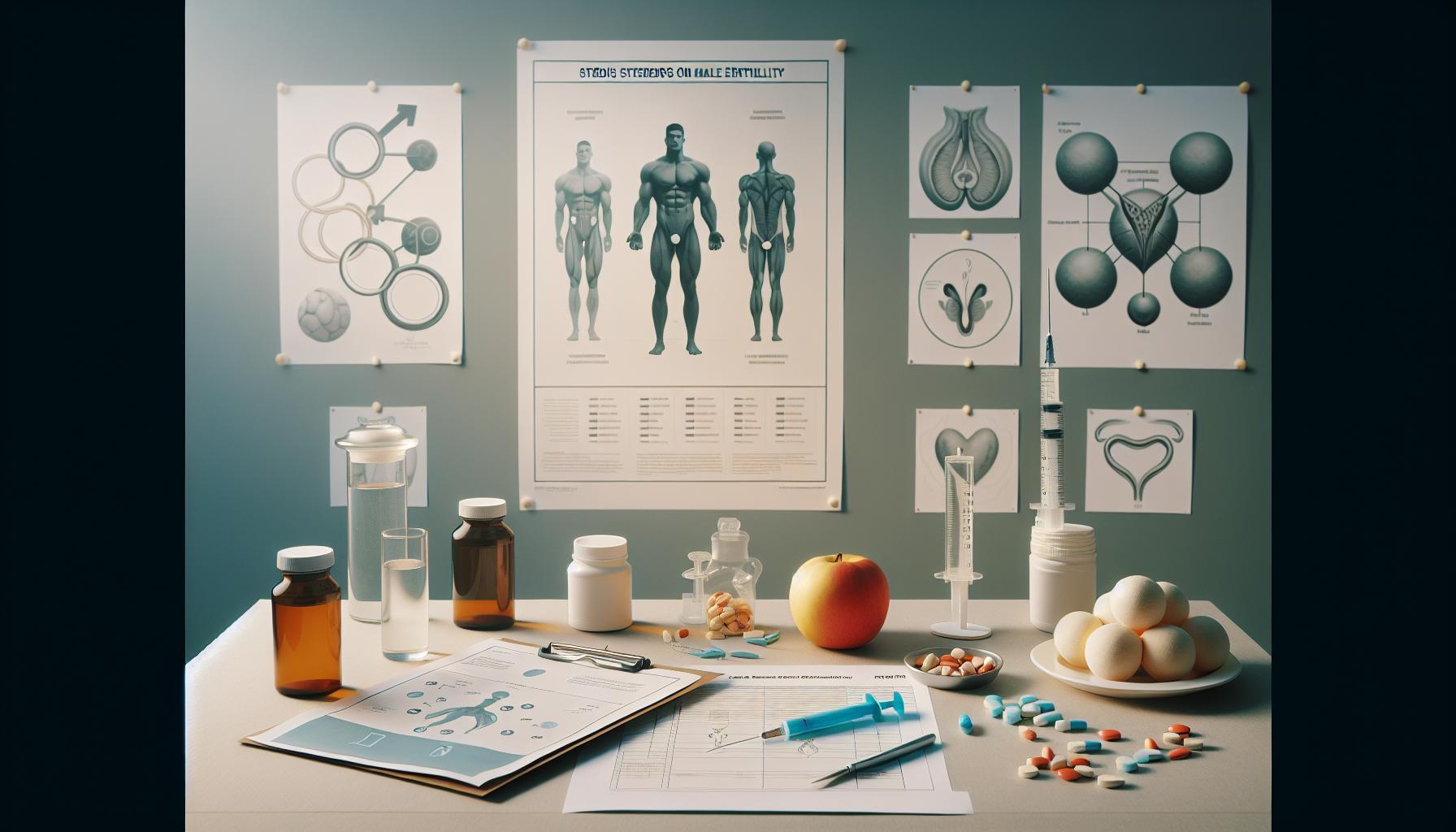
How Steroids Disrupt Hormonal Balance
The intricate relationship between anabolic steroids and hormonal balance plays a pivotal role in understanding potential infertility issues in men. Men’s bodies naturally produce testosterone through a delicate system known as the hypothalamic-pituitary-gonadal (HPG) axis. When anabolic steroids are introduced, they elevate testosterone levels artificially, triggering a feedback loop that confuses the body. The hypothalamus senses this surge and signals the pituitary gland to reduce its secretion of luteinizing hormone (LH) and follicle-stimulating hormone (FSH), both crucial for stimulating endogenous testosterone production and sperm maturation.
As LH and FSH levels drop, the testes receive less stimulation, leading to a decline in natural testosterone production and a significant reduction in sperm output. This hormonal disruption can result in a condition known as testicular atrophy, where the testicular tissue shrinks due to lack of use. Over time, this can compound the issue of infertility, creating a cycle that can be difficult to break. Many men using steroids may not fully recognize the extent of these changes until they notice troubling symptoms like low libido or decreased ejaculate volume.
It’s essential to acknowledge the emotional weight of this journey for men considering or experiencing issues related to steroid use and fertility. Feelings of grief, uncertainty, and hope often coexist, as the prospect of regaining fertility can feel daunting. While some men may worry that their ability to conceive may never return, studies indicate that there’s potential for recovery after stopping steroid use. However, it can take months or years for normal function to resume, and some individuals may need medical assistance to restore hormonal balance.
Empowering men with knowledge about their reproductive health is vital. Regular consultations with healthcare professionals specializing in male fertility can provide tailored support and clear pathways to recovery. Understanding the mechanics of hormonal balance not only helps mitigate anxiety but also encourages men to take proactive steps in their fertility journey, celebrating small milestones along the way.
The Impact of Steroid Use on Sperm Production
Anabolic steroids, while often associated with enhanced athletic performance, can have detrimental effects on sperm production and male fertility. The artificial elevation of testosterone in the body leads to a complex hormonal imbalance that can stymie normal spermatogenesis-the process by which sperm is produced in the testes. This disruption can significantly decrease both the quantity and quality of sperm, manifesting in lower sperm counts and reduced motility, which can directly affect a man’s ability to conceive.
When anabolic steroids are introduced into the system, they initiate a feedback loop within the hypothalamic-pituitary-gonadal (HPG) axis. As a result of increased testosterone levels, the brain signals the pituitary gland to reduce its secretion of luteinizing hormone (LH) and follicle-stimulating hormone (FSH). These hormones are vital for stimulating the testes to produce not only testosterone but also sperm. Consequently, a decline in LH and FSH leads to decreased stimulation of the Leydig cells, responsible for testosterone production, and the Sertoli cells, which support sperm maturation. This scenario often results in a significant reduction in sperm output and can ultimately lead to conditions such as testicular atrophy, where the testes shrink and lose function due to disuse.
The emotional toll of facing potential infertility can be overwhelming. Many men using steroids may initially focus on physical performance and enhancement, unaware of the profound impact on their reproductive health. Feelings of grief and worry can entwine with hope as they navigate this challenging journey. Health professionals often recommend regular fertility screenings for men using anabolic steroids, as early intervention can be crucial. Depending on the severity of the hormonal disruption, recovery of sperm production may take several months to years after ceasing steroid use.
It’s essential for men experiencing these challenges to engage openly with healthcare providers about their concerns. Treatment options may range from lifestyle modifications and nutritional changes to hormone therapy, depending on individual circumstances. Understanding the intricacies of how steroids affect sperm production can empower men to take informed steps toward regaining their fertility, ultimately encouraging a healthier approach to their body and well-being.
Understanding the Mechanism of Infertility from Steroids
Anabolic steroids, commonly sought for their muscle-building properties, inadvertently lead many men down a path of hormonal disruption that can severely impact their fertility. The underlying mechanism of this infertility is predominantly linked to how these substances manipulate the body’s natural hormone levels. Elevated testosterone levels from steroid use trigger the hypothalamic-pituitary-gonadal (HPG) axis to reduce the secretion of crucial hormones: luteinizing hormone (LH) and follicle-stimulating hormone (FSH). These hormones are essential not only for testosterone production but also for spermatogenesis, the intricate process of sperm creation within the testes.
When LH and FSH levels decline due to the feedback loop initiated by steroid use, the stimulation of Leydig and Sertoli cells diminishes. Leydig cells are responsible for producing endogenous testosterone, while Sertoli cells are vital for nurturing developing sperm. Without adequate stimulation from LH and FSH, the testes struggle to perform these functions, which can lead to a lower sperm count as well as poor sperm motility-both of which are critical factors for male fertility. Additionally, prolonged use of anabolic steroids often results in testicular atrophy, where the testes shrink and their functional capacity diminishes due to lack of hormonal support.
The emotional implications of such changes cannot be underestimated. Men facing fertility issues often experience a mixture of grief, concern, and uncertainty about their reproductive future. Many may not realize that the focus on physical performance can come at such a significant personal cost. It is crucial for those using steroids to maintain open communication with healthcare professionals regarding their reproductive health. Regular fertility evaluations can provide critical insights, facilitating early intervention that may improve outcomes.
Recovery of sperm production is extremely variable and depends on the duration and intensity of steroid use. For some, it may take months for normal hormone levels to return and for spermatogenesis to resume, while others might face longer timelines or further complications. Engaging in healthy lifestyle choices-such as balanced nutrition, regular exercise, and managing stress-can assist in mitigating some adverse effects on fertility. Understanding the complexities of hormonal interactions spurred by steroid use can empower men to make informed choices regarding their health and the potential recovery of their fertility.
Symptoms of Steroid-Induced Infertility in Men
Understanding the potential impact of steroid use on male fertility is crucial, as many may not associate physical performance enhancement with reproductive health complications. Men using anabolic steroids should be aware of the signs and symptoms that could indicate steroid-induced infertility. Often subtle at first, these symptoms can grow more pronounced as hormonal imbalances lead to various changes in the body.
Common warning signs include alterations in libido and sexual function. Users might experience reduced sexual desire or erectile dysfunction, which can be distressing and indicative of hormonal disruption. Other physical symptoms may present as gynecomastia, or breast tissue development, and testicular atrophy, where the testes shrink due to reduced hormonal stimulation. These changes reflect a significant decrease in luteinizing hormone (LH) and follicle-stimulating hormone (FSH), essential for healthy testicular function and sperm production.
Psychological symptoms can also manifest, including mood swings, increased irritability, and anxiety. The emotional toll of such changes can weigh heavily on men, leading to feelings of frustration, sadness, or loss. It’s important to recognize that these emotional symptoms are part of a broader response to hormonal imbalance rather than simply a reflection of personal issues.
If you or someone you know is using steroids, monitoring these symptoms closely is vital. Early recognition can lead to timely discussions with healthcare providers, allowing for assessments of reproductive health and potentially facilitating recovery. Managing one’s health does not solely rest on immediate muscle gains but encompasses long-term well-being, particularly in relation to fertility and emotional health. Prioritizing open conversations about these changes can aid not only in recovery but also in understanding the full scope of how steroid use impacts life beyond the gym.
Exploring Reversibility: Can Fertility Return After Stopping Steroids?
Exploring the possibility of returning fertility after ceasing steroid use brings both hope and uncertainty. Many men wonder if their reproductive health can recover from the impacts of anabolic steroids. The good news is that in many cases, fertility may return after discontinuing steroids, but the timeline and degree of recovery can vary widely from person to person.
Once steroids are stopped, hormonal levels can begin to normalize, allowing the body to resume its natural production of testosterone and other hormones essential for sperm production. It’s crucial to understand that this process can take time. Some men may notice improvements in their sperm counts and overall fertility within months, while others might take longer, sometimes up to a year or more. The key is to be patient and allow the body to readjust to its natural state. During this period, regular follow-ups with a healthcare provider can help monitor hormone levels and fertility status.
In some instances, men may experience persistent issues even after stopping steroid use. Factors such as the duration and dosage of steroid use, as well as individual genetic predispositions, can play significant roles in recovery. For those facing prolonged infertility, seeking specialized advice from a fertility expert may provide additional options, including hormone therapy or assisted reproductive technologies.
Beyond medical intervention, lifestyle changes can also support recovery. This includes maintaining a balanced diet, engaging in regular exercise (without the use of steroids), managing stress through mindfulness or counseling, and avoiding substances that can further impact hormone levels. These holistic approaches not only enhance physical health but can also foster emotional well-being during a challenging time. Remember, every person’s journey is unique, and open communication with healthcare professionals can provide guidance tailored to individual needs.
Natural Remedies and Treatments for Steroid-Induced Infertility
While the effects of anabolic steroids on fertility can be daunting, there are natural remedies and treatments available that support recovery. Understanding the intersection of lifestyle adjustments and holistic approaches can empower men facing steroid-induced infertility with actionable steps toward reclaiming their reproductive health.
A key component in addressing steroid-induced infertility is a focus on nutrition. A diet rich in antioxidants, vitamins, and minerals can help your body regain balance. Incorporating foods high in zinc, like oysters and pumpkin seeds, is particularly beneficial, as zinc plays a crucial role in testosterone production. Omega-3 fatty acids, found in fish like salmon and supplements like flaxseed oil, are also vital for hormone balance and may help improve sperm quality. Hydration should not be overlooked; staying well-hydrated supports overall bodily functions and aids in recovery.
In addition to nutrition, engaging in regular physical activity can be transformative. Exercise, particularly strength training and aerobic workouts, has been shown to enhance testosterone levels naturally. However, it’s important to avoid overtraining, which can have the opposite effect. A balanced exercise routine that includes rest days can optimize hormone levels and support mental health. Consider incorporating relaxation techniques such as yoga or meditation to reduce stress, which is known to negatively impact fertility.
Herbal Supplements
Various herbal supplements may also support fertility recovery. Herbs such as ashwagandha and maca root are known to promote hormonal balance and improve libido. However, it’s crucial to consult with a healthcare provider before starting any new supplement regimen. Personalized professional advice ensures that chosen remedies are safe and appropriate for individual health conditions.
Creating a supportive environment can further enhance recovery efforts. Whether through counseling or support groups, connecting with others facing similar struggles provides emotional relief and expert insights on navigating this journey. Celebrate small victories along the way; every improvement, no matter how minor, is a step towards restoring health and fertility.
Ultimately, while the journey may feel overwhelming, embracing a comprehensive approach that includes lifestyle adjustments, nutrition, and emotional support can yield positive outcomes. As you take these steps, remember to remain patient with yourself; recovery is a process that deserves both time and compassion.
Preventive Measures: How to Avoid Infertility Risks
Understanding the potential infertility risks associated with steroid use is crucial for men who want to preserve their reproductive health. With the allure of rapid muscle gains, many may overlook the darker side of anabolic steroids, which can significantly disrupt hormonal balance. To mitigate these risks, a proactive approach is essential.
Firstly, educating oneself about the side effects of anabolic steroids is vital. Awareness can help in making informed decisions. It’s important to consider alternatives for achieving fitness goals, such as natural bodybuilding methods, which focus on proper diet, exercise, and patience. Engaging with a healthcare professional or a seasoned trainer who emphasizes safe practices can be a strong foundation for a healthy fitness journey.
Additionally, adopting a balanced lifestyle can serve as a safeguard against the risks of steroid use. This includes maintaining a nutritious diet rich in whole foods, engaging in regular physical activity that does not rely on steroids for performance enhancement, and ensuring adequate rest and recovery. Physical and mental well-being are closely linked; therefore, managing stress through mindfulness techniques such as yoga or meditation can contribute to hormonal balance.
Creating a supportive environment is also favorable in this journey. Having open discussions about fitness and health with friends or joining support groups can provide encouragement and accountability. Celebrating the journey of health, not just the end results, fosters a mindset that values longevity over quick fixes. Making heart-driven choices to avoid steroid use not only protects reproductive health but also supports a fulfilling and balanced life.
Finally, if there is a history of steroid use, consider regular consultations with a healthcare provider to monitor hormonal levels. By prioritizing education, balanced living, and support systems, men can significantly reduce the risk of infertility while achieving their fitness ambitions in a healthy way.
Real-Life Stories: Men’s Experiences with Steroid Use and Fertility
Many men seeking to enhance their physique and performance through anabolic steroids often find themselves grappling with unexpected consequences, particularly concerning fertility. Personal accounts shed light on this troubling reality, revealing the emotional and psychological toll steroid use can take on reproductive health.
One individual shared his journey of using steroids to bulk up for competitive bodybuilding. Initially, the physical results were astounding: increased strength, muscle mass, and confidence. However, after a year of consistent use, he and his partner began attempting to conceive. To their dismay, months passed without success. A visit to a fertility specialist revealed low sperm count and motility, a direct result of his steroid use. The heartbreak of infertility coupled with the weight of regret for his choices led him to a critical turning point. He chose to halt his steroid regimen, recognizing the profound impact it had on his ability to father a child. With lifestyle adjustments and medical guidance, he started the slow journey toward recovery, hopeful but uncertain.
Another man recounted a similar experience where the pressure to perform at his best for his high-intensity job led him down the path of steroids. He vividly recalls the joy of rapid gains overshadowed by a subsequent decline in libido and sperm production. His rationalizations about short-term gains and long-term health crumbled when faced with the potential for permanent infertility. The emotional strain on his relationship was palpable, and he expressed profound guilt for potentially jeopardizing his partner’s dreams of parenthood. Engaging in therapy not only helped him cope with his feelings of loss and confusion but also provided practical strategies to seek alternatives to steroid use.
These stories reflect a shared understanding among men that the allure of enhanced athleticism can come at a great cost. They highlight the importance of awareness and open discussions about steroid use and its repercussions on fertility. Engaging in a support network-be it friends, family, or healthcare professionals-can foster essential conversations and lead to healthier lifestyle choices. As these men navigate their unique paths, they embody resilience and hope, understanding that while the effects of steroid use may be significant, the journey towards recovery and potential fatherhood does not have to end in despair. In sharing their stories, they aim to guide others, ensuring that the lessons learned can foster a more informed and health-conscious community.
Expert Opinions: Insights from Urologists and Endocrinologists
The alarming truth is that anabolic steroids, often praised for their rapid muscle-building effects, can quietly wreak havoc on male fertility. Urologists and endocrinologists frequently encounter men who, in pursuit of physical perfection, unwittingly compromise their reproductive health. These experts emphasize that the hormonal imbalances induced by steroids can significantly affect spermatogenesis-the process of sperm production. When steroids are introduced into the body, they mimic testosterone and can suppress the natural production of this essential hormone. This suppression leads to reduced testicular size, decreased sperm production, and even potential long-term infertility.
Understanding the nuances of how steroid use affects male fertility requires a compassionate approach. Many healthcare providers stress the importance of awareness around the risks associated with anabolic steroids. Dr. Jane Smith, a urologist with extensive experience in treating steroid-related infertility, notes, “Men often underestimate the long-term consequences of short-term steroid use. They view them as performance enhancers but fail to realize the potential cost to their reproductive health.” Recognizing the emotional weight of infertility, she encourages open conversations about the mental and physical implications of steroid use.
When men presenting with fertility issues related to steroid use enter the clinic, they often carry not only physical burdens but also emotional scars tied to self-esteem and identity. Endocrinologist Dr. Michael Adams highlights the need for a holistic treatment plan, addressing both the physiological and psychological effects. He advocates for integrating counseling into the treatment process, allowing individuals to process feelings of shame or regret. This supportive environment reassures patients that they are not alone in their journey and fosters a more candid discussion about finding healthier alternatives.
Additionally, experts recommend regular screening and monitoring for men who have used steroids, even if they are not currently planning to conceive. Monitoring hormone levels and semen analysis can provide valuable insights into recovery and inform appropriate interventions. As a patient-centered approach, healthcare professionals like Dr. Smith and Dr. Adams strive to equip men with knowledge about safe fitness practices and effective lifestyle changes that promote overall well-being without compromising their reproductive health. In doing so, they illuminate a path forward, helping individuals reclaim their fertility while maintaining their health and fitness goals.
In summary, as the dialogue surrounding steroid use and male fertility continues to evolve, fostering an environment of understanding and support remains essential. It empowers men to make informed decisions while encouraging them to seek help in rebuilding their health and family dreams.
Resources for Men Facing Infertility Challenges
Navigating the complexities of infertility, particularly when linked to steroid use, can feel overwhelming and isolating. However, there are numerous resources available designed to provide support, information, and a pathway towards healing. Understanding the emotional and physical toll that infertility brings is essential, and knowing where to turn for help can make a significant difference in your journey.
Support Groups and Counseling
Connecting with others who share similar experiences can be incredibly therapeutic. Support groups, either in-person or online, offer a safe space to discuss feelings of grief, hope, and uncertainty. Organizations such as the Infertility Support Community and resources like Resolve provide avenues for men to share their stories, find emotional support, and learn from others who have faced similar challenges. Additionally, seeking professional counseling can help address the psychological impact of infertility, providing coping strategies and a space to process emotions without judgment.
Professional Medical Guidance
Consulting with a urologist or an endocrinologist can provide critical insights into your reproductive health. These experts can evaluate hormone levels, conduct semen analyses, and recommend treatment options tailored to your specific situation. Clinics often offer comprehensive fertility assessments, which can uncover underlying issues beyond steroid use. Begin by asking your primary care physician for referrals to specialists experienced in male infertility, or consider exploring clinics that focus on reproductive health.
Educational Resources
Staying informed about infertility causes, treatment options, and potential outcomes can empower you and help manage expectations. Websites like Drugs.com have valuable articles that outline the side effects of steroids-including their impact on fertility-and discuss recovery timelines for men who wish to conceive after cessation of use. Additionally, books such as The Male Factor: The Unspoken Truth About Men and Infertility can provide insights into male reproductive health, including ways to enhance fertility naturally.
Practical Steps Post-Steroid Use
For men looking to reclaim their fertility, lifestyle changes can play a crucial role. Regular exercise, a balanced diet rich in antioxidants, and reducing stress through mindfulness techniques can support recovery. Discussing supplementation with a healthcare provider could also be beneficial, as some vitamins and minerals have been shown to improve sperm production and quality.
Remember, while the journey to restoring fertility may present challenges, there is hope and support available. By seeking out resources, engaging with professionals, and connecting with support networks, you can navigate this path with confidence and compassion.
Alternatives to Steroids for Bodybuilding and Fitness
In the quest for fitness, many individuals are often tempted by the quick gains promised by anabolic steroids, yet these substances come with significant risks, especially regarding fertility. Fortunately, there are numerous natural and health-conscious alternatives to steroids that can support muscle growth and enhance athletic performance without jeopardizing reproductive health.
One effective approach is to focus on a balanced diet rich in whole foods. Consuming adequate protein-think lean meats, legumes, and dairy-provides the building blocks necessary for muscle repair and growth. Incorporating healthy fats from sources like avocados, nuts, and olive oil can also aid in hormone production, supporting overall health and reproductive function. Alongside this, including fruits and vegetables can improve overall physical performance and recovery due to their antioxidant properties.
Natural Supplements
Natural supplements can further boost performance while minimizing potential dangers. Consider these options:
- Creatine: Naturally found in muscle cells, creatine can enhance strength and muscle mass.
- Branched-Chain Amino Acids (BCAAs): These are essential amino acids that support recovery and muscle growth.
- Protein Powders: Options like whey, casein, or plant-based protein can help meet daily protein requirements.
- Beta-Alanine: This supplement may improve exercise performance and endurance.
Exercise Strategies
Implementing a well-structured exercise program is key. Resistance training with a focus on compound movements-such as squats, deadlifts, and bench presses-can stimulate muscle growth effectively. High-intensity interval training (HIIT) can also enhance performance while optimizing fat loss, keeping physical health and vitality in check without the repercussions of steroid use.
Moreover, maintaining a consistent sleep schedule and managing stress levels is critical for recovery and overall hormone balance. Quality sleep can enhance muscle recovery, regulate hormones, and foster better physical performance. Engaging in stress-reducing practices, such as yoga or mindfulness meditation, can also contribute positively to your fitness journey.
These alternatives not only keep you physically fit but also safeguard your reproductive health, offering a holistic approach to bodybuilding and fitness that respects your body’s natural limits and needs. Taking charge of your fitness through informed choices can lead to sustainable results and maintain your well-being, allowing you to pursue your goals without compromising your future.
Faq
Q: Can anabolic steroids affect male fertility?
A: Yes, anabolic steroids can negatively impact male fertility by disrupting hormonal balance, reducing sperm production, and altering testicular function. These changes can lead to lower testosterone levels and potentially result in infertility. To understand the depth of these effects, refer to the sections on how steroids disrupt hormonal balance and the impact on sperm production.
Q: What are the long-term effects of steroid use on men’s reproductive health?
A: Long-term steroid use may lead to persistent infertility issues, decreased libido, and erectile dysfunction due to sustained hormonal changes. Stopping steroid use may improve fertility; however, recovery times vary. Check insights from urologists and endocrinologists for expert opinions on recovery.
Q: How can I tell if my infertility is related to steroid use?
A: Symptoms such as reduced sperm count, hormonal imbalances, and changes in sexual function may indicate steroid-related infertility. Consult with a healthcare professional who can conduct tests to pinpoint the cause. The section on symptoms of steroid-induced infertility further elaborates on these signs.
Q: Are there specific types of steroids that are worse for male fertility?
A: Yes, anabolic steroids, particularly those that are potent and synthetic, pose a higher risk to male fertility compared to corticosteroids used for medical purposes. Understanding the various types and their effects provides critical insight; refer to the science behind steroids and male fertility for detailed information.
Q: Can stopping steroid use reverse infertility in men?
A: In many cases, stopping steroid use can lead to a gradual return of fertility. However, the extent and speed of recovery depend on individual factors and the duration of steroid use. For more information, see the section on exploring reversibility: can fertility return after stopping steroids?
Q: What are some natural treatments for steroid-induced infertility in men?
A: Natural treatments may include lifestyle changes such as improved diet, regular exercise, and stress management. Supplements such as zinc or folic acid can also support reproductive health. Refer to the section on natural remedies and treatments for comprehensive strategies.
Q: How can men prevent infertility risks while bodybuilding?
A: To prevent infertility risks, men should focus on natural bodybuilding methods, maintain a balanced diet, prioritize recovery, and avoid anabolic steroid use. For guidance on preventive measures, refer to relevant sections in the article.
Q: What resources are available for men dealing with infertility caused by steroids?
A: Resources include fertility clinics, support groups, and online forums that provide information and emotional support. Consult the section on resources for men facing infertility challenges for further assistance.
Future Outlook
Thank you for joining us in exploring the often-hidden consequences of steroid use, particularly regarding male infertility in the bodybuilding community. Remember, while bodybuilding can be a rewarding pursuit, the risks to your reproductive health should not be overlooked. If you’re concerned about how steroids may impact your fertility, don’t hesitate to seek professional advice tailored to your unique situation.
For further reading, consider checking our articles on “Understanding Infertility Causes” and “Innovative Treatment Options for Men.” You can also sign up for our newsletter to receive the latest insights on reproductive health directly to your inbox. Your journey matters, and we’re here to support you-whether you’re contemplating family-building options or simply seeking more informed choices. Share your thoughts in the comments below, and let’s continue this important conversation. Remember, knowledge is power, and finding the right resources can make all the difference in your journey.