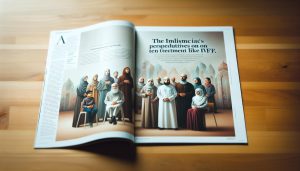
In a world where the journey to parenthood can often feel overwhelming, many women facing infertility may wonder what the Bible has to say about their struggles. Scripture offers both solace and guidance, emphasizing that a woman’s worth is not defined by her ability to conceive. By exploring biblical narratives and teachings, we can find hope and encouragement for those navigating the emotional complexities of infertility. This article delves into key scriptural insights that validate feelings of grief and longing while highlighting the possibility of faith and support in diverse family-building paths. Join us as we uncover messages of hope, resilience, and love rooted in biblical wisdom, ensuring that your journey is met with compassion and understanding.
Understanding Infertility in Women: A Biblical Perspective

Understanding the pain and longing that comes with infertility can be both profound and isolating. For many women grappling with fertility challenges, turning to scripture offers comfort and a sense of connection. The Bible presents numerous stories that reflect on themes of barrenness and hope, illustrating how faith can play a pivotal role in this difficult journey. The narratives of figures like Hannah and Sarah not only resonate through their struggles but also remind us that divine intervention and hope are interwoven in the fabric of life.
Hannah, in 1 Samuel 1, exemplifies heartfelt prayer and perseverance despite her deep sorrow over infertility. Her fervent pleas to God ultimately led to the birth of Samuel, showcasing that patience and faithfulness can yield profound rewards. Similarly, Sarah’s story in Genesis illustrates the challenges faced by couples waiting for a child. At an advanced age, she bore Isaac, embodying a promise fulfilled against great odds. These scriptural accounts serve as powerful reminders that in moments of despair, one can turn to God and find renewed strength and purpose.
The Bible reassures us that God is attentive to our pain and desires to bring healing and restoration. This spiritual perspective can help embolden women to navigate their emotional landscape with hope. Feeling discouraged is natural, but knowing that God sees each struggle can prompt women to seek His guidance through prayer. It’s important to embrace this journey not only as an emotional struggle but as an opportunity to deepen one’s faith and understanding of divine timing.
Furthermore, this perspective can act as a foundation for community support. Engaging in conversations with those who share similar experiences can foster relationships built on empathy and understanding, creating an environment where women feel supported and less alone in their journey toward motherhood. The narrative of infertility, as portrayed in scripture, serves not just as a testament to the challenges faced, but as a beacon of hope, illuminating the path of faith, patience, and eventual fulfillment.
Scriptural Stories of Infertility and Hope
In the tapestry of biblical narratives, stories of women grappling with infertility stand out as profound testimonies of faith and hope. These accounts reflect not only the emotional and spiritual struggles but also the eventual triumphs that can emerge from such trials. The stories of women like Hannah and Sarah resonate deeply, illustrating that the journey through barrenness is fraught with pain yet often leads to miraculous outcomes.
Hannah’s narrative, found in 1 Samuel 1, is particularly moving. She yearned for a child and faced societal pressures that intensified her heartbreak. In her desperation, she fervently prayed to God, vowing that if granted a son, she would dedicate him to the Lord. This act of faith amidst despair leads to the miraculous birth of Samuel. Hannah’s story serves as a powerful reminder that heartfelt prayer and unwavering faith can bring hope even in the darkest times. Her journey encourages women to actively seek divine intervention while embracing their vulnerability.
Similarly, Sarah’s journey in Genesis 18 offers insight into the themes of hope and divine timing. At 90 years old, Sarah’s laughter upon hearing that she would bear a son demonstrates the complex mix of disbelief and the joy of promises fulfilled. The promise of Isaac underscores the idea that God’s timing is often different from our own, but His faithfulness is unfailing. As women navigate their own fertility journeys, Sarah’s story reinforces the notion that extraordinary outcomes can arise from seemingly impossible situations, encouraging patience and perseverance.
These biblical accounts not only provide comfort but also foster a sense of community among those experiencing infertility. Sharing these stories in faith circles can create an environment where women feel understood and supported. It’s vital to remind those on this journey that they are not alone; their struggles are part of a larger narrative of faith and hope that transcends generations. The threads of grief, prayer, and eventual joy interweave beautifully in these narratives, urging us all to hold onto hope and faith, no matter how challenging the path may seem.
God’s Promises: Comfort in Times of Grief

In the depths of grief that accompany infertility, many women search for solace and reassurance. The Bible offers profound promises that speak directly to the heartache of wanting children, providing a foundation for hope amid sorrow. Embracing these promises can be a source of comfort as one navigates the complexities of this journey.
Throughout scripture, God’s unwavering faithfulness is a recurring theme. Verses such as Psalm 34:18 remind us, “The Lord is close to the brokenhearted and saves those who are crushed in spirit.” This assurance can provide a nurturing embrace during times when feelings of isolation and despair feel overwhelming. Recognizing that many biblical figures experienced similar struggles can help one feel less alone.
Engaging in prayer can be a powerful way to connect with God during these difficult times. Women facing infertility may find comfort in prayers that not only express their pain but also seek peace and clarity. Journaling these prayers or engaging in communal prayer can foster a sense of shared understanding and support, rooted in faith. Additionally, affirmations of God’s promises found in scripture can be a daily reminder that He sees their struggles, noting the journey each woman is on.
Creating a personal ritual to reflect on these promises can also provide comfort. This might involve lighting a candle while reading scripture that speaks to hope and dreams, allowing the warmth of light to symbolize God’s presence. Building a community that supports one another through sharing stories and testimonies can further anchor one in their faith, reminding women that they are part of a larger family united in hope.
Lastly, consider embracing these promises not just in sorrow but also in moments of joy, even the small ones. Celebrating each step taken, whether it’s a successful treatment or a cherished memory, helps to cultivate gratitude and keeps the heart open to future possibilities. In doing so, women may find that their grief is interwoven with hope, creative pathways to healing, and the fulfillment of God’s promises, even in ways unexpected.
Prayers for Fertility: Seeking Divine Guidance
In the midst of longing for a child, turning to prayer can bring profound comfort and clarity. For many women grappling with infertility, it can be a source of strength to seek divine guidance when the journey feels overwhelming. Prayer serves as a channel to express deep emotions, articulate desires, and invite God into the heart of one’s struggles. Establishing a consistent prayer routine may involve setting aside specific times each day to speak with the Lord, whether quietly reflecting or articulating feelings aloud.
Consider incorporating both personal and scriptural prayers that resonate with your situation. For example, crafting a heartfelt prayer might look like this: “Dear Lord, I come before you with a heavy heart, seeking your guidance and comfort in this journey of infertility. Help me trust in Your perfect timing and fill me with peace as I await Your plan for my life.” Alongside personal prayers, passages from the Bible can also be intertwined, such as Psalm 37:4, which encourages believers to delight in the Lord, suggesting that He will grant the desires of the heart.
Creating a Prayer Ritual
Establishing a prayer ritual can also foster a greater sense of connection and tranquility. This may include lighting a candle, choosing a serene place in your home, or utilizing a journal to record thoughts and prayers. Journaling can be particularly therapeutic, allowing for reflection on both frustrations and hopes, creating a physical record of one’s emotional journey.
Participating in community prayer, whether through church groups or online support networks, can enhance feelings of solidarity and understanding. These gatherings not only provide a platform to share personal stories but also allow individuals to pray collectively, creating a supportive atmosphere. Engaging with others who are walking a similar path can validate personal experiences, reminding each participant that they are not alone in their struggles.
Ultimately, prayer during the fertility journey is not just about seeking immediate outcomes but about cultivating trust and faith in God’s plan. Embracing every part of the journey, including moments of doubt and pain, can lead to transformative growth and a deeper relationship with one’s faith, illuminating new pathways of hope and comfort along the way.
Exploring Medical Definitions of Infertility
Infertility is a term that carries significant emotional weight, often enveloping individuals and couples in a journey filled with hope, disappointment, and longing. It is defined medically as the inability to achieve a clinical pregnancy after 12 months of regular, unprotected sexual intercourse for women under 35, and after 6 months for women 35 and older. This clinical definition serves as a guideline, framing a complex issue that encompasses various physical, emotional, and relational dimensions, and can be greatly influenced by one’s faith and spiritual beliefs.
Within the broader context of infertility, understanding its medical aspects can demystify some of the concerns that families face. Infertility can stem from a myriad of causes, including hormonal imbalances, ovulation disorders, structural issues within the reproductive system, or age-related factors. For instance, conditions like Polycystic Ovary Syndrome (PCOS) and endometriosis are common contributors to female infertility. Likewise, male factors include issues like low sperm count or motility. With modern medicine, several options such as In Vitro Fertilization (IVF), insemination (AI), and fertility medications are available, each with its complexities and success rates that can vary widely depending on individual circumstances.
When navigating this emotional landscape, it’s crucial to acknowledge the impact that these medical diagnoses and treatments can have on one’s sense of self and spirit. Women of faith often seek solace in scripture, finding verses that resonate with their experiences of disappointment and hope. Stories from the Bible, such as that of Hannah, who fervently prayed for a child and was ultimately blessed with Samuel, remind believers of the power of patience, prayer, and divine timing. These narratives serve to bolster their faith, encouraging them to find strength in their spiritual connection during challenging times.
Furthermore, understanding the terminology related to infertility can also empower individuals to engage more fully with healthcare providers. Key terms such as “follicles” (the fluid-filled sacs in the ovaries where eggs develop), “embryos” (fertilized eggs), and “sperm motility” (the ability of sperm to move efficiently) are essential in navigating discussions about treatments and options. Many find clarity in seeking comprehensive explanations from fertility specialists, allowing them to make informed decisions that align with their emotional and spiritual needs. Cultivating an open dialogue about fears, hopes, and expectations aids in fostering a supportive environment where couples can jointly confront the challenges of infertility, making the journey feel a little less daunting.
Biblical Figures: Lessons from Hannah and Sarah
Through the stories of Hannah and Sarah, the Bible offers profound insights into the struggles and hopes of women facing infertility. Both figures exemplify a deep yearning for motherhood, demonstrating how perseverance and faith can intertwine in the face of despair. Hannah, for instance, is known for her earnest prayers and vows to God as she awaited the gift of a child. Her story, found in 1 Samuel 1, illustrates the emotional toll that infertility can impose, as well as the power of supplication. Hannah’s heartfelt prayer not only led to the birth of Samuel but also serves as a testament to the importance of seeking divine support during times of heartache.
Similarly, Sarah’s narrative in Genesis reflects the complexity of waiting on God’s timing. Initially, Sarah laughed at the idea of bearing a child in old age, revealing a human tendency to doubt in the face of seemingly insurmountable challenges. Yet, when God promised her a son, Isaac, despite her age, her faith was ultimately rewarded. Sarah’s journey highlights that doubt and faith can coexist, and that God’s promises may unfold in ways and timelines we do not expect. Her life reminds us that embracing hope-no matter how distant it may seem-can lead to miraculous outcomes.
In both cases, the struggles that Hannah and Sarah faced were met with eventual joy, encouraging those experiencing infertility to maintain faith through uncertainty. Women today can draw inspiration from these stories, knowing that their journeys, while filled with challenges, can also lead to unforeseen blessings. Embracing community and sharing one’s burdens, just as Hannah and Sarah leaned on their faith, is crucial. Surrounding oneself with supportive friends, family, or faith communities can provide the emotional and spiritual backing many need while navigating the complexities of infertility.
Moreover, their stories offer more than spiritual encouragement; they also stress the importance of patience and surrender. The waiting periods in both narratives serve as poignant reminders that personal timelines differ from divine ones. For those walking a similar path, reflecting on these biblical figures encourages resilience and fosters hope, which can be a source of strength throughout the fertility journey.
Faith and Its Role in the Fertility Journey
Navigating the journey of infertility can feel isolating and overwhelming, but faith often serves as a guiding light during these challenging times. Many women draw strength from their beliefs and biblical teachings, finding hope in the narratives of those who have walked similar paths before them. For instance, the resilience shown by Hannah and Sarah not only highlights their struggles but also reflects the possibility of miracles through unwavering faith. Prayer becomes a powerful tool, allowing women to voice their deepest hopes and fears while seeking solace in God’s promises, which can provide a sense of peace amidst uncertainty.
Connecting with a faith community can significantly impact one’s fertility journey. Support groups, prayer circles, or spiritual counseling offer spaces where individuals can share their experiences, rejoice in small victories, and collectively bear the weight of disappointment when things do not go as planned. It cultivates a sense of belonging and reduces feelings of isolation, validating the emotional turmoil that often accompanies infertility. Building these connections encourages women to lift each other up, fostering an environment of compassion and understanding.
It’s also important to remember that faith does not negate the challenges of medical realities or treatments. As women explore paths like IVF or adoption, maintaining a balanced perspective is crucial. Success rates, the emotional and financial investments required, and the ups and downs of the process can be daunting. An informed faith can help mitigate anxiety, empowering women to take proactive steps in their fertility journey while remaining anchored in their spiritual beliefs. Understanding that seeking medical assistance is not a lack of faith but rather a responsible step can alleviate the burdensome notion that one must choose between spirituality and medical intervention.
Ultimately, strengthening one’s faith throughout this journey can inspire resilience and optimism. By focusing on shared stories, community support, and personal spiritual practices, women can cultivate an inner strength that helps navigate the unexpected twists and turns of their reproductive health journeys. Embracing faith as a companion alongside medical guidance creates a holistic approach to seeking the family they desire, regardless of the outcome.
Support Systems: Community and Counseling Resources
The journey through infertility can be profoundly isolating, yet connecting with a community can provide both solace and strength. Many women find that shared experiences lighten their burden, allowing them to express their grief, hopes, and challenges in a supportive environment. Community resources such as faith-based support groups, church prayer circles, and counseling services tailored specifically for those facing infertility can serve as vital lifelines. Not only do these groups foster fellowship, but they also validate the emotional struggles that accompany this journey. When individuals come together to encourage one another, they cultivate resilience, celebrate small victories, and hold space for each other during moments of disappointment.
Building Support Networks
Establishing a reliable support network is crucial for emotional well-being. Here are several effective ways to create or enhance your support system:
- Join or Form Support Groups: Look for local or online infertility support groups, which often provide a platform for sharing personal experiences and resources.
- Engage in Prayer Circles: Participate in prayer services at your place of worship specifically focused on fertility issues, where collective prayer can offer spiritual comfort.
- Seek Counseling Services: Professional counseling, particularly from someone with experience in infertility issues, can help you process complex emotions and navigate the challenges ahead.
- Consider Peer Mentorship: Connecting with someone who has successfully navigated infertility can provide guidance, hope, and practical advice based on personal experience.
The Role of Faith
Faith can deeply influence how one navigates the challenges of infertility. Many find strength in scripture, drawing on biblical narratives of women like Hannah and Sarah who faced similar struggles, ultimately resulting in profound blessings. Engaging in spiritual practices-such as prayer, meditation, or reflective journaling-can help individuals center their thoughts and emotions during this tumultuous time.
Additionally, remember that spirituality doesn’t exclude seeking medical treatment. It’s vital to approach fertility treatments and medical consultations with an open heart while relying on faith for comfort and strength. Understanding that a combination of faith and medical intervention can coexist may help alleviate feelings of inadequacy or guilt.
Through the integration of community support and faith, individuals facing infertility can find a nurturing space to navigate their journey. Celebrating milestones-big or small-within these supportive groups will reinforce a sense of hope and connection, reminding everyone that they are not alone in their strives for family-building.
Navigating Fertility Treatments with Faith
Navigating the complex world of fertility treatments can be both exciting and daunting, especially when intertwined with a spiritual journey. Many individuals and couples find themselves at a crossroads where medical intervention meets faith, prompting a profound need for guidance and support. As you embark on this path, remember that every step taken-whether it leads to treatment, a positive pregnancy test, or a decision to pursue adoption-is worthy of recognition and reflection.
When discussing fertility treatments, options like in vitro fertilization (IVF) and artificial insemination (AI) often come to the forefront. Each treatment comes with its unique timelines, costs, and success rates. For instance, IVF, which can cost anywhere from $12,000 to $15,000 per cycle, typically has success rates that vary based on age and specific health conditions. Maintaining an open dialogue with your healthcare provider can help clarify what to expect during these processes, from hormonal treatments to embryo transfer. Incorporating prayer or meditation during these moments can foster a sense of peace and clarity, allowing you to focus on the goal while entrusting the outcome to a higher power.
Integrating faith into your treatment journey can provide emotional strength and resilience. Several biblical figures faced infertility but ultimately found hope through their faith. For example, Hannah’s fervent prayers and eventual blessing serve as a powerful reminder that patience and faith can lead to fulfillment, even in seemingly hopeless situations. As you navigate consultations and procedures, consider establishing a routine that intertwines daily prayer or scripture reading, helping to center your thoughts and reinforcing your hope during challenging times.
It’s also crucial to cultivate a support system that respects both your spiritual beliefs and emotional needs. Engage with groups or individuals who understand the spiritual dimensions of infertility, perhaps through church ministries or online communities. These connections can be invaluable, providing a space for sharing experiences and receiving encouragement. By fostering an environment where faith and medicine coexist harmoniously, you empower yourself to pursue the best possible outcome for your unique situation while nurturing your soul along the way.
Adoption and Alternative Family Building
The journey towards building a family can take many forms, and for those facing infertility, adoption and alternative family-building methods often emerge as fulfilling paths to parenthood. Adoption not only provides a loving home for a child in need but also enriches the lives of those who adopt. Supporting this choice can be rooted in biblical stories of faith and compassion, which can offer encouragement and hope during this transformative experience.
The Blessing of Adoption
Adoption offers a unique opportunity to embrace parenthood through a different avenue. Both the Old and New Testaments reflect themes of adoption and divine care for the orphaned and vulnerable. For instance, Moses was adopted into Pharaoh’s family, illustrating how love and family can extend beyond biological ties. Adopting a child can fill a home with joy and purpose, affirming the belief that families come together in varied, beautiful ways.
Considering Alternative Family Building Options
In addition to adoption, there are various forms of alternative family building that may align with personal beliefs and situations. These might include:
- Foster Care: Providing temporary care for children in the foster system can be a fulfilling way to support families and communities while considering the potential for later adoption.
- Surrogacy: For couples who wish to have a biological connection to their child, surrogacy offers a way to experience pregnancy while relying on a surrogate to carry the baby.
- Embryo Adoption: This process allows couples to adopt unused embryos from IVF procedures, offering another pathway to parenthood.
Engaging with these options usually involves a combination of emotional readiness, financial considerations, and a willingness to navigate complex legal landscapes. It’s important to acknowledge that while the road to adoption or alternative family-building methods may present challenges, such as costs or waiting periods, it can also lead to profound fulfillment and blessing.
Emotional Preparation and Support
Navigating the complexities of adoption or alternative family routes requires emotional preparation and a robust support system. It’s beneficial to connect with local communities or online groups that focus on adoption or alternative family building. These connections provide spaces where shared experiences can cultivate understanding and hope. Many individuals find solace in discussing their journeys with those who have walked similar paths, creating a network of mutual encouragement.
As families explore these avenues, revisiting biblical narratives can offer inspiration and strength. Verses that speak to God’s promises of love and family can serve as reminders of hope and purpose. These stories can help families understand that the journey to parenthood may not look traditional but can be rich in love and connection.
The decision to adopt or pursue alternative family-building methods reflects an openness to diverse forms of family and a profound commitment to providing love and care, transcending traditional definitions of family. As you contemplate these options, remember that each path is valid, worthy, and deserving of celebration.
The Emotional Journey: Grief, Acceptance, and Hope
Experiencing infertility can be one of the most heart-wrenching journeys a woman may face, often accompanied by feelings of grief and loss. It can feel overwhelming when expectations of motherhood collide with the reality of not conceiving. Understanding that this emotional burden is not traveled alone can provide comfort. Many women throughout history, including those in biblical narratives, have faced similar struggles, demonstrating that themes of hope and resilience are universal.
In times of deep sorrow, it’s important to acknowledge feelings of grief, not as a sign of weakness but as a part of the healing process. Just as Hannah cried out to God in her anguish over her infertility (1 Samuel 1:10), allowing oneself to express emotions can be cathartic. This biblical example highlights the significance of bringing feelings of despair into prayer and reflection, seeking solace in faith. Create an emotional toolkit that incorporates prayer, journaling, or even fellowship with others who understand-lifting souls bearing similar burdens can foster community support.
Acceptance can be a challenging milestone, but it can also be liberating. Embracing the reality of infertility does not mean relinquishing hope. It allows for a shift in perspective, opening avenues to explore. For instance, some may find purpose in pursuing assisted reproduction techniques, while others might consider adoption or fostering, each route offering unique fulfillment. Whether you are contemplating a medical path or alternative family-building options, the journey can still align with your values and spiritual beliefs.
Surrounding oneself with encouragement from the faith community can uplift spirits. Sharing stories of biblical figures like Sarah, who eventually bore Isaac (Genesis 21:1-2), reminds women that their own narratives of hope might lead to unexpected blessings. Celebrate small victories along the way-each cycle, each appointment, and each moment of connection with your spouse or support network can be a step towards healing. Trust that God sees the depth of your journey and walks alongside you, as reflected in the promise that He will never leave nor forsake you (Deuteronomy 31:6).
Encouraging Scriptures for Infertile Women
In times of longing for a child, the Bible offers a wellspring of hope and encouragement for women facing infertility. Many scriptures resonate deeply, providing solace and strength through challenging moments. One prominent verse is Psalm 113:9, which assures that God “gives the barren woman a home, making her the joyous mother of children.” This verse beautifully illustrates the promise that God recognizes the pain of childlessness and has the power to transform it into joy.
Another comforting passage is Isaiah 54:1, which proclaims, “Sing, O barren woman, you who never bore a child; burst into song, shout for joy, you who were never in labor.” Here, the emphasis is on joy and hope, inviting women to celebrate despite their current circumstances. This call to rejoice reminds us that circumstances can change and that joy can be found in the journey itself.
Finding Strength in Scripture
The stories of biblical figures like Rachel and Hannah provide additional encouragement. Rachel’s heartache over her infertility is poignantly expressed in Genesis 30:1, where she laments to Jacob, “Give me children, or I’ll die!” Her raw emotion connects with many women struggling with the same feelings. Yet, we also see God’s response to her plight, illustrating that He is aware of their struggles and answers prayers in His perfect timing.
As you navigate this journey, consider integrating prayer and meditation on these scriptures into your daily routine. Here are practical steps you can take:
- Memorize uplifting verses: Keep them on hand for encouragement during tough days.
- Journal your thoughts and prayers: Write down your feelings and any insights you receive while reflecting on scripture.
- Create a prayer schedule: Set aside dedicated time to pray over your fertility journey and to seek peace and clarity.
- Join a faith community: Share your journey with others who can uplift and pray for you.
Through these actions, you’ll not only deepen your spiritual connection but also find a supportive network that can help lighten the emotional load. Remember, you are not alone in this journey; God sees you and journeys with you, offering hope even in the most challenging circumstances.
Frequently Asked Questions
Q: What does the Bible say about fertility and infertility?
A: The Bible acknowledges infertility, as seen in stories of figures like Hannah and Sarah. It emphasizes hope and trust in God’s plan, highlighting that fertility is ultimately in His hands. Infertile women can find comfort in scriptures that speak of God’s compassion and promises of support.
Q: How can I find hope in biblical stories of infertility?
A: Biblical stories, such as those of Hannah and Sarah, illustrate God’s faithfulness. These accounts remind us that many women faced infertility yet experienced miracles through faith. Reflect on these stories to inspire hope and perseverance in your own journey toward parenthood.
Q: What prayers can I say for fertility according to the Bible?
A: You can pray for guidance and strength, asking God to bless your efforts to conceive. Personal prayers can include scriptures such as Psalm 113:9, which speaks of God granting children. SeekingGod’s comfort during challenging times is essential for emotional support.
Q: How should I support a friend or family member dealing with infertility?
A: Offer emotional support and listen to their feelings without judgment. Encourage them to engage in spiritual practices like prayer or reflection on God’s promises. Resources like counseling or support groups can also be invaluable.
Q: Why does God allow some women to experience infertility?
A: While the reasons can be complex, many biblical teachings suggest that challenges, including infertility, can strengthen faith or lead to personal growth. Trusting in God’s purpose can be a source of comfort and resilience during difficult times. For insights, refer to the section on “Understanding Infertility in Women: A Biblical Perspective.”
Q: What are some encouraging Bible verses for women facing infertility?
A: Verses like Isaiah 54:1-2 and Psalm 30:5 offer words of hope and promise. These scriptures encourage women to find strength in their faith, reminding them that their struggles do not go unnoticed by God.
Q: Are there any specific rituals or practices in the Bible related to infertility?
A: Biblical accounts illustrate various practices, such as prayer and sacrifice, used to seek divine intervention. Engaging in personal or collective prayer can be a powerful ritual for those seeking support during their fertility journey.
Q: How can I incorporate faith into my fertility treatments?
A: Integrate prayer and scripture study into treatment routines for spiritual strength. Seeking God’s guidance through each step, coupled with practical support from medical professionals, fosters a comprehensive approach to your fertility journey. Consider consulting the section on “Navigating Fertility Treatments with Faith” for more insights.
To Wrap It Up
As we reflect on what the Bible reveals about infertile women, it’s clear that there is profound hope and support within scripture for those facing this challenging journey. Remember, you’re not alone-many have walked this path, finding strength and encouragement through their faith. If you’re seeking more guidance on similar topics, check out our articles on coping with infertility and exploring family-building options like IVF and adoption.
Now is the time to take actionable steps toward your journey. Consider subscribing to our newsletter for the latest insights and support, or reach out for a consultation with one of our compassionate experts. Together, we can navigate the complexities of fertility and embrace the possibilities ahead. Share your thoughts with us in the comments below, and let’s continue this conversation. You are valued, and your journey matters.