Did you know that nearly 1 in 8 couples struggle with infertility? For many, in-vitro fertilization (IVF) offers a path to parenthood, yet misconceptions abound about the normalcy and development of IVF babies. This article aims to debunk common myths surrounding IVF and child development, addressing your concerns about health, milestones, and the emotional journey of family-building. As a compassionate ally on this path, we understand the weight of uncertainty and celebrate every step forward. Join us as we explore the realities of IVF babies, emphasizing that not only are they normal, but they can flourish just like any other children. Your questions matter, and as you read on, you’ll find the understanding and support you deserve.
Understanding the Basics of IVF and Your Baby’s Health
Understanding the journey of in vitro fertilization (IVF) can be an emotional and complex experience for many families. It’s essential to know that children conceived through IVF are as normal as those conceived naturally. The process involves retrieving eggs from ovaries and fertilizing them with sperm in a laboratory, before transferring the resulting embryos into the uterus. This scientific method has paved the way for countless families to realize their dreams of parenthood, bringing hope and joy to those who may have faced fertility challenges.
When navigating the world of IVF, parents often come across various myths and misconceptions regarding the health and development of their IVF babies. One common belief is that IVF babies may face higher health risks compared to naturally conceived children. However, research indicates that while there may be slight increases in certain health issues, most IVF babies develop perfectly normal, just as their peers do. Regular prenatal care and a healthy lifestyle can further enhance the outcomes for these children.
Moreover, it’s vital to understand that the age and health of the parents and the specifics of the IVF process can play a significant role in the outcomes. For instance, using donor eggs or sperm, or opting for preimplantation genetic testing can make a considerable difference in the health of the baby. This proactive approach helps ensure that parents can make informed decisions, fostering a sense of security and empowerment throughout their IVF journey. Remember, focusing on positive outcomes and celebrating small victories along the way can sustain hope and emotional well-being for families undergoing IVF.
Common Myths About IVF Babies Explained
The journey through in vitro fertilization (IVF) is often accompanied by a whirlwind of emotions and questions about the resulting children. A prevalent myth surrounding IVF babies is that they might be fundamentally different from those conceived naturally. In reality, children born through IVF are as typical and healthy as their naturally conceived counterparts. The rigorous protocols of IVF work to select the healthiest embryos for transfer, often resulting in a successful pregnancy.
Another common misconception is that IVF babies may suffer from more health problems. Although some studies have noted marginal increases in certain conditions, extensive research indicates that the majority of IVF children develop normally. Many factors, such as the age and health of the parents, play a crucial role in the outcomes of these pregnancies. Regular prenatal care, a balanced and nutritious diet, and a healthy lifestyle are all pivotal in supporting the well-being of both IVF mothers and their babies.
It’s also essential to remember that the discussions around IVF can sometimes be overshadowed by fear and uncertainty. Parents often express concerns about the potential developmental differences in their IVF children compared to naturally conceived ones. However, it’s reassuring to know that most evidence suggests there are no significant differences in developmental milestones between the two groups. With the right support and guidance throughout the IVF process, families can foster a nurturing environment for their children, paving the way for healthy developments and meaningful connections.
Ultimately, separating fact from fiction about IVF babies can empower families during a time that is often marked by hope and anxiety. By understanding the realities of IVF and acknowledging the normalcy of these children’s lives, parents can focus on celebrating the miracle of life and the journey that brought them their little ones.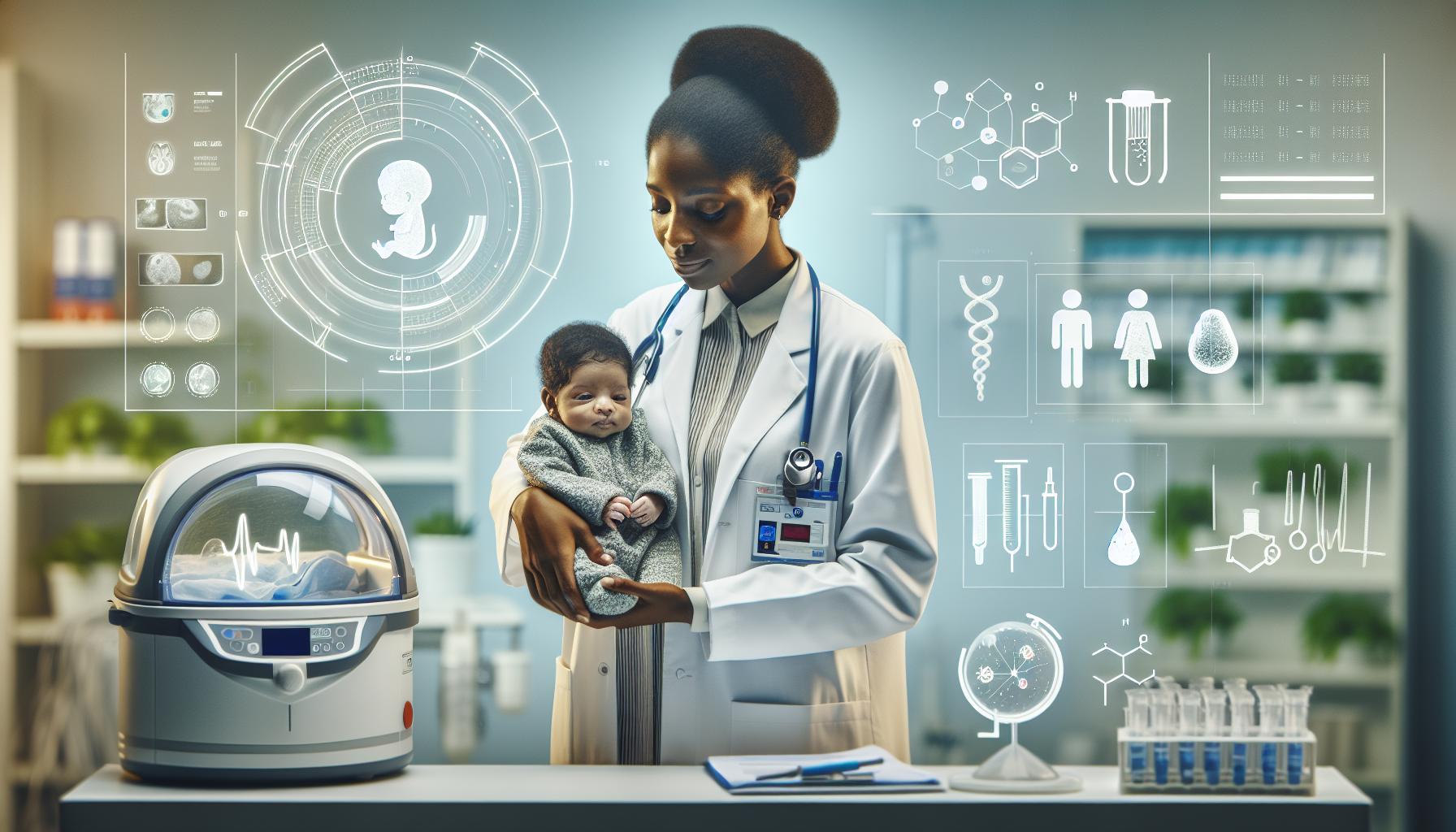
Are IVF Babies More Susceptible to Health Issues?
The health of children conceived through in vitro fertilization (IVF) has been a topic of discussion and concern for many parents embarking on the fertility journey. It’s common to wonder if IVF babies face higher risks of health issues compared to those conceived naturally. Research indicates that while there are some slight increases in certain conditions, the overall rates of serious health problems in IVF children are comparable to those born through natural conception. This can be a comforting revelation for many families who may be grappling with anxiety about their baby’s health.
A comprehensive review of studies shows that factors such as parental age and pre-existing health conditions significantly influence the outcomes of IVF pregnancies, much like in natural pregnancies. In fact, the most crucial elements for a successful and healthy pregnancy often lie within the couple’s own health profiles: maintaining a balanced diet, ensuring regular prenatal care, and adopting a healthy lifestyle significantly mitigate risks and improve outcomes for both mothers and babies. This proactive approach can help instill confidence and a sense of agency in expecting parents.
Moreover, it’s important to remember that advancements in reproductive technology have led to improved selection of embryos. The process of IVF often includes rigorous screening methods, which aim to choose the healthiest embryos for implantation, thereby increasing the chances of a healthy pregnancy. This meticulous selection process reassures prospective parents that the babies they eventually welcome are likely to be just as normal and healthy as those born without assisted reproductive technologies.
Listening to the personal stories of other parents who have navigated IVF can also be invaluable. Many families report not only the joy of welcoming their baby but also the normalcy of their child’s development compared to those conceived naturally. Open dialogues in parent support groups can provide shared experiences and practical advice, creating a network of support that many find essential during the emotional ups and downs of the fertility journey.
Comparing Development Milestones: IVF vs. Natural Conception
The journey of parenthood is filled with milestones, and for many, the path taken-whether naturally or through in vitro fertilization (IVF)-can raise questions about the development of their children. Parents often wonder if IVF babies hit their developmental milestones differently than those conceived naturally. Research suggests that while the method of conception may spark concerns, the developmental trajectory of IVF children is largely comparable to that of naturally conceived peers.
Developmental milestones start from birth and continue into early childhood. These include:
- Cognitive skills, such as problem-solving and language comprehension.
- Physical skills, including crawling, walking, and fine motor abilities.
- Social skills, encompassing interactions with peers and emotional development.
Studies have shown that IVF children generally achieve these milestones within the typical age ranges. For instance, research findings indicate that rates of speech, growth, and motor development in IVF children align closely with those from natural conception backgrounds. Furthermore, factors such as the prenatal environment and parental involvement during early development play crucial roles in shaping these outcomes.
Parents may find it helpful to focus on creating nurturing environments that promote growth, regardless of the child’s conception. Actively encouraging exploration and interaction-through play, reading, and social activities-can enhance development for all children. It’s also vital to engage with healthcare providers about any concerns, as early interventions can address specific needs and support healthy growth. Celebrating each child’s unique journey, while understanding that variations exist within all children, fuels a more compassionate perspective on parental anxieties related to development.
The Role of Genetics in IVF Babies’ Development
Genetics plays a pivotal role in the development of IVF babies, just as it does for those conceived naturally. Each child’s genetic makeup is inherited from their parents, influencing a wide array of attributes, from physical characteristics to predispositions for certain health conditions. Many parents grappling with misconceptions about the health of IVF children often wonder about the implications of genetic factors, especially given the intricate procedures involved in assisted reproductive technologies.
The process of IVF does not alter the genetic material; rather, it simply assists in the union of sperm and egg to create embryos. In cases where donor eggs or sperm are used, the resulting child will inherit genetic traits from those donors. This interaction can enrich family dynamics, as families often celebrate the unique heritages that contribute to their children’s identities. It is essential for parents to appreciate that, while IVF may involve medical interventions, the cornerstone of development remains rooted in genetics, similar to any child conceived through natural means.
Moreover, understanding the potential environmental influences during pregnancy can empower parents in fostering healthy development for their IVF infants. Lifestyle factors such as maternal nutrition, stress, and exposure to toxins can impact fetal health, regardless of the mode of conception. Therefore, prenatal care, including regular check-ups and maintaining a balanced diet, becomes critical in ensuring that IVF babies develop on par with their peers.
Ultimately, reassuringly, the emerging research provides evidence that IVF children generally exhibit developmental outcomes comparable to those of their naturally conceived counterparts. As parents navigate the complexities of fertility and child development, focusing on nurturing environments, celebrating genetic uniqueness, and fostering healthy prenatal practices can help alleviate concerns around the health and development of IVF babies.
What Research Says About IVF and Long-Term Health
Research has shown that children conceived through in vitro fertilization (IVF) generally develop along similar lines to their peers conceived naturally, alleviating many concerns surrounding the long-term health of IVF babies. One remarkable study published in 2021 in the journal *Nature Reviews Endocrinology* demonstrated that the overall physical and psychological health of IVF children is comparable to those born via natural conception. This suggests that the methods used in assisted reproductive technology do not adversely affect the children’s future health.
### Long-Term Health Outcomes
Several reviews and studies highlight key areas of health and development for IVF children:
- Physical Health: Research indicates that IVF babies do not show increased rates of congenital malformations or chronic diseases compared to naturally conceived children. Predictably, the general risks associated with prematurity and low birth weight can be increased, primarily due to underlying infertility issues rather than the IVF procedure itself.
- Psychological Well-Being: Studies also show no significant long-term psychological differences in children conceived through IVF. Their emotional and social development mirrors that of their peers, suggesting that the environment and parenting approaches play critical roles in fostering healthy emotional growth.
- Behavioral Development: Larger cohorts indicate that children born via IVF perform similarly on behavioral assessments to those conceived without assistance. This reflects the importance of early childhood experiences, parenting, and environmental factors on child development.
### Key Research Findings
The long-term effects of IVF have been scrutinized through various avenues of research. Some important findings include:
| Study | Key Insights |
|---|---|
| 2021 Nature Reviews Study | IVF children generally show similar health outcomes as naturally conceived peers. |
| 2020 JAMA Pediatrics Study | No significant differences in cognitive and behavioral assessments between IVF and naturally conceived children. |
| 2019 Fertility and Sterility Study | Adverse genetic factors linked to infertility, rather than IVF processes, may affect health outcomes. |
### Reassuring Parents
As you navigate your family’s unique journey, it’s essential to remember that each child’s development depends significantly on numerous factors, including genetics, environment, and parental support. Engaging in nurturing practices, promoting a healthy lifestyle, and establishing emotional connections can bolster development, regardless of how a child is conceived. Addressing anxieties related to IVF outcomes can be daunting, but armed with this information, you can approach your path with reassurance and hope. As with any method of conception, active involvement, love, and support will remain the foundations of your child’s health and happiness.
IVF Success Rates: What to Expect for Your Journey
The hopeful journey through in vitro fertilization (IVF) can be as daunting as it is hopeful, with success rates often serving as a beacon of light on this complex path. Understanding what to expect regarding IVF success can help alleviate some anxiety, offering reassurance amidst uncertainty. The success of IVF varies widely based on several factors, including age, cause of infertility, and clinic protocols. It’s crucial to grasp that while statistics can provide insights, they often serve a general audience and may not fully represent individual circumstances.
Breaking Down IVF Success Rates
Success rates in IVF are frequently expressed as the percentage of cycles that result in a live birth. Generally, these rates tend to be higher for younger individuals. For instance, women under 35 years old may experience success rates between 40% to 50% per cycle, while those over 40 may see rates drop to between 5% and 10% [[2](https://www.europeanspermbank.com/en/blog/ivf-success-rates)]. It’s vital to have an honest discussion with your fertility specialist to understand how these figures relate to your unique journey and context.
Additionally, success may also be influenced by the quality of embryos and the specifics of the treatment plan, including the use of pre-implantation genetic testing (PGT) and whether donor eggs are employed. Clinics may also differ in protocol, impacting the overall statistics patients can expect. When choosing a clinic, consider their individual success rates, and ask about how they compare across different demographics to ensure you make an informed decision.
Navigating Emotional Landscape
It’s important to acknowledge the emotional rollercoaster that accompanies the IVF process. Feelings of hope, anxiety, and sadness can all coexist as you navigate the complexities of treatment. Celebrating small milestones-such as successful egg retrievals or embryo development-can provide encouragement. Understanding that setbacks may occur is part of the journey. Each IVF cycle is a step closer to your ultimate goal, and staying connected with a support system can provide comfort and clarity during challenging times.
In addition, being prepared for the possibility that IVF may not lead to immediate success can help frame expectations. Many people require multiple cycles before achieving their desired outcome. Remaining resilient and open to different pathways to parenthood, such as considering adoption or donor options, can also be empowering steps that align with your family-building wishes.
Your journey through IVF is uniquely yours, filled with hopeful anticipation and potential, regardless of the statistics. Emphasizing self-care and surrounding yourself with a supportive community can make all the difference as you move forward.
Psychological Well-Being: Supporting IVF Families
The psychological journey of families undergoing in vitro fertilization (IVF) is often filled with a mosaic of emotions, ranging from hope and excitement to anxiety and despair. Understanding and supporting the mental health aspects of this path can make a remarkable difference in the overall experience. It’s important to recognize that each individual interacts with the IVF process differently, shaped by personal experiences, cultural backgrounds, and emotional resilience.
One way to support mental well-being during IVF is by fostering open communication within the family. Regularly discussing feelings, fears, and expectations can help reduce anxiety. It’s equally important for partners to actively engage with each other, recognizing that both individuals may experience the journey in unique ways. Practical support measures include establishing a routine, attending therapy sessions together, or joining support groups where families can share their experiences and feelings in a safe space. Many find comfort in hearing that they are not alone in their struggles, as shared experiences can bolster resilience.
Celebrating small milestones is another vital strategy for psychological well-being. Each step-from egg retrieval to embryo transfer-deserves recognition, as it signifies progress despite the ups and downs of the process. Small celebrations can inject joy and optimism into a journey that can sometimes feel overwhelmingly clinical. Additionally, being prepared for setbacks is crucial; mental readiness for potential disappointments can help mitigate feelings of hopelessness when things do not go as planned.
Finally, it’s essential for families to set realistic expectations about the IVF process and its outcomes. Having honest conversations with healthcare providers about the challenges, including financial implications, can provide clarity and reduce stress. Engaging a support network of friends, family, and professionals can also serve as a strong buffer against the emotional strain of IVF. By prioritizing mental health and maintaining a holistic view of the IVF experience, families can navigate this complex journey with greater resilience and hope.
Navigating Ethical Considerations Around IVF
The ethical considerations surrounding in vitro fertilization (IVF) involve complex and often sensitive issues that many families may encounter during their journey to parenthood. One critical aspect of this discussion is the notion of autonomy versus the best interests of the future child, especially regarding decisions surrounding embryo selection, genetic testing, and the potential for selective reduction in multifetal pregnancies. As you navigate these considerations, an understanding of both your personal values and the ethical frameworks within which fertility clinics operate can be invaluable.
Open communication with healthcare providers is vital. Discuss the specific policies of your clinic regarding embryo testing and selection, as well as their stance on ethical dilemmas like preimplantation genetic diagnosis (PGD). Many clinics adhere to specific guidelines that prioritize the health and welfare of the embryos. Acknowledge that not all families have the same views on these practices, and some may feel uncomfortable with certain technologies or decisions. Understanding these differences can help align your family’s approach with the practices of your chosen clinic.
Moreover, it’s essential to consider the implications of third-party reproduction, which can involve egg or sperm donation and surrogacy. These pathways may require navigating legal and ethical concerns regarding the rights of donors, recipients, and potential children. Awareness of the psychological and relational dynamics involved can help families make informed choices that honor all parties. Open dialogues about these considerations can foster a supportive environment, where all questions and concerns can be discussed without judgment.
Finally, engaging with support groups or organizations specializing in fertility ethics can offer additional perspectives and resources. These platforms often provide spaces for discussing the emotional and ethical complexities of IVF. By connecting with others who share similar experiences, families can explore their feelings and anxieties while gaining valuable insights into how others have navigated these challenging waters. The journey through IVF is not just a medical procedure; it is an emotional and ethical voyage that benefits greatly from compassion, understanding, and collective wisdom.
Common Concerns: Are IVF Babies Different?
Many parents considering IVF may wonder if their babies will develop normally compared to those conceived naturally. It’s essential to recognize that IVF babies are overwhelmingly healthy and normal, leading fulfilling and active lives. Research indicates that children conceived through IVF do not face greater health risks than naturally conceived children. However, it’s also crucial to understand the complexity surrounding this topic, as various factors can influence development over time.
One key area of concern for prospective parents is the misconception that IVF babies are inherently different. While some studies suggest slight variations in birth weight and gestational age among IVF babies, these factors are commonly attributed to maternal health and age rather than the IVF technique itself. A large body of research shows that IVF children have typical cognitive, physical, and emotional development similar to their peers born through natural conception. This includes meeting developmental milestones at comparable rates.
Further, the role of genetics plays a significant part in the development of IVF babies. The genetic material retrieved from parents, whether through conventional IVF or using donor gametes, remains a crucial determinant of a child’s traits and health. Advances in screening techniques, such as preimplantation genetic testing, have enabled parents to identify potential genetic concerns before implantation, thereby allowing for informed decisions about embryo selection. This means that the health of an IVF baby can be closely monitored even before conception, contributing positively to their overall development.
Ultimately, it’s vital to maintain open conversations about these concerns. Engaging with healthcare providers, seeking support from community groups, and sharing experiences with other families who have gone through IVF can reassure parents. Celebrating the normalcy of IVF babies and understanding their unique journey are significant steps in addressing any fears about their health and development. By focusing on informed care and emotional support, parents can confidently embrace the joys of their IVF journey.
Addressing Parental Fears About IVF Outcomes
As you embark on the IVF journey, it’s natural to experience a whirlwind of emotions, including fear and uncertainty. You may worry about the health of your future child and whether they will be seen as “normal” compared to those conceived naturally. However, research indicates that children born through IVF are overwhelmingly healthy and develop similarly to their peers. This understanding can be a powerful source of reassurance.
It’s essential to recognize that many of the fears surrounding IVF outcomes stem from common myths. For instance, some parents worry that IVF babies are at a higher risk for health issues. Yet, studies show that while there might be slight differences in factors like birth weight or gestational age, these are more accurately linked to the parents’ health and age rather than the IVF process itself. In many cases, children conceived through IVF meet developmental milestones at rates comparable to those of naturally conceived children.
- Communication is Key: Engage openly with your healthcare provider about your concerns. They can offer tailored information regarding the specific protocols and their implications for your situation.
- Seek Support: Connect with other parents who have experienced similar journeys. Sharing stories and advice can provide not only reassurance but also practical tips for navigating the highs and lows of IVF.
- Celebrate Progress: Recognize and celebrate even the smallest milestones during your IVF process. Whether it’s a successful egg retrieval or a positive pregnancy test, these moments are significant.
Understanding the role of genetics is another vital factor. The genetic material used in IVF-from either the parents or donors-plays a crucial role in a child’s development. With advances like preimplantation genetic testing, parents can be proactive in identifying potential genetic risks, allowing for informed decisions that can enhance the baby’s health prospects. This proactive approach alleviates some of the fears associated with uncertainty, emphasizing that much can be done to ensure a healthy outcome.
It’s important to validate the emotional weight of your journey. Feelings of grief and hope can coexist, and it’s okay to express concerns without fear of judgment. By fostering open dialogues about these emotions and maintaining realistic expectations about costs, timelines, and chances of success, you can create a supportive environment that nurtures both your mental well-being and your family’s future. Remember, you are not alone in this process; there are communities and resources ready to support you every step of the way.
Empowering Your Fertility Journey: Trusting the Process
As you navigate the complex landscape of fertility treatments, trusting the process can feel like a daunting task. However, understanding the myths and realities surrounding IVF can illuminate your journey and dispel unnecessary fears. For instance, many prospective parents worry about whether IVF babies are “normal” or more susceptible to health issues. Studies demonstrate that while there may be variations in some health indicators, these differences often correlate more with parental factors like age and health rather than with the IVF procedure itself.
Embracing the uncertainty that comes with this journey requires both patience and resilience. It’s important to celebrate each milestone along the way, whether it’s a successful egg retrieval or a positive pregnancy test. These moments are not just procedural victories; they signify progress in your journey toward parenthood. By acknowledging these small wins, you can cultivate a more hopeful perspective and foster emotional strength in the face of challenges.
Connecting with others can also enrich your experience. Engaging with those who have faced similar hurdles can validate your feelings and provide practical insights that may help you along the way. Support groups, both in person and online, can offer a sense of community that reminds you that you are not alone. Hearing others’ stories can reassure you that while the path may be winding, it often leads to fulfilling outcomes.
Lastly, keep an open line of communication with your healthcare team. They are your allies in this journey, equipped to provide you with tailored information and support. Don’t hesitate to voice your fears or questions; your concerns are legitimate and deserve attention. By collaborating closely with your provider, you can make informed decisions that align with your family’s unique needs and values, reinforcing your trust in the process. Ultimately, being proactive, seeking support, and trusting the journey can help you navigate the complexities of IVF with greater confidence.
Frequently asked questions
Q: Are IVF babies at a higher risk for health problems?
A: No, IVF babies are not inherently at a higher risk for health issues than those conceived naturally. Studies show that while there may be some increased risks related to multiple births, individual health factors are more significant. It’s important to consult your healthcare provider for personalized information based on specific circumstances.
Q: Do IVF babies develop differently compared to naturally conceived babies?
A: Generally, IVF babies will reach developmental milestones similarly to their naturally conceived peers. Minor differences may exist, but they typically do not impact overall development. It’s essential to monitor your child’s progress and communicate openly with your pediatrician about any concerns.
Q: What are common misconceptions about IVF babies?
A: Common misconceptions include beliefs that IVF babies are more fragile or that they face more severe developmental delays. In reality, many IVF babies are healthy, and research indicates they thrive as well as babies conceived naturally. Awareness and education can help debunk these myths.
Q: Can IVF affect a child’s future health?
A: Current research suggests that while there may be some minor increased risks, the overall health of IVF children is comparable to that of naturally conceived children. Long-term follow-up studies continue to provide reassuring and positive data regarding health outcomes.
Q: Are there any long-term studies on the health of IVF children?
A: Yes, numerous long-term studies indicate that IVF children generally have similar health, growth, and development outcomes as those conceived via natural methods. Ongoing research continues to follow these children to ensure comprehensive understanding and care.
Q: How does the age of parents influence IVF baby development?
A: Parental age, particularly maternal age, can influence fertility and pregnancy outcomes. However, many IVF babies from older parents develop normally. It’s essential to assess any risks with your healthcare provider and consider genetic counseling if needed.
Q: Is there any difference in IQ between IVF and natural conception children?
A: Research has shown no significant difference in IQ between IVF children and those conceived naturally. Cognitive abilities can be influenced by numerous factors, but mode of conception has not proven to be a determining factor.
Q: What advice do you have for parents of IVF babies regarding development?
A: Engage in regular developmental check-ups, promote a nurturing environment, and seek early intervention if any delays are suspected. Connecting with support groups or professionals who understand the IVF journey can also provide valuable insights and reassurance.
Final Thoughts
As we wrap up our exploration of whether IVF babies are normal, remember that the journey through infertility and assisted reproductive technologies is unique for everyone. The primary takeaway is that IVF babies develop just like naturally conceived babies, debunking myths surrounding their growth and health. If you have lingering questions or concerns, don’t hesitate to reach out to experts and connect with others who share similar experiences.
To deepen your understanding, check out our articles on the IVF process, common misconceptions about infertility, and support resources available. Stay informed and feel empowered-sign up for our newsletter for ongoing support and insights right in your inbox. Your journey matters, and we’re here to walk alongside you every step of the way.