For many considering fertility treatments, the journey can feel overwhelming, filled with a mix of hope, uncertainty, and often, emotional fatigue. Mini IVF, or minimal stimulation IVF, offers a gentler approach to in vitro fertilization, using lower doses of medication to minimize physical and emotional strain. This method can produce fewer eggs but aims to balance effectiveness with a more manageable experience. Understanding the benefits and differences of Mini IVF is crucial for those navigating their family-building options, as it provides an alternative that respects both body and spirit. As you explore this option, you may find a path that aligns with your values and needs, making the journey towards parenthood feel a bit more attainable. Join us as we delve deeper into what Mini IVF entails and whether it might be the right choice for you.
What Is Mini IVF and How Does It Differ from Traditional IVF?
Mini IVF, or Minimal Stimulation IVF, represents a significant shift in assisted reproductive technology, offering a gentler, more manageable alternative to traditional IVF. This approach utilizes lower doses of fertility medications during ovarian stimulation, which not only reduces the physical and emotional burden associated with more aggressive treatments but also aims to produce fewer yet more viable eggs. The goal is to create a more natural experience for individuals and couples navigating their fertility journeys.
The primary distinction between Mini IVF and conventional IVF lies in the stimulation protocol. In traditional IVF, higher doses of medication are administered to encourage the ovaries to produce multiple eggs. This method can be physically taxing and may lead to complications such as ovarian hyperstimulation syndrome (OHSS). In contrast, the Mini IVF strategy emphasizes quality over quantity, fostering a supportive environment for the ovaries to mature fewer eggs that are of higher quality. This can be particularly appealing to those who seek less invasive methods and who may have concerns about the side effects linked with heavy medication use.
Moreover, Mini IVF can be a more cost-effective choice, as it often requires fewer medication cycles and less monitoring than traditional IVF. This financial consideration, combined with its potentially reduced emotional strain, can make Mini IVF a compelling option for many individuals seeking fertility treatments.
In summary, for those embarking on the journey of building a family, understanding the differences between Mini IVF and traditional IVF is crucial. Each person’s path is unique, and what works for one may not work for another. Mini IVF provides a more subtle approach that may align better with one’s personal preferences and health considerations, emphasizing a supportive, patient-centered experience throughout the challenging landscape of fertility treatments.
Understanding the Advantages of Mini IVF
Mini IVF stands out as a nurturing alternative for individuals and couples embarking on their fertility journeys. Unlike traditional IVF, which employs aggressive medication protocols to stimulate the ovaries, Mini IVF utilizes lower doses of fertility medications. This gentler approach not only reduces potential side effects but also fosters an environment conducive to quality egg production. By focusing on fewer eggs, the treatment aligns with the philosophy that quality can often outweigh quantity-which can be especially relieving for those concerned about adverse reactions to higher medication dosages such as ovarian hyperstimulation syndrome (OHSS).
The emotional benefits of Mini IVF should not be understated. For many, the fertility treatment path is laden with anxiety and uncertainty. Mini IVF can mitigate some of these feelings by offering a less intrusive process that feels closer to a natural cycle. Patients often report experiencing less stress, given the simplified regimen, reduced monitoring, and fewer medications involved. This supportive atmosphere can lead not only to physical comfort but also encourage a more positive mental space during what can otherwise be a challenging time.
Cost is another critical advantage of Mini IVF. With generally lower expenses related to medication and fewer required cycles, couples often find they can allocate their resources more effectively, thus alleviating financial pressures that accompany traditional IVF treatments. The potential savings can make a significant difference, particularly for those without extensive insurance coverage for fertility treatments.
In summary, Mini IVF presents a more compassionate route through the complexities of assisted reproduction. By prioritizing well-being and emotional health while striving for effective results, it encourages patients to remain hopeful and engaged in their family-building efforts, celebrating each small milestone along the way. This approach respects the diverse paths families may take, offering a non-judgmental space that acknowledges the spectrum of feelings involved in the fertility journey.
Cost Breakdown: Mini IVF vs. Traditional IVF
The financial aspect of fertility treatments can be daunting, especially when navigating options like Mini IVF and traditional IVF. Understanding the cost differences between these two methods is crucial for individuals and couples looking to create a family. Mini IVF typically involves lower costs compared to traditional IVF due to reduced medication needs and fewer required cycles.
One of the primary cost-saving advantages of Mini IVF is the significantly lower expense related to medications. In traditional IVF, patients often require large doses of hormone medications to stimulate the ovaries, which can add up quickly. In contrast, Mini IVF uses minimal stimulation protocols, leading to reduced medication costs. Moreover, since Mini IVF often results in fewer cycles needed for success, patients can avoid the financial strain of repeated treatments.
Another factor to consider is the overall clinic fees associated with both procedures. Traditional IVF can entail higher laboratory and monitoring expenses due to the higher complexities involved in managing more eggs and embryos. Conversely, with Mini IVF, the simpler protocol often results in lower overall clinic fees. Here’s a basic comparison of the potential costs:
| Item | Mini IVF | Traditional IVF |
|---|---|---|
| Medication Costs | Lower ($1,500 – $3,000) | Higher ($4,000 – $6,000) |
| Cycle Costs | $5,000 – $7,000 | $12,000 – $15,000 |
| Average Total Cost Per Cycle | $6,500 – $10,000 | $15,000 – $25,000 |
In addition to direct costs, it’s essential to consider the emotional and mental strain associated with financial pressures. The gentler approach of Mini IVF may provide relief from the anxiety that comes with expensive treatments. Patients may find it easier to manage their financial resources while remaining hopeful about their chances of success, thus fostering a more encouraging environment during their fertility journey. Ultimately, the cost differences between Mini IVF and traditional IVF represent not only a financial consideration but also an opportunity for a less stressful path towards parenthood.
Success Rates: What to Expect with Mini IVF
The success rates of Mini IVF have drawn attention for offering a gentler pathway toward achieving pregnancy. While traditional IVF frequently focuses on a higher number of eggs and embryos through intensive stimulation, Mini IVF adopts a more moderate approach, which can alter the expectations surrounding outcomes. Generally, the success rates for Mini IVF are comparable to those of conventional IVF, typically ranging from 25% to 40% per cycle, depending on individual circumstances such as age, underlying fertility issues, and overall health. It’s important to remember that these figures can fluctuate significantly based on personal factors, so consulting with a fertility specialist is crucial to understanding what you might expect in your unique situation.
The lower dosage of medications used in Mini IVF not only minimizes side effects but can also foster a more supportive emotional environment. Many patients appreciate the reduced medical burden, as this often allows for a more personalized and less stressful experience during treatment. This gentler approach might also resonate better with those who have previously encountered emotional challenges with the more rigorous IVF protocols. While some may worry that fewer eggs could correspond to lower chances of success, evidence suggests that the quality of embryos produced in Mini IVF can be quite high, leading to respectable pregnancy rates.
As you navigate your fertility journey, it’s helpful to celebrate small milestones, such as reaching the embryo transfer stage, regardless of the ultimate outcome. Each successful step builds hope and can positively impact emotional well-being. Remember, even with success rates that can appear modest, many individuals and couples find joy and fulfillment through Mini IVF, highlighting the importance of a tailored approach that considers both emotional and physical aspects of fertility treatments.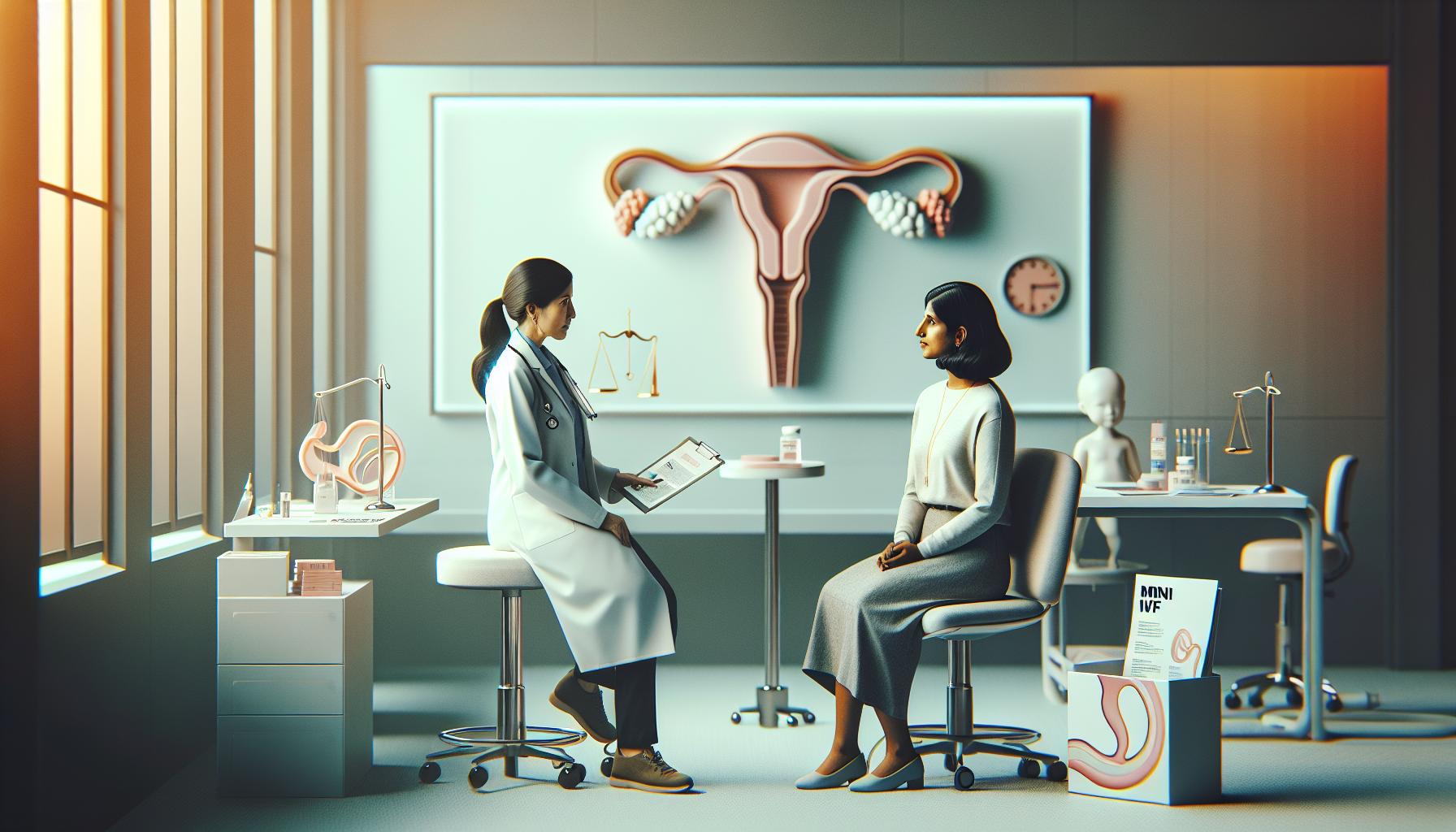
Who Is a Good Candidate for Mini IVF?
Individuals considering Mini IVF often benefit from understanding if they align well with this gentler approach. Mini IVF is ideal for those who may have previously experienced adverse reactions to standard IVF protocols, such as those facing ovarian hyperstimulation syndrome (OHSS), where the ovaries become excessively stimulated. The lower dosage of hormones used in Mini IVF significantly reduces this risk, making it a safer option for many.
Additionally, couples who are looking for a less invasive and emotionally taxing option may find Mini IVF appealing. This method is particularly suitable for women who are younger (under 38 years) and have a good ovarian reserve but are seeking a more moderate approach to fertility treatment. If you prefer fewer medications and a streamlined process that minimizes medical interventions, Mini IVF could be a better fit. Those who value the quality of embryos over quantity should also consider this method, as it often produces fewer but potentially higher-quality embryos.
Moreover, Mini IVF may be appropriate for women who have certain conditions that could benefit from less intensive stimulation-conditions like polycystic ovary syndrome (PCOS) or unexplained infertility, where a gentler focus might yield effective results. In understanding your unique fertility journey, discussing your specific health circumstances and treatment preferences with a qualified fertility specialist is crucial in determining if Mini IVF is the right choice for you. This candid conversation will help you embrace the journey ahead with clarity and confidence.
The Mini IVF Process: Step-by-Step Overview
The journey through Mini IVF is designed to be more gentle and less invasive compared to traditional IVF methods, making it an attractive option for many individuals and couples. Understanding the process step-by-step can empower you and alleviate some anxiety surrounding the treatment.
To begin, the initial phase typically involves a consultation with a fertility specialist. During this visit, your medical history will be reviewed, and tests such as blood work and ultrasounds will be conducted to assess your ovarian reserve and overall reproductive health. This step is crucial as it determines how your body might respond to treatment.
Once cleared to proceed, the Mini IVF process encompasses the following key stages:
1. Ovarian Stimulation
Unlike traditional IVF, which often employs higher doses of hormone medications, Mini IVF uses lower doses. This is aimed at stimulating the ovaries to produce a few high-quality eggs, rather than risking over-stimulation. You will typically take medications such as clomiphene citrate or low-dose gonadotropins for about 8-12 days. Regular monitoring through blood tests and ultrasounds will track your response and the development of your follicles.
2. Egg Retrieval
When your eggs are ready, usually indicated by certain metrics from your monitoring appointments, the next step is egg retrieval. This outpatient procedure is generally performed under sedation. A thin needle is guided through the vaginal wall into the ovaries using ultrasound imaging, allowing for the collection of the mature eggs released from the follicles.
3. Fertilization
After retrieval, the collected eggs are evaluated and combined with sperm in the lab for fertilization. Depending on individual circumstances, this could involve traditional insemination or intracytoplasmic sperm injection (ICSI), where a single sperm is directly injected into an egg.
4. Embryo Culture and Transfer
The fertilized eggs are monitored as they develop into embryos over the next few days. Typically, the best-quality embryos are selected for transfer into the uterus. This process is usually performed a few days after fertilization, often on the third or fifth day, depending on the embryologist’s evaluation.
5. Luteal Phase Support
After embryo transfer, hormone support is provided to encourage implantation. This may involve progesterone supplementation to help create an optimal environment for the embryo to attach to the uterine lining.
6. Pregnancy Test
About 10-14 days after the embryo transfer, a blood test is conducted to determine if pregnancy has occurred. The emotional complexity of this stage cannot be overstated; it’s important to prepare for both the possibility of success and the potential need to regroup for future attempts.
The entire Mini IVF process may seem streamlined, but emotional support is essential throughout. Each step brings its own mix of anxiety, hope, and sometimes grief. It’s crucial to maintain open communication with your healthcare team and seek support from counseling services if needed. While the success rates for Mini IVF can vary, many couples find that the gentler approach aligns well with their family-building goals.
Medications and Protocols in Mini IVF
In the realm of Mini IVF, the choice of medications and protocols significantly impacts both the physical experience and overall outcomes of the treatment. By utilizing lower doses of hormones, Mini IVF aims to minimize side effects and promote a more natural response from the ovaries. This gentle approach not only aligns with the desires of many individuals and couples seeking to conceive but also reflects a compassionate consideration of the emotional and physical challenges associated with fertility treatments.
Medications Used in Mini IVF
The medication regimen in Mini IVF typically involves the use of milder agents compared to conventional IVF. Patients generally receive a combination of the following:
- Clomiphene Citrate: Often the first line of treatment, this oral medication stimulates the ovaries to produce eggs while maintaining a more natural hormonal balance.
- Low-Dose Gonadotropins: These are injected hormones that help further stimulate follicle growth. The dosages are significantly lower than those used in traditional IVF, reducing the risk of ovarian hyperstimulation syndrome (OHSS).
- Trigger Shots: Once the follicles reach a suitable size, a trigger injection (usually hCG) is administered to induce final maturation of the eggs, timing the ovulation process precisely.
Understanding dosages is essential. Typical stimulation in Mini IVF lasts about 8-12 days, with adjustments made based on monitoring results from blood tests and ultrasounds. As your ovaries respond, your healthcare team will closely track follicle development to ensure optimal outcomes.
Protocols and Monitoring
The protocols in Mini IVF focus on a softer stimulation approach, which means careful and frequent monitoring is pivotal. This includes:
- Regular blood tests to measure hormone levels, ensuring that the follicular response is proceeding appropriately.
- Ultrasound examinations to visualize the number and size of developing follicles, helping to inform decisions about timing for egg retrieval.
This attentive monitoring allows your medical team to personalize the treatment dynamically, enhancing the likelihood of retrieving high-quality eggs for fertilization while minimizing discomfort and risk. Emotional support is also integrated throughout this journey-acknowledging that these preparatory steps can often be fraught with anxiety or uncertainty.
In summary, the medications and protocols involved in Mini IVF are designed to create a more balanced and less invasive experience, catering to both your physical needs and emotional well-being. By carefully selecting medications and closely monitoring progress, Mini IVF can provide a promising alternative path for family building, echoing a supportive approach that values patients’ unique journeys through fertility challenges.
Emotional Considerations: Navigating the Mini IVF Journey
Navigating the emotional landscape of Mini IVF can be as significant as understanding the medical aspects. The journey towards conception is often filled with a wide spectrum of feelings-hope, anxiety, grief, and sometimes, even frustration. It’s important to remember that you are not alone in this experience. Acknowledging your emotions and seeking support throughout the treatment process is vital for your overall well-being.
In many ways, Mini IVF offers a gentler approach not just physically but also psychologically. The use of lower doses of medication can translate to fewer side effects, allowing some individuals to feel less overwhelmed. However, it is essential to remain realistic about expectations. While this method can be less invasive, the emotional ups and downs are still very much a part of the journey. Celebrate small milestones, such as successfully retrieving eggs or seeing them fertilize, and give yourself permission to feel whatever you’re feeling-whether that’s joy, anxiety, or even disappointment.
It can be helpful to connect with others who have gone through the Mini IVF process, whether through support groups or online forums. Sharing experiences can provide comfort and foster a sense of community. Moreover, don’t hesitate to engage professional counseling if the emotional weight feels too much to bear. Therapists trained in reproductive health can offer invaluable strategies to cope with the emotional demands of this journey.
Recognizing and respecting your own pace is essential. The emotional rollercoaster of fertility treatments is real, and it’s okay to need breaks or to ask for help when you need it. By being gentle with yourself and seeking support, you can navigate the Mini IVF journey with greater resilience, honoring your unique path toward building your family.
Support Systems: Counseling and Resources for Mini IVF
Navigating the emotional landscape of Mini IVF can be complex and layered, making support systems essential. Many individuals and couples facing fertility challenges often experience feelings of isolation and uncertainty. Engaging with a robust support network can provide not only practical guidance but also emotional relief during this demanding journey.
One of the most impactful resources available is professional counseling tailored to reproductive health. Therapists who specialize in fertility issues can offer strategies to manage anxiety and navigate the myriad of emotions that accompany treatments like Mini IVF. They can assist individuals in working through feelings of grief, hope, and the broader implications of family planning. During your journey, it can be invaluable to talk to someone who understands the nuances of fertility treatments, so consider reaching out for personalized support.
In addition to individual counseling, community support can be incredibly beneficial. Many organizations and online forums provide platforms for individuals to share their experiences and connect with others undergoing similar journeys. These groups can foster a sense of belonging and reduce feelings of isolation. Whether through local support groups or online communities, sharing successes and setbacks can help you realize that you are not alone in this experience.
Resources like educational seminars and workshops can also empower you with knowledge and coping strategies. Many fertility clinics offer informational sessions where prospective patients can learn about the Mini IVF process and hear from others who have successfully navigated it. This could be an ideal setting to ask questions and gather insights about what to expect, ultimately helping to alleviate some of the anxiety associated with the unknown.
Lastly, don’t underestimate the importance of speaking with your healthcare team. They can provide you with crucial information about the treatment process and recommended next steps, alongside emotional support. Establishing open communication with your doctors and nurses can help demystify the process and make you feel more in control.
By actively seeking these resources and support systems, you enhance your emotional resilience during the Mini IVF journey, paving the way for a more empowered experience. Remember, taking care of your mental health is just as crucial as the physical aspects in achieving your family-building goals.
Preparing for Your Mini IVF Cycle: Tips and Timeline
Preparing for a Mini IVF cycle can feel overwhelming, but with the right approach, you can navigate this journey with confidence. Start by scheduling an initial consultation with a fertility specialist who will guide you through the process, discussing your medical history, lifestyle factors, and personal goals. It’s essential to be open with your healthcare provider about any concerns or questions you have; they are there to support you.
Here are some tips to help you prepare effectively:
- Understand the Timeline: Mini IVF typically involves a shorter preparation period compared to traditional IVF. The entire process may take a few weeks, including stimulation to retrieve eggs. Familiarize yourself with the specific timeline your clinic provides, as this will help you set expectations.
- Monitor Your Cycle: Tracking your menstrual cycle can provide valuable information for your doctor in determining the best timing for your treatment. An app or a simple calendar can assist in noting key dates, such as ovulation and period start.
- Optimize Your Health: Focus on healthy eating, regular exercise, and sufficient sleep. Reducing alcohol and caffeine intake can also improve your chances of success. Nourishing your body can create a healthier environment for embryo development.
- Collect Necessary Documentation: Prepare any required medical records and insurance information before your appointments. This will save time and help your clinic process your treatment smoothly.
- Prepare Emotionally: Acknowledge that IVF can be an emotional rollercoaster. Consider journaling your feelings or speaking to a therapist to help manage stress and anxiety. Sharing your journey with supportive friends or joining online communities can also provide comfort.
As you approach the general timeline, your clinic will often recommend a few steps to get ready for medications and procedures. Expect to start hormone injections a few days after your menstrual cycle begins; these will stimulate your ovaries to produce eggs. Regular monitoring through blood tests and ultrasounds will be necessary to assess your body’s response to the medication.
In addition to physical preparations, take time to discuss your support system. Engage loved ones who can accompany you through appointments or be there when you need someone to talk to. By preparing holistically-physically, emotionally, and socially-you set a strong foundation for your Mini IVF journey, enhancing your resilience and clarity as you move forward.
Frequently Asked Questions about Mini IVF
In exploring the world of Mini IVF, many individuals often have pressing questions about this gentler alternative to traditional in vitro fertilization. One of the most common inquiries is, “What exactly is Mini IVF?” This method utilizes lower doses of hormonal medications, resulting in a less invasive approach to ovarian stimulation. It is designed for those who may prefer to avoid the higher hormone levels associated with traditional IVF procedures, which can also reduce the risk of complications and side effects.
Another frequent question is regarding the cost of Mini IVF compared to traditional IVF. Typically, Mini IVF can be less expensive due to the reduced amount of medication and fewer monitoring visits required. However, costs can vary widely based on geographic location and individual clinic pricing. It’s crucial to consult with your fertility clinic to understand the specific financial implications, including what your insurance may cover.
Many prospective patients wonder about success rates. While outcomes can differ based on a variety of factors, such as age and fertility diagnosis, Mini IVF generally reports success rates comparable to conventional IVF, especially for certain patient populations. For example, women with a good ovarian reserve may find that Mini IVF provides a similar chance of success while minimizing the physical and emotional toll associated with higher-stimulation IVF protocols.
Lastly, individuals might ask, “Who is a good candidate for Mini IVF?” This method is typically well-suited for women seeking a less intensive treatment option or those who have had unsuccessful attempts with traditional IVF. It can also be a fitting choice for women with polycystic ovary syndrome (PCOS) or those sensitive to hormonal treatments. Each fertility journey is unique, so it’s essential to have a thorough discussion with a fertility specialist to determine the best approach for your specific needs.
Exploring Additional Fertility Options: Beyond Mini IVF
Finding the right fertility path can feel overwhelming, especially when considering the many options available. While Mini IVF presents a gentler alternative to traditional in vitro fertilization, it’s essential to understand that other fertility treatments may also suit your needs. Each journey is unique, and exploring additional fertility options can open doors to new possibilities, bringing hope and tailored solutions.
Intrauterine Insemination (IUI)
Intrauterine insemination (IUI) is often a recommended first step for couples facing infertility. This procedure involves placing sperm directly into the uterus around the time of ovulation, increasing the chances of fertilization. IUI can be particularly effective in cases of unexplained infertility, cervical issues, or when using donor sperm. The process is less invasive than Mini IVF and usually requires less hormonal intervention, meaning it’s a quicker and more affordable option.
Conventional IVF
For those who may not achieve success with Mini IVF or IUI, conventional IVF remains a viable choice. This method uses higher doses of fertility medications to stimulate the ovaries to produce multiple eggs, which are then harvested for fertilization. While more aggressive, it can be ideal for individuals with severe fertility issues or lower ovarian reserves. Understanding that conventional IVF has higher success rates for certain diagnoses can empower you to make informed decisions alongside your healthcare provider.
Egg Freezing
Another option worthy of consideration is egg freezing, also known as oocyte cryopreservation. This technique allows women to preserve their eggs for future use, which can be beneficial for those who wish to delay starting a family due to personal, professional, or medical reasons. The process involves hormonal stimulation to collect eggs, which are then frozen for later fertilization. It offers flexibility and control over family planning while eliminating concerns about potential age-related fertility decline.
Donor Eggs or Sperm
When facing issues related to egg quality or male infertility, utilizing donor eggs or sperm can be a promising solution. Donor gametes have higher success rates than those from individuals with compromised fertility factors. Fertility clinics can guide you through screening potential donors and navigating the emotional aspects of using donor gametes, ensuring a respectful and supportive experience tailored to your preferences.
Adoption and Surrogacy
Lastly, many choose to explore adoption or surrogacy as fulfilling family-building avenues. Adoption provides the opportunity to give a loving home to a child in need, while surrogacy allows for biological connections through a surrogate mother. Both options come with emotional complexities and logistical considerations, but they can be incredibly rewarding paths for building a family.
With each option carrying its own set of implications, costs, and emotional weight, it’s crucial to seek support from a compassionate team, including fertility specialists, counselors, or support groups. Validating your feelings during this journey is essential. Remember, you’re not alone; many people have walked similar paths, and various resources are available to help you navigate these decisions. Engaging with professionals who respect your values and concerns will empower you as you take steps forward, whether that’s through Mini IVF or alternative fertility options.
Frequently asked questions
Q: How does Mini IVF differ from traditional IVF?
A: Mini IVF focuses on using lower doses of medication, resulting in fewer eggs retrieved while still aiming for quality. Unlike traditional IVF, which often involves higher hormone stimulation, Mini IVF is less invasive and may have reduced risks and side effects, making it a gentler option for many couples.
Q: What are the typical costs associated with Mini IVF?
A: Mini IVF can be more cost-effective than traditional IVF. While prices vary by clinic, patients might expect to pay between 60% to 80% of traditional IVF costs. This includes medication and procedural fees, making it a financially attractive option for those exploring fertility treatments.
Q: What is the success rate of Mini IVF compared to traditional IVF?
A: Success rates for Mini IVF are often lower than traditional IVF, ranging from 30% to 50%, depending on individual factors. While it may not suit every couple, those with specific needs can still achieve positive outcomes, especially when aligned with the right protocols and patient characteristics.
Q: Who is the ideal candidate for Mini IVF?
A: Ideal candidates for Mini IVF include women with a good ovarian reserve, those seeking a less invasive option, or couples looking for a more affordable treatment. If you have experienced multiple IVF failures or want to avoid the costs and risks of traditional IVF, Mini IVF may be a suitable choice.
Q: How long does the Mini IVF process take?
A: The Mini IVF process typically spans four to six weeks, similar to traditional IVF. This includes initial consultations, medication protocol development, egg retrieval, and embryo transfer, allowing for a streamlined approach without extensive delays.
Q: What medications are commonly used in Mini IVF?
A: Medications for Mini IVF often include lower doses of gonadotropins or oral agents that promote egg development. This approach minimizes side effects while still encouraging follicle growth, leading to optimal egg quality without the increased volume seen in traditional IVF treatments.
Q: Are there any side effects of Mini IVF?
A: Side effects from Mini IVF are generally reduced compared to traditional IVF, but may still occur, including bloating, mood swings, or mild discomfort. Understanding these potential effects can help patients prepare emotionally and physically for the treatment journey.
Q: What emotional support options are available during Mini IVF?
A: Emotional support during Mini IVF can include counseling services, support groups, and workshops. Many clinics also offer resources to help navigate the emotional ups and downs, providing tools for coping and connecting with others on similar journeys.
In Retrospect
As you consider Mini IVF, remember that it offers a gentler approach to fertility that may suit your needs, especially if you’re seeking lower costs and fewer side effects. With success rates comparable to conventional IVF, it’s essential to weigh your options and consult with a fertility specialist to determine what is best for your journey. Don’t hesitate to explore further resources on our site, including detailed guides on costs and treatment timelines related to IVF and options like insemination artificial.
Ready to take the next step? Subscribe to our newsletter for the latest insights and support as you navigate this path. Your journey toward parenthood is unique, and we’re here to provide the guidance you need. If you have questions or want to share your thoughts, comment below or connect with us-your voice matters in this community. Explore more related content on Mini IVF, IVF success rates, and emotional support for your fertility journey, and take the first step towards realizing your dream of starting a family today.
Get our latest guides, news, and insights highlighted in your Google Search & AI Overviews.