After an egg transfer in IVF, the foods you choose to consume can significantly influence your body’s ability to support a potential pregnancy. Nourishing your body with the right fertility-boosting foods can enhance overall health, provide essential nutrients, and promote a positive mindset during this critical time. Many individuals undergoing IVF often feel anxious and uncertain, making it essential to focus not just on procedures but also on self-care.
Did you know that certain foods can help reduce inflammation, improve your hormone balance, and even support embryo implantation? In this article, we will explore a variety of nutrient-rich options that can nurture your mind and body during the waiting period after your transfer. By fueling your body with these foods, you can take a proactive step toward your reproductive health journey, balancing hope with tangible actions. Let’s discover what to eat to support your fertility and create an environment conducive to conception.
Understanding the Importance of Nutrition After Egg Transfer
It’s often said that food is medicine, and this couldn’t be truer when navigating the delicate stages following an egg transfer during IVF. The role of nutrition in this period is not just about sustaining energy but also about creating an optimal environment for potential embryo implantation. Proper nutrition supports your body’s natural processes, enhances your overall well-being, and provides essential nutrients needed for success in this critical phase.
Focusing on a balanced and nutrient-dense diet can significantly influence your chances of successful implantation. Incorporating a variety of whole foods that are rich in vitamins and minerals will provide your body with the necessary tools to nurture a developing embryo. Think about integrating foods rich in antioxidants, such as berries, leafy greens, and nuts, which help combat oxidative stress, a factor that can impact embryo quality. Healthy fats found in avocados, olive oil, and fish are crucial as they support hormone production and promote a healthy lining in the uterus.
Hydration is equally important during this recovery phase. Drinking adequate water not only aids in overall bodily functions but also ensures that your cells receive the nutrients they need. Aim for at least 2 to 3 liters of water per day, and consider incorporating herbal teas that are known for their calming properties. Staying hydrated helps create a supportive environment for implantation and mitigates feelings of stress, allowing you to focus more on your emotional and physical recovery.
In summary, prioritizing nutrition after an egg transfer is essential for enhancing not only your chances of success but also your overall emotional and physical health. By nourishing your body with the right nutrients, hydrating adequately, and being mindful of your emotional well-being, you can create a supportive environment that honors the journey you are on. Each meal can serve as a reminder of hope and healing, providing the energy and strength needed to navigate this important chapter of your fertility journey.
Top Fertility-Boosting Foods to Include in Your Diet
Nourishing your body with the right foods post-egg transfer is essential for supporting embryo implantation and enhancing your chances of a successful IVF outcome. The foods you choose can provide vital nutrients that create an optimal environment for your body and your developing embryo. Consider incorporating the following fertility-boosting foods into your diet during this pivotal time:
Leafy Greens and Cruciferous Vegetables
Dark, leafy greens like spinach, kale, and Swiss chard are essential due to their high content of folate, a crucial B-vitamin that can improve fertility and support a healthy pregnancy. Additionally, cruciferous vegetables such as broccoli and Brussels sprouts contain compounds that help regulate hormone levels and detoxify the body, supporting overall reproductive health.
Healthy Fats
Including healthy fats in your diet is vital for hormone production and cell health. Foods rich in omega-3 fatty acids, such as salmon, walnuts, and flaxseeds, can help promote a healthy uterine lining. Avocados are another great source of healthy fats and can provide essential nutrients like vitamin E, which is known to enhance reproductive health.
Fruits Rich in Antioxidants
Antioxidant-rich fruits, like berries, citrus fruits, and pomegranates, play a significant role in protecting your cells from oxidative stress, which can damage egg quality and impede implantation. Incorporating a diverse array of colors in your fruit selections not only boosts your nutrient intake but also keeps meals vibrant and enjoyable.
Whole Grains and Legumes
Opt for whole grains like quinoa, brown rice, and oats, as they provide complex carbohydrates that stabilize blood sugar levels, which is vital for hormonal balance. Complementing whole grains with protein-rich legumes such as lentils, chickpeas, and beans can offer additional support for egg health and overall nutrition. These foods are high in fiber and can aid in digestion, further promoting your body’s health during recovery.
By focusing on these nutrient-dense foods, you can foster an environment that supports your body’s needs during this delicate phase. Each nourishing meal is not just an act of eating but a step toward nurturing hope and preparing for what lies ahead in your fertility journey.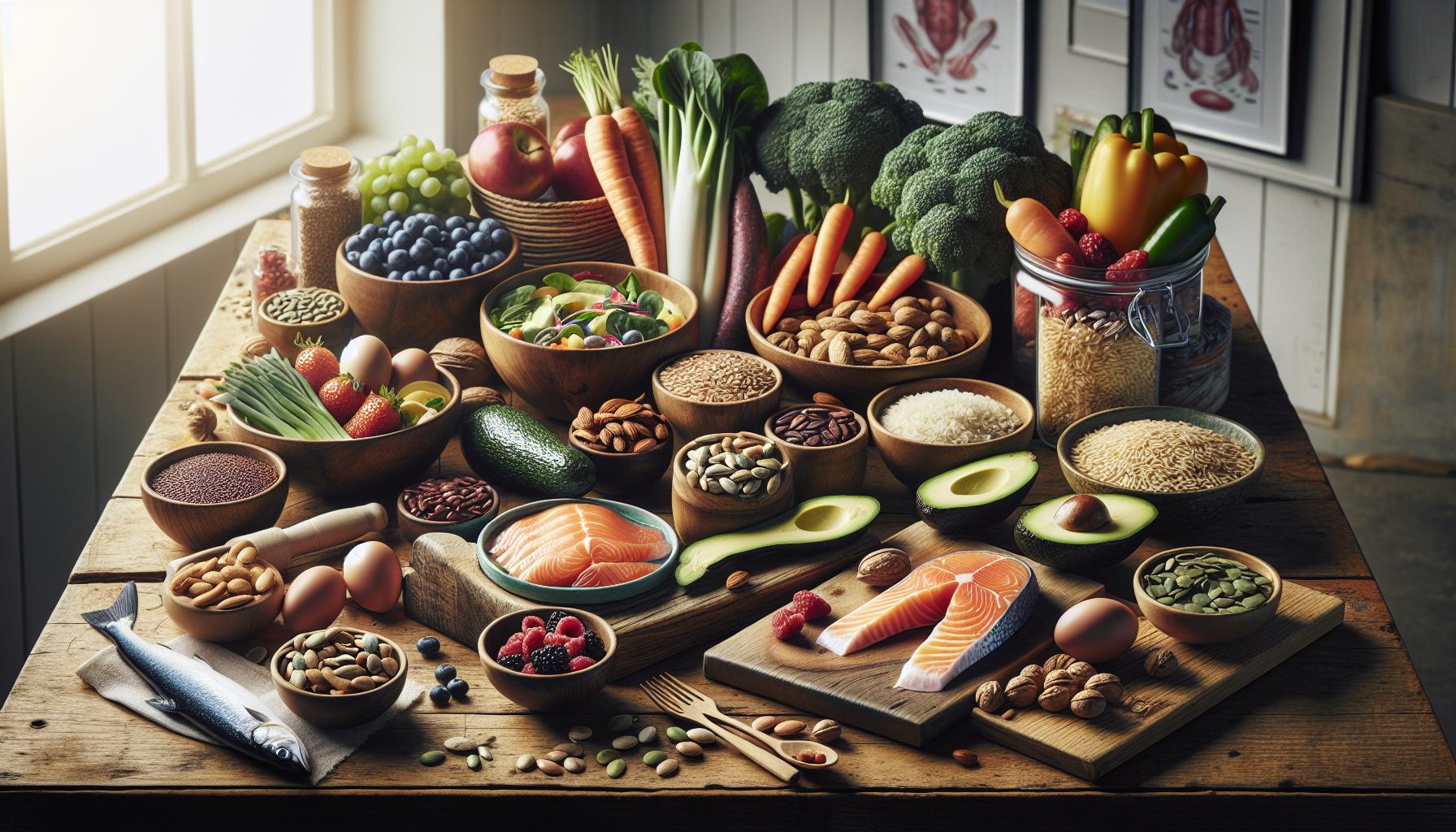
Essential Nutrients for Egg Implantation Success
The journey toward successful implantation after an egg transfer involves more than just medical procedures; it is greatly influenced by the nutrients you provide your body. Essential nutrients play a pivotal role in creating an environment conducive to embryo implantation. These nutrients not only support a healthy uterine lining but also aid in overall reproductive health. Understanding their importance can empower you to make informed dietary choices during this critical time.
Folate
Folate, a vital B-vitamin, is crucial for cell division and DNA synthesis, making it essential during the early stages of pregnancy. Foods rich in folate, such as dark leafy greens, legumes, and fortified cereals, should be a staple in your diet. Consuming sufficient folate may help reduce the risk of developmental issues for the embryo and promote successful implantation.
Omega-3 Fatty Acids
Omega-3 fatty acids are known for their anti-inflammatory properties, which can improve blood flow to the uterus. Fatty fish like salmon, walnuts, and flaxseeds are excellent sources of omega-3s. Adding these foods to your meals can help create a nurturing environment for the embryo, supporting its growth and development.
Vitamin D
Vitamin D plays a significant role in reproductive health, including egg quality and implantation. Sources of vitamin D include fatty fish, fortified dairy products, and exposure to sunlight. Ensuring you have adequate levels of this vitamin can enhance your body’s ability to support an early pregnancy.
Antioxidants
Antioxidants help combat oxidative stress that can affect egg quality and implantation success. Incorporate a variety of brightly colored fruits and vegetables, such as berries, citrus fruits, and peppers, into your diet. These antioxidant-rich foods not only protect your cells but also make your meals vibrant and appealing.
By focusing on these essential nutrients and incorporating a diverse array of foods into your diet, you can enhance your chances of implantation success and support your body during this hopeful phase of your fertility journey. Each meal represents an opportunity to nourish not only your body but also the dreams you hold close.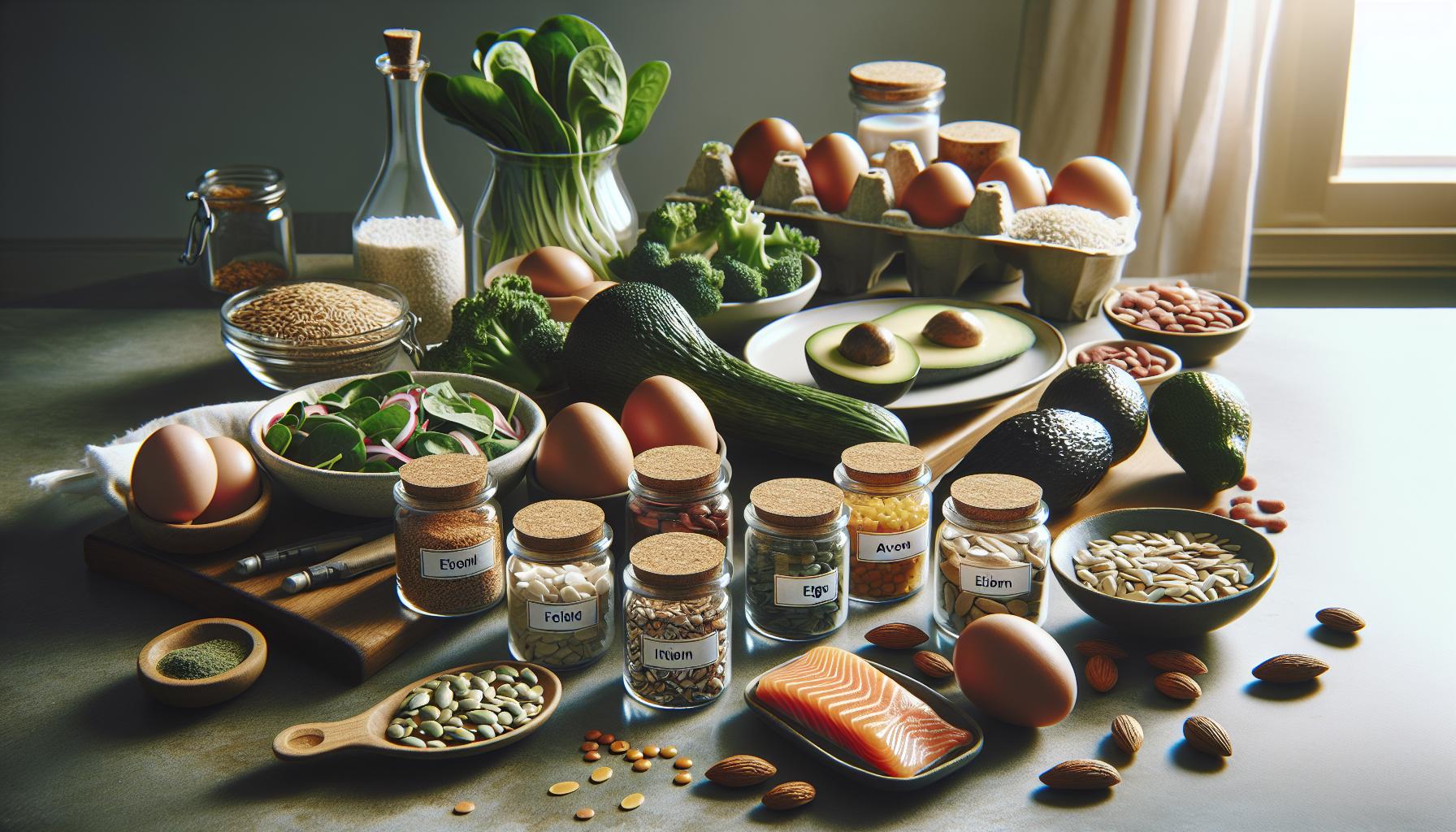
Foods to Avoid After Egg Transfer for Better Results
After undergoing an egg transfer, the choices you make regarding your diet can significantly impact your chances of successful implantation. While many foods can support your journey, being mindful of what to avoid is equally important. Certain foods can create an unfavorable environment for the embryo, potentially hindering its ability to implant properly.
One group of foods to consider limiting are those high in sugar and refined carbohydrates. These can lead to spikes in blood sugar levels, which may disrupt hormonal balance and negatively affect the uterine lining. Examples include sugary snacks, white bread, and pastries. Instead, focus on complex carbohydrates such as whole grains that provide a steady energy source without the sugar overload.
Additionally, it’s wise to steer clear of processed foods and trans fats. These not only contribute to inflammation in the body but can also alter your hormonal levels. Keep an eye out for fried foods, fast food items, and margarine or shortening in packaged products. Opt for healthy fats from sources like avocados, nuts, and olive oil to nurture your body instead.
Caffeine is another element that can be controversial during this time. While some studies suggest moderate consumption is acceptable, it is prudent to limit caffeine intake as it might affect uterine contractility and interfere with implantation. Transitioning to herbal teas (that are deemed safe) or decaffeinated options could be beneficial.
Lastly, alcohol should be completely avoided. It has been shown to have detrimental effects on fertility and can interfere with hormone function critical for implantation and a healthy early pregnancy. Instead of alcohol, hydrate with water, herbal infusions, or fresh juices to support your body’s recovery and overall well-being.
By being mindful of these dietary choices, you can create a more nurturing environment for your embryo. Each food you choose can be a step toward supporting your body in this hopeful phase, helping you not only in your quest for pregnancy but also in maintaining the emotional balance that this journey often requires.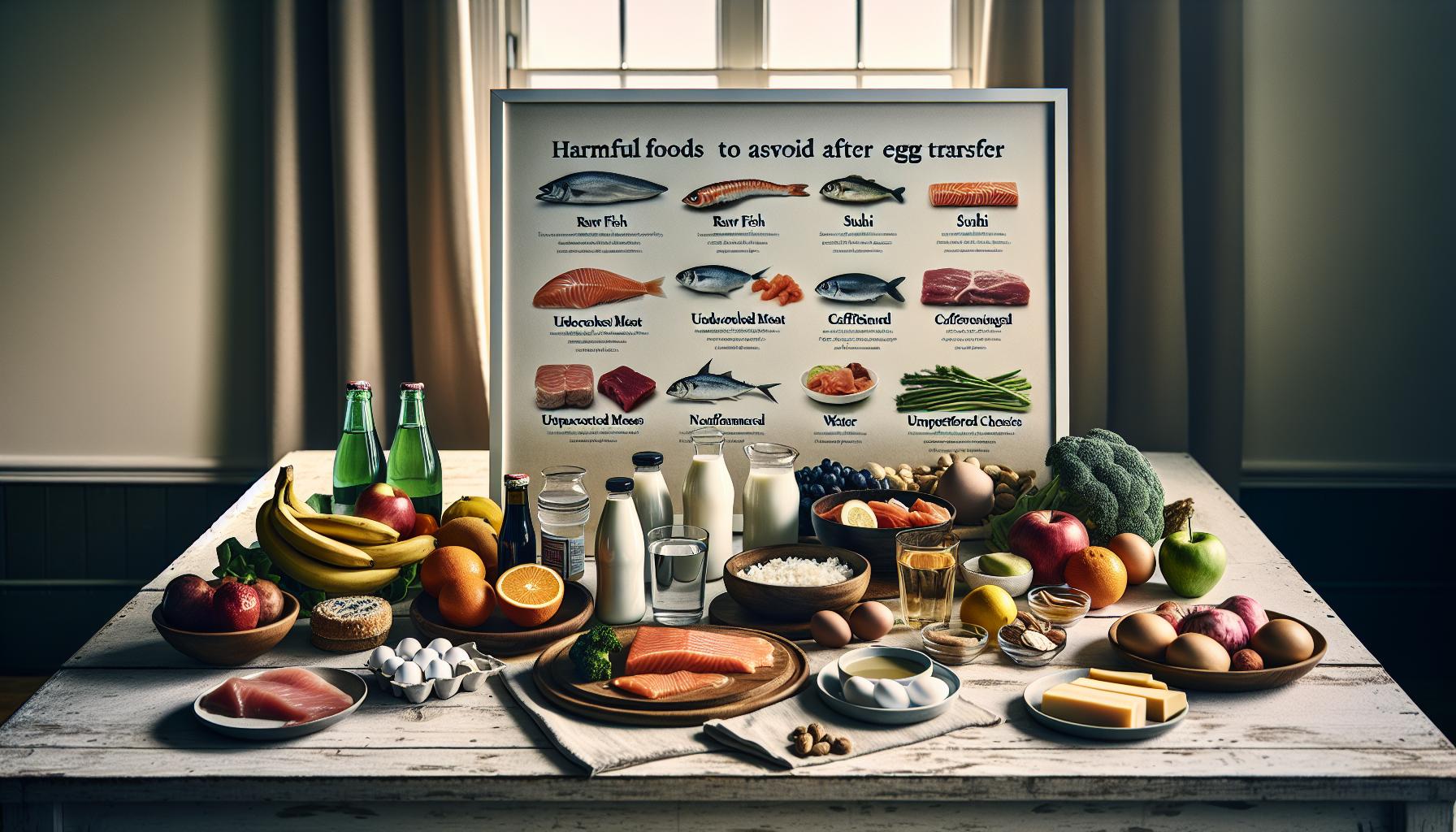
Hydration and Its Role in IVF Recovery
Staying well-hydrated after an egg transfer is crucial for your recovery and can significantly influence your chances of successful implantation. Water plays a fundamental role in nearly all bodily functions, including nutrient transport, cellular health, and hormonal balance-all essential for creating an optimal environment for the embryo. Dehydration can lead to increased stress levels and hinder your body’s ability to manage the physical and emotional demands of this phase.
To ensure you are adequately hydrated, aim to drink at least eight 8-ounce glasses of water daily, adjusting for any factors like exercise or the climate you live in. However, water alone is not the only option; consider incorporating a variety of hydrating liquids and foods:
- Herbal Teas: Many herbal teas, such as ginger or peppermint, can provide hydration along with additional health benefits.
- Fresh Juices: Opt for freshly squeezed juices without added sugars, as they can offer vitamins along with hydration.
- Broths and Soups: These can be comforting and nourishing while helping you to stay hydrated.
- Fruits and Vegetables: Foods like cucumbers, watermelon, and oranges have high water content and can help boost your hydration as well.
During this sensitive time, being mindful of what you drink is as important as what you eat. Staying hydrated aids digestion, reduces bloating, and contributes to overall comfort. It’s crucial to listen to your body’s signals-if you feel thirsty, allow yourself to hydrate; if you notice signs of stress or fatigue, hydration can help alleviate these issues.
Moreover, consider how hydration can impact your emotional well-being. Stress can dehydrate your body, creating a cycle that feels overwhelming. By prioritizing your water intake, you engage in a proactive strategy that demonstrates care for both your physical health and emotional resilience during this challenging period. Take a moment each day to reflect on your hydration habits, ensuring you are putting your health first as you embark on this hopeful journey towards parenthood.
Planning Balanced Meals Post-Transfer: A Simple Guide
Eating well after an egg transfer can significantly impact both your physical health and the emotional journey you’re navigating. A well-balanced meal plan will not only support your body during this critical period but will also offer you a sense of control and care over your health. It’s essential to focus on nutritious foods that nurture your body, promote a positive mindset, and build a welcoming environment for implantation.
Integrating a variety of whole foods into your daily meals is key. Consider including:
- Lean Proteins: Foods like chicken, turkey, fish, and legumes provide the essential amino acids needed for tissue growth and repair.
- Healthy Fats: Avocados, nuts, and olive oil help to reduce inflammation and may improve the quality of your eggs.
- Fruits and Vegetables: Aim for colorful options like berries, dark leafy greens, and sweet potatoes as they are rich in vitamins, minerals, and antioxidants.
- Whole Grains: Quinoa, brown rice, and whole-wheat bread enhance your energy levels and supply B vitamins that are crucial for fertility.
As you plan your meals, strive for balance. Each plate should ideally contain protein, healthy fats, carbohydrates, and a colorful array of fruits and vegetables. This approach not only supports your body nutritionally but also helps create a routine that fosters emotional well-being.
Listening to your body’s signals is also important. You may experience cravings or aversions that are completely normal; trust your instincts while still making mindful choices. Prepare for this journey by planning simple meals-a grilled salmon with quinoa and steamed broccoli can be both nourishing and easy to prepare, reducing the stress of cooking during an emotional time.
Lastly, remember that this is a journey where every small choice counts. If you stumble or feel overwhelmed, take a breath and refocus on your next meal. Each plate is an opportunity to engage in self-care, nourishing both your hopes and your body as you move forward in this hopeful phase of your fertility journey.
Emotional Well-being: The Impact of Nutrition on Stress
Navigating the emotional landscape of fertility treatments can be incredibly challenging, and nutrition plays a pivotal role in influencing your mood and overall well-being during this journey. Research suggests that certain nutrients can help modulate stress responses, potentially creating a more peaceful environment for both your mind and body. Foods rich in omega-3 fatty acids-such as salmon, walnuts, and flaxseeds-have been shown to support brain health and may help alleviate feelings of anxiety. These nutrient-rich options can serve as your allies, providing not just nourishment but also emotional balance.
Maintaining a consistent meal plan filled with colorful fruits and vegetables can further elevate your mood. Antioxidants found in berries, spinach, and sweet potatoes combat oxidative stress, which can impact overall emotional well-being. Additionally, incorporating complex carbohydrates like quinoa and whole grains can boost serotonin levels in the brain, a neurotransmitter crucial for mood regulation. Aim for meals that are not only nourishing but also comforting, allowing you to form a positive relationship with food and its ability to fuel your journey.
Pay attention to how your body responds to different foods; the path toward emotional wellness is often personal and unique. Cravings during this time may signal your body’s needs, whether for specific nutrients or comfort. Ensure you create meals that are not just healthy but also enjoyable-think about preparing a vibrant salad topped with grilled chicken or a hearty vegetable stir-fry. The act of cooking and savoring these meals can foster a sense of control in an otherwise unpredictable experience.
Embracing this holistic approach to nutrition not only supports your physical body but also nurtures your emotional self. Acknowledging the challenges and letting yourself feel the full spectrum of your emotions is vital. Instead of striving for perfection, celebrate small victories, whether it’s cooking a healthy meal, making time for relaxation, or simply recognizing when you need a break. These moments contribute to your journey, reinforcing your resilience and hope. Remember, taking care of yourself is a significant step toward creating a welcoming environment for potential new life.
Supplements to Consider for Enhanced Fertility
Integrating certain supplements into your routine can significantly enhance your fertility journey, particularly following an egg transfer during IVF. While a balanced diet rich in fertility-boosting foods is fundamental, supplements can provide additional support to optimize your body’s environment for implantation and early development.
One essential supplement to consider is folic acid. This B-vitamin plays a critical role in DNA synthesis and is paramount in reducing the risk of neural tube defects should pregnancy occur. The general recommendation is to start taking folic acid at least a few months before conception, but continuing it after egg transfer is equally important.
Omega-3 fatty acids, often found in fish oil, are another powerhouse. These fats not only support overall health but also promote healthy blood flow to the reproductive organs, potentially enhancing implantation rates. Whole food sources include fatty fish like salmon and walnuts, but supplements can be beneficial if you find it challenging to consume enough.
Furthermore, vitamin D is crucial for reproductive health. Studies have linked adequate levels of vitamin D with improved IVF outcomes. A simple blood test can determine your levels, and if you’re deficient, supplementation can be a straightforward way to increase your intake.
Lastly, look into coenzyme Q10 (CoQ10) as it may improve egg quality, especially for those facing age-related fertility challenges. CoQ10 acts as an antioxidant and helps in energy production within cells, which can enhance ovarian function.
When considering supplements, it’s essential to consult with a healthcare provider who understands your unique situation. They can tailor recommendations based on your health history and fertility goals, ensuring that your supplementation strategy aligns with your overall health plan. Enjoying the process and nourishing your body during this journey can cultivate an encouraging space for new life.
Cultural Foods and Their Fertility-Boosting Benefits
Food plays a vital role in many cultures around the world, often intertwining with traditional beliefs about health and fertility. By incorporating culturally significant foods into your diet after an egg transfer during IVF, you not only nourish your body but also connect with the supportive heritage of your community. These foods can carry deep emotional significance and belief in their fertility-boosting properties, making them an integral part of embracing a holistic approach to your fertility journey.
Traditional Fertility Foods Across Cultures
Many cultures have specific foods they associate with fertility. For instance, in Mediterranean diets, olives and olive oil are revered for their healthy fats, which promote ovulation and hormone balance. Likewise, in Asian cultures, dishes featuring goji berries are celebrated for their antioxidants, believed to enhance reproductive health. Here are more examples from diverse backgrounds:
- Mexican Cuisine: Avocados are not only nutritious but also symbolize fertility and abundance.
- Indian Tradition: Foods like sesame seeds and ghee are often included in fertility-boosting diets, believed to strengthen reproductive health.
- Eastern European Heritage: Beets and other root vegetables are consumed for their essential vitamins and minerals that support overall health.
The Role of Cooking Methods
How you prepare these foods can also enhance their effectiveness. For example, steaming vegetables retains their nutrients better than boiling, maximizing the benefits when seeking to nourish your body post-transfer. Additionally, incorporating spices like turmeric, which is known for its anti-inflammatory properties, can add flavor as well as health benefits.
Navigating Emotional Connections
Beyond their nutritional value, cultural foods often evoke memories and emotions, providing comfort during a challenging fertility journey. Sharing traditional recipes with family or friends can foster support and connection, reminding you that you are not alone in this process. Celebrating small milestones by cooking a dish that holds significance can also provide a sense of accomplishment and hope.
In recognizing the power of cultural foods, you can create a nourishing environment that supports both your physical and emotional well-being after an egg transfer. This journey isn’t just about what you eat, but also about honoring traditions and connecting with the strengths they bring to your life.
Meal Prep Ideas for a Stress-Free IVF Journey
Preparing meals during your IVF journey can significantly alleviate stress, allowing you to focus on your emotional and physical well-being. Meal prep ensures that you have nutritious, fertility-boosting food at your fingertips, making it easier to stick to a healthy diet after egg transfer. Start by dedicating a few hours each week to plan and prepare meals in advance, which can help reduce anxiety, save time during busy days, and ensure that you’re nourishing your body optimally.
Begin with a thorough inventory of what ingredients you have on hand. This will help you avoid excess grocery shopping and minimize food waste. Next, choose recipes that are rich in the essential nutrients needed for egg implantation and overall health. Think about incorporating foods high in omega-3 fatty acids, such as salmon and flaxseeds, antioxidants found in berries, and plenty of leafy greens. Many of these meals can be batch-cooked; for instance, prepare a large quinoa salad filled with vegetables and protein that can be eaten over several days, or simmer a pot of hearty vegetable stew that reheats beautifully.
Planning your meals around key nutrient-dense snacks is also beneficial. Consider creating energy bites with oats, nuts, and honey for quick snacks that fuel you throughout the day. You can easily store these in the fridge for grab-and-go convenience, which helps maintain healthy eating without the temptation of less nutritious options. Use clear containers to store pre-portioned snacks and meals, labeling them with dates to keep track of freshness.
Lastly, don’t underestimate the importance of hydration in your meal prep. Prepare infused water with slices of lemon, cucumber, or berries to encourage proper hydration, which is crucial not only for your physical health but also for your emotional balance during this time. By establishing a structured meal prep routine, you’re not just investing in nutrition but also creating a supportive environment that nurtures both your body and mind throughout your IVF journey.
How to Listen to Your Body During Recovery
Listening to your body during recovery after an egg transfer is crucial for nurturing both your physical health and emotional well-being. It’s common to experience a whirlwind of emotions and physical sensations during this period, ranging from anxiety and hope to hormonal changes and fatigue. The ability to tune into what your body is telling you can enhance your comfort, optimize your health practices, and foster a greater sense of control during this sensitive time.
The first step in truly listening to your body is to acknowledge your feelings and physical sensations without judgment. If you’re feeling unusually fatigued or experiencing any discomfort, it’s important to honor those signals. Allow yourself time to rest, as your body is undergoing significant changes. Engage in gentle activities such as walking or prenatal yoga instead of pushing yourself to maintain a rigorous workout routine. Consider keeping a journal to track your physical symptoms, emotions, and any dietary changes you’ve implemented. This practice can help you identify patterns and better understand your body’s responses.
Mindful Eating
As you recover, focus on mindful eating practices. Pay attention to how different foods make you feel, both physically and emotionally. Are you experiencing any bloating from certain foods? Do nutritious snacks boost your energy and mood? By developing an awareness of your body’s reactions to your food choices, you can make more informed decisions that support your recovery journey. For instance, incorporating foods rich in omega-3 fatty acids, antioxidants, and fiber can help enhance both physical and emotional health during this period.
Hydration Signals
It’s essential to also heed your body’s signals regarding hydration. Dehydration can exacerbate feelings of fatigue and stress. Aim for adequate water intake, and take notice of how hydration impacts your overall sense of well-being. Some find infused water with lemon or cucumber refreshing, which can also serve as a tasty reminder to stay hydrated.
In addition to paying attention to physical cues, recognize the emotional landscape that accompanies this journey. Permit yourself to feel all the emotions that arise-be it joy, fear, or sadness. Connecting with a support group or talking with a therapist can provide a safe space to process these feelings. Through this mindful approach to both bodily and emotional awareness, you can create a nurturing environment that supports your overall well-being during this pivotal time.
Holistic Approaches to Enhance Your Fertility After Transfer
Nurturing your body and mind holistically after an egg transfer is pivotal for enhancing your fertility journey and creating an environment conducive to implantation. This approach is about integrating physical health, emotional well-being, and nutritional support, helping you to feel empowered and supported during this sensitive time.
One vital aspect of holistic care is to integrate a variety of nutrient-dense foods into your diet. Focus on items rich in antioxidants such as berries, nuts, and leafy greens, which can combat oxidative stress and promote a healthy uterine lining. Incorporating healthy fats from sources like avocados, olive oil, and fatty fish can also support cellular health and hormone balance. In addition, adding whole grains-like oatmeal and quinoa-can stabilize blood sugar levels, which is essential for hormone regulation.
Equally important is fostering a positive emotional landscape. Engaging in practices such as mindfulness meditation or prenatal yoga can help reduce anxiety and stress, thereby creating a more relaxed state that is beneficial for fertility. Journaling your thoughts and feelings may provide an outlet for managing the emotional ups and downs that often accompany this journey. Connecting with others who are experiencing similar paths can also provide emotional support and validation.
Incorporating complementary therapies, such as acupuncture or herbal support, can be valuable adjuncts to your fertility plan. Some studies suggest that acupuncture may enhance blood flow to the reproductive organs, potentially improving fertility outcomes. It’s essential, however, to consult with a qualified practitioner who understands your particular health needs and can work alongside your IVF protocol.
Lastly, being aware of your body’s signals and allowing yourself to rest and rejuvenate cannot be overstated. Prioritize sleep and relaxation, as these elements dramatically impact hormone levels and overall well-being. Focus on creating a nurturing environment with calming activities, which can help soothe your mind as it navigates through this emotional experience. By addressing your physical health, emotional resilience, and implementing holistic practices, you’re setting the stage for a more balanced approach to enhancing your fertility after an egg transfer.
Q&A
Q: What foods should I eat after egg transfer to increase chances of implantation?
A: After egg transfer, focus on nutrient-dense foods rich in antioxidants, healthy fats, and proteins. Include avocados, leafy greens, nuts, and whole grains. These foods can support your body and create a favorable environment for implantation. Consider consulting the “Top Fertility-Boosting Foods” section of the article for specific recommendations.
Q: How soon should I start eating fertility-boosting foods after egg transfer?
A: You should begin consuming fertility-boosting foods immediately after your egg transfer. Nourishing your body with the right nutrients during this critical time can help prepare it for successful implantation and improve overall health.
Q: Why is hydration important after egg transfer and what drinks are best?
A: Hydration is crucial after egg transfer as it aids in nutrient transport and supports overall health. Drink plenty of water, herbal teas, and natural fruit juices. Avoid caffeine and sugary beverages for optimal results. Refer to the “Hydration and Its Role in IVF Recovery” section for more insights.
Q: Are there specific vitamins or supplements recommended after egg transfer?
A: Yes, taking specific supplements can enhance fertility and implantation chances. Omega-3 fatty acids, folic acid, and vitamin D are commonly recommended. Always consult your healthcare provider before starting any supplement regimen. Check the “Supplements to Consider for Enhanced Fertility” section for detailed advice.
Q: What snacks are good to have after an IVF egg transfer?
A: Great snacks to consider include Greek yogurt with berries, mixed nuts, and hummus with veggies. These snacks provide essential nutrients that support your body after the egg transfer. For meal prep ideas, refer to the “Meal Prep Ideas for a Stress-Free IVF Journey” section.
Q: How does stress relate to what I should eat after egg transfer?
A: Stress management is vital after egg transfer, as high stress can negatively impact fertility. Eating balanced, nutritious meals can improve your mood and reduce stress hormones. Explore the “Emotional Well-being: The Impact of Nutrition on Stress” section for more tips.
Q: Can cultural foods be beneficial for fertility post-egg transfer?
A: Yes, many cultural foods offer unique nutritional benefits that can aid fertility. Ingredients like turmeric, ginger, and fermented foods are often praised for their health properties. The “Cultural Foods and Their Fertility-Boosting Benefits” section discusses specific examples you can incorporate into your diet.
Q: What should I avoid eating after egg transfer to maximize success?
A: After egg transfer, avoid processed foods, excessive sugar, and trans fats, as they can harm your health and fertility. Instead, focus on whole, nutrient-dense meals. See the “Foods to Avoid After Egg Transfer for Better Results” section for a detailed list.
The Way Forward
As you navigate this pivotal moment after your egg transfer, remember that nourishing your body with the right foods can play a significant role in your fertility journey. Focus on incorporating fertility-boosting foods rich in antioxidants, healthy fats, and vitamins that can support embryo implantation and overall health. Don’t hesitate to check out our related articles on “Best Practices for IVF Success” and “Understanding Your IVF Cycle” for more in-depth guidance and support.
Now is the time to take action: make a meal plan that suits your taste and boosts your health! If you have questions or want to dive deeper into your options, consider signing up for our newsletter or scheduling a consultation for personalized advice tailored to your unique journey. Remember, you’re not alone-join our community in the comments below to share your experiences, ask questions, and support one another. Together, we can celebrate each milestone on this hopeful path to parenthood!