When considering contraceptive options, the Depo Shot is a popular choice for many women seeking effective birth control. However, as you navigate your reproductive health journey, you may wonder: can this shot impact fertility down the line? This important question weighs heavily on the minds of those thinking about future family planning. Understanding the potential effects of the Depo Shot on your fertility can empower you to make informed choices, leading to peace of mind and clarity in your family-building journey. Dive into this article as we explore the intricacies that surround the Depo Shot and fertility, addressing the concerns that often go unspoken in clinical settings. Your path to parenthood deserves to be informed and supported.
Can the Depo Shot Affect Your Fertility?
While the Depo-Provera shot is a popular contraceptive method, many women have concerns about its potential effects on fertility. It is important to understand that while the shot offers effective pregnancy prevention during its active period, recovery of fertility after discontinuation can be variable. For some women, a significant delay in the return of ovulation and menstrual cycles is commonly reported, sometimes taking up to a year or more for normal fertility to resume.
The active ingredient in the Depo shot is medroxyprogesterone acetate, a progestin that alters hormonal levels to prevent ovulation. When women stop using the shot, it can take some time for their bodies to readjust and begin normal ovulatory cycles again. Research indicates that the delay in returning to fertility varies widely, depending on individual health factors and the duration for which the shot was used. Many women express anxiety over this uncertainty, feeling a mix of hope and worry about their future family planning.
Studies have shown that most women will regain their fertility within two years of stopping the injection, but some may experience lasting changes in their menstrual cycle patterns. It can be helpful to discuss these concerns with healthcare providers who can provide personalized insights based on individual health history.
Ultimately, if you are considering or have already used the Depo shot and are worried about fertility, it is essential to maintain open communication with your healthcare professional. They can guide you through monitoring your reproductive health post-Depo and suggest alternative strategies if you’re looking to conceive sooner. Remember, every woman’s experience is unique, and addressing questions and fears is a vital part of navigating your reproductive journey.
Understanding the Depo Shot: How It Works

The Depo-Provera shot, a popular form of contraceptive, operates primarily through its active ingredient, medroxyprogesterone acetate, which is a synthetic form of the hormone progesterone. Its primary function is to inhibit ovulation, meaning it prevents your ovaries from releasing eggs. Each injection offers protection against pregnancy for up to three months, providing an effective and convenient option for those seeking long-term birth control without the need for daily pills. During this period, the shot also thickens cervical mucus, making it challenging for sperm to enter the uterus, and alters the lining of the uterus to prevent implantation in case fertilization does occur.
For many users, the convenience of receiving an injection once every three months outweighs the commitment required by other methods, such as daily oral contraceptives or more invasive procedures like IUDs. However, understanding how the Depo shot works is critical for those considering future fertility. Upon discontinuation, there can be a considerable adjustment period as the body restores its natural hormonal balance and resumes regular ovulation cycles. It’s important to note that while some women might experience a prompt return to ovulation, others could face a delay, with reports of it taking a year or even longer for normal menstrual patterns to re-establish.
Navigating the emotional landscape surrounding fertility concerns can be challenging; many women find themselves facing uncertainties about their reproductive capabilities after stopping the shot. Concerns about infertility can lead to feelings of anxiety and distress, as the timeline for regaining fertility can vary significantly among individuals. If you’re contemplating the use of the Depo shot or have already discontinued it and are worried about your fertility, establishing open and ongoing communication with your healthcare provider is crucial. They can offer reassurance and help you understand what to expect, guide you through monitoring your reproductive health, and discuss personalized strategies if you’re trying to conceive. Remember, every woman’s journey is unique, and it’s okay to seek support along the way.
Exploring the Evidence: Infertility Risks Explained
The relationship between using the Depo-Provera shot and potential infertility is a subject of significant interest and concern among many women. It’s important to acknowledge that while the Depo shot can effectively prevent pregnancy for up to three months at a time, its influence on future fertility is complex and varies for each individual. Research indicates that although many women regain their ability to conceive relatively quickly once they stop the shot, others may experience delays.
For some, the delay in the return of fertility after discontinuation of the Depo shot can last for up to a year, as the body needs time to restore its natural hormonal balance and resume ovulation. The variability in this timeline can evoke feelings of anxiety and uncertainty about one’s reproductive health. It’s crucial to understand that this return to fertility can be a gradual process and that many women ultimately do conceive after stopping the use of the Depo shot. Studies have shown that most women achieve pregnancy within 12 to 18 months after their last injection, supporting the notion that the shot does not cause long-term infertility but may simply prolong the time it takes to become pregnant.
Understanding the hormonal dynamics at play is essential. The Depo shot works by suppressing ovulation and altering the uterine lining. Once its effects subside, there is often a period during which the body adjusts, and this adjustment can vary widely among different individuals. Factors such as age, overall health, and underlying reproductive conditions can all influence the timeline for regaining fertility. During this period, it’s vital for women to maintain open communication with their healthcare providers. Regular check-ins can help address concerns and provide guidance on what steps to take if conception does not occur within the expected timeframe.
As you navigate the delicate journey of reclaiming your fertility after Depo, remember that it’s completely normal to experience a range of emotions-hope, frustration, and even grief. These feelings are part of a complex process and deserve validation. Seeking support, whether through healthcare professionals or community resources, can help provide guidance and reassurance as you consider your options moving forward. Exploring alternatives, such as tracking ovulation and understanding your menstrual cycle, can further empower you on your path to conception. Ultimately, be gentle with yourself, celebrate small milestones, and remember that each woman’s journey is unique.
The Role of Hormones in Reproductive Health
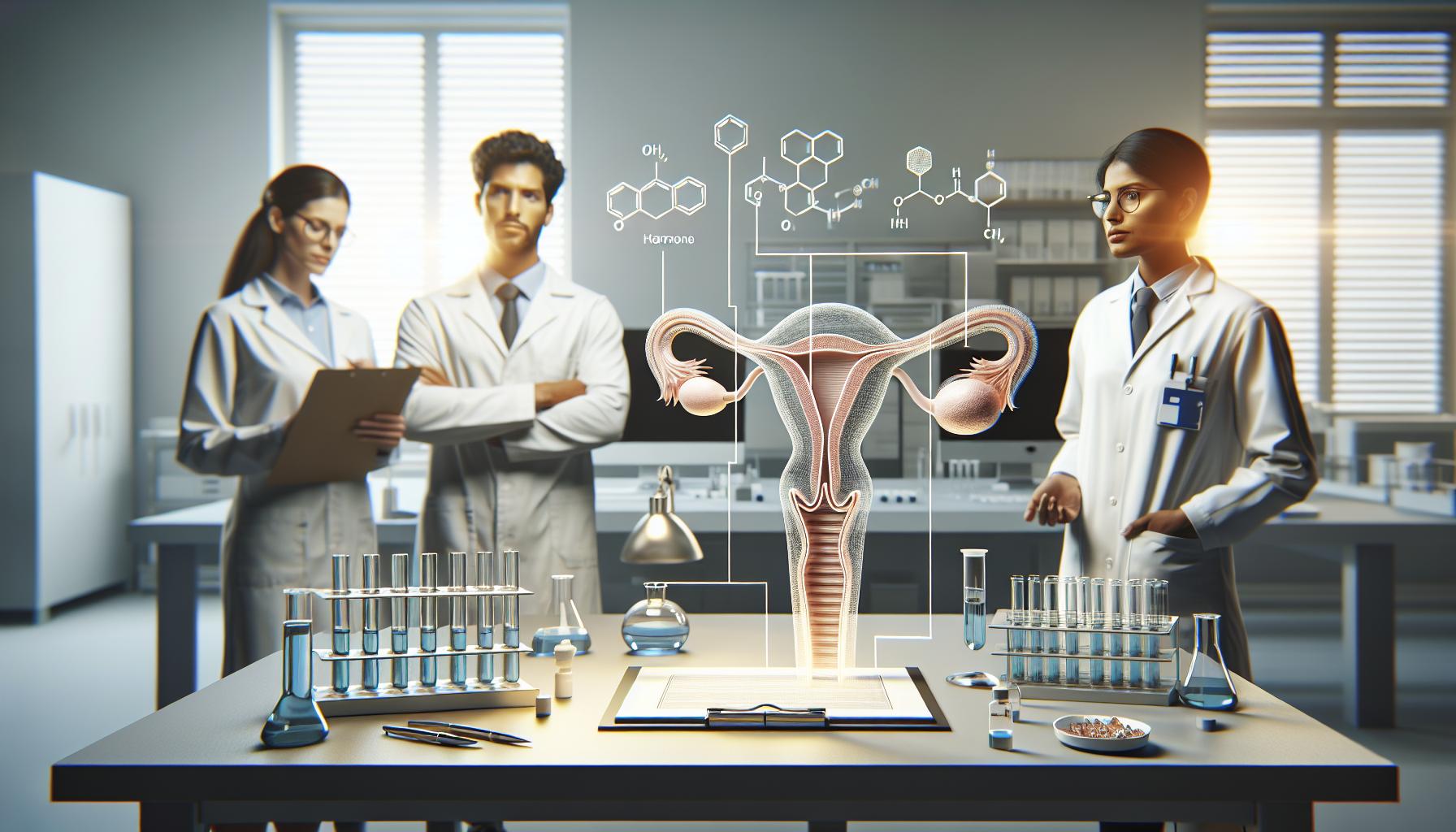
The intricate dance of hormones plays a fundamental role in the health of your reproductive system. Hormones such as estrogen, progesterone, and luteinizing hormone orchestrate the cycles of ovulation and menstruation, impacting everything from mood to physical health. When using the Depo-Provera shot, the introduction of synthetic progesterone alters this delicate balance. The Depo shot effectively prevents ovulation by maintaining elevated hormone levels, which thins the uterine lining and keeps the ovaries from releasing eggs. However, once you discontinue the shot, your body must recalibrate its hormone levels, a process that can take varying amounts of time for different individuals.
The return of your natural hormonal balance is crucial for fertility. After stopping the Depo shot, you may experience a range of menstrual irregularities as your body works to restore its normal function. Some women report a quicker return to regular cycles, while others may find it takes longer, especially if they have underlying hormonal imbalances or health issues that could affect their menstrual cycle. Understanding that this adjustment period is normal can help alleviate some anxiety and uncertainty. It’s essential to be patient with yourself during this time, as your body is navigating its way back to its natural rhythms.
Emotional aspects can’t be overlooked either. The uncertainty surrounding fertility after using the Depo shot can evoke feelings of frustration, fear, or sadness. It’s perfectly acceptable to grieve the time it takes to conceive, especially if you had expectations of an immediate return to fertility. Establishing a dialogue with your healthcare provider can provide clarity and support, helping you understand your body’s unique response to the cessation of hormonal contraception. They can assist you in tracking your menstrual cycles and identifying signs of ovulation. This not only empowers you in your fertility journey but also fosters a sense of control during a time that may feel overwhelming.
In conclusion, while hormonal changes caused by the Depo shot could delay the return of fertility, understanding these dynamics will equip you with the knowledge and tools to navigate your reproductive health more effectively. Engage in open conversations with healthcare professionals, explore additional resources, and take care of your emotional well-being as you embark on this unique journey back to fertility. Each woman’s experience is different, and honoring your path will ultimately aid you in reclaiming your reproductive health.
Physical and Emotional Impacts of Depo Contraceptive

The experience of using Depo-Provera extends beyond just its contraceptive function; it intricately intertwines with both physical and emotional well-being. The hormonal changes induced by the Depo shot-specifically the synthetic hormone progestin-can lead to significant alterations in your body, affecting everything from your menstrual cycle to your emotional state.
Physical Effects
Using Depo-Provera can lead to a range of physical impacts, including weight gain, changes in appetite, and potential fluctuations in menstruation. Many women report alterations in their menstrual cycles, with some experiencing lighter periods or even complete amenorrhea. This can be a relief for some, but for others, the absence of a period may introduce anxiety about whether the birth control is working effectively or if there are underlying health issues. It’s crucial to track these changes and communicate them to your healthcare provider, who can offer guidance tailored to your unique situation.
Emotional Responses
On the emotional side, the journey can feel overwhelming. The uncertainty surrounding fertility and the potential for delayed return to ovulation after stopping the shot can lead to feelings of frustration, sadness, and even grief. It’s essential to allow yourself to experience these emotions without judgment. Sharing these feelings with supportive friends or a healthcare professional can alleviate some of the emotional burden. You are not alone in navigating these challenges, and talking through your concerns can cultivate a sense of community and understanding.
Navigating Your Fertility Journey
Understanding the physical impacts of the Depo shot can empower you on your fertility journey. Establish routines such as tracking your cycles and noting any symptoms, which can help recognize patterns and anomalies. This proactive approach not only enables you to gain insight into your body but also fosters constructive conversations with healthcare providers. They can assist in creating a personalized plan to monitor your fertility post-Depo, ensuring that you feel informed and supported during this transition. Whether you are considering alternative contraceptive options or exploring family-building pathways, remember that emotional resilience and physical awareness are critical allies on this path.
By embracing both the physical and emotional aspects of this transition, you pave the way for reclaiming your reproductive health. Each person’s experience is unique, and while the road may be bumpy, staying informed and connected to your support systems can facilitate your navigation through this journey.
Depo Shot: Myths vs. Reality
Many misconceptions surround the Depo-Provera shot, particularly concerning its impact on fertility. One of the most common myths is that using Depo-Provera can lead to permanent infertility. In reality, the evidence suggests that while the shot can cause a delay in the return of fertility after discontinuation, most women will regain their ability to conceive within a year of stopping the injections. This can vary based on individual health factors, but the overall narrative is one of hope, not despair.
Understanding Delayed Return to Fertility
For many women, the most significant concern about Depo-Provera is the aspect of delayed fertility. It’s important to recognize that although the shot works effectively to prevent pregnancy by suppressing ovulation, it doesn’t do so indefinitely. Hormonal changes can take time to reverse after the last injection, leading to a waiting period before regular ovulation resumes. Research indicates that about 30% of women may not ovulate for at least six months after the last injection, which can understandably provoke anxiety. Monitoring your body during this time-paying attention to changes in menstrual cycles and symptoms-can provide valuable insights and reassure you about your reproductive health.
Myths About Weight Gain and Its Effects
Another prevalent myth is that weight gain from the Depo shot is directly linked to infertility. While some women do experience weight changes, this is not universally true, and such changes in weight do not inherently affect your fertility or ability to conceive. A balanced diet and regular exercise can help manage any weight fluctuations while ensuring you remain healthy as you transition off the shot. Focus on making lifestyle choices that support both your physical health and emotional well-being during this time.
Understanding these myths allows you to approach your reproductive health with clarity. It’s essential to ask your healthcare provider about any concerns you may have regarding the Depo-Provera shot. Establish a dialogue to explore your specific situation, including any worries about how it may affect your fertility. Remember, your journey is unique, and supportive healthcare professionals are here to guide you through the complexities of your reproductive health.
Navigating Common Concerns About Fertility
Navigating the complexities of fertility can feel overwhelming, especially in the context of using hormonal contraceptives like the Depo-Provera shot. It’s crucial to acknowledge that the emotions surrounding fertility-hope, anxiety, and uncertainty-are valid and shared by many. If you’re concerned about the potential impact of the Depo shot on your ability to conceive, you’re not alone, and understanding the nuances of this topic can empower you as you navigate your reproductive health journey.
Many women express concern about how the hormonal changes induced by the Depo shot could affect their fertility. While it’s true that the contraceptive can lead to a delay in returning to fertility after discontinuation, this delay varies significantly among individuals. The evidence suggests that although approximately 30% of women may not ovulate for at least six months after their last injection, most will return to regular ovulation within a year. Paying attention to your body-monitoring cycles and any symptoms-can help provide insights into your reproductive health during this waiting period.
It’s also essential to address the emotional weight of these concerns. Transitioning off Depo-Provera may bring up feelings of grief or loss about your fertility journey. To support your mental and emotional well-being, take a proactive approach: consider maintaining open communication with healthcare providers, join support groups, or connect with others who share similar experiences. These steps can help mitigate feelings of isolation and provide a platform for discussing concerns about delayed fertility or the anxieties that come with trying to conceive.
Being informed is a powerful tool in this journey. Take time to educate yourself on your options moving forward, whether it’s exploring fertility awareness methods to track ovulation or discussing alternative contraceptive options with your doctor. This knowledge can help you feel more in control during this transitional phase. Remember that your path to parenthood is unique, and while challenges may arise, support is available, and you are not alone in this experience.
What Research Says About Long-Term Effects
Research surrounding the long-term effects of the Depo-Provera shot has sparked considerable interest and concern among women seeking to understand its impact on future fertility. Studies indicate that while the contraceptive can cause a temporary delay in the return to fertility for some women, the majority will eventually regain their ovulatory function. For instance, data suggests that about 30% of women may experience an absence of ovulation for at least six months after their last injection, but most will see a return to normal ovulatory cycles within a year.
The key finding here is that individual responses can vary widely; some women may find they conceive shortly after discontinuation, while others might face longer delays. The hormonal changes brought on by Depo-Provera can disrupt the normal functioning of the ovaries, leading to intermittent or delayed ovulation. Continuous monitoring of menstrual cycles after stopping the shot can be an essential step in understanding when your body is ready for conception again.
Furthermore, emotional well-being plays a crucial role during this transition. The anxiety of delayed fertility can weigh heavily on many individuals, and it’s vital to recognize these feelings as part of the journey. Seeking support from healthcare providers or joining community groups can alleviate some of this emotional burden. Sharing experiences with others who understand the complexities of navigating fertility post-Depo-Provera can provide not just reassurance but also valuable insights into managing expectations and next steps.
In conclusion, while the research paints a generally positive picture regarding the long-term effects of the Depo shot on fertility, it also emphasizes the importance of individualized experiences and support. Remember, this process is unique for everyone, and maintaining an open dialogue with your healthcare provider can create a pathway toward understanding your fertility journey post-Depo.
Steps to Monitor Your Fertility Post-Depo
Monitoring your fertility after discontinuing the Depo-Provera shot is a crucial step in understanding when your body is ready to conceive again. Many women may experience varying timelines for their return to ovulation, and keeping track of your menstrual cycles can provide valuable insights into your reproductive health. Here are some practical steps to help you monitor your fertility effectively.
Track Your Menstrual Cycle
Begin by recording the dates of your menstrual periods. This can help you identify patterns in your cycles as they return to normal. Use a calendar, a fertility app, or a journal to note the length of your cycle and the flow’s heaviness. Regular cycles typically range from 21 to 35 days, and any significant deviations could warrant a discussion with your healthcare provider.
Observe Physical Symptoms
Pay attention to your body’s signals. Many women experience physical signs of ovulation, such as:
- Changes in cervical mucus: It tends to be clearer and stretchier around ovulation.
- Mid-cycle cramping or discomfort.
- Increased libido.
These symptoms can help you identify your fertile window, increasing the chances of conception.
Consider Ovulation Predictor Kits
Ovulation predictor kits (OPKs) can be a helpful tool to determine when you are ovulating. These kits measure the surge in luteinizing hormone (LH) that occurs shortly before ovulation. By testing daily, you can pinpoint the best time for intercourse if you are trying to conceive.
Consult with Your Healthcare Provider
If you find that your cycles remain irregular or if you have concerns about your fertility post-Depo, don’t hesitate to reach out to your healthcare provider. They can conduct tests to assess your ovarian function and overall reproductive health. Discussing your family planning goals can also provide you with tailored advice and support during this time.
Each woman’s experience with the Depo shot is unique, and understanding your own body is key to navigating the transition back to fertility. It’s perfectly normal to feel a mix of emotions during this process-be patient and gentle with yourself as you take these steps toward monitoring your reproductive health.
Finding Support: Counseling and Community Resources
Navigating the journey of fertility, particularly after using Depo-Provera, can evoke a range of emotions-from hope and anticipation to anxiety and uncertainty. Finding the right support during this time is crucial for maintaining emotional well-being and gaining valuable information. Counseling services and community resources can be a tremendous help, providing not only guidance but also a safe space to express your feelings and concerns about fertility.
Consider reaching out to fertility specialists who can offer tailored advice based on your individual medical history and fertility goals. They can help clarify any misinformation regarding the Depo shot and its effects on infertility. Many clinics also provide counseling services that focus on emotional health during your fertility journey. Connecting with a mental health professional who specializes in reproductive health can help you process feelings of loss or anxiety as you navigate this complex terrain.
Joining support groups-either in-person or online-can also be incredibly beneficial. These communities can provide encouragement, shared experiences, and coping strategies from individuals who understand what you are going through. Whether it’s a local group meeting or an online forum, these platforms can foster a sense of belonging and reduce feelings of isolation. Remember to celebrate small milestones with these communities, whether it’s a new menstrual cycle or a positive conversation with a healthcare provider.
Finally, don’t hesitate to explore additional resources such as family planning websites, educational workshops, and literature that discuss both emotional and practical aspects of fertility. Accessing reliable information can empower you and give you a clearer understanding of your body and your choices moving forward. Whatever path you choose-be it IVF, artificial insemination, or other fertility treatments-support is available, and you don’t have to walk this path alone.
Alternative Contraceptive Options to Consider
One in ten women of reproductive age in the U.S. uses hormonal contraception like the Depo-Provera shot, but many seek alternatives after concerns about long-term effects on fertility. Understanding the spectrum of contraceptive options can guide your journey to better reproductive health and empower your choices based on your needs and lifestyle.
Exploring Alternative Contraceptive Methods
When considering alternatives, it’s essential to balance effectiveness with personal comfort. Here are some options to consider:
- Birth Control Pills: Combining hormones to prevent ovulation, they require daily adherence but allow for quick return to fertility once discontinued.
- Intrauterine Devices (IUDs): These T-shaped devices are inserted into the uterus and can last several years, with options available for hormone-based (e.g., Mirena) or copper-based varieties. They can be a good fit for those looking for a long-term solution without daily management.
- Contraceptive Implants: A small rod inserted under the skin that releases hormones to prevent ovulation. This method is effective for up to three years and allows for a quick return to fertility upon removal.
- Barrier Methods: Options like condoms, diaphragms, and cervical caps offer non-hormonal protection against pregnancy. They can be used only when needed, which might appeal to those averse to hormone-based methods.
- Natural Family Planning: This involves tracking menstrual cycles and fertility signals to identify fertile days, allowing for abstinence or alternative methods during that time. While it requires commitment and education, it appeals to those seeking a hormone-free approach.
Making an Informed Choice
Choosing the right contraceptive can feel overwhelming, especially with mixed messages surrounding hormonal methods like Depo-Provera. Here are key considerations when selecting an alternative:
- Understand Your Body: Consult with a healthcare provider to discuss your medical history and preferences. Knowledge about your own cycle and how different methods work can empower your decision.
- Consider Lifestyle: Think about your personal routine, how often you want to manage contraception, and what fits best with your daily life. For instance, if you prefer minimal intervention, long-acting methods like IUDs or implants may suit you.
- Evaluate Goals: Reflect on your family-building goals. Some methods support immediate fertility return, while others may require more time. Understanding this can guide your choice according to your plans for pregnancy in the future.
Each contraceptive option carries its benefits and risks, and it is essential to choose the method that aligns best with your individual needs and values. As you navigate these choices, remember that your reproductive health journey is unique to you, and finding the right fit is a vital step in gaining the confidence and support you deserve.
Empowering Your Fertility Journey After Depo
Understanding the journey to reclaiming your fertility after using the Depo-Provera shot can offer both hope and apprehension. Many women wonder about the potential effects of this contraceptive on their ability to conceive in the future. While research suggests that most women regain their fertility after the hormone leaves their system, the timeline and experiences can vary significantly. It’s essential to focus on empowering yourself during this transition, informed by knowledge and supported by a caring community.
A key step in navigating your fertility journey is understanding your body and its responses post-Depo. Tracking your menstrual cycle can help you identify any changes in your ovulation patterns. While it may take several months or even a year for some women to resume regular cycles, recognizing the signs of ovulation can provide insight into your reproductive health. Consider using apps or journals to log your cycles, symptoms, and any emotional changes. This can also aid discussions with your healthcare provider.
Incorporating a holistic approach is invaluable. Maintain a balanced diet rich in nutrients known to support reproductive health, such as folic acid, zinc, and omega-3 fatty acids. Physical activity not only promotes overall health but also helps regulate hormones and reduce stress-factors that play a crucial role in fertility. Additionally, don’t hesitate to seek emotional support. Whether it’s through friends, family, or support groups, sharing your feelings and experiences can alleviate feelings of isolation and uncertainty.
Lastly, consider exploring fertility-friendly practices. Consulting a fertility specialist can provide clarity on your options, including potential fertility treatments, like IVF or medication to enhance ovulation. Each woman’s path is unique, and understanding that there are various avenues to build your family can bring a sense of empowerment. Listen to your body, honor your journey, and remember that support is available, ensuring you are never alone on this path.
Q&A
Q: Can the Depo shot cause permanent infertility?
A: No, the Depo shot does not cause permanent infertility. Most women regain their fertility within a year after discontinuing the shot. However, it’s essential to consult with your healthcare provider for personalized advice based on your individual circumstances.
Q: How long does it take to become fertile after stopping the Depo shot?
A: After stopping the Depo shot, it may take 10 months to up to a year for ovulation to resume and for some women to become pregnant. Factors such as age and overall health can influence this timeline.
Q: What are common side effects of the Depo shot?
A: Common side effects of the Depo shot include irregular periods, weight gain, and mood changes. Understanding these effects can help you discuss your experiences effectively with your healthcare provider.
Q: Are there alternatives to the Depo shot for contraception?
A: Yes, there are several alternatives to the Depo shot including birth control pills, IUDs, and implants. Each option has its benefits and risks, so speak with your doctor to find the best method for you.
Q: How does the Depo shot affect hormone levels?
A: The Depo shot releases progestin, which can significantly impact hormone levels, potentially leading to changes in menstrual cycles and fertility. Monitoring these changes with your healthcare provider can help manage any concerns.
Q: Can the Depo shot affect future pregnancies?
A: No evidence suggests the Depo shot negatively affects future pregnancies. Most women can conceive normally after discontinuation, though some may experience a delay in returning to fertility.
Q: Will my fertility be tested before stopping the Depo shot?
A: Fertility tests are not usually conducted before discontinuing the Depo shot, but if you have concerns, it’s advisable to speak with your healthcare provider. They can guide you based on your medical history.
Q: How can I monitor my fertility after the Depo shot?
A: To monitor your fertility post-Depo, track your menstrual cycle, observe any changes in symptoms, and consult with your healthcare provider about fertility assessment if you have trouble conceiving.
The Way Forward
As you reflect on whether the Depo Shot can affect your fertility, remember that you are not alone in your journey. This conversation is just the beginning-understanding your options and the science behind contraceptives can empower you to make informed decisions about your reproductive health. If you still have questions, explore our articles on fertility challenges, IVF success rates, and alternative family-building paths like adoption and artificial insemination.
Don’t wait to take control of your health; consider signing up for our newsletter to receive the latest insights, tips, and support. We encourage you to share your thoughts and experiences in the comments below-your story can inspire and help others on similar journeys. Together, let’s navigate these complexities, celebrate milestones, and acknowledge the emotions that come with them. Remember, every step you take is a step towards understanding, hope, and empowerment in your fertility journey.