Navigating the journey of in vitro fertilization (IVF) can be filled with both hope and uncertainty. If you or someone you know is undergoing IVF and taking estradiol, a common question arises: Can you safely enjoy a glass of wine or cocktail during this time? Understanding the impact of alcohol on hormone balance and egg quality is crucial, as studies have shown that drinking alcohol may negatively affect IVF success rates. This topic is not just about indulgence; it’s about making informed choices that could influence one of the most significant moments in your life. Join us as we explore the implications of alcohol consumption during IVF, providing thoughtful insights to help you navigate this challenging yet hopeful journey.
How Estradiol Works During IVF Treatment
Estradiol plays a crucial role during in vitro fertilization (IVF) treatments, serving as a key hormone necessary for the proper development of eggs and preparation of the uterine lining. When undergoing IVF, estradiol is often administered to enhance follicular growth, ensuring that ovarian follicles mature adequately to produce healthy eggs. This hormone helps in synchronizing oocyte development and preparing the endometrium, which is essential for creating a supportive environment for embryo implantation and growth.
During the IVF process, the levels of estradiol are closely monitored. Elevated levels can sometimes indicate an excessively stimulated ovarian response, which could lead to complications like ovarian hyperstimulation syndrome (OHSS) if not managed properly. Ideally, estradiol levels are expected to rise as follicles develop, but this must be balanced to avoid negative outcomes. Therefore, understanding how estradiol functions is vital for both patients and fertility specialists in navigating the complexity of treatment.
Additionally, maintaining balanced hormone levels is important for overall health during this challenging time. Some studies suggest that lifestyle choices, including alcohol consumption, may influence estradiol levels and the effectiveness of IVF cycles. Researchers have noted that elevated estradiol can correlate with lesser outcomes in some IVF scenarios, especially if levels exceed specific thresholds during critical treatment phases. Thus, patients may be advised to minimize alcohol intake to optimize their hormonal environment.
Ultimately, the integration of estradiol into IVF treatment highlights the delicate balance of hormones essential for reproductive success. Close monitoring and adjustments made by fertility specialists can greatly enhance the likelihood of achieving a successful pregnancy, while patients are encouraged to engage in healthy lifestyle practices to support their body throughout this journey.
Understanding Estradiol and Its Role
Estradiol is a pivotal player in the delicate dance of fertility, especially during in vitro fertilization (IVF). As a form of estrogen, this hormone not only prepares the uterus for pregnancy but also facilitates the growth of ovarian follicles-the tiny sacs that house developing eggs. The right levels of estradiol are crucial; they must increase steadily as the follicles mature, ideally reaching approximately 200-300 pg/mL per mature follicle. This hormonal balance supports optimal egg quality and an inviting uterine environment for embryo implantation, making estradiol indispensable in IVF protocols.
The importance of monitoring estradiol levels cannot be overstated. When levels are too low, it may indicate insufficient follicular development, while excessively high levels can signal over-stimulation of the ovaries, raising the risk of conditions like ovarian hyperstimulation syndrome (OHSS). Understanding estradiol’s role enables patients and healthcare providers to navigate potential challenges effectively, ensuring tailored adjustments to medication and treatment plans.
Given the weight of emotional and mental well-being on the IVF journey, it’s also essential to consider external factors that might influence hormonal health. For instance, lifestyle choices-such as alcohol consumption-can affect estradiol levels, potentially impacting the success of IVF. While occasional social drinking may seem harmless, alcohol can alter the hormonal landscape and may correlate with reduced IVF outcomes. Patients are encouraged to reflect on their choices and discuss any alcohol use with their fertility specialists to optimize their fertility journey, aligning personal habits with medical advice.
In this sensitive time, prioritizing both emotional support and informed decision-making enhances the likelihood of a successful outcome. Each individual’s journey is unique and should be approached with compassion, understanding, and open communication, fostering a trustful relationship with healthcare professionals while celebrating the small milestones along the way.
Alcohol’s Impact on Hormone Levels

Drinking alcohol can have a significant impact on hormone levels, particularly during the sensitive phase of fertility treatments such as IVF. Research indicates that alcohol consumption can potentially disrupt the delicate hormonal balance necessary for optimal fertility. As estradiol plays a crucial role in follicle development and preparation of the uterus for implantation, fluctuations in its levels due to alcohol intake could compromise these processes. For instance, evidence suggests that even moderate drinking can lead to lower estradiol levels, which may interfere with ovarian response and overall IVF success rates.
Moreover, the effects of alcohol on hormone levels can manifest in various ways. It may lead to increased testosterone levels in women, a hormone that, when elevated, can adversely affect ovulation and menstrual regularity. This hormonal imbalance might hinder the natural menstrual cycle and complicate the controlled conditions sought in IVF. Therefore, understanding how alcohol alters these crucial hormone interactions is vital for individuals considering or undergoing fertility treatments.
It’s essential to communicate openly with your fertility specialist about any alcohol intake, no matter how infrequent. A tailored approach to your IVF treatment can take your lifestyle choices into account, enabling better management of your health and well-being during this challenging journey. Recognizing the potential disruptions that alcohol can cause may empower patients to make informed decisions that align with their fertility goals.
Lastly, nurturing a supportive environment during IVF is key. This includes not just physical health considerations like hormone levels but also emotional well-being. Building resilience against the stresses of fertility treatments often involves exploring alternatives to alcohol for relaxation and social interaction, contributing to a healthier, more focused approach to achieving your goals.
Is It Safe to Drink Alcohol While on Estradiol?
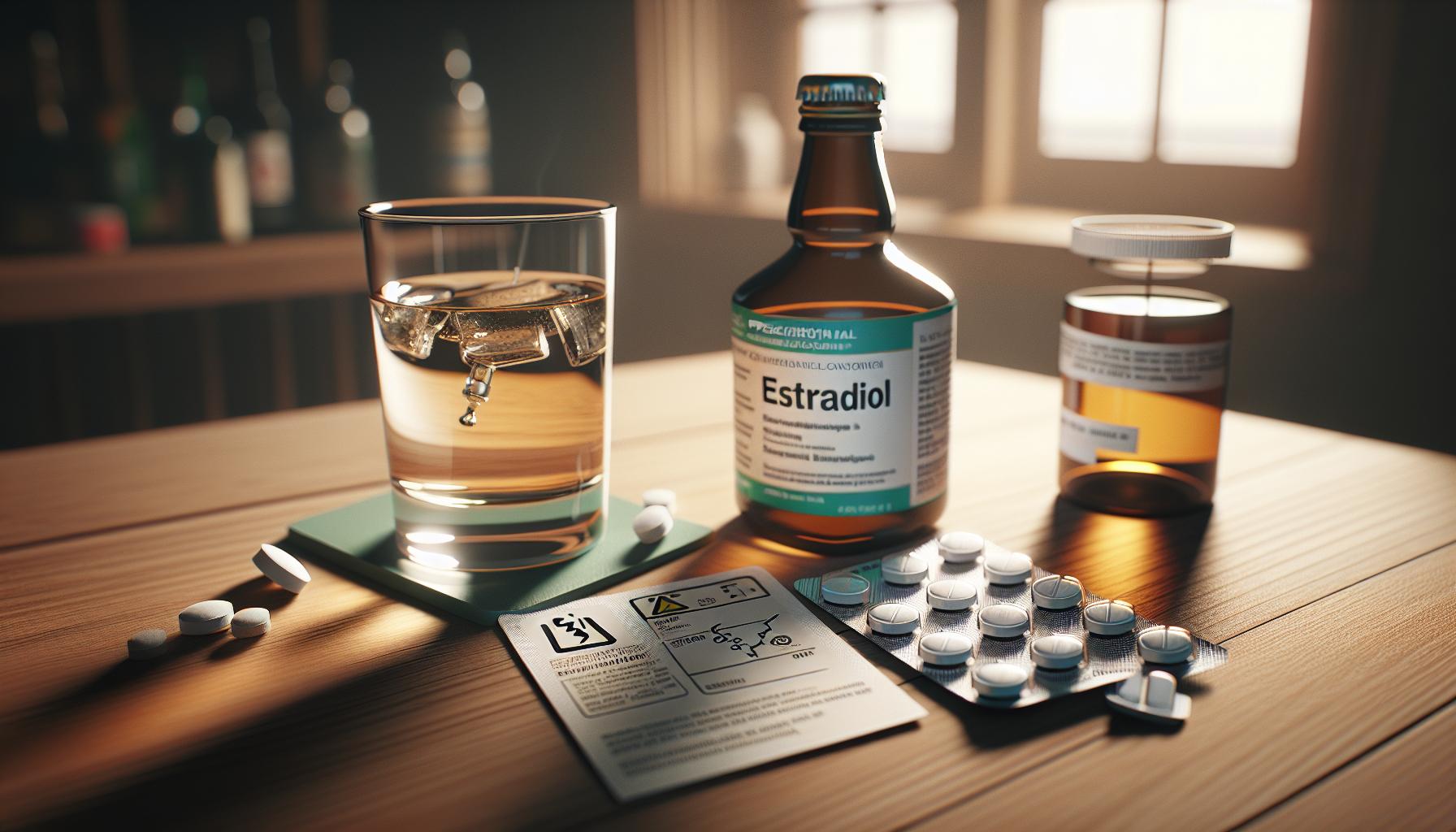
Drinking alcohol while taking estradiol during IVF treatments is a topic that raises many questions for patients navigating this challenging journey. Understanding the complexities of alcohol consumption during a delicate phase like IVF is crucial, as it can significantly impact hormone levels, particularly estradiol, which is vital for reproductive health. Studies have shown that even moderate alcohol intake can disrupt hormone balance, potentially leading to lower estradiol levels. This disruption may impair ovarian function and decrease the chances of a successful pregnancy, leaving many patients to wonder about the appropriateness of drinking during this time.
Patients often report confusion and anxiety regarding alcohol consumption guidelines. While some clinics suggest limiting alcohol to a few drinks a week, others recommend complete abstinence during treatment. It’s essential to personalize this decision based on individual health circumstances, IVF protocols, and how one’s body responds to both estradiol and alcohol. Engaging with a fertility specialist can provide tailored recommendations that align with one’s treatment plan and personal comfort level. Open communication about alcohol use is not just about medical compliance; it’s about fostering a partnership with healthcare providers to advocate for one’s health and fertility goals.
Ultimately, the emotional aspects of this decision are just as important as the medical ones. Many individuals find it helpful to seek alternative ways to relax or socialize that do not involve alcohol during IVF. Establishing a supportive network and focusing on stress-management strategies can create a healthier environment conducive to fertility. Celebrating small milestones, staying informed, and using this journey as an opportunity for personal growth can make a significant difference in navigating the complexities of IVF and alcohol consumption. Remember, you are not alone on this path; every step taken, no matter how small, brings you closer to your goals.
Potential Risks of Alcohol in IVF Cycles

Consuming alcohol during IVF cycles, especially while taking estradiol, poses several potential risks that can impact fertility outcomes. Studies indicate that even moderate alcohol intake can negatively influence hormone levels, particularly disrupting the delicate balance necessary for effective ovarian function. This hormonal imbalance can lead to lower estradiol levels, which are crucial for creating an optimal environment for egg retrieval and implantation. For women undergoing IVF, maintaining appropriate hormone levels is vital, as low estradiol may impair the development of follicles and embryos, ultimately affecting the likelihood of a successful pregnancy.
Furthermore, alcohol consumption has been associated with increased risks of complications such as ovarian hyperstimulation syndrome (OHSS) when estradiol levels rise sharply. OHSS can lead to significant medical issues, including severe abdominal pain, nausea, and, in extreme cases, may require hospitalization. Therefore, avoiding alcohol during this sensitive time is not just a precaution; it is an essential aspect of safeguarding both physical health and reproductive potential.
It is important to recognize individual variations in how people metabolize alcohol, which adds complexity to these risks. Some may find that even small amounts of alcohol can severely affect hormone levels and overall health, while others might not notice as significant impacts. Open and honest discussions with your fertility specialist regarding alcohol use can help establish a suitable guideline tailored to your individual needs and treatment plans.
In summary, the potential risks associated with alcohol consumption during IVF while taking estradiol are significant and warrant careful consideration. Emphasizing a healthy lifestyle, including abstaining from alcohol, can help create the best conditions for success in your fertility journey.
Guidelines for Alcohol Consumption During IVF
While embarking on the IVF journey, you may wonder how certain lifestyle choices, particularly alcohol consumption, might affect your treatment outcomes. Studies indicate that even modest amounts of alcohol can disrupt ovarian function and impact hormone levels, which are critical during estradiol treatment. For those grappling with the emotional and physical demands of fertility treatments, it’s essential to approach alcohol consumption with clear guidelines and awareness.
Understanding Moderation
It’s vital to consider the concept of moderation when discussing alcohol during IVF. Research shows that consuming alcohol-especially beyond recommended limits-can have detrimental effects on ovarian response and the overall environment needed for embryo implantation. The general consensus among fertility specialists is to recommend abstaining from alcohol entirely during the IVF process, particularly while taking medications involving estradiol. This proactive step helps maintain hormonal balance and optimize reproductive health.
Clear Communication with Your Specialist
Each individual’s situation is unique, and guidelines can vary based on personal health conditions and treatment protocols. Open and honest communication with your fertility specialist is crucial. They can provide tailored advice based on your specific circumstances and help set realistic expectations. Discussing your lifestyle choices, including any alcohol use, enables you to make informed decisions that align with your treatment goals.
Finding Alternatives
If you find yourself needing an alternative to alcohol during this critical time, consider non-alcoholic beverages that can provide comfort without the risks associated with alcohol intake. Opting for sparkling water with a splash of juice or herbal teas can not only keep you hydrated but also create a celebratory atmosphere for milestones during your IVF treatment.
While the journey can be filled with uncertainty and emotion, celebrating even the smallest victories and seeking support can make a significant difference. Your well-being is paramount, and making conscientious choices regarding alcohol can enhance your experience and efforts toward achieving your family-building goals.
Alternatives to Alcohol While Undergoing IVF
While navigating the IVF journey, finding enjoyable alternatives to alcohol can greatly enhance your experience, especially as you work to maintain hormonal balance and prioritize reproductive health. Fortunately, there are numerous delightful options that can provide both comfort and celebration during this critical time.
One excellent alternative is sparkling water with a splash of organic fruit juice. Not only does it offer a refreshing taste, but it can also create a festive mood when you’re celebrating small victories along the IVF path. Consider flavoring your sparkling water with citrus slices such as lemon or lime, or even berries for a beautiful presentation. Herbal teas can also be a soothing option, with varieties like chamomile or peppermint providing relaxation while avoiding the adverse effects of alcohol.
For those social occasions where you might feel the urge to drink, mocktails can be a fun and creative solution. A virgin mojito, made with muddled mint, lime juice, and soda water, offers a refreshing taste without the alcohol. You can also explore non-alcoholic beers or wines, which have become increasingly popular and sophisticated, allowing you to enjoy a familiar taste without the associated risks.
Ultimately, think of this time as an opportunity to experiment with flavors and expand your palate. Embracing non-alcoholic beverages can not only protect your health but can also help foster a sense of community with fellow IVF patients, as you share in the journey toward building your family. Remember, celebrating every milestone-no matter how small-is crucial on this path, and creative alternatives to alcohol can help make those moments even more special.
Emotional Effects of Alcohol During IVF Treatment
The emotional landscape during IVF treatment is often complex, marked by peaks of hope and valleys of despair. Many individuals and couples navigate feelings of anxiety, uncertainty, and even grief as they pursue their dreams of parenthood. In this delicate phase, the role of substances like alcohol can be more influential than one might realize. While a glass of wine may initially seem like a way to unwind, it’s crucial to understand how alcohol can intertwine with the emotional toll of IVF.
Heavy alcohol consumption has been linked to increased feelings of anxiety and depression, which can exacerbate the emotional stress that accompanies IVF. In fact, relying on alcohol as a coping mechanism may temporarily dull these feelings but can ultimately lead to a cycle of emotional highs and lows. As you embark on this journey, consider how turning to alcohol can reshape your emotional experience. For many, the tension surrounding IVF is heightened by the societal pressure to celebrate milestones. This often includes social gatherings where drinking is common. Recognizing the potential for alcohol to cloud judgment or increase stress, especially with fluctuating hormone levels from medications like estradiol, is vital for maintaining emotional balance.
Taking steps toward emotional wellness involves finding healthier ways to cope. Engage in practices that nurture your mental and emotional health, such as mindfulness, meditation, or gentle exercise. Surrounding yourself with a supportive community-whether that’s friends who understand your journey or support groups specific to IVF-can foster connection and diminish feelings of isolation. Remember, it’s okay to set boundaries in social situations; politely declining alcoholic drinks is a personal choice that can help maintain clarity and focus during this pivotal time.
Ultimately, prioritizing emotional health can positively impact both your IVF experience and overall well-being. You may want to explore alternative stress-relief strategies, such as journaling about your feelings, engaging in creative outlets, or participating in therapies that focus on emotional resilience. By consciously shifting your coping mechanisms away from alcohol, you are not only fostering a healthier emotional state but also aligning more closely with your reproductive health goals. In doing so, you honor both the emotional weight of your journey and the hope that keeps you moving forward.
Patient Experiences: Alcohol and IVF Journey
Navigating the journey of IVF can be deeply emotional, often filled with hopes and fears. Among many questions, one of the most common concerns is the role of alcohol during this treatment phase, especially while taking medications like estradiol. For many patients, personal stories highlight the complex interplay between alcohol, emotional well-being, and reproductive health.
Patients have shared experiences where the social pressure to drink during gatherings became overwhelming. Imagine attending a friend’s celebration or a family gathering where toasting with a glass of wine is standard practice. It can be challenging to explain the decision to abstain, particularly when trying to manage the emotional highs and lows of IVF. Many found that alcohol, while initially seeming like a means to cope or relax, often led to feelings of guilt or anxiety. Instead of relieving stress, it sometimes intensified the emotional rollercoaster associated with treatment. Thus, acknowledging the emotional weight of this decision is crucial.
Some individuals opted for alternative coping mechanisms, sharing how practices such as yoga, meditation, or creative outlets became vital for their mental health. One patient candidly discussed her journey of replacing wine with herbal teas during social gatherings, which not only helped her avoid alcohol but also allowed her to remain present and engaged without feeling left out. Others connected with support groups or online communities where they could share their struggles and triumphs, finding comfort in knowing they were not alone in their experiences.
Ultimately, what many patients discovered was that the decision to avoid alcohol while undergoing IVF wasn’t just about physical health; it was also about prioritizing emotional clarity. By setting boundaries and choosing healthier coping strategies, they often felt more empowered during their IVF journeys. These personal narratives serve as a reminder that every step taken, no matter how small, is part of a significant process. Celebrating those small victories and learning to navigate social situations without alcohol can pave the way for a more mindful and supportive IVF experience.
Tips for Managing Stress Without Alcohol
Finding ways to manage stress during IVF while avoiding alcohol is essential for your emotional and physical well-being. Embracing healthier alternatives can help you navigate the challenges of fertility treatment while maintaining clarity and focus. Here are some effective strategies that have resonated with many individuals undertaking this journey.
Practice Mindfulness and Relaxation Techniques
Incorporating mindfulness practices can significantly reduce anxiety and enhance emotional resilience. Techniques such as deep breathing exercises, meditation, and progressive muscle relaxation are powerful tools to alleviate stress. Even a few minutes spent focusing on your breath can ground you, bringing peace in the midst of uncertainty. Consider using guided meditation apps or online videos specially designed for fertility support.
Engage in Physical Activity
Regular exercise is a fantastic way to release built-up tension and improve your mood. Whether it’s a brisk walk, gentle yoga, or a dance class, finding a physical activity that you enjoy can create a positive outlet for stress. Exercise not only invigorates the body but also boosts endorphins-natural mood lifters that can help reduce anxiety levels. Many patients have found that outdoor activities, like hiking or gardening, further enhance this relaxing experience by connecting with nature.
Explore Creative Outlets
Creativity can be a soothing escape during the emotional rollercoaster of IVF. Engaging in activities like painting, writing, or crafting allows for personal expression and can serve as a welcome distraction from stressors. These activities foster a sense of accomplishment and joy, providing a productive way to channel your feelings. One patient shared how journaling became a sanctuary for her thoughts, helping her process her emotions while keeping a record of her journey.
Build a Support Network
Connecting with others who understand your situation can tremendously lighten your emotional load. Whether through local support groups, online forums, or friends who have undergone similar experiences, sharing your thoughts and feelings can foster a sense of community. Many individuals have reported feeling less isolated and more empowered by discussing their challenges and triumphs with those who truly understand the complexities of the IVF journey.
- Consider reaching out to a therapist specializing in fertility issues.
- Learn from the experiences of others and share resources.
- Attend workshops or webinars focused on IVF support.
Implementing these strategies can enhance your coping mechanisms and help support your emotional health as you navigate your IVF journey. Remember, every step you take brings you closer to your goals, and honoring both your emotional and physical well-being is a vital part of this process.
Discussing Alcohol Use with Your Fertility Specialist
Navigating the emotional labyrinth of IVF treatment involves making numerous decisions, and understanding how lifestyle choices, particularly alcohol consumption, can affect your journey is essential. Discussing your alcohol use openly with your fertility specialist can provide clarity and guidance tailored to your unique situation. A study highlighted that excessive alcohol intake can impact hormone levels and potentially affect treatment outcomes, making it crucial to have this conversation upfront.
Being candid about your alcohol consumption allows your fertility specialist to assess any potential risks. They can offer tailored advice based on your health history and current treatment plan. For instance, if you’re taking estradiol, understanding how alcohol might interact with this medication can shed light on whether adjustments are necessary. This open dialogue fosters a supportive atmosphere, where you can explore alternatives to manage stress-helpful not only for your mental well-being but also in optimizing your chances for success.
It’s important to approach this discussion without fear or judgment. Fertility specialists are accustomed to discussing lifestyle factors and their effects on fertility, and your openness about alcohol use will help them guide you more effectively. They may suggest moderation or certain time frames when abstaining could be particularly beneficial, especially during critical periods of your treatment. Remember, your journey is unique; thus, personalized care is vital.
Feel empowered to ask questions and express any concerns during these discussions. Inquire about the effects of alcohol on hormone levels, and don’t hesitate to bring up the emotional aspects of your decision-making process. Your fertility specialist is your ally on this journey, and having an honest, compassionate dialogue about alcohol use is a significant step towards achieving your goal of building a family.
Resources for Support During IVF and Alcohol Use
Navigating the complexities of IVF while considering lifestyle factors like alcohol consumption can be challenging. It’s essential to arm yourself with resources and support that can guide you through this critical phase of your fertility journey. Connecting with various support systems can offer not only information but also emotional solace during times of uncertainty.
Support Groups and Online Communities
Participating in support groups, whether in-person or online, can provide a platform to share experiences and advice with individuals who are going through similar situations. Websites like PatientsLikeMe and forums dedicated to fertility treatments can connect you with others who are navigating the same path. Engaging in these communities fosters a sense of belonging and understanding, allowing you to express your concerns regarding alcohol use and its implications during IVF.
Consulting with Your Fertility Specialist
Your relationship with your fertility specialist is critical. They can offer tailored advice regarding alcohol consumption, informed by the latest research and their experience. Don’t hesitate to ask specific questions about how alcohol could impact your estradiol treatment and overall IVF outcomes. This proactive approach not only addresses your concerns but also helps in creating a customized plan that prioritizes your health and treatment success.
Educational Resources
Empower yourself with knowledge by accessing reputable resources that cover the intersection of fertility treatments and lifestyle choices. Websites such as the American Society for Reproductive Medicine (ASRM) and the Mayo Clinic provide accurate, evidence-based information about the effects of various substances on fertility. Understanding the mechanisms at play can demystify how alcohol might interact with medication like estradiol, helping you make informed decisions.
Counseling Services
Consider seeking professional counseling or therapy, particularly with specialists who focus on fertility issues. Speaking to a counselor can help you navigate the emotional landscape of IVF and alcohol use. They can equip you with coping mechanisms and stress management strategies that don’t involve alcohol, enabling you to maintain mental well-being throughout your treatment.
Remember, each step in your fertility journey is unique, and having the right support can make all the difference. By utilizing these resources, you’re not merely preparing for a potential path to parenthood; you’re also fostering a nurturing environment for yourself during this emotionally charged process.
FAQ
Q: How does alcohol affect estradiol levels during IVF?
A: Alcohol can disrupt hormone levels, including estradiol, which is crucial for IVF success. It may affect ovarian function, potentially leading to lower egg quality and reduced chances of conception during the IVF cycle. Limiting or avoiding alcohol is advisable to optimize your fertility journey.
Q: What are the potential risks of drinking alcohol while undergoing IVF treatment?
A: Drinking alcohol during IVF can increase the risk of negative outcomes, such as lower embryo quality and altered hormonal responses. This may lead to fewer viable embryos or complications during pregnancy if conception occurs. Consulting your fertility specialist is essential for personalized advice.
Q: Can I have a drink before my embryo transfer in IVF?
A: It is generally recommended to avoid alcohol before embryo transfer to maximize your chances of implantation and successful pregnancy. Many clinics advise patients to stop alcohol consumption before and during the IVF cycle for better outcomes.
Q: What is the recommended alcohol consumption guideline during IVF?
A: While guidelines can vary, many fertility clinics suggest limiting alcohol to one or two drinks a week and abstaining completely during the stimulation phase of IVF. It’s best to consult directly with your fertility clinic for tailored advice reflecting your unique situation.
Q: Does occasional drinking during IVF impact success rates?
A: Yes, even occasional drinking can negatively impact success rates during IVF treatment by influencing hormone levels and reducing egg quality. Maintaining a healthy lifestyle, including sobriety, may enhance your chances of achieving a successful pregnancy.
Q: Should I discuss my alcohol consumption with my fertility specialist?
A: Absolutely. Openly discussing your alcohol consumption with your fertility specialist is crucial. They can provide personalized recommendations tailored to your circumstances and help ensure the best possible outcome during your IVF treatment.
Q: What alternatives to alcohol can help manage stress during IVF?
A: Consider alternatives like herbal teas, mindfulness practices, or engaging in hobbies to manage stress during IVF. Physical activity, meditation, and support groups can provide emotional relief and enhance your overall well-being during this journey.
Q: How does alcohol affect emotional health during IVF treatment?
A: Alcohol can impact mood and emotional health, potentially exacerbating stress and anxiety during IVF treatment. Finding healthier coping mechanisms is crucial to support your emotional well-being throughout the process. Consider speaking with a therapist or counselor for additional support.
Insights and Conclusions
As you navigate the complexities of IVF and estradiol use, it’s crucial to prioritize your health and awareness. While the interplay between alcohol consumption and estradiol can be nuanced, understanding the implications can empower you to make informed choices that support your fertility journey. If you still have questions or feel uncertain, don’t hesitate to explore our comprehensive guides on IVF success rates and endometrial health to deepen your understanding.
Join our community and engage with others who are on similar paths by sharing your experiences or asking questions in the comments below. For tailored support, consider scheduling a consultation with our specialists. Don’t miss out on our latest updates-subscribe to our newsletter for ongoing resources designed to assist you in each step of your fertility journey. Remember, you are not alone, and every step you take is a step toward building the family you dream of.
Get our latest guides, news, and insights highlighted in your Google Search & AI Overviews.