Embarking on the journey of in-vitro fertilization (IVF) can be both exciting and overwhelming, especially when it comes to understanding the medications involved. One key player in this process is Gonal-F, a hormone that helps stimulate the ovaries to produce healthy eggs. Knowing the average dose of Gonal-F is crucial, as it can significantly influence your treatment’s success and align with your unique fertility journey.
Many individuals and couples seek guidance on dosage to optimize their chances of conception while navigating the emotional highs and lows of infertility. In this dosing guide, we’ll explore what to expect with Gonal-F, the factors that influence dosing, and how to communicate effectively with your healthcare team. By the end, you’ll feel more empowered and informed, enabling you to make the best decisions for your path to parenthood.
What is Gonal F and Its Role in IVF?
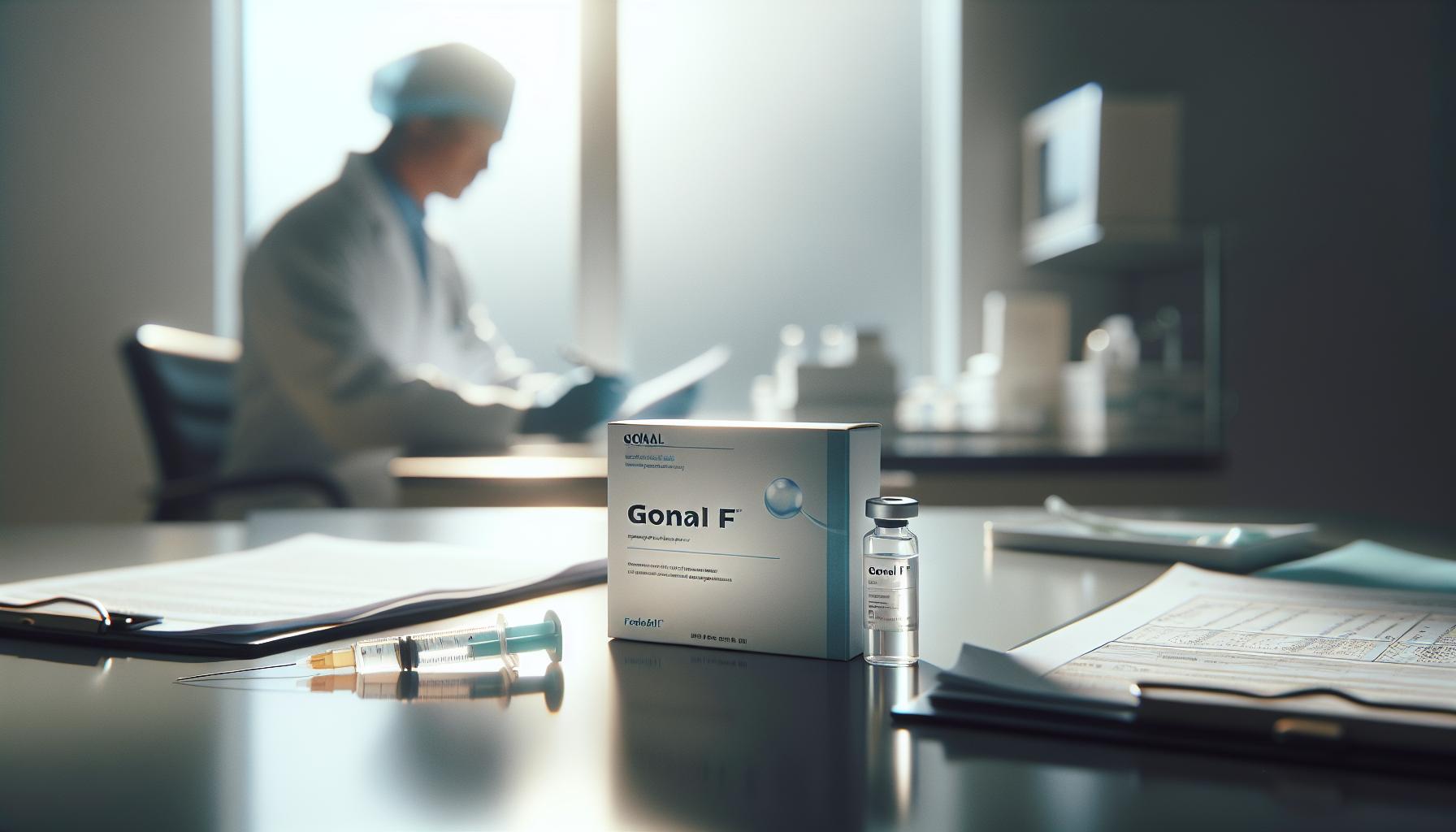
Follitropin alfa, known as Gonal-F, plays a pivotal role in the intricate world of in vitro fertilization (IVF). As a recombinant form of the follicle-stimulating hormone (FSH), it is designed to stimulate the ovaries to produce multiple eggs during the ovarian stimulation phase of IVF. This is crucial because the more viable eggs that can be retrieved, the higher the chances of successful fertilization and implantation. Gonal-F is typically injected into the body, where it works to signal the ovaries to encourage the growth of follicles-each of which may eventually contain a mature egg ready for fertilization.
Patients often find themselves on a roller coaster ride of emotions throughout their fertility journey. It’s essential to acknowledge the complex feelings of hope and anxiety that accompany IVF treatments. Gonal-F’s role in increasing the number of eggs available presents a promising pathway, but it’s vital to maintain realistic expectations regarding outcomes. While many individuals and couples have successfully navigated the IVF journey with the help of Gonal-F, the path can also bring challenges. Factors such as ovarian response to stimulation can vary greatly, leading to different experiences for each individual.
The administration of Gonal-F can be tailored to fit the specific needs of the patient, taking into account factors such as age, hormone levels, and response to previous therapies. Monitoring is crucial, as it helps healthcare providers adjust dosages to optimize outcomes. Every patient’s path through IVF is unique, and understanding the individualized approach associated with Gonal-F can provide some reassurance and clarity. It’s normal for emotions to fluctuate during this time, and knowing you are following a personalized plan can be a comforting thought amidst the uncertainty.
Understanding Average Dosing for IVF with Gonal F
The average dose of Gonal-F for in vitro fertilization (IVF) can vary significantly based on individual patient needs, but there are general guidelines that can help outline typical dosing. Most commonly, doses are initiated at around 75 to 150 international units (IU) per day, depending on factors such as the patient’s age, hormone levels, and previous response to ovarian stimulation. It’s important to note that these doses can be adjusted based on regular monitoring of hormone levels and ovarian response as the treatment progresses.
Typically, the dosing protocol might involve a gradual increase to ensure optimal follicular development. As the follicles start to grow, healthcare providers will monitor patients closely, sometimes through ultrasound and blood tests, to determine the appropriate adjustments needed. This tailored approach helps balance the goal of producing multiple mature eggs while minimizing risks, such as ovarian hyperstimulation syndrome (OHSS).
Gonal-F is usually administered via subcutaneous injection, often in the abdomen or thigh, providing flexibility for patients to self-administer the medication at home. Many clinics provide comprehensive training to ensure patients feel comfortable with the injection process. In addition to Gonal-F, it is not uncommon for patients to receive other medications to support the IVF process, so understanding how Gonal-F fits into the broader fertility treatment regimen is vital.
Keeping track of one’s treatment journey, including responses to medication and emotional experiences, can empower patients. Documenting changes and feelings can provide valuable insights to healthcare providers, enhancing the care provided throughout this complex process.
Factors Affecting Individual Gonal F Doses

Several factors play a crucial role in determining the appropriate dose of Gonal-F, a medication often prescribed during IVF treatments to stimulate ovarian follicle development. Understanding these factors can empower patients and their partners to engage actively in their fertility journey and make informed decisions alongside their healthcare team.
Firstly, patient-specific characteristics significantly influence dosage. Age is a critical factor; generally, younger patients may require lower doses due to better ovarian reserve and responsiveness, while older patients may need higher doses to achieve similar responses. Hormone levels, particularly baseline follicle-stimulating hormone (FSH) and estradiol levels, are also vital indicators. High levels of FSH may suggest diminished ovarian reserve, which might prompt a healthcare provider to adjust the Gonal-F dosage upwards to stimulate the ovaries more effectively.
Additionally, the patient’s previous responses to fertility treatments are taken into account. Those who have undergone prior IVF cycles may have a historical response profile that guides dosage decisions. For instance, if a patient responded well to a certain dose in a prior cycle, that information can be used to formulate a starting dose in subsequent treatments. Conversely, if a patient experienced poor response or complications, such as ovarian hyperstimulation syndrome (OHSS), doses may be reduced to mitigate risks in future cycles.
Lastly, individual health conditions can influence the appropriate dosing. Factors including body mass index (BMI), ovarian health, and the presence of any underlying reproductive health issues must be considered. For example, patients with polycystic ovary syndrome (PCOS) may require specific dosage adjustments due to their unique hormonal environment. Close monitoring through blood tests and ultrasounds during the treatment cycle is essential for tailoring individual Gonal-F dosages, allowing healthcare providers to make timely adjustments based on ovarian response and follicle development.
In this intricate journey of IVF, remaining informed about these influencing factors can provide a sense of control and clarity, fostering a supportive partnership with fertility specialists as you navigate this path toward parenthood.
How Gonal F Dosing Differs by Treatment Cycle
In the journey of in vitro fertilization (IVF), the dosing of Gonal-F can vary significantly from one treatment cycle to another, reflecting the unique response and circumstances of each individual. Understanding these differences is essential for patients as they navigate their fertility journey. Gonal-F, which contains the hormone follitropin alfa, is used to stimulate the ovaries to produce follicles, and the precise dosage is tailored based on multiple factors.
During the initial treatment cycle, the starting dose of Gonal-F often considers your age, previous fertility treatment results, and overall reproductive health. For example, younger patients may start with a lower dose, while those older or with diminished ovarian reserve may require higher doses to achieve similar levels of follicle development. Each subsequent cycle may see adjustments based on your body’s response to the medication in prior attempts. If there were issues such as overstimulation in previous cycles, your healthcare provider might choose a more conservative approach with reduced dosage. Conversely, if you responded well, the same or even a slightly adjusted dose could be applied.
Furthermore, the specific goals of each cycle can influence dosing decisions. For example, if the objective is to retrieve a larger number of eggs for freezing or for a specific reproductive plan, the dose may be adjusted upwards compared to a cycle aiming for a single embryo transfer. The ongoing monitoring through ultrasound and hormone level checks allows clinicians to meticulously adjust Gonal-F dosing mid-cycle if necessary, to enhance the chance of optimal ovarian response.
Overall, finding the right Gonal-F dose isn’t a one-size-fits-all approach, but rather a dynamic process that reflects continuous learning from each cycle. Embrace this phase as part of a personalized journey towards parenthood, where every detail-every dose-is carefully calculated to maximize your chances of success.
Signs of Optimal Ovarian Response to Gonal F
An essential aspect of navigating through IVF treatment with Gonal-F is recognizing the signs that indicate an optimal ovarian response. The effectiveness of Gonal-F, a recombinant hormone that promotes follicle development, is closely monitored throughout the treatment cycle. Understanding these indicators not only helps reassure you but also enables timely adjustments to maximize your success chances.
One of the primary signs of an optimal response is the development of multiple follicles. Typically, successful ovarian stimulation with Gonal-F results in the growth of several follicles rather than just one. Your healthcare provider utilizes ultrasound imaging to count follicle numbers and measure their sizes, aiming for a target size of about 18-20 mm before ovulation triggering. This monitoring ensures your response is neither underwhelming nor excessive, balancing the risk of conditions like ovarian hyperstimulation syndrome (OHSS).
In addition to follicle development, hormone levels provide crucial insights into ovarian response. Estrogen levels, measured through blood tests, should rise steadily as follicles mature. Elevated estrogen indicates that the follicles are producing hormones essential for egg maturation. Keeping an eye on these levels can help your medical team make timely decisions on adjusting your Gonal-F dosage, helping you avoid complications while supporting optimal follicle development.
Furthermore, physical symptoms can also offer clues about your response to Gonal-F. Many patients report changes in their body, such as increased bloating or mild abdominal discomfort, which can indicate successful follicle growth. However, it’s crucial to note that while some discomfort is normal, significant pain or extreme discomfort warrants immediate communication with your healthcare provider. Each body responds differently to treatment, and your medical team will help guide you through understanding what is typical for your situation.
Recognizing these signs empowers you to engage in your treatment actively, fostering a sense of control amidst the uncertainties of the IVF journey. Open communication with your healthcare team about your experiences and any concerns will ensure that adjustments can be made promptly, optimizing your chances for a successful outcome.
Adjusting Gonal F Doses: When and Why?
Adjusting your Gonal-F dose can significantly impact the success of your IVF journey. The need to modify the dosage arises due to varying individual responses to the medication, which are influenced by factors like hormone levels, follicle development, and even your specific health profile. For instance, if your healthcare provider observes that your estrogen levels are lower than expected while under treatment, they may recommend an increase in Gonal-F to promote greater follicle growth. This is essential as optimal follicle growth is a key determinant for egg maturation and retrieval.
During your treatment, the healthcare team will closely monitor several signs that indicate how well you are responding to Gonal-F. These include ultrasound assessments to check the number and size of follicles and blood tests to track hormone levels throughout the stimulation phase. If the ultrasounds reveal fewer follicles than anticipated or their growth is stagnated, it might prompt your doctor to adjust your Gonal-F dose sooner rather than later. It’s a fine balance; adjusting the dose too late could risk missing the optimal time for triggering ovulation, leading to a less productive cycle.
Moreover, the potential for ovarian hyperstimulation syndrome (OHSS) must be considered when making dosage changes. If you’re experiencing signs of OHSS, such as significant abdominal discomfort or excessive swelling, a reduction in your Gonal-F dose might be warranted to prevent complications. Open communication with your medical team about how you feel physically and emotionally is crucial during this process. Your comfort and safety are paramount, and adjustments are made with your well-being as the priority.
In conclusion, the adjustments of Gonal-F doses are not just based on routine protocol but are tailored specifically to your unique response to treatment. By understanding why adjustments are necessary and what factors come into play, you can feel more empowered during your IVF process. You are not alone on this journey-your healthcare team is there to support you every step of the way, ensuring that your treatment is as effective and safe as possible.
Side Effects and Safety of Gonal F in IVF

Navigating the landscape of fertility treatment can feel overwhelming, and understanding the side effects of medications like Gonal-F is essential for your peace of mind. Gonal-F (follitropin alfa) is widely used in IVF protocols to stimulate the ovaries, promoting the development of multiple follicles for egg retrieval. While it can be an effective part of your fertility journey, being aware of potential side effects will help you manage your treatment more effectively.
Some common side effects associated with Gonal-F include mild abdominal discomfort, headaches, and mood swings. These responses are often temporary and manageable, but it’s vital to monitor your symptoms. Pay attention to your body, as symptoms can vary, and what feels ordinary for one person might be concerning for another. Always communicate openly with your healthcare provider if you experience these effects; they can provide strategies to mitigate them and reassure you throughout the process.
One of the more serious conditions to be aware of is Ovarian Hyperstimulation Syndrome (OHSS). This occurs when the ovaries become overly stimulated, leading to swelling and pain, and, in severe cases, can result in more significant health concerns. Symptoms of OHSS may include swollen abdomen, rapid weight gain, or shortness of breath. If you notice any of these symptoms, it’s crucial to contact your healthcare team promptly, as they can make necessary adjustments to your medication regimen to protect your health.
Moreover, patient safety during treatment is paramount. To ensure a successful outcome, healthcare providers will conduct regular monitoring through blood tests and ultrasounds to observe your body’s response to Gonal-F. This personalized approach helps in making necessary adjustments to your dosage to minimize side effects while maximizing the treatment efficacy. Understanding the balance between treatment effectiveness and your well-being creates a more supportive care experience, allowing you to navigate the complexities of your IVF journey with greater confidence and clarity.
Combining Gonal F with Other Fertility Medications
Combining Gonal-F with other fertility medications is a common strategy in IVF treatments aimed at enhancing the overall effectiveness of the therapy. Gonal-F (follitropin alfa) is a hormone used to stimulate the ovaries, but when paired with other fertility drugs, it can help in achieving a more controlled and successful response in the patient’s cycle. Understanding how these medications work together can alleviate concerns and provide a clearer picture of the treatment process.
One key medication often used alongside Gonal-F is Cetrotide (cetrorelix) or Antagon (ganirelix), which are GnRH antagonists. These drugs prevent premature ovulation, ensuring that the follicles stimulated by Gonal-F have optimal time to mature before triggering ovulation. This combination allows for better control over the timing of ovulation, which is critical in maximizing the chances for fertilization and embryo development.
Another medication frequently combined with Gonal-F is letrozole. This aromatase inhibitor can be particularly beneficial for women who are resistant to other treatments, enhancing the ovarian response when used in conjunction with Gonal-F. In some protocols, a low dose of letrozole is administered at the start of the cycle, encouraging the development of additional follicles when paired with Gonal-F.
When embarking on this journey, it’s essential to have open discussions with your healthcare provider about the potential benefits and any concerns regarding combining medications. Each patient’s response to fertility treatments can vary widely, and what works for one individual may not be suitable for another. Regular monitoring through blood tests and ultrasounds will help track your body’s reaction and allow for timely adjustments to your medication regimen, ensuring safety and efficacy throughout the treatment process.
As you navigate these choices, remember that combining medications can sometimes lead to a more streamlined and effective approach to achieving your family-building goals. It’s about finding the right combination that works uniquely for you and engaging closely with your healthcare team to facilitate a supportive and informed experience.
Recent Research on Gonal F Efficacy in IVF
Recent studies have highlighted the efficacy of Gonal-F in IVF treatments, demonstrating its crucial role in enhancing ovarian response and the overall success of fertility procedures. This medication, a form of follicle-stimulating hormone (FSH), has been examined in various clinical trials, showing promising results in improving the rates of embryo quality and pregnancy outcomes compared to other forms of ovulation induction.
Research indicates that the appropriate dosing of Gonal-F varies greatly based on individual patient characteristics, such as age, weight, and ovarian reserve. For example, a study found that personalized dosing strategies lead to better outcomes in terms of both the number of mature eggs retrieved and the quality of those eggs. This underscores the importance of tailoring treatment plans to each patient’s specific needs, rather than applying a one-size-fits-all approach.
Additionally, recent data suggests that the timing and combination of Gonal-F with other medications, like GnRH agonists or antagonists, can significantly affect success rates. Studies have revealed that using Gonal-F in conjunction with these medications not only helps prevent premature ovulation but also can lead to an increased number of follicles developing, thereby enhancing the possibility of successful embryo transfer.
As you consider Gonal-F in your IVF journey, being informed about these advancements can be empowering. It’s essential to maintain open communication with your fertility specialist to understand how the latest findings apply to your unique situation. Together, you can craft a personalized treatment plan that embraces the most current research, increasing your chances for success while navigating this emotionally charged process. Remember, every step taken is a step towards your family-building goals, and knowing the science behind your treatment can help foster hope and clarity amidst the uncertainty.
Navigating Costs and Insurance for Gonal F Treatment
The financial implications of undergoing IVF with Gonal-F are significant and often evoke mixed emotions-from hope for success to concern over costs. Gonal-F, as a crucial component in ovarian stimulation, can range widely in price depending on various factors, including dosage needs and local pharmacy rates. Typically, the cost can be several hundred to a few thousand dollars per cycle, and for those without insurance coverage, this can be a daunting financial burden.
When navigating insurance for Gonal-F treatment, it’s essential to take proactive steps. Start by reviewing your health insurance policy thoroughly. Some plans may cover fertility treatments, while others might not. It’s vital to determine if Gonal-F is included under the fertility medication coverage. Don’t hesitate to reach out to your insurance provider directly to clarify your plan’s specifics and any required pre-authorization processes.
Consider setting up a conversation with your fertility clinic’s financial counselor, who can offer insights into managing costs effectively. Many clinics provide payment plans or have financing options available, making treatment more accessible. Additionally, look into patient assistance programs offered by pharmaceutical companies. These programs can aid with out-of-pocket expenses based on your financial situation.
In addition to understanding costs and insurance logistics, remember to factor in the emotional aspects of this journey. A successful IVF cycle using Gonal-F can lead to positive outcomes, but the expenses can amplify stress. Connect with support groups where individuals share their experiences and coping strategies. This community connection can foster a sense of solidarity and provide insights into managing both the emotional and financial challenges of fertility treatments.
Patient Experiences: Stories and Insights on Gonal F
The journey through IVF can often feel like a daunting path filled with uncertainty, but the experiences of others using Gonal F as part of their treatment provide valuable insights. Many individuals share stories of hope and resilience, navigating the complex layers of their fertility journeys while relying on Gonal F to stimulate ovarian function effectively.
A common theme among patient experiences is the personalization of Gonal F dosing. Each person’s response varies depending on their unique physiology and medical history. For instance, some patients have reported starting with lower doses and gradually adjusting based on their ovarian response, while others might require higher doses to achieve optimal results. This dynamic nature of dosage adjustments reinforces the importance of close communication with healthcare providers. Regular monitoring through blood tests and ultrasounds proved essential for many patients, ensuring their specific needs were met throughout the stimulation process.
The emotional rollercoaster that accompanies IVF treatment is undeniable. Several patients candidly discussed their fears and anxieties regarding dosage efficacy and the overall process. They found solace in support groups, where sharing experiences transformed feelings of isolation into empowerment. Stories of success-becoming pregnant after multiple cycles, for instance-offered hope to those still in struggle, underlining the importance of celebrating small milestones, such as good follicle growth and timely responses to medication.
Ultimately, no two experiences with Gonal F are identical, and patients emphasized the critical role of patience and resilience. Acknowledging the emotional weight of infertility while keeping an eye on progress and responding to challenges played a vital role in their journeys. These stories not only serve as guidance for future patients but also emphasize the importance of community and support in navigating the complexities of IVF treatment with Gonal F.
What to Expect During Gonal F Treatment Period
During the Gonal F treatment period, it’s essential to understand that this phase is marked by both emotional and physical changes. Gonal F, a type of follicle-stimulating hormone (FSH), is pivotal for stimulating the ovaries to produce multiple follicles, enhancing the chances of successful fertilization during IVF cycles. As you embark on this journey, here’s what you can expect:
Gonal F is usually administered via subcutaneous injection, and your healthcare provider will guide you on the precise schedule based on your unique treatment plan. You will likely start with a lower dose, gradually adjusting based on your response. Regular blood tests and ultrasounds will be integral to monitor your ovarian response, ensuring the treatment is tailored to your needs. Keeping a diary of your injections can be a practical way to track your doses and any side effects you experience, facilitating communication with your health team.
Emotional support during this time is equally vital. The IVF journey can evoke a spectrum of feelings such as hope, anxiety, and even frustration. It’s not uncommon for patients to experience day-to-day fluctuations in their emotions tied to hormone levels and the pressure of the IVF process. Many find solace in support groups, where sharing experiences helps transform feelings of isolation into a sense of community. It’s essential to take moments to celebrate even the small milestones, whether it’s positive test results or simply completing another round of injections.
As you progress through the treatment, be mindful of the signs indicating a positive ovarian response, such as abdominal fullness or mild discomfort. These can signify that the follicles are developing adequately. Stay in close touch with your healthcare team and don’t hesitate to express any concerns. Open communication is key to managing expectations and navigating the complexities of this emotional journey while receiving fertility treatment.
Faq
Q: What is the typical starting dose of Gonal-F for IVF treatments?
A: The typical starting dose of Gonal-F for IVF treatments varies but is generally between 75 to 150 IU per day. This can be adjusted based on individual hormone levels and response. Always follow your doctor’s recommendations for personalized dosing.
Q: How do doctors determine the Gonal-F dose for each patient?
A: Doctors determine the Gonal-F dose based on various factors including age, body weight, hormone levels, and previous response to fertility medications. Monitoring follicle growth through ultrasounds helps tailor the dose effectively.
Q: Can the Gonal-F dose change during the treatment cycle?
A: Yes, the Gonal-F dose can be adjusted during the treatment cycle depending on how the ovaries respond. If there is insufficient follicle growth, the dose may be increased to encourage optimal response.
Q: What factors affect the average Gonal-F dose needed for IVF?
A: The average Gonal-F dose for IVF can be influenced by individual health conditions, baseline hormonal levels, and prior fertility treatment experiences. Your reproductive endocrinologist will consider these factors when prescribing.
Q: How does Gonal-F dosage differ for women with diminished ovarian reserve?
A: Women with diminished ovarian reserve may require higher doses of Gonal-F to stimulate follicle development effectively. The specific dosage will be tailored to maximize follicle recruitment while minimizing risks of side effects.
Q: Is there a maximum dose for Gonal-F in IVF treatments?
A: While there is no strict maximum dose, most protocols suggest caution at doses exceeding 450 IU per day. Higher doses can increase the risk of ovarian hyperstimulation syndrome (OHSS). Always consult your doctor for guidance.
Q: How does Gonal-F dosing compare to other fertility medications?
A: Gonal-F is a specific form of follitropin alfa, primarily used to stimulate ovarian follicles. Compared to other medications like Menopur (which contains both FSH and LH), dosing may vary based on individual protocols and treatment goals.
Q: What should patients monitor while on Gonal-F?
A: Patients should monitor for signs of ovarian response, such as abdominal discomfort, bloating, and ultrasound results indicating follicle growth. It’s crucial to communicate any adverse symptoms to your healthcare provider immediately.
For more personalized information about Gonal-F dosing and IVF, consider checking out sections on Understanding Average Dosing for IVF with Gonal F and Factors Affecting Individual Gonal F Doses in our main article.
To Wrap It Up
Understanding the average dose of Gonal F for IVF is essential for navigating your fertility journey with confidence. Remember, treatment plans can vary greatly depending on individual needs, so don’t hesitate to discuss your specific situation with your healthcare provider. For more detailed insights on IVF protocols and medication routines, explore our related articles on IVF success rates and what to expect during your treatment, which are linked below.
If you’re ready to take the next step in your fertility journey, consider signing up for our newsletter for ongoing support and resources tailored just for you. Your path to parenthood is unique, and we’re here for you every step of the way. Engage with our community by sharing your story or asking questions – we’re all in this together.