Did you know that some individuals may possess both male and female reproductive organs, a condition known as intersex? This topic opens up profound questions about identity, biology, and the spectrum of human experiences related to sex and gender. Understanding intersex conditions is crucial not just for awareness but also for fostering inclusivity in conversations about reproductive health. For those experiencing this reality or curious about these complexities, it’s essential to explore the implications for personal health, relationships, and family planning. By diving deeper into this subject, we can build empathy and knowledge, addressing common concerns while demystifying a topic that is often shrouded in stigma. Join us as we navigate the fascinating and sometimes challenging landscape of human reproduction, aiming to validate experiences and celebrate the diverse paths individuals take in their journey toward understanding their bodies.
Understanding the Spectrum of Human Reproductive Anatomy
Understanding human reproductive anatomy encompasses a wide range of variations beyond the traditional binary classifications of male and female. It’s essential to recognize that some individuals possess reproductive or sexual anatomy that does not fit neatly into these categories. Intersex conditions exemplify this diversity, where an individual’s physical traits, chromosomes, or hormones may display attributes of both male and female identities. This variation can manifest at birth or emerge later in life, highlighting the fluidity within the spectrum of human reproductive anatomy.
Intersex traits, which affect approximately 1 in 2,000 births, can include differences in genitalia, chromosomal patterns, or hormone levels. These variations may lead to the presence of both ovarian and testicular tissue-an anatomical state often referred to as having dual reproductive organs. The differences of sex development (DSD) encompass a range of intersex variations, demonstrating how natural human biology can deviate from the binary norm. Each individual’s experience is unique, and the presence of both male and female reproductive features can lead to diverse medical and social implications.
Support for individuals with intersex variations is critical. As discussions evolve about gender and sexuality, recognizing the full spectrum of human reproductive anatomy fosters a more inclusive environment for understanding and supporting those who may have both male and female reproductive characteristics. The journey of navigating intersex conditions requires compassion, understanding, and respect for each person’s identity and experience.
What Are Intersex Conditions?
Intersex conditions represent a fascinating and complex aspect of human biology, showcasing the spectrum of reproductive and sexual anatomy that exists beyond the binary definitions of male and female. Individuals with intersex traits may have variations in their chromosomes, genitals, or reproductive organs that do not conform to typical medical classifications or societal expectations. For many, these traits are evident at birth; for others, they may not be recognized until puberty or later in life.
The umbrella term “intersex” encompasses a variety of conditions and characteristics, resulting from differences in sex development (DSD). These variations can range widely, exemplified by traits such as ambiguous genitalia, the presence of both ovarian and testicular tissue, or hormonal variations affecting secondary sexual characteristics. These conditions highlight the body’s capability for diversity and adaptability, presenting unique medical and social implications that require nuanced understanding and care.
It’s essential to acknowledge that each intersex individual’s experience is distinct. For some, intersex traits may lead to health challenges, while others may experience little to no medical issues related to their anatomy. Recognizing the variability within intersex conditions encourages more compassionate approaches to healthcare and social support, emphasizing the importance of providing understanding and respect for each person’s identity. As discussions around gender identity evolve, fostering an inclusive dialogue around intersex conditions is vital in promoting awareness and acceptance.
How Common Are Intersex Variations?
Understanding that intersex variations exist within a broader spectrum of human reproductive anatomy can open up conversations about human diversity and health. Estimates of how common intersex traits are vary, but research suggests that approximately 1 in 1,500 to 1 in 2,000 live births present some form of intersex condition. This range suggests that intersex individuals make up a significant part of the population, though they often remain underrepresented in medical literature and general discussions about reproductive health.
It is essential to recognize that intersex traits encompass a wide array of variations. These can include differences in genitalia, chromosome patterns, and hormone levels. Some might be recognizable at birth, while others may go unnoticed until puberty or even adulthood. For instance, conditions such as Androgen Insensitivity Syndrome or Congenital Adrenal Hyperplasia present specific challenges and nuances in diagnosis and understanding. This variability means that while intersex traits are not uncommon, each individual’s experience and presentation can differ widely.
The societal implications of intersex variations also cannot be overlooked. Many intersex individuals face significant challenges regarding health care, acceptance, and identity, often needing supportive pathways that respect their unique circumstances. Understanding the true prevalence of intersex traits is vital in advocacy for better health outcomes and public awareness. As we foster inclusivity, learning more about the conditions under the intersex umbrella can pave the way for greater compassion and understanding, thus enhancing the lived experiences of those who navigate life with intersex variations.
Exploring Types of Male and Female Reproductive Organs
In the complex landscape of human anatomy, it is indeed possible for individuals to possess both male and female reproductive organs. This phenomenon often falls under the umbrella of intersex conditions, where variations in reproductive or sexual anatomy do not conform strictly to typical definitions of male or female bodies. Understanding the types of reproductive organs involved can illuminate the rich diversity that exists beyond binary categories.
Male reproductive organs generally include structures such as the testes, which produce sperm and hormones like testosterone, and the penis, which facilitates the delivery of sperm. In contrast, female reproductive organs typically encompass the ovaries, which produce eggs and hormones such as estrogen, and the uterus, which is involved in menstruation and, potentially, pregnancy. In individuals with intersex variations, it’s not uncommon to find a combination of these structures, such as having both ovarian and testicular tissue, or ambiguous genitalia that doesn’t fit conventional definitions.
Exploring these anatomical combinations reveals a variety of intersex conditions. For example, individuals with Androgen Insensitivity Syndrome may possess XY chromosomes typical of males but have a female external phenotype due to the body’s inability to respond to male hormones. On the other hand, those with Congenital Adrenal Hyperplasia might have XX chromosomes but exhibit male-like physical traits due to excess androgen exposure. Each of these scenarios represents a unique intersection of biological characteristics that challenge traditional views of gender and anatomy.
In light of this complexity, it is essential for healthcare providers to adopt a sensitive approach when supporting individuals who navigate the nuances of having both male and female reproductive organs. A compassionate and informed perspective can help address the emotional and medical challenges they may face, providing a foundation for understanding and advocating for inclusive reproductive health care. Emphasizing individual experiences and variations not only fosters awareness and acceptance but also promotes an environment where all bodies can be seen as valid and worthy of care.
Medical Perspectives on Dual Reproductive Organs
Understanding that some individuals can possess both male and female reproductive organs opens up a dialogue about the medical community’s role in addressing these unique situations. Dual reproductive anatomy is not just an abstract concept; it carries real implications for health care, emotional well-being, and societal acceptance. Medical professionals face the challenge of providing care for intersex individuals while navigating complex biological and ethical considerations.
The presence of both male and female anatomical features can vary widely among intersex individuals. For instance, individuals with conditions like Androgen Insensitivity Syndrome may have XY chromosomes yet develop predominantly female external genitalia. In contrast, those with Congenital Adrenal Hyperplasia may have XX chromosomes but possess an enlarged clitoris and fused labia, presenting more masculine traits. Each case requires a tailored medical approach, built on a foundation of understanding and respect for individual identities.
From a medical perspective, the first step in providing care for someone with dual reproductive organs involves a careful diagnosis process, often initiated during infancy, childhood, or puberty. Physicians typically rely on genetic testing, hormone levels, and imaging studies to gain insights into the individual’s specific conditions. Understanding these variations aids in creating a personalized treatment plan that respects the patient’s needs and desires, especially concerning reproductive health and fertility options.
As the medical community evolves, more emphasis is placed on supportive care that goes beyond the biological aspects. Practitioners are encouraged to engage in open conversations about the emotional experiences that come with having intersex traits. This includes addressing potential feelings of isolation, confusion, or anxiety, and validating the individual’s experiences. For family planning and reproductive health, specialists should provide clear information on fertility preservation and the potential paths to parenthood, ensuring that intersex individuals and families feel supported and empowered in their choices.
Ultimately, fostering an inclusive and understanding environment is paramount in medical practice. It encourages intersex patients to seek help without fear of stigma, leading to better health outcomes and enhanced quality of life.
The Role of Genetics in Reproductive Development
Genetics plays a crucial role in determining the development of reproductive anatomy, influencing whether an individual may present with both male and female characteristics. Each person’s genetic makeup, particularly their sex chromosomes, significantly impacts the formation of reproductive organs and secondary sexual traits. For instance, humans typically have two sex chromosomes: XX for females and XY for males. However, variations in genes related to sex determination can lead to a spectrum of developmental outcomes, resulting in what we identify as intersex conditions.
One fascinating example is Androgen Insensitivity Syndrome (AIS), where individuals with XY chromosomes have a mutation in the gene that codes for androgen receptors. As a result, even though they possess XY chromosomes typically associated with male development, their bodies cannot respond to testosterone. This can lead to the development of female external genitalia despite the absence of functional male reproductive organs. On the other hand, conditions like Congenital Adrenal Hyperplasia (CAH) can result in XX individuals possessing ambiguous genitalia or masculinized traits due to excess adrenal androgens during fetal development. These scenarios exemplify how genetic anomalies and hormonal influences can produce complex intersex variations.
Understanding these genetic pathways is essential for personalized medical care. Genetic testing can help accurately diagnose these conditions, allowing healthcare providers to tailor treatment plans that meet the unique needs of each individual. For example, individuals diagnosed with AIS may pursue hormone replacement therapy to maintain secondary female characteristics if they choose to align with a female identity. Conversely, those with CAH may require surgical intervention or hormonal treatment to address the developmental challenges they face. Regardless of their specific condition, the goal is to create a supportive environment that respects and affirms the individual’s identity while addressing their health needs.
Navigating the genetic aspects of reproductive development involves not just clinical care but also emotional support. For families and individuals facing these complexities, understanding the genetic underpinnings can be empowering, easing some of the uncertainty surrounding reproductive health. By fostering open discussions and providing resources for further education, healthcare professionals can help patients and their families feel more equipped to manage the challenges and choices that come with intersex variations. This holistic approach is vital for ensuring health outcomes and emotional well-being in the context of reproductive diversity.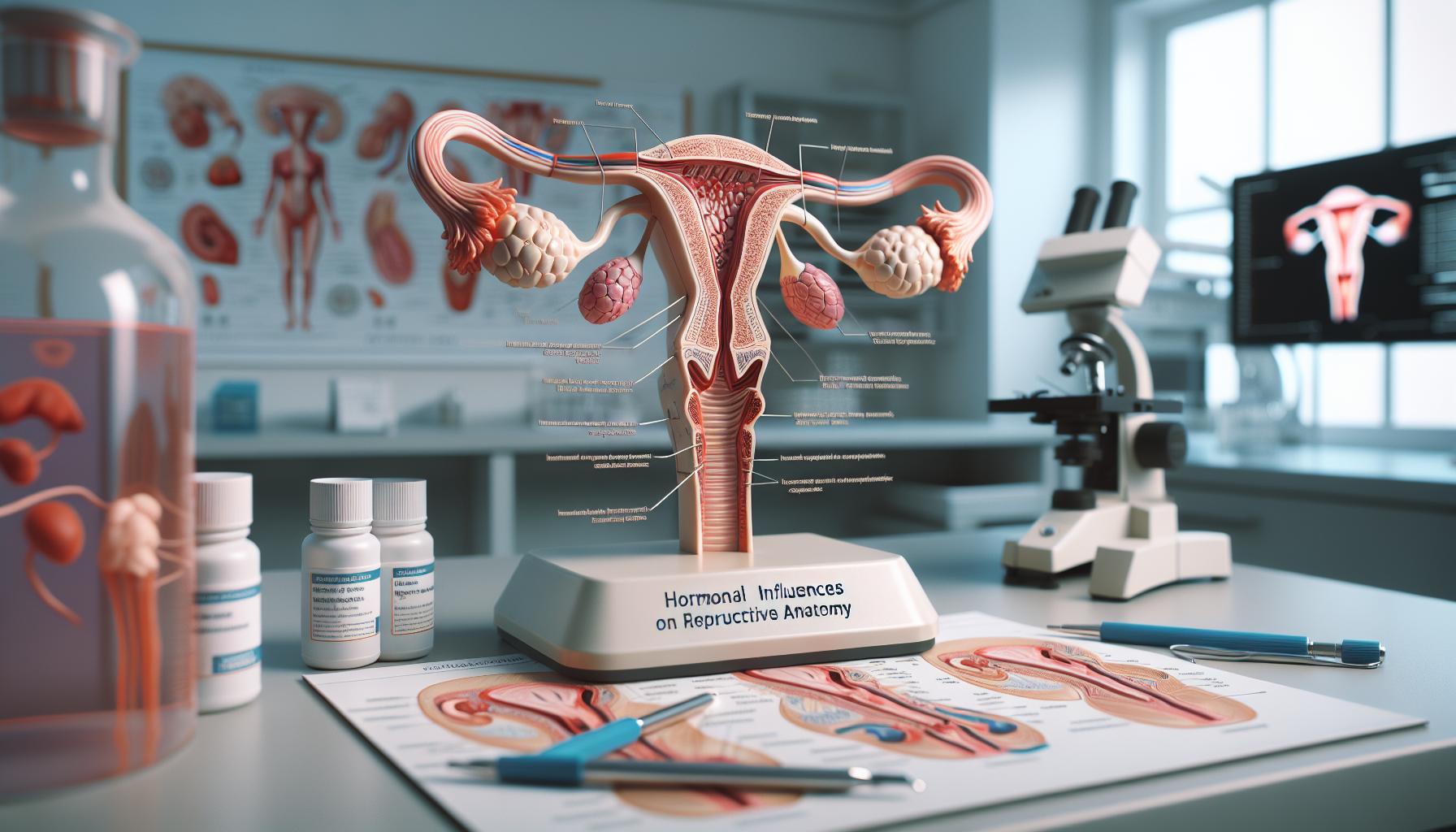
Hormonal Influences on Reproductive Anatomy
Hormones play a crucial role in the development and differentiation of human reproductive anatomy. During fetal development, endocrine signals orchestrate a symphony of biological processes that influence whether an individual develops male, female, or intersex characteristics. Understanding these hormonal influences can be illuminating, especially for those navigating the complexities of reproductive health that may involve both male and female traits.
The presence of certain hormones is essential during critical periods of fetal development. For instance, the Y chromosome generally triggers the development of testes that produce testosterone. This hormone promotes the formation of male reproductive structures while suppressing the development of female ones. Conversely, in the absence of testosterone, typically associated with XX individuals, estrogen predominates and guides the development of female reproductive organs. When both types of structures develop, as seen in some intersex conditions, it may signal a disruption or variation in normal hormonal pathways.
Examples of intersex variations, such as Androgen Insensitivity Syndrome (AIS) and Congenital Adrenal Hyperplasia (CAH), demonstrate how hormonal balances can lead to diverse reproductive anatomies. In AIS, even though individuals possess XY chromosomes, their bodies do not respond to testosterone, leading to the formation of female external genitalia. In contrast, CAH can result in XX individuals exhibiting masculinized traits due to overproduction of adrenal androgens. These hormonal anomalies underscore the complexity of reproductive anatomy and the delicate interplay between genetics and hormonal influences.
For individuals and families facing the implications of these conditions, understanding hormonal influences can empower more informed medical decisions. Those dealing with unique reproductive anatomies can benefit from tailored medical guidance that respects their identities and addresses their specific health needs. By fostering understanding and providing supportive resources, healthcare professionals can facilitate a compassionate approach to navigating reproductive health, ultimately enhancing both physical well-being and emotional resilience during a significant life journey.
Pathways to Diagnosis: Recognizing Intersex Traits
Understanding the presence of intersex traits often begins with a thoughtful consideration of bodily anatomy, alongside careful observation of physical characteristics. Many intersex individuals are born with anatomical traits that may present as ambiguous external genitalia, which can lead to early medical evaluations. Yet, intersex variations can also manifest later in life, through atypical puberty changes or in reproductive organ development. This spectrum of possibilities underscores why recognizing intersex traits requires a nuanced and compassionate approach.
Key Indicators of Intersex Traits
Identifying intersex traits can occur through a combination of observations, medical examinations, and genetic testing. Common pathways to diagnosis often include:
- Physical Examination: Doctors may conduct a physical examination to assess external genitalia and other physical traits, noting any discrepancies with typical male or female presentations.
- Genetic Testing: Chromosomal analysis can provide insights into an individual’s genetic makeup, revealing conditions such as Androgen Insensitivity Syndrome (AIS) or Turner Syndrome.
- Hormonal Profiles: Blood tests measuring hormone levels are crucial in determining if hormonal imbalances contribute to atypical genital development or reproductive function.
- Imaging Studies: Ultrasounds or MRIs may be utilized to visualize internal reproductive organs, helping to clarify their structure and function.
Effective communication with healthcare providers is vital throughout the diagnostic process. It is important for intersex individuals and their families to feel empowered to discuss concerns openly, ensuring that medical professionals are aware of all symptoms and any family history that might be relevant.
Emotional Considerations During Diagnosis
Confronting the possibility of being intersex can invoke a complex array of emotions, from confusion to fear, and even a sense of grief over lost expectations for a typical developmental path. It is essential for families to navigate these feelings together, seeking support from mental health professionals who understand intersex conditions.
Moreover, educational resources and support groups can provide invaluable perspective and connection. Engaging with other families dealing with similar circumstances can foster a sense of community, alleviating some of the isolation that may accompany diagnosis.
Ultimately, recognizing intersex traits involves multiple facets of medical inquiry and an empathetic understanding of the emotional journey ahead. By fostering open communication and embracing a supportive network, individuals and families can navigate this unique path with dignity and hope.
Challenges in Reproductive Health for Intersex Individuals
Many intersex individuals face a complex landscape when it comes to reproductive health, often feeling caught between medical expectations and personal realities. Given that intersex variations can result in ambiguous or atypical reproductive anatomy, the challenges experienced vary widely. These can include infertility, complications during puberty, and difficulties accessing appropriate healthcare. For many, the journey through reproductive health involves navigating a myriad of medical opinions and treatments that might not always align with their unique physiology or needs.
Access to fertility services can be particularly daunting. Depending on their specific intersex condition, some individuals might not respond to standard fertility treatments as typically expected. For example, while some may benefit from procedures like intrauterine insemination (IUI) or in vitro fertilization (IVF), others may require tailored approaches due to hormonal balances or the functionality of their reproductive organs. It is crucial to consult with a reproductive endocrinologist who is knowledgeable about intersex variations, as this specialized guidance can greatly increase the likelihood of successful family-building.
Emotional and psychological support also plays a vital role in addressing the reproductive health challenges faced by intersex individuals. The feelings of grief, uncertainty, or fear about one’s reproductive capabilities can weigh heavily. Building a strong support network through counseling or support groups can provide comfort and validate these feelings. Many people benefit from sharing experiences with others who understand their journey, which can alleviate feelings of isolation and foster a sense of community.
Additionally, it’s essential for healthcare providers to approach reproductive health for intersex individuals with a non-judgmental, patient-centered approach. Understanding personal values and discussing options openly can create a more supportive environment for decision-making. This collaboration not only helps individuals feel respected and heard but also empowers them to take an active role in their reproductive health journey. By fostering open conversations about their bodies and choices, intersex individuals and their families can navigate this unique path with greater confidence and hope.
Options for Family Building: Fertility Considerations
Navigating the journey of family building can be particularly complex for those with intersex variations due to the diverse nature of their reproductive anatomy. For many, understanding their fertility options is a critical first step. Depending on individual circumstances, some intersex individuals may have functioning reproductive organs that align with either male or female reproductive systems, while others may have combined or atypical traits that complicate traditional fertility pathways.
When considering options for family building, it’s essential to consult with a reproductive endocrinologist who is experienced with intersex conditions. This specialist can provide tailored guidance and propose fertility treatments that take unique anatomical considerations into account. Some may find success with intrauterine insemination (IUI) or in vitro fertilization (IVF), while others may require more innovative approaches due to hormonal profiles or organ functionality. Discussing success rates, costs, and treatment timelines upfront lays the groundwork for informed decision-making.
Costs and Insurance Considerations
Understanding the financial aspect of fertility treatments is crucial. The cost of IVF can range from $12,000 to $15,000 per cycle, while IUI generally costs less, around $300 to $1,000. Insurance coverage varies significantly based on location and provider, and some intersex individuals may face unique challenges in obtaining the necessary support. It’s advisable to verify what treatments are covered under your insurance policy and to advocate for equitable access to reproductive healthcare.
Emotional Support and Counseling
The emotional weight of navigating fertility challenges can be significant. Feelings of grief, uncertainty, or isolation may arise as individuals face the prospect of building a family in a way that aligns with their identity and circumstances. Engaging with support groups, connecting with others who share similar experiences, or seeking counseling can help validate these feelings and provide a sense of community. It’s important to celebrate each small milestone, whether it’s understanding your body better or successfully exploring a new treatment option.
By approaching family-building with a comprehensive understanding of available options, emotional support, and proactive advocacy for necessary resources, intersex individuals and their partners can embark on this profound journey with greater confidence and hope.
Navigating Social and Emotional Impacts
Navigating the emotional landscape of having intersex variations can be challenging and complex. The journey often brings a mix of emotions such as hope, uncertainty, grief, and joy. For many, recognizing and accepting their unique reproductive anatomy is the first step toward finding peace and understanding. The experience of having dual reproductive organs or characteristics that blend male and female traits can lead to questions and feelings about identity, societal acceptance, and personal relationships. Celebrating the diversity of human anatomy while also coping with societal pressures is vital for intersex individuals.
Connecting with peers who share similar journeys can provide invaluable emotional support. Joining support groups, whether in-person or online, can help individuals feel less isolated and more understood. These connections foster a sense of community where experiences can be shared openly, and insights exchanged. Building relationships with those who truly understand the complexities of intersex experiences can offer comfort, validation, and encouragement. Counseling services focusing on LGBTQ+ issues can additionally help individuals process their feelings and develop coping strategies.
It’s equally important to recognize that the emotional impact of intersex variations can extend into family building. Individuals may face difficult conversations regarding their reproductive health with partners and family members. Creating an open dialogue can foster understanding and strengthen relationships. Even when faced with challenges, such as navigating fertility treatment options or dealing with societal misconceptions, finding the right support system can significantly ease emotional burdens. Remember, every small milestone-be it understanding your body better or successfully discussing your needs with loved ones-deserves celebration.
Furthermore, embracing one’s identity and advocating for personal needs in healthcare can be empowering. Individuals should proactively seek professionals who are knowledgeable about intersex conditions, as this can significantly affect health outcomes and emotional well-being. A compassionate healthcare provider can not only offer medical guidance but also validate the emotional complexities tied to reproductive health for intersex individuals. Ultimately, fostering self-compassion and patience is key in navigating these personal journeys. The path may not always be straightforward, but finding support and celebrating progress can lead to a fulfilling experience in family-building and beyond.
Support Resources for Intersex Individuals and Families
Support is crucial for intersex individuals as they navigate the unique challenges associated with having both male and female reproductive organs. Accessing the right resources can make a meaningful difference in emotional well-being and understanding of their bodies. Here are some essential resources and strategies to consider.
One of the most significant avenues for support is through community connections. Individuals can find solace in joining support groups, both online and in-person, where experiences and feelings can be shared in a safe environment. These communities often provide firsthand insights, allowing members to celebrate victories and face challenges together. Organizations like the Intersex Society of North America and AICL (Intersex Advocacy) can direct individuals to local meetups or online forums tailored to their needs.
It’s also important to engage with healthcare professionals who specialize in intersex conditions. Finding a compassionate and informed healthcare provider can greatly enhance emotional and medical support. These professionals can provide guidance on reproductive health, clarify treatment options, and offer reassurance throughout the process. Consider asking potential healthcare providers about their experience with intersex issues, as a knowledgeable ally can positively impact health outcomes.
Additionally, accessing counseling services focusing on LGBTQ+ and intersex identities can help individuals process their feelings. Therapy can offer a structured environment to explore emotions related to identity, societal perceptions, and personal relationships. Support groups often provide referrals to counselors who understand the nuances of intersex experiences, fostering a sense of belonging and validation.
Finally, it’s vital to stay informed about current research and developments in the field of intersex health. Engaging with reputable sources, such as academic journals, specialized websites, or advocacy groups, can empower individuals with knowledge about their bodies and available treatments. By taking proactive steps to seek out resources and supports, individuals can navigate their unique journeys with greater confidence and strength.
Q&A
Q: Can a human be born with both male and female reproductive organs?
A: Yes, some individuals are born with both male and female reproductive organs due to intersex variations. This can occur as a result of genetic, hormonal, or developmental factors, leading to a spectrum of reproductive anatomy. Understanding these variations can foster greater awareness and acceptance of diverse human biology.
Q: What are the medical implications for individuals with both male and female reproductive organs?
A: Individuals with both male and female reproductive organs may face unique medical implications, including reproductive health challenges and hormonal imbalances. It’s important for them to have access to specialized healthcare that understands their specific needs, which can greatly enhance their quality of life.
Q: How do intersex conditions affect fertility?
A: Intersex conditions can significantly affect fertility, as the presence of both male and female reproductive organs may lead to challenges in conception. Consulting healthcare professionals specializing in reproductive health can provide options for family building, including fertility treatments tailored to individual circumstances.
Q: Are there psychological impacts associated with having both male and female reproductive organs?
A: Yes, individuals with both reproductive organs often experience unique psychological impacts, including identity issues or societal stigma. Providing mental health support and counseling can be crucial in addressing these challenges, promoting self-acceptance and well-being.
Q: Can individuals with both male and female reproductive organs feel gender dysphoria?
A: Yes, individuals with both sets of reproductive organs can feel gender dysphoria, which is a conflict between one’s physical characteristics and gender identity. It’s essential to provide supportive environments and access to resources for those experiencing such feelings.
Q: What is the role of genetics in determining reproductive anatomy?
A: Genetics play a critical role in determining reproductive anatomy. Intersex variations often arise from atypical chromosomal patterns or genetic mutations that influence sexual development, leading to diverse expressions of male and female anatomy.
Q: How common are intersex variations in the general population?
A: Intersex variations occur in approximately 1 in 1,500 to 1 in 2,000 live births, making them relatively rare. Raising awareness helps promote understanding and support for individuals who live with such conditions.
Q: What support resources are available for individuals with both male and female reproductive organs?
A: Numerous support resources exist for individuals with both male and female reproductive organs, including advocacy organizations and support groups that focus on intersex issues. These resources can provide information, community support, and access to knowledgeable healthcare professionals.
In Conclusion
Understanding the complexities of human reproductive anatomy is crucial, especially when exploring the intriguing possibility of individuals having both male and female reproductive organs. As we’ve discussed, this condition presents unique biological and personal implications, leaving many with questions about diagnosis and treatment options. If you’re looking to delve deeper, check out our articles on the nuances of intersex conditions and reproductive health challenges.
Don’t let uncertainty hold you back-consider scheduling a consultation with a specialist who can guide you through the options available. For those navigating similar experiences, sharing your story or engaging with our community can provide much-needed support. Remember, you’re not alone on this journey.
Explore more of our resources today, including our comprehensive guides on fertility and family-building options. Take the next step towards understanding your health-sign up for our newsletter for the latest insights and updates. Your path to clarity starts here!
\n
Medical Realities: Can men be born with female breasts?
While discussing physical anomalies, many wonder, can men be born with female breasts? Men are not “born” with fully developed female breasts, but they are born with the same glandular breast tissue as women. During puberty or later in life, hormonal imbalances (specifically an increase in estrogen or a decrease in testosterone) can cause this glandular tissue to swell and grow in males. This highly common medical condition is called Gynecomastia. It can be triggered by genetics, certain medications, or natural aging, and is often treated successfully with hormone therapy or a minor surgical reduction.
Get our latest guides, news, and insights highlighted in your Google Search & AI Overviews.