For many individuals navigating their reproductive health, questions about birth control options are crucial. With increasing awareness of long-term contraceptive methods like the Mirena IUD, concerns about potential side effects, including fertility issues, have become prominent. This article delves into the relationship between the Mirena IUD and infertility, aiming to clarify misconceptions and provide grounded insights. Understanding the implications of your contraceptive choices is important for future family planning, and we acknowledge the emotions tied to these decisions. Whether you’re contemplating the use of Mirena or worried about its long-term effects, we invite you to explore the facts with us, bringing clarity to your concerns and empowering you on your fertility journey.
Understanding Mirena IUD: What You Need to Know
The Mirena IUD is a popular long-term contraceptive option that millions of women have chosen, yet it often comes with a swirl of questions-especially concerning its impact on fertility. To address these concerns, it’s important to understand how the Mirena device works and what its implications may be for future pregnancies.
This T-shaped device, which is inserted into the uterus, releases a hormone called levonorgestrel. This hormone primarily works by thickening cervical mucus, making it harder for sperm to reach an egg, and by thinning the uterine lining, making it less likely for a fertilized egg to implant. Many users appreciate the fact that Mirena can be effective for up to five years, providing peace of mind without the need for daily attention. As a non-permanent method of birth control, one of the great advantages is the assurance that fertility typically returns quickly after removal.
It’s crucial to convey that despite common fears, research has generally indicated that the Mirena IUD does not cause infertility. Most studies show that women can conceive soon after the device is taken out, with many becoming pregnant within a year. Nevertheless, each individual’s journey is unique, and factors such as existing health conditions or age can also play significant roles in fertility outcomes. If you find yourself anxious about the potential effects of Mirena on your future family planning, it’s valuable to have open discussions with healthcare professionals who can provide personalized insights and support.
Understanding these points surrounding the Mirena IUD not only helps clarify its role in contraception but also illustrates how it fits within your broader reproductive health narrative-an essential aspect for anyone contemplating their family planning options.
How Mirena IUD Works as a Long-Term Contraceptive
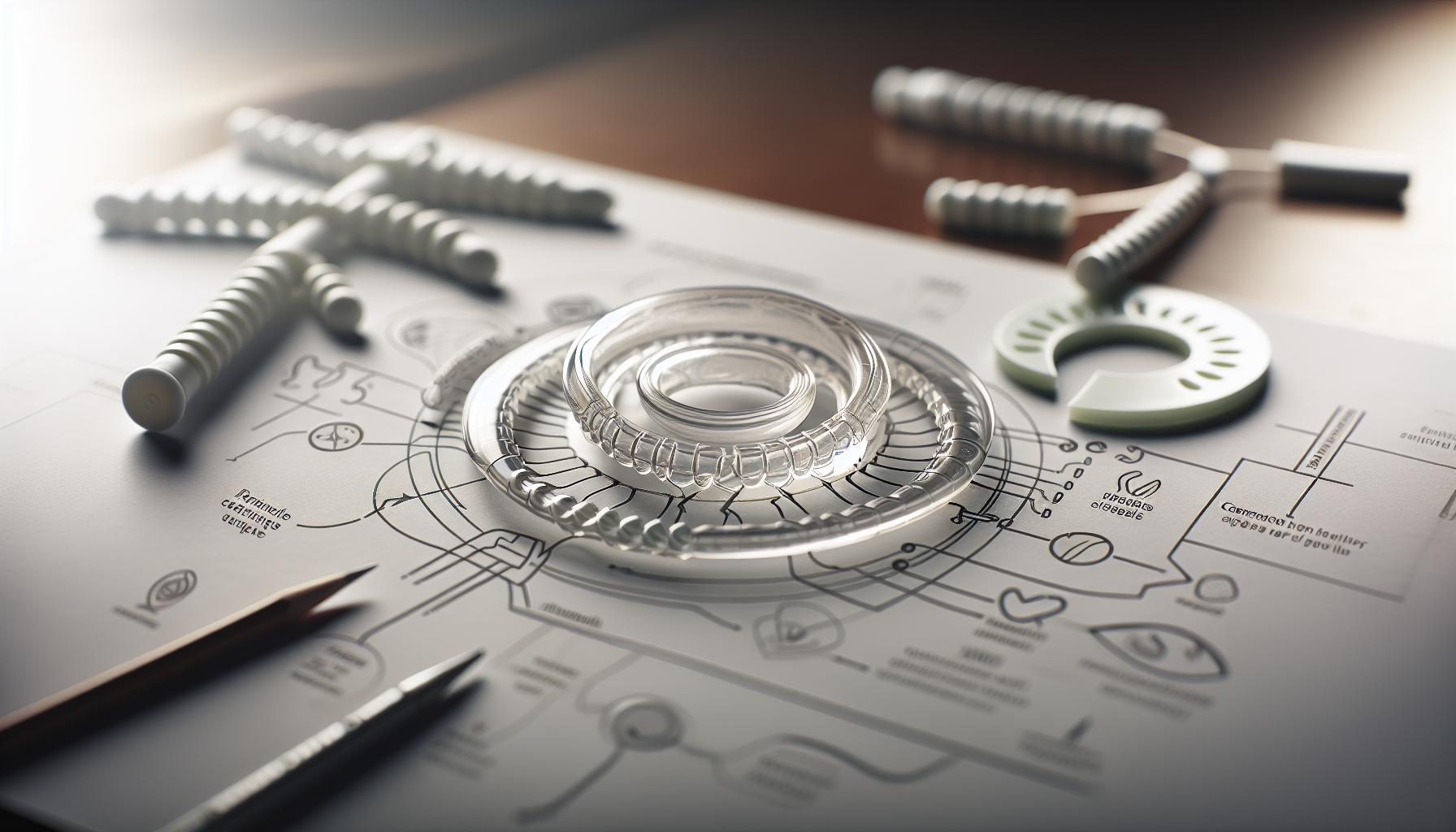
The Mirena IUD is more than just a contraceptive device; it’s a reliable and hassle-free option that can significantly enhance your family planning journey. By understanding how this outstanding tool operates, you can make informed decisions regarding your reproductive health.
When inserted into the uterus, Mirena releases a hormone called levonorgestrel, which plays a crucial role in preventing pregnancy. This hormone does two things effectively:
- Thickening Cervical Mucus: The increase in cervical mucus thickness creates a barrier that makes it difficult for sperm to navigate through the cervix and reach an egg. Think of it as a natural shield.
- Thinning the Uterine Lining: By thinning the endometrial lining (the uterine lining), Mirena makes it less conducive for a fertilized egg to implant. This dual-action approach provides effective long-term contraception without the typical daily commitment of other methods.
Mirena’s reliability extends for up to five years, making it a convenient choice for many. Users appreciate that once the IUD is removed, fertility typically returns swiftly, allowing couples to plan for pregnancy without prolonged delays. In fact, studies indicate that most women can conceive very soon after removal, with many becoming pregnant within the first year.
However, it’s important to remember that each person’s fertility journey is uniquely their own, influenced by various factors including age, existing health conditions, and individual reproductive health. Open communication with a healthcare provider is essential in navigating the emotional landscape that sometimes accompanies discussions about contraception and fertility. Addressing any concerns you have, including those about potential impacts on future pregnancies, can foster a sense of empowerment and reassurance as you navigate your family planning choices.
By embracing awareness about how Mirena functions as a long-term contraceptive option, you’re taking a proactive step in managing your reproductive health, paving the way for informed decisions now and in the future.
Can the Mirena IUD Impact Fertility? Key Insights

It’s only natural to wonder about the potential impact of contraceptive methods on future fertility, especially when considering long-term solutions like the Mirena IUD. Importantly, research consistently indicates that using the Mirena IUD does not cause infertility. In fact, many women experience a swift return to fertility once the device is removed. Studies suggest that most individuals can conceive within a year after discontinuation, demonstrating Mirena’s temporary effect as a contraceptive rather than a long-term impediment to reproductive health.
How Mirena Interacts with Your Body
The Mirena IUD primarily functions through localized hormonal release, which prevents pregnancy mainly by thickening cervical mucus and thinning the uterine lining. This hormonal effect is reversible and does not lead to any permanent changes in the uterus or ovaries. After removal, the body typically resumes its natural cycle relatively quickly. However, it’s crucial to understand that the timeline for fertility restoration can vary among individuals. Factors such as age, underlying health conditions, and individual hormonal balance play significant roles in this transition.
Support and Considerations for Your Journey
Navigating the uncertainty of future fertility can be emotionally charged and complex. Here are some considerations to help you manage this journey:
- Open Discussions with Your Healthcare Provider: If you have concerns about fertility following Mirena, discussing them with your provider can help alleviate worries and provide personalized advice based on your health history.
- Tracking Your Cycles: Keeping a record of your menstrual cycles after Mirena removal can offer insights into your fertility timeline. Many women find that using an app or journal helps them identify when they’re most fertile.
- Consider Fertility Awareness: Learning more about fertility signs-like tracking basal body temperature or observing changes in cervical mucus-can empower you as you plan for pregnancy.
As you think about your future family plans, it’s important to address any emotional or psychological impacts stemming from concerns about fertility. Whether you’re celebrating small milestones or dealing with uncertainty, acknowledging your feelings is crucial. Remember that every reproductive journey is unique, and various pathways exist for starting or expanding your family, including IVF (In Vitro Fertilization), AI (Artificial Insemination), or even adoption.
In summary, while the Mirena IUD serves as a reliable long-term contraceptive option, it does not negatively affect future fertility. By remaining proactive in understanding your body and maintaining open lines of communication with your healthcare provider, you’re taking meaningful steps on your journey towards family planning-no matter what shape that may take.
Reproductive Health Myths: Mirena and Infertility
It’s common for women considering the Mirena IUD to be met with a myriad of myths surrounding its impact on fertility. One of the most prevalent misconceptions is that using the Mirena device can lead to infertility. However, extensive research and clinical data support the fact that this hormone-releasing IUD does not cause permanent infertility. In fact, many women find that their fertility returns promptly following the device’s removal, usually within a few months.
Understanding how the Mirena IUD works can help dispel these myths. It releases levonorgestrel, a hormone that primarily prevents pregnancy by thickening cervical mucus and thinning the uterine lining. This mechanism is not permanent; once the IUD is removed, the body typically resumes its natural hormonal cycle without lasting effects on fertility. Factors like age and individual health should also be considered, as they may affect fertility independently of IUD use.
For those grappling with the emotional weight of these myths, it’s essential to engage in open discussions with healthcare providers who can provide personalized advice. Validating concerns about future fertility is crucial, and understanding that many women have successful pregnancies after removal can provide reassurance. If you’re planning a family in the future, remember to nurture your mental and emotional health too. It’s also worthwhile to monitor your menstrual cycles post-removal to better understand your unique fertility journey.
In light of this information, it’s important to focus on facts rather than fears. Mirena is a reliable long-term contraceptive option that does not pose a risk of infertility. Embracing this knowledge can empower women to make informed decisions regarding their reproductive health, reducing anxiety and fostering a more positive outlook for future family planning.
Exploring Potential Risks: Mirena IUD and Long-Term Effects
The Mirena IUD is a long-term contraceptive option that many women consider, often focusing on its efficacy and convenience. However, it’s crucial to acknowledge the potential risks and long-term effects that some users may experience. Although Mirena is generally considered safe, understanding possible side effects and addressing any concerns about its impact on reproductive health can help alleviate fear and empower informed decision-making.
Common Risks and Side Effects
While Mirena is effective for up to eight years, some women report experiencing side effects that can impact their quality of life. These may include:
- Irregular Bleeding: Many users experience changes in their menstrual cycle, including heavier periods initially, followed by lighter or absent periods.
- Hormonal Changes: Side effects such as mood swings, headaches, or acne may result from the hormone release.
- Risk of Expulsion: In some cases, the IUD may partially or completely come out of the uterus, necessitating replacement.
- Infection: There is a small risk of pelvic inflammatory disease (PID), especially shortly after insertion.
Understanding these potential risks is essential, but it’s also vital to frame them within the broader context of personal health. Regular check-ins with a healthcare provider can help identify any emerging issues and allow for timely management.
Addressing Concerns About Infertility
A common worry among women using the Mirena IUD is its potential long-term impact on fertility. Research consistently indicates that Mirena does not cause permanent infertility. Most women return to their typical fertility patterns shortly after removal. If you are considering family planning after Mirena, discussing your timeline and concerns with a healthcare professional can offer clarity and reassurance.
As you navigate your reproductive health, remember that every woman’s experience is unique. Some may take longer to conceive after removal than others, and factors such as age, overall health, and individual fertility issues can play a significant role. Being proactive about fertility monitoring can provide necessary insights and help manage expectations.
In summary, while exploring the long-term effects of the Mirena IUD, it is essential to remain informed and engage in open conversations with healthcare providers. By understanding the risks involved, acknowledging your feelings, and planning for future family goals, you equip yourself with the tools needed to make empowered choices about your reproductive health. Always prioritize your well-being and seek support for any uncertainties you may face.
Studies on Mirena IUD and Infertility: What Research Shows
Research examining the relationship between the Mirena IUD and infertility reveals reassuring findings for many women considering this contraceptive method. Studies consistently indicate that Mirena does not lead to long-term infertility. In fact, most women experience a return to their typical fertility levels shortly after the device is removed. The interplay of individual factors, such as age and overall reproductive health, plays a significant role in this return to fertility.
Data suggests that the average timeframe for women to conceive after the removal of Mirena is around one to three months. Some women may conceive sooner, while others could take a bit longer, depending on each person’s unique health circumstances. This understanding provides a hopeful perspective for those transitioning off Mirena, allowing them to plan their family-building journey with greater confidence.
It’s crucial to acknowledge the emotional weight of fertility concerns. For many, the fear of infertility can be overwhelming, but remembering that Mirena is designed to be reversible can alleviate some of these worries. Engaging in open dialogue with healthcare providers can facilitate clear expectations for the future. They can provide insights into personal fertility assessments if concerns persist.
Ultimately, empowering yourself with knowledge about Mirena and its effects is key. Trust your body, but also take a proactive approach in monitoring your reproductive health. Each step in this journey, including understanding potential side effects and how they influence fertility, brings you closer to informed decision-making about your family planning goals.
Success Stories: Conception After Mirena Removal
Many women have found their fertility restored shortly after removing the Mirena IUD, with numerous success stories illustrating this path. After discontinuing the use of this long-term contraceptive, many have reported conceiving within just a few months, underscoring the device’s reversible nature. Such outcomes can provide hope for those feeling anxious about their fertility after removal.
One example includes a woman named Sarah, who had the Mirena IUD for five years. After discussing her plans with her healthcare provider, she decided to have it removed. Within just two months, she shared her joyful news of pregnancy. Her story isn’t unique; many women experience similar timelines, finding their bodies capable of returning to their natural fertility rhythms quite promptly.
It’s important to recognize that each journey is unique, and factors such as age, overall reproductive health, and individual cycle regularity can impact the time to conception post-removal. If you’re preparing for this transition, consider tracking your cycle with an app or journal to better understand your body’s signals. Connecting with others who have navigated this path can also offer comfort and insights.
Feeling mixed emotions-excitement, anxiety, hope, and uncertainty-is completely normal. Celebrating small milestones along the way, such as ovulation detection or even just the act of actively trying to conceive, can help in this journey. Remember, you are not alone in your experiences, and sharing your thoughts with supportive friends or a healthcare provider can be beneficial. Each step you take not only brings you closer to your goals but also enriches your understanding of your reproductive health.
Comparing Mirena IUD with Other Contraceptive Methods
Understanding the choices available for contraception can empower individuals on their family planning journey. The Mirena IUD is just one option among a variety of methods, each with unique benefits, drawbacks, and mechanisms of action. This section delves into how Mirena compares to other contraceptive methods, helping you navigate your options wisely.
One major consideration when evaluating Mirena is its effectiveness. The Mirena IUD boasts a success rate of over 99% in preventing pregnancy, making it one of the most reliable contraceptive methods. To put this into perspective, here’s how it compares with other popular methods:
| Contraceptive Method | Typical Use Effectiveness | Duration of Use |
|---|---|---|
| Mirena IUD | Over 99% | Up to 7 years |
| Birth Control Pills | 91% (with typical use) | Daily, as long as needed |
| Implant (Nexplanon) | Over 99% | Up to 3 years |
| Condoms | 85% (with typical use) | Each use |
| Emergency Contraception | 75-89% (effectiveness decreases with time) | Single use (after unprotected intercourse) |
Hormonal vs. Non-Hormonal Options
Mirena releases progestin, making it a hormonal method, whereas options like copper IUDs function without hormones. Hormonal methods can regulate menstrual cycles and ease menstruation symptoms, which are notable benefits for many users. On the other hand, non-hormonal methods may be preferred for those who are sensitive to hormones or looking to avoid potential side effects associated with hormonal contraceptives.
Addressing Fertility Concerns
When exploring contraceptive methods, the question of fertility post-contraception often arises. Unlike some methods that can lead to longer delays in fertility restoration (like certain hormonal birth control pills), many women, like those using Mirena, report a quick return to fertility once the IUD is removed. In fact, studies indicate that the vast majority of women conceive within a year of discontinuing the Mirena.
Consulting with Healthcare Providers
Every individual’s needs and situations are unique. It’s essential to engage in open conversations with your healthcare provider about what method aligns best with your lifestyle, health considerations, and family planning goals. Discussing the potential risks, benefits, and implications of each option can help guide you in making an informed decision, alleviating some of the emotional weight often accompanying these choices.
Embracing the Journey
It’s perfectly normal to feel a mix of hope and anxiety when considering various contraceptive methods, especially regarding future fertility. A supportive network-be it friends, family, or healthcare professionals-can provide encouragement and validation during this navigation of options. Celebrating small milestones, such as gaining clarity about your preferences or feeling confident in your decisions, is an essential part of this journey.
Addressing Concerns: Talking to Your Doctor About Mirena
It’s essential to discuss any concerns regarding long-term contraceptive methods like the Mirena IUD with your doctor. Many individuals experience anxiety over potential side effects, including the fear of infertility. This anxiety is completely valid, as the journey through family planning can be filled with uncertainties and emotional challenges. A thorough conversation with your healthcare provider can help clarify these fears and ensure you’re well-informed about your options.
Start by expressing your specific concerns. You might want to ask about the relationship between Mirena and fertility, including how quickly you may expect to conceive after removal. It’s crucial to understand that while some hormonal contraceptives can delay the return to fertility, many studies suggest that Mirena allows for a quick restoration of fertility once removed. Most women conceive within a year, a point your doctor can elaborate on with data and possible personal insights based on their experience with other patients.
Additionally, inquire about the common experiences of other people who have used Mirena. Understand what symptoms or changes you may expect during use, and discuss how potential side effects could impact your overall well-being. The goal is to develop a partnership with your physician, where you can both navigate your needs and concerns in the broader context of reproductive health.
Finally, take this opportunity to talk about other family planning options that may suit your lifestyle and health profile better. Your doctor can provide valuable perspective on alternative methods, weighing their pros and cons in a way that respects your values and choices. This dialogue can empower you, helping you move forward with confidence, whether your journey leads you to adoption, IVF, or other avenues in family planning.
Coping with Fertility Uncertainties: Emotional Support
The journey through family planning can be filled with uncertainty and emotional weight, especially when considering long-term contraceptives like the Mirena IUD. Concerns about potential infertility can loom large, but it’s vital to understand that this fear often stems from misinformation and anxiety about the unknown. Many individuals experience a rollercoaster of emotions when contemplating their reproductive futures, and acknowledging these feelings is the first step toward coping effectively.
Finding emotional support during this time can be transformative. Consider connecting with a support group where shared experiences can validate your feelings and offer comfort. Engaging with others who have similar journeys or have navigated the challenges of using or transitioning from birth control methods can create a sense of community and understanding. Additionally, mental health professionals specializing in reproductive health can provide guidance and coping strategies tailored to your unique situation.
When discussing your concerns with a healthcare provider, being open about your feelings and fears can help build a partnership. Don’t hesitate to ask questions or express doubts regarding the impact of Mirena on your fertility. Reputable studies indicate that most women conceive shortly after removal, which can bring hope amidst uncertainty. Understanding the timeline and potential challenges involved will allow you to approach your family planning journey with more clarity and confidence.
As you navigate this path, remember to celebrate small milestones along the way-whether it’s making an informed decision about your contraception or simply getting through a tough day. Each step forward is significant in your journey. Embracing your feelings while allowing for hope and possibility can empower you to forge ahead, whether your plans involve conception, adoption, or exploring other family-building options. Always ensure that your journey is aligned with your values and desires, and allow yourself the space to feel and heal as you move forward.
What to Expect When Transitioning Off Mirena
Transitioning off the Mirena IUD can feel overwhelming, filled with a mix of hope and uncertainty as you embark on your next steps towards family planning. It’s crucial to understand that most people can expect their fertility to return relatively quickly after the removal of the IUD. Within a few cycles, many experience ovulation and can conceive. However, individual experiences can vary, which can evoke a range of emotions, from anticipation to anxiety.
Recognizing the signs of your body’s return to fertility can be a helpful part of this journey. After the removal, monitoring your menstrual cycle becomes essential. Pay attention to changes in your cycle length, flow, and the presence of ovulation signs, such as cervical mucus changes or ovulation pain. For some, it may take a few months for cycles to normalize, while others may notice a return to their previous routine swiftly.
It’s also vital to engage in open discussions with your healthcare provider about your plans after removing the Mirena. They can offer personalized advice and may suggest tracking your cycle or fertility awareness methods to optimize your chances of conception. If you have concerns about patterns in your cycle or experience any irregularities post-removal, don’t hesitate to reach out for support.
As you navigate this transition, giving yourself grace and time is essential. Emotions like anxiety or even grief about the uncertainty in your fertility journey are completely valid. Consider surrounding yourself with supportive friends or seeking counseling if you feel overwhelmed. Remember to celebrate small milestones-whether that’s a regular cycle returning, learning more about your body’s signals, or simply feeling hopeful about the future. Each step forward is part of your unique pathway to family planning, and acknowledging your feelings along the way can empower you in this journey.
Empowering Your Family Planning Journey: Next Steps
Understanding the interplay between your fertility journey and the use of the Mirena IUD can feel like navigating a complex landscape. Many individuals are curious about how this long-term contraceptive may affect their future family planning. It’s essential to approach this topic with a sense of empowerment, recognizing that your path to conception, while unique, is filled with possibilities. One key piece of information is that the Mirena IUD does not generally cause long-term infertility; most people experience a quick return to fertility after removal.
However, before you embark on this journey, it’s crucial to equip yourself with knowledge and supportive resources. Here are some steps you can take to feel more in control of your family planning:
- Consult Your Healthcare Provider: Engage in open, honest discussions with your doctor about your reproductive goals. They can provide personalized advice based on your medical history and suggest tracking methods to optimize your chances of conception.
- Monitor Your Cycle: Pay attention to your body’s signals. After IUD removal, track changes in your menstrual cycle, including flow and ovulation signs, as this information is vital for understanding your fertility status.
- Consider Emotional Support: The transition phase can bring a swirl of emotions, from excitement to anxiety. Seeking support from friends, family, or a professional can be beneficial. Join support groups where you can share experiences with others on similar journeys.
- Educate Yourself on Options: Knowledge is empowering. Familiarize yourself with various family planning methods, such as IVF, intrauterine insemination (IUI), or adoption. Understanding these options will help you make informed choices that resonate with your values and circumstances.
Every step in your family planning journey deserves acknowledgment, whether it’s understanding your cycle better or cultivating hope for the future. While it’s normal to feel uncertain, remind yourself that many have successfully conceived after using the Mirena IUD. Embrace the process, celebrate small milestones, and allow yourself the space to grieve any difficult emotions during this time. This journey is not just about the end goal but also about the growth and understanding you gain along the way.
Frequently Asked Questions
Q: Can using Mirena IUD lead to infertility long-term?
A: Research indicates that the Mirena IUD does not cause long-term infertility. Most women can conceive normally after removal. It’s essential to consult your healthcare provider for personalized advice regarding fertility and the effects of contraceptives like Mirena.
Q: How quickly can I get pregnant after removing Mirena IUD?
A: Most women can become pregnant shortly after the removal of the Mirena IUD. Fertility typically returns within a few menstrual cycles, but individual experiences may vary. Discuss plans with your doctor to optimize your chances of conception.
Q: What are the risks of infertility with Mirena IUD over time?
A: The Mirena IUD does not increase the risk of infertility. However, complications such as pelvic inflammatory disease (PID) can impact future fertility. Regular check-ups are advisable to monitor any potential issues during Mirena use.
Q: Are there any side effects of Mirena that could affect fertility?
A: While Mirena can cause side effects like irregular bleeding or hormonal changes, these do not typically affect fertility. Concerns about side effects and fertility should be discussed with your healthcare provider for clarity and support.
Q: Can Mirena IUD cause complications that affect ability to conceive?
A: Although Mirena is effective for contraception, complications such as expulsion or infection may impact the ability to conceive. Frequent medical reviews can help ensure that any potential issues are addressed promptly.
Q: What steps should I take if I’m concerned about infertility after Mirena?
A: If you’re worried about infertility post-Mirena, consult your healthcare provider for an evaluation. They can assess your reproductive health and recommend next steps, including fertility testing if necessary.
Q: How does Mirena compare to other contraceptive methods regarding fertility?
A: Compared to other contraceptive methods, Mirena is considered low-risk for affecting future fertility upon removal. Options like the pill or implant also typically allow for normal fertility restoration after discontinuation.
Q: Can I use other contraceptives after removing Mirena if I want to delay pregnancy?
A: Yes, after removing Mirena, you can use other contraceptives like pills, patches, or condoms to delay pregnancy. Discuss options with your healthcare provider to find the best method for your needs.
To Conclude
As you navigate concerns about the Mirena IUD and its potential long-term effects on fertility, it’s important to remember that many women successfully use this contraceptive method without facing infertility issues. If you’re considering your options or have lingering questions about birth control and fertility, don’t hesitate to explore our detailed resources on alternative contraception and fertility awareness.
We invite you to join our community by signing up for our newsletter, where you can receive the latest information on reproductive health and family planning strategies. Remember, your journey is unique-acknowledge your feelings and reach out for support when needed. For personalized advice, consider scheduling a consultation with a healthcare provider to discuss your specific circumstances.
Explore more about managing heavy periods or the different birth control options available by visiting our other articles. By staying informed, you’re taking empowering steps toward your reproductive health. Your questions matter, and we’re here to help you every step of the way.