In the digital age of health information, myths about fertility can easily circulate, leaving many wondering about their impact on family planning. One such myth revolves around Mountain Dew and its alleged link to infertility. As concern about reproductive health grows, understanding these claims is vital. This article seeks to clarify whether enjoying a can of Mountain Dew could truly affect your fertility or if it’s merely an urban legend. By exploring the evidence behind this claim, we can empower your journey toward parenthood with knowledge and support, bridging the gap between myths and reality. Join us as we unpack the facts and help you navigate your reproductive health with clarity and compassion.
Understanding the Fertility Myth Surrounding Mountain Dew
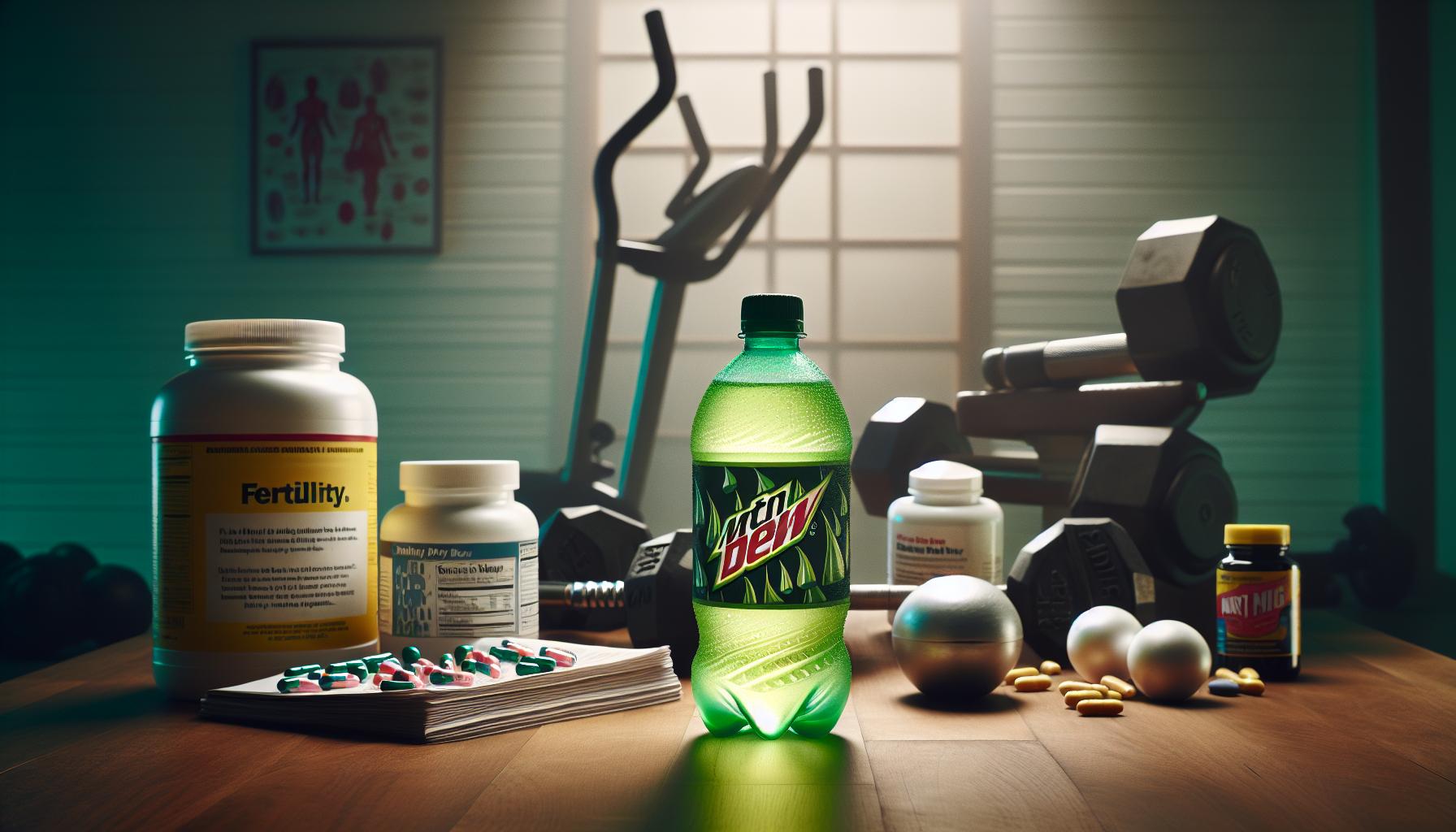
Certain myths surrounding the impact of beverages like Mountain Dew on fertility can be both prevalent and confusing. Many people believe that consuming certain sodas can lead to infertility, often citing vague claims without scientific backing. While it’s essential to approach this topic with sensitivity-acknowledging the hope and challenges families face during their fertility journeys-it’s important to dissect the evidence and perspectives surrounding these myths.
Research has yet to conclusively link Mountain Dew specifically with infertility. Some concerns arise from its caffeine content, high sugar levels, and artificial ingredients, fueling fears about their potential effects on reproductive health. However, a comprehensive understanding reveals that the relationship between caffeine and fertility can vary. Some studies suggest that moderate caffeine consumption may not significantly impact fertility for most people, while excessive intake could negatively affect reproductive health. It’s vital to consider individual circumstances; factors such as total diet, lifestyle, and overall health play crucial roles.
Furthermore, the sugar content in soft drinks like Mountain Dew is another point of discussion. High sugar intake is often associated with metabolic issues, which can indirectly affect fertility. Healthier dietary patterns, such as a diet rich in fruits, vegetables, and whole grains, are generally encouraged for those trying to conceive. This holistic approach to nutrition may offer more significant benefits than focusing solely on the consumption of a particular soda.
In this context, acknowledging the emotional weight of fertility challenges, whether facing concerns about soda consumption or broader lifestyle choices, can provide a pathway for constructive conversation. Encouraging individuals to discuss their concerns with healthcare professionals can lead to personalized advice and support tailored to their unique fertility journeys. By addressing myths critically and compassionately, we can empower individuals to make informed choices that support their reproductive health.
The Science Behind Caffeine and Fertility

Caffeine is a well-known stimulant found in many beverages, including Mountain Dew, and has been a subject of extensive research in relation to reproductive health. Understanding its effects on fertility can help demystify the myths that circulating about soda consumption. One captivating fact is that moderate caffeine consumption, which is often defined as up to 200-300 mg per day (approximately 1-2 cups of coffee), may not pose a significant risk to most individuals attempting to conceive. However, higher intakes have been linked to concerns that can lead to decreased fertility or complications during pregnancy.
Research has produced mixed results regarding caffeine’s impact on reproductive health. Some studies suggest that excessive caffeine consumption may be associated with increased risks of miscarriage or fertility issues, particularly in women who consume high amounts daily. On the other hand, other research indicates that moderate consumption might not lead to any major concerns and could be safely included in the diets of individuals trying to conceive. Interpretation of these studies is crucial; contextual factors such as total diet, lifestyle choices, and individual health profiles can play an essential role in determining overall fertility health.
Understanding this nuanced relationship empowers individuals on their fertility journey. It’s essential to consider not only caffeine consumption but also an overall healthy lifestyle that includes balanced nutrition, regular physical activity, and stress management. For those concerned about their caffeine intake from sodas like Mountain Dew, exploring alternatives like herbal teas or caffeine-free sodas may be beneficial. Engaging with healthcare professionals for personalized guidance can also provide clarity and support, fostering both hope and a sense of direction during the often choppy waters of family-building journeys. Remember, addressing personal dietary habits and understanding their implications can be a significant step in nurturing reproductive health.
Ingredients in Mtn Dew: What You Need to Know
While many beverages can fuel discussions about their health impacts, Mountain Dew stands out with distinct ingredients that might raise questions regarding fertility. Its unique blend of high fructose corn syrup, caffeine, and artificial flavorings has spurred myths linking it to fertility issues. Understanding these components can empower individuals to make informed choices.
One of the primary ingredients in Mountain Dew is high fructose corn syrup (HFCS), a sweetener known for its high sugar content. Consuming significant amounts of sugar has been linked to various health issues, including insulin resistance and hormonal imbalances, which could potentially affect fertility. Coupled with caffeine, which can exacerbate stress and disrupt sleep patterns, these ingredients might contribute to a lifestyle that isn’t conducive to optimal reproductive health.
Additionally, Mountain Dew contains several artificial colorings and flavorings, which while generally recognized as safe by regulatory agencies, remain under scrutiny. Some studies suggest that certain additives might contribute to various health concerns, although definitive links to fertility are still being explored.
It’s essential to approach soda consumption mindfully, especially for those on their fertility journeys. While moderate consumption of Mountain Dew in itself may not directly cause infertility, an overall high-sugar, high-caffeine diet might influence reproductive health indirectly. Making informed dietary choices, such as incorporating whole foods, can improve both general well-being and fertility prospects. Consider discussing your dietary habits with a healthcare professional, who can offer tailored advice suited to your unique health needs.
Do Artificial Sweeteners Affect Your Reproductive Health?
The debate surrounding artificial sweeteners and their potential effects on reproductive health is multifaceted and often clouded by misinformation. Many individuals looking to cut sugar from their diets might turn to alternatives like aspartame, sucralose, or saccharin found in various soft drinks and diet products. However, the impact of these substitutes on fertility remains unclear, sparking concern and curiosity among those on their fertility journeys.
Research on artificial sweeteners and reproductive health yields mixed results. Some studies suggest that these sweeteners could disrupt metabolic processes and contribute to weight gain or insulin resistance-conditions which may indirectly affect fertility. For instance, a higher body mass index (BMI) can alter hormonal balance, potentially making it more difficult to conceive. Yet, it’s crucial to note that most regulatory agencies, including the FDA, deem these sweeteners safe when consumed within established daily limits. This means many people can use them without immediate concern.
Moreover, individual responses to artificial sweeteners can vary. While one person might experience adverse effects like gastrointestinal disturbances, another might tolerate them well. This variability underscores the importance of a personalized approach to diet during preconception and pregnancy. Keeping a food diary or consulting with a registered dietitian can provide insights into how your body reacts to these ingredients.
As you navigate through the complexities of diet and fertility, consider incorporating a balanced diet rich in whole foods while being mindful of your sweetener intake. Engaging in conversations with healthcare professionals can also equip you with tailored advice, ensuring your nutrition aligns with your reproductive goals. Remember, every small dietary adjustment can contribute to your fertility journey in meaningful ways.
Research on Soda Consumption and Male Fertility
Research suggests that frequent consumption of soda, including popular brands like Mountain Dew, may have potential repercussions on male fertility. While no direct link asserts that Mountain Dew specifically causes infertility, various components found in many sodas could negatively affect sperm health.
One area of concern is caffeine. Numerous studies have explored the effects of caffeine on male reproductive health, with mixed outcomes. Some research indicates that high caffeine intake can negatively affect sperm motility and quality, meaning that sperm may not swim as effectively, which can hinder the chances of fertilization. Conversely, moderate consumption has not shown significant adverse effects, leading to the belief that moderation is key.
Another critical factor is the high sugar content in sodas like Mountain Dew. Diets excessively high in sugar can contribute to obesity and metabolic issues, which in turn affect hormone levels, including testosterone. Lower testosterone levels have been linked with reduced sperm production and quality. Additionally, the added sugars can lead to insulin resistance, further complicating issues related to fertility.
Artificial sweeteners-commonly found in diet sodas or sugar-free versions-also invite scrutiny. Though some reports suggest these sweeteners might disrupt metabolic processes, their long-term impact on male fertility remains under-researched. Because individual responses to these ingredients vary widely, men looking to optimize their reproductive health might consider limiting soda consumption as part of a broader diet focused on whole foods and nutrients that promote overall well-being.
As you navigate these complexities, it’s essential to consult with healthcare professionals who can provide personalized advice tailored to your unique situation. Implementing dietary changes may feel overwhelming, so approach it step-by-step, focusing on healthier alternatives while being mindful of your overall lifestyle choices.
Can High Sugar Intake Impact Your Fertility?
Excessive sugar intake can have a profound impact on reproductive health, particularly for those navigating fertility challenges. A diet high in sugar, such as that found in sodas like Mountain Dew, is linked to weight gain and obesity, both of which can interfere with hormonal balance. When the body accumulates excess weight, it can lead to hormonal imbalances that may affect menstrual regularity and ovulation in women, as well as sperm production and quality in men. This disruption can significantly complicate the journey towards conception.
Additionally, high sugar consumption can lead to insulin resistance, a condition where the body’s cells no longer respond effectively to insulin. Insulin resistance is not just a metabolic concern but also heavily influences reproductive hormones. In men, lower insulin sensitivity can negatively affect testosterone levels, which are crucial for sperm development and overall male reproductive health. Furthermore, studies suggest that diets high in sugar can elevate inflammation levels in the body, potentially disrupting normal reproductive functions even further.
To mitigate these risks, consider making gradual dietary changes. Incorporating whole foods such as fruits, vegetables, lean proteins, and whole grains can lower sugar intake while providing necessary nutrients that support metabolic health. Reducing reliance on sugary beverages, including sodas, is a practical step towards enhancing reproductive well-being. Remember, it’s about progress, not perfection-every small change can contribute to a healthier lifestyle and, ultimately, your fertility journey.
Exploring Other Lifestyle Factors Related to Infertility
When considering the multifaceted impact of lifestyle choices on fertility, it becomes clear that soda consumption is just one piece of a larger puzzle. Factors such as stress, sleep quality, physical activity, and dietary choices all play significant roles in reproductive health. Understanding these elements can empower individuals and couples on their fertility journey, helping to mitigate concerns that often surround popular myths like the one associated with Mountain Dew.
Stress management is crucial; heightened stress levels can disrupt hormonal balance, which is vital for both menstrual cycles and sperm production. Practical strategies to manage stress include mindfulness practices such as meditation, yoga, or even simple breathing exercises. These methods not only promote relaxation but can also enhance overall emotional well-being, making it easier to handle the challenges that accompany trying to conceive.
Sleep plays a pivotal role as well; inadequate sleep can interfere with hormonal regulation and ovulation. Aim for at least 7-8 hours of quality sleep each night. Establishing a calming bedtime routine, limiting screen time before bed, and creating a comfortable sleep environment can all contribute to improved rest and, subsequently, better reproductive health.
Additionally, regular physical activity has a positive effect on fertility. Engaging in moderate exercise, such as walking, swimming, or cycling, helps maintain a healthy weight and can enhance insulin sensitivity, which is crucial in the context of hormonal balance. Aim for at least 150 minutes of moderate-intensity exercise each week to reap the fertility-enhancing benefits while being mindful of not over-exercising, which can lead to the opposite effect.
Lastly, a well-rounded diet rich in nutrient-dense foods is vital for reproductive health. Prioritize whole grains, lean proteins, fruits, and vegetables, while limiting processed foods and added sugars. Each small adjustment in lifestyle can collectively lead to a more conducive environment for conception, fostering hope amidst the uncertainties of fertility challenges and reaffirming a commitment to personal health and well-being.
Real Stories: Mtn Dew and Fertility Experiences
While the debate surrounding Mountain Dew and fertility often raises eyebrows, many individuals have shared their personal experiences that highlight how consuming such beverages can intertwine with their fertility journeys. These narratives range from anecdotal observations to more structured feedback, offering insight into how lifestyle choices can impact reproductive health.
One couple, Sarah and Jake, experienced several months of trying to conceive, during which they initially felt confident about their chances. Sarah, a long-time fan of Mountain Dew, continued her consumption, believing that her diet didn’t play a significant role in her fertility. However, after discussing her soda intake with a fertility specialist, she learned that high sugar consumption could be a contributing factor to hormonal imbalance-a critical aspect of conception. After reducing her soda intake and replacing it with healthier beverages, they noticed improvements in both Sarah’s overall health and their fertility journey. Though they faced other challenges, this small lifestyle change gave them hope.
Similarly, Mark, a male trying to support his partner’s conception efforts, reflected on how he used to enjoy multiple cans of soda daily, including Mountain Dew. Encouraged by a close friend who had undergone fertility treatments, he began to explore the effects of his diet on sperm health. Upon cutting back on sugary drinks, including his beloved Mountain Dew, he began to notice a boost in his energy levels and overall well-being. His experience underlines the notion that while soda might not be the sole culprit behind fertility issues, making mindful dietary choices is an essential step toward creating a supportive environment for reproduction.
These real-life reflections underscore a significant aspect of fertility journeys: the importance of community and personal choice. Supporting one another in making healthier lifestyle adjustments can resonate through shared experiences, reinforcing the idea that every small step counts. While scientific research continues to explore the intersection of soda consumption and reproductive health, individual accounts highlight a broader narrative-every personal insight into diet changes, stress management, and emotional support can help weave a tapestry of understanding and hope during what can often be a challenging journey.
Alternatives to Mtn Dew for Reproductive Health
While many people enjoy Mountain Dew for its refreshing taste, there are numerous alternatives that are not only better for overall health but also supportive of reproductive health. Making informed beverage choices can contribute positively to your fertility journey, helping to maintain a balanced diet and hormone levels. Exploring options that are lower in sugar, caffeine, and artificial ingredients can significantly impact your overall well-being.
One excellent alternative is sparkling water. It provides the fizz that soda enthusiasts crave without the added sugars and artificial flavoring found in drinks like Mountain Dew. To enhance flavor, consider adding a slice of lemon, lime, or even berries. Not only does sparkling water hydrate, but it can also be a refreshing base for concocting fruit-infused beverages, satisfying cravings without compromising health.
Another great choice is herbal teas. Many herbal varieties, such as peppermint or chamomile, offer soothing qualities that can aid in relaxation-a beneficial aspect during the often stressful fertility journey. Plus, some herbal teas, like red clover or nettle, are thought to have properties that support reproductive health. However, it’s important to consult with a healthcare professional before integrating new herbal products, as not all herbs are suitable for everyone, especially during specific phases of conception or pregnancy.
For those who enjoy sweetness, natural fruit juices can be an appealing alternative; opting for 100% fruit juice without added sugars ensures you’re getting essential vitamins and nutrients. Juices like pomegranate, orange, or beet can provide antioxidants and compounds that may be beneficial for fertility. Just remember to consume them in moderation due to their natural sugar content.
Consider incorporating nut milk (such as almond, cashew, or soy) into your diet as well. These beverages can serve as bases for smoothies and are generally lower in calories compared to traditional dairy milk. High in essential nutrients, they can support a balanced diet that fosters reproductive health.
In different family structures, dietary preferences, and personal experiences, it’s essential to remember that what works for one individual may not necessarily apply to another. Embracing these alternatives is about creating a supportive lifestyle that aligns with your health goals while respecting your unique fertility journey. As you explore new options, always listen to your body and consult with healthcare professionals to find the right balance that empowers your reproductive health.
Consulting with Healthcare Professionals About Fertility
Navigating the complexities of fertility can often feel overwhelming, and it’s important to know that seeking guidance from healthcare professionals can be a vital step in understanding your reproductive health. Consulting with a fertility specialist or a qualified healthcare provider allows you to address specific concerns, such as the impact of beverages like Mountain Dew on fertility. These professionals can provide evidence-based insights and tailored recommendations based on your individual health history and lifestyle choices.
When you meet with a healthcare professional, come prepared with questions about your diet, lifestyle habits, and how these factors could be influencing your fertility. Consider the following points to discuss:
- Dietary Habits: Ask about the effects of caffeine and high sugar intake from soft drinks on your reproductive health.
- Health Evaluation: Inquire about any necessary tests to rule out underlying conditions that could affect fertility.
- Personalized Guidance: Seek advice on alternative beverages and dietary options that can support fertility, such as herbal teas, sparkling water, or natural fruit juices.
- Support Resources: Discuss if there are support groups or counseling services available to help you navigate emotional aspects during your fertility journey.
It’s crucial to approach these consultations without fear or hesitation. Many patients share feelings of uncertainty or stigma when discussing fertility, but remember that healthcare providers are equipped to offer non-judgmental support. Each individual’s journey is unique, and your healthcare team is there to celebrate your milestones, validate your feelings, and help guide you through the challenges you may face.
Understanding the costs associated with various fertility treatments can also alleviate some anxiety. Discuss the financial aspects openly with your provider to gain clarity on insurance coverage, treatment timelines, and potential out-of-pocket expenses. Empower yourself with information and know that there is no one-size-fits-all solution; your unique circumstances will dictate the path forward.
Engaging in open dialogue with healthcare professionals will not only provide clarity on myths surrounding products like Mountain Dew but also foster a supportive environment where your fertility journey can be approached thoughtfully and compassionately.
Navigating Fertility Myths: What’s True and What’s Not
It’s a common concern among those navigating the path to parenthood: can regular consumption of Mountain Dew impact fertility? Myths surrounding soft drinks and their effects on reproductive health are widespread, leading to confusion and anxiety. First and foremost, it’s essential to sift through the noise and identify what is scientifically supported versus what may simply be folklore.
Research indicates that while caffeine-a key ingredient in Mountain Dew-can fluctuate hormones, moderate consumption is unlikely to have a significant adverse impact on fertility for most individuals. However, excessive caffeine intake (more than 200-300 mg per day) may be associated with reduced fertility in some cases. For context, a typical 12-ounce can of Mountain Dew contains about 54 mg of caffeine, which means that even a few servings would keep you within moderate limits for most people trying to conceive.
When it comes to sugar content, another major component of Mountain Dew, elevated intake of sugary beverages has been linked to issues like weight gain and insulin resistance. Both factors can negatively impact fertility. If you’re striving for reproductive health, consider moderating sugar-laden drinks and favoring healthier alternatives like water, herbal teas, or naturally flavored sparkling water, which can keep you hydrated without excess sugar.
Lastly, it’s important to note that concerns about artificial sweeteners, common in many diet drinks, also contribute to the overall mythos surrounding these beverages. Current studies remain inconclusive about their effect on fertility, and many healthcare professionals suggest that moderate use is generally acceptable. However, for those who are especially cautious, prioritizing more natural ingredients might feel more aligned with your health goals.
Staying informed about these myths can empower you to make decisions that are right for your body and your journey. If you’re ever unsure, don’t hesitate to consult with a healthcare professional, who can provide tailored advice based on your individual health profile and lifestyle. Remember, achieving and maintaining fertility is best supported through a holistic approach that encompasses diet, lifestyle, and emotional well-being.
Empowering Your Fertility Journey: Tips and Resources
Navigating the maze of fertility can be overwhelming, especially when misinformation clouds critical decisions about your health. Many people are curious about the implications of soda consumption, particularly Mountain Dew, on their reproductive health. To empower your journey, it’s essential to focus on informed choices that can support your overall well-being. Here are some practical tips and resources that may help you on this path.
Nutrition and Lifestyle
One of the most impactful ways to enhance your fertility is through a balanced diet and lifestyle changes. Consider incorporating foods rich in antioxidants, such as fruits and vegetables, which can help combat oxidative stress in your body. Healthy fats, whole grains, and lean proteins also play a crucial role in regulating hormones. For fluid intake, aim to replace sugary beverages with water, herbal teas, or infused waters, which not only hydrate but also keep sugar levels in check.
- Fruits and Vegetables: Focus on a variety of colors to maximize nutrient intake.
- Healthy Fats: Include sources like avocados, nuts, and olive oil to support hormone production.
- Whole Grains: Choose quinoa, brown rice, and oats for sustained energy and fiber.
- Lean Proteins: Opt for chicken, fish, and legumes which are vital for reproductive health.
Emotional Support
Do not underestimate the emotional toll that fertility challenges can impose. Allow yourself to feel the full spectrum of emotions-from hope to frustration-and remember that seeking support is a sign of strength. Connecting with others who share similar experiences can offer reassurance and perspective. Consider joining support groups, both in-person and online, where you can discuss feelings and share coping strategies.
Stay Informed
Education is power. Understanding your body, the fertility process, and the role different factors play in conception can make a substantial difference. Many reputable resources are available online, including websites from fertility clinics and organizations dedicated to reproductive health. Investing time to read about aspects like ovulation tracking, lifestyle impacts, and medical treatments can provide clarity.
Consult Healthcare Professionals
When in doubt, don’t hesitate to consult with healthcare professionals, such as fertility specialists. They can provide personalized advice tailored to your medical history and lifestyle. Consider discussing any mysterious symptoms, dietary habits, and emotional struggles you may have. Transparency allows for a more effective diagnosis and treatment approach.
By focusing on a well-rounded approach that includes proper nutrition, emotional health, continuous education, and professional guidance, you’ll be better equipped to navigate your fertility journey with confidence and hope.
Q&A
Q: Does caffeine in Mtn Dew affect fertility?
A: Caffeine can impact fertility, but moderate consumption is generally considered safe for most individuals. High caffeine intake may be linked to reduced fertility, so it’s wise to limit soda like Mtn Dew if you’re trying to conceive. For more information, consult the section on The Science Behind Caffeine and Fertility.
Q: Can drinking soda like Mtn Dew lead to infertility in women?
A: While direct links are unclear, excessive sugar and caffeine intake from drinks like Mtn Dew can contribute to health issues that may affect fertility. Moderation is key, and maintaining a balanced diet is crucial. Check sections on Research on Soda Consumption and Male Fertility for broader insights.
Q: Are there any long-term effects of consuming Mtn Dew on reproductive health?
A: Long-term consumption of sugary sodas like Mtn Dew may increase the risk of metabolic syndrome, which could negatively impact reproductive health. It’s advisable to reduce intake and consult healthcare professionals for an informed approach to your health and fertility journey.
Q: How do artificial sweeteners in Mtn Dew affect fertility?
A: Some studies suggest that artificial sweeteners may disrupt hormonal balance, potentially affecting fertility. While more research is needed, consider moderating intake of such beverages and explore natural alternatives, as discussed in Do Artificial Sweeteners Affect Your Reproductive Health?.
Q: What are healthier alternatives to Mtn Dew for those concerned about fertility?
A: Healthier alternatives include water, herbal teas, and natural fruit juices. These options can hydrate without excessive sugar or caffeine. Explore the Alternatives to Mtn Dew for Reproductive Health section for more suggestions to support your fertility journey.
Q: Should I monitor my soda consumption while trying to conceive?
A: Yes, monitoring your soda consumption is beneficial when trying to conceive. Reducing intake of high-sugar and caffeinated drinks can support overall health and fertility. Refer to Exploring Other Lifestyle Factors Related to Infertility for more detailed guidance.
Q: What lifestyle changes can I make to improve my fertility?
A: Lifestyle changes such as maintaining a balanced diet, exercising regularly, and reducing caffeine and sugar intake can significantly improve fertility. Consider reviewing Empowering Your Fertility Journey: Tips and Resources for practical steps to enhance reproductive health.
Q: Is there a connection between high sugar intake and fertility issues?
A: Yes, high sugar intake can lead to insulin resistance and other health concerns that may affect fertility. It’s important to limit sugary drinks like Mtn Dew and focus on a healthier diet. Check out Can High Sugar Intake Impact Your Fertility? for more insights.
Final Thoughts
Thank you for exploring “Can Mtn Dew Make You Infertile? The Mountain Dew Fertility Myth.” While our investigation has debunked the myth, it’s vital to stay informed about your reproductive health. If you have lingering questions or concerns about fertility, don’t hesitate to check our resources on related topics like IVF options, causes of infertility, or emotional support during your journey.
We encourage you to sign up for our newsletter for the latest insights and updates on fertility health. Remember, your path to understanding and building your family can be complex, but you’re not alone. Together, let’s tackle these concerns-your journey matters.
For peace of mind, explore our comprehensive guides that offer practical scheduling tips and honest evaluations of success rates. Knowledge is power, and we’re here to support you every step of the way. Let’s continue this conversation in the comments below-share your thoughts or experiences! Keep seeking answers; your future is bright.