Sexual reproduction is a fascinating process that significantly contributes to genetic diversity, a key element for the survival and adaptability of species. By combining genetic material from two parents, offspring inherit a unique mix of traits, which not only strengthens the gene pool but also enhances resilience against diseases and environmental changes. For many navigating the emotional journey of family-building, understanding how genetic variation occurs may spark hope and curiosity. It raises essential questions: What makes us unique, and how do we inherit these differences? As we explore the intricacies of sexual reproduction and its role in creating diverse life, we’ll uncover vital insights that resonate with both biological curiosity and personal experiences. Join us as we delve deeper into how these genetic mechanisms shape the future, offering reassurance and understanding to those on their own paths toward family creation.
Understanding Sexual Reproduction: A Key to Diversity
The intricacies of sexual reproduction serve as a cornerstone of biodiversity, playing a vital role in shaping the genetic landscape of populations. At its core, sexual reproduction involves the combination of gametes-sperm and egg cells-that each carry a unique set of genetic information. This fusion not only results in the potential for new traits but also introduces variability, thus ensuring that no two offspring are identical, even among siblings who share the same parents. Such genetic variation is crucial for survival; it allows populations to adapt to changing environments and resist diseases, ultimately contributing to the resilience of ecosystems.
In the journey of sexual reproduction, meiosis is the key process that stimulates diversity. This specialized form of cell division reduces the chromosome number by half, creating gametes that contain different combinations of genes. Through mechanisms like crossing over-where sections of DNA are exchanged between homologous chromosomes-meiosis creates a mix of genetic material that results in unique combinations in the offspring. This variability is significant not only for the species involved but also for the broader ecosystem, as it fosters a richer gene pool upon which natural selection can act.
While the mechanics of sexual reproduction underline its biological importance, emotional perspectives also merit consideration. Many individuals navigating fertility journeys experience a spectrum of feelings ranging from grief and hope to uncertainty. Recognizing this emotional weight is just as crucial as understanding the biological underpinnings. Providing support that acknowledges these feelings without resorting to toxic positivity can create a more compassionate environment for those exploring family-building paths, such as in vitro fertilization (IVF) or adoption.
Furthermore, educational efforts to communicate the value of genetic diversity can empower individuals in making informed choices about reproductive health and family planning. Understanding the implications of genetic diversity not only enriches our appreciation for nature’s complexity but also encourages a proactive approach towards preserving it. By celebrating the unique traits that emerge through sexual reproduction, we can foster a deeper respect for all life forms and the delicate ecosystems they inhabit.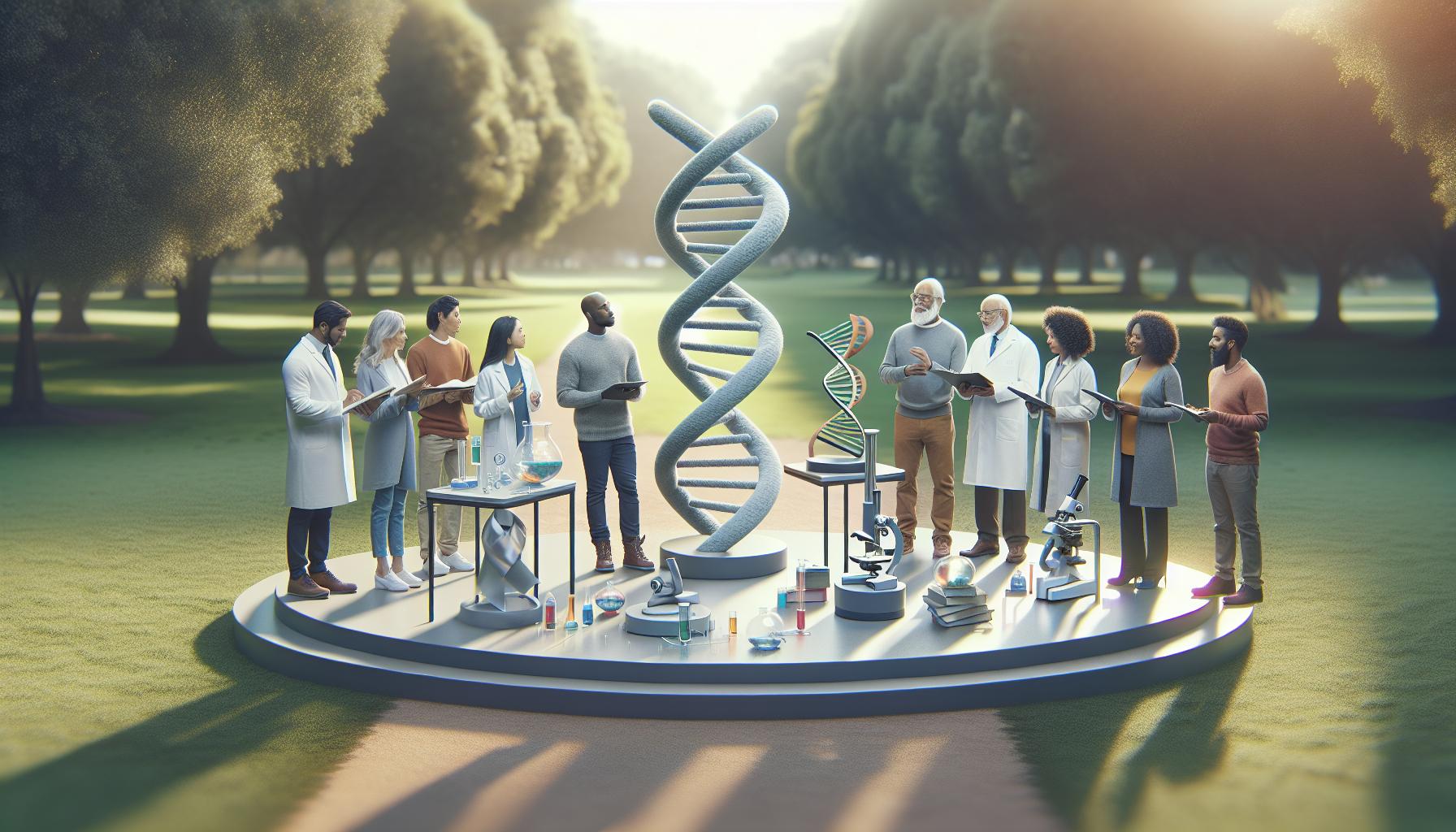
The Science Behind Genetic Variation
The remarkable tapestry of genetic variation in a species is intricately woven through the process of sexual reproduction. When two gametes-sperm and egg-come together, they form a zygote that contains a unique combination of genetic material from both parents. This combination not only results in distinct offspring but also enriches the gene pool, which is crucial for the population’s long-term survival. For instance, consider the vast array of colors in flowers; such diversity arises from the interplay of genes contributed by varying parental plants, enabling better adaptation to their environments.
One key driver of this variation is meiosis, the specialized form of cell division that produces gametes. During meiosis, chromosomes undergo a process called crossing over, where they exchange segments of DNA. This shuffling of genetic material creates new combinations of genes that are passed on to the next generation. As a result, even siblings from the same parents can exhibit strikingly different physical traits and aptitudes. This fundamental biological process not only increases diversity within a species but also enhances its resilience against diseases and environmental changes, ultimately contributing to a robust ecosystem.
Moreover, understanding the emotional landscape surrounding fertility and reproduction is equally important. For individuals facing challenges in conceiving, the journey can be fraught with feelings of grief, anxiety, and uncertainty. It is essential to validate these emotions while also providing compassionate support. Whether through alternative methods such as IVF or adoption, recognizing that each family’s path is unique fosters an inclusive environment where diverse approaches to family-building are respected.
In light of these discussions, recognizing the significance of genetic diversity prompts us to reflect on our responsibility towards preserving this richness in our ecosystems. As stewards of the environment, we can champion practices that sustain genetic variety in both natural and agricultural settings. Celebrating the unique and varied traits emerging through sexual reproduction not only enhances our appreciation for life’s complexity but also reaffirms our commitment to future generations.
How Gametes Combine for Unique Offspring
When two gametes-sperm and egg-come together, they create a zygote, which is the foundational beginning of a new organism. This critical union not only results in offspring but also combines genetic material from two separate parents, leading to unparalleled genetic diversity. Each gamete carries half of the genetic information necessary for the development of the new life, and the unique configuration of genes in the resulting zygote sets the stage for a wide array of traits. For example, variations in physical attributes, susceptibility to diseases, and even behavioral tendencies can arise from different combinations of parental genes. This genetic mixing is pivotal for the longevity and adaptability of species, enabling them to respond to environmental challenges.
One of the most compelling aspects of this process is the role of meiosis, the specialized cell division process that produces gametes. During meiosis, chromosomal crossover occurs, where portions of DNA are exchanged between homologous chromosomes. This exchange not only generates new genetic combinations but also adds layers of variation that can be passed down through generations. As a result, siblings can emerge from the same parents yet exhibit vastly different characteristics, illustrating the rich potential for diversity within a species. Each offspring represents a unique genetic blueprint shaped by the intricate interplay of parental genes.
Understanding this process is essential, especially for those navigating the emotional landscape of fertility and reproduction. The journey to conception can be fraught with uncertainty and anxiety, particularly for those considering assisted reproductive technologies like IVF or artificial insemination. Recognizing the significance of gamete combination can foster hope, as each attempt holds the potential for new genetic variations and, ultimately, unique offspring. It’s important to honor the emotional weight of these experiences while also providing clear and compassionate guidance as individuals and couples pursue their family-building journeys.
In seeking to understand how gametes combine and lead to genetic diversity, it’s invaluable to appreciate the empowerment and resilience that this diversity brings to ecosystems and agriculture. Greater genetic variation equips populations with the tools necessary to thrive in changing environments, resist diseases, and adapt to new challenges, reinforcing the need to celebrate and support this natural process for future generations.
The Role of Mutation in Genetic Diversity
Genetic mutations serve as a fundamental source of variability within the genetic pool of populations, significantly contributing to genetic diversity. These mutations, which are alterations in the DNA sequence, can arise spontaneously during DNA replication or as a result of environmental factors such as radiation and chemicals. Interestingly, not all mutations are detrimental. In fact, many mutations can be neutral or even beneficial, providing organisms with new traits that may enhance their survival and adaptation in changing environments.
One vivid example of beneficial mutations in action can be seen in the evolution of antibiotic resistance in bacteria. When exposed to antibiotics, most bacteria are killed, but a few may possess mutations that confer resistance. These resistant strains survive and replicate, leading to a population that is significantly harder to treat. This illustrates not only how mutations can lead to new traits but also underscores the necessity of monitoring genetic changes in populations, especially for medical and agricultural applications.
Another important aspect is the role of mutations in sexual reproduction. When gametes combine during fertilization, the existing mutations in the parents can create a mixture of genetic traits in the offspring. This mixing, combined with mutations, allows for an extensive array of potential genetic combinations. For instance, if one parent has a mutation that affects flower color and the other has a mutation that influences growth rate, their offspring could potentially inherit both traits, leading to a plant that combines attributes favorable for survival and reproduction in its environment.
While the potential for beneficial mutations is crucial for evolution and adaptation, it’s essential to acknowledge the emotional weight many readers may carry regarding genetic challenges. Individuals facing fertility issues may grapple with fears surrounding genetic health and inheritance. Understanding that mutations can be a part of natural variety can foster hope, illustrating that genetic diversity can bring both opportunities and challenges. It’s a reminder that every family-building journey is unique, and celebrating those differences is part of what makes us all resilient.
Impact of Environmental Factors on Genetics
The interaction between environmental factors and genetics plays a crucial role in shaping the genetic diversity resulting from sexual reproduction. Factors such as climate, habitat changes, and even human-induced alterations can create conditions that either foster or limit genetic variation. For instance, fluctuations in temperature can impact the phenotypic expression of traits in certain species, thereby influencing the selective pressures that drive evolution. When organisms reproduce sexually, the resulting offspring carry a combination of genetic traits from both parents that may be better suited to adapt to their given environments.
Among key environmental factors, the availability of resources is paramount. In ecosystems where food, water, or shelter are scarce, individuals with advantageous traits are more likely to survive and reproduce. For example, a plant’s ability to resist drought can be critical in arid climates, and as that plant reproduces, it may pass on its drought-resistant traits to its offspring, increasing the likelihood that subsequent generations can thrive in similar conditions. Moreover, in rapidly changing environments, sexual reproduction introduces a variety of genetic combinations that may quickly adapt to such changes, fostering resilience within populations.
It’s important to recognize that environmental stressors can also lead to challenges in genetic health. Pollution, climate change, and habitat destruction can create genetic bottlenecks, resulting in reduced genetic variation and increased vulnerability to diseases or extinction. For those on their personal journeys toward family building, whether through natural conception or assisted reproductive technologies as IVF or artificial insemination, understanding the role of environmental stressors may shine a light on fertility concerns. By acknowledging these complexities, it becomes easier to foster discussions around genetic health, empowering individuals to navigate their paths with care and informed awareness.
In light of these dynamics, ensuring the preservation of genetic diversity becomes essential, not only for the health of species but also for personal experiences of fertility. Each step taken toward understanding the intricate relationship between environmental factors and genetics can bring a sense of hope and clarity to those experiencing challenges, reminding them that adaptations are a natural part of life’s journey. Embracing this complexity allows individuals to celebrate the beauty of genetic diversity, bridging the gap between science and personal stories of resilience and hope.
Meiosis: The Process That Drives Diversity
Meiosis is a fascinating process that not only facilitates reproduction but also plays a pivotal role in generating the genetic diversity essential for evolution and adaptation. This specialized form of cell division occurs in germ cells, ultimately producing gametes-sperm and eggs in animals. Unlike mitosis, which produces two identical daughter cells, meiosis results in four genetically varied cells, each carrying half the genetic material of the original cell. This reduction in chromosome number ensures that when gametes unite during fertilization, the resulting offspring possess a complete set of chromosomes, effectively mixing genetic traits from both parents.
The two key mechanisms driving this genetic variability during meiosis are crossing over and independent assortment. During prophase I of meiosis, homologous chromosomes exchange segments of their genetic material in a process known as crossing over. This shuffling of genes can create new combinations of traits that may enhance an organism’s ability to adapt to its environment. Following this, during metaphase I, the orientation of chromosome pairs is random. This independent assortment ensures that each gamete receives a unique mix of maternal and paternal chromosomes, contributing further to genetic diversity.
For individuals on their family-building journey, understanding meiosis can underscore the inherent beauty and complexity of human reproduction. Each gamete is a product of both genetic inheritance and randomness, allowing each child to be a unique blend of their parents. Celebrating this genetic uniqueness can also provide a sense of hope-especially for those navigating challenges such as infertility.
Moreover, in the context of assisted reproductive technologies like in vitro fertilization (IVF), knowledge of meiosis can empower you to make informed decisions. Understanding how gametes are formed and how genetic diversity arises may lead to more meaningful conversations with reproductive health specialists about the potential for successful outcomes and the advising processes surrounding embryo selection. Embracing the intricacies of meiosis not only highlights the wonder of genetic diversity but also emphasizes the collaborative journey many undertake in their quest for family.
Crossbreeding and Its Effects on Species
Crossbreeding can be a significant driver of genetic diversity within species, leading to a broader pool of traits and enhancements that ultimately benefit survival. By mixing the genetic material of different varieties or breeds, crossbreeding can introduce new characteristics that may make a population more resilient to diseases, environmental changes, or other stressors. For example, agricultural practices often incorporate crossbreeding to develop crops that are more nutritious, better tasting, or have enhanced resistance to pests. This process not only improves food security but also contributes to the sustainability of agriculture by creating varieties that can thrive in changing climates.
Another area where crossbreeding plays a vital role is in the conservation of endangered species. When individuals from different populations interbreed, it can help to avoid inbreeding depression, which often leads to reduced fertility and survival rates. By increasing genetic diversity, conservationists can enhance the adaptive capacity of populations, making them better equipped to respond to ecological challenges. For example, the successful crossbreeding of distinct populations of certain wildlife species has led to a resurgence in their numbers, demonstrating the relevance of genetic mixing in conservation efforts.
Understanding the implications of crossbreeding extends beyond natural populations to human health and agriculture. In animal husbandry, crossbreeding practices have been employed to create hybrids that exhibit superior traits, such as improved growth rates or enhanced milk production in dairy cows. While this can lead to increased productivity, it’s also crucial to consider the potential consequences. The focus on certain benefitting traits could inadvertently narrow the genetic pool, potentially making populations more vulnerable to diseases that can sweep through genetically similar groups.
The emotional weight of navigating these complexities is significant, particularly for those in the realm of assisted reproductive technologies. For individuals and couples considering IVF or other avenues, lessons from nature around crossbreeding may provide insightful perspectives. While the journey may be fraught with uncertainty, embracing the diversity of potential outcomes can infuse hope and direction into family-building efforts. Understanding that genetic diversity not only enriches the populations we are part of but also enhances our own unique stories can empower decision-making during challenging times.
Sexual Selection: Choosing the Right Mate
In the intricate dance of nature, the choice of a mate plays a critical role in shaping genetic diversity within species. Sexual selection, a powerful evolutionary force, drives individuals to select partners based on characteristics that signal fitness and suitability for reproduction. This selection process is not merely about physical attributes; it extends to behaviors, vocalizations, and even scents that can indicate genetic health. For instance, in many bird species, males showcase vibrant plumage or elaborate songs to attract females, who often prefer these traits, believing they indicate a superior genetic makeup. Such preferences ensure that the next generation inherits a diverse set of genetic traits, enhancing their adaptability and resilience.
The implications of sexual selection reach far beyond individual preferences-it contributes significantly to the genetic variability that underpins a species’ survival. By favoring mates with distinct and advantageous traits, populations can maintain a broader gene pool. This genetic variation is crucial when facing environmental changes or disease outbreaks. Consider populations of animals, such as the famous Galápagos finches, which have diverged into multiple species, each adapted to specific ecological niches. When mates are chosen based on diverse traits, it fosters a mix of genetics that allows for greater adaptability and chances of survival in fluctuating environments.
Furthermore, sexual selection is not just a phenomenon observed in the wild; it holds relevance in assisted reproductive technologies. Couples navigating fertility challenges often encounter questions related to genetic diversity when considering IVF or sperm donation. Understanding how genetic diversity can enhance the chances of healthy offspring may guide choices regarding donor selection or embryo transfer strategies. The lessons of natural selection can inspire hope, as individuals are reminded that every choice can lead to the enriching potential of new life.
Ultimately, making informed decisions about mate selection-whether in nature or assisted reproductive scenarios-can illuminate pathways to thriving futures. This recognition of genetic diversity can empower individuals and couples on their journeys toward family building, promoting a sense of agency amidst a landscape often laden with uncertainty.
Genetic Diversity and Ecosystem Resilience
In the complex web of life, genetic diversity stands as a pivotal element in maintaining ecosystem resilience. A diverse genetic pool within species enhances their ability to adapt to changing environmental conditions and resist diseases. When individuals in a population possess a broad range of genetic traits, the population is better equipped to cope with ecological shifts caused by climate change, habitat destruction, or disease outbreaks. Essentially, genetic diversity acts as a buffer, allowing ecosystems to absorb shocks and recover more swiftly from disturbances.
Research highlights the role of sexual reproduction in fostering this genetic variation. Through the process of meiosis and the combination of gametes, sexual reproduction generates offspring with unique genetic makeups, equipping future generations with traits that may offer advantages in survival. For example, consider the rich varieties found in wildflower populations. Different inherited traits may lead to variations in bloom times, flower colors, and resistance to pests. This genetic mosaic facilitates a robust community of plants, increasing their overall stability and functionality in their ecosystem.
Moreover, the benefits of genetic diversity extend beyond species survival; they contribute to the overall health of ecosystems. For instance, diverse populations can better interact with various organisms within their habitats, maintaining vital ecological processes like pollination and nutrient cycling. In marine ecosystems, coral reefs exemplify this concept. Elevated genetic diversity among coral species enhances their resilience against bleaching events, ensuring the survival of not just the corals but the myriad species they support.
To nurture and protect genetic diversity, it is crucial for conservation efforts to focus on preserving natural habitats and fostering sustainable practices. Engaging with local communities to promote biodiversity initiatives can help safeguard the delicate balance of ecosystems. Recognizing the intrinsic value of genetic diversity is essential, not just for ecological resilience but for the future of humanity’s relationship with nature. By understanding the interconnectedness of genetic diversity and ecosystem health, we can make informed decisions that benefit both the planet and our own well-being.
The Importance of Genetic Diversity in Agriculture
In the world of agriculture, genetic diversity is not just an abstract concept; it’s the cornerstone of sustainable farming practices and food security. A greater variety of crops and livestock leads to more resilient agricultural systems capable of withstanding pests, diseases, and climate-related challenges. This diversity is primarily bolstered through sexual reproduction, which fosters a rich tapestry of genetic combinations, equipping plants and animals with traits that can be vital for survival.
Benefits of Genetic Diversity in Crops
Genetic diversity leads to improved yields and resilience in crops. For instance, farmers who cultivate a mix of genetically diverse plants can reduce the risk of crop failure due to a specific disease. This is especially crucial in the face of unpredictable weather patterns exacerbated by climate change. Moreover, genetic variation can enhance the nutritional value of crops, benefiting consumer health while also allowing farmers to meet market demands for diverse produce.
- Pest Resistance: Different genetic traits can create varieties resistant to specific pests, thus minimizing the need for chemical pesticides and promoting environmental sustainability.
- Drought Tolerance: Some genetically diverse crops may have adaptations that allow them to thrive in less-than-ideal water conditions, crucial as water scarcity becomes a growing concern.
- Nutritional Diversity: By planting a range of crops, farmers can provide varied nutrients that enhance food security, allowing communities to access a well-rounded diet.
Animal Genetic Diversity
In livestock, genetic diversity plays a similarly critical role. Different breeds of animals can offer unique traits, such as disease resistance and superior production capabilities. For example, certain cattle breeds are better adapted to extreme temperatures, which can help ensure the herd’s survival in challenging climates. By practicing selective breeding and maintaining a diverse gene pool, farmers can promote a healthy and productive livestock population.
Practical Steps for Farmers
To harness the benefits of genetic diversity, farmers should consider the following:
- Crop Rotation: Implementing crop rotation preserves soil health and enhances genetic diversity among crops.
- Diverse Planting: Grow a mix of crop varieties within the same field to promote cross-pollination and resilience.
- Use of Heritage Varieties: Incorporating traditional or heirloom seed varieties can introduce new genetic traits, enhancing resilience against pests and diseases.
- Collaborate with Local Breeders: Partnering with local breeding programs can help maintain genetic diversity in livestock.
In conclusion, cannot be overstated. By understanding and utilizing sexual reproduction’s role in enhancing genetic variation, farmers can not only safeguard their crops and livestock against various environmental challenges but also contribute to global food security and the health of ecosystems. Prioritizing genetic diversity is a crucial step towards sustainable agriculture and, ultimately, a resilient food system that benefits everyone.
Challenges to Genetic Diversity in Modern Species
In today’s rapidly changing environment, maintaining genetic diversity in modern species faces significant challenges. One of the pivotal issues is habitat loss, often driven by urbanization, agriculture, and climate change. When ecosystems are disrupted, the populations of species become isolated, leading to inbreeding and a reduction in genetic variation. This is particularly evident in species that have small habitat ranges or specific environmental requirements.
Additionally, the rise of monoculture in agriculture has substantially affected genetic diversity. When farmers focus on growing a single or limited number of crop varieties, the rich genetic pools that traditionally existed are diminished. This not only increases the vulnerability of crops to pests and diseases but also poses risks to food security. For instance, the Irish Potato Famine serves as a historical example where dependency on a single potato variety led to catastrophic failure due to the spread of a single pathogen.
Moreover, climate change introduces new stressors that further threaten genetic diversity. Altered weather patterns, rising temperatures, and changing precipitation levels can outpace the adaptability of many species, preventing them from migrating or adapting rapidly enough to survive. As these environmental pressures mount, species with limited genetic variability are at a greater risk of extinction.
The effects of pollution, including pesticides and industrial waste, also cripple genetic diversity by creating unsuitable living conditions for many organisms. These stressors can lead to a decrease in population size and create environments that favor certain genetic traits over others, thus homogenizing the gene pool.
To address these issues, it’s vital for conservation efforts to emphasize the importance of genetic diversity, not just in natural habitats but also within agricultural landscapes. Incorporating a variety of species and cultivars can help maintain resilience against unforeseen challenges. Engaging in practices such as crop rotation, agroecological methods, and preserving heirloom varieties can significantly bolster the genetic base of both wild and domesticated species.
By fostering environments that support diverse genetic pools, we can better equip both natural ecosystems and agricultural systems to thrive amid the modern challenges they face.
Future Implications of Reduced Genetic Diversity
The future of genetic diversity is an urgent topic, as its reduction poses significant risks not only to individual species but also to entire ecosystems. Genetic diversity is essentially the raw material for evolution and adaptation, allowing species to cope with changing environments, resist diseases, and thrive in various ecological conditions. With the ongoing challenges of habitat destruction, climate change, and modern agricultural practices, the implications for reduced genetic diversity become increasingly stark.
Consider the resilience seen in populations with rich genetic diversity. Species such as the African cheetah, once thought to be dwindling, showcase how genetic bottlenecks can lead to severe inbreeding, resulting in reduced fertility and increased vulnerability to disease and environmental changes. In the context of agriculture, monoculture farming, where farmers cultivate only a single variety of crops, diminishes genetic variation. This approach not only threatens food security-evident from historical events like the Irish Potato Famine-but also limits our capacity to breed crops that can withstand emerging pests and changing climates. Without diverse genetic resources, farmers face a precarious situation where a single pathogen could devastate their entire yield.
Recognizing the prompts us to reevaluate our approaches to conservation and agriculture. A multi-faceted strategy is essential: schools, communities, and organizations can collaborate to engage in practices such as seed banks, which preserve a wide array of genetic materials, and agroforestry, where diverse plant species are cultivated together to enhance resilience against pests and diseases. Additionally, promoting policies that encourage biodiversity can support both wild and domesticated species by connecting isolated populations and restoring natural habitats.
As we move forward, understanding the importance of genetic diversity is crucial for creating sustainable ecosystems that can withstand future challenges. By prioritizing genetic variation, we not only secure the health of our planet but also ensure food security and ecological balance for generations to come. This journey requires a collective effort-an acknowledgment that every small step taken towards preserving genetic diversity carries profound implications for our environment and our survival on this planet.
FAQ
Q: How does sexual reproduction increase genetic variation?
A: Sexual reproduction increases genetic variation through the combination of genetic material from two parents. This process involves meiosis, where gametes are formed, leading to mixing of alleles. As a result, each offspring has a unique genetic makeup, enhancing adaptability and survival within changing environments.
Q: What role do mutations play in genetic diversity during sexual reproduction?
A: Mutations introduce new genetic variations, contributing to genetic diversity during sexual reproduction. When gametes fuse, any existing mutations can become part of the offspring’s genetic code, providing potential advantages or disadvantages that influence natural selection and evolution.
Q: Why is genetic diversity crucial for a species’ survival?
A: Genetic diversity is vital for survival because it enables populations to adapt to environmental changes, resist diseases, and maintain overall ecosystem health. Without diversity, species are more vulnerable to extinction from changing habitats or emerging threats.
Q: How do environmental factors influence genetic diversity in sexually reproducing species?
A: Environmental factors, such as climate, food availability, and habitat conditions, can significantly impact genetic diversity. These factors drive natural selection, favoring the survival and reproduction of certain genetic traits, thus shaping the genetic landscape of populations over time.
Q: What is the significance of sexual selection in genetic diversity?
A: Sexual selection plays a key role in genetic diversity by influencing mate choice based on desirable traits. This selective mating can enhance genetic variation as preferred traits are passed on, ensuring that a wider range of genetic combinations is present in the gene pool.
Q: How does crossbreeding affect genetic diversity in agriculture?
A: Crossbreeding in agriculture enhances genetic diversity by combining traits from different plant or animal breeds. This practice leads to greater resilience against diseases and pests, improved yield, and adaptation to changing environmental conditions, promoting overall agricultural sustainability.
Q: What challenges affect genetic diversity in modern species?
A: Modern species face challenges like habitat loss, overexploitation, and climate change, which reduce genetic diversity. These factors can lead to inbreeding and a decline in adaptive potential, making populations more susceptible to extinction. Conservation efforts are essential to mitigate these effects.
Q: How does reducing genetic diversity impact ecosystems?
A: Reduced genetic diversity negatively impacts ecosystems by limiting a species’ ability to adapt to environmental stressors, leading to decreased resilience. This can disrupt food webs, alter habitat structures, and ultimately threaten ecosystem stability and health.
For further insights into how sexual reproduction contributes to genetic diversity, explore related sections in our article!
To Wrap It Up
Understanding how sexual reproduction fuels genetic diversity opens doors to exploring the fascinating world of evolution and species adaptability. This knowledge can empower you to appreciate the rich tapestry of life and how every individual contributes uniquely to their ecosystems. Don’t miss out on diving deeper-check out our related articles on genetic variation and its implications for evolution, and learn about the different reproductive strategies across species.
If you’re eager to uncover more about the complexities of reproduction and genetics, sign up for our newsletter for the latest insights and updates. Whether you’re curious about the science behind genetic inheritance or looking for supportive resources on fertility topics, we’re here to guide you through every step of the journey. Your path to understanding and discovery doesn’t end here-explore our site further, and let’s continue this conversation together!