Reproduction is a fundamental process that enables the continuity of life, and it can occur in two primary forms: asexual and sexual reproduction. Understanding these methods not only satisfies our curiosity but also informs our approaches to issues like infertility and genetic diversity. Asexual reproduction is remarkable for its speed and efficiency, allowing organisms to reproduce without the need for mates. In contrast, sexual reproduction introduces genetic variation, which can enhance a species’ adaptability and resilience. As we explore these processes, we’ll uncover the implications they have on both the natural world and human endeavors, including the various paths individuals might take in their family-building journeys. Whether you’re navigating the complexities of reproductive health or simply interested in the science of life, the dynamics of reproduction are crucial to our understanding of biology and our own experiences.
Types of Reproduction: An Overview
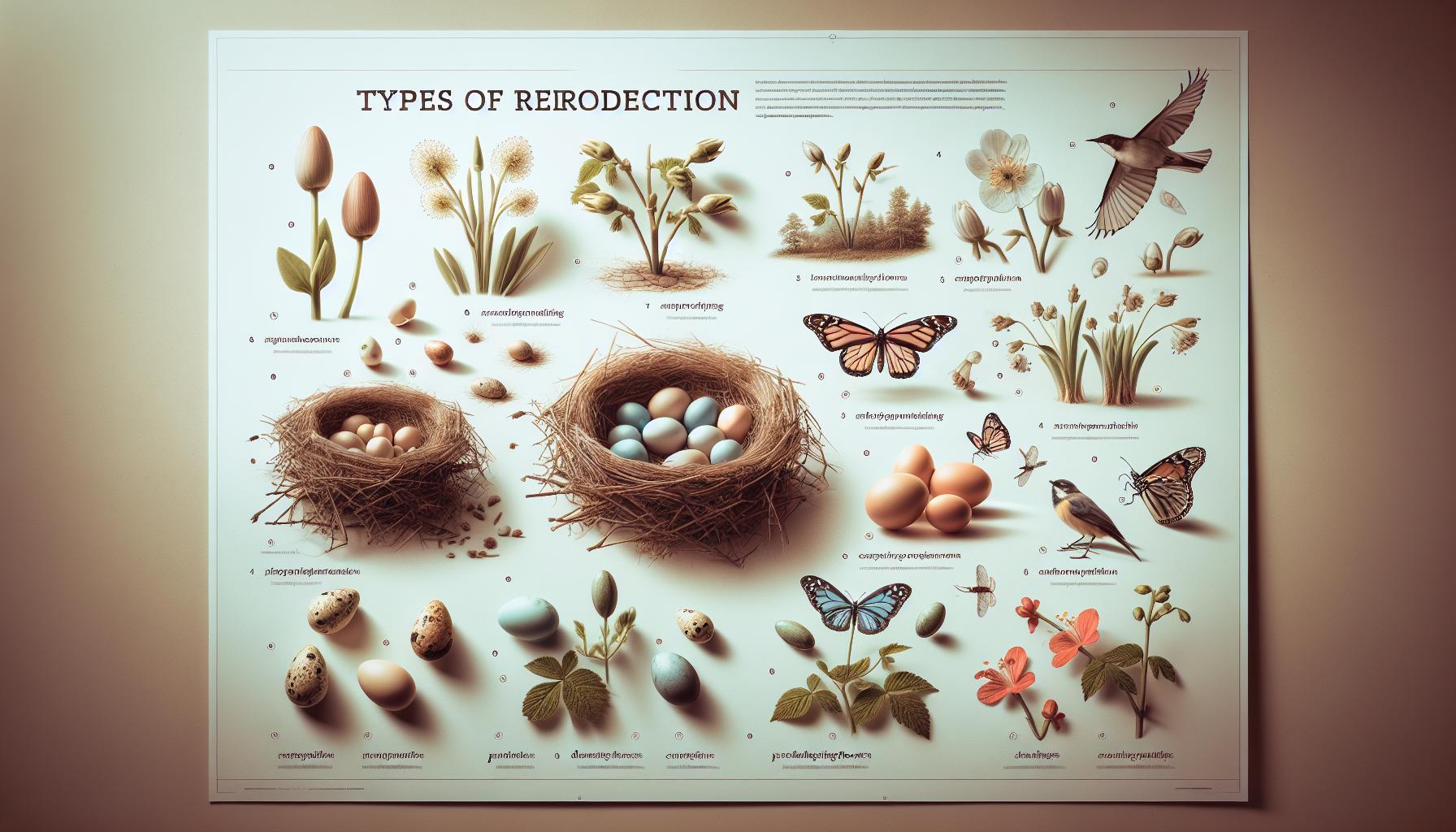
Reproduction is a fundamental biological process that ensures the continuity of life on Earth. Organisms can reproduce in two primary ways: asexually and sexually. Each method has unique characteristics that suit different environmental conditions and biological needs. Asexual reproduction involves a single organism producing offspring that are genetically identical to itself, which can occur rapidly and efficiently. In contrast, sexual reproduction requires the combination of genetic material from two parents, resulting in offspring with varied genetic traits.
A Closer Look at Asexual Reproduction
Asexual reproduction is characterized by processes such as binary fission, budding, and fragmentation. In binary fission, a single cell divides into two identical cells. Budding occurs when a new organism grows off the body of the parent, while fragmentation involves the breaking of an organism into pieces, each capable of developing into a new individual. This form of reproduction is particularly advantageous in stable environments where conditions remain favorable, allowing for rapid population growth without the energy costs associated with finding a mate.
Diving into Sexual Reproduction
In contrast, sexual reproduction combines genetic material from two parents, leading to diverse offspring. This variability is essential for adaptation and evolution, as it enhances a population’s ability to survive changing environments. Common methods of sexual reproduction include internal fertilization, where eggs are fertilized within the female’s body, and external fertilization, where eggs and sperm unite outside the organism. Such strategies encourage genetic mixing and can lead to the emergence of new traits that might better suit environmental challenges.
Comparing Asexual and Sexual Reproduction
When comparing the two, asexual reproduction is usually faster and requires less energy, but it lacks genetic diversity. On the other hand, sexual reproduction fosters genetic variation, crucial for evolution and resilience against disease. While both methods effectively ensure species continuation, their appropriateness can depend on ecological conditions and the respective advantages they provide.
Understanding these reproductive strategies helps clarify how life persists and evolves, demonstrating the intricate balance of biological processes that support our ecosystems.
A Closer Look at Asexual Reproduction
Asexual reproduction is a fascinating biological process that enables organisms to create offspring without the involvement of another parent. This method of reproduction is employed by a diverse range of life forms, from single-celled organisms like bacteria to more complex multicellular entities such as plants and some animals. The simplicity and efficiency of asexual reproduction often serve as a significant advantage in stable, resource-rich environments.
One common mechanism of asexual reproduction is binary fission, a process where a single cell divides into two identical daughter cells. This is particularly observed in prokaryotes, such as bacteria, where each new cell is a clone of the original. Another method is budding, which occurs in organisms like yeast, where a new individual develops from an outgrowth or bud on the parent organism. Similar to budding is the process of fragmentation, which can be seen in certain starfish and flatworms, where portions of the parent organism break off and regenerate into anew individual.
The advantages of asexual reproduction are compelling. It allows for rapid population growth under ideal conditions, as one organism can produce multiple offspring quickly. Additionally, there is no need to expend energy searching for a mate, making it resource-efficient. Yet, while these benefits are substantial, a major drawback is the lack of genetic diversity. This homogeneity can make populations more susceptible to diseases and environmental changes, as all individuals share the same genetic makeup.
Organisms that reproduce asexually include not only bacteria and yeast but also many plants, which can propagate through methods like runners or tubers. This ability to rapidly expand can often lead to the domination of a particular species in its habitat, showcasing the power of asexual reproduction in the natural world.
Key Features of Asexual Reproduction
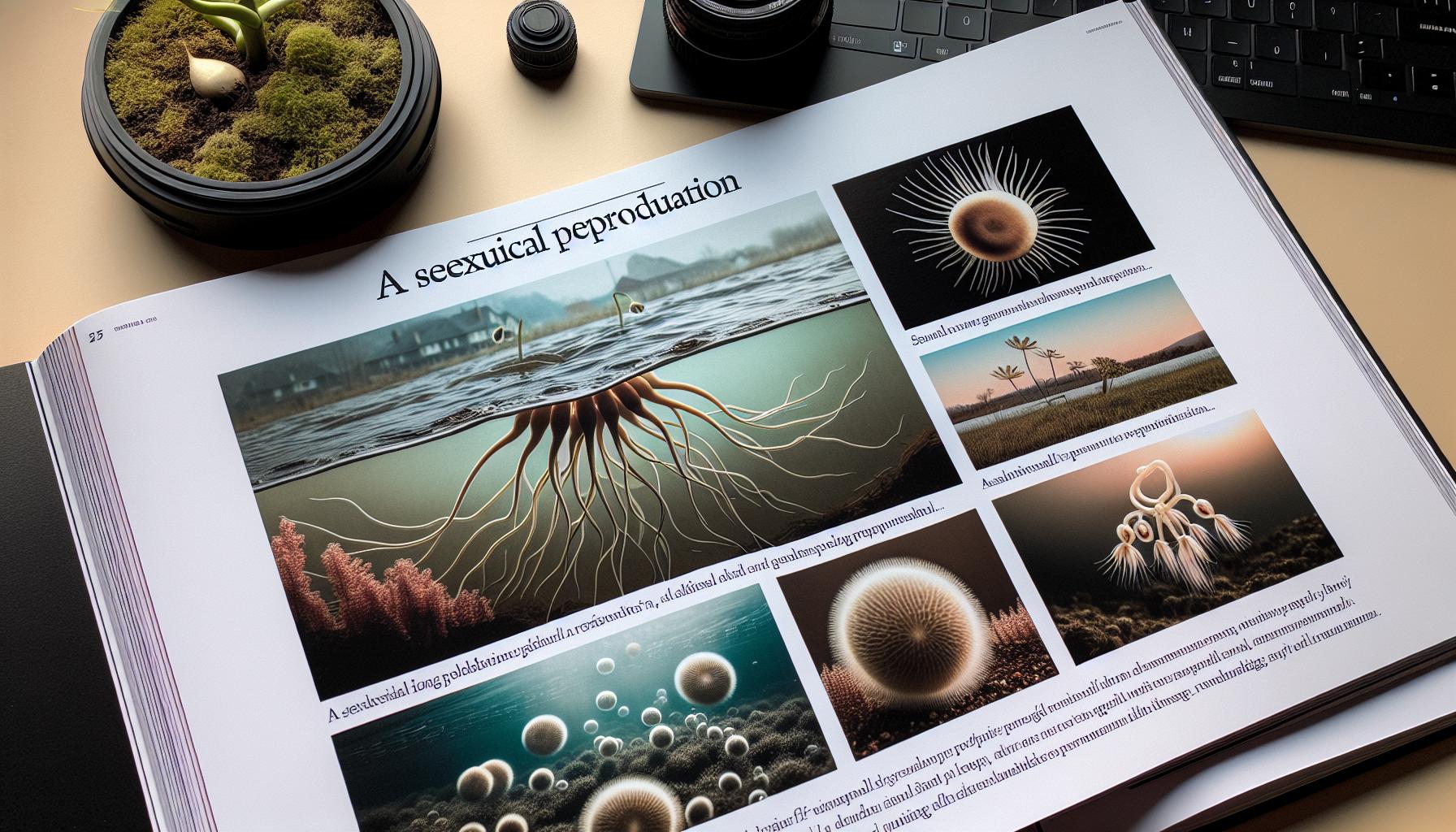
Asexual reproduction is a remarkable biological process that allows organisms to reproduce without the need for a mate, relying instead on their own genetic material to produce offspring. This mode of reproduction is found across a wide spectrum of life forms, from the simplest prokaryotic organisms like bacteria to more complex eukaryotic organisms, including many plants and certain animals. Its efficiency and speed in creating new life can be particularly advantageous in stable environments where resources are plentiful.
Among the standout features of asexual reproduction are its mechanisms, which include binary fission, budding, and fragmentation. In binary fission, a single organism divides into two identical daughter cells, a process seen prominently in bacteria. Budding, which occurs in organisms like yeast, involves the formation of a new individual that develops from an outgrowth of the parent. Fragmentation, conversely, is observed in organisms such as starfish and some flatworms, whereby segments of the parent organism can break off and regenerate into a complete new individual. Each of these methods highlights the diverse strategies that life has developed to ensure propagation.
The benefits of asexual reproduction are numerous. Most notably, it allows for rapid increases in population size, especially in environments where conditions are stable, enabling a single organism to produce many offspring in a short time. This ability eliminates the need for mate search, conserving energy that can instead be directed towards growth and offspring production. However, a key drawback is the lack of genetic diversity, which can leave populations vulnerable to disease and environmental shifts, as all individuals are genetically similar.
Many organisms that reproduce asexually include not only unicellular entities like bacteria and yeast but also multicellular plants, which utilize methods like runners and tubers for propagation. This prolific ability can significantly affect ecosystems, allowing certain species to flourish and sometimes dominate specific habitats, thereby influencing ecological dynamics. Understanding these features of asexual reproduction is crucial for appreciating the variety of life strategies employed by organisms in nature.
Advantages of Asexual Reproduction
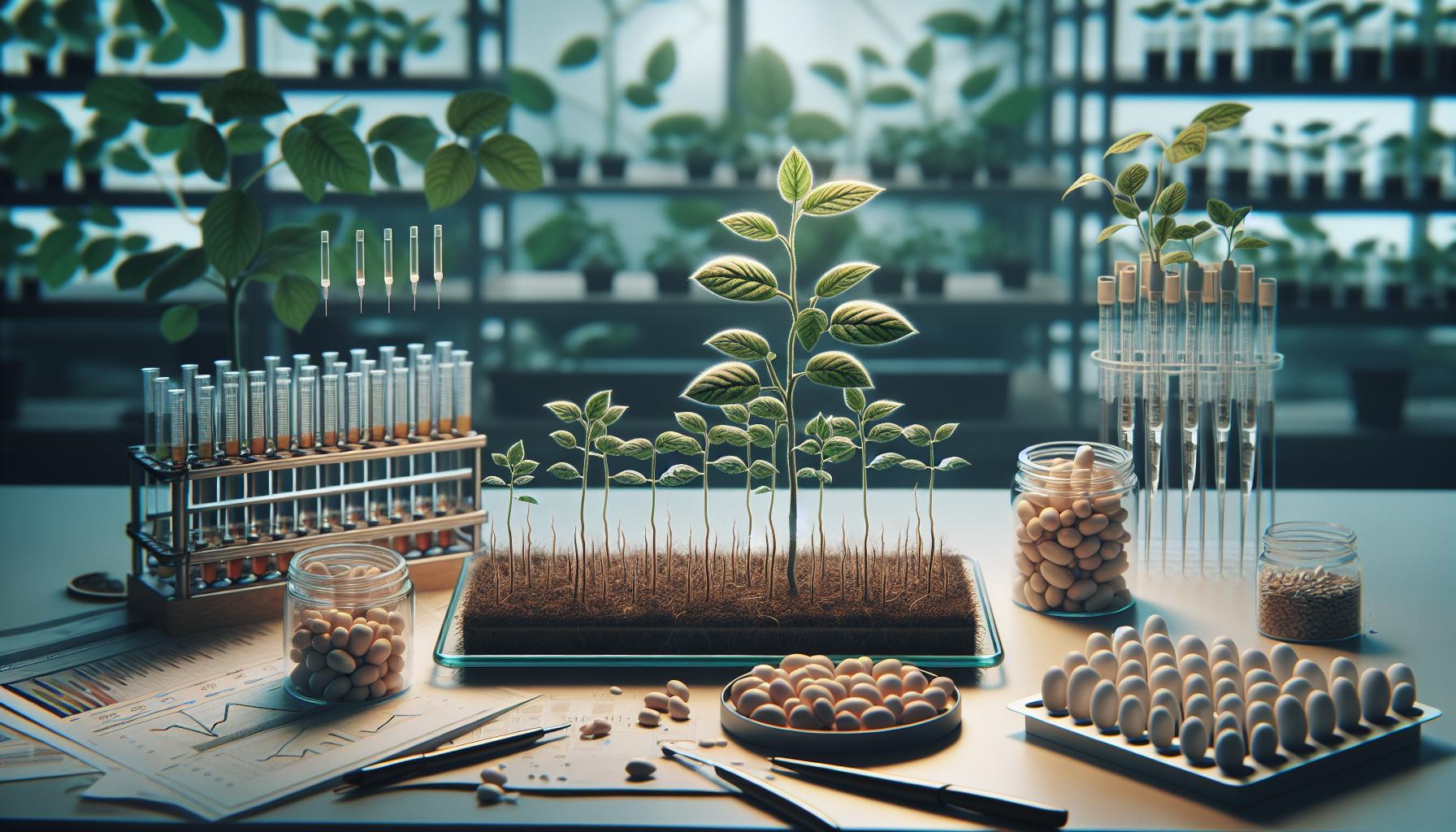
Asexual reproduction boasts a variety of advantages that make it a fascinating and efficient method of propagation for many organisms. One of the most notable benefits is the ability to reproduce rapidly. In stable and resource-rich environments, a single organism can undergo asexual reproduction, resulting in numerous offspring in a remarkably short time. This efficiency allows populations to grow quickly, helping species establish themselves in their habitats without the need for mates.
Furthermore, the energy conservation involved in asexual reproduction is significant. In contrast to sexual reproduction, which demands energy for mate searching and courtship, asexual reproduction allows organisms to focus their resources on growth and offspring production. This can be particularly valuable for organisms in competitive environments where every resource counts.
Another key advantage is the certainty of offspring characteristics. Since asexual reproduction involves a single parent’s genetics, the resulting offspring are genetically identical to the parent, ensuring that successful traits are passed down. This predictability can be beneficial in stable environments where adaptations are already well-suited for survival.
However, it’s essential to note the trade-offs. While asexual reproduction enhances rapid population growth and energy efficiency, it can also limit genetic diversity. Populations that reproduce asexually may be vulnerable to diseases or environmental changes since all members share the same genetic makeup. This highlights the importance of understanding both the advantages and challenges of asexual reproduction, as it plays a crucial role in the life cycles of many organisms and their ecological dynamics.
Examples of Asexual Reproductive Organisms
Many fascinating organisms engage in asexual reproduction, harnessing this method to thrive in various environments. This form of reproduction is not just a biological curiosity but an evolutionary strategy that enables species to persist and flourish in specific conditions. Here are some remarkable examples:
Fungi
Fungi often reproduce asexually through a process called budding or spore formation. For instance, yeast, a type of fungus, can generate new cells through budding, where a new organism grows directly from the parent. This method allows fungi to colonize their environment quickly, providing a distinct advantage when resources are plentiful.
Plants
Many plants utilize asexual reproduction methods such as runners, tubers, and cuttings. Strawberry plants, for example, produce runners-long stems that develop new plants at their nodes. Similarly, potatoes can reproduce via tubers, which are underground storage organs that can sprout into new potato plants. These strategies enable plants to spread effectively in their habitats, often resulting in large populations of genetically identical individuals.
Animals
Some animals also display impressive asexual reproductive capabilities. The hydra, a small freshwater organism, can reproduce asexually by budding, where new individuals form on the body of the parent and later detach. Additionally, certain species of aphids can produce offspring without mating, leading to rapid population increases in a favorable environment. This reproductive flexibility allows species to adapt to their surroundings efficiently.
Benefits of Asexual Reproduction
The ability to reproduce asexually provides several advantages, especially in stable ecosystems. By producing genetically identical offspring, these organisms can maintain successful traits within their populations. This reproductive method also minimizes the energy expenditure often associated with attracting mates, allowing them to allocate more resources toward growth and survival. However, it’s crucial to recognize that the lack of genetic diversity can make these populations vulnerable in changing environments.
By understanding these examples and their implications, we see how asexual reproduction serves as a vital mechanism for many organisms, shaping ecosystems and influencing evolutionary pathways.
Diving into Sexual Reproduction
In the intricate dance of life, sexual reproduction plays a pivotal role in fostering genetic diversity and resilience among species. This process involves the fusion of gametes-sperm from a male and an egg from a female-resulting in offspring that are genetically unique. This genetic variation is crucial for the adaptation and survival of species, allowing populations to respond more effectively to environmental changes and challenges.
The core characteristics of sexual reproduction include the involvement of two parents, which can lead to offspring with diverse genetic traits. This genetic shuffling can create individuals better equipped for survival in varying conditions. For example, organisms such as flowering plants utilize pollination-a sexual reproductive strategy where pollen from a male flower fertilizes the ovules of a female flower-leading to the formation of seeds that eventually grow into new plants. Another example is found in many animal species, including mammals, where mating rituals and strategies can facilitate successful reproduction, enhancing the survival and health of the offspring.
One of the significant benefits of sexual reproduction is the enhancement of genetic diversity within a population. This diversity not only helps populations adapt to changes in their environment but also plays a fundamental role in their overall health and vigor. For example, when diseases threaten a population, genetically diverse individuals can provide a buffer against mortality, as some may possess resistance to specific pathogens. Moreover, sexual reproduction encourages the persistence of beneficial traits and can lead to the emergence of new characteristics over generations, contributing to the evolution of species.
Common forms of sexual reproduction include external fertilization, evident in many fish and amphibian species where sperm and eggs are released into the water, and internal fertilization, typical in mammals, reptiles, and birds. Each method has evolved to maximize reproductive success in varied environments. The complexity of these reproductive strategies encapsulates the beauty and diversity of life, reminding us of the intricate connections that bind ecosystems and species together.
Core Characteristics of Sexual Reproduction
In the realm of reproduction, sexual reproduction stands out for its inherent complexity and the unique genetic variations it produces. At its core, this method involves the fusion of male and female gametes-sperm and egg-creating genetically diverse offspring. This combination of genetic materials enables a mix of traits from both parents, enriching the gene pool and enhancing the resilience of populations against environmental changes.
Key Characteristics
Sexual reproduction typically requires two distinct parents, which can result in offspring exhibiting a wide range of physical and genetic traits. This genetic mixing is crucial because it promotes adaptability. For instance, in flowering plants, pollination is a vital process where pollen released from male structures fertilizes the ovules of female structures. This ensures that the resulting seeds will carry unique genetic combinations, which can be vital for the plant’s survival in changing conditions.
Moreover, sexual reproduction often involves complex behaviors and rituals. In many animal species, especially mammals, mating rituals can include courtship displays or vocalizations, all designed to attract a suitable partner. These behaviors not only facilitate reproduction but also play a role in ensuring that the healthiest individuals mate, leading to stronger offspring equipped to thrive in their environments.
Benefits of Diversity
The genetic diversity fostered by sexual reproduction has significant advantages. Populations that arise from sexual reproduction can better withstand diseases and environmental stresses. For example, when a population is genetically diverse, it is less likely that all individuals will be susceptible to a particular disease; some may carry resistance traits that can survive and continue to reproduce. This phenomenon underscores the inherent strength embedded within sexually reproduced populations, which is crucial for their long-term viability and evolution.
In addition to improving adaptability, sexual reproduction is fundamental for the evolution of species. Over generations, the shuffling of genes through sexual reproduction can lead to new traits arising within a population, paving the way for evolutionary advancements and speciation. Thus, sexual reproduction not only aids in immediate survival but also fuels the broader tapestry of life through continuous evolution and diversity.
Benefits of Sexual Reproduction
Sexual reproduction yields a remarkable array of benefits that fundamentally shape the dynamics of life on Earth. One of the most significant advantages is genetic diversity, which arises from the combination of genetic material from two parents. This diversity is essential for the adaptability and resilience of populations. For example, plants that reproduce sexually can produce seeds with various genetic combinations, enabling some offspring to thrive in changing environments while others may possess traits that confer resistance to diseases. This is particularly important in ecosystems where pathogens and environmental conditions fluctuate.
In addition to enhancing survival, sexual reproduction also facilitates evolutionary advancements. Over generations, the mixing of genes can lead to new traits that can aid in survival and reproductive success. This ongoing process is a driving force behind speciation, where populations evolve into distinct species over time. A prime example is the extensive variety of bird species resulting from sexual reproduction, showcasing how different traits can arise based on environmental needs.
Moreover, the behaviors associated with sexual reproduction often increase the chances of producing healthier offspring. Courtship rituals serve not only to attract mates but also to demonstrate an individual’s fitness, ensuring that the strongest genes are passed on to the next generation. This natural selection encourages the proliferation of traits that enhance survival, ultimately benefiting the species as a whole.
Lastly, the emotional and psychological aspects of sexual reproduction should not be underestimated. For many organisms, engaging in courting behaviors and forming pair bonds can provide social structure and support, contributing to stability within populations. In this way, sexual reproduction is not just a biological event but also a complex interplay of emotions and relationships that further ensures the continuation of species. Thus, the stretch far beyond mere survival, intertwining with the very essence of life’s diversity and adaptability.
Common Types of Sexual Reproduction
In the intricate world of reproduction, several prominent methods emerge under the umbrella of sexual reproduction. Understanding these types can help illuminate not only the biological processes involved but also their ecological impacts. The most common types include internal fertilization, external fertilization, and hermaphroditism, each showcasing unique mechanisms and adaptations.
Internal fertilization typically occurs in terrestrial animals, where sperm is deposited inside the female’s body, allowing fertilization to take place. This method provides several advantages, notably increased protection for the developing embryos and a higher likelihood of successful fertilization. For example, mammals, including humans, utilize internal fertilization, promoting a secure environment for fetuses as they grow within the mother.
In contrast, many aquatic species, such as fish and amphibians, employ external fertilization. Here, eggs and sperm are released into the water simultaneously, with fertilization occurring outside the female’s body. While this method increases the number of offspring produced, it comes with its own set of challenges, such as heightened vulnerability from predation and environmental factors. However, species like salmon have evolved complex behaviors to optimize their success rate during this process, such as returning to their natal spawning grounds.
Hermaphroditism offers another fascinating avenue of sexual reproduction. In this system, individuals possess both male and female reproductive organs, allowing them to mate with any partner they encounter, increasing their chances of reproduction. Organisms like earthworms and many species of snails exemplify this strategy, adapting it to suit their ecological niches effectively. For these creatures, the flexibility of being able to self-fertilize or find a partner can be crucial in environments where encounters with mates are infrequent.
While these methods contribute significantly to the success of various species, they also reveal the remarkable diversity and adaptability of life on Earth. By understanding these , one can appreciate the underlying mechanisms that drive evolution, genetic diversity, and resilience in the face of environmental changes.
Comparing Asexual and Sexual Reproduction
The choice between asexual and sexual reproduction can profoundly influence the survival and adaptability of species in varied environments. While both methods aim to produce offspring, they each present unique advantages and challenges that shape the biodiversity around us.
Asexual reproduction, which involves a single parent organism, allows for rapid population increase and requires less energy compared to its sexual counterpart. Methods such as fission, budding, and parthenogenesis enable species to thrive in stable environments by producing clones, ensuring that advantageous traits are preserved. This method is notably efficient; for example, bacteria can double their population in as little as 20 minutes under ideal conditions. However, the lack of genetic variation can be detrimental, especially in changing environments where adaptability becomes crucial.
Conversely, sexual reproduction involves the fusion of gametes from two parents, resulting in offspring with genetic combinations that increase diversity. This genetic mixing can enhance a population’s ability to adapt to environmental changes, resist diseases, and exploit new resources. Species that engage in sexual reproduction, such as many plants and animals, have developed various strategies, including hermaphroditism and different fertilization methods, to maximize reproductive success. However, the process can be energetically costly and time-consuming, not to mention it requires individuals to locate mates, which can be a challenge in sparse populations.
In summary, asexual reproduction’s efficiency contrasts with the genetic advantages offered by sexual reproduction. Both strategies represent evolutionary solutions to reproduction and survival, influencing the way life unfolds in ecosystems across the planet. The dynamic interplay between these methods not only enhances biodiversity but also underscores the complexity of life forms adapting to their niches, ultimately shaping the course of evolution itself.
Unraveling the Importance of Reproduction in Ecosystems
Reproduction is the foundation of life on Earth, influencing everything from genetic diversity to ecosystem stability. Through the lenses of asexual and sexual reproduction, we can better appreciate how these processes shape populations and ecosystems. Each reproductive strategy serves distinct ecological functions and contributes uniquely to the resilience and adaptability of species.
Asexual reproduction allows organisms to create genetically identical offspring quickly and efficiently, making it invaluable in stable environments where conditions do not frequently change. For example, bacteria can undergo binary fission, leading to exponential population growth in favorable conditions. This rapid increase can reinforce ecosystem stability and create robust microbial communities that contribute to nutrient cycling and ecosystem functions. Such organisms often establish a strong presence in their habitats, illustrating the significant role of asexual reproduction in sustaining populations in predictable environments.
In contrast, sexual reproduction introduces genetic diversity, which is crucial for the adaptability of species in dynamic ecosystems. By combining genetic material from two parents, sexual reproduction generates varied offspring that may possess advantageous traits suited for survival under changing conditions. This diversity not only fosters resilience against diseases and environmental fluctuations but also facilitates colonization of new niches. For instance, flowering plants often rely on sexual reproduction, developing unique adaptations for pollination that enhance their reproductive success. These interactions between different species can create complex webs of life and contribute to ecosystem complexity.
Ultimately, both forms of reproduction play integral roles in the ecology of habitats. The balance between asexual and sexual reproduction ensures that ecosystems are equipped to handle varying pressures, be they environmental shifts, disease outbreaks, or competition for resources. Recognizing the significance of these reproductive strategies helps us understand the delicate interplay of life, where every organism and its method of reproduction contribute to the overall health and sustainability of ecosystems.
Understanding Reproductive Strategies in Nature
In the intricate tapestry of life, the reproductive strategies employed by organisms are pivotal not only for their survival but also for the stability of ecosystems. Understanding these strategies unveils the remarkable ways in which species navigate their environments, fostering resilience and adaptability. Asexual and sexual reproduction, the two primary modes, each play distinct roles that shape the biological landscape.
Asexual reproduction serves as a quick and efficient means for organisms to multiply, often resulting in populations that are genetically identical. This method thrives in stable environments where resources are abundant, allowing species to maintain dominance with minimal energy expenditure. For instance, bacteria utilize binary fission, effectively doubling their numbers in ideal conditions. This rapid reproduction can overwhelm resources but also establishes a robust presence that contributes to vital ecological functions, such as nutrient cycling. Recognizing this adaptability helps us appreciate the evolutionary success of these organisms in niche environments.
Conversely, sexual reproduction introduces genetic diversity-an essential component for the adaptability of species in fluctuating ecosystems. By mixing genetic material from two parents, this method fosters a range of traits among offspring, some of which may offer survival advantages in changing conditions. For example, species like flowering plants have evolved complex mechanisms, such as specialized pollination strategies, which enhance genetic variation and reproductive success. The interplay of diverse traits not only helps populations withstand challenges like disease and climate change but also promotes the colonization of new habitats, enriching overall biodiversity.
Ultimately, the balance of asexual and sexual reproduction creates a dynamic interplay in nature, ensuring that ecosystems are equipped to respond to various pressures. By advancing our understanding of these reproductive strategies, we gain insight into their crucial roles in maintaining ecological balance and promoting evolutionary resilience, highlighting the interconnectedness of all life forms.
How Reproduction Influences Evolution and Diversity
The interplay between reproduction and evolution is a fascinating area that underscores how life adapts and thrives in diverse environments. Reproductive strategies not only dictate how species propagate but also play a crucial role in shaping genetic diversity, which ultimately influences evolutionary trajectories. When organisms engage in sexual reproduction, the fusion of genetic material from two parents leads to offspring with varying traits. This genetic variation acts as the raw material for natural selection, enabling populations to adapt to changing environments and resist extinction.
In contrast, asexual reproduction, while efficient for rapid population growth, results in clones of a single organism, limiting genetic diversity. This method is particularly advantageous in stable environments where conditions favor the traits of the parent organism. For instance, many bacterial species thrive through mechanisms like binary fission, quickly occupying available niches. However, in the face of environmental changes or disease pressures, populations relying solely on asexual reproduction may struggle to adapt. The lack of genetic variation can hamper resilience, highlighting how sexual reproduction provides a crucial advantage in fostering adaptability to diverse and dynamic ecosystems.
As evolutionary pressures mount-whether due to climate shifts, habitat changes, or emerging pathogens-reproduction becomes a powerful tool for species survival. The genetic diversity resulting from sexual reproduction can lead to novel traits and behaviors that better equip organisms to navigate their environments. Consider the role of flowering plants; those that employ unique pollination strategies often produce varied offspring, increasing their chances of thriving in different habitats. This adaptive potential not only enhances individual species but also enriches the biodiversity of entire ecosystems, illustrating how different reproductive strategies can coexist and influence the biological landscape.
In summary, understanding reproductive strategies illuminates the delicate balance between survival and evolution. As ecosystems face new challenges, the ability to reproduce and diversify genetically becomes essential. Both asexual and sexual reproduction play unique roles, ensuring that life continues to thrive, adapt, and evolve in the face of change, reinforcing the interconnectedness of all organisms within the web of life.
Frequently asked questions
Q: What are the main differences between asexual and sexual reproduction?
A: The main differences are that *asexual reproduction* involves a single parent producing genetically identical offspring, while *sexual reproduction* requires two parents combining genetic material, resulting in diverse offspring. Asexual methods include fission, budding, and fragmentation, whereas sexual reproduction typically involves fertilization of eggs by sperm.
Q: What are some examples of organisms that reproduce asexually?
A: Organisms that reproduce asexually include *bacteria* (through binary fission), *hydra* (via budding), and *starfish* (through fragmentation). These methods allow for rapid population growth without the need for a mate.
Q: Why do some organisms prefer asexual reproduction over sexual reproduction?
A: Some organisms prefer *asexual reproduction* because it is typically faster and less energy-intensive than sexual reproduction. It allows for quick population increases in stable environments where adaptation is not a priority.
Q: How does sexual reproduction contribute to genetic diversity?
A: *Sexual reproduction* creates genetic diversity through the mixing of genetic material from two parents. This diversity enhances adaptability and resilience to environmental changes, which is crucial for the survival of species over time.
Q: Can asexual reproduction lead to evolutionary changes?
A: Yes, while *asexual reproduction* is less variable, it can lead to evolutionary changes through *mutations* over generations. If conditions change, these mutations may provide advantages that can drive evolution.
Q: When do organisms typically switch from asexual to sexual reproduction?
A: Organisms may switch from *asexual* to *sexual reproduction* in response to environmental stresses, such as changes in population density or resource availability, which necessitate genetic diversity to survive.
Q: What are the advantages of sexual reproduction?
A: The advantages of *sexual reproduction* include increased genetic diversity, which can improve survival rates in changing environments, and the potential for beneficial traits to be passed to offspring, enhancing adaptability.
Q: Are there hybrid forms of reproduction between sexual and asexual methods?
A: Yes, some species exhibit hybrid forms of reproduction, such as *alternation of generations*, where they can alternate between asexual and sexual reproduction depending on environmental conditions. This flexibility aids in survival and adaptation.
Insights and Conclusions
Understanding the two types of reproduction-sexual and asexual-empowers you with essential knowledge about life and biodiversity. Each type plays a critical role in the survival of species, offering unique advantages. If you’re intrigued and ready to dive deeper, explore our guides on reproductive health and fertility options to gain insights into related topics like IVF and artificial insemination.
Don’t miss the chance to enhance your understanding further! Sign up for our newsletter to stay updated on reproductive health, or check out our blog for in-depth articles. Remember, whether you have questions or need support navigating your reproductive choices, we’re here for you every step of the way. Embrace your journey-leave a comment below to share your thoughts or experiences, and let’s continue this important conversation together!