Did you know that bacteria can reproduce at astonishing rates, sometimes doubling their numbers in just 20 minutes? Understanding bacterial reproduction is crucial, not only for comprehending how infections spread but also for advancing medical treatments and food safety. As we navigate a world where bacteria influence everything from our health to our environment, grasping the mechanisms of bacterial growth can empower you to make informed decisions about your well-being. Join us as we delve into the fascinating processes of how bacteria replicate, thrive, and impact our lives in both beneficial and harmful ways. Your journey towards a deeper understanding of these microorganisms starts here!
Understanding Bacteria: A Brief Overview of Microbial Life
Bacteria, often invisible to the naked eye, are among the most abundant and diverse forms of life on Earth. These single-celled organisms thrive in myriad environments, from the soil beneath our feet to the intestines of humans. In fact, it is estimated that the human body harbors more bacterial cells than human cells, highlighting their integral role in our health and ecosystem. While many people associate bacteria solely with illness, they perform essential functions, such as decomposing organic material, cycling nutrients, and aiding digestion.
Understanding the fundamental aspects of bacterial life is crucial, especially when studying how they reproduce and grow. Bacteria can multiply at astonishing rates, leading to rapid population increases under optimal conditions. This reproductive ability can be a double-edged sword: while beneficial for ecosystem stability, it can also contribute to challenges such as infections and antibiotic resistance.
In examining bacterial reproduction, one finds that these organisms employ a variety of methods, with binary fission being the most common. In this straightforward process, a single bacterial cell divides into two identical daughter cells, allowing for exponential growth. However, the rate of this reproduction is influenced by several factors, including nutrient availability, temperature, and environmental conditions.
The ecological significance of bacteria cannot be overstated. They play crucial roles in food webs, contributing to nutrient cycling and forming symbiotic relationships with other organisms. Their ability to adapt to diverse environments ensures their survival, making them a vital component of both terrestrial and aquatic ecosystems. Understanding these complexities helps to appreciate not only the challenges they present in healthcare but also their invaluable contributions to life on Earth.
The Science Behind Bacterial Reproduction
Bacteria possess an incredible ability to reproduce rapidly, capable of doubling their populations within hours under optimal conditions. This exponential growth isn’t just fascinating; it underpins their significance in various ecosystems and can also present challenges in terms of health and disease. Understanding how bacteria reproduce provides valuable insights into both their beneficial roles and potential dangers.
The primary method by which bacteria reproduce is through a process known as binary fission. This straightforward mechanism involves a single bacterial cell elongating, replicating its DNA, and ultimately dividing into two genetically identical daughter cells. This ability to rapidly divide can lead to astonishing population surges in environments rich in nutrients. For instance, in a warm, nutrient-rich environment, a single bacterium can theoretically give rise to millions of descendants within just a day, depending on the conditions present.
Despite this remarkable potential, the rate of bacterial reproduction is influenced by various factors. Nutrient availability is paramount; when resources such as sugars and amino acids are plentiful, growth accelerates. Temperature also plays a crucial role-most bacteria thrive in warmer conditions, while extreme temperatures can inhibit or prevent growth. Furthermore, competition with other microorganisms and the presence of harmful substances can significantly affect bacterial proliferation.
Recognizing is vital not just for understanding their ecological roles but also for addressing public health challenges. For instance, pathogenic bacteria can exploit their rapid reproduction to cause infections, leading to heightened challenges such as antibiotic resistance. This reality underlines the importance of studying bacterial growth, fostering a deeper understanding of both the beneficial and harmful impacts these microorganisms can have on both human health and the environment.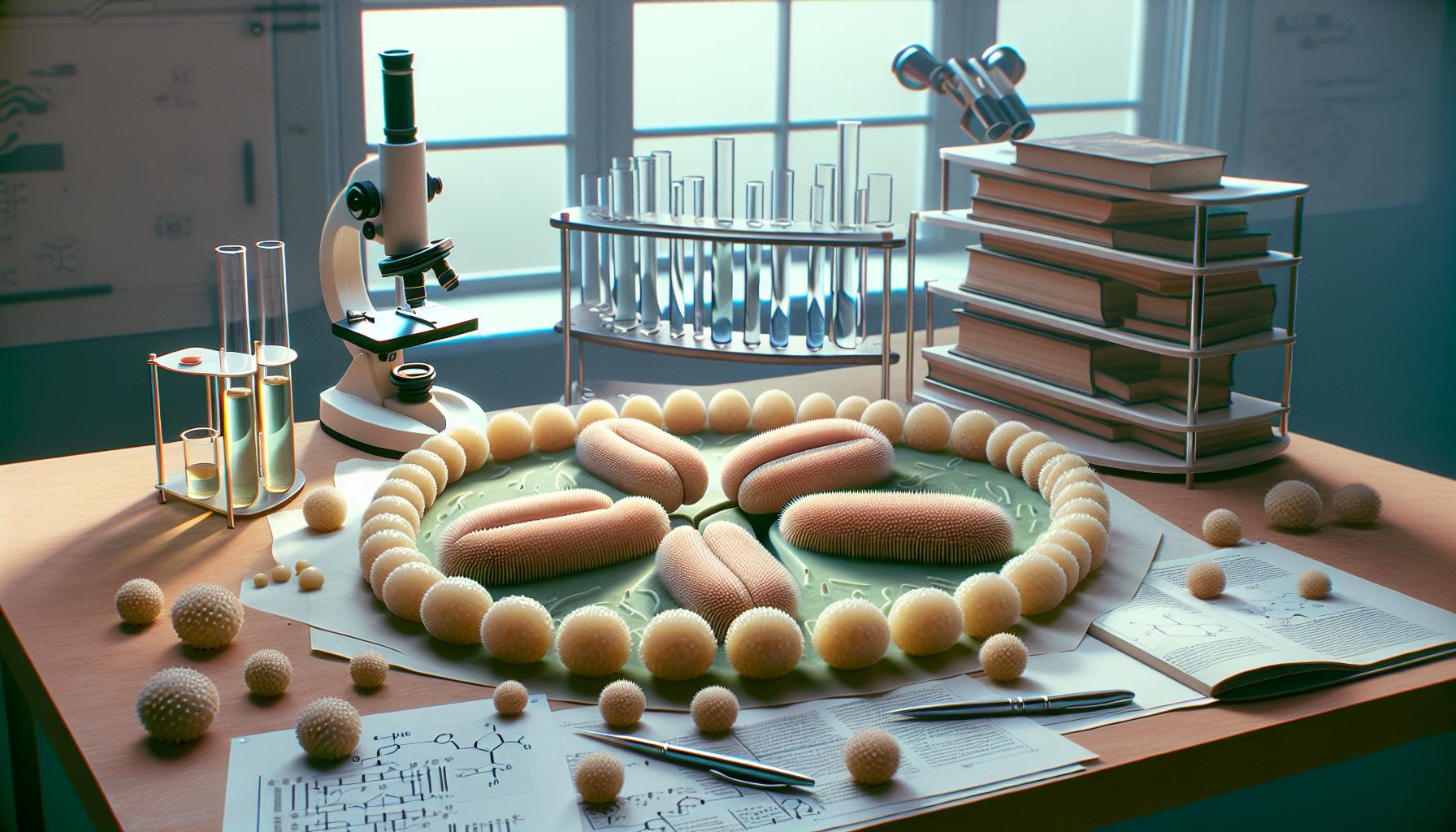
Types of Bacterial Reproduction: A Closer Look
Bacteria are extraordinary organisms not only for their ability to thrive in diverse environments but also for the various methods they employ to reproduce. While binary fission is the most common and widely recognized process, there are other fascinating modes of reproduction that bacteria utilize, showcasing their adaptability and resilience.
Binary Fission
This primary reproductive method involves a simple yet effective process. In binary fission, a single bacterium grows in size, duplicates its genetic material, and then divides into two identical daughter cells. This method allows bacteria to reproduce rapidly, with optimal conditions enabling a single bacterium to produce millions of descendants in a short time. The simplicity and efficiency of binary fission facilitate quick population increases, especially in nutrient-rich environments.
Budding
Another form of reproduction seen in some bacterial species is budding. In this process, a new organism develops from a small protrusion or “bud” that forms on the parent bacterium. This bud gradually enlarges, ultimately separating from the parent to become a new individual. While this method is less common than binary fission, it allows for the creation of offspring that are genetically identical to the parent.
Fragmentation
Fragmentation is another unique method of bacterial reproduction often observed in filamentous bacteria. In this process, the parent bacterium breaks into several pieces, and each piece can grow into a new organism. This form of reproduction not only enables a quick response to environmental changes but also enhances genetic diversity, as fragments can combine with other bacterial cells.
Conjugation
While not a traditional form of reproduction, conjugation plays a significant role in genetic exchange and diversity among bacterial populations. During this process, two bacteria come into direct contact, and genetic material is transferred from one to another, usually through a specialized structure known as a pilus. This horizontal gene transfer can introduce new traits, such as antibiotic resistance, significantly impacting bacterial adaptation and survival.
The diversity of bacterial reproduction strategies underlines the complexity of microbial life and their capacity to thrive in various conditions. Understanding these mechanisms is not only crucial for studying microbial ecology but also for addressing health-related challenges posed by pathogenic bacteria. Each method of reproduction contributes to the adaptability and evolution of bacterial populations, highlighting the intricate balance within ecosystems and the importance of further research in this field.
The Process of Binary Fission Explained
In the microbial world, the process of binary fission is a marvel of efficiency, underpinning the rapid and prolific reproduction of bacteria. This method allows a single bacterium to divide and multiply swiftly, a key factor contributing to the astonishing ability of bacteria to colonize and thrive in various environments. As conditions become favorable-such as the availability of nutrients and suitable temperature-bacteria can initiate this process, resulting in exponential growth within a short period.
During binary fission, a bacterium undergoes several critical steps. Initially, the bacterial cell enlarges, preparing for division. Then, it replicates its DNA to ensure that each of the daughter cells will inherit a complete set of genetic instructions. Following DNA duplication, the cell membrane begins to constrict, and a septum-a division wall-forms across the middle of the cell. The process concludes with the complete separation of the two daughter cells, each genetically identical to the original cell.
The speed of binary fission can be astonishing, especially under optimal conditions where a single bacterium can reproduce to form millions of new cells in just a few hours. This rapid reproduction highlights the adaptability and resilience of bacteria, allowing them to respond quickly to environmental changes. However, such swift growth can also lead to challenges, particularly when discussing bacterial overgrowth and infections, emphasizing the importance of understanding the reproductive strategies of these microorganisms.
In terms of practical applications, understanding binary fission not only enhances our knowledge of microbial life but also informs medical and biotechnological fields. For example, in research and industrial settings, harnessing bacterial growth through controlled binary fission can be key for producing antibiotics and other essential substances. By leveraging this process, scientists can optimize conditions to maximize yield while also exploring methods to combat harmful bacterial populations, particularly those that contribute to health concerns like antibiotic resistance.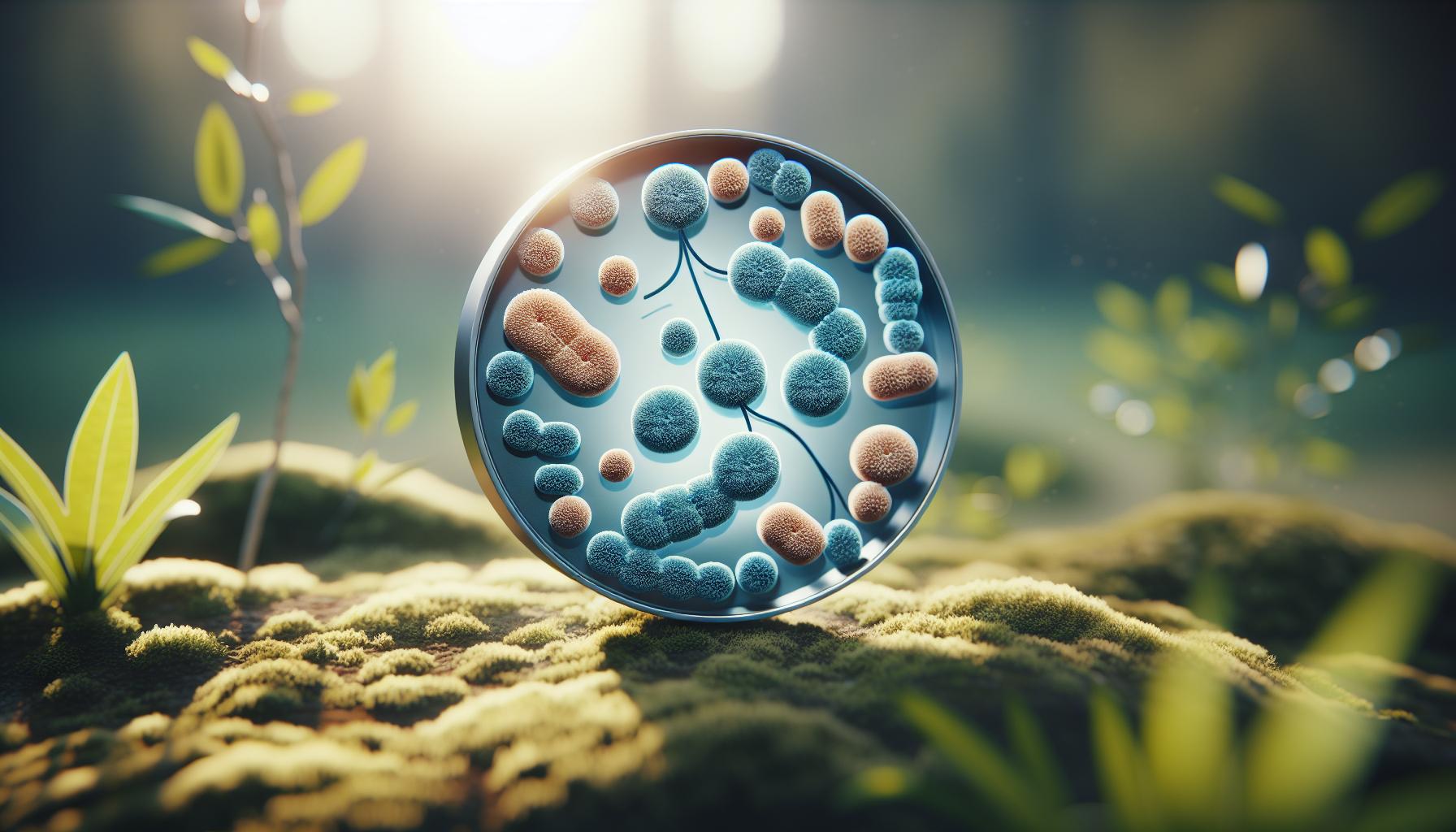
Factors Influencing Bacterial Growth Rates
Bacteria are remarkable organisms capable of rapid reproduction, and several factors critically influence their growth rates. Understanding these factors can provide insights into their behavior in various environments, which is essential for both ecological balance and human health.
One of the primary influences on bacterial growth is nutrient availability. Bacteria require a range of nutrients-such as carbon, nitrogen, and phosphorus-to thrive. When nutrients are plentiful, bacteria can grow and reproduce rapidly. In contrast, nutrient-poor environments can lead to slowed growth or even dormancy. This aspect emphasizes the importance of understanding nutrient cycles in ecosystems, as the availability of these resources directly impacts bacterial populations.
Another crucial factor is temperature. Each bacterial species has an optimal temperature range where it grows best. For instance, mesophilic bacteria thrive at moderate temperatures (20-45°C), while thermophiles flourish in extreme heat (above 45°C). Temperature affects not only the metabolic rates of bacteria but also their ability to reproduce. As temperatures deviate from their optimal range, growth can slow markedly, or cells may even die if conditions become too extreme.
Additionally, pH levels play a significant role in bacterial growth. Most bacteria prefer a neutral pH (around 7), but some thrive in acidic or alkaline environments. Extreme pH can inhibit growth or kill bacteria, making this a vital consideration for environments like soil, water, and even within the human body. For instance, lactobacilli in yogurt prefer a slightly acidic environment, which is cultivated purposefully during the fermentation process.
Bacterial growth is also influenced by oxygen availability. While some bacteria are aerobes and require oxygen for growth, others are anaerobes and thrive without it. This dichotomy affects where bacteria can grow and the types of ecosystems they can inhabit. Understanding where these bacteria fit in the food web can assist in practical applications like waste treatment and bioenergy production.
The interaction of these factors is complex and dynamic, and even minor changes can affect bacterial populations significantly. By understanding the conditions that influence bacterial growth, researchers and industry professionals can better manage bacterial populations for health, environmental sustainability, and biotechnology applications.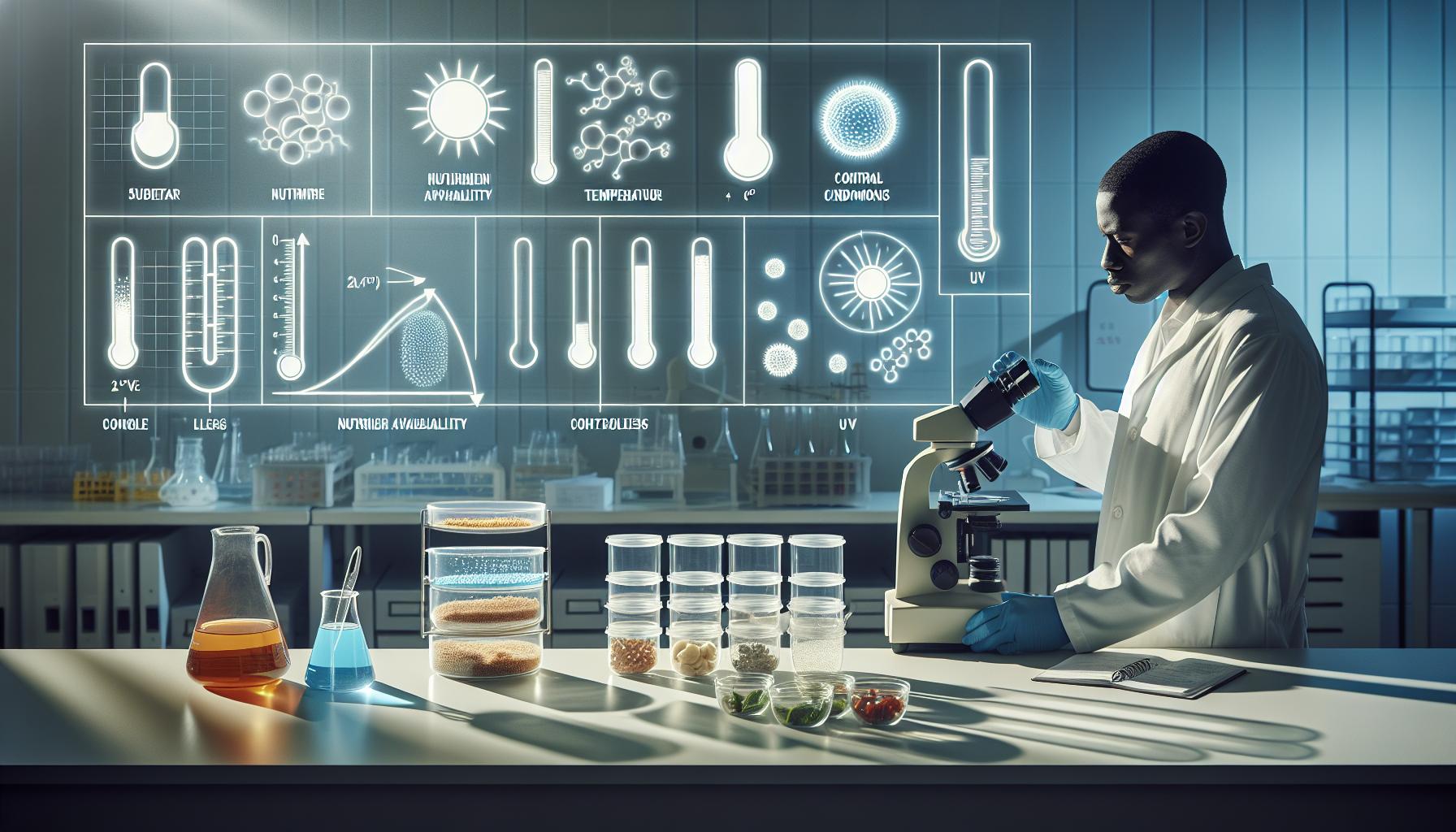
Bacterial Growth Phases: From Lag to Death
Understanding the growth phases of bacteria is essential to grasping how these microorganisms thrive and reproduce in various environments. Bacteria undergo a series of distinct growth phases that can significantly influence their population dynamics and ecological impact. These phases can be outlined as follows: lag phase, log phase, stationary phase, and death phase.
In the lag phase, bacteria adapt to their new environment. Here, they do not divide immediately but instead focus on metabolic activities essential for growth and preparation before division. This phase can vary in duration depending on factors like nutrient availability, temperature, and the specific strain of bacteria. For example, when bacteria are introduced to a nutrient-rich medium that they are unfamiliar with, they may take longer to transition into active growth as they adjust.
The log phase, also known as the exponential phase, is where the real action occurs. During this period, bacteria multiply at a rapid pace, leading to a substantial increase in population size. The growth rate here is influenced by the availability of nutrients, pH, and oxygen levels. For instance, in a controlled laboratory setting, optimizing nutrient concentrations can lead to incredibly fast doubling times. This phase is critical for industries that utilize bacterial cultures for fermentation or biotechnology, as maximizing growth can enhance yields.
Once the nutrient supply begins to dwindle or waste products accumulate, bacteria enter the stationary phase. In this phase, the growth rate stabilizes as the number of new cells created equals the number of cells dying. This equilibrium can be attributed to limited resources, toxic byproducts, or a shift in environmental conditions. Understanding this phase is crucial for applications such as microbial fermentation, where overgrowth can lead to a decline in productivity.
Finally, the death phase occurs when the environment can no longer support the bacterial population. The accumulation of toxins, depletion of essential nutrients, and destabilization of environmental factors lead to increased mortality rates among the bacteria. It’s important to note that some bacteria can enter a dormant state during this phase, allowing them to survive extreme conditions until they can access favorable conditions again. This resilience can have profound implications in both natural ecosystems and medical treatments, where the presence of dormant bacterial forms can lead to chronic infections.
By thoroughly understanding these growth phases, researchers can make informed decisions on how to manage bacterial populations in clinical and environmental contexts, ultimately leading to better outcomes in health, agriculture, and industry.
Importance of Bacteria in Ecosystems
Bacteria play a crucial role in maintaining the balance and health of ecosystems, acting as their invisible backbone. These microorganisms contribute significantly to processes like nutrient cycling, soil fertility, and organic matter decomposition. For example, certain bacteria can fix nitrogen from the atmosphere, converting it into a form that plants can uptake. This process not only enriches the soil but also supports the growth of crops and natural vegetation, creating a thriving ecosystem.
In aquatic environments, bacteria are essential in the carbon cycle, breaking down organic materials and recycling nutrients. Without these organisms, ecosystems would be overwhelmed with waste, leading to a decline in biodiversity. Their ability to decompose complex organic substances ensures that energy is efficiently transferred through food chains, supporting a variety of life forms ranging from the smallest plankton to the largest whales.
Moreover, bacteria have unique adaptations that allow them to thrive in extreme environments, such as hot springs and deep-sea vents. These extremophiles are often at the forefront of scientific research, as they hold keys to understanding life’s resilience and potential biotechnological applications. For instance, thermophilic bacteria that thrive at high temperatures can be harnessed in industrial processes where heat tolerance is critical, such as in the production of biofuels.
Understanding the also highlights their dual role in health and disease. While many bacteria are beneficial and necessary for nutrient cycling, others can pose challenges to health. The balance they maintain underscores the intricate relationships among organisms that define ecological health. A deeper appreciation of these connections can lead to better management strategies for conservation and sustainable practices that protect these microscopic powerhouses essential for life on Earth.
Bacteria Reproduction: Implications for Health and Disease
Bacteria possess an astonishing ability to reproduce rapidly, with some species capable of doubling their numbers in as little as 20 minutes under optimal conditions. This rapid reproduction is primarily achieved through a process known as binary fission, where a single bacterial cell divides into two identical daughter cells. While this mechanism enables bacteria to thrive in various environments, it also raises significant health concerns when pathogenic bacteria proliferate unchecked.
The implications for health are profound. When harmful bacteria multiply, they can lead to infections that overwhelm the body’s defenses. For instance, during an outbreak of foodborne illness, the exponential growth of pathogens like Salmonella can result in severe gastrointestinal disease. Understanding bacterial reproduction helps us appreciate how quickly infections can spread, underscoring the importance of hygiene and food safety practices to control bacterial growth.
Antibiotic resistance exemplifies another critical aspect of bacterial reproduction’s implications for health. As bacteria reproduce, they can acquire mutations that make them resistant to antibiotics, posing a serious challenge in treating infections. This resistance, which can arise through rapid reproduction and gene transfer among bacteria, leads to infections that are more difficult to treat and control. Addressing this public health crisis requires continual research into new antibiotics and alternative treatments, as well as robust stewardship of existing antibiotics to prevent resistance.
Moreover, the benefits of bacterial reproduction extend into biotechnology. For instance, certain beneficial bacteria are cultivated for probiotic therapies, which can positively impact gut health and contribute to overall well-being. By harnessing the reproduction of these beneficial strains, we can develop health products that improve digestive health and enhance immune function.
In summary, while the ability of bacteria to reproduce rapidly allows them to adapt and survive in various environments, it carries both harmful and beneficial implications for human health. Awareness of how these microorganisms grow and multiply is essential for managing infectious diseases and leveraging their potential in health applications. Understanding this balance informs strategies to mitigate risks while maximizing the benefits of beneficial bacteria.
Antibiotic Resistance: A Challenge in Bacterial Growth
The rapid reproduction capabilities of bacteria highlight a pressing issue in the realm of public health: antibiotic resistance. In an age where antibiotics have been the cornerstone of treatment for bacterial infections, the emergence of antibiotic-resistant strains poses significant challenges to healthcare systems worldwide. This is not just a theoretical concern; it directly impacts countless lives as resistance makes previously treatable infections much harder to manage and control.
When bacteria reproduce, they can undergo mutations, some of which may confer resistance to antibiotics. This adaptation often results from selective pressure; when antibiotics are used, they can eliminate susceptible bacteria but leave those with resistance to thrive. The more frequently antibiotics are used-especially when they are misused or over-prescribed-the faster resistant bacteria can proliferate. For instance, the World Health Organization warns that conditions such as pneumonia, tuberculosis, and gonorrhea are becoming increasingly difficult to treat due to this phenomenon.
To combat antibiotic resistance, a multifaceted approach is crucial. Here are some practical actions that individuals and communities can take:
- Use Antibiotics Responsibly: Only take antibiotics when prescribed by a healthcare professional, and complete the entire course, even if symptoms improve.
- Promote Hygiene: Simple preventive measures such as hand washing can reduce the spread of bacterial infections and consequently the need for antibiotics.
- Advocate for Vaccinations: Vaccines can prevent infections that might otherwise require antibiotic treatment, thereby reducing the selective pressure on bacteria.
- Support Research: Encourage and support research efforts aimed at developing new antibiotics, treatments, and diagnostic tools to keep pace with evolving bacterial threats.
Addressing antibiotic resistance requires collaboration among healthcare professionals, patients, and public health organizations. Creating awareness about the importance of adhering to prescribed treatments and practicing preventive health measures forms a vital part of the solution. While the challenges are significant, collective action can help mitigate the risks posed by antibiotic-resistant bacteria, ensuring that effective treatments remain available for future generations.
Practical Applications of Bacteria in Biotechnology
Bacteria, often perceived merely as agents of disease, play an incredibly diverse and essential role in biotechnology, contributing to advancements that impact our daily lives and the broader environment. Through the natural processes of bacterial reproduction, particularly their rapid division and evolution, scientists harness their capabilities to develop innovative solutions across various fields. From health care and environmental sustainability to food production, the applications of bacteria demonstrate their versatility and importance.
One of the most significant uses of bacteria in biotechnology is in the production of antibiotics and vaccines, derived from the very organisms that can cause illness. For instance, penicillin, the first antibiotic discovered, is produced by the Penicillium mold, which has a relationship with certain bacterial processes. Advances in genetic engineering now allow scientists to modify bacteria to produce antibiotics more efficiently. Moreover, bacteria are instrumental in creating vaccines; recombinant DNA technology enables the insertion of genes from pathogens into bacterial hosts, prompting the production of antigens for immunization purposes.
In bioremediation, bacteria are employed to clean up contaminated environments. They metabolize pollutants such as oil spills or heavy metals, transforming hazardous substances into harmless byproducts. This natural ability stems from their rapid reproduction and adaptability, allowing them to thrive in extreme conditions. Methods utilizing genetically modified bacteria have been researched extensively, showing promise in breaking down waste and detoxifying environments.
Bacteria also have a profound impact on the food industry, particularly in the production of fermented products. Probiotic bacteria, like Lactobacillus, are added to yogurt and other dairy products to promote digestion and enhance immune function. Fermentation itself relies on the ability of bacteria to reproduce rapidly and convert sugars into acids or alcohols, which not only preserves food but also improves its nutritional profile.
Commercially, applications of bacteria extend to biofuels production, where certain strains can convert biomass into renewable energy sources. The genetic manipulation of bacteria enables enhanced efficiency in breaking down complex organic materials, thus promoting sustainable energy solutions.
As we continue to explore and manipulate the fascinating world of bacteria, we unlock further potential in mitigating challenges like food security, waste management, and public health. The ongoing research in bacterial genetics and physiology promises to expand the horizons of biotechnology, illustrating that these tiny organisms are not merely microbial nuisances but vital players in our quest for a sustainable and healthy future.
The Future of Bacterial Research and Its Promise
The exciting frontier of bacterial research holds immense promise for various fields, including medicine, environmental science, and biotechnology. As scientists delve deeper into the intricacies of bacterial reproduction and growth, they unlock new possibilities for harnessing these microorganisms in innovative and beneficial ways. For example, researchers are exploring the potential of genetically engineered bacteria not only to produce antibiotics but also to create personalized medicine tailored to individual genetic profiles, revolutionizing treatment options.
Advancements in Antibiotic Development
Antibiotic resistance is a pressing global health challenge. With bacteria evolving rapidly, traditional antibiotics often become ineffective. However, understanding bacterial reproduction and growth dynamics can lead to breakthroughs in developing novel antibiotics. By studying how bacteria reproduce and develop resistance, scientists can identify new targets for drug development. This approach may lead to the synthesis of next-generation antibiotics that are more effective against resistant strains, ultimately improving patient outcomes.
Environmental Applications and Sustainability
In the realm of environmental science, the promise of bacterial research extends to bioremediation. As we face increasing environmental degradation, genetically modified bacteria can be designed to degrade pollutants or absorb toxins from contaminated environments. By improving our understanding of bacterial growth and metabolism, researchers can create strains that thrive in harsh conditions, turning them into natural allies for ecosystem restoration. This approach not only cleans up pollution but also promotes biodiversity and ecosystem health.
The Role of Bacteria in Agriculture
Bacteria also play a pivotal role in agriculture. As researchers continue to study bacterial interactions in soil, there is hope for developing biofertilizers that enhance crop growth while reducing chemical fertilizer reliance. These beneficial bacteria aid in nutrient uptake and improve soil health, contributing to sustainable farming practices. Implementing such solutions could lead to increased food security in a world facing population growth and climate challenges.
In conclusion, the future of bacterial research is bright, teeming with opportunities that can transform how we approach health, environmental sustainability, and food production. By continuing to unravel the complexities of bacterial growth and reproduction, we empower ourselves to tackle some of our most pressing global challenges creatively and effectively. Advancements in these areas not only enhance our understanding of microbial life but also illustrate the profound impact bacteria can have on our future.
Faq
Q: How do bacteria reproduce?
A: Bacteria primarily reproduce through binary fission, a process where one bacterium divides into two identical daughter cells. This method allows rapid population growth under favorable conditions, with each division doubling the number of bacteria in a generation.
Q: What factors affect bacterial growth and reproduction?
A: Bacterial growth and reproduction are influenced by environmental factors such as temperature, pH, nutrient availability, and moisture. Optimal conditions can significantly accelerate growth rates, while extreme conditions can inhibit reproduction or kill bacteria.
Q: Why is understanding bacterial reproduction important?
A: Understanding bacterial reproduction is crucial for medical, ecological, and industrial applications. It helps in controlling infectious diseases, managing ecosystems, and utilizing bacteria in biotechnology for production processes.
Q: How fast can bacteria reproduce?
A: Under ideal conditions, some bacteria can reproduce in as little as 20 minutes. The speed of reproduction varies depending on species and environmental factors, making some bacteria capable of rapid population increases.
Q: What is the significance of bacterial growth phases?
A: Bacterial growth occurs in four phases: lag, log (exponential), stationary, and death. Each phase reflects changes in growth rates and resource availability, crucial for understanding bacterial behavior in various environments.
Q: Can bacteria reproduce sexually?
A: While most bacteria reproduce asexually through binary fission, they can exchange genetic material through processes like conjugation, transformation, and transduction, which enhances genetic diversity.
Q: What are the implications of bacterial reproduction for antibiotic resistance?
A: Rapid bacterial reproduction contributes to antibiotic resistance as bacteria can quickly evolve and adapt. Understanding this process is essential for developing effective treatments and strategies to combat resistant infections.
Q: How do environmental conditions impact bacterial reproduction rates?
A: Environmental conditions such as temperature and nutrient availability play a critical role in bacterial reproduction rates. Favorable conditions lead to faster growth, while harsh conditions can slow down or halt reproduction.
In Summary
Understanding bacterial reproduction can significantly enhance your appreciation of the microscopic world around us and the vital roles bacteria play in our lives. As we’ve explored, the processes of binary fission and genetic exchange are fundamental not only to bacterial growth but also to ecological balance and human health. Don’t miss out-continue your journey into the fascinating realm of microorganisms by visiting our articles on bacterial diversity and the role of bacteria in human health.
If you have lingering questions or want to deepen your understanding, consider subscribing to our newsletter for the latest insights and resources. Join our community by sharing your thoughts in the comments and let us know how bacteria impact your everyday life! Dive deeper into related topics, such as probiotics and bacterial fermentation, to see how these tiny organisms play a pivotal role in everything from health to culinary arts. Your exploration of bacteria’s incredible world starts now!