In the natural world, not all individuals are created equal. Differential survival and reproduction are fundamental concepts in evolution that explain how certain traits enhance an individual’s chances of surviving and passing on their genes. Imagine a population of animals where some are faster or better camouflaged than others; these advantages can mean the difference between life and death. Understanding how these dynamics work sheds light on the complexities of biodiversity and adaptation, revealing why some species thrive while others struggle. By exploring this essential mechanism of evolutionary change, you’ll gain insight into the processes shaping life on Earth and how they relate to ongoing concerns about conservation, climate change, and the future of our planet’s ecosystems. So, let’s dive into this captivating journey of life, survival, and the relentless dance of evolution, and discover what it means for all of us.
Understanding Differential Survival in Evolutionary Biology
The concept of differential survival is crucial in understanding how species evolve over time, influenced by natural selection and environmental pressures. At its core, differential survival refers to the varying rates of survival among individuals within a population, driven largely by their specific traits and how well these traits enable them to adapt to their environment. For instance, consider a population of rabbits where individuals with thicker fur have a higher survival rate during harsh winters due to better insulation. This selective advantage allows them to thrive and reproduce, leading to a higher representation of thick-furred rabbits in future generations.
Every environment presents unique challenges, and the traits that confer advantages can vary significantly. Factors such as predation, resource availability, and climate play pivotal roles in determining which individuals survive to pass on their genes. In this light, the role of genetic variation becomes apparent; it provides a pool of traits from which natural selection can act. For instance, consider a population of insects in varying environments. In drier areas, individuals with traits that help them conserve water may survive more successfully than others, illustrating how adaptive traits can dramatically influence survival outcomes.
Understanding differential survival also highlights the sometimes-overlooked distinction between survival and reproduction. While some individuals may survive longer due to advantageous traits, differential reproduction-the success with which they can produce offspring-plays an equally critical role in evolution. Environmental pressures may favor those who not only survive but who also reproduce more effectively, further refining the genetic traits present in the population. The interplay of these factors ultimately shapes the evolutionary trajectory of species, leading to the magnificent diversity of life we observe today.
Differential survival is not merely an abstract concept; it has profound implications for conservation biology and species management. By understanding which traits enhance survival in changing environments, conservationists can better design strategies to protect vulnerable species. In an era of rapid habitat destruction and climate change, applying the principles of differential survival can help ensure that biodiversity is preserved for future generations.
The Role of Natural Selection in Differential Reproduction
Natural selection serves as a fundamental mechanism through which differential reproduction occurs in nature. It operates on the principle that individuals possessing advantageous traits are more likely to survive and reproduce, thereby passing those traits onto their offspring. This selective process not only influences which traits become prevalent in a population but also determines the overall reproductive success of individuals based on their ability to adapt to their environments.
For example, consider a population of finches on the Galápagos Islands. These birds exhibit varying beak sizes, with those having beaks better suited to their primary food source displaying greater reproductive success during times of food scarcity. The finches with the optimal beak size not only survive but are also able to feed efficiently, reproduce, and nurture their young more effectively than those with less favorable traits. This demonstrates how natural selection directly impacts reproductive outcomes, promoting traits that enhance survival and reproductive success.
Another critical aspect of natural selection in differential reproduction is sexual selection, where individuals with certain characteristics attract more mates. Bright plumage in male birds often serves as a signal of genetic fitness; thus, those displaying more vibrant colors may secure more partners. This form of selection can lead to enhanced reproductive success independent of survival alone, illustrating the complexity of evolutionary processes at play.
By understanding how natural selection influences reproductive strategies, researchers can gain deeper insights into the evolutionary dynamics of species. Recognizing that advantageous traits may manifest differently under varying environmental conditions can help in predicting how populations will adapt-or fail to adapt-over time. Through the lens of natural selection, we appreciate that reproduction is not merely about surviving; it is also about thriving in an ever-changing world.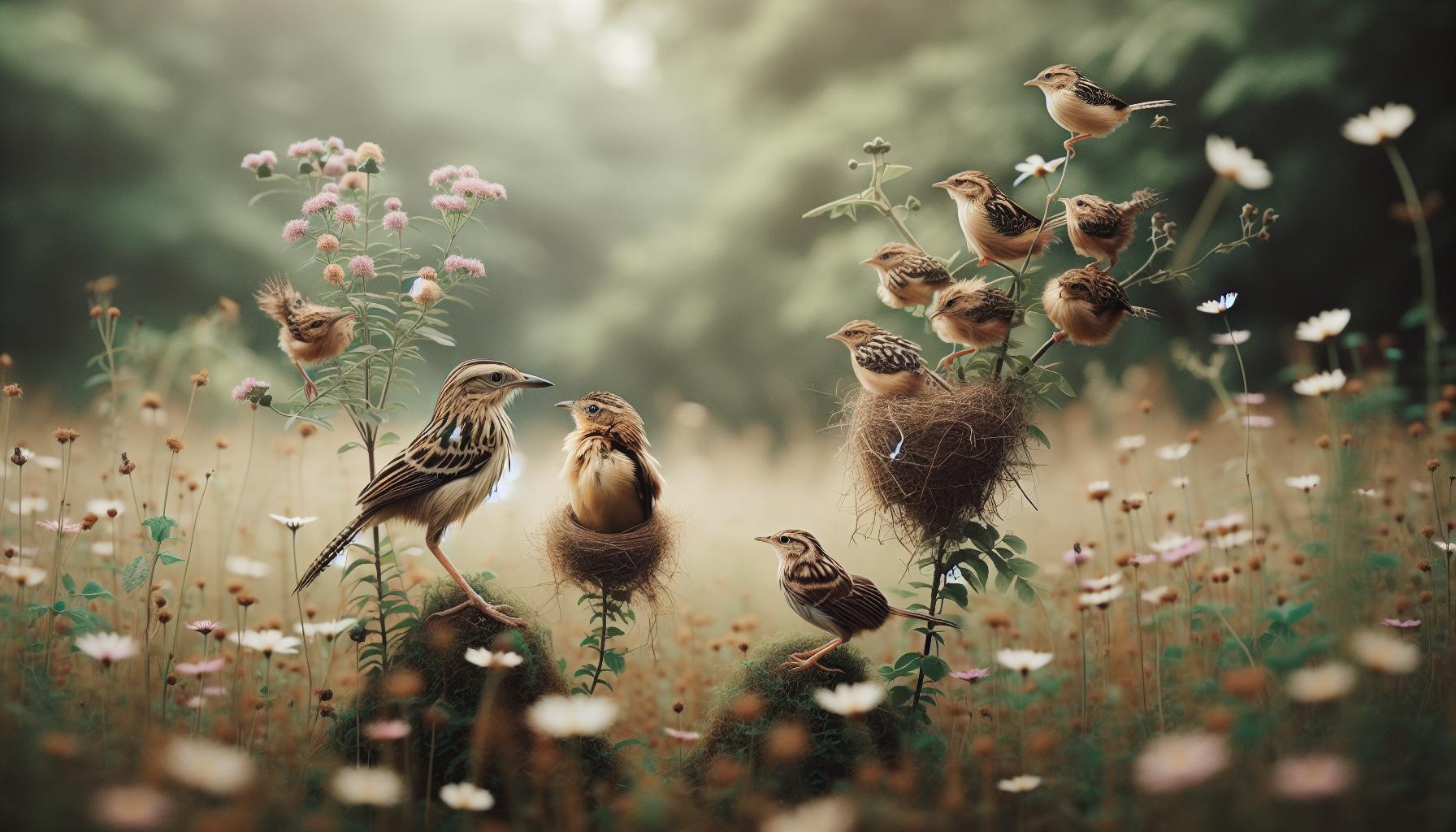
Key Factors Affecting Survival and Reproductive Success
Survival and reproductive success in nature are influenced by a complex interplay of factors that shape which individuals thrive and pass on their genes. One of the primary elements is the presence of natural variation within a population. This variation includes differences in physical traits, behaviors, and genetic compositions. For instance, in a given environment, individuals with traits that provide advantages-like better camouflage or enhanced foraging abilities-are more likely to evade predators or find food, thus increasing their chances of surviving and reproducing.
Another critical factor is the environmental context in which a species exists. Changes in climate, availability of resources, and the presence of predators can all dramatically affect which traits are favorable at any given time. For example, during periods of drought, plants that can conserve water might survive better than those that cannot. Similarly, animals with behaviors adapted to changing environmental conditions, such as migration patterns in response to seasonal changes, may have greater reproductive success.
Competition and Predation
Competition for resources such as food, mates, and shelter also plays a significant role in determining survival outcomes. In areas where resources are limited, individuals who can efficiently exploit these resources or develop unique strategies to outcompete others will have the upper hand. For example, during times when food is scarce, more aggressive individuals may secure better feeding grounds, although this might come at the cost of higher visibility to predators. In these scenarios, traits that promote aggressiveness or territorial behavior might lead to greater reproductive success, but they also carry risks.
Moreover, predation pressure can exert a strong influence on which traits become prevalent within a population. Species that evolve better defenses-be it physical attributes like better armor or behavioral adaptations such as avoiding peak feeding times-tend to survive longer and reproduce more effectively. This dynamic exemplifies the concept of the “evolutionary arms race,” where predators and prey continuously adapt in response to each other’s strategies.
In summary, survival and reproductive success are contingent upon an array of factors, including genetic variation, environmental influences, competition, and predation. These elements create a dynamic landscape where only the most adaptable traits are passed on, driving the continual evolution of species over time. Understanding these factors not only sheds light on individual survival strategies but also illustrates the broader environmental changes that can influence evolutionary trajectories.
Examples of Differential Survival in Nature
In the rich tapestry of nature, examples of differential survival abound, showcasing how specific adaptations enable certain species or individuals to thrive while others falter. One striking instance is the case of the peppered moth in England. Before the Industrial Revolution, light-colored moths blended seamlessly into the lichen-covered trees, while darker moths were easily spotted by predators. However, with increasing pollution darkening the trees, the darker moths became less visible to birds, leading to a dramatic shift in population dynamics. The lighter moths faced heightened predation, causing a rapid increase in the dark variation. This phenomenon of *natural selection* underscores the powerful impact of environmental changes on survival.
Another compelling example is found in the Galápagos finches, which Charles Darwin famously studied. These birds exhibit remarkable differences in beak shapes and sizes, adapted specifically to their food sources. During droughts, finches with larger, stronger beaks had a survival advantage, as they could crack open tougher seeds that became more prevalent when softer foods were scarce. Conversely, smaller-beaked finches struggled, leading to their decline. This illustrates how fluctuating environmental conditions can affect which traits are favorable and how those traits can change, shaping populations over generations.
Adaptations in Action
The African savanna provides another illustrative case through the behavior of animals like giraffes and their long necks. This adaptation allows them to reach higher leaves and access food resources unavailable to shorter herbivores during dry seasons. Giraffes with longer necks tend to survive better in these environments, reinforcing the idea that certain physical traits directly correlate with survival rates. Their reproductive success is linked to the ability to gather food amidst competition, demonstrating how survival and reproductive success are intertwined.
Finally, consider the striking example of antibiotic resistance in bacteria. When exposed to antibiotics, a small percentage of bacteria that happen to possess genes granting resistance survive and reproduce. Over time, these resistant strains proliferate, rendering previous treatments ineffective for many common infections. This contemporary scenario reveals the profound implications of differential survival not just in natural ecosystems but also in human health, highlighting the urgency of understanding evolution in our efforts to combat disease.
Through these vivid examples, it becomes clear that differential survival is not merely an abstract concept; it is a dynamic process that plays out across diverse ecosystems, influencing the evolution of species and shaping the biological world we interact with today.
The Impact of Genetic Variation on Evolution
The astounding diversity of life on our planet can be traced back to the fundamental role of genetic variation in evolution. Each population of organisms contains a unique set of genetic traits, inherited from their ancestors, which significantly influences their ability to survive and reproduce in changing environments. This genetic pool is crucial as it determines how species adapt over time, essentially acting as the raw material upon which natural selection operates.
Without genetic variation, species would struggle to cope with environmental changes, diseases, or competition for resources. For instance, in the case of the peppered moth, genetic variation led to lighter and darker colorations that offered different survival advantages depending on the color of the polluted trees. Similarly, the Galápagos finches display diverse beak shapes, which are a reflection of genetic variation that enables them to exploit different food sources, especially during times of scarcity. When conditions shift, such as during a drought, finches with beak shapes better suited to the available seeds survive and reproduce more successfully, illustrating the direct link between genetic variation and evolutionary adaptation.
Understanding the types of genetic variation is crucial for analyzing evolutionary processes. Genetic mutations, which introduce new traits, play a significant role, as do mechanisms like gene flow and genetic drift. In many cases, beneficial mutations offer immediate advantages in specific contexts, enhancing survival rates. For example, in bacterial populations, mutations that confer antibiotic resistance allow them to thrive in the presence of treatments that would otherwise eliminate them, further exemplifying how genetic diversity can have dramatic implications for survival.
As we engage with these concepts, it becomes clear that genetic variation is not merely a scientific abstraction; it is a vital element of the survival story of all species. Embracing this understanding can aid in conservation efforts, agricultural practices, and even public health strategies, as we appreciate the depth of genetic diversity and its indelible impact on the future of life on Earth. By acknowledging and preserving genetic variation, we bolster our resilience against ecological challenges and ensure the continuation of diverse life forms.
Differential Survival vs. Differential Reproduction Explained
The survival of any species hinges on both its ability to endure challenges and its reproductive success. While these two concepts-differential survival and differential reproduction-are intertwined, they represent distinct processes in evolutionary biology that can shape a population over time. To grasp their significance, it’s essential to understand how they interrelate and impact evolutionary outcomes.
Differential survival refers to the varied chances of individual organisms in a population living longer than others due to differences in their traits that are better suited for survival in their environment. For instance, consider the classic example of the peppered moth. During the Industrial Revolution in England, darker moths were more likely to survive predation in soot-blackened environments compared to lighter moths. As a result, these darker moths became more prevalent, demonstrating how survival advantages can influence population dynamics.
On the other hand, differential reproduction emphasizes the reproductive output of individuals. Even if an organism survives longer, it does not guarantee that it will reproduce successfully. Traits that enhance an individual’s ability to find mates or produce offspring can play a crucial role. For example, male peacocks with larger, more elaborate tail feathers might attract more females, increasing their reproductive success despite possibly having a higher risk of predation due to their conspicuousness. Hence, while survival is vital, the focus shifts to reproduction when considering how traits are passed onto future generations.
Both processes are integral to the mechanism of natural selection. Traits that provide advantages in survival and reproduction are more likely to be passed down, gradually influencing the genetic makeup of the population. Understanding the balance and interplay between differential survival and reproduction can shed light on the complexity of evolutionary strategies and adaptations across various species.
In summary, the distinction between these two concepts is crucial for comprehending how evolution operates. While survival is essential for an organism’s immediate existence, it is the ability to reproduce that ultimately determines the success of genetic traits in future generations, shaping the evolutionary trajectory of populations over time.
The Interplay Between Environment and Reproductive Strategies
The environment plays a crucial role in shaping reproductive strategies, which in turn influences an organism’s evolutionary success. Different habitats and ecological pressures drive species to adapt their reproductive behaviors, ensuring that they can thrive and pass on their genetic material to future generations. For instance, in environments where resources are scarce, such as deserts, organisms might exhibit strategies that favor fewer offspring but with higher investment in each. This parental care increases the likelihood of survival for the young, countering the risks posed by a challenging environment.
Conversely, in more resource-abundant settings, such as tropical rainforests, species may adopt a “quantity over quality” approach, producing larger numbers of offspring with less individual investment. This strategy can enhance the chances of survival for at least some offspring amidst high predation rates or competition for resources. Notable examples can be observed in fish species, where those living in open waters may lay thousands of eggs, while those in stable, nutrient-rich habitats often provide more intensive care for a limited number of progeny.
Additionally, environmental changes can prompt shifts in reproductive strategies, acting as a catalyst for evolutionary adaptations. For example, climate change can alter habitat conditions and resource availability, necessitating rapid adjustments in reproductive behaviors. Species that can modify their reproductive output or timing to match new environmental conditions are more likely to survive and flourish. The adaptability seen in urban wildlife, where animals may shift their reproductive cycles in response to urban heat islands or artificial light, illustrates this dynamic interaction.
Ultimately, understanding highlights how organisms navigate the challenges posed by their surroundings. This relationship not only informs us about the mechanisms of survival and reproduction but also demonstrates the intricate balance of natural selection, where environmental factors continuously shape the evolutionary path of species over generations.
How Differential Survival Leads to Speciation
The journey from a single population to diverse species is a fascinating and complex process often seeded by differential survival. This phenomenon is integral to understanding how species evolve over time, as it ultimately leads to speciation-the emergence of new species from a common ancestor.
When environmental pressures create varied landscapes and habitats, organisms within a population start to experience different challenges and opportunities. For example, populations of the same species may inhabit contrasting environments, such as isolated mountain ranges versus flat plains. These environments present unique challenges; in higher altitudes, for instance, certain traits-like thicker fur for warmth-may enhance survival. Over generations, individuals with advantageous traits become more successful in surviving and reproducing, while less adapted individuals dwindle.
As these adaptive traits accumulate, reproductive isolation often occurs. When subpopulations become physically separated by geographical barriers, such as rivers, mountains, or even human activities, the natural selection process continues in isolation. Without the gene flow that would typically occur in a unified population, these groups can diverge genetically. Differences in mating habits, seasonal breeding, or other reproductive traits can become pronounced. Eventually, these changes can lead to speciation, where the isolated populations evolve into distinct species no longer capable of interbreeding.
Real-life examples illustrate this process well. The Darwin’s finches on the Galápagos Islands provide a compelling case study. Their varying beak shapes and sizes evolved in response to different food sources available on the islands. Each finch species adapted uniquely to its specific environment, leading to divergence and speciation. This scenario encapsulates how both variability influenced by mutation and differential survival driven by natural selection fuel the process of evolving new species.
Ultimately, understanding the mechanisms of differential survival illuminates not just the nuances of evolutionary biology but also the delicate interplay between organisms and their ever-changing habitats. It emphasizes how the adaptive strategies that emerge over time are essential for biodiversity, sustainability, and resilience in ecological systems.
The Misconceptions Surrounding Differential Survival
Misunderstandings frequently surround the concept of differential survival in evolution, leading to confusion about how species adapt and change over time. One common misconception is that natural selection operates on individual organisms rather than populations. In reality, it’s the populations that evolve; natural selection favors individuals with traits that confer advantages in a specific environment, leading to a change in allele frequencies within the population over generations. This means that while we might observe that specific individuals thrive or perish, it is the genetic makeup of the entire population that shifts, ultimately driving evolutionary change.
Another prevalent myth is that differential survival guarantees a perfectly adapted organism for every environment. Evolution doesn’t work toward perfection; instead, it’s a process influenced by various environmental pressures and the genetic variations available. Organisms may develop traits that are advantageous in certain conditions but detrimental in others. For instance, a trait resulting in faster growth might help a species thrive under abundant resources but could lead to vulnerabilities when conditions become harsh. Thus, adaptation is not purely about achieving perfection; it’s about improving survival and reproductive success under particular circumstances.
Furthermore, there’s a misunderstanding regarding the relationship between environmental stability and evolution. Many believe that stable environments impede evolutionary change, but environmental fluctuations often drive the process of differential survival. Rapid changes, such as climate shifts or habitat destruction, can create new survival challenges. Populations with pre-existing genetic diversity may better navigate these changes, providing the raw material for natural selection to act upon. As a result, fluctuating environments can promote adaptive radiation and speciation, rather than stifle it.
Understanding these misconceptions helps clarify how species evolve, emphasizing the complex mechanisms underlying differential survival. Real-life demonstrative examples, like the variations in coloration among Arctic hares depending on seasonal changes, highlight how adaptive traits emerge in response to environmental pressures. This perspective fosters a more nuanced appreciation of the intricacies of evolution and the various factors influencing which traits prevail in a given population over time.
Applications of Differential Survival in Conservation Biology
The delicate fabric of ecosystems is woven from the diverse threads of species that adapt and thrive in their environments. Conservation biology applies the principles of differential survival and reproduction to preserve these intricate systems. Understanding how certain traits enhance an organism’s ability to survive and reproduce in changing landscapes is crucial for effective conservation efforts. For example, species that exhibit greater genetic diversity are often better equipped to withstand environmental stresses, such as climate change or habitat loss, highlighting the importance of maintaining genetic variation in conservation strategies.
Strategies for Conservation
In practical terms, conservation biologists utilize insights from differential survival to inform their approaches. Here are several key applications:
- Habitat Restoration: By restoring habitats that support a wide range of species, conservationists can enhance the likelihood of survival for various organisms, ensuring that populations are resilient against environmental changes.
- Species Reintroduction: When reintroducing species to their native habitats, understanding their previous adaptations can guide efforts to select individuals that are genetically suited to thrive in the current ecosystem.
- Protecting Endangered Species: Focusing on the characteristics that allow certain individuals to survive can inform breeding programs, helping to bolster populations that are at risk of extinction.
- Monitoring Ecosystem Health: Tracking changes in species traits can provide early warnings of ecological shifts, allowing for timely intervention to mitigate adverse effects.
Through these strategies, conservation biology not only aims to preserve individual species but also to maintain the overall health and sustainability of ecosystems. As environments continue to transform due to anthropogenic factors, understanding the mechanisms of differential survival will become even more essential for guiding effective responses. The more we can grasp these complex interactions, the better equipped we will be to make informed decisions that protect our planet’s biodiversity for future generations.
Future Directions in Evolutionary Research
As the field of evolutionary research evolves, scholars are increasingly focused on understanding the nuanced mechanisms behind differential survival and reproduction. One promising direction is the integration of advanced genetic technologies, such as CRISPR and genomic sequencing, which enable researchers to dissect the genetic basis of traits that contribute to survival and reproductive success. This technology not only improves our understanding of fundamental evolutionary processes but also allows for practical applications, such as identifying genetic markers for resilience against climate changes in various species.
Another exciting area of exploration lies in the study of epigenetics, which examines how environmental factors can influence gene expression across generations without altering the DNA sequence itself. By understanding how organisms adapt their survival strategies and reproductive behaviors in response to environmental cues through epigenetic changes, researchers can gain deeper insights into the dynamic processes governing evolution. This research is particularly relevant in light of rapidly changing global climates, as it can help predict how species may adapt (or fail to adapt) to new environmental pressures.
Interdisciplinary Approaches
The future of evolutionary research also points towards a more interdisciplinary approach, merging insights from ecology, genetics, and even sociology. This broadens the scope of research and emphasizes the interconnectedness of biological and environmental factors influencing differential survival. For instance, studies examining the social behaviors in animal species can reveal how group dynamics and cooperation enhance survival, providing a richer understanding of evolution beyond individual fitness.
As technology and methodologies advance, researchers will likely employ big data and machine learning to analyze vast biological datasets, identifying trends and patterns that were previously undetectable. These innovations can refine our understanding of natural selection’s role in shaping phenotypes and the implications for biodiversity conservation.
Ultimately, the focus on these emerging fields and methodologies will help establish a more comprehensive view of evolution, illuminating how differential survival and reproduction continue to shape the biological world. This knowledge is not only academically enriching but also crucial for developing effective conservation strategies and ensuring the resilience of ecosystems in the face of ongoing environmental change.
Exploring Cultural Evolution and Differential Survival
Cultural evolution plays a pivotal role in shaping the behavioral and survival strategies of human societies, mirroring the principles of differential survival found in biological evolution. Just as species adapt through genetic changes over generations, human cultures evolve through the transmission of ideas, beliefs, and practices that enhance the group’s ability to survive and thrive in varying environments. A compelling example of this can be found in the evolution of agricultural practices. Societies that embraced innovative farming techniques-such as crop rotation or the domestication of select plant species-demonstrated improved food security, allowing them to flourish while others stagnated or failed.
Understanding the mechanisms behind cultural evolution provides insights into how behaviors that promote survival are adopted or abandoned over time. Effective solutions, such as community cooperation norms, can enhance collective resilience against challenges like climate change or resource scarcity. To facilitate these adaptive behaviors, education and communication become vital. Cultural transmission occurs through social learning, where individuals absorb advantageous practices from those around them, creating a feedback loop that reinforces successful strategies. For instance, the widespread adoption of sustainable fishing techniques can significantly impact the survival of fish populations while supporting the livelihoods of communities reliant on these resources.
Moreover, the interplay between environment and culture can lead to divergent paths of evolution within different societies. The practices optimal for one group may be detrimental or less effective for another based on local resources and challenges. These dynamics often give rise to cultural diversity. Consequently, the conservation of cultural practices alongside biodiversity is crucial, as each unique culture holds knowledge and strategies developed over generations that can contribute to broader survival tactics in the face of global crises.
To harness the power of cultural evolution for future challenges, it is essential to create platforms that foster collaborative learning and knowledge sharing across cultures. This approach not only enhances survival strategies but also enriches the social fabric of communities, promoting resilience through unity and shared understanding in an ever-changing world.
Faq
Q: What does differential survival mean in evolution?
A: Differential survival refers to the varying success rates of individuals in a population in surviving environmental pressures. Those with advantageous traits are more likely to survive and reproduce, leading to evolutionary changes over time.
Q: How does reproduction impact evolutionary processes?
A: Reproduction impacts evolution through differential reproduction, where individuals with beneficial traits produce more offspring. This process ensures that advantageous genetic traits are passed on to future generations, shaping the genetic makeup of a population.
Q: What factors influence differential survival and reproduction?
A: Key factors include environmental conditions, availability of resources, predation risks, and reproductive strategies. These elements determine which individuals are more likely to survive and successfully reproduce in their habitats.
Q: Can differential survival lead to speciation?
A: Yes, differential survival can lead to speciation when populations adapt to different environments over time, accumulating genetic differences that eventually result in the emergence of new species.
Q: What role does genetic variation play in differential survival?
A: Genetic variation is crucial as it provides the raw material for natural selection. Diverse traits within a population allow for better adaptation to changing environments, influencing survival and reproductive success.
Q: How do environmental changes affect differential survival?
A: Environmental changes directly impact differential survival by altering the pressures on populations. Those with traits suited for the new conditions are more likely to survive, while others may struggle to adapt, affecting their reproduction rates.
Q: Why is understanding differential survival important in conservation biology?
A: Understanding differential survival helps in conservation biology by identifying which species or populations are at risk. This knowledge guides conservation strategies aimed at maintaining genetic diversity and adapting to environmental changes.
Q: How does competition affect differential reproduction?
A: Competition for limited resources can significantly influence differential reproduction. Individuals that can better compete for food, mates, or shelter are more likely to thrive and reproduce, shaping population dynamics.
In Retrospect
Understanding differential survival and reproduction is crucial for grasping the evolving dynamics of life on Earth. This concept not only highlights the mechanisms of natural selection but also emphasizes the importance of adaptation in species over time. If you’ve found this exploration enlightening, consider diving deeper into related topics such as genetic variation or the role of environments in evolution by visiting our detailed guides.
Don’t let your curiosity end here! Sign up for our newsletter to receive updates on the latest findings in evolutionary biology and practical applications of these concepts in real-world scenarios. For those questioning how these principles apply to today’s biodiversity challenges, we provide resources tailored to help you navigate these complexities.
Join the conversation in the comments below and share your thoughts or questions-we’re here to support your quest for knowledge. Remember, every question you have is a step toward deeper understanding. Continue exploring our site for more insights on evolutionary theories and their implications for life as we know it.
Get our latest guides, news, and insights highlighted in your Google Search & AI Overviews.