Did you know that many women experience ovarian cysts during their reproductive years? While most cysts are harmless and often resolve on their own, understanding their potential impact on fertility is vital, especially for those trying to conceive. This article explores the connection between ovarian cysts and infertility, helping you navigate this often-confusing aspect of reproductive health. By shedding light on how certain cysts can affect your chances of becoming pregnant, we aim to empower you with knowledge and support. Whether you’re just starting your family journey or facing challenges, knowing the facts can provide clarity and help ease your concerns. Let’s dive into what every woman should know about ovarian cysts and their role in fertility.
Understanding Ovarian Cysts: What They Are
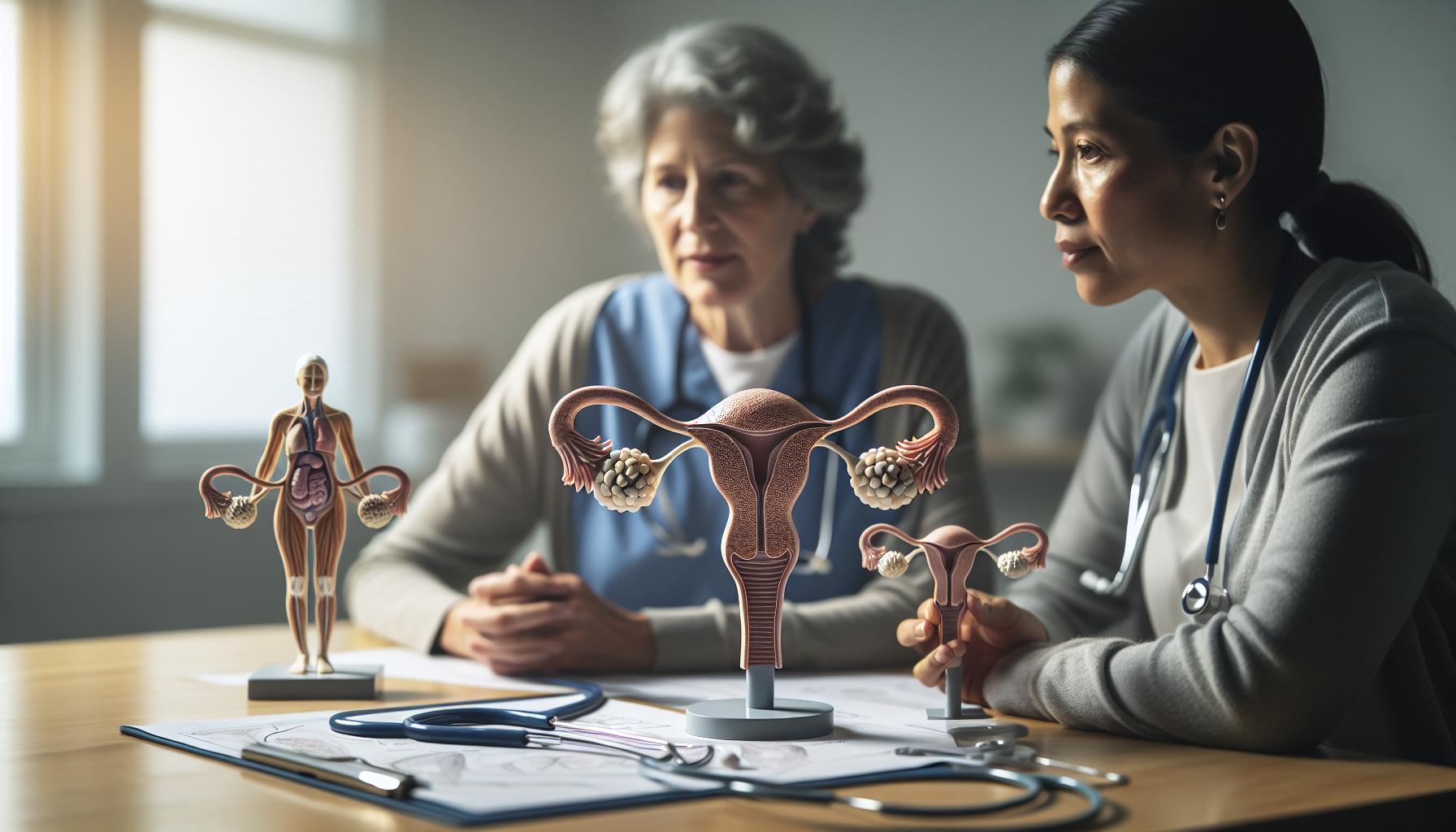
Ovarian cysts are fluid-filled sacs that develop on the ovaries. They are a common occurrence during a woman’s reproductive years and often form as part of the menstrual cycle. While most cysts are benign and usually resolve on their own, understanding their nature and potential implications is crucial for women who are navigating their fertility journey.
These cysts can vary in size, type, and impact on the body. Functional cysts, which arise from normal ovarian function, include follicular cysts and corpus luteum cysts. While they typically do not cause severe health issues, other types, such as dermoid or endometrioma cysts, may present complications that could affect fertility. It’s essential to recognize that cysts can sometimes lead to hormonal imbalances that interfere with ovulation, making it more challenging to conceive. Factors such as the size and the presence of symptoms significantly influence whether a cyst is problematic.
If you notice irregular menstrual cycles, unexplained pelvic pain, or other concerning symptoms, it’s essential to consult a healthcare provider. They can offer personalized advice and testing options to determine if cysts are impacting your health and fertility. Always remember, you’re not alone in this journey, and there are resources and support systems available to help navigate the complexities of ovarian health and fertility.
The Link Between Ovarian Cysts and Fertility
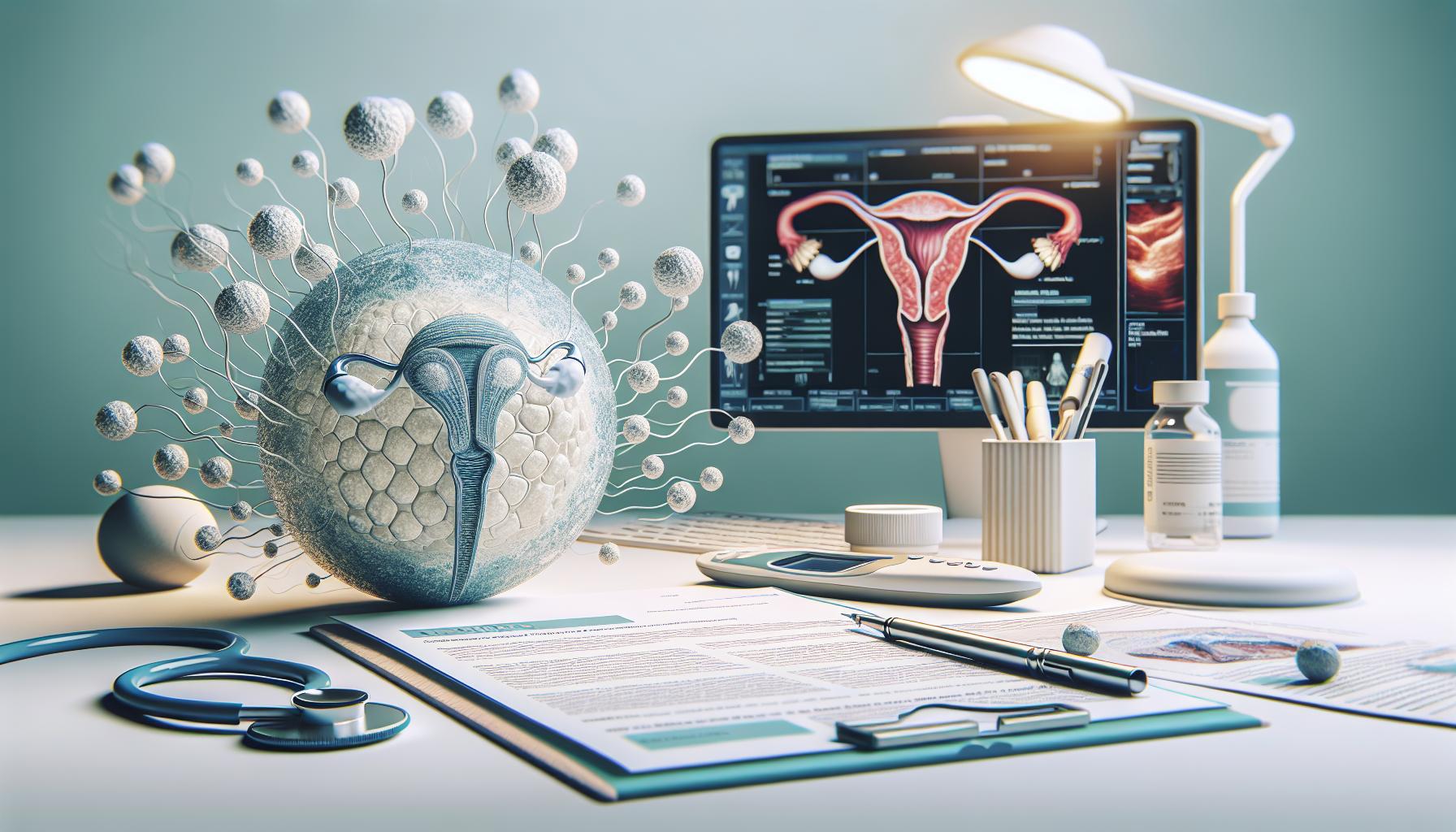
Many women may find themselves wondering about the impacts of ovarian cysts on their fertility. Understanding this relationship is vital, especially for those trying to conceive or managing their reproductive health. While most ovarian cysts are harmless and often resolve on their own, their presence can sometimes complicate fertility depending on various factors.
Ovarian cysts can disrupt the hormonal balance necessary for ovulation. For example, certain types of cysts, such as endometriomas or polycystic ovarian syndrome (PCOS), are associated with hormonal imbalances that can interfere with the regular ovulatory process. When ovulation is irregular or disrupted, it can lead to challenges in conception. Additionally, while functional cysts like follicular and corpus luteum cysts typically do not pose significant issues, their size and the frequency with which they occur may lead to complications that could affect fertility in some cases.
Furthermore, surgical intervention for cysts may also play a role in fertility outcomes. In some instances, surgery is required to remove particularly problematic cysts. However, this procedure carries risks, including potential damage to healthy ovarian tissue, which may further impact a woman’s ability to conceive. Research indicates that while most women who undergo surgery for benign ovarian cysts do not face long-term infertility, the outcomes can vary significantly based on individual circumstances and the nature of the cysts involved [[1]](https://www.vafertility.com/post/can-ovarian-cysts-cause-infertility) [[2]](https://pubmed.ncbi.nlm.nih.gov/36971598/).
For women experiencing issues with ovarian cysts, it is crucial to maintain open dialogues with healthcare providers. Recognizing symptoms, seeking timely evaluations, and understanding personal fertility health can empower women on their journeys, helping them make informed decisions about their reproductive futures.
How Ovarian Cysts Affect Hormone Balance
Understanding how ovarian cysts can affect hormone balance is crucial for women who are navigating their fertility journey. The presence of certain types of cysts, particularly those linked to conditions like polycystic ovarian syndrome (PCOS) and endometriosis, can disrupt the harmony of hormones in the body, leading to complications in ovulation and overall reproductive health.
Hormonal balance is vital for regular ovulation, and disruptions can occur when cysts produce excess hormones or when they interfere with the natural hormone signaling pathways. For instance, cysts associated with PCOS often lead to elevated levels of androgens (male hormones), which can prevent the ovaries from releasing eggs (anovulation). This not only complicates conception but can also contribute to irregular menstrual cycles, making it difficult for women to track their fertility windows.
Here are some important considerations regarding ovarian cysts and hormone balance:
- Types of Hormones Affected: Ovarian cysts can influence the production of estrogen and progesterone, the primary hormones involved in regulating the menstrual cycle. An imbalance can lead to either excessive or insufficient hormone levels, further complicating the chances of conception.
- Long-Term Effects: Chronic disruptions in hormone levels due to repeated ovarian cyst formation can lead to persistent fertility challenges. For example, women with recurrent cysts may experience ongoing hormonal imbalances that hinder their ability to conceive.
- Monitoring Symptoms: Keeping track of symptoms such as irregular periods, severe pain during menstruation, or unexplained weight changes can provide important insights into hormonal health. These symptoms can signal the need for further evaluation by a healthcare provider.
If you suspect that ovarian cysts are impacting your hormonal balance and fertility, consider reaching out to a healthcare professional who specializes in reproductive health. They can provide personalized advice, recommend tests to measure hormone levels, and discuss potential treatment options tailored to your specific situation. Understanding these dynamics empowers you to take significant steps towards achieving your family-building goals, whether through lifestyle adjustments or medical interventions.
Common Symptoms of Ovarian Cysts to Watch For
Many women may not realize they have ovarian cysts until symptoms arise, making awareness crucial for early detection and management. Common signs can range from mild discomfort to significant pain, and understanding these symptoms can help facilitate timely medical evaluation and treatment.
Physical symptoms can often include a variety of manifestations:
- Pelvic Pain: A sharp or dull ache in the lower abdomen, which may worsen during specific activities like exercise or sexual intercourse. This pain can sometimes be attributed to the size or rupture of a cyst.
- Irregular Menstrual Cycles: Changes in periods, including missed, heavier, or lighter-than-normal menstrual flow, can signify hormonal disruption associated with ovarian cysts.
- Bloating and Fullness: A feeling of fullness or swelling in the abdomen that may be coupled with changes in appetite or digestive discomfort.
- Urinary Issues: Increased frequency of urination or difficulty fully emptying the bladder may occur if a cyst exerts pressure on the bladder.
- Changes in Sexual Health: Discomfort during intercourse or other changes in sexual function can indicate the presence of an ovarian cyst, particularly if cysts are larger or causing structural changes.
Though many cysts are asymptomatic and resolve on their own, recognizing these signs can be empowering. If you experience any combination of these symptoms persistently, it’s important to consult with a healthcare provider. They can conduct proper diagnostics, such as ultrasounds, to determine the nature of the cysts and any necessary interventions. By staying attuned to your body’s signals, you enhance your ability to address potential fertility-related issues proactively, ensuring each step of your family-building journey is as informed and supported as possible.
Types of Ovarian Cysts and Their Impact on Fertility
Understanding the different types of ovarian cysts is crucial for women trying to navigate their fertility journeys. While most ovarian cysts are harmless and often go unnoticed, certain types can pose challenges to conception. The most common types include functional cysts, dermoid cysts, and endometriomas, each carrying unique implications for fertility.
Functional cysts, which are the most prevalent, are typically formed during the menstrual cycle. They include follicular cysts and corpus luteum cysts. These cysts often resolve on their own without treatment and usually do not interfere with ovulation or fertility. However, if they grow large or persist, they may disrupt the normal ovulatory process and cause hormonal imbalances that can complicate pregnancy efforts.
Contrastingly, dermoid cysts and endometriomas can have more significant impacts on fertility. Dermoid cysts, which are benign tumors containing various types of tissue, can affect the ovaries’ function if they grow large enough or lead to complications that require surgical intervention. Endometriomas, formed as a result of endometriosis, can impair ovarian reserve and function, potentially leading to difficulties in conceiving. Women with endometriosis often face a more complicated fertility landscape, as the condition can affect not only the ovaries but also the overall pelvic environment essential for successful implantation and pregnancy.
Recognizing the type of cyst and its potential effects on fertility is essential. Regular monitoring through ultrasounds and working closely with a healthcare provider can help detect changes in cysts and optimize treatment strategies to support reproductive goals. Understanding how each type of ovarian cyst interacts with overall health can guide women through their fertility journeys with informed decision-making and support.
When to Seek Medical Advice for Ovarian Cysts
Many women experience ovarian cysts at some point in their lives, often without realizing it. However, cysts can trigger concerns, especially regarding reproductive health. Understanding when to seek medical advice is essential as it can lead to timely interventions and peace of mind.
It’s important to consult a healthcare provider if you notice any of the following symptoms that may indicate a problem with an ovarian cyst:
- Persistent Abdominal Pain: If you experience ongoing pain or discomfort in the lower abdomen that doesn’t improve, it could signal that a cyst is causing complications.
- Severe Pain During Menstruation: While some discomfort during periods is normal, exceptionally painful menstrual cramps may warrant further investigation.
- Changes in Menstrual Cycle: Irregular menstrual cycles or changes in the frequency or intensity can be associated with ovarian cysts.
- Unexplained Weight Gain or Bloating: Sudden bloating or abdominal swelling can signal an underlying issue.
- Difficulty Urinating or Frequent Urination: If you find yourself experiencing these symptoms, a cyst may be pressing on your bladder.
Seeking medical advice early can help differentiate between benign and potentially problematic cysts. If you have a family history of ovarian issues or are experiencing symptoms related to fertility difficulties, discussing these concerns with your doctor is crucial. They may recommend imaging tests like ultrasounds to monitor the cysts’ size and structure, guiding appropriate treatment options.
In addition, if you are actively trying to conceive and are aware of the presence of ovarian cysts, regular check-ups can aid in addressing any complications that may arise. Remember, being proactive about your reproductive health, particularly when it involves potential cyst-related issues, is a vital step in your family-building journey. Always trust your intuition-if something feels off, don’t hesitate to reach out to a healthcare professional for guidance and support.
Testing and Diagnosis: Understanding Your Options
When it comes to understanding ovarian cysts and their impact on reproductive health, clarity around testing and diagnosis is essential. Women experiencing symptoms that might hint at ovarian cysts often wonder what steps they can take to ensure their reproductive health is being adequately monitored and managed. A proactive approach can make all the difference, especially when pregnancy is a goal.
Consultation with a healthcare provider is the first step in this journey. They will delve into your medical history and discuss any symptoms you are experiencing. This conversation can pave the way for tailored diagnostic approaches. Depending on your symptoms, your doctor may recommend an ultrasound, which is a non-invasive imaging technique allowing them to visualize the ovaries and check for the presence of cysts, their size, and any potential complications. In some instances, blood tests might be utilized to measure hormone levels or assess for potential concerns that could be affecting fertility.
Understanding these options helps ease the emotional weight of uncertainty surrounding ovarian cysts. If your healthcare provider confirms the presence of a cyst, they may discuss monitoring it over time. Many cysts are functional and resolve independently, but close monitoring ensures prompt treatment if changes occur. Remember, every woman’s experience is unique, so maintaining open communication with your healthcare provider makes it easier to navigate through any questions or feelings that arise.
Lastly, don’t hesitate to explore your support systems, whether through professional counseling or community groups. The journey toward understanding ovarian health and its implications for fertility can evoke a range of emotions. A compassionate network can provide encouragement and companionship to bolster hope and resilience in your family-building journey.
Treatment Options: Managing Ovarian Cysts
Managing ovarian cysts requires a thoughtful approach that balances medical interventions with emotional support. Many ovarian cysts are functional and resolve without treatment; hence, regular monitoring can be a suitable option. When symptoms arise or cysts are suspected to impact fertility, there are several treatment avenues available.
Observation and Monitoring
For many women, the first step is to monitor the cyst over time. Your healthcare provider may recommend regular ultrasounds to assess the cyst’s size and characteristics. If the cyst remains stable or decreases in size, further intervention may not be necessary. This approach helps in alleviating anxiety while ensuring that any changes are promptly addressed.
Medications
Hormonal treatments, such as birth control pills, can effectively manage ovarian cysts. These medications help regulate menstrual cycles and prevent the formation of new cysts by suppressing ovulation. This method can be particularly beneficial for women experiencing frequent cyst development. Discuss with your doctor the potential benefits and side effects to evaluate if this is a suitable option for you.
Surgical Options
If a cyst is large, persistent, or symptomatic-causing pain or affecting fertility-surgery might be recommended. The two most common procedures are laparoscopic cystectomy and laparotomy. Laparoscopic surgery is minimally invasive, requiring only small incisions, and often has quicker recovery times. Costs for these procedures can vary widely depending on factors like insurance coverage and location. Discuss the potential risks and recovery timelines with your healthcare provider to select the right path.
Integrative Approaches
In addition to medical treatments, many women find relief through integrative approaches like dietary changes and stress management techniques. Maintaining a balanced diet, incorporating anti-inflammatory foods, and managing stress through mindfulness practices or yoga can play supportive roles in overall reproductive health.
Navigating this journey requires emotionally intelligent care as well. Whether a cyst affects your physical comfort or adds to the emotional burden of fertility concerns, support systems-whether family, friends, or professional counseling-are invaluable. Understand that it’s normal to experience a mix of hope, uncertainty, and even grief in this process. Remember to celebrate the small victories and remain compassionate towards yourself as you explore your path forward.
Natural Remedies and Lifestyle Changes for Cysts
Managing ovarian cysts naturally involves holistic approaches that prioritize both physical and emotional well-being. Many women find incorporating specific lifestyle changes and remedies can make a significant impact on their overall health and may help in reducing the frequency and severity of cysts.
One effective strategy is to adopt an anti-inflammatory diet. Foods rich in omega-3 fatty acids, such as salmon, walnuts, and flaxseeds, can help reduce inflammation. Additionally, incorporating plenty of fruits and vegetables, particularly those high in antioxidants like berries, can support hormonal balance. Limiting processed foods, sugar, and refined carbohydrates is also beneficial, as these can contribute to hormonal fluctuations and worsen cyst symptoms.
Herbal remedies are another avenue worth exploring. For instance, spearmint tea has been shown to have anti-androgen properties, which may help in regulating hormones. Other herbs like vitex (chaste tree) and red clover are thought to support hormonal function and balance menstrual cycles. However, it’s essential to consult with a healthcare provider before starting any herbal regimen to ensure safety and appropriateness for your specific situation.
Regular physical activity can further aid in managing ovarian cysts by promoting hormonal balance and reducing stress. Activities like yoga, walking, and swimming not only help maintain a healthy weight but also improve circulation and reduce the risk of developing further cysts. Engaging in regular exercise can uplift mood and provide essential emotional support on this journey.
Lastly, stress management techniques, such as mindfulness meditation, journaling, or deep-breathing exercises, can be beneficial. High levels of stress can exacerbate hormonal imbalances, potentially leading to the development of more cysts. By focusing on mindfulness and self-care, women can navigate the emotional weight of fertility challenges more effectively, ensuring a balanced approach in their journey toward reproductive health.
Fertility Treatments for Women with Ovarian Cysts
Understanding the right fertility treatments is crucial for women with ovarian cysts who aspire to start a family. Ovarian cysts can sometimes complicate the journey to conception, but various treatment options are available to help regain control over one’s reproductive health. In many cases, treatment focuses not only on alleviating symptoms but also on enhancing overall fertility.
Firstly, your healthcare provider may recommend monitoring the cysts through ultrasound if they’re small and asymptomatic. However, if cysts are larger or causing discomfort, hormonal treatments like birth control pills might be prescribed. These can help suppress ovarian activity, reduce the formation of new cysts, and manage hormonal balance. By regulating your menstrual cycle, these medications can also improve the chances of conception when you’re ready to try for a baby.
For women experiencing infertility related to ovarian cysts, assisted reproductive technologies (ART) can be beneficial. Options like in vitro fertilization (IVF) may be explored, particularly if other treatments haven’t resulted in pregnancy. IVF entails stimulating the ovaries to produce multiple eggs, which are then retrieved, fertilized in a lab, and implanted back into the uterus. It’s important to be prepared for the financial implications of ART, as IVF can range from $12,000 to $15,000 per cycle, and success rates vary depending on individual circumstances and age.
Additionally, certain cases may require surgical intervention, especially if cysts are large or persistent. Laparoscopy is a minimally invasive surgery that can help remove cysts while preserving ovarian tissue. This not only alleviates any physical symptoms but may also restore hormonal balance, potentially enhancing fertility.
Lastly, don’t underestimate the power of emotional support and counseling during this process. The journey can be challenging and involves dealing with grief, hope, and uncertainty. Connecting with support groups or therapists who specialize in fertility issues can provide a safe space to express your feelings and share experiences with others facing similar challenges.
Ultimately, each woman’s journey with ovarian cysts and fertility is unique, and having open communication with your healthcare team will help tailor the approach that works best for your situation. Remember, it’s okay to ask questions, seek second opinions, and take the time you need to explore your options.
Coping with Infertility: Emotional Support Strategies
Navigating the emotional landscape of infertility can feel like an overwhelming journey, especially for those dealing with ovarian cysts. It’s important to recognize that feelings of grief, uncertainty, and even hope are entirely valid during this time. Each woman’s experience is unique, and while the road may be fraught with challenges, there are supportive strategies that can help.
Engaging with a support network is crucial. Support groups can provide a compassionate platform to share experiences and emotions with others who truly understand what you’re going through. Whether in-person or online, connecting with those who share your journey can offer comfort and decrease feelings of isolation. Additionally, seeking professional help from a therapist specializing in fertility issues can provide a safe space to articulate feelings, manage stress, and develop coping strategies tailored to your needs.
As you navigate treatments and the ups and downs of trying to conceive, celebrating small milestones is essential. Each step forward, from a positive doctor’s visit to simply feeling hopeful one day, deserves recognition. Keeping a journal to document these moments can help you process emotions and reflect on your journey.
While it’s easy to feel pressure surrounding the timeline of family planning, remember that it’s okay to take time to explore your options and ask questions. Learning about and considering different family-building paths-like IVF, adoption, or artificial insemination-can also empower you in your decision-making process. Stay engaged with your healthcare team, and don’t hesitate to seek second opinions or further information when needed.
Lastly, it’s important to maintain a sense of self-care. Engaging in activities that bring joy-be it yoga, art, or simply spending time in nature-can provide necessary relief from stress. Approaching this journey with a blend of hope and realistic expectations will allow you to navigate the complexities of fertility with more confidence and resilience. Remember, you’re not alone, and there are resources and support systems available to help you through this chapter of your life.
Your Family-Building Journey: Options Beyond Natural Conception
Exploring family-building options beyond natural conception can feel both daunting and empowering, especially for those navigating the complexities brought on by ovarian cysts. Many women may experience uncertainty regarding their fertility, but knowing that there are various paths to parenthood can provide comfort and guidance. For those dealing with ovarian cysts, it’s crucial to understand not only the implications on reproductive health but also the methods available to achieve their family dreams.
One popular route is In Vitro Fertilization (IVF), where eggs are retrieved from the ovaries and fertilized with sperm in a lab. This method allows for direct control over the egg and embryo development, and may be particularly beneficial for women with cysts that impact their menstrual cycle or hormone levels. While IVF can be costly-with expenses often spanning from $10,000 to $20,000 per cycle-many clinics offer financial counseling and assistance with insurance navigation to make this option more accessible.
Artificial Insemination (AI) is another avenue to consider, especially for those facing mild fertility challenges. This process involves placing sperm directly into a woman’s uterus, which can enhance the chances of conception. The simplicity of AI can be appealing, but success rates vary depending on age and underlying health conditions. Typically, AI procedures may cost anywhere from $300 to $1,000 per cycle, making this a more budget-friendly option.
Adoption is a profoundly rewarding option that not only changes the lives of the adoptive parents but also offers a loving home to a child in need. The journey can include various paths such as domestic, international, or foster adoption. Each route comes with its own emotional and financial considerations. It is essential to engage with reputable adoption agencies and understand the legal and financial commitment involved, which can range from a few thousand dollars to tens of thousands.
Lastly, considering donor eggs or sperm may be crucial if personal fertility is significantly impacted by ovarian cysts. This approach can be particularly helpful for women who may not have viable eggs or face severe hormonal challenges. Evaluating these options with a fertility specialist can ensure that families are well-informed about success rates, potential costs, and emotional implications.
Embarking on this journey requires emotional resilience. Celebrate each small milestone, whether that’s learning about a new option or connecting with a supportive community. Remember, you aren’t alone-many have walked this path, and there are numerous resources available such as support groups, online forums, and mental health professionals specializing in fertility issues. Each person’s journey is unique, and taking the time to explore various family-building avenues can lead to fulfilling and joyful outcomes, no matter the path chosen.
Q&A
Q: Can ovarian cysts interfere with ovulation?
A: Yes, ovarian cysts can interfere with ovulation by blocking the ovary from releasing an egg. This blockage can hinder the fertilization process, potentially impacting infertility. Understanding how cysts affect ovulation is crucial for those trying to conceive. For more details, check the section on “The Link Between Ovarian Cysts and Fertility.”
Q: What types of ovarian cysts are most concerning for fertility?
A: Endometriomas and functional cysts are the types that commonly impact fertility. Endometriomas can disrupt ovarian function, while functional cysts might indicate ovulation issues. If you’re concerned about specific cyst types, refer to the “Types of Ovarian Cysts and Their Impact on Fertility” section for more insights.
Q: How can I tell if my ovarian cyst is affecting my ability to conceive?
A: If you’re experiencing irregular periods, pain, or hormonal changes, these symptoms might indicate that an ovarian cyst is affecting your fertility. A healthcare provider can perform tests to assess the cyst’s impact. Consider consulting the “When to Seek Medical Advice for Ovarian Cysts” for clearer guidance.
Q: Can ovarian cysts cause miscarriage?
A: Ovarian cysts are not typically linked to miscarriage; however, certain types, like endometriomas, can affect overall fertility and pregnancy health. It’s essential to monitor cyst symptoms closely. For additional information, see the section discussing “Fertility Treatments for Women with Ovarian Cysts.”
Q: What lifestyle changes can help manage ovarian cysts?
A: Managing stress, maintaining a balanced diet, and exercising regularly can help regulate hormonal balance, potentially reducing cyst formation. For detailed recommendations, refer to the “Natural Remedies and Lifestyle Changes for Cysts” section of the article.
Q: Is surgery always necessary for ovarian cysts affecting fertility?
A: Not always. Surgery is considered on a case-by-case basis depending on the cyst’s size, type, and effect on hormonal balance. Your doctor may suggest monitoring instead. For more treatment options, see the “Treatment Options: Managing Ovarian Cysts.”
Q: How do I prepare for a consultation about ovarian cysts and fertility?
A: To prepare for your consultation, keep a symptom diary, list any concerns, and bring your medical history. This information can help your provider give tailored advice on managing cysts and fertility. For more assistance, check out the “Testing and Diagnosis: Understanding Your Options.”
Q: Are there long-term fertility implications of having ovarian cysts?
A: Long-term fertility implications vary based on cyst type and management. While some women conceive without issues, persistent cysts can lead to complications. Discuss your concerns with a fertility specialist to understand your unique situation better. Consider reading “Coping with Infertility: Emotional Support Strategies” for support resources.
In Summary
Understanding whether ovarian cysts can impact fertility is crucial for women on their journey to conceive. While most cysts are benign and don’t inherently cause infertility, it’s important to be aware of individual circumstances. For personalized advice, consider exploring our resource on IVF success rates or learn about infertility causes that may affect your situation. Don’t let uncertainty hold you back.
If you have lingering questions or are ready to take the next step, reach out for a consultation with our experts. You are not alone in this journey; we are here to provide the necessary support and guidance. For ongoing insights and updates, sign up for our newsletter, and be part of a community navigating similar experiences. Your path to understanding and wellness starts here-take action today for a brighter tomorrow.