Did you know that binary fission is among the simplest forms of reproduction, allowing single-celled organisms to multiply rapidly? This process is crucial for life on Earth, impacting ecosystems and health in ways we often overlook. Understanding binary fission not only enlightens us about cellular behavior but also highlights the efficiency of nature in sustaining life. By grasping this fundamental concept, you’ll gain insights into the building blocks of biological systems and their significance in our world. Join us as we delve into what binary fission is, its importance, and how it contrasts with other types of reproduction!
Understanding Binary Fission: Definition and Overview
In the world of cellular reproduction, binary fission is a fascinating and efficient method predominantly used by prokaryotes, such as bacteria. In this process, a single organism divides into two genetically identical daughter cells, allowing for rapid population growth in optimal conditions. Binary fission is not just a simple splitting; it plays a crucial role in the survival and adaptation of many microbial communities.
This form of asexual reproduction begins with the replication of the cell’s genetic material. As the cell grows, it reaches a point where the DNA and other cellular components are duplicated. Following this, the cell membrane begins to constrict in the center, ultimately leading to the division of the cell into two separate entities. The simplicity of binary fission allows organisms to reproduce quickly, making it an ideal strategy in environments where resources are plentiful.
Factors such as nutrient availability, temperature, and waste accumulation significantly influence the rate of binary fission. For instance, under favorable conditions, bacteria can double in number every 20 minutes. This rapid reproductive strategy is vital for survival in fluctuating environments, contributing to the resilience of microbial communities and their ability to colonize diverse habitats.
Moreover, the implications of binary fission extend beyond immediate reproduction. It influences ecological dynamics, nutrient cycling, and even human activities such as biotechnology, where understanding and harnessing microbial growth can lead to advancements in medicine, agriculture, and environmental management.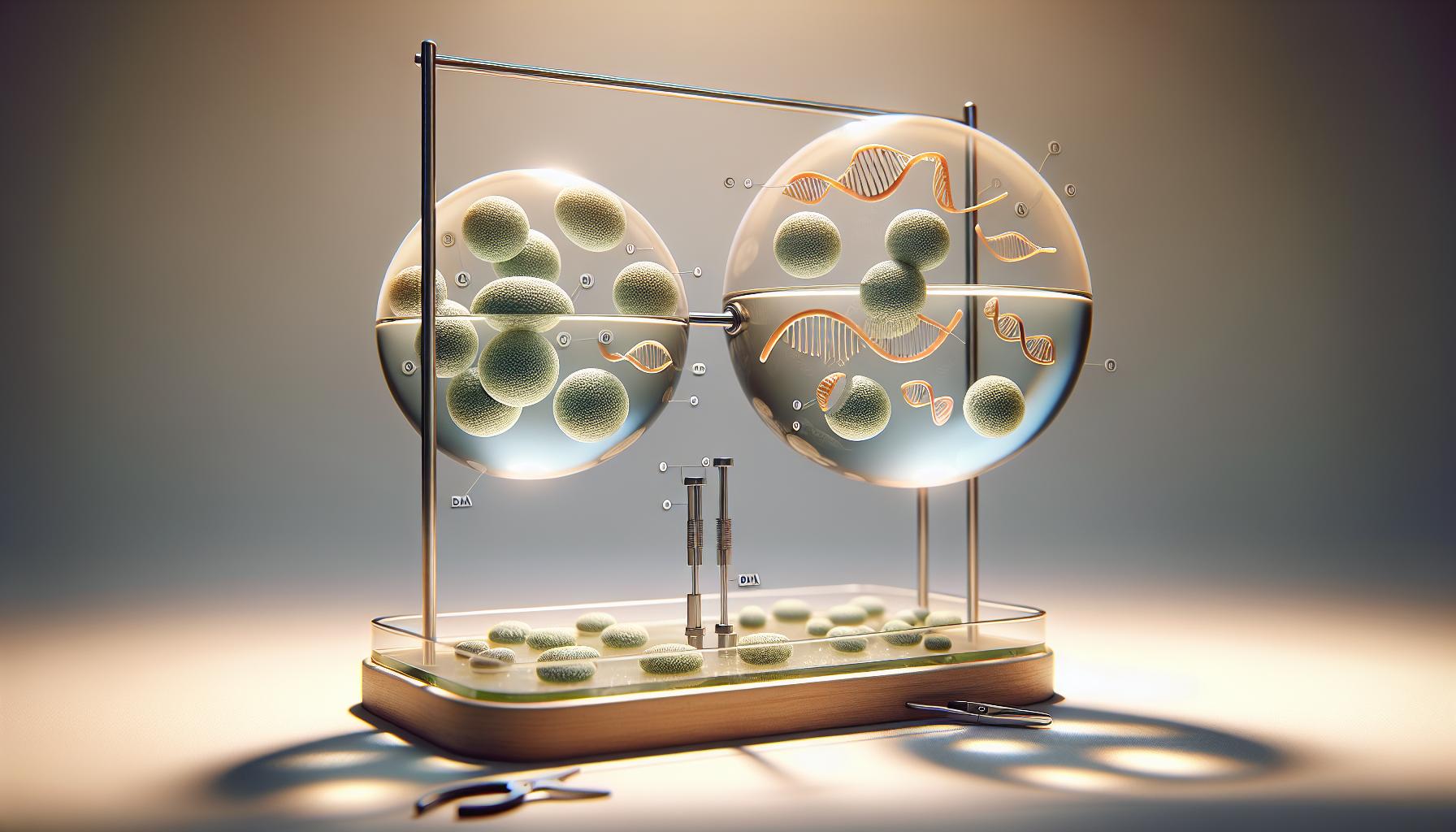
The Science Behind Binary Fission: How It Works
Binary fission is not just a method of reproduction; it is a remarkable process that illustrates the efficiency of life at a microscopic level. This asexual reproduction technique is predominant in prokaryotic organisms, such as bacteria, which have been thriving on Earth for billions of years. When conditions are right, a single cell can become two, then four, and so on, creating populations that can adapt quickly to their environments.
At the heart of binary fission is the replication of genetic material. Initially, the bacterium’s DNA, which is circular in shape, is copied. As the cell grows, it prepares for division by ensuring that each new daughter cell will receive an identical set of genes. Once the DNA has been duplicated, the cell elongates. The cell membrane starts to constrict in the center, forming a septum, which will ultimately divide the cell into two separate but genetically identical daughter cells. This basic, yet effective, mechanism allows for a rapid increase in population size during favorable conditions.
Several factors affect the rate at which binary fission occurs. Nutrient availability is crucial; abundant resources can lead to quicker replication. For instance, in nutrient-rich environments, some bacteria can divide every 20 minutes. Additionally, temperature and the accumulation of waste products can also influence the speed of this reproductive method. Understanding these dynamics not only highlights the resilience of microorganisms but also emphasizes their critical role in various ecosystems and industries, from agriculture to medical biotechnology.
As we explore binary fission further, it’s essential to appreciate its simplicity and efficiency. This reproductive strategy allows organisms to thrive in diverse environments, leading to significant ecological impacts, such as nutrient cycling and the maintenance of ecosystem balance. Recognizing the intricacies of binary fission opens up avenues for future research, particularly in biotechnology, where harnessing the power of microorganisms can lead to innovative solutions in health and sustainability.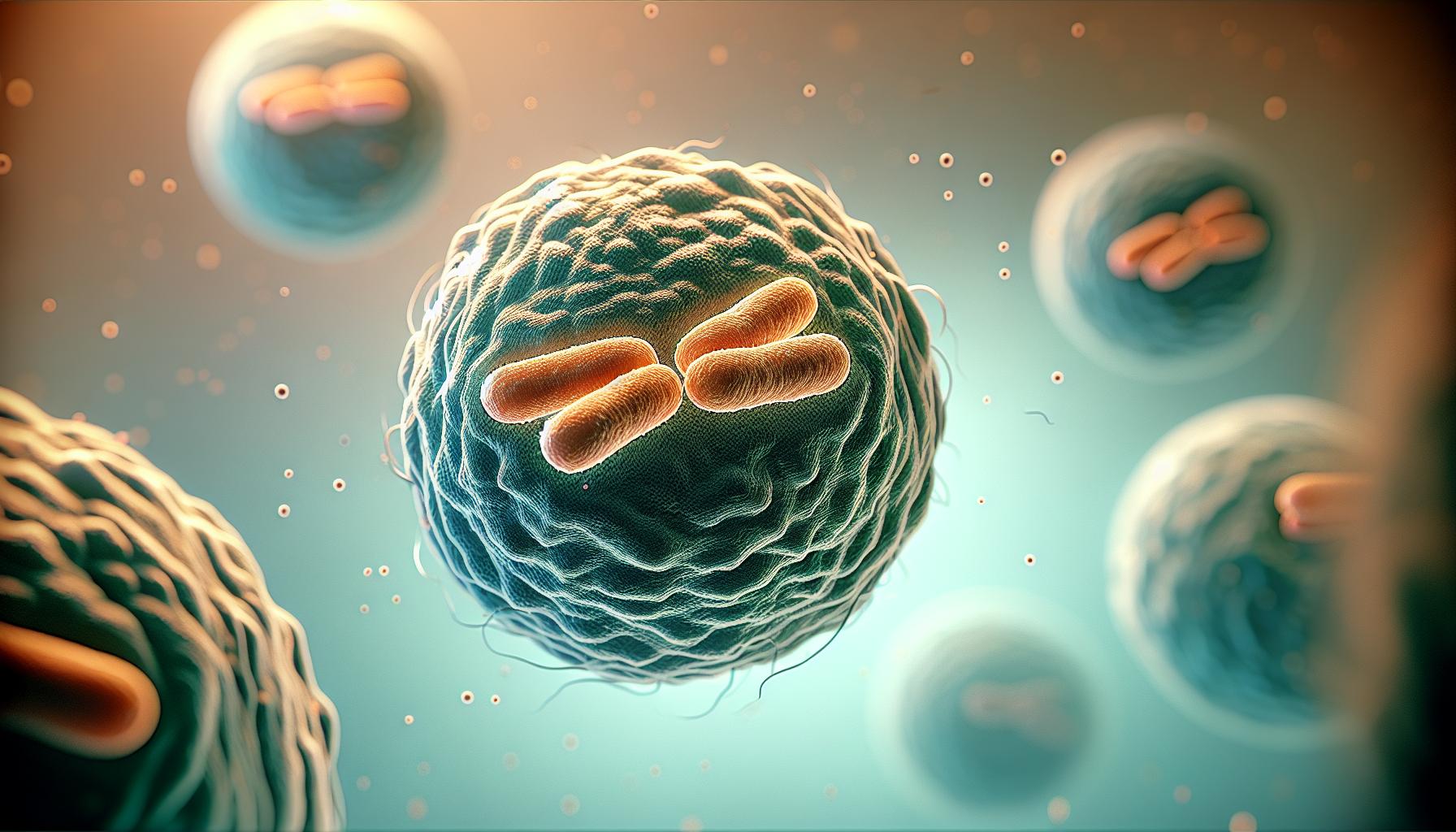
Types of Organisms That Use Binary Fission
Bacteria are the most well-known organisms that utilize binary fission as their primary method of reproduction. This group includes a vast array of species, ranging from harmless strains like Escherichia coli, which is commonly found in the intestines of humans, to pathogenic varieties that can cause serious illnesses. Each bacterium can divide rapidly under optimal conditions, leading to exponential growth and significant population densities in environments with plentiful nutrients.
In addition to bacteria, certain archaea-another branch of prokaryotic life-also reproduce via binary fission. These organisms thrive in extreme environments, such as hot springs and salt lakes, showcasing the adaptability of binary fission across diverse habitats. For example, Thermococcus species survive in high-temperature hydrothermal vents, illustrating how binary fission supports life in extreme conditions.
While binary fission is primarily associated with prokaryotes, some eukaryotic microorganisms, such as certain algae and protozoa, also employ this method. For instance, the protozoan Amoeba can reproduce through binary fission when food sources are abundant. This mechanism allows eukaryotic cells to rapidly increase their numbers in favorable environments, contributing to their ecological roles in various ecosystems.
In summary, binary fission is not limited to just one type of organism; it spans across prokaryotes and some eukaryotic microorganisms. This versatility underscores its importance as a fundamental reproductive strategy, enabling these organisms to thrive in a wide range of environments and play essential roles in their ecosystems.
Binary Fission Vs. Other Reproductive Methods
Binary fission stands out as one of the most efficient reproductive methods among living organisms, especially when compared to other modes of reproduction. While it allows for rapid population growth, especially in bacteria, there are several differences between binary fission and other reproductive strategies like sexual and asexual reproduction. Understanding these distinctions reveals much about the adaptability and success of different organisms in various environments.
One of the primary differences is the complexity of the reproductive process. Binary fission is a form of asexual reproduction where a single organism divides into two identical daughter cells, effectively making it a straightforward and rapid process. In contrast, sexual reproduction involves the fusion of gametes from two parent organisms, leading to genetic variation, which can be beneficial in evolving and adapting to changing environments. This genetic diversity can help populations survive diseases or environmental shifts that may otherwise wipe out genetically identical individuals produced through binary fission.
Efficiency and Speed
The speed of reproduction is another critical difference. In optimal conditions, a bacterium can undergo binary fission every 20 minutes, leading to exponential growth. In comparison, sexual reproduction typically requires more time, as it involves courtship, mating, and the gestation period of offspring, which can vary widely across species. This rapid reproduction rate of binary fission allows organisms to colonize new environments quickly, which is particularly advantageous in unstable or nutrient-rich areas.
Implications for Survival
From an evolutionary standpoint, both binary fission and sexual reproduction have their advantages. Organisms that reproduce via binary fission can quickly populate environments and take advantage of resources, while those that reproduce sexually can adapt more effectively to long-term changes in their environment through genetic variation. For instance, some pathogens exploit binary fission to become established in a host quickly but must also evolve through mutation and horizontal gene transfer to escape host immune responses and chemical treatments. This interplay showcases how different reproductive strategies complement the survival strategies of organisms in the vast tapestry of life on Earth.
In summary, while binary fission allows for rapid proliferation and immediate adaptation, the complexity and genetic diversity provided by sexual reproduction ensure the long-term resilience of many species. Understanding these differences can deepen our appreciation of life’s various strategies to thrive amidst ever-changing ecosystems.
Step-by-Step Process of Binary Fission
The remarkable efficiency of binary fission is best illustrated through its systematic and straightforward process, which is vital for the rapid reproduction of organisms like bacteria. Understanding this method allows us to appreciate how these single-celled organisms thrive and adapt in various environments.
First, the process begins in an optimal environment where the organism has access to sufficient nutrients and conditions for growth. The bacterial cell starts by replicating its DNA; this is crucial as it prepares to ensure that both daughter cells will possess the genetic information necessary for survival. Following the successful duplication of the circular DNA, the cell membrane begins to elongate, creating two distinct halves.
As this elongation continues, the cell wall starts forming a septum (a dividing wall) in the middle of the elongated cell. This septum is constructed by synthesizing new cell wall materials, which will eventually partition the cell into two separate entities. Once the septum is fully formed, the process culminates in the cell undergoing cytokinesis, where the cell completely divides into two identical daughter cells. Each of these new cells contains a complete copy of the original DNA and is fully capable of independent living and further reproduction.
This entire sequence can occur remarkably quickly, with some bacteria capable of completing the process in as little as 20 minutes under ideal conditions. Thus, understanding the step-by-step journey of binary fission not only highlights its simplicity but also its effectiveness as a reproductive strategy in varying ecosystems.
Advantages of Binary Fission for Survival
Recognized for its remarkable efficiency, binary fission offers numerous advantages for survival, particularly for single-celled organisms like bacteria. One of the compelling benefits of this reproductive strategy is its speed. Under optimal conditions, a bacterial cell can complete the process of binary fission in as little as 20 minutes, leading to exponential population growth. This rapid reproduction allows these organisms to quickly exploit available resources, adapting effectively to changing environmental conditions.
Additionally, binary fission results in offspring that are genetically identical to the parent cell, ensuring that successful adaptations can propagate through generations. This cloning nature is advantageous in stable environments where the prevailing conditions are well-suited to the existing genetic makeup. Furthermore, the simplicity of the binary fission process means that energy and resources are not expended on complex mating rituals or reproductive structures that other organisms might require.
Another significant advantage relates to survival under stress. In harsh or fluctuating environments, binary fission enables quick population increases, allowing species to outcompete potential threats and fill ecological niches rapidly. The ability to reproduce quickly means that even if a portion of the population does not survive adverse conditions, a robust number of offspring can still thrive and maintain the species.
In summary, binary fission enhances survival strategies through rapid reproduction, genetic stability, and resilience in fluctuating environments, making it a highly effective method for many microorganisms. This reproductive method, while simple, plays a critical role in maintaining the balance of ecosystems, proving the importance of understanding such mechanisms in the study of life and biology.
Binary Fission in Prokaryotic vs. Eukaryotic Cells
Binary fission serves as a fascinating reproductive strategy primarily characterized by its simplicity and efficiency, but its implementation varies significantly between prokaryotic and eukaryotic cells. Prokaryotic organisms, such as bacteria, utilize binary fission as their sole method of reproduction. In these single-celled organisms, the process is remarkably straightforward: the cell grows, duplicates its DNA, and then divides into two genetically identical daughter cells. This method allows prokaryotes to adapt rapidly to environmental changes and can result in exponential population growth in favorable conditions.
In contrast, eukaryotic cells, which include more complex organisms like plants and animals, exhibit a more nuanced approach to reproduction. While many eukaryotic microorganisms, such as some algae and protozoa, can reproduce via binary fission, the majority engage in more complicated reproductive processes, such as mitosis or meiosis, that involve multiple stages and the rearrangement of genetic material. This complexity allows for genetic diversity, which can be advantageous in fluctuating environments. For example, the budding of yeast is a form of asexual reproduction akin to binary fission, but the process includes elements of eukaryotic cell organization that differentiate it from the straightforward division seen in prokaryotes.
Additionally, the location and mechanisms of cell division also differ between these two types of cells. Prokaryotic cells lack a defined nucleus and organelles, thus making the division process swift and uncomplicated. In contrast, eukaryotic cells contain a nucleus, and the process of division is orchestrated through a more intricate cell cycle, involving checkpoints to ensure proper DNA replication and division, highlighting their increased structural complexity.
Overall, while binary fission is a vital mechanism for prokaryotic reproduction, its presence in eukaryotes is often one of many methods of reproduction that coexist, reflecting the broader diversity of life forms and their reproductive strategies. This distinction illustrates how the fundamental processes of life can vary widely based on cellular organization and environmental adaptation.
Real-Life Examples of Binary Fission in Nature
In the natural world, binary fission is a remarkable process that showcases the power of simplicity and efficiency in reproduction. One of the most notable examples can be found in the domain of bacteria. For instance, Escherichia coli, a common bacterium found in the intestines of humans and animals, utilizes binary fission to reproduce quickly. Under optimal conditions, a single E. coli cell can divide every 20 minutes, leading to a rapid increase in population. This exponential growth allows these bacteria to thrive in diverse environments, making them key players in processes such as digestion and nutrient cycling.
Not only bacteria, but certain single-celled eukaryotes also employ binary fission. In aquatic ecosystems, Amoeba and Paramecium, both protists, replicate through this method. When an Amoeba experiences favorable conditions, it can divide and create two identical daughter cells, which can then replicate further, enhancing their survival and adaptation in varying habitats. Similarly, algae like Chlamydomonas utilize binary fission, contributing to the primary production in aquatic environments, where they serve as a foundational food source for various organisms.
Another fascinating instance of binary fission is seen in the reproduction of yeast, specifically the species Saccharomyces cerevisiae. This crucial yeast in baking and brewing demonstrates a form of budding, which is slightly different yet conceptually similar to binary fission. As the yeast cells grow, a new cell forms and eventually buds off from the parent cell, effectively increasing the population. Such reproductive strategies are essential not only for their survival but also for their significant impact on human industry, including the production of bread and alcoholic beverages.
The simplicity of binary fission underscores its effectiveness across different environments and organisms. By allowing rapid reproduction, this method helps maintain the balance of ecosystems, facilitating nutrient cycling and contributing to biodiversity. Each division leads to the potential for adaptation, resilience, and the sustaining of life, showcasing the beauty of one of nature’s simplest reproductive strategies.
Misconceptions About Binary Fission Explained
Many individuals may have a limited understanding of binary fission, equating the term only with the reproduction of single-celled organisms like bacteria. However, this simplification leads to several misconceptions. One prevalent myth is that binary fission is a primitive and less effective method of reproduction compared to sexual reproduction. In reality, binary fission is a highly efficient process that allows for rapid population growth, particularly in environments that are conducive to life. Bacteria like Escherichia coli can divide every 20 minutes, showcasing an incredible rate of reproduction that can contribute significantly to ecological balance.
Another misunderstanding involves the notion that binary fission produces varied offspring. Contrary to this belief, binary fission results in the creation of two genetically identical daughter cells. This uniformity ensures that optimal traits and adaptations are preserved across generations, allowing rapid colonization of favorable habitats. This can be particularly advantageous in stable environments where the existing genetic makeup is well-suited for survival.
Some people might think that binary fission is exclusive to prokaryotic organisms. While it is true that bacteria utilize this method predominantly, certain eukaryotic organisms, like some protists, also reproduce through binary fission. This highlights the versatility of this reproductive strategy across different domains of life. Knowing that even complex life can employ such a straightforward reproduction method can change one’s perspective on the evolutionary adaptations of organisms.
Lastly, there is a belief that binary fission is an outdated concept with no significance in modern science or industry. On the contrary, understanding this process is vital for advances in biotechnology and genetic engineering. Applications of binary fission principles are employed in research and industry, from the development of antibiotics to genetic studies aimed at preventing diseases. The efficiency of binary fission underpins many biotechnological innovations, making it a key area of focus in contemporary scientific research.
In summary, appreciating the complexity and efficacy of binary fission opens a window into both the simplicity of life’s foundational processes and the astonishing ways these processes can be harnessed for advancement in various fields. Understanding these nuances not only enriches our knowledge but also deepens our respect for the intricate web of life.
The Role of Binary Fission in Ecosystems
The intricacies of ecosystems are deeply intertwined with the phenomenon of binary fission, a method of asexual reproduction that significantly influences population dynamics. Bacteria, the most recognized practitioners of this process, have the remarkable ability to multiply rapidly, resulting in swift population increases that can shape entire ecosystems. For instance, a single bacterium can yield billions of offspring within a few hours under optimal conditions, leading to a rapid buildup of biomass. This explosive growth often serves as a foundational element in food webs, providing essential nutrients and energy for higher trophic levels, such as protists and some multicellular organisms.
Moreover, binary fission fosters genetic uniformity within populations, ensuring that successful adaptations multiply quickly across generations. This consistency can be advantageous in stable environments; for example, microbial mats or biofilms thrive on binary fission, allowing communities to stabilize and outcompete organisms that rely on more diverse reproductive strategies. Such ecosystems exhibit resilience to environmental fluctuations, as they are optimized for their current conditions, enabling them to withstand challenges posed by climate change or habitat alteration.
Additionally, the ecological role of binary fission extends to nutrient cycling and decomposition. Bacteria and archaea, through their rapid reproduction, contribute to organic matter breakdown, facilitating the recycling of vital nutrients back into the ecosystem. This process not only sustains soil health but also supports plant growth, reinforcing the circle of life. Understanding the role of binary fission in these ecological processes is crucial, as it highlights the power of simple reproductive strategies in maintaining ecosystem balance, showcasing nature’s efficiency in sustaining life through remarkable adaptability and rapid response to environmental conditions.
Applications of Binary Fission in Biotechnology
The potential of binary fission extends far beyond a mere biological process; it is a cornerstone of modern biotechnology that fuels innovation in numerous fields. This straightforward method of asexual reproduction, primarily employed by bacteria, has been harnessed to aid various applications, allowing scientists to exploit its efficiency for practical benefits in healthcare, environmental management, and industrial processes.
One of the most significant is in the production of antibiotics and other pharmaceuticals. By cultivating bacteria that reproduce through binary fission, researchers can produce large quantities of beneficial compounds. For example, Streptomyces species, known for their antibiotic properties, can be grown in controlled environments, leading to the mass production of antibiotics like streptomycin and tetracycline. This efficient reproduction means that pharmaceutical companies can rapidly scale up production to meet therapeutic demands, ensuring that medications are available for those in need.
Additionally, binary fission plays a crucial role in bioremediation, a process that utilizes microorganisms to clean up contaminated environments. Bacteria capable of breaking down toxic substances can reproduce quickly, enabling them to tackle pollutants in soil and water effectively. For instance, certain strains can degrade oil spills or heavy metals, thereby restoring ecological balance and enhancing the health of affected ecosystems. By understanding the mechanisms behind binary fission, scientists can optimize these microorganisms to improve their efficacy in environmental applications.
Moreover, the principles of binary fission can also be applied in synthetic biology, where engineered bacteria are designed to perform specific tasks, such as producing biofuels or biodegradable plastics. These genetically modified organisms replicate rapidly, generating large quantities of the target product in a sustainable manner. This not only addresses pressing environmental issues but also paves the way for innovative materials that can reduce our reliance on fossil fuels.
Overall, the are transformative, highlighting the importance of this reproductive strategy in driving advancements across various sectors. By tapping into the power of rapid reproduction, researchers and industries alike can harness the natural efficiencies of microorganisms, leading to enhanced medical treatments, effective environmental solutions, and sustainable materials.
Future of Research on Binary Fission and Its Impact
The incredible adaptability of binary fission has enthralled researchers, enabling advancements that extend far beyond simple cell division. As scientists continue to unravel the complexities of this form of asexual reproduction, new avenues for research and innovation are emerging. The potential implications of these discoveries are vast, ranging from medical breakthroughs to environmental solutions.
One promising area of research focuses on optimizing bacterial strains for enhanced performance in biotechnological applications. By understanding the genetic basis of binary fission, researchers can engineer bacteria to improve their efficiency in producing biofuels, cleaning up pollutants, or generating pharmaceuticals. Enhanced understanding of the regulatory mechanisms governing replication can lead to the development of microorganisms that grow in challenging conditions, such as extreme temperatures or high salinity, thus expanding their utility in various environments. For instance, genetically modified strains of bacteria that can withstand harsh ecosystems may significantly contribute to bioremediation efforts in polluted water bodies.
Moreover, the integration of synthetic biology with binary fission opens new doors for innovative materials and environmental management strategies. Scientists are increasingly exploring how engineered microbes can utilize waste and convert it into valuable resources, such as biodegradable plastics or biofuels. This approach not only addresses the urgent need for sustainable alternatives to conventional materials but also utilizes the rapid reproduction rates of bacteria to maximize output.
As researchers continue to explore binary fission’s potential, it will be essential to approach these advancements with ethical considerations and a focus on sustainability. Future research will likely emphasize the importance of balancing the benefits of rapid reproduction with potential ecological impacts, ensuring that enhanced microbial solutions do not inadvertently harm natural ecosystems. The ongoing evolution of research in binary fission holds exciting promise, potentially transforming our approach to health, industry, and environmental conservation for generations to come.
Q&A
Q: What is binary fission in simple terms?
A: Binary fission is a type of asexual reproduction where a single organism divides into two identical offspring. This process occurs in simple organisms, like bacteria, enabling rapid population growth.
Q: How does binary fission differ from mitosis?
A: Binary fission is a simpler process than mitosis, primarily occurring in prokaryotes, where the organism splits directly into two. Mitosis is a more complex series of steps that occurs in eukaryotic cells, involving the replication and partitioning of chromosomes.
Q: Why is binary fission important for bacteria?
A: Binary fission allows bacteria to reproduce quickly and adapt to environmental changes. This rapid growth can lead to increased survival rates in diverse conditions, making it crucial for ecosystems and biotechnology applications.
Q: What organisms use binary fission for reproduction?
A: Many prokaryotic organisms, especially bacteria, use binary fission. Certain eukaryotes like amoebas and some algae also reproduce this way, enabling rapid population increases in favorable conditions.
Q: Can binary fission occur in multicellular organisms?
A: No, binary fission typically does not occur in multicellular organisms as they reproduce sexually or via more complex asexual methods. However, certain multicellular organisms can reproduce asexually through other processes like budding or fragmentation.
Q: What advantages does binary fission provide?
A: The main advantages of binary fission include fast reproduction rates, minimal energy expenditure, and the ability to quickly exploit resources, which is vital for survival in changing environments.
Q: What are some applications of binary fission in biotechnology?
A: Binary fission is utilized in biotechnology for genetic engineering, antibiotic production, and the creation of genetically modified organisms. Understanding this process aids in developing innovative solutions in medicine and agriculture.
Q: How does binary fission impact ecosystems?
A: Binary fission plays a critical role in ecosystem dynamics by regulating bacterial populations, enhancing nutrient cycling, and serving as the base for various food webs, thereby supporting higher trophic levels.
Wrapping Up
Understanding binary fission is crucial, whether you’re diving into the worlds of cell biology or simply curious about the reproduction methods of organisms. This quick explanation illuminated how this type of asexual reproduction plays a vital role in the life cycles of many living beings. If you found this information helpful, don’t stop here! Check out our related articles on “Asexual Reproduction: Types and Examples” and “The Cell Cycle Explained” to deepen your understanding.
Act now to explore our comprehensive resources or subscribe to our newsletter for the latest insights delivered directly to you. Have questions or need clarification? We invite you to leave a comment below and engage with our knowledgeable community. By taking these next steps, you’re not just learning-you’re becoming part of an active network curious about the wonders of life. Remember, each click leads you closer to unlocking more fascinating science!