Bacterial reproduction is a fascinating and vital process that plays a crucial role in the ecosystem and human health. Did you know that bacteria can reproduce rapidly, sometimes doubling their numbers in just 20 minutes? Understanding the different modes of bacterial reproduction not only satisfies our curiosity about these microscopic organisms but also has real-world applications in medicine and biotechnology. As we delve into the intricacies of binary fission, budding, and other reproduction methods, you’ll discover how these processes affect disease transmission, antibiotic resistance, and even the production of beneficial probiotics. By exploring this topic, you’ll gain insights that can lead to better health choices and a deeper appreciation for the microbial world that surrounds us. Join us in uncovering the remarkable strategies bacteria use to thrive and adapt in our ever-changing environment.
Understanding Bacterial Reproduction Methods
Bacterial reproduction is a fascinating array of processes that contributes to the diversity and adaptability of life on Earth. The most common method, binary fission, serves as a primary reproductive mode where a single bacterial cell divides into two identical cells. This straightforward approach allows rapid population growth, especially in favorable conditions. In contrast, budding represents a more unique strategy where a new organism develops from a protrusion on the parent organism. This method can be observed in certain types of bacteria, offering an alternative to the standard division that can be advantageous in specific environmental contexts.
Another interesting reproductive strategy is fragmentation, where a parent bacterium breaks into several fragments, each capable of growing into a new organism. This method not only aids in regeneration but also supports survival in harsh conditions. Then there’s conjugation, a fascinating process where genetic material is exchanged between bacterial cells through direct contact. This mechanism enhances genetic diversity, allowing for adaptation and survival in changing environments. Additionally, transduction and transformation further illustrate how bacteria can acquire new genetic information. Transduction involves the transfer of DNA via bacteriophages, while transformation refers to the uptake of naked DNA from the environment.
The environmental factors that influence bacterial reproduction are numerous, including nutrient availability, temperature, and pH levels. For instance, an abundance of nutrients typically accelerates reproduction, while stressors may induce slower growth or different reproductive strategies. Understanding these various reproductive methods not only sheds light on bacterial life cycles but also highlights their evolutionary advantages and applications in biotechnology and medicine. As researchers delve deeper into these reproductive mechanisms, the potential for innovative applications continues to expand, promising new technologies and treatments in health and industry.
Binary Fission: The Primary Reproductive Mode
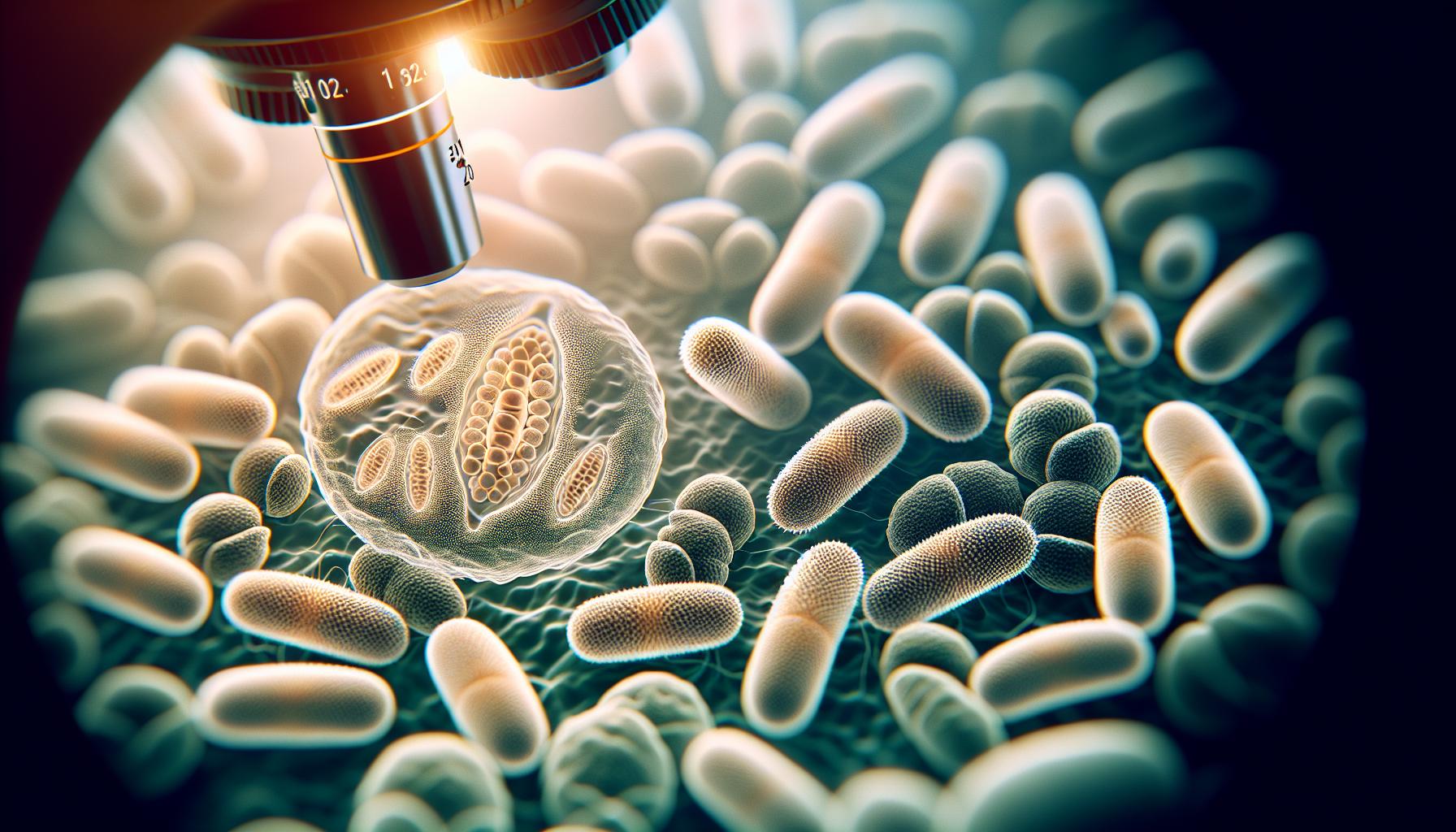
The remarkable process of binary fission is the most common method of reproduction among bacteria, allowing these simple organisms to proliferate rapidly. During binary fission, a single bacterial cell, typically just a few micrometers in size, undergoes a series of well-coordinated steps leading to its division into two genetically identical daughter cells. This method of reproduction is especially efficient, giving bacteria an incredible ability to increase their population under favorable conditions, such as an abundance of nutrients and optimal temperature.
The binary fission process can be broken down into several stages. First, the bacterial DNA replicates, resulting in two identical copies. Next, the cell elongates, and the cell membrane begins to pinch inward at the center of the elongated cell. Finally, the cell wall forms across the center, completing the division and resulting in two separate cells. This entire process can take as little as 20 minutes in optimal conditions, leading to exponential growth-a single bacterium can theoretically give rise to millions in just a few hours.
This method of reproduction offers several evolutionary advantages. It allows for quick adaptation to environmental changes, such as the availability of food or the presence of antibiotics. For instance, in a nutrient-rich environment, a bacterium that reproduces rapidly through binary fission can take full advantage of available resources, outcompeting others for survival. Additionally, the simplicity of the process ensures that bacteria can thrive in a variety of ecosystems, from the human gut to extreme environments.
However, the rapid reproduction rate associated with binary fission also means that bacteria can quickly develop resistance to antibiotics and other treatments. Understanding binary fission is crucial not only for microbiology and ecology but also for medical science, as it underpins the challenges in treating bacterial infections. In essence, binary fission is more than just a reproductive strategy; it’s a fundamental mechanism that shapes microbial life and influences health and disease on a global scale.
Budding: A Unique Reproductive Strategy

Budding is a fascinating and somewhat less common reproductive strategy employed by certain bacteria, providing a unique alternative to the more widespread binary fission. In budding, a new organism develops from an outgrowth or bud on the parent organism. This process not only demonstrates the remarkable adaptability of bacterial life but also highlights the diversity within the microbial world.
During budding, the parent bacterium forms a small bulge on its surface, which gradually enlarges as the new cell develops. As this bud grows, it remains attached to the parent until it reaches a sufficient size and maturity. Once fully formed, the new cell detaches from the parent, allowing both the original and the new bacterium to exist independently. This method of reproduction not only allows bacteria to maintain their genetic integrity but also enables them to colonize new environments effectively.
This reproductive strategy is particularly advantageous in stable environments where resources are plentiful. Budding allows bacteria to reproduce without the need for DNA replication prior to division, which can be advantageous when conditions favor rapid local population growth. Examples of bacteria that utilize budding include Bacillus cereus and Hyphomonas species, which thrive in specific ecological niches.
The strategic use of budding can also facilitate resilience against environmental stresses. By reproducing in this manner, bacteria can maintain a strong presence while adapting to changing conditions-a vital attribute for survival in fluctuating ecosystems. Understanding budding alongside other reproductive methods enriches our comprehension of microbial ecology and the evolutionary strategies that sustain life in various environments.
Fragmentation: How Bacteria Regenerate
Bacterial fragmentation is a remarkable regenerative process that allows certain species to thrive in various environments. This method involves breaking apart the parent organism into smaller fragments, each capable of developing into a new, independent bacterial cell. Unlike more common reproductive strategies like binary fission, fragmentation showcases an intriguing aspect of bacterial adaptability and resilience, especially in resource-rich habitats.
During fragmentation, a bacterium undergoes a natural division, where it physically splits into multiple pieces. These fragments can vary in size and may contain all necessary cellular components, including DNA, enabling them to regenerate into fully functional cells. This method of reproduction not only aids in population expansion but also enhances survival in challenging conditions. For instance, when environmental stressors arise, such as nutrient depletion or unfavorable climates, fragmentation allows for a quick response, facilitating faster colonization of new areas and effective resource utilization.
An excellent example of fragmentation can be observed in certain filamentous bacteria, such as Actinobacteria. They often form long chains or filaments that can break apart, producing several new, viable cells. This feature is particularly advantageous in environments that are dynamic or subject to fluctuations, as it enables rapid adaptation and growth. Understanding fragmentation and its ecological implications can provide deeper insights into microbial community dynamics and the evolutionary strategies that microorganisms employ to thrive amidst various challenges.
Conjugation: The Process of Genetic Exchange
Bacteria possess an extraordinary ability to share genetic material through a process known as conjugation, facilitating rapid adaptability and evolution. This method of genetic exchange involves direct transfer of DNA between two bacterial cells, allowing them to acquire new traits that can enhance survival and function. For instance, through conjugation, a bacterium can gain antibiotic resistance genes from a neighboring cell, which is especially critical in environments saturated with antibiotics.
During conjugation, a donor cell, often referred to as a male or F+ cell, forms a connection to a recipient cell (female or F- cell) through a specialized structure called a pilus. This pilus acts like a bridge, enabling the transfer of plasmids-small circular pieces of DNA that contain advantageous genes. The process unfolds in several steps:
- Formation of the Pilus: The donor bacterium extends a pilus to the recipient cell.
- Contact and Attachment: The pilus contracts, drawing the two cells closer together and establishing a stable connection.
- DNA Transfer: The plasmid from the donor cell is replicated and transferred into the recipient cell.
- Cell Separation: After DNA transfer is complete, the cells separate, with the recipient now containing a new genetic material.
The implications of conjugation extend beyond mere genetic enhancement. It plays a pivotal role in the emergence of pathogenic bacteria, making them resistant to treatment. Understanding this process is crucial for developing strategies to combat antibiotic resistance, a growing public health concern. Moreover, the adaptability that conjugation offers allows bacteria to thrive in diverse and changing environments, showcasing their resilience and evolutionary prowess.
As researchers further explore the mechanics of conjugation, we may uncover new avenues for medical intervention and biotechnological applications, such as targeted uses of conjugation in gene therapy. By embracing a holistic view of bacterial reproduction, including processes like conjugation, we gain invaluable insights that not only inform our understanding of microbial ecosystems but also shape practical approaches in combating bacterial threats to health and society.
Transduction: Viral Influence on Bacterial Reproduction
The process of transduction is a fascinating mechanism through which bacteria can acquire new genetic material, significantly impacting their evolution and adaptability. This method relies on bacteriophages, viruses that specifically infect bacteria. During this process, a bacteriophage inadvertently carries bacterial DNA from one host to another, facilitating genetic exchange that can confer new traits, such as antibiotic resistance or enhanced metabolic capabilities.
When a bacteriophage infects a bacterial cell, it hijacks the bacterial machinery to produce more phages. In this process, some of the bacterial DNA may be packaged into the new phage particles. As the phage exits the host cell, it can transfer this DNA to a new bacterial cell upon infection. This genetic transfer can lead to significant changes in the physiology and capabilities of the recipient bacteria, effectively enabling them to adapt to new environments or conditions.
Types of Transduction
Transduction can be classified into two main types: generalized and specialized. In generalized transduction, any bacterial gene can be transferred by a phage. While in specialized transduction, only certain genes adjacent to the phage integration site in the bacterial chromosome are transferred. This specificity illustrates how infections can shape bacterial populations by introducing and spreading beneficial genes.
In practical applications, transduction is not merely a theoretical concept but has real-world implications, especially in understanding how pathogenic bacteria gain resistance and virulence factors. By studying transduction, researchers can develop strategies to combat bacterial infections, enhance gene therapy techniques, and explore new avenues in biotechnology. Understanding this viral influence on bacterial reproduction allows scientists to appreciate the role of viruses as catalysts in bacterial diversity and adaptability, ultimately unveiling new facets of microbial life that impact health and disease.
Transformation: Uptake of DNA in Bacteria
The ability of bacteria to adapt and thrive in a variety of environments is partly due to their remarkable method of transformation, the uptake of DNA from their surroundings. This natural competency allows bacteria to incorporate genetic material from dead or lysed cells in their environment, which can lead to beneficial traits that enhance survival, such as antibiotic resistance or metabolic capabilities. For many bacteria, transformation is not just a means of reproduction; it is a crucial adaptive strategy that allows for rapid evolutionary changes in response to environmental pressures.
During transformation, a bacterium can take in naked DNA fragments that have been released into the environment. This process generally involves several steps, including the binding of DNA to the bacterial surface, uptake of the DNA into the cell, and integration of the DNA into the bacterial chromosome. This genetic material can come from various sources, including lysed bacterial cells, which can give the recipient bacterium new traits that may aid in survival. For example, Streptococcus pneumoniae can acquire genes that confer virulence, demonstrating how transformation can have significant implications in pathogenicity.
In practical terms, transformation also serves as a powerful tool in biotechnology and genetic engineering. Scientists harness this capability to insert desired genes into bacteria, which can then be used for producing proteins, enzymes, or even hormones at scale. This technique is crucial in medical research, agriculture, and various biotechnological applications, leading to new treatments and transgenic organisms. Understanding transformation thus not only illuminates bacterial reproduction strategies but also underscores the significance of bacteria in scientific innovation and technology development.
In summary, transformation embodies an essential aspect of bacterial life that transcends mere reproduction. By taking up external DNA, bacteria can enhance their genetic diversity and adaptability. This process showcases the intricate relationship between bacteria and their environment, as well as the applications that arise from this fascinating biological phenomenon.
Environmental Factors Affecting Bacterial Reproduction
Bacterial reproduction is profoundly influenced by environmental factors that can either facilitate or inhibit their growth and division. These factors play a critical role in determining how quickly and effectively bacteria can reproduce, which in turn impacts their survival and adaptation in various ecosystems.
One of the most significant environmental factors is the availability of nutrients. Bacteria require essential nutrients such as carbon, nitrogen, and phosphorus to synthesize cellular components and energy. In nutrient-rich environments, such as decomposing organic matter or waste sources, bacteria can thrive and reproduce rapidly through binary fission. In contrast, nutrient-poor settings can lead to slower reproduction rates, dormancy, or even cell death as bacteria struggle to obtain the resources needed for growth.
Temperature and pH
Temperature and pH are other crucial environmental determinants. Each bacterial species has an optimal temperature range for growth, often within 20 to 40 degrees Celsius. For example, thermophilic bacteria flourish in hot springs, while psychrophiles prefer cold environments like Arctic ice. Deviations from these optimal temperatures can lead to reduced metabolic rates and slower reproduction. Similarly, pH levels can significantly affect microbial reproduction-with many bacteria thriving in neutral pH conditions, while others are adapted to acidic or alkaline environments.
Oxygen Availability
The presence or absence of oxygen also plays a vital role in bacterial reproduction. Aerobic bacteria require oxygen for respiration, leading to rapid reproduction in well-oxygenated environments, while anaerobic bacteria thrive in oxygen-depleted settings. Faculative anaerobes can adapt to both conditions, switching their metabolic pathways as needed. Understanding these oxygen dynamics can clarify why certain bacteria dominate specific ecological niches.
Environmental Stressors
Diverse stressors-such as radiation, salinity, and competing microorganisms-also influence bacterial reproduction. For instance, high salinity levels can lead to osmotic stress, which can inhibit growth and reproduction. In environments with heavy microbial competition, certain bacteria may evolve to utilize unique reproductive strategies, like horizontal gene transfer, to acquire beneficial traits that enhance their survival.
Through monitoring these environmental factors, we can better understand bacterial reproduction dynamics, which is crucial for both ecological research and practical applications, such as biotechnology and medicine. Recognizing how bacteria interact with their surroundings enables us to leverage these organisms for beneficial purposes, from fermentation processes to bioremediation strategies, ultimately enhancing our ability to harness their diverse reproductive capabilities.
Comparative Analysis: A Review of Reproductive Methods
Bacteria exhibit a range of reproductive strategies, each tailored to their survival and adaptation in diverse environments. Understanding these methods not only sheds light on their biology but also informs applications in medicine, agriculture, and biotechnology. Among these reproductive techniques, binary fission stands out as the most common, but the diversity in reproductive methods reflects the complexity of bacterial life.
Binary Fission is the primary mode of reproduction for most bacteria. This asexual process involves the division of a single cell into two genetically identical daughter cells. Under optimal conditions, binary fission can occur rapidly, leading to exponential growth. However, this method lacks genetic diversity since the offspring are clones of the parent, which can be a disadvantage in changing environments where adaptation is crucial.
In contrast, methods such as conjugation and transformation facilitate genetic exchange, allowing bacteria to share or acquire new traits. Conjugation involves direct transfer of DNA between two cells through a pilus, which can enhance survival by providing resistance to antibiotics or enabling the metabolism of new substrates. Transformation, on the other hand, is the uptake of free DNA from the environment, which can happen when bacteria die and release their genetic material. Both processes introduce genetic variation, benefiting bacterial populations by equipping them to better face environmental stresses.
Another method, transduction, relies on viruses to transfer DNA between bacterial cells. Bacteriophages, the viruses that infect bacteria, can inadvertently carry genetic material from one bacterium to another, integrating it into the recipient’s genome. This method can lead to significant changes in bacterial capabilities, such as pathogenicity or antibiotic resistance.
While some bacteria reproduce through budding or fragmentation, these methods are less common. Budding involves a smaller new organism forming from the parent, which can be beneficial in specific contexts, while fragmentation results in the creation of new individuals from parts of a parent cell. These strategies contribute to diversity in growth patterns but are generally slower and less efficient than binary fission.
Understanding the advantages and limitations of these reproductive methods is crucial not only for appreciating bacterial biology but also for harnessing bacteria in various industries. For instance, employing genetic transformation can enhance the production of beneficial compounds in biotechnology, while understanding conjugative transfer can inform strategies to combat antibiotic resistance. In summary, the diverse reproductive strategies of bacteria reflect an evolutionary response to environmental pressures, allowing these microbes to thrive in a multitude of habitats.
Evolutionary Advantages of Bacterial Reproduction
Bacteria have evolved a remarkable array of reproductive strategies, each conferring distinct advantages that enhance their survival in diverse environments. The primary method, binary fission, allows for rapid population growth, enabling bacteria to saturate favorable niches quickly. This efficiency is critical in environments where resources are abundant, as a single bacterium can lead to large colonies in a short time frame. However, while this method ensures quick proliferation, it also results in low genetic diversity, making populations vulnerable to extinction during environmental changes.
In contrast, genetic exchange methods, such as conjugation and transformation, offer a dynamic approach to adaptation. Through conjugation, bacteria can share genetic material directly, allowing them to quickly acquire advantageous traits, like antibiotic resistance or the ability to utilize new energy sources. Transformation facilitates this further by enabling bacteria to take up free DNA from their surroundings, which can often include genes that confer critical survival benefits. The introduction of genetic diversity into populations enhances their resilience against threats and fosters innovation in metabolic pathways.
Transduction and Its Role
Another evolutionary advantage lies in transduction, where bacteriophages, or viruses that infect bacteria, facilitate the transfer of genetic material. This viral influence not only promotes genetic variability but can also introduce new functions that can significantly alter a bacterium’s lifestyle. Such alterations can enhance pathogenicity, enabling some bacteria to cause disease, while in others, these changes might facilitate survival in harsh conditions.
Overall, the diversity of bacterial reproductive methods illustrates a sophisticated evolutionary response. The interplay of rapid asexual reproduction and mechanisms for genetic exchange fosters adaptability, ensuring that bacteria are well-equipped to thrive in an ever-changing world. This adaptability is not just an intriguing biological phenomenon; it also has profound implications for human health, agriculture, and biotechnology, guiding advances in how we harness bacteria for beneficial applications. Understanding these reproductive strategies empowers researchers and practitioners to effectively manage bacterial populations, combat antibiotic resistance, and develop innovative biotechnological solutions.
Real-World Applications of Bacterial Reproduction Techniques
The remarkable adaptability of bacteria not only showcases the brilliance of evolution but also has vast implications for various real-world applications. Understanding and harnessing bacterial reproduction techniques can drive forward numerous fields, from medicine to environmental science and biotechnology. One of the most direct applications of these techniques is in the production of antibiotics. As bacteria reproduce rapidly through binary fission, researchers can cultivate specific strains to produce compounds that combat infections, providing critical tools in the fight against antibiotic-resistant pathogens.
Moreover, genetic exchange methods such as conjugation and transformation are pivotal in biotechnological advances. For instance, scientists can engineer bacteria to produce insulin or other therapeutic proteins, which can be harvested for medical use. Techniques that exploit bacterial transformation allow for the incorporation of foreign DNA into bacterial genomes, enabling strains to produce vital human proteins in large quantities, reducing production costs and increasing efficiency. This method is crucial in developing medications and vaccines that significantly improve patient outcomes.
In agriculture, the application of bacterial reproduction methods is equally transformative. Certain bacteria can enhance soil fertility or protect plants from pests and diseases. By employing naturally occurring soil bacteria through techniques like biocontrol and biofertilization, farmers can reduce dependence on chemical fertilizers and pesticides. This not only fosters sustainable agricultural practices but also supports food security by boosting crop yields in an environmentally friendly manner.
Finally, the intricate relationship between bacteria and their environments illustrates the importance of studying bacterial reproduction in ecological and environmental contexts. For instance, scientists use bacteria to bioremediate contaminated sites by harnessing their ability to adapt and thrive in harsh conditions. Through transduction, genes that confer the ability to metabolize pollutants can be transferred among bacteria, enabling a more efficient cleanup of environmental toxins. This biological versatility highlights bacteria as vital allies in addressing some of the most challenging environmental issues we face today.
Understanding these applications not only empowers researchers and practitioners but also paves the way for innovative solutions that harness the power of bacterial reproduction in relatable, impactful ways.
Future Directions in Bacterial Reproductive Research
The future of bacterial reproductive research holds exciting potential, particularly in areas that could revolutionize medicine, agriculture, and environmental science. As our understanding deepens, research is increasingly focusing on harnessing the various reproductive methods employed by bacteria to solve pressing global challenges.
One of the most promising avenues involves the manipulation of genetic exchange processes such as conjugation and transformation. By engineering bacteria to facilitate these processes, scientists can enhance the production of beneficial compounds. For example, genetically modified bacteria could be designed to produce antibiotics more efficiently or to synthesize complex molecules like vaccines at a lower cost. This approach might lead to groundbreaking therapies that are both effective and accessible.
Additionally, the study of bacterial reproduction in extreme environments could open up new frontiers in biotechnology. By understanding how bacteria reproduce and thrive in harsh conditions, researchers can develop engineered strains that are capable of bioremediation-cleaning up pollutants in environments tainted by industrial waste or oil spills. This not only highlights the resilience of bacterial reproduction but also its practical applications in restoring ecological balance.
Furthermore, with advances in CRISPR technology and synthetic biology, the potential for customized bacterial strains tailored to specific industrial or agricultural needs is becoming more viable. This could include bacteria that enhance soil fertility or those that can combat crop diseases without relying on chemical pesticides. By leveraging the natural reproductive capabilities of bacteria, scientists can create sustainable practices that benefit food security and environmental health.
The exploration of these areas not only sheds light on the intricate behaviors of bacteria but also emphasizes the importance of interdisciplinary approaches, combining microbiology, genetics, and environmental science. As this research advances, it may provide the tools necessary to tackle some of the world’s most complex problems, solidifying bacteria as indispensable allies in our ongoing quest for innovation and sustainability.
FAQ
Q: What are the primary modes of bacterial reproduction?
A: The primary modes of bacterial reproduction include binary fission, budding, fragmentation, conjugation, transduction, and transformation. Each method has unique mechanisms for reproduction and genetic exchange, contributing to bacterial diversity and adaptability.
Q: How does binary fission work in bacteria?
A: Binary fission is the most common reproduction method among bacteria. In this process, a single bacterial cell duplicates its DNA, then splits into two identical daughter cells, effectively doubling the population. This method allows rapid multiplication under favorable conditions.
Q: What role does conjugation play in bacterial reproduction?
A: Conjugation is a form of genetic exchange where one bacterium transfers genetic material to another through direct contact. This process enhances genetic diversity, allowing bacteria to adapt to new environments and resist antibiotics. It’s crucial for the evolution of bacterial populations.
Q: Are there environmental factors that impact bacterial reproduction?
A: Yes, environmental factors such as temperature, pH, nutrient availability, and oxygen levels can significantly influence bacterial reproduction rates and methods. Understanding these factors helps in managing bacterial growth in various settings, from healthcare to agriculture.
Q: How does transduction differ from transformation in bacterial reproduction?
A: Transduction involves the transfer of DNA between bacteria via viruses (bacteriophages), whereas transformation occurs when bacteria uptake free-floating DNA from their environment. Both processes contribute to genetic variation and adaptation in bacterial populations.
Q: What evolutionary advantages do various bacterial reproduction methods offer?
A: Different bacterial reproduction methods, like binary fission and conjugation, allow for rapid population growth and genetic diversity. This adaptability helps bacteria survive in changing environments, resist antibiotics, and exploit new ecological niches.
Q: How does fragmentation assist in bacterial regeneration?
A: Fragmentation allows certain bacteria to regenerate by breaking into pieces, with each fragment capable of growing into a new individual. This process ensures survival and colonization of new areas, offering a method of asexual reproduction that fosters resilience.
Q: Can bacteria reproduce without a partner?
A: Yes, bacteria can reproduce asexually through processes like binary fission and fragmentation, meaning they do not require a partner for reproduction. However, methods like conjugation require direct contact between two bacterial cells for genetic exchange.
Final Thoughts
Understanding the various modes of bacterial reproduction is crucial for appreciating the role bacteria play in our ecosystems and health. Whether you’re investigating binary fission or budding, you’ve taken a step towards deepening your knowledge of these essential microorganisms. If you found this overview helpful, don’t miss exploring our related articles on “The Role of Bacteria in Human Health” and “Bacterial Adaptation Strategies” for a broader perspective.
Now is the perfect time to enhance your learning journey! Join our newsletter for access to the latest research, insights, and expert opinions on microbiology. If you have any questions or want to share your thoughts, please comment below – we’d love to hear from you. Your engagement helps foster a community passionate about microbiology and beyond. Let’s keep the conversation going!