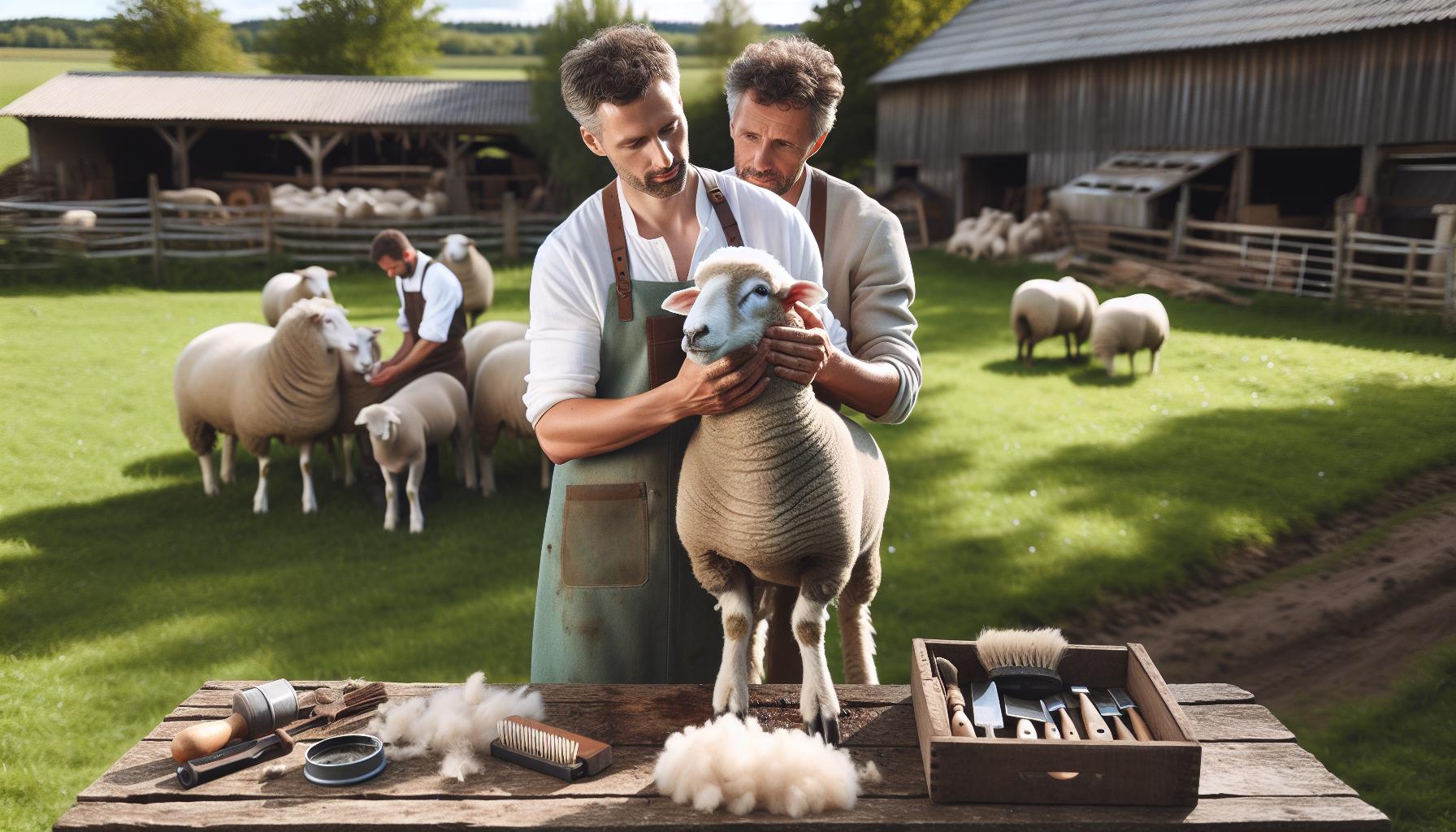
Artificial insemination in sheep is a vital technique in modern agriculture, enhancing breeding efficiency and genetic diversity. Did you know that this method can significantly improve lamb production and the overall health of your flock? Whether you’re a seasoned farmer or just starting out, understanding the artificial insemination process can help you achieve your breeding goals. This guide will walk you through each step of the procedure, addressing common challenges and best practices to ensure a successful outcome. Join us as we explore how this innovative technique can transform your sheep breeding practices and ultimately bolster your agricultural success. Let’s dive into the complete procedure of artificial insemination and empower you with the knowledge to optimize your flock’s breeding potential.
Understanding Artificial Insemination in Sheep
Artificial insemination (AI) in sheep is a transformative technique that allows breeders to enhance genetic diversity and improve the quality of their flock without the logistical challenges of natural breeding. By employing AI, farmers can access superior genetics from rams that may be geographically distant, ensuring that the best traits are passed on to future generations. This method not only broadens the genetic pool but also helps manage breeding time more efficiently, aligning with specific reproductive cycles of the ewes.
Understanding the process begins with knowing the timing and conditions for successful insemination. Estrous cycles in ewes occur roughly every 17 days, with the most fertile period lasting about 24-36 hours. Tools such as breeding calendars and hormone treatments can aid in predicting the optimal window for insemination. Efficient management of reproductive health is crucial, as it sets the foundation for the success of this process.
The insemination itself requires careful preparation to foster a stress-free environment for the sheep. Ensuring the ewe is calm and well-handled can significantly increase the chances of successful fertilization. Training and skill development for the personnel involved in the insemination procedure is vital to minimize complications. Properly thawed semen, handled with care, can yield high success rates, provided that the sheep are accurately monitored post-insemination for any signs of distress or complications.
Incorporating AI can dramatically alter the breeding landscape of sheep farming. As breeders continue to embrace this technology, they open up new possibilities for managing their flocks and achieving their breeding goals effectively and humanely.
Key Benefits of Artificial Insemination for Sheep
Artificial insemination (AI) in sheep offers numerous advantages, making it an essential practice for modern sheep breeders aiming to enhance their herds. Notably, AI opens the door to superior genetics that would otherwise be unavailable due to geographical barriers. Breeders can select top-quality ram semen from distant locations, significantly improving the genetic diversity and overall vigor of their flock. This access to enhanced genetics allows for the propagation of desirable traits such as better wool quality, increased meat yield, and improved disease resistance.
Another substantial benefit of AI is the efficiency in managing breeding times. With AI, farmers can synchronize the estrous cycles of their ewes, leading to a more streamlined and predictable lambing period. This synchronization not only maximizes the use of the best genetic material but also simplifies the management of lamb production. By aligning breeding schedules, farmers can better plan for resource allocation, reduce labor costs, and ensure that lambs are born during optimal seasons for growth and health.
Moreover, artificial insemination contributes to improved health outcomes for both ewes and lambs. It eliminates the risks associated with natural breeding, such as injuries from aggressive mating or the spread of sexually transmitted diseases among the flock. AI promotes a safer environment, which is particularly important for maintaining the overall welfare of the animals.
In summary, the key benefits of artificial insemination include enhanced genetic selection, improved breeding efficiency, and better health management. These advantages not only lead to healthier and more productive herds but also support breeders in achieving their long-term goals more effectively. By implementing AI, sheep breeders can ensure sustainable farming practices and foster the growth of robust and high-quality flocks for future generations.
Essential Tools and Equipment for the Procedure
To successfully perform artificial insemination in sheep, a well-prepared toolkit is essential. Each piece of equipment plays a crucial role in ensuring success and safety for both the animal and the practitioner. Here’s a breakdown of the essential tools and equipment needed for this procedure.
Essential Equipment
- Semen Storage Container: A reliable liquid nitrogen tank is vital for preserving the viability of the ram semen. This ensures that the sperm remains at an optimal temperature, crucial for effective insemination.
- Insemination Cannula: The use of a thin, flexible insemination catheter is necessary for delivering the semen directly into the uterus. This tool can vary based on the technique used, whether intrauterine or intracervical insemination.
- Syringe: A sterile syringe is needed to draw the semen from the storage container and load it into the catheter. It is important to use syringes that are designed for handling delicate sperm to avoid damaging them.
- Gloves: Disposable, sterile gloves help maintain cleanliness and prevent contamination during the procedure. They also protect both the sheep and the handler.
- Lubricant: A sterile, water-based lubricant is ideal for facilitating the insertion of the catheter and minimizing discomfort for the ewe.
- Restraint Equipment: Depending on the temperament of the sheep, gentle restraint tools such as a sheep chute or halter may be necessary to keep the ewe calm and still during the procedure.
- Temperature Control System: A thermometer for monitoring the temperature of both the semen and the ewe is crucial, as improper temperatures can affect the viability of the sperm.
Additional Supplies
In addition to the core tools, some supplies can enhance the comfort and safety of the procedure:
- Cleaning Supplies: Disinfectants and cleaning agents should be on hand to clean the area before starting the artificial insemination process, ensuring a hygienic environment.
- Record-Keeping Materials: A notebook or digital device for tracking insemination dates, semen lots, and the corresponding ewe can help manage breeding schedules effectively.
Being equipped with the right tools not only streamlines the artificial insemination process but also elevates the chances of a successful pregnancy. Each item plays a specific role, helping to support the health of both the ewes and the lambs, ultimately enhancing the productivity of the flock.
Selecting the Right Time for Insemination
Selecting the optimal moment for artificial insemination (AI) in sheep is crucial for achieving successful pregnancies. The fertility cycle of ewes, characterized by seasons of estrus (heat), dictates when insemination should occur. Typically, ewes exhibit estrus approximately every 17 days during the breeding season, which is influenced by environmental factors, such as daylight hours and temperature. Understanding these cycles allows breeders to time the AI procedure effectively.
To determine the right moment for insemination, several key indicators of estrus should be closely monitored. Look for behavioral signs including increased activity, vocalizations, and a willingness to stand for mating. A precise method for detecting this is the use of rams, which can stimulate the ewes to display estrus in response to their presence. Additionally, visual or electronic estrus detection tools can be utilized to enhance accuracy.
Timing insemination within a narrow window is critical; ideally, it should occur 12 to 24 hours after the onset of estrus when ovulation is likely to happen. This period maximizes the chances of sperm meeting the egg in the fallopian tubes. To further refine the timing, the use of hormonal treatments can synchronize estrus in a group of ewes, allowing for scheduled insemination, which is particularly advantageous in a commercial setting.
By paying close attention to these indicators and employing reliable detection methods, producers can optimize the timing of insemination. This level of diligence not only enhances the success rates of pregnancies but also contributes to more productive and efficient flock management.
Step-by-Step Guide to the Insemination Process
To successfully perform artificial insemination (AI) in sheep, it’s essential to follow a structured process that ensures the health and well-being of both the ewe and the subsequent offspring. Understanding the intricate nature of this procedure can enhance the likelihood of successful breeding.
Start by preparing your environment to create a calm and stress-free atmosphere for the ewe. This involves having a clean, sanitized area to conduct the insemination, minimizing distractions. Gather all necessary tools, including artificial vagina (AV), insemination pipette, semen (preferably thawed if frozen), and relevant medical supplies.
Next, carefully restrain the ewe in a holding pen. This step often requires the assistance of another person to help keep the animal calm and stable. Once the ewe is positioned, conduct a thorough examination to ensure she is healthy and ready for insemination.
Step-by-Step Procedure
- Preparation: Gather tools and

Best Practices for Preparing the Sheep
To ensure successful artificial insemination (AI) in sheep, preparation is key. A calm environment promotes comfort and reduces stress, allowing for a smoother process. Begin by ensuring that the facility is clean and organized, free from hazards that could intimidate or injure the ewe. This preparatory step not only safeguards the health of the sheep but significantly contributes to the overall success of the procedure.
Before proceeding with the insemination, it’s crucial to assess the ewe’s health. Conduct a thorough physical examination to check for any signs of illness or complication that might affect her receptivity or the success of the insemination. Ideally, the ewe should be in good body condition, demonstrating appropriate health indicators such as clear eyes, a glossy coat, and normal behavior patterns. A healthy reproductive status maximizes the chances of conception.
Additionally, nutrition plays a vital role in preparing the sheep for AI. Providing a balanced diet rich in vitamins and minerals is essential. Focus on ensuring the ewe is well-fed leading up to insemination, as proper nutrition supports reproductive health. A diet high in energy and protein, particularly during the breeding season, can enhance ovulation and prepare the ewe’s reproductive system for successful fertilization.
Keep a close eye on the ewe’s estrous cycle; accurately identifying her heat period is fundamental for timing the insemination. When the ewe exhibits signs of being in heat, such as restlessness or increased vocalization, it signifies an optimal time for insemination. Keeping detailed records of each sheep’s reproductive status can improve the efficiency of the operation.
Overall, taking these proactive measures to prepare the sheep-focusing on health, nutrition, and proper timing-can significantly boost the success of artificial insemination, leading to healthier pregnancies and successful lambing outcomes.
Post-Insemination Care for Optimal Results
After the insemination procedure, the care you provide to your ewe can significantly influence the chances of successful conception and subsequent pregnancy. Post-insemination care involves monitoring, nutrition, and creating a stress-free environment to enhance the ewe’s reproductive success.
To ensure optimal results, maintain a calm and comfortable setting for the ewe. Reducing stress during this critical period cannot be overstated. Avoid unnecessary disturbances and handle the ewe gently; this promotes a sense of security and well-being. Provide a clean, dry, and comfortable place for her to rest.
Nutrition is also crucial during this stage. Continue feeding a balanced diet rich in energy and essential nutrients to support the reproductive process. A well-nourished ewe is more likely to conceive and carry her lambs to term. You might consider adding vitamin and mineral supplements, particularly those high in selenium and vitamin E, as they play vital roles in reproductive health.
Monitoring the ewe closely for signs of estrus post-insemination is essential. Record any behavioral changes indicating she might return to heat, which could suggest the insemination was not successful. Keeping a calendar for tracking her cycles and any signs of estrus can be instrumental in managing future breeding attempts.
Lastly, maintain open communication with your veterinarian. Regular follow-ups will help assess the ewe’s condition and address any post-insemination complications that might arise. Implementing these strategies not only supports the ewe’s health but also builds a foundation for a successful breeding season, turning hopes for new lambs into reality.
Common Challenges and Solutions in Sheep AI
One of the most critical aspects of artificial insemination in sheep (AI) is navigating the variety of challenges that can arise throughout the process. Common difficulties include ensuring accurate timing for insemination, managing ewe health, and dealing with potential complications during the procedure. Addressing these challenges with effective solutions can significantly enhance success rates and overall efficiency.
To begin with, timing is paramount. Misjudging the ovulation cycle can lead to unsuccessful insemination attempts. Using techniques such as heat detection aids, like marking harnesses or observing behavioral signs, can help identify the optimal window for insemination. Additionally, maintaining a detailed record of the ewes’ estrus cycles allows for better forecasting of breeding times. Educating staff on recognizing signs of estrus can also prevent missed opportunities.
Health management of the ewes prior to insemination is another potential hurdle. Ensuring that ewes are in optimal condition-both physically and physiologically-is essential. This includes a balanced diet and regular veterinary check-ups to mitigate health issues that could impact fertility, such as infections or nutritional deficiencies. Implementing a health and nutrition plan focused on reproductive health, including the delivery of specific vitamins and minerals, can greatly enhance readiness for insemination. Additionally, stress management is vital; providing a calm environment minimizes anxiety for both the sheep and the staff involved.
Moreover, learning to troubleshoot during the AI procedure is critical. Factors such as improper storage and handling of semen or inadequate techniques can affect outcomes. Training personnel thoroughly in semen handling-such as thawing and insemination techniques-can prevent errors. It’s also important to have monitoring systems in place to assess the success of insemination post-procedure. Regular follow-ups and evaluations with a veterinarian can address complications early and adjust methods as needed.
In summary, while challenges in artificial insemination of sheep can seem daunting, they are manageable with preparation, education, and continual monitoring. By implementing these strategies, sheep farmers can improve the likelihood of successful conception and enjoy greater reproductive efficiency in their flocks.
Monitoring Success Rates After Insemination
Monitoring success rates after artificial insemination (AI) in sheep is crucial for farmers aiming to optimize their breeding programs. Tracking these rates not only provides insights into the effectiveness of the procedure but also influences future management decisions. Success is commonly measured through the conception rates, the number of lambs born per ewe inseminated, and overall flock fertility.
One effective way to monitor success rates is by conducting regular assessments. After insemination, ewes should be checked for signs of pregnancy about 30 days post-procedure, utilizing methods such as ultrasound or blood tests for pregnancy-specific proteins. This early detection can inform reproductive decision-making, allowing farmers to identify non-pregnant ewes promptly and re-breed them to maximize flock productivity.
Data collection plays a vital role in understanding trends. Keeping detailed records of each ewe’s AI dates, heat cycles, and subsequent pregnancy assessments should be a regular practice. Consider implementing a tracking system, either digital or manual, to analyze the following:
- Individual ewe fertility rates.
- Timing of insemination relative to heat cycles.
- Health status and pre-breeding conditions.
Celebrating small successes can also help maintain morale while striving for higher overall success rates. When certain ewes consistently conceive successfully, it’s essential to try to identify any favorable traits they possess, which can help guide future breeding choices. Remember, some setbacks are a natural part of the process, and staying patient and adaptable is essential as you refine your approach.
Lastly, collaborating with a veterinarian for post-AI evaluations offers additional insights into ewe health and potential reproductive challenges, enabling proactive management strategies. Regular communication with a vet can also provide a support system during breeding seasons, helping to navigate any emotional complexities that arise from unsuccessful cycles. By embracing a comprehensive monitoring strategy, sheep farmers can enhance their breeding results and contribute to healthier and more productive flocks.
Troubleshooting Common Issues During AI
The journey of artificial insemination in sheep can sometimes encounter unexpected hurdles that may affect both the process and the results. Understanding these common issues and how to troubleshoot them can empower farmers and shepherds, leading to a more successful breeding program.
One prevalent challenge is improper timing of insemination. Detecting estrus (heat) accurately is crucial, as inseminating outside this window significantly reduces the chances of conception. To address this, keep a close watch on behavioral signs, such as restless behavior, increased vocalization, and the presence of a mounting response. Employing tools like heat detection patches or hormone treatments can enhance your ability to pinpoint the optimal insemination time. Regularly scheduled breeding checks and employing a knowledgeable technician can also help ensure that ewes are inseminated at the correct time.
Another issue that often arises during the AI process is inadequate semen quality. Factors such as improper handling, storage temperature fluctuations, and prolonged thawing times can adversely affect sperm motility and viability. To mitigate this, ensure that semen is collected and stored according to best practices, typically at controlled temperatures. Always follow established protocols for thawing semen, as this is a delicate phase that requires precision to preserve sperm health. Regular checks of the storage equipment can prevent lapses that might lead to compromised samples.
Lastly, if conception rates are lower than expected, consider evaluating flock health as a whole. Underlying health issues in ewes, such as nutritional deficiencies, stress, or infections, can hinder fertility. Implementing a thorough health assessment program prior to breeding can uncover any issues that need addressing. Nutritional support, stress-reduction strategies, and vaccinations should be steps taken seriously by farmers to ensure a healthy flock ready for successful AI procedures.
By staying vigilant and proactive with these common challenges, you can significantly enhance the success rates of artificial insemination in your sheep flock, ultimately contributing to a more productive and healthy breeding cycle.
Advanced Techniques in Sheep Artificial Insemination
In the evolving field of sheep breeding, advanced techniques in artificial insemination (AI) are setting new standards for success. Utilizing these innovative practices can significantly enhance conception rates, improve genetic diversity, and streamline the overall breeding process. As shepherds and farmers seek to optimize their flock’s reproductive potential, understanding these techniques is essential.
One key advancement is the use of laparoscopy for insemination. This minimally invasive technique allows for the direct introduction of sperm into the uterine horn, bypassing the cervix. With laparoscopy, practitioners can achieve a higher rate of fertilization compared to traditional methods by ensuring that sperm is placed in an ideal location. This method also provides ease of monitoring and assessment of reproductive anatomy, making it a valuable tool in fertility management.
Another technique gaining traction is synchronized breeding. By utilizing hormonal treatments, farmers can synchronize the ovulation cycles of ewes, ensuring that all animals are in heat simultaneously. This not only maximizes the efficiency of the breeding season but also allows for better planning and management of resources. Hormonal protocols typically involve administering prostaglandins or gonadotropins, which can promote estrus and ovulation at predictable times. This technique requires careful timing and attention to hormonal responses but can lead to significantly enhanced outcomes.
Technological integration is also revolutionizing sheep AI. The use of semen analysis tools that assess sperm motility and morphology can help select the highest quality samples for insemination. Moreover, technologies such as ultrasound imaging allow for real-time monitoring of ewes during the breeding process, ensuring that interventions are timely and effective. These tools empower farmers to make informed decisions, reducing the chances of errors that could compromise fertility.
To further bolster success rates, implementing genetic evaluation programs can help select superior sires with desirable traits. Utilizing genomic data, farmers can make breeding decisions that promote genetic diversity and enhance the overall viability of the flock. By focusing on the genetic potential of both the rams and ewes, farmers can drive long-term improvements in productivity and disease resistance.
In summary, adopting these advanced techniques can transform the artificial insemination process in sheep. By leveraging minimally invasive methods, synchronized breeding, modern technology, and genetic evaluation, farmers are well-equipped to optimize their breeding programs, paving the way for healthier, more productive flocks. This pathway not only celebrates the science of reproduction but also fosters a deeper connection between farmers and their animals, ultimately contributing to the agricultural community’s success.
Understanding the Genetics of Artificially Inseminated Sheep
Understanding the genetic aspects of artificially inseminated sheep is crucial for optimizing breeding practices and enhancing flock performance. By harnessing advanced genetic evaluation methods, farmers can make informed decisions that improve not only the productivity but also the overall health and resilience of their sheep. Genetic diversity, influenced by careful selection of both rams and ewes, plays a pivotal role in achieving these goals.
To effectively implement genetic evaluation, farmers can utilize tools such as DNA testing. This technology allows for the identification of desirable traits in sires, such as disease resistance, growth rates, and wool quality. By selecting rams with superior genetic profiles, farmers can enhance these traits in the offspring. Moreover, integrating genomic data into breeding programs enables a more precise selection process, promoting genetic improvements while ensuring the viability of the flock.
Another important consideration is the relationship between genetics and reproductive success. For example, understanding traits related to fertility can significantly boost conception rates. Employing sires known for high fertility rates can lead to more successful inseminations, reducing the time and resources spent on breeding efforts. Additionally, monitoring the reproductive health and genetics of ewes can help identify those that are best suited for artificial insemination, ensuring a more productive breeding cycle.
Overall, the intersection of genetics and artificial insemination offers numerous advantages for sheep breeders. By embracing modern genetic evaluation techniques, farmers can ensure they are not only maximizing the potential of their flock but also making strides toward sustainable and ethical breeding practices that respect the emotional and physical welfare of the animals involved. Such considerations ultimately contribute to a thriving agricultural sector while fostering a deep connection between farmers and their sheep.
FAQ
Q: What tools are needed for artificial insemination in sheep?
A: To perform artificial insemination in sheep, you will need specific tools such as an insemination gun, semen straws, and a liquid medium to maintain semen viability. Additionally, gloves and a stock for restraining the sheep may also be necessary to ensure safety and success in the procedure.Q: When is the best time to artificially inseminate a sheep?
A: The best time to artificially inseminate a sheep is during estrus, which typically lasts about 24 to 36 hours. You can determine estrus through signs like wool bleeding, increased urination, and receptiveness to rams. Timing insemination at the right moment enhances conception chances.Q: How can I prepare a sheep for artificial insemination?
A: Preparation involves ensuring the sheep is healthy and stress-free. You should also clean the reproductive area and assess the right stage of estrus. Providing a calm environment reduces anxiety, helping the procedure to go smoothly and successfully.Q: What signs indicate a successful artificial insemination in sheep?
A: Signs of successful artificial insemination include behavioral changes such as reduced receptivity and the presence of a corpus luteum if you conduct an ultrasound after two weeks. Monitoring for pregnancy symptoms like changes in appetite or behavior is also essential.Q: How long does pregnancy last in sheep after artificial insemination?
A: Pregnancy in sheep typically lasts about five months (or approximately 145 to 150 days) after successful insemination. Regular check-ups can help monitor the sheep’s condition during this period, ensuring both the ewe and lamb are healthy.Q: Can artificial insemination in sheep be performed in the field?
A: Yes, artificial insemination can be performed in the field, but it requires careful planning. Ensure that you have the necessary equipment and a sterile environment. Having trained personnel on hand can significantly increase success rates in field conditions.Q: What are the common challenges in sheep artificial insemination?
A: Common challenges include timing errors, poor semen quality, and improper technique during insemination. Understanding the sheep’s reproductive cycle and practicing good handling skills can help mitigate these challenges for a higher success rate.Q: How can I troubleshoot issues during artificial insemination?
A: If you encounter issues, first check the health and preparation of both the ram and the ewe. Ensure the insemination technique is correct, and consider factors like semen storage conditions. Consulting with a veterinary or AI specialist can also provide insights into specific problems you may face.Insights and Conclusions
As you embark on your journey of artificial insemination for sheep, remember that mastering this procedure can significantly enhance your flock’s breeding success. We’ve covered essential techniques, equipment, and timing, but don’t stop here. For further insights on flock management and reproductive health, explore our articles on “Best Practices for Sheep Management” and “Understanding Sheep Nutrition” to ensure holistic care for your animals.
Feeling ready to take the next step? Consider subscribing to our newsletter for exclusive tips and updates on livestock care. If you still have questions or need personalized guidance, don’t hesitate to reach out for a consultation. Your success in sheep breeding is not just about techniques; it’s about building knowledge and community support. Join the conversation in the comments below or share your experiences with us-we would love to hear your stories!
By continuing to educate yourself on artificial insemination and other breeding strategies, you’ll not only optimize your operational efficiency but also fully engage with the rewarding journey of sheep farming. Together, let’s ensure a thriving future for your flock!