Intrauterine devices (IUDs) are among the most popular forms of long-term contraception, offering effective pregnancy prevention for years at a time. However, many women are left wondering about the potential effects of IUDs on their future fertility. This concern is not just about birth control; it’s about your life plans and dreams of parenthood. You’re not alone in asking, “Can an IUD make me infertile?” In this article, we’ll explore the evidence surrounding IUDs and fertility, helping to clarify any worries you may have. By understanding the long-term implications of IUD use, you can make informed decisions about your reproductive health and family-building journey. Let’s dive deeper into the facts and separate myth from reality, providing you with the reassurance you deserve.
Understanding IUDs: Types and Mechanisms Explained
Understanding the various types and mechanisms of intrauterine devices (IUDs) is crucial for anyone considering this form of contraception. An IUD is a small, T-shaped device that is inserted into the uterus by a healthcare provider, where it can remain effective for many years. There are two primary types of IUDs: hormonal and non-hormonal (copper).
Types of IUDs
- Hormonal IUDs: These release progestin, a hormone that thickens cervical mucus to block sperm and thins the uterine lining to prevent fertilization. Examples include brands like Mirena and Skyla, which can be effective for 3 to 7 years, respectively.
- Copper IUDs: Non-hormonal devices, like Paragard, utilize copper’s natural spermicidal properties, creating an environment in the uterus that is inhospitable to sperm. These can provide protection for up to 10 years or more.
Both types act primarily by preventing fertilization. The hormonal IUD alters the reproductive hormones to prevent ovulation, while the copper IUD prevents sperm from reaching the egg through a combination of chemical and physical barriers. Understanding these mechanisms is important, especially for those concerned about the long-term effects of IUDs on fertility. Many studies have shown that IUDs do not cause infertility; once removed, most women can conceive shortly thereafter. Feeling empowered with knowledge about how these devices work can alleviate concerns and guide your decisions about family planning.
Debunking the Myths: IUDs and Infertility Risks
The belief that intrauterine devices (IUDs) can lead to infertility is a concern for many women considering this contraceptive method. However, extensive research has consistently shown that these devices do not cause long-term fertility issues. Once an IUD is removed, the overwhelming majority of women are able to conceive successfully soon after. Understanding and addressing the myths surrounding IUDs is essential for anyone navigating their reproductive health options.
One common myth is that using an IUD can permanently damage the uterus or affect future fertility. This misconception may stem from earlier experiences with IUDs that had different designs or materials. Modern IUDs, including hormonal types like Mirena and non-hormonal copper options like Paragard, are specifically designed for safety and effectiveness. Medical studies indicate that any temporary changes to the uterus from IUD use are reversed shortly after removal, enabling a return to normal fertility levels.
It’s also important to consider how personal circumstances can shape individual experiences and perceptions. Those who encounter challenges in conceiving after using an IUD may attribute their difficulties to the device, rather than exploring other underlying factors, such as age or pre-existing medical conditions. Open communication with healthcare providers can help clarify these concerns. They can provide personalized guidance and reassurance, helping dispel fears that may arise during a woman’s reproductive journey.
Having a supportive environment is vital during discussions of fertility. Embracing a non-judgmental approach encourages women to explore their options, whether they opt for IUDs or alternative methods of contraception. Each family-building path is unique, and understanding the realities of fertility can empower individuals to make informed choices that align with their needs and aspirations.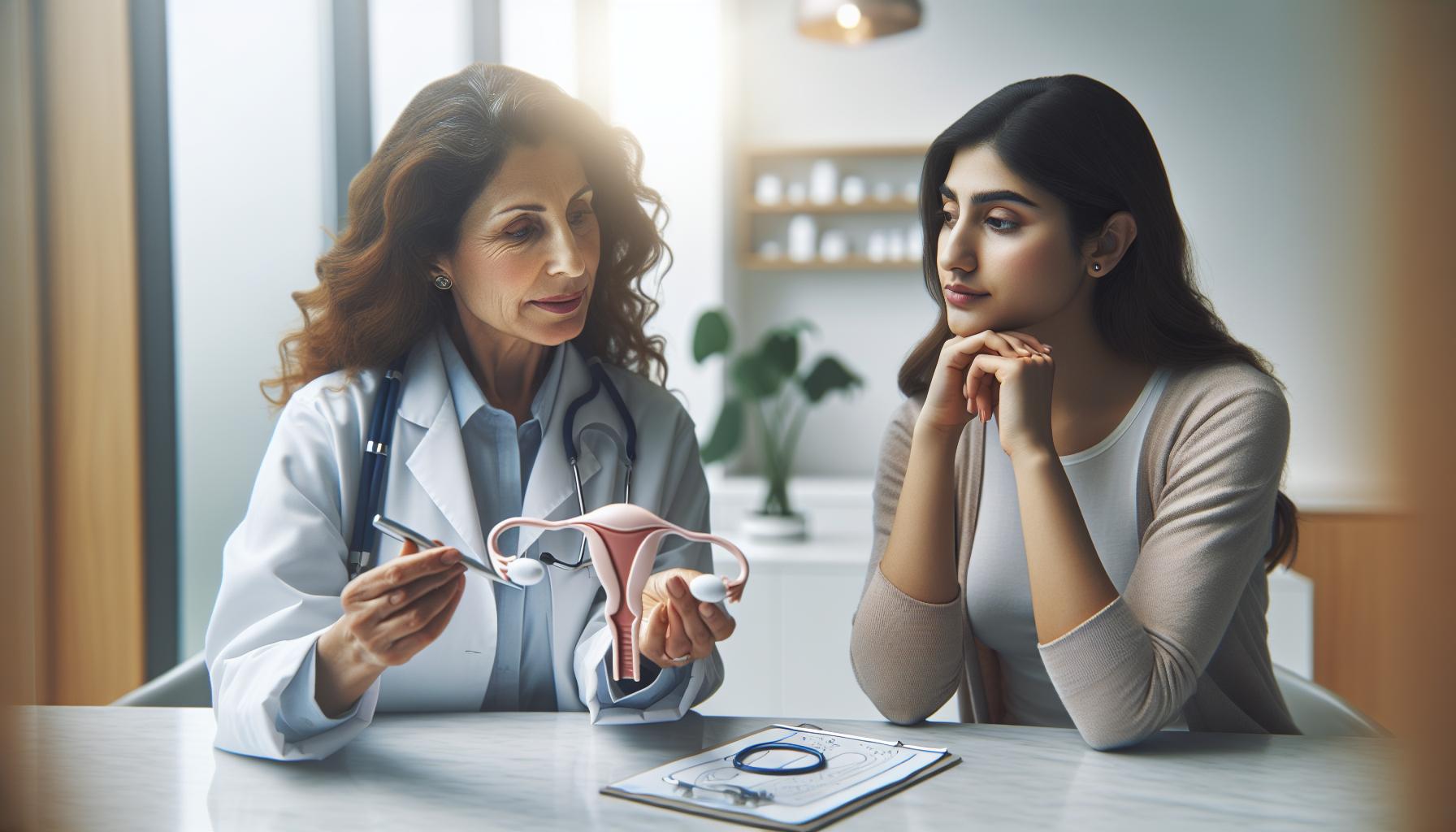
Research Findings: Long-Term Effects of IUD Usage
The long-term effects of intrauterine devices (IUDs) on fertility have been the subject of numerous studies, revealing reassuring findings for those concerned about potential infertility. Research consistently shows that once an IUD is removed, fertility typically returns to baseline levels swiftly for most women. For instance, one study noted that up to 80% of women were able to conceive within a year of removing the device, regardless of whether they had a hormonal IUD like Mirena or a copper IUD like Paragard. This positive outcome can provide hope for those who may feel anxious about their fertility post-IUD use.
Several medical investigations indicate that modern IUDs do not cause permanent changes to the uterus or disrupt the natural reproductive process. These devices are engineered to prevent pregnancy primarily through mechanisms like altering sperm motility and creating an unfavorable environment for implantation. Once removed, any temporary changes in the uterine lining revert, allowing normal function to resume. This is supported by evidence showing that complications associated with IUD removal are rare and generally non-impactful on fertility.
Furthermore, it is important to recognize individual variability in fertility experiences. Factors such as age, pre-existing medical conditions, and lifestyle choices can influence reproductive health more significantly than IUD usage. Creating an open dialogue with healthcare providers can be invaluable. Women should feel encouraged to discuss their fertility goals, concerns, and any challenges they face after stopping IUD use. Such conversations not only help clarify misconceptions but also foster a supportive environment, something crucial to navigating the complexities of family planning and reproductive health.
As always, understanding your unique health situation is paramount. While the data provides a promising perspective, each individual’s journey may vary, and personalized care can help you navigate the path ahead effectively.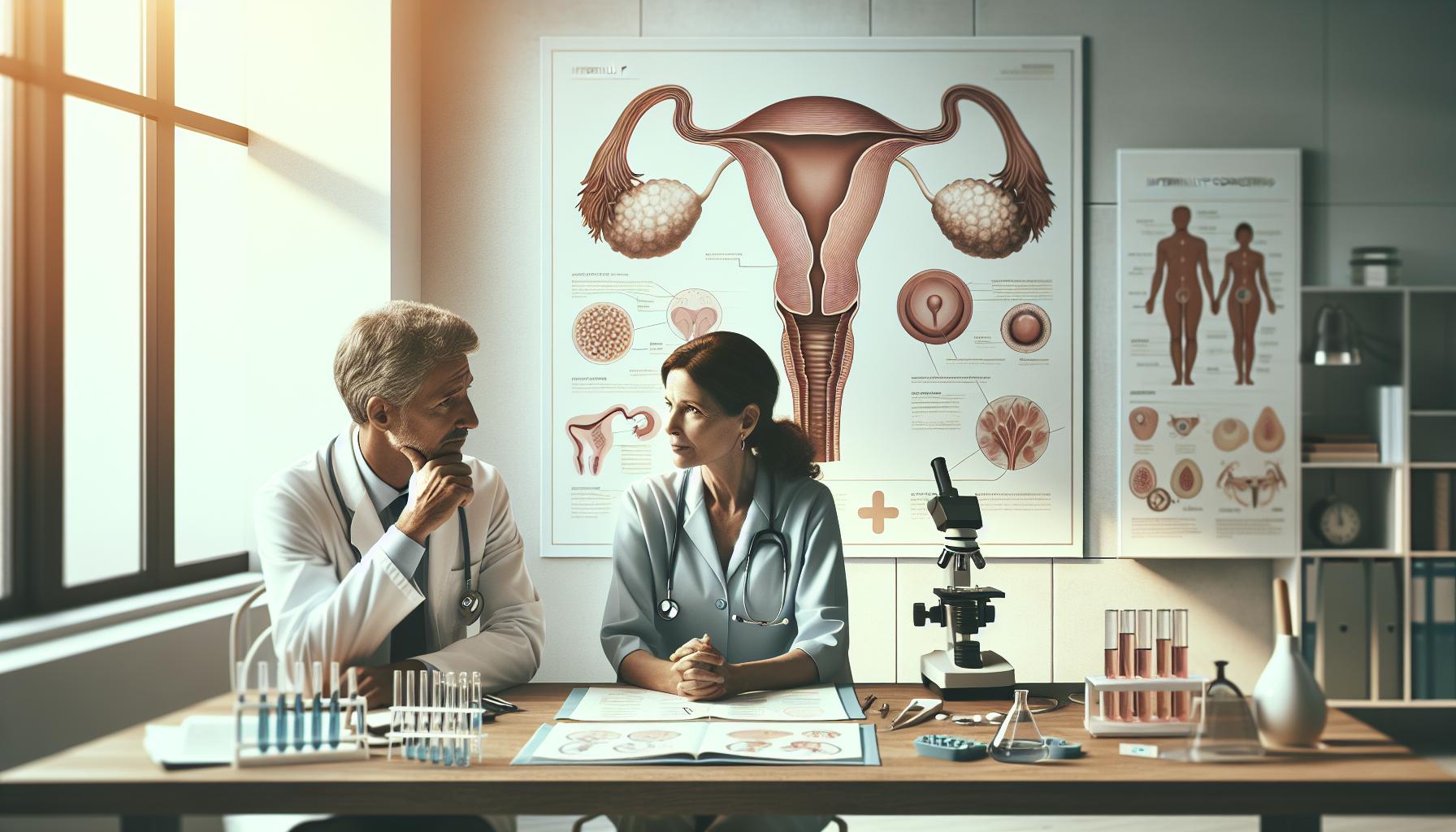
Infertility Concerns: Medical Insights and Expert Opinions
Many women express concerns regarding the potential for long-term infertility following the use of intrauterine devices (IUDs). This concern is not unfounded, especially given the emotional complexities tied to fertility and family planning. However, substantial medical research has aimed to address these fears, consistently indicating that IUDs do not adversely affect long-term fertility. Once an IUD is removed, studies demonstrate that fertility typically rebounds quickly, with up to 80% of women achieving pregnancy within a year post-removal, regardless of the type of IUD used-hormonal or copper[[1]](https://www.doctronic.ai/blog/how-does-an-iud-work/).
Understanding the Mechanisms
The primary function of an IUD is to prevent pregnancy by altering the uterine environment and affecting sperm motility, not by causing permanent changes to reproductive organs. Medical experts emphasize that modern IUDs, both hormonal and non-hormonal, are created with safety in mind. They work by preventing implantation of a fertilized egg and do not alter a woman’s reproductive capacity in any lasting way. Any temporary changes induced by the device, such as fluctuations in the uterine lining, normalize shortly after removal[[3]](https://medlineplus.gov/ency/article/007635.htm).
Individual Variability and Support
It’s vital to recognize that individual factors, including age, pre-existing health issues, and lifestyle choices, can significantly impact fertility, often more so than IUD use. If you are experiencing challenges in conceiving after IUD removal, it’s essential to consider these broader factors. Seeking personalized medical advice can provide reassurance and clarity. Engage openly with healthcare providers about your specific concerns and fertility goals; they can help demystify your experience and offer tailored support.
Navigating fertility can be an emotionally charged journey, filled with hope and uncertainty. Understanding the science behind IUDs and fertility can empower you. Remember to celebrate small victories along the way and keep communication lines open with your support network and medical team.
The Role of IUDs in Family Planning and Fertility
Women today have various contraceptive options, and intrauterine devices (IUDs) play a significant role in family planning, providing reliable long-term pregnancy prevention. IUDs are designed to be effective for several years, making them an attractive choice for those who want to avoid the day-to-day responsibilities of other birth control methods. It’s crucial to understand how they fit into broader fertility considerations and family planning strategies.
Many women appreciate the flexibility that IUDs offer. After removal, studies have shown that most women, around 80%, can conceive within a year, dispelling fears about long-term fertility impacts[[1]](https://www.doctronic.ai/blog/how-does-an-iud-work/). This quick return to fertility allows families to plan for children on their terms, whether they want to start a family immediately or in the future. Moreover, IUDs can be ideal for women who may need to delay pregnancy due to personal, professional, or health-related reasons.
Using an IUD does not equate to a loss of fertility; instead, it provides a secure method of contraception while giving women the peace of mind that they can conceive when the time is right. However, individual circumstances-such as age, overall health, and medical history-play an essential role in one’s fertility journey. It’s essential to work with healthcare providers who can address specific concerns and help interpret individual experiences, ensuring that personal healthcare needs are met comprehensively.
As you navigate your family planning journey, keep in mind that navigating emotions around fertility can be challenging. It’s okay to experience a mix of hope, uncertainty, and anxiety. Engaging openly with supportive healthcare professionals and loved ones can create a nurturing environment where you can voice your concerns and celebrate milestones, no matter how small. If you’re considering or currently using an IUD, remember that understanding its role not only in contraception but also in your fertility journey is crucial to making informed decisions about your reproductive health.
Signs of Fertility Issues Post-IUD: What to Watch For
After the removal of an intrauterine device (IUD), many women are eager to conceive, yet some may encounter challenges along the way. Recognizing the signs of potential fertility issues can empower individuals to seek medical advice and understand their reproductive health better. It’s important to remember that while most women will regain their fertility relatively quickly after IUD removal, a few may face hurdles that warrant attention.
Indicators of fertility concerns may include irregular menstrual cycles, which can signal hormonal imbalances. For instance, if you notice that your periods are becoming more erratic or absent altogether following IUD removal, it could be an indication to consult with your healthcare provider. Alongside this, persistent ovulatory pain or discomfort may also suggest underlying issues. Tracking ovulation through methods like basal body temperature or ovulation predictor kits can provide insights into whether your body is functioning as it should.
Moreover, changes in menstrual flow can be significant. If you experience unusually heavy periods or severe cramping after IUD removal, these could point to conditions such as fibroids or endometriosis. These conditions can influence fertility, so recognizing these symptoms as potential warning signs is crucial. Additionally, remain attentive to any physical changes, such as unexplained weight gain or skin changes, which could signify hormonal fluctuations that need further exploration.
If you find yourself navigating these signs, it’s essential to have open discussions with your healthcare provider. They can offer tailored advice based on your specific situation and help explore fertility assessments or treatments, if necessary. Remember that it’s okay to feel overwhelmed during this stage of your fertility journey. Reaching out for support from partners, friends, or counselors can provide emotional relief as you navigate these challenges, aligning your physical observations with your emotional wellbeing.
How to Discuss IUD Concerns with Your Doctor
Navigating the complexities of fertility, especially after using an IUD, can be overwhelming. Many individuals approach their healthcare providers with a mix of curiosity and anxiety about their reproductive health. It’s crucial to prepare yourself for this conversation to ensure you get the most out of your appointment. One effective way to start is by clearly outlining your concerns related to IUD usage and its potential long-term effects on your fertility.
Begin by jotting down specific questions before your visit. Consider asking about:
- Historical Context: How might my previous use of an IUD influence my current fertility?
- Symptoms: What signs should I look for that may indicate fertility issues post-IUD removal?
- Testing: What tests can help assess my fertility status effectively?
- Alternatives: What other contraceptive methods would you recommend if I want to avoid potential long-term risks?
Express any emotional concerns you may have. It’s completely valid to discuss feelings of anxiety or sadness related to your fertility journey. A compassionate approach fosters a supportive environment that encourages open dialogue. Remember, you deserve to be heard and understood by your healthcare provider.
Furthermore, document any changes you’ve noticed in your menstrual cycle after the removal of your IUD. This information can help your doctor make a more informed assessment and recommend appropriate next steps. Don’t hesitate to ask for clarification on medical terminology or procedures you don’t understand, as feeling informed can alleviate some anxiety.
Lastly, consider bringing a partner or a friend to your appointment. Having someone to support you can be incredibly reassuring. They can help you remember questions and notes from the meeting, ensuring that you feel well-equipped to advocate for your health.
The journey towards understanding your fertility may present challenges, but having an informed and proactive discussion with your doctor can provide clarity and guidance. You are not alone, and your questions are important.
Alternatives to IUDs: Exploring Other Contraceptive Options
When considering alternatives to IUDs for contraception, it’s important to explore a variety of options that can fit individual needs and preferences. Each alternative comes with its own set of benefits, drawbacks, and considerations regarding effectiveness, side effects, and overall impact on reproductive health. Understanding these options can empower you to make informed choices about your reproductive health journey.
Barrier Methods
Barrier methods, such as condoms-both male and female-act as physical barriers to prevent sperm from reaching the egg. They are easy to access, do not require a prescription, and can also protect against sexually transmitted infections (STIs). However, they may have a higher failure rate compared to hormonal methods and require proper usage for maximum effectiveness.
Hormonal Options
Hormonal contraceptives, including the pill, patch, or injections (such as Depo-Provera), work by regulating hormones to prevent ovulation. These methods can be very effective when used correctly but may come with side effects like mood changes or weight gain. Discussing health history with a healthcare provider is essential to identify which hormonal option might suit you best.
Implants and Injections
Contraceptive implants, like Nexplanon, are small rods placed under the skin of the arm that release hormones over a period of up to three years. Similarly, injections provide effective contraception for three months at a time. Both options offer the convenience of long-term protection without daily maintenance, but potential side effects are similar to those of other hormonal methods.
Natural Family Planning
Natural family planning (NFP) involves tracking the menstrual cycle to identify fertile days. While this method is hormone-free and encourages awareness of one’s body, it requires commitment and a good understanding of one’s cycle. Effectiveness can vary significantly based on adherence and accuracy.
No matter which method you choose, it’s important to acknowledge the emotional and practical aspects of your contraceptive journey. Engage openly with your healthcare provider to discuss your values and any concerns you have regarding long-term reproductive health. This dialogue is crucial for selecting an option that aligns with your lifestyle and future family planning goals, providing reassurance and clarity as you navigate your contraception choices.
Emotional Impact: Navigating the Fertility Journey
Embarking on the fertility journey can be a tumultuous experience, often accompanied by a rollercoaster of emotions, from hope and excitement to fear and uncertainty. The decision to use an IUD may have brought peace of mind in contraceptive security, yet when the time comes to conceive, questions can arise about the potential impact of past contraceptive methods on fertility. It’s essential to recognize that while many women use IUDs without experiencing long-term fertility issues, confronting worries and feelings about this possibility is completely normal.
Many women find solace in open communication about their experiences and concerns. In a supportive environment, discussing the journey toward parenthood, including any fears about how an IUD might affect their fertility, can bring about clarity and reassurance. For some, it might be beneficial to talk with a healthcare provider who can provide accurate information about how IUDs function and their effectiveness in preventing long-term infertility. Sharing personal stories can also create a sense of community, helping individuals feel less isolated in their journey.
While navigating this path, it’s important to acknowledge the range of emotional responses. Grieving the notion of potential infertility can be overwhelming; sometimes, these feelings are layered with cultural and personal expectations regarding parenthood. Taking time to honor these feelings is just as critical as managing the practical aspects-such as understanding options if challenges arise. Celebrating small milestones and seeking emotional support, whether through friends, family, or therapists, is invaluable.
In facing the emotional aspects of fertility, knowledge is empowering. Common medical procedures like IVF (In Vitro Fertilization) and AI (Artificial Insemination) may loom on the horizon, but it’s crucial to balance this understanding with hope and realistic expectations. Remember, each person’s journey is unique, and staying informed while remaining gentle with oneself can bring greater acceptance and peace during what can often feel like an uncertain time.
Insurance and Costs: What You Need to Know
Understanding the costs associated with IUDs is crucial for anyone considering this effective form of birth control. The long-term benefits of IUDs, such as their ease of use and over 99% effectiveness rate, are often highlighted, but the financial aspect can be a significant factor as well. An important detail to note is that many health insurance plans cover the cost of IUDs, and some government programs offer free or low-cost options. It’s essential to verify with your insurance provider what specific coverage applies, as out-of-pocket expenses can vary widely depending on your plan.
Cost Breakdown
When looking into the financial implications of IUD placement, consider the following costs:
- Initial Consultation: This may range from $100 to $300, depending on your healthcare provider’s fees.
- IUD Placement: The procedure itself can cost between $0 (if covered by insurance) to around $1,000 without insurance.
- IUD Type: Hormonal IUDs tend to be more expensive upfront than copper IUDs, but hormonal IUDs can provide benefits like reduced menstrual bleeding, potentially lowering overall healthcare costs.
- Follow-up Visits: Some providers recommend follow-ups after insertion, which could incur additional costs.
Financing and Assistance Programs
If you’re concerned about affordability, explore patient assistance programs. Many pharmaceutical companies offer financial support or sliding scale fees based on income. Non-profit organizations also provide resources and referrals to clinics that offer IUD placements at reduced costs. Don’t hesitate to talk to your healthcare provider about your financial concerns; they can often guide you to programs that might ease the burden.
Remember, while the upfront costs of IUDs may be daunting, they typically provide long-term savings compared to other contraceptive methods. Easing financial worries is an important part of planning for your reproductive health, allowing you to focus on your journey towards achieving the family you dream of.
Success Stories: Real Experiences with IUDs and Fertility
Many people wonder about the long-term effects of intrauterine devices (IUDs) on fertility. Stories shared by those who have used IUDs can help clarify the path to starting or expanding a family after removal. Here are a few insights from individuals who navigated their fertility journeys with the help of an IUD.
One common experience is the quick return to fertility after removing the IUD. A mother named Sarah shared her story of using a hormonal IUD for six years. After removal, she was delighted to find herself pregnant within three months. Her experience reflects a frequent sentiment: many women report that their bodies quickly return to normal menstruation and fertility after discontinuing IUD use. For Sarah, this meant a smooth transition into her desired family size without unexpected barriers.
Conversely, some individuals express initial concerns about fertility after using an IUD. Maria, for instance, experienced a longer wait than expected-nearly a year-before successfully conceiving after her copper IUD was taken out. During that time, she experienced worries and doubts, but she found reassurance in support groups and online communities where others shared similar experiences. Maria emphasized the importance of patience and understanding her body’s own rhythm post-IUD, which ultimately led to joy when she welcomed her healthy baby.
It’s crucial to acknowledge that every journey is unique. Many women shared that despite initial anxieties, they soon learned that their fertility was intact. They highlighted the importance of discussing any concerns with healthcare providers, who can offer guidance tailored to individual circumstances. This dialogue can help address myths and fears about IUDs and fertility, providing clarity on how to navigate these feelings.
These success stories not only celebrate the hope surrounding family planning after an IUD but also remind readers that while experiences may differ, many women find their paths to parenthood are still very much achievable after using this method of contraception.
Next Steps: What to Do If You’re Facing Infertility
Navigating the journey of infertility can feel overwhelming, especially after using an IUD. It’s important to acknowledge the emotional weight of this experience, fostering an environment of hope while also confronting the realities of family planning. Here are several actionable steps to consider if you find yourself facing infertility concerns post-IUD removal.
First, understand your body’s rhythm. After the removal of an IUD, it may take time for your menstrual cycle to regulate, and thus, your fertility may not return immediately to the previous baseline. Keeping a diligent log of your menstrual flow can help identify patterns and cycles. Many women report pregnancy after several months post-removal, as seen with Sarah’s experience where she conceived within three months.
Next, open up a dialogue with your healthcare provider. It’s vital to discuss any concerns you have regarding your fertility. Your doctor can provide insight into what you’re experiencing and suggest timelines for when to seek further investigation if conception doesn’t occur. Common assessments may include ovulation tracking, hormone level tests, and possible imaging studies to evaluate your reproductive health.
Explore fertility awareness methods. Knowing your fertile window can enhance your chances of conception. Utilize ovulation predictor kits or smartphone apps designed to track ovulation. These tools can enlighten you about fertile days, helping focus your efforts when trying to conceive.
Moreover, consider discussing fertility treatment options with a specialist if conception does not occur within a year of trying (or six months if you are over 35). Familiarize yourself with methods such as In Vitro Fertilization (IVF) or intrauterine insemination (IUI). Each option has its own costs, success rates, and timelines that you should understand to make informed decisions that align with your personal situation.
Lastly, lean on support networks. Connecting with others who are also navigating infertility can provide emotional bolstering. Consider joining local or online support groups where you can share experiences and receive encouragement. Remember, this journey is uniquely yours, and while challenges may arise, the hope of achieving pregnancy remains a shared aspiration among many.
It’s essential to remain patient and compassionate with yourself throughout this process. Each step taken is part of a larger journey toward family-building, and every small milestone achieved should be celebrated.
Frequently Asked Questions
Q: Can IUDs cause infertility years after removal?
A: No, IUDs do not cause long-term infertility. Most women regain their fertility shortly after removal. Studies show no significant evidence linking IUD use with permanent infertility, ensuring you can conceive normally once it is taken out. For more about fertility post-IUD, see the “Research Findings” section of our article.
Q: Are there any conditions that can make IUDs harmful to fertility?
A: Certain pre-existing conditions, like uterine abnormalities or infections, could lead to complications with IUDs. However, these issues are not directly caused by the IUD itself. It’s best to discuss your medical history with a healthcare provider to assess your individual risks mentioned in the “How to Discuss IUD Concerns with Your Doctor” section.
Q: What are the signs of fertility issues after using an IUD?
A: Signs of potential fertility issues post-IUD include irregular menstrual cycles, persistent pelvic pain, or other unusual symptoms. If you experience these, it’s advisable to consult a healthcare professional for further evaluation, as discussed in our “Signs of Fertility Issues Post-IUD” section.
Q: How long should I wait to conceive after IUD removal?
A: Most healthcare providers recommend waiting until your first menstrual cycle after IUD removal to conceive. However, it is safe to try as soon as you’re ready, as many women conceive immediately. For more guidance, refer to “The Role of IUDs in Family Planning and Fertility.”
Q: Do hormonal IUDs affect ovarian function?
A: Hormonal IUDs primarily work by thickening cervical mucus and thinning the uterine lining. They do not interfere with ovarian function, so ovulation typically resumes promptly after removal. Explore the mechanics in “Understanding IUDs: Types and Mechanisms Explained.”
Q: Can an IUD lead to complications that affect future pregnancies?
A: While rare, complications like uterine perforation or infection can occur, which could impact future pregnancies. However, these risks are low. If you’re concerned about your reproductive health post-IUD, refer to “Infertility Concerns: Medical Insights and Expert Opinions.”
Q: Do women experience different fertility outcomes based on IUD type?
A: Generally, fertility outcomes post-IUD are comparable across different types (hormonal vs. copper). There is no conclusive evidence showing one type affects future fertility more than the other. For more detailed insights, see “Debunking the Myths: IUDs and Infertility Risks.”
Q: What should I do if I’m having trouble conceiving after IUD removal?
A: If you encounter difficulties conceiving after removing your IUD, it’s important to consult a healthcare professional. They can conduct tests to determine any underlying fertility issues. Refer to “Next Steps: What to Do If You’re Facing Infertility” for more information.
Wrapping Up
As we conclude our exploration of whether an IUD can lead to infertility, it’s crucial to remember that the evidence largely suggests that IUDs do not cause permanent fertility issues. However, your individual experience could differ, and consulting a healthcare provider is the best way to address specific concerns. If you’re pondering over related topics, check out our articles on “Understanding IUD Options” and “What to Expect During IUD Insertion” for valuable insights.
Don’t let unanswered questions hold you back-take the next step in your reproductive health journey today. Whether you’re interested in learning about IVF, artificial insemination, or understanding your fertility better, we have comprehensive guides to support you. Remember, your journey is unique, and we’re here to provide compassionate support every step of the way. Join our newsletter for ongoing updates and insights, and feel free to share your thoughts or experiences in the comments below. Your engagement helps us create a community supportive of all paths to family building.
Get our latest guides, news, and insights highlighted in your Google Search & AI Overviews.