Navigating the landscape of fertility can be overwhelming, especially when faced with the possibility that certain infections may compromise your hopes of starting a family. Did you know that some sexually transmitted infections (STIs) are linked to infertility? Conditions like chlamydia and gonorrhea can not only disrupt reproductive health but also lead to long-term complications. This article delves into how STDs can impact fertility, shedding light on the infections that pose a risk and the importance of early diagnosis. By understanding the connection between STDs and fertility, you empower yourself to take control of your reproductive health. Join us as we explore this critical issue and support you on your journey toward building the family you desire.
Understanding STDs and Their Impact on Fertility
Sexually transmitted diseases (STDs) are often viewed through the lens of immediate health implications, but their long-lasting effects can extend far beyond. Understanding the potential impact of these infections on fertility is crucial for those on the journey to parenthood. For instance, conditions like chlamydia and gonorrhea can lead to pelvic inflammatory disease (PID), which affects the reproductive organs. In fact, studies indicate that untreated STDs are responsible for a significant percentage of infertility issues.
The mechanisms through which STDs harm reproductive health are multifaceted. Infections can cause scarring of the fallopian tubes in women, disrupting the passage of eggs and sperm. For men, STDs may lead to conditions such as epididymitis, affecting sperm production and transport. Notably, these effects are not always immediate; some individuals may remain asymptomatic for years while the infection quietly damages reproductive health. Consequently, early detection and treatment are vital to preserving fertility.
Signs of STD-related infertility are often subtle. Women may experience irregular menstrual cycles, unexplained pain during intercourse, or chronic pelvic pain, while men might notice reduced sperm quality or quantity. Regular testing and open communication with healthcare providers can help identify infections before they lead to complications. Particularly for those planning to conceive, awareness and proactive health measures are essential to mitigating the risks associated with STDs.
In many cases, treating STDs effectively can restore fertility. Antibiotics can eliminate bacterial infections, but timely intervention is critical. Once damage has occurred, such as scarring from PID, recovery might involve more complex pathways, including assisted reproductive technologies. Advocating for your reproductive health and seeking treatment early can significantly decrease the potential for infertility related to STDs, offering hope to those navigating these challenging waters. Remember, you are not alone, and there are resources and professionals ready to support you through this journey.
How Common STDs Can Lead to Infertility
Sexually transmitted infections (STIs) like chlamydia and gonorrhea are often thought of in terms of their immediate physical consequences, but they can also wield a heavy impact on future fertility. In fact, studies show that untreated STIs are a significant contributing factor to infertility, posing serious risks to reproductive health. An alarming fact: roughly 1 in 8 women with a history of pelvic inflammatory disease (PID) resulting from these infections can face challenges when trying to conceive.
These infections can lead to scarring and blockages in the reproductive organs. For women, this may manifest as scar tissue forming in the fallopian tubes, preventing the sperm from reaching the egg or hindering the fertilized egg from moving to the uterus. For men, STIs can result in conditions such as epididymitis, affecting sperm production and overall semen quality. It’s a silent struggle; many individuals may not show obvious symptoms, allowing infections to progress and cause detrimental effects on fertility before they are even detected.
Regular testing for STIs is crucial, especially for those planning to start a family. Early detection can make a significant difference, allowing for timely interventions that may protect or restore fertility. If you’ve been diagnosed with an STI, don’t lose hope-there are effective treatments available. Antibiotics can eliminate many bacterial infections, while additional medical interventions can address any reproductive damage. Taking proactive steps in your sexual health not only helps in managing STIs but also safeguards your path to parenthood.
Navigating fertility challenges linked to STIs can be daunting, filled with emotional complexities. It’s important to acknowledge these feelings and seek support-both medical and emotional-as you work through this journey. Whether it’s through counseling, support groups, or consultations with fertility specialists, know that you are not alone. Addressing these challenges together with a skilled team can lead to effective management and hopeful outcomes for your reproductive future.
The Mechanisms: How Infections Affect Reproductive Health

Understanding the intricate ways sexually transmitted infections (STIs) can disrupt reproductive health is crucial for anyone concerned about their fertility. For instance, Pelvic Inflammatory Disease (PID) is one serious consequence of untreated STIs such as chlamydia and gonorrhea. PID occurs when these infections spread to the uterus and fallopian tubes, potentially leading to severe complications. Studies suggest that approximately 15% of women with a history of PID encounter difficulties when trying to conceive. This underscores the importance of early detection and treatment to prevent lasting damage.
How Infections Cause Damage
The mechanisms by which STIs compromise reproductive health are often subtle yet significant. For women, the formation of scar tissue in the reproductive organs can lead to a condition called tubal factor infertility, where damaged fallopian tubes obstruct the passage of eggs and sperm. These physical changes can prevent fertilization or disrupt embryonic implantation, making conception more challenging. In men, STIs may result in conditions like epididymitis, a painful inflammation that affects sperm production. Consequently, the quality and quantity of sperm may diminish, further complicating efforts to conceive.
The Silent Nature of STIs
One of the most troubling aspects of STIs is their often asymptomatic nature. Many individuals may not experience noticeable symptoms, allowing the infections to progress unchecked. This “silent” progression can lead to irreversible damage before one even realizes there’s a problem. Regular screening for STIs becomes imperative, especially for those planning to start a family. Awareness and early medical intervention can help mitigate the effects of STIs on fertility and keep hopes alive for a family-building journey.
By understanding these mechanisms and their consequences, individuals can take informed steps toward protecting their reproductive health. Regular check-ups, comprehensive STI testing, and fostering clear communications with partners about sexual health are vital components of this journey. It’s essential to remember that concerns about fertility due to STIs deserve attention, and reaching out for support, whether through medical professionals or emotional networks, is a brave step towards ensuring a healthy reproductive future.
Signs and Symptoms of STD-Related Infertility
Recognizing the signs and symptoms of infertility related to sexually transmitted diseases (STDs) is crucial for addressing reproductive health concerns early. Many STDs, such as chlamydia and gonorrhea, often present with minimal or no noticeable symptoms, leading to unrecognized damage that may affect fertility. For example, untreated chlamydia can silently cause pelvic inflammatory disease (PID), which may result in chronic pain and reproductive complications, including infertility. In fact, about 15% of women who have had PID face difficulties in conceiving due to its damaging effects on their reproductive system.
It’s important to be vigilant about possible signs that could indicate an underlying STD that may impact fertility. Symptoms to watch for, even if mild, include:
- Unusual Discharge: Changes in the color, consistency, or odor of vaginal or penile discharge may indicate an infection.
- Pain During Intercourse: Pain or discomfort during sexual activities can signal reproductive issues related to STDs.
- Pelvic Pain: Persistent pelvic or abdominal pain, especially if accompanied by fever, may suggest PID or other serious conditions.
- Painful Urination: Experiencing pain or a burning sensation while urinating can be a common symptom of an STD.
- Irregular Menstrual Cycles: Changes in menstrual patterns can sometimes reflect underlying reproductive health issues.
Early intervention can significantly alter the landscape of reproductive health challenges. Regular screening for STDs is pivotal, particularly for sexually active individuals. Open conversations with healthcare providers about any concerning symptoms can lead to timely testing and treatment, safeguarding fertility against the long-term impacts of STDs. If you’re facing challenges in conceiving and worried about STDs, remember that seeking help is an empowering step toward understanding your health and exploring the options available for family building.
Testing for STDs: What You Need to Know
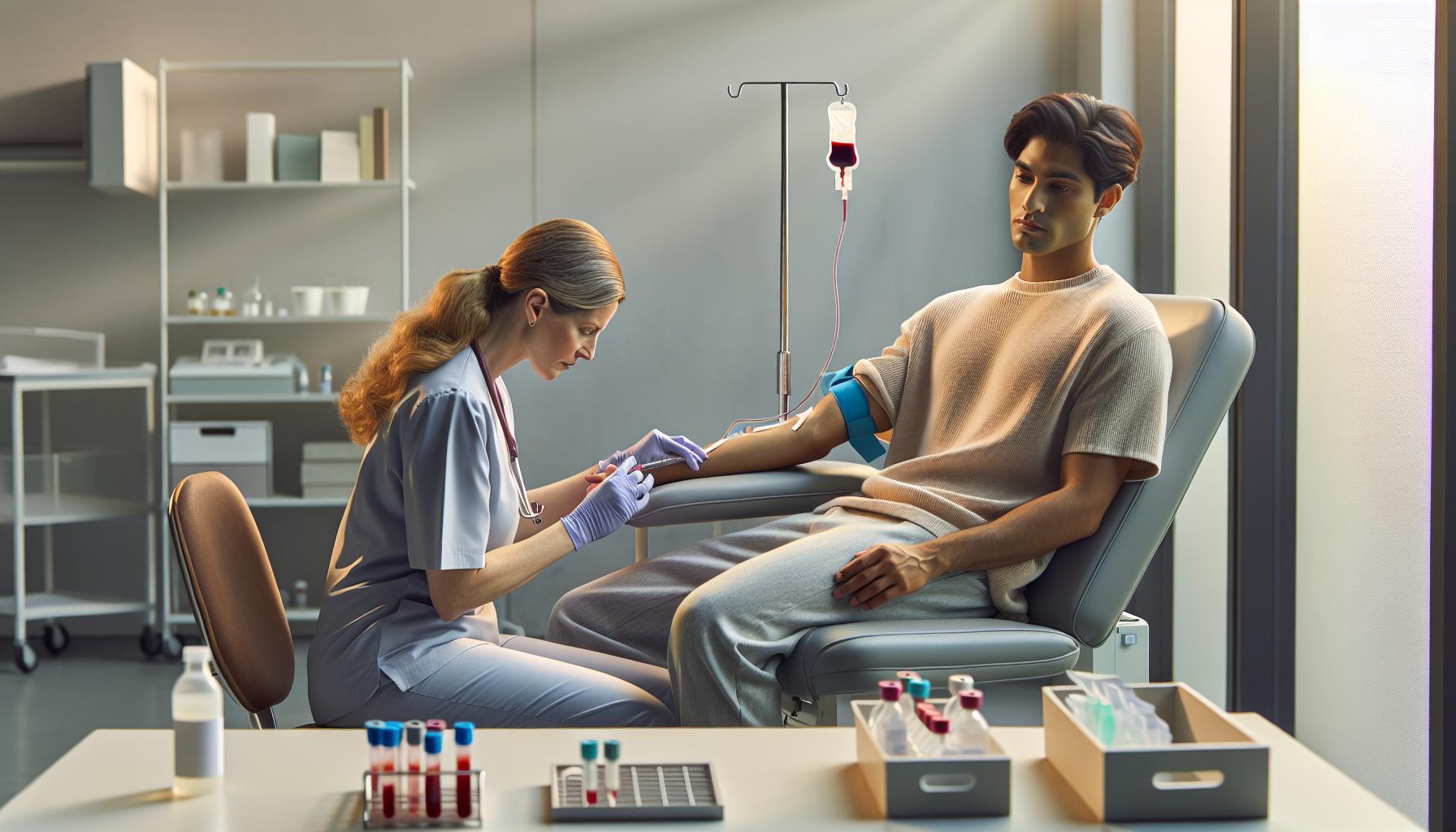
Regular testing for sexually transmitted diseases (STDs) is vital for anyone who is sexually active, especially when considering future fertility. Many individuals may not experience symptoms but can still carry infections that lead to serious reproductive health issues, including infertility. For example, conditions such as chlamydia and gonorrhea can go unnoticed yet cause significant damage over time. The Centers for Disease Control and Prevention (CDC) recommend routine screening for sexually active individuals, particularly for high-risk groups, to catch infections early.
When it comes to testing for STDs, understanding the process can alleviate anxiety and help in making informed decisions about your reproductive health. Testing typically involves a simple urine sample, blood test, or swab of affected areas. Here’s a closer look at what you might expect when getting tested:
- Confidentiality: Testing is confidential, and you have the right to know how your information is protected.
- Types of Tests: Various tests are available; for instance, urine tests are common for chlamydia and gonorrhea, while blood tests can check for syphilis and HIV.
- Accessibility: Many healthcare facilities offer STD testing, including clinics that specialize in reproductive health, making it easier to find care.
- Follow-Up: If you test positive for an STD, prompt follow-up care is crucial. Treatments vary by infection but can effectively prevent further complications, including those affecting fertility.
Scheduling regular check-ups is not just about immediate protection; it’s an essential aspect of proactive reproductive health management. Discussing your sexual health openly with your healthcare provider can also pave the way for comprehensive care and foster a supportive relationship, which is particularly important if you have concerns about fertility. Remember, catching STDs early not only safeguards your health but also helps maintain your journey toward starting or expanding your family.
Treatment Options for STDs: Protecting Your Fertility

It’s not uncommon for individuals diagnosed with STDs to worry about their reproductive health. While the emotional weight of such a diagnosis can feel overwhelming, the good news is that many STDs are treatable, and early intervention can help protect your fertility. Taking prompt action when faced with an STD diagnosis not only addresses immediate health concerns but also safeguards your future family plans.
Treatment options vary depending on the specific infection. For curable STDs such as chlamydia, gonorrhea, and syphilis, antibiotics are highly effective and can eradicate the infection, reducing the risk of long-term reproductive complications. It’s crucial to adhere to the prescribed treatment regimen and ensure that sexual partners are informed and tested as well, as this helps prevent re-infection. In cases of chronic STDs like herpes or HIV, ongoing management through antiviral medications can help maintain reproductive health and prevent transmission.
Understanding Treatment Protocols
Many healthcare providers will recommend a follow-up appointment after treatment to confirm that the STD has been effectively cleared. During this visit, discussions about any lingering concerns regarding fertility can take place. Clarity in communication with your healthcare provider will create a supportive environment where you can ask questions and feel empowered. Some individuals may worry about costs associated with treatment-understanding that many public health initiatives and insurance plans cover comprehensive STD treatment can alleviate some of this stress.
Practical Steps to Protect Your Fertility
- Regular Testing: Routine screenings are essential, especially if you have multiple partners or inconsistent contraception. It’s vital to stay informed about your health status.
- Engage in Open Conversations: Discuss sexual health openly with partners to mutually establish trust and understanding.
- Educate Yourself: Familiarizing yourself with potential signs of STDs and the impact on fertility can foster proactive health management.
- Consider Counseling: Managing the emotional toll of an STD diagnosis can be as important as physical treatment; support groups or individual therapy can provide valuable outlets for processing these feelings.
In summary, while an STD diagnosis can be daunting, effective treatment can protect your fertility and pave the way for future family planning. By understanding your treatment options and engaging actively in your health, you can approach this journey with resilience and hope. Celebrate each step forward, no matter how small, and remember that support is available for both the emotional and medical aspects of this experience.
Preventative Measures to Maintain Reproductive Health
Taking proactive steps to safeguard your reproductive health can have lasting benefits, particularly when it comes to preventing sexually transmitted diseases (STDs) that might jeopardize your fertility. Studies reveal that untreated STDs can lead to complications such as pelvic inflammatory disease (PID), which significantly increases the risk of infertility. Thus, maintaining a strong foundation of sexual health is critical for individuals planning to build a family in the future.
Regular screenings are an essential component of any preventative health strategy. For sexually active individuals, especially those with multiple partners, the CDC recommends annual testing for STDs, even if no symptoms are present. Early detection allows for timely treatment, reducing the likelihood of complications that could affect fertility. Open communication with partners about sexual health can also foster a more supportive atmosphere, encouraging mutual testing and transparency. Engaging in safe practices, such as using condoms, can further minimize risks.
Education plays a vital role in reproductive health. Understanding the potential signs of STDs and being aware of how they might impact reproductive capabilities can empower you to take swift action. Familiarize yourself with information on common STDs-such as chlamydia, gonorrhea, and syphilis-and their associated risks. Resources from public health departments or reputable websites can provide valuable insights. Moreover, consider engaging in counseling or support groups, as the emotional toll of managing reproductive health can be significant. Having a support system in place can be vital, particularly as you navigate the complexities of STDs and fertility.
As you advance in your journey of maintaining reproductive health, celebrating small victories and acknowledging your emotional landscape are vital aspects. Whether it’s successfully completing a screening or having a heart-to-heart with a partner, these milestones contribute to a feeling of progress. Remember, you are not alone; many have walked this path and seek to empower each other through shared experiences. Being informed, vigilant, and proactive can tremendously enhance your overall approach to reproductive wellness.
Fertility Preservation: Options After STD Diagnosis
After receiving a diagnosis of a sexually transmitted disease (STD), the emotional landscape can often feel overwhelming, especially concerning future fertility. It’s essential to recognize that various fertility preservation options exist that can empower individuals on their journey towards parenthood, even in the face of potential infertility challenges.
One of the primary avenues for those diagnosed with an STD that may impair fertility is cryopreservation, which involves freezing sperm or eggs for future use. This option is particularly pertinent for individuals undergoing treatments that could affect their reproductive organs, such as surgery for an STD-related complication or medical treatment for the infection itself. Sperm and egg retrieval processes can be guided by fertility specialists who prioritize both the health of the patient and their future family goals.
Understanding Your Options
For those considering in vitro fertilization (IVF), combining it with cryopreservation can allow for a tailored approach. In this procedure, eggs can be harvested and fertilized with sperm in a controlled environment before being frozen. It’s advantageous for individuals who want to ensure that viable embryos are available later, especially if they face declining fertility as a result of untreated STDs.
Another option is artificial insemination (AI), which can be beneficial for couples where one partner faces fertility challenges. In such cases, banking sperm ahead of time can facilitate the use of fresh sperm for AI, ensuring better chances of conception.
Coping with Emotional and Financial Costs
While exploring these options, it’s crucial to acknowledge the emotional weight and potential financial implications. The costs of IVF and cryopreservation can vary widely, often ranging from $10,000 to $20,000 for a single cycle, depending on the specifics of treatment and insurance coverage. As you navigate these financial landscapes, consider consulting with a financial advisor or a fertility specialist who can provide detailed insights into successful payment models or financial aid resources.
While the path may be fraught with uncertainty, it’s vital to celebrate small milestones along the way-be it completing a consultation, successfully harvesting eggs, or making the decision that feels right for you. Remember, this journey is uniquely yours, and seeking emotional support through counseling, online forums, or support groups can be invaluable. Sharing experiences and hearing from others can provide both comfort and practical tips as you move forward with hope and resilience.
Emotional Impact of Infertility Due to STDs
Receiving a diagnosis of an STD can shatter dreams of parenthood, leaving individuals and couples grappling with a mix of anxiety, sadness, and uncertainty about their future fertility. The emotional impact of infertility linked to STDs can be profound-many experience feelings of loss, guilt, and even shame, as societal stigma surrounding STDs perpetuates negative self-perceptions. Acknowledging these feelings is crucial; they are valid responses to a complex situation that affects not just physical health but emotional well-being too.
It is essential to understand that while navigating this emotional landscape, you are not alone. Many others have faced similar battles and found ways to rebuild hope and connection through support networks, whether via online forums, support groups, or counseling. Seeking guidance from professionals, including fertility specialists and mental health counselors, can provide a safe space to express fears and uncertainties. Discussing options, sharing experiences, and receiving affirmation from those who understand your struggles can serve as powerful tools in coping with the emotional weight of infertility.
This journey toward understanding and possibly overcoming infertility due to STDs involves recognizing small victories-whether it be managing the diagnosis, making informed decisions about treatment, or expressing feelings within a supportive community. Each step forward can help to affirm personal autonomy amidst the challenges. Remember, the road may be long, but it is filled with opportunities for growth and resilience. Finding joy in each step, no matter how small, can help mitigate feelings of hopelessness and reinforce the belief that parenthood may still be possible.
In the face of these challenges, it’s also important to remain informed about the realities of treatment and the potential financial implications. Costs associated with fertility treatments, such as IVF or artificial insemination, can vary significantly, so discussing these openly with a financial advisor or a fertility consultant can help to alleviate some stresses. While the journey may feel daunting, maintaining hope and proactive engagement in your health decisions creates an empowering environment for future possibilities.
Navigating Support Systems: Emotional and Medical Resources
Receiving a diagnosis of a sexually transmitted infection (STI) can feel isolating, especially when facing the challenges of potential infertility. It’s crucial to know that there are numerous resources available to support you emotionally and medically on this journey. Building a network of understanding and empathetic individuals can help you navigate the complex emotions and decisions that often accompany infertility caused by STIs.
Emotional Support Networks
Connecting with others who understand what you’re going through can provide immense relief. Support groups, both in-person and online, allow you to share experiences, ask questions, and receive encouragement. Many hospitals and clinics offer group therapy sessions that focus on infertility, where participants can discuss their experiences related to STIs and fertility. Websites and forums dedicated to reproductive health can also be valuable places to find support and advice from peers who have faced similar challenges.
Consider reaching out to mental health professionals who specialize in reproductive issues. A qualified therapist can help facilitate emotional healing, providing tools to cope with feelings of loss, anxiety, and uncertainty. They can assist in developing personalized coping strategies, allowing you to express your emotions in a safe and supportive environment.
Medical Resources for Fertility
Fertility specialists are instrumental in addressing the impact STIs may have on your reproductive health. It is essential to consult with a medical provider who can perform relevant tests to assess the condition of your reproductive system. These specialists can explain, in clear terms, how STIs have affected your fertility and outline the available treatment options.
In many cases, treatments such as IVF (in vitro fertilization) or IUI (intrauterine insemination) may be appropriate. Understanding the associated costs and success rates is vital in making an informed decision. IVF can be expensive, often ranging from $10,000 to $15,000 per cycle, not including medication, which may add additional financial strain. Discussing payment options with your fertility clinic can provide clarity on insurance compatibility and financial plans to ease this burden.
Practical Steps Forward
When dealing with infertility due to STIs, it’s essential to stay organized and proactive. Here are some practical steps to consider:
- Schedule Regular Appointments: Ensure consistent visits with your healthcare provider to monitor your reproductive health.
- Research Treatment Options: Look into various fertility treatments and their implications, including timelines and potential outcomes.
- Stay Informed: Read up on the latest research concerning STIs and fertility to understand your situation better.
- Prepare for Emotional Ups and Downs: Recognize that the journey may involve both hopeful moments and challenges; it’s okay to seek help during the tougher times.
By fostering connections and utilizing the resources available, you can navigate the emotional and medical complexities that arise from the intersection of STIs and fertility challenges. Remember, you are not alone in this journey, and support is always within reach.
FAQ: Common Questions About STDs and Fertility
It’s a common concern: can sexually transmitted infections (STIs) really impact your ability to conceive? The answer is yes-certain STIs can lead to infertility, affecting both men and women. Understanding how these infections can alter reproductive health is vital for those navigating the challenges of family planning.
What STIs are most commonly linked to infertility?
Chlamydia and gonorrhea are two of the most prevalent STIs known to cause infertility, primarily because they can lead to pelvic inflammatory disease (PID) in women, which can damage the fallopian tubes. In men, untreated STIs can also cause complications such as epididymitis, affecting sperm transport. Syphilis, though less common, can impact fertility as well by leading to systemic infections that may affect reproductive organs.
How do these infections cause infertility?
Infections like chlamydia and gonorrhea can lead to scarring and blockages that impede the normal function of reproductive organs. In women, PID can result in chronic pelvic pain and ectopic pregnancies, where a fertilized egg implants outside the uterus, presenting life-threatening conditions. In men, the inflammation and scarring from infections can reduce sperm quality and motility, decreasing the chances of successful fertilization.
What symptoms should be watched for?
Many STIs present with few or no symptoms, which is why regular testing is crucial. Signs like abnormal discharge, pelvic pain, or painful urination should prompt immediate medical evaluation. If there are signs of inflammation or infection, seeking treatment can prevent potential long-term effects on fertility.
How can STIs be tested for and treated?
Testing for STIs typically involves urine tests or swabs from affected areas. Early detection allows for effective treatment, usually involving antibiotics, which can cure most bacterial STIs if treated promptly. Regular screenings are essential, especially for sexually active individuals with multiple partners or those not consistently using protection.
By dialoguing about these common questions, we can validate the complexities and emotional weight of the fertility journey while empowering individuals to seek the help they need. Awareness and proactive management can turn the uncertain path ahead into one filled with hope, options, and informed choices.
Real Stories: Experiences of Couples Facing Infertility
Every couple’s journey toward parenthood is unique, but when infertility enters the picture, it can evoke intense emotions and raise difficult questions-especially if sexually transmitted infections (STIs) are part of the story. Many couples facing infertility due to STIs have shared their experiences, shedding light on the challenges they have navigated and the hope they’ve found along the way.
Take, for instance, Sarah and Mike, a couple in their early thirties who had always imagined starting a family. After struggling to conceive for over a year, they learned that Sarah’s previous chlamydia infection had gone untreated and led to pelvic inflammatory disease (PID). The diagnosis was devastating, but armed with the knowledge of her condition, Sarah found the motivation to seek treatment and explore her options. With the support of a reproductive health specialist, they learned about the potential impacts of PID on her reproductive health and embarked on a treatment plan that included medication and monitoring. Their story highlights the importance of early detection and proactive treatment in preserving fertility.
Similarly, David and Amy faced a tough path when they discovered David’s untreated gonorrhea had led to complications that could affect his sperm quality. After the initial shock, they reached out to a fertility clinic, where they received comprehensive care and support. With the guidance of professionals, they learned that while challenges existed, many couples in their situation had successfully conceived with the right interventions. Engaging in community support groups allowed them to express their fears and celebrate milestones, like successful sperm freezing-procedures that can serve as critical steps in their family-building journey.
The emotional weight of infertility due to STIs can feel isolating, but stories like Sarah, Mike, David, and Amy’s remind us of the resilience and hope that many couples carry. Their experiences underscore the importance of open conversations about sexual health, proactive testing, and exploring all available reproductive options without judgment. Each small victory-whether it’s a successful treatment, an early pregnancy sign, or simply feeling understood-should be celebrated, providing comfort and community support during what can be an uncertain time. Seeking help and sharing personal journeys fosters a culture of understanding and empowerment, affirming that there are paths to parenthood, even in the face of challenges.
Q&A
Q: How do sexually transmitted infections (STIs) contribute to infertility?
A: STIs can lead to infertility through various mechanisms, including scarring of the reproductive organs and disruption of hormonal balance. Infections like chlamydia and gonorrhea may cause pelvic inflammatory disease (PID), which can damage fallopian tubes and impair ovulation or sperm transport.
Q: Which STIs are most commonly linked to infertility?
A: Chlamydia and gonorrhea are the most frequently associated STIs with infertility in both men and women. Other infections, such as syphilis and human papillomavirus (HPV), can also affect reproductive health and potential fertility outcomes.
Q: Can early treatment of STIs prevent infertility?
A: Yes, early treatment of STIs can significantly reduce the risk of infertility. Prompt diagnosis and treatment prevent complications like PID in women and can preserve reproductive health. Regular testing and consultations with healthcare providers are crucial for sexual health.
Q: What are the signs that an STI might be impacting fertility?
A: Signs of STIs affecting fertility may include chronic pelvic pain, unusual discharge, fever, or painful intercourse. If you experience these symptoms, consult a healthcare professional for testing and possible treatment options.
Q: Are there any preventative measures against STIs and infertility?
A: To reduce the risk of STIs and associated infertility, practice safe sex by using condoms, limit the number of sexual partners, and get tested regularly. Vaccinations for HPV and hepatitis B can also help protect reproductive health.
Q: How can fertility preservation be affected by STDs?
A: STDs may impact fertility preservation options, such as egg freezing or sperm banking, depending on the severity of infection and treatment required. Early intervention can help maintain reproductive options-consider discussing your fertility goals with a specialist.
Q: What should I do if I suspect an STI is affecting my fertility?
A: If you suspect an STI is impacting your fertility, it’s essential to schedule an appointment with a healthcare provider for testing and evaluation. Access to timely treatment can help prevent further complications and support your reproductive health.
Q: Can men be affected by STIs in terms of fertility?
A: Yes, men can experience fertility issues due to STIs. Infections like chlamydia and gonorrhea can reduce sperm quality and motility, potentially leading to infertility. Regular screenings and early treatment are important for male reproductive health.
To Wrap It Up
Understanding how STDs can impact fertility is crucial for those on the path to parenthood. Remember, proactive steps can make a difference, whether that’s seeking timely treatment or exploring fertility options. If you have more questions or concerns, don’t hesitate to explore our pages on IVF treatments and common causes of infertility. Additionally, sign up for our newsletter to stay informed on reproductive health topics.
Each journey is unique, and we’re here to support you. Take control of your reproductive health today and consider consulting with a specialist who can guide you through your options with compassion and expertise. Don’t wait-your future family could depend on it!
Get our latest guides, news, and insights highlighted in your Google Search & AI Overviews.