As you navigate the complexities of reproductive health, you may wonder about the potential risks associated with everyday items like sunglasses. Recent discussions have raised concerns about whether sunglasses can contribute to cancer or reproductive harm. Understanding the truth behind these claims is essential for your well-being and peace of mind. In this article, we’ll explore the science, debunk myths, and provide clarity on how to protect yourself and your loved ones. Your health and safety matter, and being informed is a pivotal step in your journey towards wellness. So, let’s delve deeper into this important topic, uncovering the facts that empower you to make safe choices.
The Science Behind Sunglasses and Cancer Risk
The role of sunglasses in protecting our health, particularly concerning cancer risk, is a topic that merits significant attention. While many associate sunglasses primarily with style or comfort, they play a critical role in safeguarding against the harmful effects of ultraviolet (UV) radiation. Long-term exposure to UV rays has been linked to various types of skin cancer, including melanoma, as well as eye diseases such as cataracts. This makes choosing the right pair of sunglasses not just a fashion statement but a health imperative.
When selecting sunglasses, it is essential to consider their UV protection capabilities. Look for sunglasses labeled with 100% UV protection or UV400, which indicates that they block both UVA and UVB rays effectively. It’s also important to understand that the darkness of the lens does not correlate with UV protection; even clear or lightly tinted lenses can offer full UV blockage. Polarized lenses are a popular choice not only for their glare-reducing properties but also for their ability to enhance visual clarity while protecting the eyes from UV damage.
Many people harbor misconceptions about sunglasses contributing to cancer risks, mainly due to the materials used in lens production. For instance, high-quality sunglasses are often made from polycarbonate or lens materials that undergo UV filtering processes. However, poorly manufactured lenses may lack adequate protection, potentially increasing exposure to harmful rays. Therefore, buying sunglasses from reputable brands and ensuring they meet safety standards is vital in mitigating cancer risks.
As we understand more about the science behind sunglasses and health, awareness becomes crucial in making informed choices. Investing in quality sunglasses not only enhances visual comfort but also serves as an essential barrier against the harmful impacts of UV radiation, ultimately supporting both eye health and reducing cancer risk.
Understanding Reproductive Harm from Sunglasses
Exposure to harmful substances is a major concern when it comes to reproductive health. While discussions often center around common toxins, the potential risks linked to everyday items like sunglasses are less widely known. It’s not simply UV protection that matters; the materials used in manufacturing sunglasses can play a role in reproductive health.
Many sunglasses are made with polycarbonate, a common lens material that is generally safe. However, some cheaper options may incorporate low-quality plastic lenses or additives that could potentially emit harmful chemicals, particularly if the sunglasses are exposed to heat and sunlight. These additives can sometimes disrupt hormonal balance in the body.
Key Factors to Consider
- Material Quality: Choose sunglasses made from high-quality materials. Look for brands that prioritize safety and health in their manufacturing processes.
- Certifications: Opt for sunglasses that have undergone rigorous testing for harmful substances. Certifications can provide peace of mind.
- Research Brands: Many reputable brands are transparent about their materials. Doing a little homework can help you select the safest option for your needs.
Ultimately, the health of reproductive systems can be sensitive to various environmental factors, including those linked to the products we use daily. By understanding the potential risks associated with sunglasses and prioritizing quality, you can better protect your overall health, including your reproductive well-being. Making informed choices can support not just eye safety but also ensure a healthier, safer future for your reproductive health journey.
Common Myths: Do Sunglasses Really Cause Cancer?
Despite their widespread use, a lot of myths surround sunglasses and their relationship to cancer risk. One common misconception is that wearing sunglasses can actually lead to an increased risk of certain cancers, particularly skin cancer. This belief stems from a misunderstanding of how sunglasses function and their role in protecting against harmful ultraviolet (UV) radiation. In reality, high-quality sunglasses are designed to shield your eyes from both UVA and UVB rays, which are known contributors to skin cancer. By minimizing direct UV exposure, sunglasses serve as a preventative measure, not a cause of risk.
Another prevalent myth suggests that all sunglasses are equally effective in protecting against UV damage. This is misleading, as the level of protection depends significantly on the quality and material of the sunglasses. Cheap, unbranded sunglasses may not offer adequate UV protection and can, instead, allow harmful rays to penetrate while giving a false sense of security. Individuals often assume that darker lenses equate to better protection, but this isn’t always the case. It’s crucial to choose sunglasses that specify UV protection, ideally 100% UV blocking, rather than relying solely on lens tint.
Furthermore, there’s a growing concern about the materials used in sunglasses and whether they can release harmful substances that might negatively affect reproductive health. While there is limited direct evidence linking this to increased cancer risks, choosing sunglasses made from safe, high-quality materials can help mitigate unnecessary risks. As such, it is advisable to opt for reputable brands that prioritize safety and transparency regarding their products.
In the realm of reproductive health, the myths surrounding sunglasses often distract from the importance of understanding the actual risks involved, thus causing unnecessary worry. To navigate this landscape effectively, educate yourself on the quality of the sunglasses you purchase, focusing not only on aesthetics but also on health implications. Emphasizing a proactive approach will not only protect your eyes but also help mitigate broader health concerns, leading to a healthier outlook on your reproductive journey and overall well-being.
How UV Rays and Sunglasses Interaction Works
Protecting your eyes from UV rays is crucial, not just for comfort but also for long-term health. Ultraviolet (UV) radiation from the sun can lead to various eye problems, including cataracts and macular degeneration. This is where sunglasses come into play, acting as a shield against these harmful rays. However, the effectiveness of sunglasses in protecting against UV exposure greatly depends on their quality and features.
When you wear sunglasses that properly filter UV light, they can significantly reduce the amount of UV radiation that reaches your eyes. Most high-quality sunglasses will block 100% of UVA and UVB rays, preventing damage to both the eyes and the surrounding skin. Additionally, some studies suggest that UV exposure to the eyes can also lead to an increased risk of skin cancer around the eyelids. Thus, investing in quality sunglasses is not merely a fashion statement but a vital health consideration.
It’s important to understand that not all sunglasses provide adequate UV protection. The interaction between UV rays and sunglasses hinges on factors such as lens material and coatings. For example, polarized lenses can reduce glare but do not inherently block UV rays unless specifically designed to do so. Furthermore, darker lenses do not equal better UV protection; indeed, they can potentially allow more harmful rays if they lack proper UV filtering. It’s essential to look for sunglasses with labels that clearly state “100% UV protection” or “UV400” to ensure you are well protected.
For those navigating the complexities of reproductive health, choosing safe and effective sunglasses can feel overwhelming, especially when considering the potential impacts of various materials on reproductive health. Opting for reputable brands that provide clear information about their materials and UV protection can help ease these concerns. By prioritizing quality and safety in your eyewear choices, you not only protect your eyes from UV harm, but also contribute to a holistic approach to your overall well-being.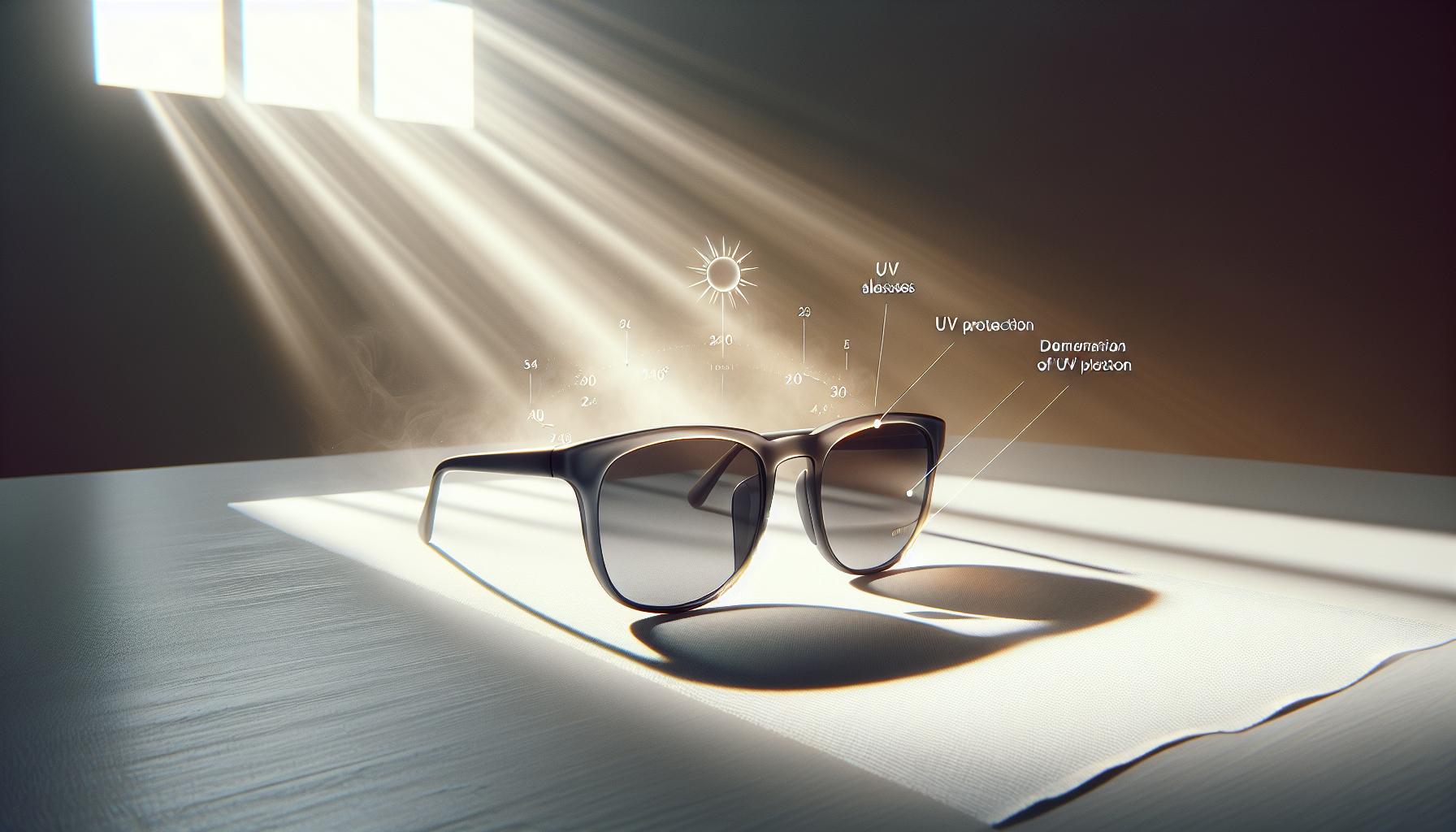
Materials Matter: Are Some Sunglasses Safer?
Choosing the right sunglasses is not just about style; it can also have significant health implications. The materials used in sunglasses can directly affect both eye protection and overall health concerns, including potential reproductive harms. Many consumers may not realize that the lenses and frames of their sunglasses can contain harmful chemicals that may leach out over time, especially when exposed to heat or sunlight. Understanding the materials that constitute your eyewear can empower you to make informed choices.
When evaluating sunglasses, it’s essential to consider the lens material. Most sunglasses are made from either polycarbonate or CR-39 plastic. Polycarbonate lenses are known for their impact resistance and lightweight nature, making them a popular choice for outdoor activities. However, they can sometimes contain harmful additives. CR-39 lenses, on the other hand, are generally safer but are not as robust in terms of impact resistance. Look for sunglasses that use BPA-free materials as a safer option.
The frames are another critical factor. Many sunglasses frames are made from plastics or metals that can contain dubious substances. For instance, some metal frames may have coatings that could release toxins when heated, leading to skin contact or ingestion. Polypropylene or biodegradable materials in frames offer safer alternatives. Always check for certifications or brand transparency regarding materials used, which can guide you toward safer choices.
To further ensure safety, opt for brands that prioritize eco-friendly and non-toxic materials. Reading product labels and reviews can help you gauge which brands are dedicated to safe manufacturing practices. Comprehensive research allows you to support companies that are responsible and committed to producing sunglasses free from harmful chemicals. Remember, protecting your eyes is only part of the equation; ensuring the materials in your sunglasses are safe contributes to a healthier and more responsible lifestyle.
Identifying Safe Sunglasses: What to Look For
Choosing the right sunglasses goes beyond aesthetics; it’s an essential component of personal health. As sunglasses are your first line of defense against harmful UV rays, ensuring they are made of safe, non-toxic materials is crucial not just for eye protection but also for overall well-being. When searching for sunglasses that minimize health risks, consider these vital criteria.
Material Matters
Focus on the materials used in both the lenses and frames. Opt for sunglasses with lenses made from polycarbonate or CR-39 plastic, but ensure they are free from harmful additives, such as BPA. The frame material is equally important. Look for options made from polypropylene, which is generally considered safer, or explore biodegradable options that are less likely to leach harmful chemicals. Such selections help mitigate exposure to potentially toxic substances, especially in warmer conditions when sunglasses are often worn.
Certification and Brand Transparency
Always check for certifications that indicate safety and environmental friendliness. Brands that openly share their manufacturing processes and material compositions tend to prioritize consumer health and safety. Reading customer reviews and researching the brand’s commitment to eco-friendly practices can also provide insights. Look for brands that produce sunglasses labeled as non-toxic, eco-friendly, or free of heavy metals.
UV Protection
Ensure your sunglasses offer 100% UV protection. This specification should be clearly marked on the tag or packaging. UV protection is critical not just for preventing eye damage but also for reducing the risk of skin cancers around the eyes. Many people neglect this aspect, focusing instead on style or price. However, investing in sunglasses that provide robust UV protection will pay off significantly in preserving both eye health and skin integrity.
Comfort and Fit
Finally, don’t overlook comfort. Proper fit ensures that your sunglasses provide adequate protection from peripheral sunlight rays. Pay attention to frame design; select styles that wrap around the sides of your face for maximum coverage.
Arming yourself with knowledge about materials, certifications, and UV protection empowers you to make informed choices. Pulling together these elements not only guards your eyesight but also promotes a healthier lifestyle, reflecting a deeper awareness of how what you wear can impact your health and well-being.
The Role of Hormones in Reproductive Health
The intricate connection between reproductive health and hormonal balance cannot be overstated. Hormones play a crucial role in regulating various bodily functions, including the reproductive system. Whenever there are disruptions-whether from environmental factors, lifestyle choices, or even the materials we interact with-an individual’s reproductive health can be affected. This is particularly significant when considering products like sunglasses, as the materials used in their production can potentially contain endocrine disruptors.
Endocrine disruptors are chemicals that can interfere with hormone systems, potentially leading to a range of health issues, including reproductive harm. For instance, some plastics found in low-quality sunglasses might leach substances that mimic hormones, consequently impacting fertility and overall reproductive health. Being aware of these risks empowers consumers to make informed choices, promoting not only eye safety but also reproductive well-being.
To mitigate these concerns, prioritize sunglasses that are crafted from safe materials. Look for reputable brands that transparently disclose their materials and manufacturing processes, indicating a commitment to safety and environmental stewardship. Opting for non-toxic options-like lenses made from polycarbonate or CR-39, and frames crafted from polypropylene or biodegradable materials-can reduce exposure to harmful substances. Verification through certifications also provides an extra layer of assurance.
Navigating the nuances of reproductive health can be overwhelming, filled with uncertainty and emotions. Whether you are dealing with fertility challenges or are simply seeking to optimize your reproductive health, it’s critical to understand the environment around you, including the products you use. Focus on utilizing safe, eco-friendly sunglasses not only to protect your eyes from UV damage but also to promote a healthier reproductive system, creating a holistic approach to your well-being.
Real-Life Cases: User Experiences with Sunglasses
Many individuals have experienced surprising effects or unforeseen challenges related to their sunglasses, leading to stories that can offer insight into the broader questions about UV exposure, materials, and overall health. For instance, consider the case of Sarah, a regular contact lens wearer, who noticed her eyes felt more irritated during sunny days when she wore certain plastic sunglasses. Upon further investigation, she discovered that those sunglasses contained materials that could potentially leach harmful chemicals. This realization led her to switch to higher-quality sunglasses made from polycarbonate lenses and hypoallergenic materials, which not only alleviated her discomfort but also eased her mind about potential health risks.
Another compelling narrative comes from James, a father who became more conscientious about UV exposure after his wife experienced health issues. He shared how they began researching the impact of different sunglasses on reproductive health, specifically regarding materials used in lens and frame production. By opting for brands that transparently disclosed their materials and emphasized eco-friendly options, James felt empowered to protect his family’s health. His experience highlights how consumer choices can lead to positive changes, steering clear of products that may pose risks.
It’s also important to acknowledge the emotional journey people face when they think about their health, especially in relation to products they use daily. Many readers might resonate with the uncertainty faced by Mia, who struggled with infertility. During her research, she learned about how certain materials in everyday items, including sunglasses, might affect hormonal balance. After switching to sunglasses from reputable brands prioritizing safety, she felt a sense of relief knowing she was taking proactive steps in caring for her health.
These real-life experiences not only provide practical advice for selecting safer sunglasses but also offer a sense of community for those navigating similar concerns. As consumers become more informed about how materials can affect health, their stories encourage others to make thoughtful choices, ultimately fostering a more health-conscious society.
Expert Opinions: What Do Specialists Say?
Research indicates that while sunglasses play a crucial role in protecting our eyes from harmful UV rays, concerns regarding their potential impact on cancer risk and reproductive health are growing. Specialists emphasize that not all sunglasses offer the same level of UV protection. Dr. Emily Chen, an ophthalmologist, highlights that “high-quality sunglasses should filter out 99% to 100% of UVA and UVB rays.” Wearing sunglasses without adequate UV protection can lead to increased exposure, raising the risk of skin cancers around the eyes and other UV-related eye conditions like cataracts.
Moreover, materials used in sunglasses are also a key focus for reproductive health specialists. Dr. Mark Rodriguez, a reproductive endocrinologist, notes that certain plastics and coatings can leach harmful chemicals, potentially disrupting hormonal balance. “While definitive links between sunglasses and infertility are still being studied, it’s advisable to choose brands that are transparent about their materials,” he suggests. This step ensures consumers can avoid harmful substances such as phthalates and bisphenol A (BPA), which have been associated with health concerns.
Emphasizing the importance of consumer awareness, Dr. Leah Gilbert, a health educator, encourages individuals to look for certifications on sunglasses. These credentials can indicate whether products have undergone rigorous testing for UV protection and environmental safety. “It’s not just about fashion,” she states, reinforcing that choosing scientifically-backed options is a proactive measure for both eye and reproductive health.
In summary, while sunglasses are vital for eye health, understanding what they’re made of and how they protect against UV exposure is equally crucial. Specialists advocate for informed choices, encouraging consumers to prioritize safety over style, especially for families navigating health concerns.
Protective Measures Beyond Sunglasses
Exposure to harmful UV rays isn’t solely mitigated through sunglasses; there are several other protective measures you can embrace to safeguard your eye and overall health. Understanding these options is essential in forming a holistic approach to UV safety, especially in today’s world where choices are abundant.
Broader UV Protection Strategies
- Wear a Wide-Brimmed Hat: Hats that have a brim of at least three inches can significantly shade your face, neck, and eyes. This extra coverage is especially beneficial when you’re spending long hours outdoors.
- Seek Shade: Whenever possible, it’s wise to seek shade, particularly between the hours of 10 a.m. and 4 p.m. This is when UV radiation is at its peak, making shaded areas an optimal refuge.
- Use Sunscreen: A broad-spectrum sunscreen with an SPF of 30 or higher should be applied generously on exposed skin, including areas around the eyes. Remember to reapply every two hours, especially if swimming or sweating.
- Consider UV-Blocking Contact Lenses: Some contact lenses provide additional UV protection. Consult your eye care professional to discuss whether this option is suitable for you.
- Regular Eye Check-ups: Schedule routine eye examinations to catch any early signs of UV-related damage or other eye conditions.
Emotional and Psychological Considerations
Navigating the journey of health awareness can be overwhelming, especially with varying information and advice. It’s normal to feel uncertain about the best protective measures for you and your family. Acknowledge these feelings, and know that you’re taking control by seeking knowledge and understanding. Celebrating small victories in awareness and prevention can empower your decision-making process.
For those who may face sensitivities related to UV exposure-e.g., pregnant or nursing individuals-consider consulting healthcare professionals who can guide you towards safe and effective practices for you and your baby. Remember that prioritizing both eye health and reproductive well-being takes thoughtful care and support from both yourself and medical professionals.
By incorporating these protective measures into your lifestyle, you can significantly reduce the potential risks associated with UV exposure, enhancing both your eye health and overall well-being. Opting for a comprehensive approach ensures that you are well-equipped to face the sun safely and confidently.
Choices for Sensitive Populations: Pregnant and Nursing
Choosing the right sunglasses is not just about style; it’s particularly crucial for sensitive populations such as pregnant and nursing individuals. Hormonal changes during pregnancy can make skin more sensitive to UV exposure, increasing the importance of effective sun protection. Moreover, the eye’s lens, which changes during pregnancy, can lessen the natural protection against harmful UV rays. Thus, the selection of sunglasses takes on added significance.
When shopping for sunglasses, look for those labeled with 100% UV protection or UV400. This ensures that both UVA and UVB rays are blocked, safeguarding the eyes from potential harm associated with prolonged sun exposure. Pregnant individuals might also consider polarized lenses, which reduce glare and offer clearer vision, enhancing safety during outdoor activities. Acknowledging comfort is equally important; choosing lightweight frames can ameliorate fatigue around the sensitive eye area.
Practical Tips for Selecting Sunglasses:
- Certification: Ensure sunglasses meet safety standards, often indicated on the label.
- Fashion Meets Function: Opt for larger frames or wraparound styles to maximize coverage for the eyes and sensitive skin around them.
- Color Matters: Darker lenses offer better protection but remember that a darker tint doesn’t always mean better UV protection; always verify the UV rating.
- Maintenance: Keep sunglasses clean to avoid scratches that can distort vision, ensuring they provide accurate protection.
In addition to choosing the right sunglasses, consider other protective measures. Whenever heading outdoors, wearing a wide-brimmed hat or seeking shade can bolster eye protection and reduce UV exposure. Combine this with broad-spectrum sunscreen on exposed skin and engage healthcare professionals for tailored advice on eye care during pregnancy or nursing. The journey toward ensuring one’s health and the health of the baby is filled with decisions, but informed choices regarding UV protection can alleviate concerns and empower well-being.
Navigating the Market: Finding Quality Sunglasses
When it comes to selecting sunglasses, understanding the nuances of quality can feel overwhelming, yet it’s vital for protecting both your eyes and overall well-being. Not all sunglasses offer the same level of protection from UV rays, which are known to contribute to various health issues, including potential reproductive harm. Therefore, navigating the market effectively means arming yourself with knowledge to make informed choices that prioritize your health.
First and foremost, when shopping for sunglasses, seek out products that explicitly state they offer 100% UV protection or are rated UV400. This indicates that they can block both UVA and UVB rays, which is crucial for safeguarding your eyes from harmful exposure. It’s also beneficial to look for features such as polarized lenses; these not only reduce glare but improve visual clarity, making outdoor activities safer and more comfortable.
What to Consider When Choosing Sunglasses
- Material Matters: Opt for lenses made from polycarbonate or Trivex, which are often more impact-resistant and provide superior optical quality compared to regular plastic.
- Frame Fit: Select larger frames or wraparound styles. These designs not only provide better coverage for your eyes but also shield the sensitive skin around them from UV exposure.
- Darkness vs. UV Protection: A common misconception is that darker lenses provide better UV protection. However, this is not always true; always check the UV rating instead.
- Lens Coatings: Consider sunglasses with anti-reflective coatings, as they can help reduce glare and improve visual comfort.
Taking care of your sunglasses is equally important; clean lenses regularly to prevent scratches that can impair vision and consequently reduce the effectiveness of UV protection. Additionally, storing them in a protective case when not in use can prolong their lifespan. Beyond selecting the right pair, incorporating other protective measures, such as wearing wide-brimmed hats and seeking shade, further enhances your defense against UV rays.
Choosing quality sunglasses is not merely a fashion statement but an essential aspect of proactive health, especially for those in sensitive situations like pregnant or nursing individuals. By arming yourself with the right knowledge and tools, you can navigate the market with confidence, ensuring that your choice contributes positively to your overall health journey.
Q&A
Q: Can wearing cheap sunglasses increase my cancer risk?
A: Yes, wearing cheap sunglasses may increase your cancer risk. Low-quality lenses often lack UV protection, exposing your eyes to harmful rays. Always choose sunglasses that block 100% of UVA and UVB rays to safeguard against potential skin cancer around the eyes. Refer to the section on “Identifying Safe Sunglasses” for more details.
Q: Are polarized sunglasses safer than regular ones?
A: Polarized sunglasses are generally safer because they reduce glare, improving visibility and comfort. However, it’s crucial to check for UV protection as not all polarized lenses block harmful rays. Ensure your sunglasses offer 100% UV protection for optimal safety.
Q: How do UV rays cause reproductive harm associated with sunglasses?
A: UV rays can lead to reproductive harm indirectly by affecting hormone levels, which may impact fertility. Prolonged sun exposure without proper eye protection could disrupt the body’s hormonal balance. For more on reproductive health impacts, see the section titled “The Role of Hormones in Reproductive Health.”
Q: Do all sunglasses effectively block UV rays?
A: No, not all sunglasses block UV rays effectively. Always look for labels indicating 100% UV protection. Some brands may provide inadequate coverage, increasing your risk of UV-related issues. Visit “Materials Matter: Are Some Sunglasses Safer?” for guidance on selecting high-quality sunglasses.
Q: Can children’s sunglasses also cause health risks?
A: Yes, children’s sunglasses can pose health risks if they do not provide adequate UV protection. Children are more susceptible to UV damage, so it’s essential to choose sunglasses that block 100% of UVA and UVB rays. Refer to the “Identifying Safe Sunglasses” section for tips on safe choices for kids.
Q: Are there specific sunglasses recommended for pregnant women?
A: Pregnant women should choose sunglasses that provide 100% UV protection and reduce glare, which can be beneficial for eye comfort. It’s advisable to select styles that fit well and offer coverage against harmful rays, as detailed in “Choices for Sensitive Populations: Pregnant and Nursing.”
Q: What should I look for in sunglasses to avoid reproductive harm?
A: To avoid reproductive harm, select sunglasses that block 100% of UVA and UVB rays and are made from safe materials. Look for reputable brands and consider polarized lenses for added eye protection. For more details, check the sections “Identifying Safe Sunglasses” and “Materials Matter.”
Q: Do sunglasses impact hormone regulation in the body?
A: Yes, inadequate protection from UV rays can affect hormone regulation, potentially leading to reproductive health issues. Sunglasses that provide proper UV coverage can help protect your overall hormonal balance. More information can be found in the “The Role of Hormones in Reproductive Health.”
Insights and Conclusions
Thank you for joining us to uncover the truth about whether sunglasses can cause cancer and reproductive harm. While the research highlights some areas of concern, it’s essential to prioritize your eye health without unnecessary worry. If you want to dive deeper, check out our articles on UV protection and safe sun exposure practices. Remember, knowledge is your best defense against potential risks.
Before you go, consider signing up for our newsletter to stay informed about the latest health insights and protective measures. Have questions or thoughts? We’d love to hear from you in the comments! Explore our resources on healthy living and well-being; together, we can foster a safe and informed community. Stay protected, stay informed!
Get our latest guides, news, and insights highlighted in your Google Search & AI Overviews.