Polycystic Ovary Syndrome (PCOS) is one of the leading causes of infertility in women, impacting your ability to ovulate and conceive. Understanding how PCOS affects fertility is crucial for anyone navigating the complexities of family planning. Many women face emotional challenges and uncertainty when trying to conceive, making it essential to address your concerns with compassion and clarity. In this article, we will explore the relationship between PCOS and infertility, examining the underlying causes, available treatment options, and realistic expectations for those on this journey. Together, we will uncover the paths that may lead to successful conception, while validating your feelings and supporting you every step of the way.
Understanding PCOS: What It Is and Its Symptoms
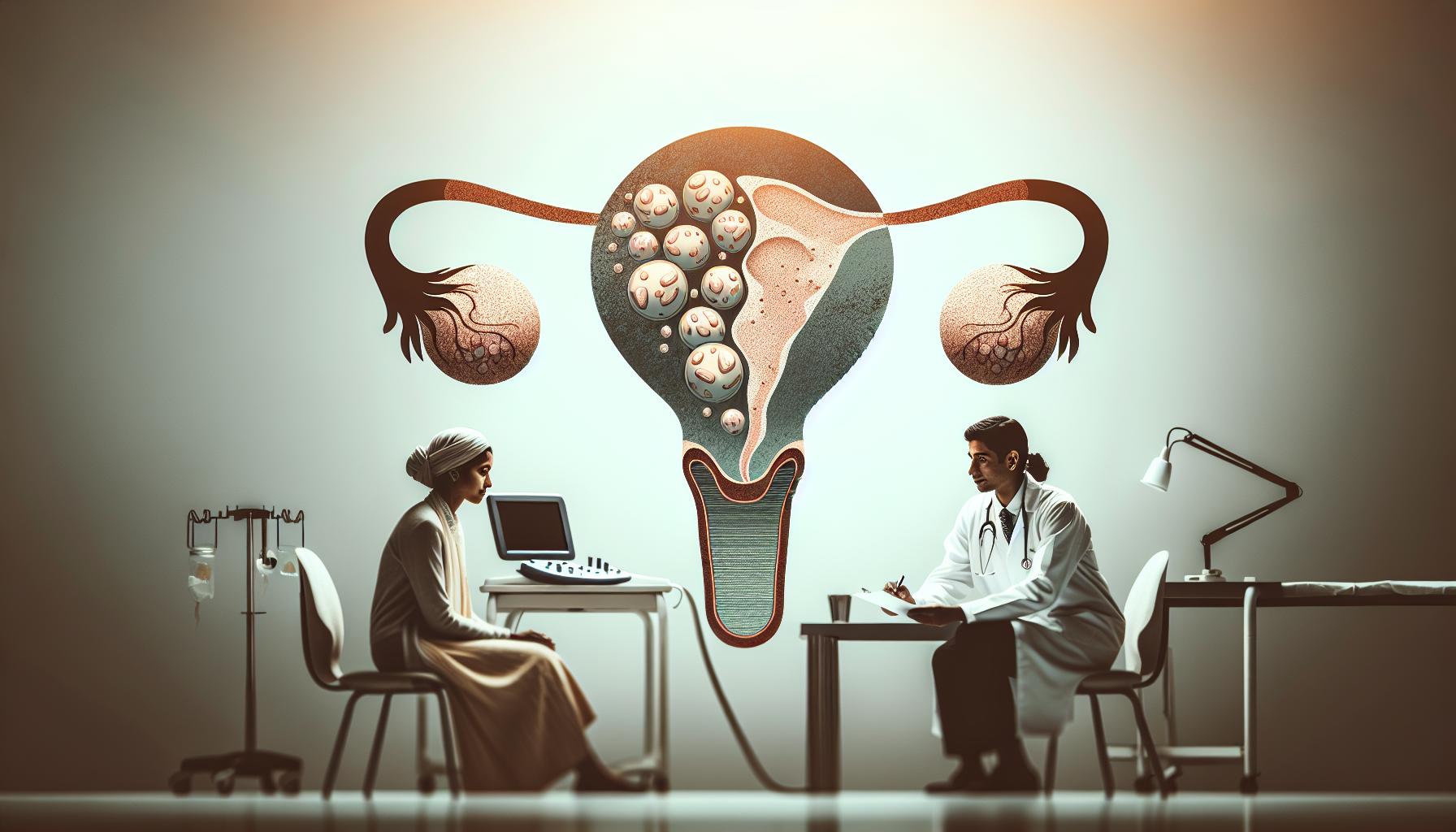
Polycystic Ovary Syndrome (PCOS) affects approximately 10-15% of women of reproductive age, making it one of the most common hormonal disorders. Understanding PCOS begins with recognizing its hallmark symptoms, which can vary significantly from one individual to another. Common signs include irregular periods, excessive hair growth (hirsutism), weight gain, acne, and scalp hair thinning. Many women also experience emotional challenges due to the symptoms and the implications for their fertility journey.
Irregular menstrual cycles are typically the first indication of PCOS, as the condition disrupts the normal ovulation process. Women may find that their cycles are either very infrequent or excessively frequent. This irregularity results from hormonal imbalances affecting ovary function, leading to insufficient development of ovarian follicles that would otherwise mature into eggs. In addition, the presence of cysts on the ovaries, which are visible through ultrasound, is another common but not universally present symptom, leading to the term “polycystic.”
Beyond fertility issues, PCOS can also cause metabolic complications such as insulin resistance, which can further complicate weight management and increase the risk of developing type 2 diabetes. Many women with PCOS face not only physical but also emotional hurdles, such as anxiety and depression related to their symptoms and fertility concerns. Recognizing these aspects of PCOS can help guide conversations with healthcare providers about potential treatments and supportive measures that address both physical and emotional well-being.
By understanding PCOS and its symptoms, women can take proactive steps toward managing their health and exploring options to improve their chances of conception. Engaging with a community and seeking knowledgeable support can be instrumental in navigating this complex condition.
How PCOS Affects Fertility: Key Mechanisms
Many women with Polycystic Ovary Syndrome (PCOS) face the daunting challenge of infertility, a struggle deeply intertwined with the hormonal imbalances characteristic of the condition. The key mechanisms by which PCOS affects fertility primarily revolve around disrupted ovulation and hormonal deficiencies, causing complications that can hinder conception. Women with PCOS often experience insulin resistance, elevated androgen levels, and irregular menstrual cycles, all of which can significantly decrease the chances of ovulation.
One of the most critical impacts of PCOS on fertility is irregular or absent ovulation. A typical menstrual cycle involves the maturation and release of an egg, a process that can be disrupted in women with PCOS. Hormonal imbalances mean that ovarian follicles do not develop properly, leaving no egg to be fertilized. This absence of ovulation (anovulation) is one of the primary reasons that PCOS is a leading cause of infertility. Regular monitoring of ovulation cycles through methods such as ovulation predictor kits can help women recognize patterns and identify potential ovulation, providing a clearer picture of their fertility window.
Additionally, insulin resistance, commonly associated with PCOS, plays a significant role in fertility issues. Increased insulin levels can lead to higher production of androgens (male hormones), which can prevent normal ovulation and contribute to other symptoms like excessive hair growth or acne. Managing insulin resistance through lifestyle changes-such as adopting a balanced diet rich in whole foods, regular physical activity, and maintaining a healthy weight-can improve ovulatory function and enhance the chances of conception.
Moreover, the emotional toll of navigating infertility due to PCOS cannot be overlooked. It’s crucial to acknowledge the feelings of grief, fear, and hope that often accompany this journey. Each woman’s experience is unique, and finding a supportive health care team can provide both medical guidance and emotional reassurance. Understanding these mechanisms not only demystifies how PCOS impacts fertility but also empowers women to take proactive steps in their reproductive health journey. With the right support, women with PCOS can find pathways to achieve their family-building goals, regardless of the bumps along the way.
The Link Between PCOS and Ovulation Disorders
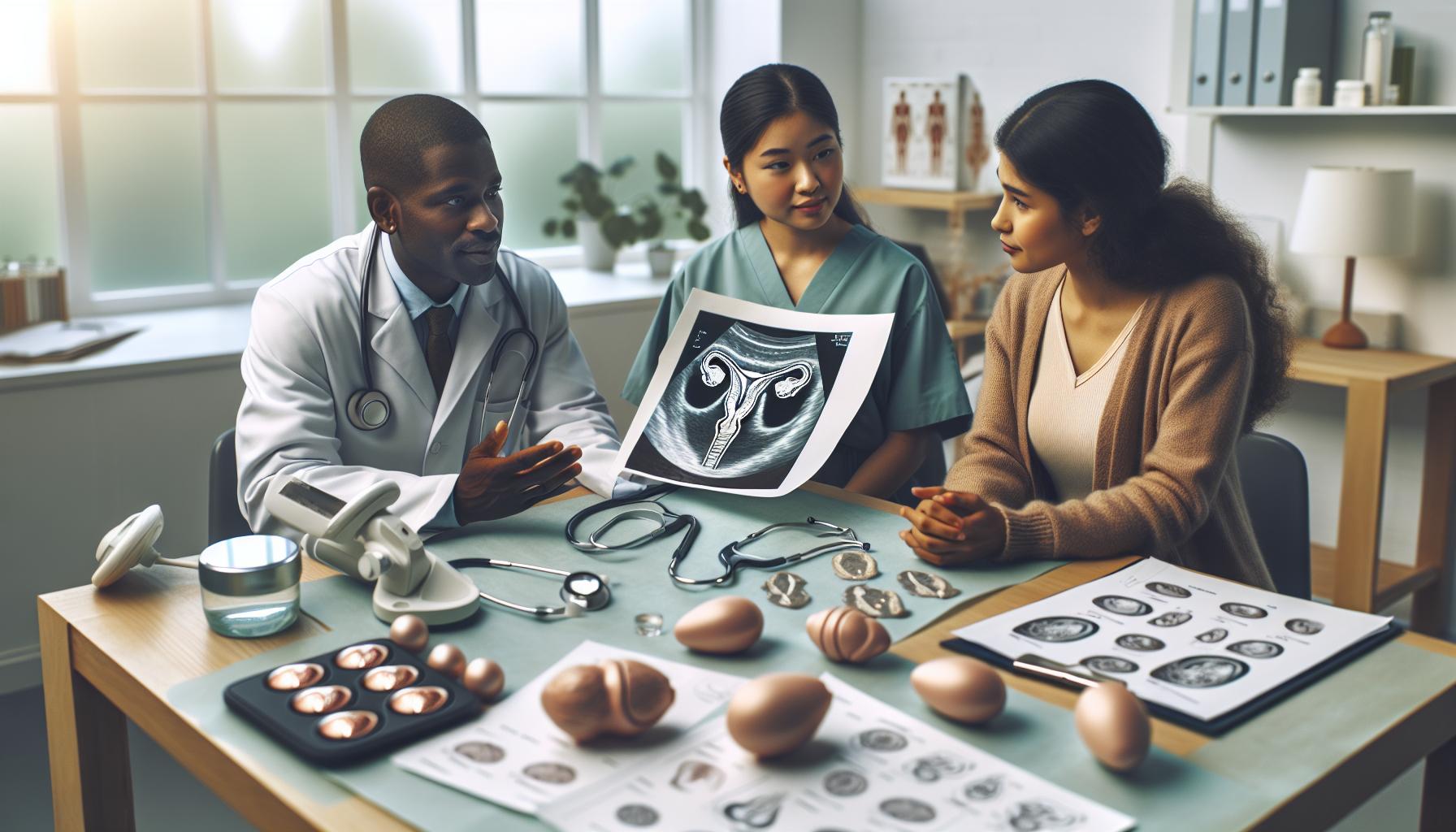
Women with Polycystic Ovary Syndrome (PCOS) often grapple with the emotional and physical challenges of ovulation disorders, which are central to the condition. One fascinating aspect of PCOS is the hormonal imbalance that disrupts the intricate process of ovulation, leading to irregular or absent cycles. In a healthy menstrual cycle, a hormone surge triggers the maturation and eventual release of an egg from the ovary. However, in those with PCOS, this process is frequently interrupted due to elevated levels of androgens, which can inhibit ovulation entirely. This phenomenon not only complicates the journey towards conception but can also lead to feelings of despair when on the path to motherhood.
Moreover, the presence of insulin resistance in many women with PCOS can compound these ovulatory challenges. High insulin levels can stimulate the ovaries to produce more androgens, which in turn disrupts the delicate hormonal balance required for ovulation. This cycle of hormonal disruption often leads to long gaps between periods or anovulation, leaving many women uncertain about their fertility status. For instance, tracking basal body temperature or using ovulation predictor kits can provide women with valuable insights into their unique ovulation patterns, offering a semblance of control in an otherwise unpredictable process.
Supporting ovulation health is crucial, and lifestyle adjustments can make a significant difference. A balanced diet, regular physical activity, and weight management can help improve insulin sensitivity and regulate menstrual cycles. These proactive steps not only enhance the likelihood of ovulation but also empower women to take charge of their reproductive health. The journey may be fraught with emotional highs and lows, but understanding can illuminate pathways to fertility. Seeking a compassionate healthcare provider who respects your individual journey will ensure that you receive the guidance and support necessary for every step along the way.
Your Chances of Conceiving with PCOS

Many women with Polycystic Ovary Syndrome (PCOS) find themselves grappling with feelings of uncertainty regarding their fertility. It’s essential to understand that while PCOS can complicate conception due to hormonal imbalances and irregular ovulation, many individuals still succeed in achieving pregnancy, whether through lifestyle changes, medical intervention, or assisted reproductive technologies.
The likelihood of conceiving with PCOS varies significantly from person to person, influenced by factors such as age, weight, and the severity of symptoms. For instance, women who are able to manage their weight or maintain a healthy lifestyle often experience better fertility outcomes. In fact, studies suggest that simple lifestyle modifications-like adopting a balanced diet, increasing physical activity, and managing stress-can lead to restored ovulatory function and improved chances of conception. For many, these changes pave the way to a more predictable menstrual cycle, which may enhance fertility.
When considering medical options, it’s crucial to have a candid conversation with a healthcare provider. Medications like clomiphene citrate can help stimulate ovulation, while metformin is often prescribed to manage insulin resistance, supporting ovulation indirectly. If these treatments are not effective, assisted reproductive technologies such as in vitro fertilization (IVF) or intrauterine insemination (IUI) can be explored. Success rates for these interventions can vary, so it’s important to discuss realistic expectations with your doctor, considering factors like age and overall health.
Moreover, emotional support plays a vital role throughout the fertility journey. Acknowledging the emotional weight of dealing with fertility challenges is important. Whether through support groups, counseling, or online communities, connecting with others who understand your path can provide reassurance and encouragement. Remember, every small milestone is worthy of celebration, and having a compassionate support system can help navigate through the ups and downs of building a family when facing PCOS-related infertility.
Testing and Diagnosis: What to Expect
Navigating the path to understanding your fertility when dealing with Polycystic Ovary Syndrome (PCOS) often begins with a thorough testing and diagnosis process. Knowing what to expect can significantly ease your mind during this potentially overwhelming time. Typically, diagnosing PCOS involves a combination of medical history, symptom evaluation, and specific tests. You’ll want to prepare to discuss your menstrual cycle, weight changes, and any signs of excess hair growth or skin changes, which are common symptoms of PCOS.
Your healthcare provider may recommend several tests, including blood tests to measure hormone levels, insulin resistance, or glucose levels. These tests help to evaluate your body’s hormone balance and identify any irregularities that could be influencing your ovulation and fertility. An ultrasound may also be part of the evaluation, allowing the doctor to visualize your ovaries and check for cysts, which are fluid-filled sacs often found in women with PCOS. Understanding these processes not only helps in identifying PCOS but also in assessing how it may be impacting your ability to conceive.
If you’re struggling with uncertainty, it’s important to discuss your concerns openly with your provider. They can explain the results clearly and what they mean for your fertility journey, allowing you to make informed decisions about your options moving forward. Always remember, the journey can be demanding emotionally and physically; stay present with your feelings and seek support when needed.
Taking proactive steps can also involve documenting your symptoms and keeping track of your menstrual cycles. This data can provide valuable insights for your healthcare provider and can help tailor your individual treatment plan effectively. Making your healthcare journey collaborative fosters a feeling of control and empowerment, allowing you to address the challenges of PCOS and infertility with a supportive health partner by your side.
Lifestyle Changes to Improve Fertility
Making lifestyle changes can significantly enhance fertility for individuals with Polycystic Ovary Syndrome (PCOS). A proactive approach in this area can help regulate hormonal imbalances, improve ovulation, and increase your chances of conceiving. Simple alterations in daily habits can cultivate a nurturing environment for your reproductive health while also offering emotional support along the journey.
Dietary Adjustments
Altering your diet can have a profound effect on managing PCOS symptoms and improving fertility. Focus on a balanced diet rich in whole foods, including:
- Fruits and Vegetables: Aim for a wide variety of colorful options that are high in fiber, vitamins, and antioxidants.
- Lean Proteins: Incorporate sources such as fish, chicken, legumes, and plant-based proteins to support overall health.
- Healthy Fats: Include avocados, nuts, and olive oil, which can help to balance hormones.
- Complex Carbohydrates: Choose whole grains over refined carbs to help regulate blood sugar levels.
Proper nutrition can also assist in losing weight if necessary, as maintaining a healthy weight can improve insulin sensitivity and enhance the body’s ability to ovulate regularly.
Regular Physical Activity
Engaging in regular exercise is another powerful tool in managing PCOS. Physical activity can improve insulin sensitivity, reduce stress, and promote a healthier weight, all of which contribute positively to fertility. Aim for
- Aerobic Exercises: Activities like walking, jogging, swimming, or cycling for at least 150 minutes each week.
- Strength Training: Incorporate weight lifting or resistance training at least twice a week to build muscle and enhance metabolism.
- Mind-Body Practices: Consider yoga or Pilates to reduce stress and improve overall well-being.
Finding a routine that you enjoy can make it easier to stick with your exercise plan and will also help you celebrate your milestones as you progress.
Stress Management Techniques
Navigating the emotional ups and downs of trying to conceive can be challenging, particularly with PCOS. Implementing stress management techniques such as mindfulness, meditation, or breathing exercises can help you maintain emotional balance. These practices can reduce anxiety and promote a sense of control during uncertain times.
Incorporating these holistic approaches into your lifestyle not only helps address the physical aspects of PCOS and infertility but also recognizes the emotional journey you are on. Remember, every small step taken towards a healthier lifestyle is a step towards improved fertility and hope in your family-building journey.
Medical Treatments for PCOS and Infertility
Medical interventions can play a critical role in managing Polycystic Ovary Syndrome (PCOS) and enhancing fertility. While many individuals with PCOS may have concerns about infertility, understanding the available treatments can inspire hope and provide clear pathways forward. From medications to advanced reproductive technologies, there are numerous options tailored to individual needs.
When considering medical treatments for PCOS, the first line of approach often involves lifestyle modifications and medications aimed at regulating menstrual cycles and improving ovulation. Metformin, a common medication used to treat insulin resistance, can improve ovulation rates in women with PCOS. By helping to regulate blood sugar levels, Metformin not only assists in weight management but can also restore hormonal balance, increasing the likelihood of ovulation and conception.
For those facing challenges with ovulation, Clomiphene Citrate is another frequently prescribed medication. This oral ovulation inducer encourages the ovaries to produce eggs by blocking estrogen receptors in the hypothalamus. When used correctly, Clomid can result in pregnancy for many women with PCOS. According to some studies, Clomid has a success rate of about 80% in inducing ovulation, although individual results may vary.
In more complex cases, assisted reproductive technologies (ART) such as in vitro fertilization (IVF) may be recommended. IVF involves retrieving eggs and fertilizing them in a lab, then transferring the embryos back into the uterus. Success rates for IVF in women with PCOS can vary significantly, influenced by age and specific health factors; however, many clinics report success rates of around 40% to 50% per cycle for women under 35. This option, albeit costlier-typically ranging from $10,000 to $15,000 per cycle-can be a beacon of hope for individuals seeking to conceive.
For those exploring their options, it’s vital to have open discussions with reproductive health specialists. They can provide personalized insights based on medical history and fertility goals, explain potential costs, and guide you through treatment timelines. It’s equally important to address the emotional toll of fertility treatments. Supporting your mental health during this journey-whether through counseling, connecting with support groups, or engaging in mindfulness practices-can make the process more manageable.
Navigating the landscape of PCOS and fertility involves understanding both medical and emotional dimensions. Celebrate each milestone, whether big or small, and remember that the journey is as important as the destination. You are not alone, and various paths can lead to building the family you desire.
Assisted Reproductive Technologies: What Are Your Options?
Navigating the path to parenthood with Polycystic Ovary Syndrome (PCOS) can feel overwhelming, but assisted reproductive technologies (ART) offer a glimmer of hope. These advanced medical interventions can greatly enhance your chances of conceiving, especially if other treatments haven’t worked. Understanding your options is crucial, as each approach comes with its own set of benefits, challenges, and insights into the fertility landscape.
In Vitro Fertilization (IVF)
One of the most prominent ART options is in vitro fertilization (IVF). This process involves retrieving eggs from your ovaries, fertilizing them with sperm in a lab, and then transferring the resulting embryos back into your uterus. For women with PCOS, IVF can be particularly beneficial as it bypasses some of the common ovulatory issues associated with this condition. Success rates for IVF can vary, but many clinics report around 40% to 50% success per cycle for women under 35. The cost typically ranges from $10,000 to $15,000 per cycle, making it vital to discuss financial considerations with your healthcare provider.
Intrauterine Insemination (IUI)
Another option is intrauterine insemination (IUI), which involves placing sperm directly into the uterus around the time of ovulation. IUI can be a less invasive and more affordable alternative to IVF, often recommended as a first step for couples facing infertility. While success rates vary, they generally range from 10% to 20% per cycle, depending on various factors such as age and the specific fertility issues at play.
Considerations for Fertility Treatments
Choosing the right ART path is deeply personal and can depend on numerous factors, including your health, emotional readiness, and financial situation. It’s important to have candid discussions with fertility specialists who can tailor recommendations based on your unique circumstances. Many people find it beneficial to connect with support groups or counselors throughout this journey, as the emotional toll of treatment can be significant.
In this multifaceted experience, remember that you are not alone. Celebrate each step, whether it’s a small milestone or a larger achievement, and honor the range of emotions that arise along the way. It’s essential to seek both medical guidance and emotional support as you explore the possibilities of building your family.
Emotional Impact of PCOS on Family-Building
Navigating the emotional landscape of family-building while living with Polycystic Ovary Syndrome (PCOS) can be complex and challenging. Many individuals with PCOS face not only the physical manifestations of the condition but also the deep emotional impact that can accompany infertility struggles. Feelings of grief, anxiety, and uncertainty can emerge, often leaving individuals feeling isolated. Acknowledging these emotions is the first step towards fostering resilience and finding a supportive path forward.
Understanding Emotional Responses
Many women with PCOS may experience a sense of loss when faced with difficulties conceiving, particularly if they have long envisioned their journey to motherhood. This grief can surface multiple times throughout the fertility process, from the initial realization of the diagnosis to setbacks during treatments. It’s essential to recognize that such feelings are valid and common among those experiencing similar challenges. Embracing these emotions, rather than suppressing them, can facilitate healing and open the door to seeking support.
Practical Approaches to Coping
- Build a Support Network: Connect with others who understand your journey. Joining support groups or seeking online communities can provide a safe space to share experiences and feelings. Speaking with those who have gone through similar situations can help alleviate feelings of isolation and offer practical coping strategies.
- Communicate Openly: Sharing feelings with partners, family, or friends can foster understanding and strengthen relationships. Honest conversations can also help loved ones provide the right kind of support, whether it’s being a listening ear or offering encouragement.
- Explore Professional Help: Enlisting the assistance of mental health professionals who specialize in reproductive health can significantly benefit emotional well-being. Therapists can offer coping strategies and help individuals process feelings of disappointment and anxiety, equipping them with tools to better manage their emotional health.
- Celebrate Small Milestones: It’s crucial to recognize and celebrate every small step in the fertility journey, whether it’s completing a cycle of medication, feeling empowered by knowledge about PCOS, or making progress in emotional healing. These celebrations can add joy and positivity during times of uncertainty.
By acknowledging the emotional paths intertwined with PCOS and infertility, individuals can cultivate a compassionate approach toward themselves. Engaging with various support options and openly addressing feelings can not only ease this journey but also instill hope for the future. Remember, it’s okay to feel a mix of emotions; each step taken toward understanding and acceptance is a progression on the road to family-building.
Support Resources for Navigating PCOS and Infertility
Navigating the complexities of PCOS (Polycystic Ovary Syndrome) while trying to conceive can feel overwhelming and isolating. However, numerous resources and support systems are available to help you through this challenging journey. It’s essential to know you’re not alone and that there are effective strategies and communities that can provide the understanding and support you need.
- Support Groups: Connecting with others who share similar experiences is invaluable. Look for local or online support groups focused on PCOS and infertility. These spaces allow you to exchange thoughts, share coping strategies, and foster friendships that can ease feelings of isolation.
- Professional Counseling: Engaging with a mental health professional familiar with fertility issues can significantly benefit your emotional health. Therapists can provide coping mechanisms for managing anxiety, grief, and stress associated with infertility.
- Educational Resources: Websites like the Cleveland Clinic offer extensive information on PCOS, its symptoms, and potential treatments. Understanding your condition better can empower you to make informed decisions regarding your fertility journey.
- Fertility Clinics: Consulting a reproductive endocrinologist can be crucial. They can perform tests to evaluate your reproductive health, discuss treatment options, and provide guidance tailored to your specific needs.
- Holistic Approaches: Many individuals find comfort in exploring complementary therapies such as acupuncture, yoga, or nutritional counseling. These practices can enhance emotional well-being and may help regulate menstrual cycles and improve overall health.
It’s crucial to acknowledge the emotional burden that PCOS and infertility can place on individuals and their families. Regularly checking in with yourself and celebrating small milestones in your journey can create a sense of accomplishment and hope. Whether it’s reaching a treatment stage or simply gaining knowledge about your body, these moments deserve recognition.
Lastly, remember that support can come in various forms, from family and friends to professional networks. Do not hesitate to lean on those around you for help, and take the time to seek out resources that resonate with you. This journey is deeply personal, and it’s vital that you feel equipped and supported every step of the way.
Success Stories: Real Life Experiences with PCOS and Conception
Many women with PCOS have embarked on a transformative journey toward conception, and their stories embody resilience, hope, and the myriad paths to parenthood. One inspirational example is that of Sarah, who experienced a long struggle to conceive due to irregular ovulation. After consulting with a reproductive specialist, she embraced a holistic approach, combining lifestyle changes-like a balanced diet and regular exercise-with medical treatments, including Clomid to stimulate ovulation. After several challenging months, she finally received the joyous news of her pregnancy. Sarah emphasizes that every small step counts and that persistence can lead to beautiful outcomes.
Similarly, Emily’s experience highlights the importance of emotional support in the fertility journey. Initially overwhelmed by feelings of isolation, she reached out to a local support group where she connected with others facing similar challenges. These shared experiences not only provided comfort but also valuable insights into treatment options. With encouragement from her new friends, Emily explored IVF, which ultimately resulted in the conception of twins. She now advocates for open conversations about the emotional toll of infertility, reminding others that sharing your journey can lighten the load.
Each story of success is infused with lessons about coping with setbacks while navigating the complexities of PCOS. It’s important to establish a solid support network-family, friends, or a mental health professional-as this can significantly impact emotional resilience. For those feeling disheartened, consider taking a moment to celebrate milestones, no matter how small, whether that’s completing a cycle of treatment or simply finding ways to manage stress.
Ultimately, while the path to conception may have unexpected twists and turns for those with PCOS, many have found fulfillment through various routes, including IVF, intrauterine insemination (IUI), or even adoption. Each journey is unique, and maintaining hope and seeking support can transform what may seem like a daunting experience into an empowered and hopeful one. If you’re navigating similar experiences, know that many individuals have traversed these paths and emerged triumphantly on the other side. Their stories serve as beacons of hope that speak to the potential of conception for those diagnosed with PCOS.
Next Steps: Planning Your Fertility Journey
Navigating the journey of conception with PCOS can feel overwhelming, but taking deliberate steps can empower you and help clarify your path. Understanding that each individual’s journey is unique is vital. Begin by consulting with a reproductive health specialist who has experience managing PCOS; they can offer tailored insights and strategies specific to your situation. Your healthcare professional may recommend diagnostic tests to assess hormone levels, ovarian function, and other factors impacting your fertility. Having clear information is a crucial first step in the planning process.
Understanding Your Options
Once you have gathered vital information about your condition, discuss various treatment options tailored to your needs. Medical treatments may include medication to stimulate ovulation, such as Clomid or letrozole, which can enhance your chances of conception. If conservative treatments are not effective, assisted reproductive technologies, such as In Vitro Fertilization (IVF) or Intrauterine Insemination (IUI), could be explored. Each of these options comes with different success rates, timelines, and costs, so be sure to ask questions to fully understand what each entails.
Setting Realistic Expectations
Setting realistic expectations is crucial in this journey. Understand the potential timelines and costs associated with each treatment option. For instance, an IVF cycle can range from $12,000 to $15,000, depending on various factors, including medications and procedures. However, keep in mind that many insurance plans may cover a portion of these costs, so check your policy details and discuss this with your healthcare provider. Be prepared for emotional ups and downs, and remember that it is completely normal to experience a wide range of feelings-from hope to disappointment. Validating these emotions can create a supportive environment where you and your partner can thrive.
Building Your Support Network
Finally, don’t underestimate the power of community. Joining support groups, whether online or in-person, can provide a sense of connection. Sharing your experiences with others who understand can alleviate feelings of isolation and offer practical advice. Whether you seek camaraderie in local meet-ups, online forums, or through professional counseling, know that support will significantly contribute to your emotional health throughout this journey. Remember to celebrate all milestones, regardless of size, whether that be completing a round of treatment or reaching out for help. Your path may have its challenges, but you don’t have to walk it alone.
Faq
Q: What is PCOS and how does it affect fertility?
A: PCOS, or Polycystic Ovary Syndrome, is a hormonal disorder that can impact fertility by causing irregular ovulation. This leads to difficulty in conceiving. Women with PCOS often have insulin resistance, which can further complicate hormonal balance. Understanding these effects is crucial for effective fertility planning.
Q: Can lifestyle changes improve fertility in women with PCOS?
A: Yes, lifestyle changes such as maintaining a healthy weight, engaging in regular exercise, and adopting a balanced diet can significantly improve fertility in women with PCOS. These changes help regulate menstrual cycles and enhance responses to fertility treatments, as discussed in the Lifestyle Changes to Improve Fertility section.
Q: How does insulin resistance relate to PCOS and fertility?
A: Insulin resistance is commonly associated with PCOS and can lead to higher levels of insulin in the body, which may increase androgen levels, disrupting ovulation. Addressing insulin resistance through diet and exercise can improve fertility outcomes. For more information, see the How PCOS Affects Fertility section.
Q: What are typical medical treatments for infertility in women with PCOS?
A: Medical treatments for infertility in women with PCOS include metformin to address insulin resistance, hormonal therapies to induce ovulation, and assisted reproductive technologies like IVF. These treatments aim to regulate ovulation and increase chances of conception. The Medical Treatments for PCOS and Infertility section provides detailed options.
Q: Is weight loss necessary for women with PCOS trying to conceive?
A: While not mandatory, losing even a small amount of weight can significantly enhance fertility prospects in women with PCOS. Weight loss aids in restoring hormonal balance and improving ovulatory function, making it a beneficial goal for those trying to conceive.
Q: What success rates can women with PCOS expect with IVF?
A: Success rates for IVF in women with PCOS vary widely but generally range from 25% to 50% per cycle. Factors such as age, overall health, and treatment protocols can influence outcomes. For a deeper dive, refer to the Assisted Reproductive Technologies section.
Q: How often should women with PCOS consult a fertility specialist?
A: Women with PCOS should consider consulting a fertility specialist early on, especially if trying to conceive for more than six months. Regular consultations can help assess fertility status and tailor appropriate treatment strategies.
Q: Can emotional support help women with PCOS during their fertility journey?
A: Yes, emotional support is crucial for women with PCOS. Navigating fertility challenges can be stressful, so resources such as counseling, support groups, and educational materials can help. The Emotional Impact of PCOS on Family-Building section explores this further.
Key Takeaways
Understanding how PCOS impacts fertility can empower you on your journey to conception. While the challenges may seem daunting, remember that many effective treatment options exist, from lifestyle changes to advanced reproductive technologies. If you have lingering questions or need personalized guidance, don’t hesitate to explore our resources on managing PCOS and consider booking a consultation with our specialists.
Don’t stop here; dive deeper into related topics, such as our articles on the emotional aspects of infertility and practical steps to enhance fertility health. Your path to motherhood is unique, and having the right support can make all the difference. Join our community for updates, and be sure to check out our success stories that can inspire hope along your journey.
Take the first step today-your future family awaits you, and every little milestone deserves celebration. Because in this journey, you’re never alone.
Get our latest guides, news, and insights highlighted in your Google Search & AI Overviews.