As conversations around reproductive health continue to evolve, many individuals find themselves questioning the safety of everyday products, including tampons. A common concern is whether these menstrual products could potentially impact fertility. Understanding the relationship between tampon use and fertility is essential for anyone navigating their reproductive journey, especially as they ponder family-building options. This inquiry is not only about health but also about peace of mind; no one should have to worry about the safety of products they rely on. By exploring current research and expert insights, we aim to shed light on this crucial topic, addressing your concerns and providing clarity on how period product safety intersects with reproductive health. Your journey is unique, and so are your questions; let’s explore them together.
Do Tampons Cause Infertility? Myth vs. Fact
Despite common fears about menstrual products, the claim that tampons cause infertility is grounded more in misconception than fact. It’s crucial to approach this topic with clarity and compassion, recognizing the emotional weight many individuals carry regarding reproductive health and fertility. Tampons have been widely used for many years and are governed by strict safety regulations, ensuring they are safe for regular use.
Research does not support the notion that tampons negatively impact fertility. The primary concern surrounding tampons relates to Toxic Shock Syndrome (TSS), a rare but serious condition linked to the use of tampons, particularly those with high absorbency when left in for longer than recommended. Understanding TSS is vital, as it may cause anxiety for those using tampons, but it does not equate to infertility outcomes. Tampons are designed for menstrual hygiene and do not interfere with the reproductive system or its functions when used correctly. Those who may experience challenges with fertility often face a range of factors unrelated to the menstrual products they choose.
It’s also worth noting that the materials present in tampons-typically cotton or rayon-have been extensively studied for safety. While concerns persist regarding chemical additives in some products, reputable brands adhere to high safety standards, ensuring that any potential risks are minimized. Engaging with trusted sources and healthcare professionals can further clarify any uncertainties you may have. Remember, everyone’s fertility journey is unique, and it’s completely normal to have questions or concerns about the products you use. Emphasis on open discussions with medical providers can empower individuals in making informed choices about their menstrual health.
Understanding Period Product Safety Guidelines
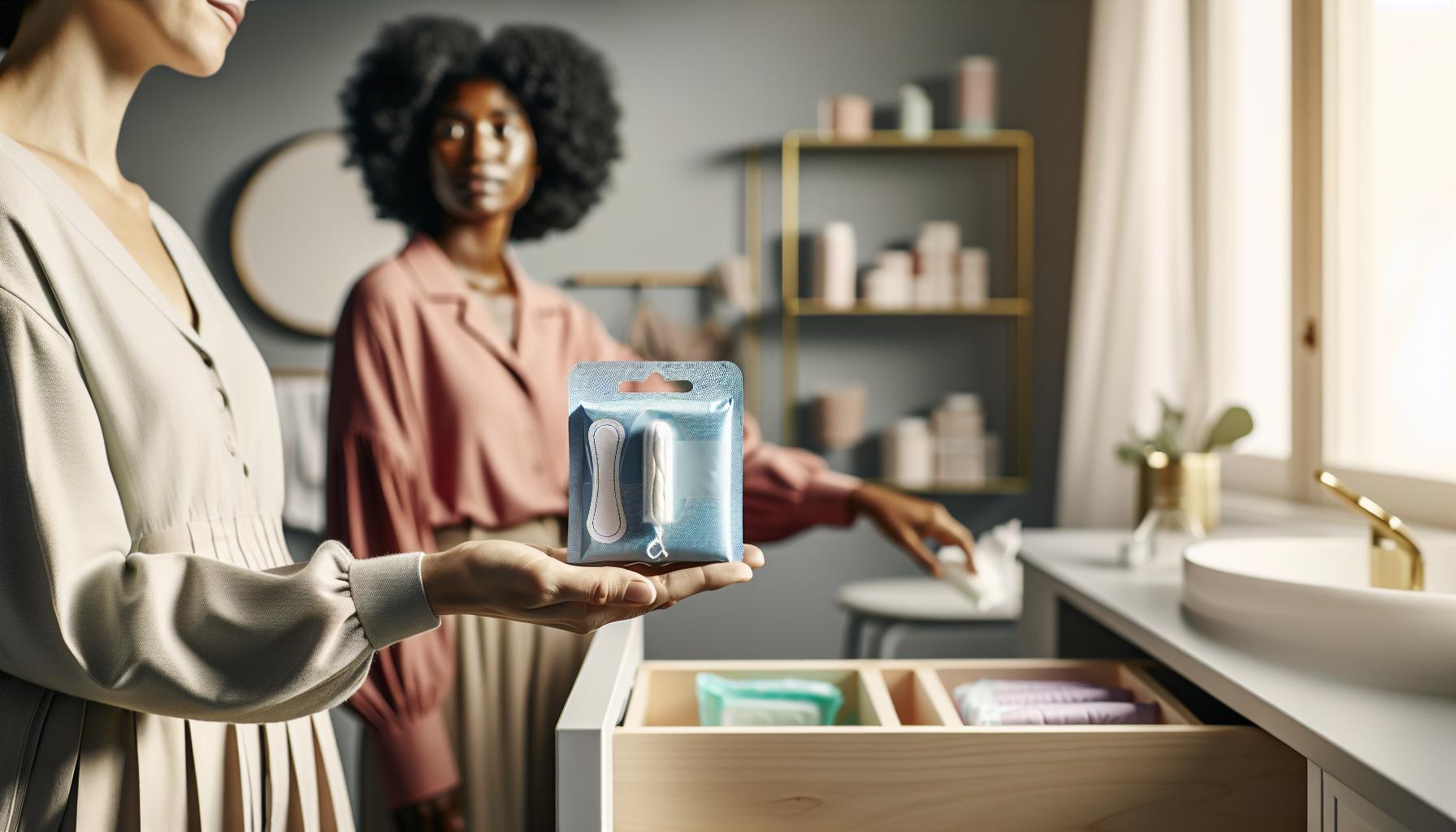
Understanding the safety of period products is imperative, especially in a landscape filled with misconceptions. Many individuals worry about the effects of tampons on fertility, leading to increased anxiety when choosing menstrual products. It’s important to emphasize that tampons are designed with user safety in mind and are regulated to ensure they meet safety guidelines set by health authorities. These regulations require regular testing and monitoring of products to ensure their materials are safe for use.
One of the most crucial aspects of period product safety is understanding the importance of proper usage. Tampons should be changed every 4 to 8 hours, and users should select absorbency levels that match their flow. Using a tampon for longer than recommended can increase the risk of Toxic Shock Syndrome (TSS), a rare but serious condition. However, it’s essential to note that TSS does not imply any long-term effects on fertility, and the connection between TSS and infertility has not been established in scientific research.
When considering the materials used in tampons, consumers may come across concerns regarding chemical additives or synthetic fibers. Most reputable brands utilize cotton or rayon, both of which have been thoroughly researched for their safety in menstrual products. Users can look for certifications from health organizations or choose products labeled as free from harmful chemicals to alleviate concerns. Engaging with healthcare professionals can provide further peace of mind and guidance tailored to individual needs.
In navigating safety guidelines, it’s also vital to empower individuals by promoting a wide range of menstrual products-from pads to menstrual cups and period panties-enabling them to choose what resonates best with their comfort and lifestyle. Open discussions about these options and the science behind them can help demystify myths and foster a supportive community that embraces diverse menstrual health needs.
The Science Behind Tampons and Fertility
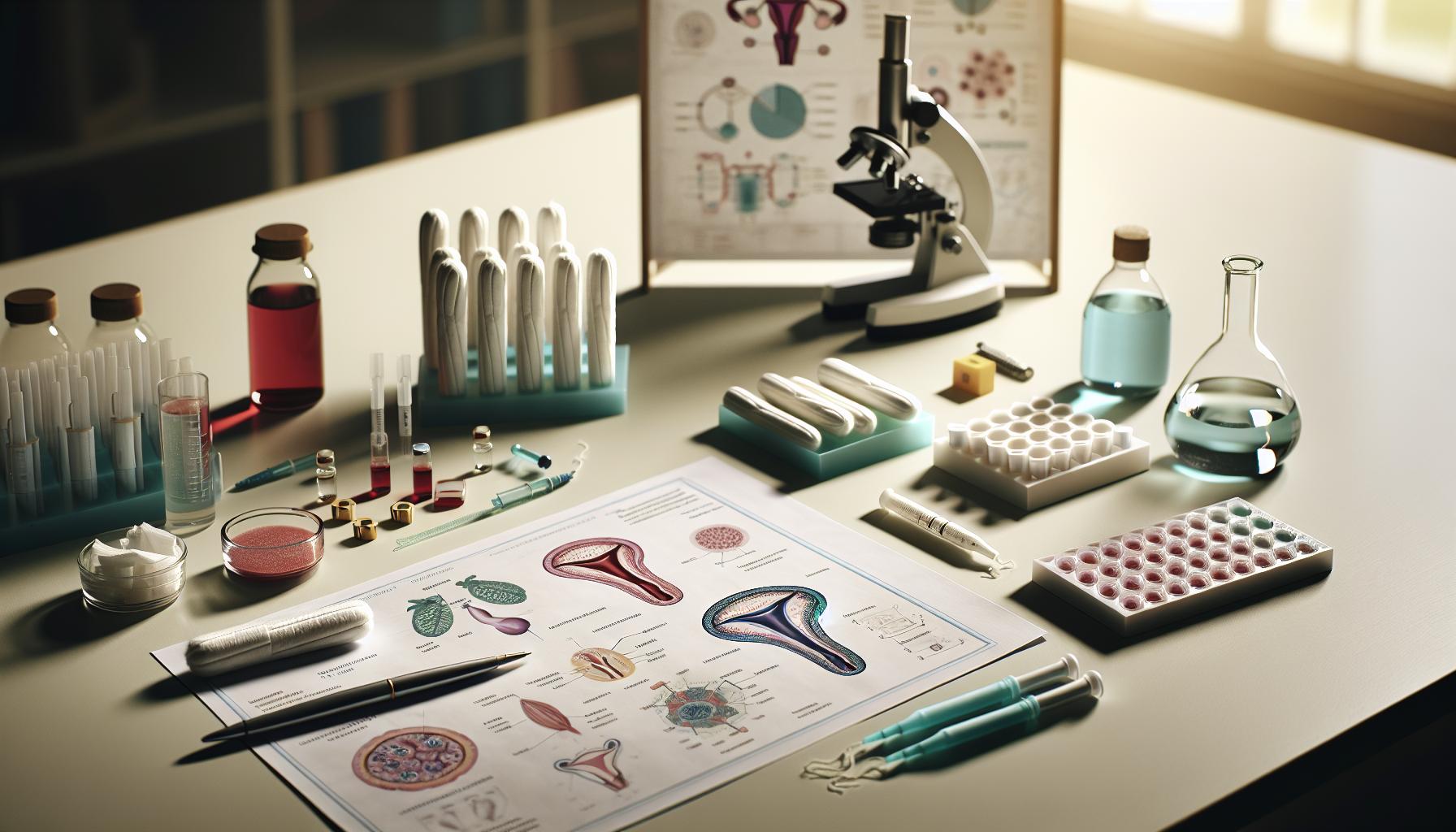
Despite the plethora of myths surrounding menstrual products, the evidence suggests that tampons do not affect fertility. Many people fear that using tampons might lead to infertility issues, but medical research has not established any connection between tampon use and decreased fertility. Tampons are designed to absorb menstrual flow, and when used correctly, they are safe and do not interfere with reproductive health.
It’s crucial to understand how tampons work within the female reproductive system. Tampons absorb menstrual fluid in the vaginal canal, which is separate from the uterus where fertilization and pregnancy occur. Since tampons do not come into contact with the cervix or uterus, there is no physiological mechanism through which they could impact fertility. Instead, the larger concerns surrounding tampons involve issues like Toxic Shock Syndrome (TSS), which, while serious, does not have a link to long-term fertility problems.
Furthermore, concerns about chemicals in tampons, such as dioxins or synthetic fibers, have been shown to be unfounded in reputable research. Most tampons are made from either cotton or rayon, materials that have been extensively tested for safety. Users can opt for certified organic products if they are concerned about chemical exposure, but the consensus among health professionals is that regulated tampon brands are safe and suitable for use.
Understanding these facts can help alleviate anxiety surrounding menstrual products. Users are encouraged to choose the products that best suit their comfort and lifestyle while remaining informed about their safety. Consulting with healthcare providers for personalized guidance can also offer reassurance and support as individuals navigate their menstrual health and fertility concerns.
Common Concerns: Are TSS and Infertility Linked?

Many individuals worry about the potential health risks associated with tampons, particularly the rare but serious condition known as Toxic Shock Syndrome (TSS). It’s important to clarify the relationship between TSS and infertility to alleviate these concerns. The good news is that current medical research shows no direct link between TSS and long-term fertility issues. TSS is primarily caused by certain bacterial infections, and while it can arise from tampon use, this does not have lasting effects on reproductive health.
Understanding TSS can help reduce anxiety around its connection to infertility. When TSS occurs, it is usually characterized by symptoms such as sudden high fever, rash, and low blood pressure, requiring immediate medical attention. It is more closely associated with the use of highly absorbent tampons left in for too long, which can create an environment conducive to bacterial growth in the vaginal canal. The key to minimizing the risk of TSS, while also protecting your fertility, is to follow recommended guidelines for tampon use. This includes:
- Using the lowest absorbency necessary for your menstrual flow.
- Changing tampons every 4-8 hours.
- Alternating between tampons and pads to give the vagina a break.
For those who have experienced TSS, it’s understandable to feel anxious about menstrual products going forward. However, it’s crucial to know that the incidence of TSS is extremely rare, and with proper use, tampons can be a safe and effective menstrual product. If you ever feel uncertain about using tampons, speak openly with your healthcare provider; they can offer personalized advice and reassurance. Being informed allows users to make empowered decisions about their menstrual care, free from the shadows of myths that can cause unnecessary fear.
Analyzing Chemicals in Tampons and Their Effects

Many users express concerns over the chemicals present in tampons and whether these substances could impact fertility. In the quest for safe menstrual products, understanding what goes into these everyday items is crucial. Conventional tampons are often made from cotton or synthetic materials that may be treated with chemicals, including pesticides or bleach, during manufacturing. While these chemicals help produce a hygienic and user-friendly product, there is ongoing scrutiny regarding their long-term effects on reproductive health.
It’s important to note that most research indicates that the chemicals found in tampons are present in such low levels that they do not pose a significant risk to fertility. The primary ingredients in many tampons are cellulose and polypropylene, materials recognized by health regulators. Strict manufacturing guidelines aim to ensure that tampons are safe for use, including limiting exposure to harmful substances. Users should look for brands that prioritize organic materials, which can alleviate some concerns about chemical exposure while still providing effective menstrual care.
Another prevalent query involves the potential connection between chemical exposure from tampons and conditions that may affect fertility, such as endometriosis or pelvic inflammatory disease. However, current evidence lacks a definitive link between tampon use and these disorders. Staying informed and supporting brands that disclose their materials can empower users to make choices aligned with their health philosophies.
To enhance safety and personal comfort, consider the following when selecting menstrual products:
- Choose organic tampons: These are less likely to contain harmful chemicals and pesticides.
- Check for certifications: Look for products that are certified by health standards or verified by independent organizations.
- Be attentive to your body: Pay attention to any reactions or discomforts that could suggest a sensitivity to specific materials.
By making informed choices and prioritizing transparency from manufacturers, users can navigate concerns surrounding tampon safety and fertility with confidence and clarity.
Medical Expert Opinions on Tampon Safety
Many individuals wonder about the impact of tampons on reproductive health, specifically regarding infertility. Experts in reproductive health generally agree that tampons, when used properly, are safe and do not directly cause infertility. According to gynecologists and reproductive endocrinologists, the primary concerns about tampons revolve around the risk of toxic shock syndrome (TSS) and potential chemical exposure from some products, rather than any direct effect on the ability to conceive.
Health professionals advise that it’s essential to choose tampons from reputable brands that adhere to industry safety standards. Many modern tampons are made from cotton or organic materials and undergo rigorous testing to ensure they meet safety guidelines. Some studies suggest that the levels of chemicals found in conventional tampons are minimal and do not pose a significant threat to fertility. However, for those who prefer a more natural approach, opting for organic tampons free of additives can be a reassuring choice.
Moreover, experts highlight the importance of awareness regarding one’s body. Individuals are encouraged to monitor their menstrual health and to consult healthcare providers with any concerns. Symptoms such as unusual pain, excessive bleeding, or signs of infection should never be ignored, as they can indicate underlying issues that may require medical evaluation.
In light of current research, while tampons themselves are deemed safe, remaining informed about menstrual product choices and understanding one’s unique health needs can empower individuals on their reproductive journeys. This proactive approach, combined with regular check-ups and open conversations with healthcare providers, can help address any concerns related to menstruation and fertility.
Alternative Menstrual Products: Safety Comparisons
Choosing the right menstrual product can be a deeply personal decision, shaped by individual preferences, comfort levels, and concerns regarding health and safety. While tampons are widely used and considered safe for most, alternatives exist that offer various benefits and address some common concerns.
Exploring Alternative Menstrual Products
There are several options available in the market that may suit different lifestyles and values:
- Menstrual Cups: These flexible cups are made from silicone or rubber and are inserted into the vagina to collect menstrual flow. Menstrual cups are reusable for up to 10 years, making them cost-effective and environmentally friendly. They can hold more fluid than tampons and are associated with a lower risk of Toxic Shock Syndrome (TSS).
- Menstrual Discs: Similar to menstrual cups, discs are also worn internally but sit higher in the vaginal canal. They offer a discreet option that allows for mess-free intercourse during menstruation. They are typically single-use, but some brands offer reusable options.
- Cloth Pads: For those who prefer a more traditional method, cloth pads are made from natural fabrics and are washable and reusable. They reduce waste associated with disposable products and can be a healthier option as they often lack the chemicals found in conventional pads and tampons.
- Period Underwear: These absorbent undergarments are designed to be worn alone or as backup protection with other products, like cups or tampons. They are available in various absorbency levels and can be washed and reused.
Safety Considerations
When evaluating the safety of these alternatives, it’s crucial to consider factors such as material composition and the environmental impact of usage. Opting for products like menstrual cups or cloth pads that lack chemicals and are biodegradable aligns with many individuals’ health and ethical preferences.
Moreover, safety concerns around TSS apply to menstrual cups too, but the risk is considerably lower than that associated with high-absorbency tampons. Many people find that using non-toxic materials enhances their comfort and peace of mind during their menstrual cycle.
Coping with Change
Transitioning to new menstrual products can take time. It’s perfectly normal to feel some uncertainty or anxiety about trying something new. Begin with a product that seems most comfortable, and give yourself grace to adjust. Listening to your body and observing how different materials affect you can guide you toward the best choice for your personal health journey.
In this evolving landscape of menstrual health, having access to a variety of safe, effective options can empower you to make choices that align with your body’s needs and your lifestyle, supporting both your physical health and your emotional well-being.
User Experiences: Tampons and Fertility Issues
While many women use tampons without issue, some may wonder about the long-term effects on fertility. Anecdotal evidence and personal stories often circulate, leading to concerns about whether these menstrual products could be linked to infertility. It’s essential to separate fact from fiction. Research has not established a direct connection between tampon use and infertility. However, individual experiences can vary, and it’s important to address them thoughtfully.
Many women share their journeys regarding menstruation and fertility struggles. Some express anxiety about using tampons, fearing potential risks that could impact their reproductive health. This apprehension is understandable, especially when coupled with personal stories of friends or relatives facing fertility challenges. While tampons are generally regarded as safe, feeling uneasy about any aspect of reproductive health should prompt an open dialogue with healthcare providers.
For those navigating fertility concerns, it may be helpful to focus on broader aspects of reproductive health. Factors such as hormonal balance, lifestyle choices, and pre-existing medical conditions often play a more significant role in fertility than the menstrual products chosen. Women are encouraged to maintain a healthy lifestyle, seek regular medical check-ups, and explore various menstrual product options that make them feel comfortable and secure.
Moreover, if the potential risk of Toxic Shock Syndrome (TSS) weighs heavily on your mind, consider alternatives to tampons, such as menstrual cups or cloth pads. These products may alleviate concerns while providing effective menstrual management. Ultimately, staying informed and fostering a supportive community can empower women to make informed choices that align with their health and family-building goals.
Coping with Health Anxiety Surrounding Menstrual Products
Navigating the delicate balance of menstrual health and anxiety can be challenging for many women, particularly those grappling with the fear that tampons might adversely affect fertility. It’s important to recognize that health anxiety surrounding menstrual products is common, stemming from both personal experiences and widespread myths. Research has not established any link between tampon use and infertility, but the emotional weight of the uncertainty surrounding reproductive health can feel overwhelming. To effectively cope with these feelings, it’s essential to cultivate a supportive environment and empower yourself with knowledge.
Connecting with others who share similar concerns can be a powerful antidote to anxiety. Joining support groups or online communities where experiences can be shared provides a sense of belonging and normalizes feelings of worry. Additionally, consulting with healthcare professionals about your fears can transform anxiety into informed conversations. Understanding how menstrual products operate and addressing specific concerns, such as the risk of Toxic Shock Syndrome (TSS), may help alleviate some fears. Regular check-ups and open discussions about reproductive health also allow for a broader understanding of factors impacting fertility, focusing less on menstrual products and more on overall health.
Consider practical strategies for easing assumptions about menstrual products. Switching to alternatives-like menstrual cups or cloth pads-might provide a sense of control and reduce anxiety surrounding tampon use. Many women find comfort in these options, especially knowing they may align more closely with personal values or concerns about safety. Mindfulness practices, such as meditation or yoga, can also be beneficial in managing anxiety, reinforcing the idea that it’s okay to feel apprehensive while simultaneously seeking solutions.
Ultimately, acknowledging your anxieties and addressing them through education, support, and exploration of alternative products will empower you. Embrace the journey toward understanding your body and fostering an awareness of reproductive health that honors both your concerns and your aspirations for the future.
Navigating the Myths: What Research Says
Beliefs persist that tampons may affect fertility, often leading to anxiety and confusion for individuals navigating their reproductive health. The reality, supported by medical research, reveals that there is no established link between tampon use and infertility. This myth likely arises from misunderstandings about menstrual products and their effects on the body, compounded by the emotional weight of fertility concerns.
Research consistently indicates that tampons are safe menstrual products when used correctly. The primary health risk associated with tampon use is Toxic Shock Syndrome (TSS), a rare but serious condition linked to specific types of tampons, particularly those with high absorbency. However, TSS does not equate to infertility. The absence of a correlation between tampon use and fertility issues is reinforced by studies showing no adverse reproductive effects from using these products. For most women, the focus on tampon safety should be on proper usage and adherence to guidelines rather than unfounded fears about long-term reproductive health.
It’s crucial to foster open dialogues about menstrual health and educate individuals on safe usage practices, which can alleviate anxiety. Consulting with healthcare professionals and relying on verified data can further empower individuals to make informed choices about their menstrual products. Whether one opts for tampons, menstrual cups, or cloth pads, the key is understanding that alternative products can also be safe and effective.
To dispel common myths, consider joining supportive communities or forums that address these concerns. Sharing experiences can offer comfort and understanding, especially for those who may feel isolated in their worries. Remember, the journey of reproductive health is deeply personal, and finding reliable information will help transform anxiety into knowledge and confidence.
Empowering Choices: Safe Period Product Options
Choosing the right menstrual product can significantly impact comfort and confidence during your period. While tampons are a popular option, it’s crucial to know that there are various safe alternatives available. Each person’s body reacts differently, and exploring these options can help you find the best fit for your unique needs.
Understanding Your Options
When considering alternative menstrual products, it’s essential to understand the different types available:
- Menstrual Cups: Made from silicone or rubber, these cups are inserted into the vagina to collect menstrual fluid. They can be worn for up to 12 hours and are reusable, making them environmentally friendly.
- Menstrual Discs: Similar to cups, disks are flexible and sit higher in the vaginal canal. They can also be worn during intercourse, providing a discreet option.
- Cloth Pads: These are washable, reusable pads made from absorbent fabrics. They come in various sizes and absorbency levels, allowing for customization based on your flow.
- Period Underwear: This innovative product is designed to be worn alone or as a backup to other methods. They are made with special fabrics that absorb fluid, providing comfort and protection.
Factors to Consider
When selecting a menstrual product, it’s important to think about your lifestyle, flow, and any sensitivities. For instance, if you’re active or prefer low-maintenance options, menstrual cups or discs may suit you well. On the other hand, if you lean towards convenience and comfort, cloth pads or period underwear could be the way to go. Additionally, understanding your own cycle and flow can guide you in choosing the right absorbency and type of product.
It’s equally vital to be aware of potential concerns regarding chemicals in menstrual products. While most commercial products are deemed safe, switching to organic options-free from synthetic chemicals and fragrances-can provide peace of mind for those sensitive to additives.
Deciding which menstrual product is best for you can be a journey of self-discovery. Embrace the opportunity to explore various options, listen to your body’s needs, and engage in conversations with friends and support groups. Every journey is personal, and finding the right menstrual product is about feeling comfortable and empowered during your monthly cycle.
Resources for Further Information on Menstrual Health
Understanding menstrual health is vital, especially when it comes to utilizing products like tampons. If you’re seeking comprehensive insight, consider tapping into the following resources that can enhance your knowledge and empower your choices:
Trusted Organizations and Websites
- The American College of Obstetricians and Gynecologists (ACOG): ACOG provides reliable information on menstrual health, including detailed guidance on menstruation and the safe use of menstrual products.
- The U.S. Food and Drug Administration (FDA): The FDA offers up-to-date information regarding tampon safety and proper usage guidelines to prevent health complications, such as Toxic Shock Syndrome (TSS) [[1]].
- Planned Parenthood: This organization focuses on reproductive health and provides resources about menstrual products, infertility, and general reproductive health.
- Menstrual Health Hub: A platform that compiles various resources related to menstrual health, offering insights into products and their implications.
Research Studies and Publications
- Scientific Journals: Journals such as ‘The Journal of Obstetrics and Gynaecology’ often publish studies examining the impact of menstrual products on reproductive health.
- Infertility Awareness Programs: Many fertility clinics offer informational sessions and materials outlining the effects of various menstrual products on fertility, which can provide clarity on common myths.
Online Forums and Support Groups
Engaging with communities can be both supportive and informative. Here are a few platforms to consider:
- Reddit – r/Infertility: This subreddit allows individuals to share personal experiences and ask questions about fertility concerns, including the use of tampons.
- Facebook Groups: Many groups focus on reproductive health issues, offering a space to connect with others who share similar questions and experiences.
These resources can guide you in making informed choices regarding menstrual products and their potential impact on health and fertility. Remember, every body is unique, and finding what works best for you is key to feeling confident and safe during your cycle. If you have ongoing concerns about tampons and fertility, it’s always wise to consult with a healthcare professional who can provide personalized advice and support.
FAQ
Q: Do tampons affect fertility?
A: No, tampons do not affect fertility. They are designed to absorb menstrual flow and do not interfere with reproductive health. It’s important to choose safe and approved products, which can be explored further in the section on menstrual product safety in our main article.
Q: Can using tampons lead to Toxic Shock Syndrome (TSS)?
A: Yes, using tampons incorrectly can increase the risk of Toxic Shock Syndrome (TSS), a rare but serious condition. Always follow usage guidelines, such as changing tampons every 4-8 hours and using the lowest absorbency needed for your flow. Refer to our main article for detailed safety tips.
Q: Are there chemicals in tampons that could harm fertility?
A: Some tampons may contain chemicals like dioxins or synthetic fibers, but regulatory agencies maintain that current tampon products are safe. Checking for organic or chemical-free options can offer additional peace of mind. Explore our section on analyzing chemicals for more information.
Q: What should I consider when choosing menstrual products?
A: Consider factors like absorbency, material, and personal comfort. Some prefer organic or eco-friendly options to minimize chemical exposure. Our article discusses various alternatives and their safety for reproductive health, which can empower your choices effectively.
Q: Are menstrual cups safer than tampons for fertility?
A: Menstrual cups are generally considered safe and can be a healthier option for some users, as they do not contain chemicals like some tampons. They also reduce the risk of TSS. For a safety comparison, see our section on alternative menstrual products in the main article.
Q: Can I use tampons while trying to conceive?
A: Yes, you can use tampons while trying to conceive as they do not affect fertility. If you have concerns about menstrual health and conception, consult with a healthcare provider for tailored advice. Our article offers more insights on tampon use and fertility.
Q: How can I reduce the risk of TSS when using tampons?
A: To reduce TSS risk, change your tampons every 4-8 hours, use the lowest absorbency necessary, and avoid wearing one overnight. Our article provides additional advice to ensure safe usage while you navigate your menstrual health.
Q: What signs indicate I should see a doctor regarding tampon use?
A: If you experience unusual symptoms like high fever, sudden rash, or flu-like symptoms while using tampons, seek medical attention immediately, as these could be signs of TSS. For guidance on tampon-related health issues, refer to our health anxiety section in the main article.
In Conclusion
As we’ve explored, the concerns around tampons and infertility are largely unfounded; safety and proper use are paramount. If you’re looking to deepen your understanding, check out our articles on “Menstrual Product Safety” and “Alternative Period Products” to learn about the best options for your health. Your comfort and knowledge empower your choices, so don’t hesitate to reach out with any lingering questions or to share your experiences.
Stay informed by signing up for our newsletter, where we provide the latest on reproductive health and safety updates. Your journey matters, and we’re here to support you at every step. Remember, explore more of our resources on fertility and health to keep your insights flowing; together, we can navigate this journey!
Get our latest guides, news, and insights highlighted in your Google Search & AI Overviews.