Asexual reproduction, a fascinating biological process, allows organisms to produce offspring without the involvement of a partner. This mode of reproduction is prevalent among simpler life forms, such as single-celled organisms and certain plants, raising the intriguing question: do these offspring share identical traits with their parent? Understanding the nature of asexual reproduction not only satisfies our curiosity about genetic diversity but also sheds light on evolutionary strategies in various species. As we navigate this exploration, consider the implications of similarity and difference in our own lives; just as nature offers varied paths to life, so too do our journeys in family-building reflect the many forms of reproduction and connection. Join us as we delve deeper into whether asexual reproduction truly results in clones or if there’s more complexity at play.
Understanding Asexual Reproduction: Key Concepts
Understanding asexual reproduction opens a fascinating window into the biological processes that can allow organisms to thrive in various environments. Unlike sexual reproduction, where the fusion of gametes from two parents leads to greater genetic diversity, asexual reproduction enables an organism to reproduce independently, resulting in offspring that are genetically identical to the parent. This method, while seemingly straightforward, raises critical questions about genetic variations and adaptability in changing ecosystems.
Asexual reproduction occurs in many forms, including fission, budding, and fragmentation. Fission, commonly observed in single-celled organisms like bacteria, involves the parent cell dividing into two equal halves, each becoming a new organism. Budding, on the other hand, is typical in yeast and certain plants, where a new individual grows from the parent organism and eventually detaches. Fragmentation allows organisms like starfish and some plants to regenerate lost parts, thus creating new individuals. Each of these methods produces clones, highlighting a key feature of asexual reproduction: the resultant offspring maintain the same genetic makeup as their progenitor.
Despite the predictability of producing identical offspring, the potential for genetic variation still exists, mainly through spontaneous mutations. These mutations, while infrequent, can introduce new traits that may help the organism adapt to changing environmental conditions. This highlights a delicate balance – while asexual reproduction typically fortifies genetic uniformity, occasional genetic changes can enhance survival and diversification within a population.
Ultimately, understanding asexual reproduction not only sheds light on the mechanisms of life but also invites contemplation on the implications of identical offspring within ecosystems. The clear similarities among clones can foster rapid population growth under favorable conditions but may expose them to increased vulnerability during environmental shifts or disease outbreaks. This intricate relationship within ecosystems underscores the significance of both reproductive strategies, challenging our perception of life’s complexities and its adaptability.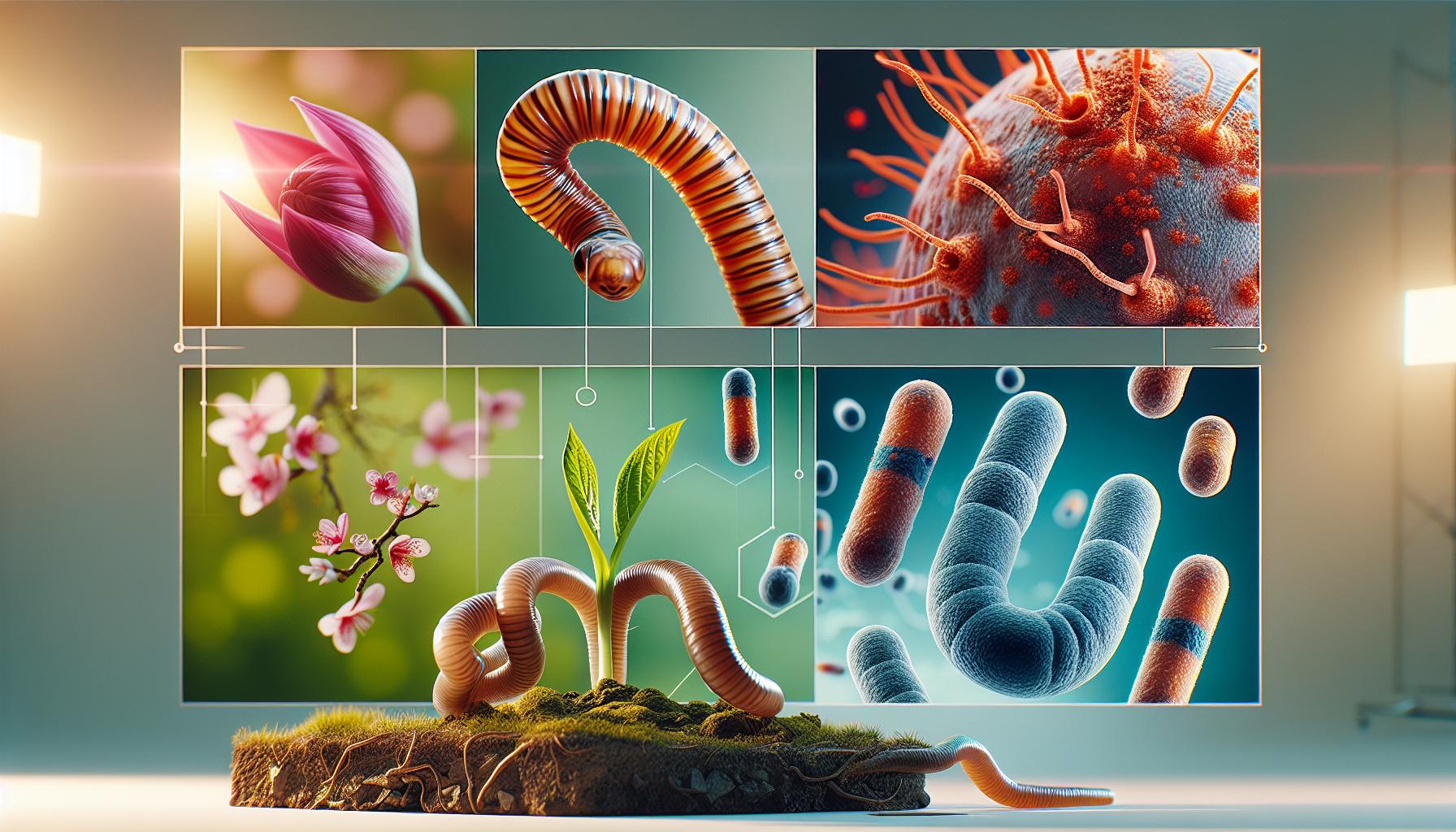
How Asexual Reproduction Differs from Sexual Reproduction
The world of reproduction is complex and fascinating, but at its core lies a fundamental distinction: asexual versus sexual reproduction. Asexual reproduction offers a streamlined approach where a single organism can produce offspring without the need for genetic contributions from another individual. This method, utilized by various organisms, produces duplicates of the parent-clones that maintain the same genetic material. In contrast, sexual reproduction involves the combination of genetic material from two parents, resulting in offspring that are genetically diverse. This genetic variation is vital for the adaptability and survival of species, especially in changing environments.
One clear example of this difference is found in bacteria, which reproduce via binary fission. In this process, a single cell elongates and divides into two identical daughter cells, each a perfect genetic copy of the original. This method allows rapid population growth under stable conditions but lacks the genetic variation that sexual reproduction provides. In contrast, in organisms like humans and many other animals, sexual reproduction involves the uniting of sperm and egg cells, each contributing half of the genetic material to the offspring. This mix leads to a rich tapestry of genetic variability, essential for evolution and resilience against diseases.
While asexual reproduction is efficient and can lead to quick population increases, it also presents the challenge of decreased diversity. A population composed entirely of clones might thrive temporarily, but its identical genetic make-up can leave it vulnerable to environmental changes or outbreaks of disease. For example, if a disease affects one individual, it could potentially wipe out an entire population of clones. In contrast, sexual reproduction fosters genetic diversity, equipping the population with a variety of traits that can enhance survival chances in changing environments.
In summary, the choice between asexual and sexual reproduction reflects a balance between efficiency and adaptability. Understanding these differences not only enhances our appreciation for the diversity of life on Earth but also informs conservation efforts and agricultural practices, especially in an age where adaptability may determine survival.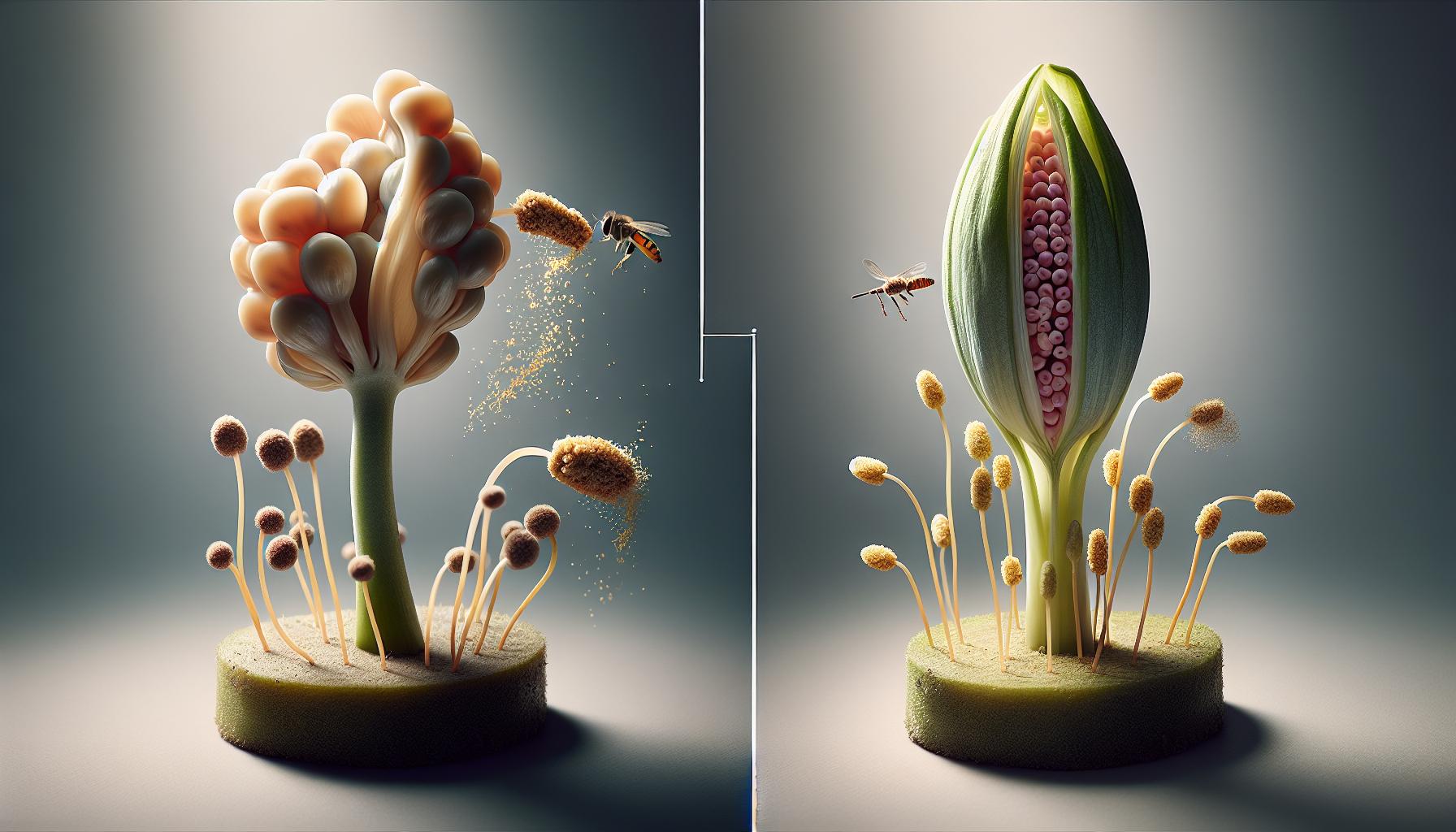
Identical Offspring: The Science Behind Cloning
The phenomenon of identical offspring resulting from asexual reproduction invites both intrigue and complex discussion. In asexual reproduction, organisms replicate autonomously, resulting in offspring that are genetic clones of the parent. This process can occur through various mechanisms such as binary fission, budding, and spore formation, each leading to offspring that share the exact DNA sequence as the parent organism. This remarkable efficiency allows species to thrive in stable environments where adaptability may not be immediately necessary, but it raises questions about the implications of having such genetically uniform populations.
Consider the simple yet fascinating example of bacteria. When they undergo binary fission, a single bacterium divides into two identical daughter cells, ensuring that both retain the parent’s genetic makeup. This method ensures rapid population growth, especially in conducive environments. However, the lack of genetic diversity can pose dangers; uniformity may amplify vulnerability to diseases, as an outbreak that targets one clone may swiftly impact every member of the population. Thus, while identical offspring can efficiently populate a niche, the stability provided by such genetic similarity can become a double-edged sword.
Similarly, in the plant kingdom, methods like vegetative reproduction exemplify how cloning leads to identical offspring. For instance, strawberry plants propagate through runners that give rise to new plants genetically identical to the parent. While this approach allows the quick establishment of colonies, an entire group can be jeopardized by environmental changes or pests, which would typically affect only a portion of genetically varied populations. The question of how to maintain environmental resilience in asexual populations is crucial as we consider conservation strategies and agricultural practices.
Ultimately, the study of identical offspring through asexual reproduction highlights an essential balance in nature: the trade-off between rapid, efficient reproduction and the risk of homogeneity that can jeopardize long-term survival in shifting conditions. Understanding this balance is key as we explore the adaptability of various species and their future in changing ecological landscapes.
Genetic Variation in Asexual Reproduction: Is It Possible?
In the world of asexual reproduction, the idea of genetic variation might seem counterintuitive, as this mode of reproduction typically results in offspring that are clones of the parent organism. However, genetic variation can occur through a few mechanisms, challenging the perception that asexual reproduction strictly leads to identical offspring. One significant source of diversity in asexual populations is mutations-spontaneous alterations in the DNA that can produce slight variations in offspring traits. For instance, if a bacterium undergoes a mutation during replication, the resulting daughter cells may exhibit differences, which could influence their survival in changing environments.
Another important factor that can introduce genetic variability in asexual reproduction is horizontal gene transfer (HGT). This process allows organisms, particularly bacteria, to acquire genetic material from one another, independent of reproduction. Through mechanisms like transformation, transduction, and conjugation, bacteria can gain new traits that enhance their adaptability, such as antibiotic resistance. This exchange of genetic material adds a layer of complexity to our understanding of genetic identity in asexual organisms and demonstrates that while offspring might be genetically similar, they are not necessarily identical.
Moreover, environmental conditions can also influence the extent of genetic variation in asexual populations. For example, if a group of asexually reproducing organisms faces a new predator or a sudden change in their habitat, the surviving individuals may pass on mutations that confer resistance or enhanced survival strategies. This adaptive potential fosters ecological resilience, allowing these populations to thrive even in fluctuating conditions.
Ultimately, while the hallmark of asexual reproduction is the production of genetically identical offspring, mechanisms such as mutations and horizontal gene transfer introduce a dynamic element of variability. This understanding is crucial, as it provides insights into how asexual populations may cope with environmental changes, ensuring their persistence and survival in the ecosystem.
Common Types of Asexual Reproduction Explained
Many organisms utilize asexual reproduction as a means of sustaining their populations, and understanding the methods employed can illuminate how these processes shape their survival and adaptability. Each form of asexual reproduction has its unique characteristics and advantages, allowing these organisms to proliferate efficiently in various environments.
Binary Fission
One of the most common methods is binary fission, primarily observed in unicellular organisms such as bacteria and protozoans. In this process, the organism grows, elongates, and ultimately divides into two equal parts, resulting in two genetically identical daughter cells. This rapid form of reproduction allows bacteria to proliferate quickly under favorable conditions, leading to significant population increases.
Budding
Another intriguing type of asexual reproduction is budding, which is notably seen in yeast and certain colonial organisms like hydra. In budding, a small outgrowth or bud forms on the parent organism. As this bud matures, it eventually detaches, becoming an independent organism. This method allows for the rapid colonization of environments and can be observed in a variety of aquatic habitats.
Vegetative Propagation
Plants also exhibit a form of asexual reproduction known as vegetative propagation, where new individuals arise from the vegetative parts of the parent plant, such as roots, stems, or leaves. Common examples include the production of new plants from runners in strawberries or tubers in potatoes. This method is advantageous for maintaining desired genetic traits in cultivated plants, ensuring that the offspring are genetically identical to the parent.
Fragmentation
Fragmentation is another fascinating form of asexual reproduction, mainly found in certain species of starfish and flatworms. In this process, a parent organism breaks into two or more fragments, each capable of regenerating into a complete organism. This not only allows for population growth but also contributes to the resilience of the species, as they can recover from damage.
By understanding these various methods of asexual reproduction, we gain insight into how organisms adapt, survive, and thrive in diverse ecosystems. The efficiency of these reproductive strategies often means that while the offspring may be identical, the resulting population can still respond dynamically to environmental changes, thanks to mechanisms like mutations and horizontal gene transfer occurring in conjunction with asexual reproduction.
Implications of Identical Offspring in Ecosystems
Identical offspring produced through asexual reproduction can significantly influence ecosystems, particularly due to their uniform genetic makeup. This aspect creates both advantages and challenges for survival. In stable and predictable environments, identical individuals can be highly successful. For instance, a colony of genetically similar coral might thrive in a specific water temperature and salinity, rapidly growing and covering large areas. This attribute allows populations to dominate in suitable habitats, effectively outcompeting diverse, sexually reproducing species that require varying conditions for optimal growth.
However, this uniformity also poses substantial risks. A lack of genetic variation can lead to vulnerability during environmental changes such as shifts in climate or the introduction of new pathogens. For example, when all clones of a plant species are susceptible to a particular disease, an outbreak can decimate entire populations, potentially leading to local extinction. Such scenarios highlight the importance of genetic diversity, as seen in sexually reproducing organisms that can adapt through natural selection. This resilience allows them to cope with challenges, ensuring survival in fluctuating ecosystems.
Additionally, the presence of large populations of identical individuals can affect ecosystem dynamics. The overabundance of one species may disrupt the balance, leading to declines in other native species. For instance, the rapid spread of a certain asexually reproducing weed can choke out native plants, reducing biodiversity and altering habitats. The implications extend beyond mere competition; these dynamics can affect food webs, soil health, and even water systems.
To mitigate these risks, conservation efforts often focus on enhancing genetic diversity within ecosystems. Strategies such as introducing genetically diverse individuals or even encouraging some sexual reproduction among asexual species can be beneficial. These approaches can bolster resilience and adaptability within populations, helping maintain ecological balance and safeguarding diverse communities against potential threats.
Real-Life Examples: Asexual Reproduction in Nature
The world of asexual reproduction is full of fascinating examples that illustrate its effectiveness and the uniform nature of the offspring it produces. One of the most striking cases is the Hydra, a small freshwater organism known for its remarkable regenerative abilities. When cut into pieces, each fragment can grow into a complete, genetically identical individual. This not only showcases the efficiency of asexual reproduction but also raises questions about the potential applications of such regenerative processes in medical science.
Another compelling example can be found in the plant kingdom, particularly with species like the quaking aspen (Populus tremuloides). These trees can reproduce asexually through a process called vegetative propagation, where new trees sprout from the roots of existing ones. In certain locations, entire forests consist of genetically identical aspen trees, sharing the same root system. This phenomenon emphasizes how asexual reproduction enables rapid colonization in suitable environments, allowing aspen trees to thrive in diverse landscapes.
In marine ecosystems, coral reefs present another interesting case. Many coral species reproduce asexually via budding, where new polyps are formed from existing ones. These colonies can grow extensively, leading to vast underwater structures. However, like the previously mentioned examples, this method of propagation can also make them susceptible to environmental stressors. When faced with threats such as climate change or pollution, these genetically uniform colonies struggle to adapt, highlighting both the benefits and vulnerabilities inherent in asexual reproduction.
In recognizing these real-life examples, it’s essential to consider the broader implications of asexual reproduction. While it allows certain species to proliferate quickly and effectively in stable conditions, their lack of genetic diversity can lead to challenges in adapting to changing environments. By studying these organisms, scientists continue to explore the balance between the advantages of rapid reproduction and the necessity for genetic variation to ensure long-term survival in ecosystems.
Myths and Misconceptions About Asexual Reproduction
In the world of asexual reproduction, misconceptions abound that can cloud our understanding of how these fascinating processes work. One common myth is that all offspring produced through asexual methods are completely identical clones of the parent. While it is true that asexual reproduction typically involves a single organism duplicating itself, leading to genetically similar offspring, the story does not end there. Variability can occur due to environmental influences and mutations, introducing subtle differences even among these ostensibly identical individuals.
Moreover, another prevailing myth suggests that asexual reproduction is limited to simple organisms, such as bacteria and single-celled organisms. In reality, many complex organisms, including various plants and some animals, reproduce asexually. For example, plants can propagate through runners or tubers, while some species of jellyfish can reproduce by budding. This highlights the diverse range of life forms utilizing asexual reproduction, showcasing its evolutionary advantages and adaptability.
It’s also important to address the misconception that asexual reproduction is always the easier or more “primitive” choice. While it can be a rapid and efficient means of reproduction under stable conditions, asexual reproduction can leave organisms vulnerable to changing environments. When a population is comprised of genetically identical individuals, a single threat-be it a disease, climate change, or habitat destruction-can affect the entire group. Therefore, while asexual reproduction offers benefits like quick population growth, it may also come with significant risks due to the lack of genetic diversity.
Lastly, some believe that asexual reproduction is entirely devoid of any form of sexual selection or competition. In fact, even in asexual populations, organisms can exhibit competition for resources, and the presence of genetic mutations can create diversity among offspring. This diversity is essential as it can enable populations to adapt over time, paving the way for evolution and survival despite the lack of traditional sexual reproduction. By debunking these myths, we can appreciate the complexities and nuances of reproductive strategies across different life forms.
The Role of Mutations in Asexual Offspring
It might seem surprising, but even in the seemingly straightforward world of asexual reproduction, mutations play a pivotal role in shaping the genetic landscape of offspring. While asexual reproduction typically results in offspring that are genetically nearly identical to the parent, the occurrence of mutations can introduce important variations. These mutations can arise spontaneously during the copying of DNA or as a response to environmental factors, sometimes leading to advantageous traits that may enhance survival and adaptation.
Mutations can manifest in various forms, ranging from single nucleotide changes to larger chromosomal alterations. For example, in asexually reproducing organisms like bacteria, a single mutation can confer resistance to antibiotics, allowing those genetically modified offspring to thrive in challenging conditions. Similarly, certain plant species that propagate asexually can develop mutations that improve their adaptability to environmental stressors, such as drought or soil depletion. These changes, while small on an individual level, can significantly influence the overall resilience and evolutionary trajectory of a population.
Another fascinating aspect is that these mutations may not only enhance survival but also contribute to biodiversity within a population. Since asexual reproduction typically produces clones, the introduction of mutations creates genetic diversity, which is crucial for long-term survival. This diversity can lead to variations in traits such as growth rates, reproductive success, or resistance to diseases, which are essential for populations confronting changing environments.
In essence, while asexual reproduction might suggest a lack of diversity at first glance, the reality is that mutations act as a silent yet potent force, providing avenues for adaptability and evolution. Understanding the complexity of this relationship underscores the importance of recognizing that even in populations with low genetic variation, the presence of mutations can be a critical factor in shaping their future.
Applications of Asexual Reproduction in Agriculture
Asexual reproduction plays a vital role in agriculture, providing efficient methods to propagate crops and enhance food production. This process, wherein a singular parent organism produces offspring that are genetically identical, allows farmers to capitalize on desirable traits from specific plants without the unpredictability associated with sexual reproduction. By relying on methods such as cloning, cuttings, or tissue culture, agriculturalists can ensure consistent yields and quality across their produce.
One compelling application is found in the propagation of fruit trees. For instance, many commercial apple varieties are cloned from a single parent tree using grafting techniques. This method results in the rapid production of plants that bear fruit with the same flavor, texture, and resilience as the parent, ensuring consumer satisfaction and market stability. Similarly, plants like strawberries are often multiplied through runners-stolons that create new plants-allowing for quick expansion in fields while maintaining the desired characteristics of the original plants.
Benefits of Asexual Reproduction in Agriculture
Utilizing asexual reproduction in agriculture provides several crucial benefits, including:
- Uniformity: Asexual reproduction produces offspring that are genetically identical, leading to uniformity in growth and traits. This is particularly valuable for crops that must meet specific market standards.
- Speed: Asexual reproduction methods such as cuttings and tissue culture can significantly reduce the time from planting to harvest. Farmers can achieve quicker returns on their investment, which is essential for meeting consumer demands.
- Preservation of Quality: By cloning high-quality plants, farmers can ensure that the characteristics of desirable varieties are preserved over generations, avoiding the dilution of traits that might occur through traditional breeding.
- Disease Resistance: Certain asexual reproduction methods allow for the selection of plants that exhibit resistance to specific diseases, enhancing overall crop survival and reducing reliance on chemical treatments.
Overall, the strategic application of asexual reproduction in agriculture not only supports efficient food production but also contributes to the sustainability and resilience of farming practices. As agricultural technologies continue to advance, these methods will likely evolve, offering even more innovative solutions to increase productivity while addressing the complexities of global food systems.
Future Prospects: Manipulating Asexual Reproduction for Innovation
Advancements in our understanding of asexual reproduction are paving the way for innovative approaches in various fields, particularly in agriculture and biotechnology. As researchers delve deeper into manipulating the mechanisms and strategies associated with asexual reproduction, the potential to enhance crop yields and resilience grows exponentially. One fascinating aspect is the utilization of techniques like gene editing and biotechnology to optimize the traits of cloned organisms, ensuring that the offspring are not only identical but also superior in quality and adaptability.
The integration of genetic methods, such as CRISPR, has opened up avenues for modifying plants at the genetic level while still adhering to the fundamentals of asexual reproduction. This can lead to plants that are more tolerant to environmental stressors like drought or extreme temperatures, promoting sustainability. For instance, scientists are currently experimenting with creating clones of crops that possess enhanced resistance to pests and diseases, thereby reducing the need for chemical pesticides and supporting more organic farming practices. The rapid propagation of genetically modified crops can provide farmers with the means to produce more food in less time, addressing global food security challenges.
Furthermore, in the realm of horticulture, innovations in tissue culture techniques are allowing for the refined production of plants. These methods facilitate the reproduction of high-value ornamental plants, fruits, and vegetables with specific desirable traits. By focusing on asexual propagation and improving techniques, growers can ensure that each plant not only possesses the desired aesthetic or taste attributes but also displays robust health and vigor. This can lead to increased profitability for farmers as they can cater to niche markets with unique varieties that are consistently high in quality.
In addition to agriculture, the implications of manipulating asexual reproduction extend to conservation efforts. By cloning endangered plant species, conservationists can bolster dwindling populations and restore ecosystems more efficiently. This technique ensures that the genetic integrity of these species is maintained while allowing for the reintroduction of genetically identical individuals into their native habitats.
As we look to the future, the ability to manipulate asexual reproduction promises to revolutionize not only agriculture but also how we approach conservation and food production globally. With ongoing research and development, the innovations in this field will likely enhance our resilience against environmental challenges, improve food security, and preserve biodiversity, all while maintaining the integrity of the science behind asexual reproduction.
Ethical Considerations Surrounding Asexual Reproduction
Ethical discussions surrounding asexual reproduction, especially concerning the production of identical offspring, evoke a myriad of considerations. One of the primary ethical concerns is the concept of biodiversity. While asexual reproduction, including methods such as cloning, can produce genetically identical organisms, the lack of genetic diversity can make these populations more vulnerable to diseases, pests, and environmental changes. When entire species hinge on the success of a few genetically identical individuals, any change in their ecosystem can lead to catastrophic consequences for their survival.
Moreover, the implications extend into agricultural practices. As farmers increasingly utilize genetically modified crops that are propagated through asexual means, ethical questions arise regarding the long-term effects on soil health, local genetics, and traditional farming practices. These modifications may deliver short-term benefits such as higher yields and reduced pesticide use, but the potential risks to ecosystems must be carefully balanced against these gains. Thinking critically about sustainability and long-term agricultural health becomes crucial, as over-reliance on identical crops could threaten the resilience that diverse ecosystems provide.
The ethical landscape also intersects with welfare issues. For instance, in animals where cloning or similar asexual methods are employed, concerns arise regarding their quality of life and health outcomes. Cloned animals often express a higher incidence of health problems and shortened lifespans, raising serious questions about the motivations and responsibilities of those who choose to engage in such practices. This issue of consent is less straightforward in the realm of animals, where the individuals themselves cannot advocate for their own welfare.
Lastly, religious and philosophical considerations cannot be overlooked. Different belief systems and cultures hold varying views on the naturalness and acceptability of manipulating the reproductive processes of living beings. Engaging with these views is crucial for a comprehensive ethical discussion, ensuring that all perspectives are respected and considered in the ongoing dialogue surrounding asexual reproduction’s applications and implications.
Addressing these ethical considerations requires a thoughtful and nuanced approach, fostering a balance between innovation and respect for life and ecological integrity. Engaging in proactive discussions and involving diverse stakeholders is essential for equitable and responsible advancements in this field.
Frequently asked questions
Q: Does asexual reproduction always produce identical offspring?
A: Yes, asexual reproduction typically results in offspring that are genetically identical to the parent organism. This process, such as binary fission or budding, does not involve the mixing of genetic material from two parents, leading to clones of the original organism.
Q: How does genetic variation occur in asexual reproduction?
A: While asexual reproduction generally leads to identical offspring, genetic variation can occur due to mutations. These spontaneous changes in DNA can result in slight differences between the parent and offspring, often impacting adaptation and survival.
Q: What are some examples of organisms that reproduce asexually?
A: Many organisms reproduce asexually, including bacteria, amoebas, starfish, and certain plants like dandelions and strawberries. Each utilizes methods like fission, budding, or vegetative propagation to create genetically identical offspring.
Q: What are the advantages of asexual reproduction?
A: The main advantages include the ability to produce large numbers of offspring quickly and without the need for a mate. This efficiency allows organisms to rapidly exploit available resources or recover from population declines.
Q: Are there any downsides to producing identical offspring through asexual reproduction?
A: Yes, the primary downside is a lack of genetic diversity, which can make populations more susceptible to disease and environmental changes. If a disease affects one individual, it can rapidly impact the entire population.
Q: Can asexual reproduction lead to significant evolutionary changes?
A: While asexual reproduction usually produces identical offspring, evolutionary changes can occur over time through accumulated mutations. These random genetic changes may eventually lead to new traits or species if environmental pressures favor them.
Q: How does asexual reproduction differ from sexual reproduction regarding offspring?
A: Asexual reproduction results in genetically identical offspring, while sexual reproduction combines genetic material from two parents, leading to greater genetic diversity. This variation enhances adaptability and resilience in changing environments.
Q: What role do mutations play in asexual reproduction?
A: Mutations introduce genetic variation in otherwise identical offspring produced through asexual reproduction. These changes can result from environmental factors or errors during DNA replication, potentially leading to new traits beneficial for survival.
Future Outlook
In conclusion, asexual reproduction indeed leads to offspring that are typically identical to the parent, producing clones that share the same genetic material. This unique mode of reproduction offers remarkable efficiency and is vital for the survival of many organisms, from single-celled bacteria to various plants and animals. If you’re fascinated by the intricacies of reproduction, don’t miss exploring more about types of asexual reproduction, such as binary fission and budding, in our detailed articles.
Curious to learn how sexual reproduction contrasts with asexual methods? Check out our content on “Sexual vs. Asexual Reproduction” for an in-depth understanding. Also, consider signing up for our newsletter for the latest insights on biological sciences and to stay informed about new articles and guides. Don’t hesitate to share your thoughts or questions in the comments below-let’s keep the conversation going! Your journey into the wonders of biology continues here!
Get our latest guides, news, and insights highlighted in your Google Search & AI Overviews.