The Loop Electrosurgical Excision Procedure (LEEP) is a common treatment for removing abnormal cervical cells, but many women wonder about its potential impact on fertility. Understanding this connection is crucial for those planning a family or facing fertility challenges. While LEEP is generally safe, it’s natural to have concerns about long-term effects-especially when considering the emotional weight of the fertility journey. In this article, we’ll explore the risks associated with LEEP and clarify whether this procedure could affect your ability to conceive. By addressing these questions, we aim to provide you with the information and support you need as you navigate this important aspect of your reproductive health. Keep reading to find out what the latest research says and how it may relate to your own experiences and future family plans.
Understanding LEEP and Its Purpose
The Loop Electrosurgical Excision Procedure (LEEP) is a critical intervention used to identify and treat abnormal cervical cells, often a precursor to cervical cancer. By utilizing a thin wire loop heated by electric current, LEEP enables healthcare providers to excise targeted tissue from the cervix, allowing for both diagnosis and treatment in a single procedure. This technique offers an effective means to not only remove precancerous cells but also to monitor and maintain cervical health, facilitating ongoing reproductive health for women.
Given the potential implications of LEEP on fertility, it’s essential to approach this procedure with thoughtfulness and awareness. For many, the journey to parenthood is already fraught with emotional weight, and the introduction of a medical procedure can evoke feelings of anxiety or uncertainty. It’s crucial to understand that while LEEP is designed to protect and preserve cervical health, concerns regarding its impact on fertility arise from the emotional nature of family planning. Women may question if the tissue removal could lead to difficulties in conceiving or carry the risk of preterm birth in future pregnancies.
Support gentleness and validate the real concerns surrounding infertility and the potential outcomes of cervical treatment. Open conversations with healthcare providers can be pivotal; expressing worries and exploring what LEEP entails not only in terms of medical risk but also emotional experiences fosters a supportive environment. For instance, discussing timelines for recovery and the likelihood of subsequent pregnancies can empower women to make informed decisions about their health and family-building paths. This kind of compassionate dialogue not only alleviates anxiety but also reinforces understanding that seeking treatment like LEEP is a proactive step in ensuring long-term health and well-being.
Ultimately, understanding the purpose and implications of LEEP is foundational for women navigating changes in their reproductive health. Such clarity produces informed, supportive pathways forward, allowing women to focus on their fertility goals with hope and confidence.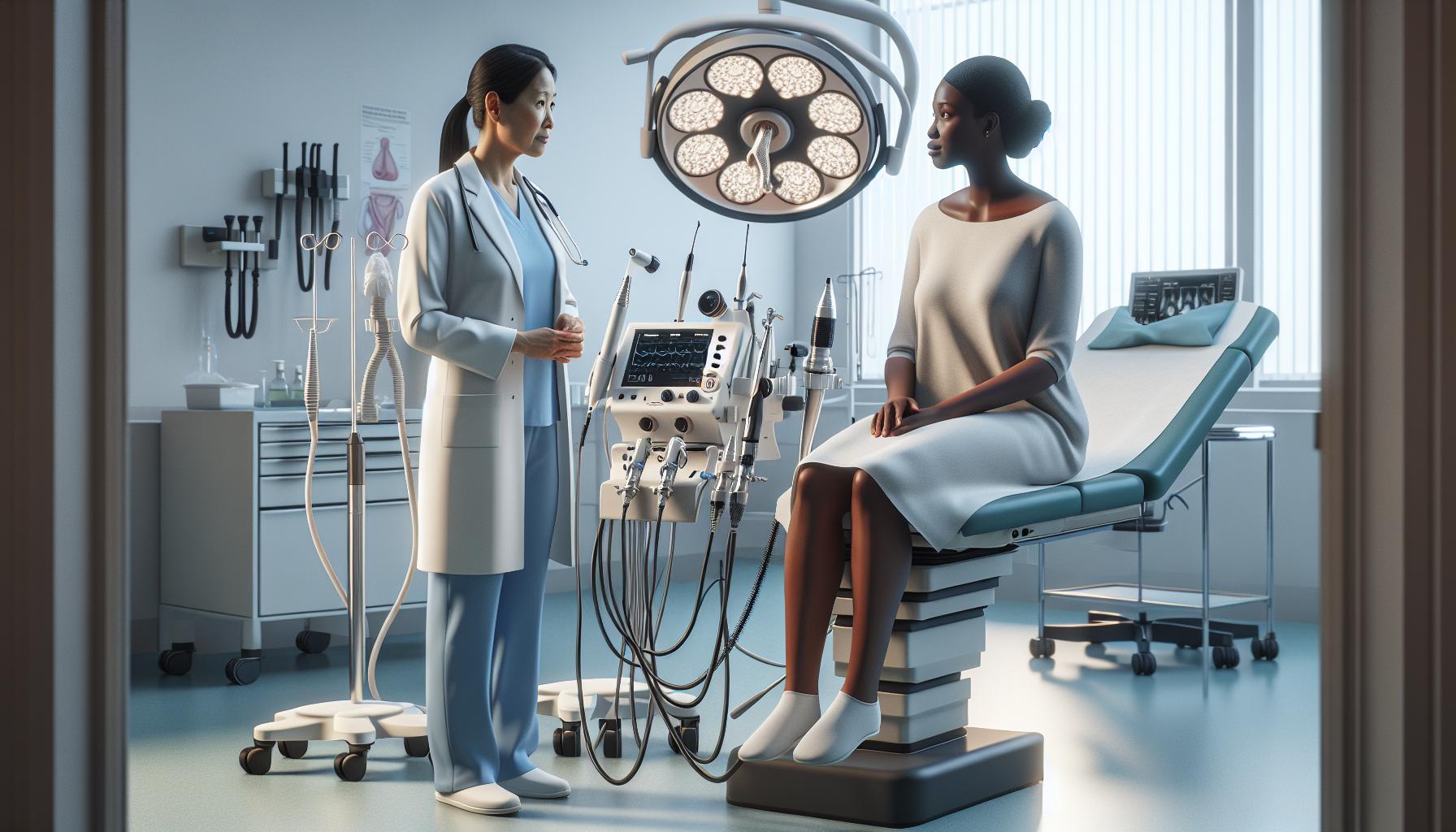
The Link Between LEEP and Infertility Concerns
Many women facing a LEEP (Loop Electrosurgical Excision Procedure) often harbor concerns about its potential effects on fertility. Understanding this link is crucial in navigating the emotional landscape surrounding reproductive health. While LEEP is designed to treat abnormal cervical cells that could lead to cancer, the prospect of undergoing this procedure can stir anxiety, particularly among those who wish to conceive in the future.
Research suggests that while LEEP may carry some risks, such as the possibility of cervical incompetence (which can lead to preterm labor in subsequent pregnancies), the overall impact on fertility is generally minimal for most women. Several studies have indicated that many women who have had LEEP go on to conceive and carry healthy pregnancies to term. It’s essential to recognize that surgical interventions like LEEP are often necessary to prevent more severe health issues. For women contemplating future pregnancies, discussing potential risks and benefits with a healthcare provider can provide clarity and reassurance.
It’s normal to feel apprehensive about the potential implications of LEEP, including fears about infertility. Acknowledging these feelings and addressing them through open dialogue with your healthcare team can help mitigate some of the emotional burden. Asking specific questions about recovery timelines, the likelihood of complications, and what to expect in future pregnancies can empower you to make informed decisions about your reproductive health. Remember, a compassionate healthcare provider can be a valuable ally on this journey, helping to navigate both the medical and emotional aspects of treatment.
In sum, while the connection between LEEP and infertility exists, it is often manageable. Being proactive in understanding this procedure and its implications can alleviate fears and promote a more hopeful outlook for future family planning.
Research Findings: LEEP’s Impact on Fertility
Research involving the Loop Electrosurgical Excision Procedure (LEEP) has shown mixed findings regarding its impact on fertility. A significant number of studies reveal that while LEEP is often necessary for treating abnormal cervical cells and preventing cervical cancer, the procedure tends to have a minimal effect on a woman’s ability to conceive and carry a pregnancy to term. Experts generally agree that although there are risks such as cervical incompetence, which may contribute to complications in future pregnancies, most women who undergo LEEP can still expect successful outcomes in subsequent pregnancies.
Many healthcare practitioners highlight that the percentage of women experiencing fertility challenges post-LEEP is relatively low. In fact, a number of studies indicate that around 80% of women who have undergone the procedure go on to achieve successful pregnancies. This encouraging statistic showcases the resilience of the female reproductive system and underscores the necessity of carefully weighing the benefits of LEEP against the potential risks. For many, the procedure is pivotal in safeguarding long-term health and fertility by addressing potential issues early on.
It’s imperative for women to engage in thorough discussions with their healthcare providers to understand the spectrum of risks associated with LEEP. Practical questions might include inquiries about recovery times, future pregnancy monitoring, and even how to optimize fertility post-procedure. Each woman’s journey is unique, and acknowledging feelings of anxiety or uncertainty is a crucial part of the process. Such open conversations can illuminate the path ahead, provide comfort, and help in formulating an effective action plan for family planning.
In summary, while concerns regarding LEEP’s role in fertility are valid and warrant consideration, many women continue to enjoy successful pregnancies after the procedure. This reality can be a source of hope for those navigating these challenges-emphasizing the importance of a supportive healthcare relationship in managing both medical and emotional well-being.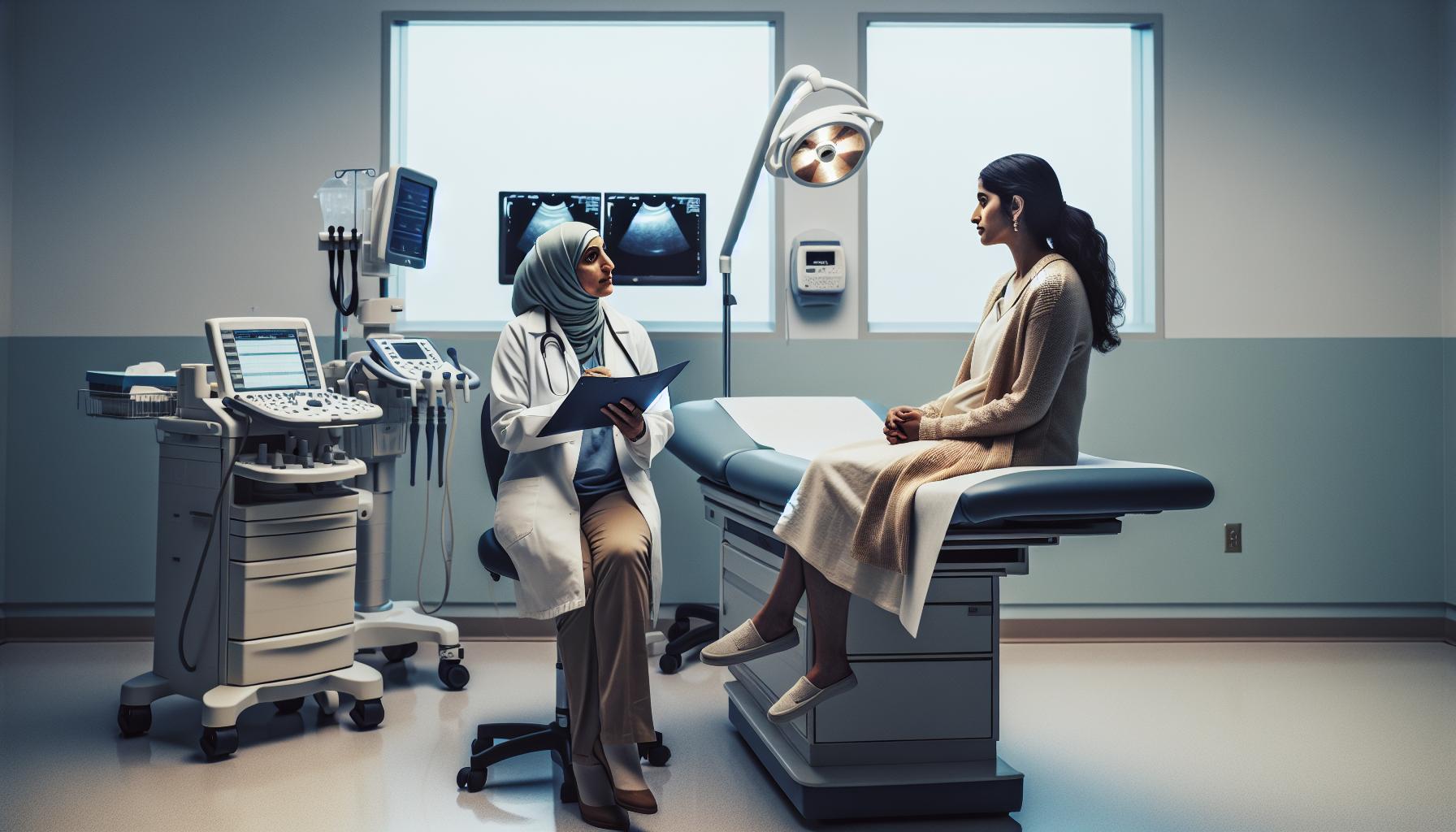
Cervical Health Risks Associated with LEEP
Undergoing a Loop Electrosurgical Excision Procedure (LEEP) can be a daunting experience, particularly for women who are concerned about their cervical health and future fertility. While LEEP is a common and effective treatment for cervical dysplasia, it carries certain risks worth discussing. Understanding these risks can empower you to make informed decisions about your health and family planning.
One of the primary concerns associated with LEEP is the potential for cervical incompetence. This condition occurs when the cervix weakens and opens prematurely during pregnancy, which can lead to complications such as preterm delivery or miscarriage. Research indicates that the risk of cervical incompetence increases with the volume of cervical tissue removed during the LEEP procedure. Women should have open discussions with their healthcare providers about how much tissue will be excised and the implications of that decision.
Another risk to consider is the possibility of infection following the procedure. As with any surgical intervention, there is a chance of infection that can lead to more serious complications. Post-LEEP, women are often advised to avoid tampons, sexual intercourse, and swimming for several weeks to minimize this risk. These precautionary measures can help maintain cervical health while allowing time for healing.
A less common but serious concern is the potential for future cervical cancer screenings to yield less reliable results. The changes made to the cervical structure during LEEP can complicate Pap tests, making it crucial for women to remain vigilant in their follow-up appointments. Regular monitoring and clear communication with healthcare providers can help ensure that any abnormal changes are detected early.
In navigating these risks, consider keeping an open dialogue with your doctor about your emotional and physical health post-LEEP. Approaching this conversation with questions such as “What symptoms should I watch for?” or “How will we manage future pregnancies?” can help tailor your care to your personal health landscape. Remember, it’s okay to seek reassurance and clarification as you prioritize your cervical health and overall fertility.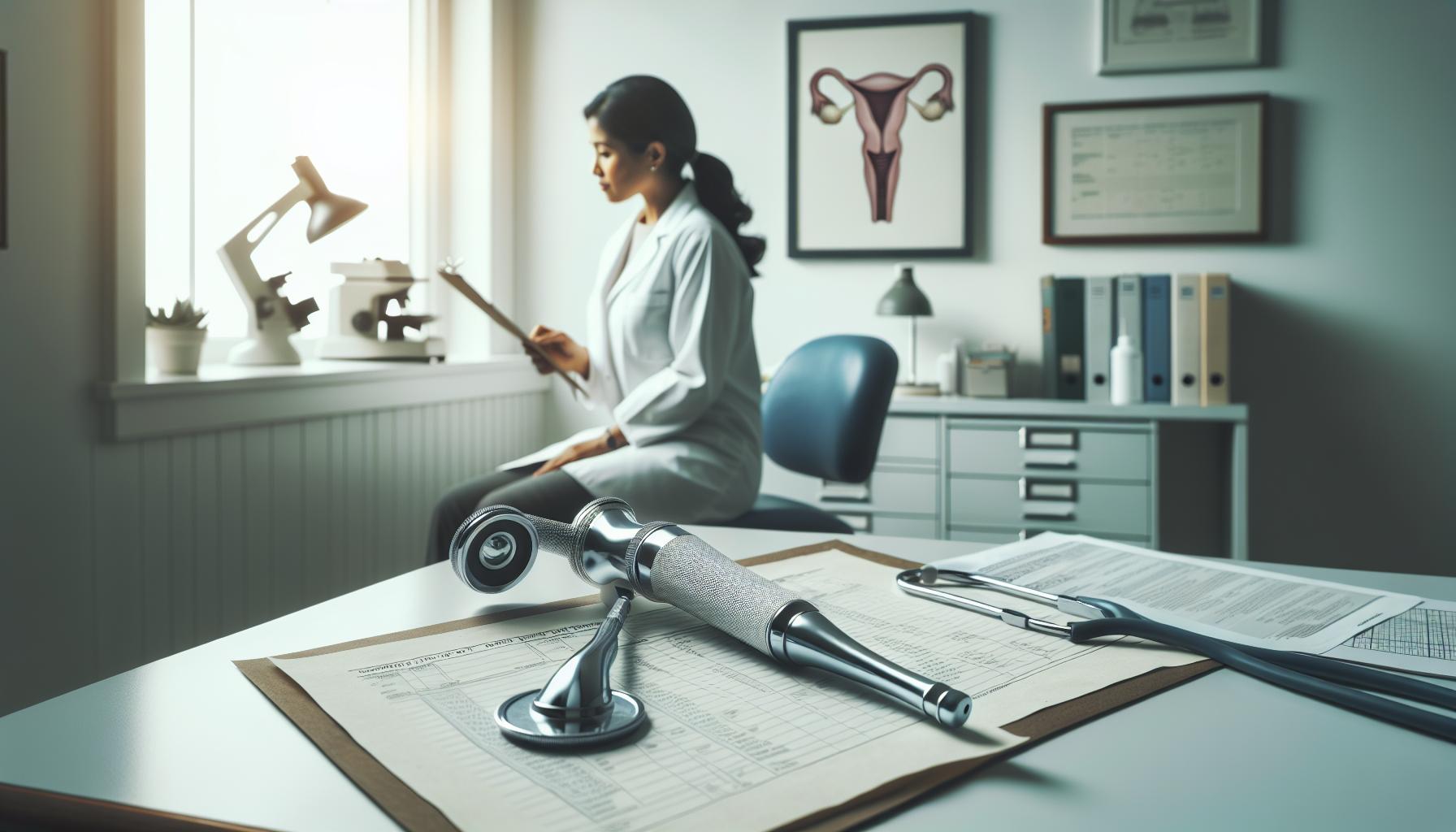
What to Expect During a LEEP Procedure
Undergoing a Loop Electrosurgical Excision Procedure (LEEP) involves several important steps and considerations that can help you feel more prepared and less anxious. One of the first things to understand is that the procedure is specifically designed to remove abnormal cervical cells diagnosed during a pap smear or related exams. Before the procedure, you will have a detailed consultation where your healthcare provider will explain what to expect, address any concerns, and discuss your fertility intentions moving forward.
On the day of the procedure, you will typically be asked to arrive at the clinic or hospital with a full bladder, which can help with visualization of the cervix. Once you’re in the procedure room, you will be positioned comfortably, and the area will be cleaned. Depending on your comfort level, local anesthesia may be administered to minimize any discomfort during the excision of the tissue. It’s entirely normal to feel a mix of emotions, including anxiety and relief. Sharing these feelings with your healthcare provider can be beneficial, and they may provide additional support or resources.
The LEEP itself usually takes about 10 to 20 minutes. Your healthcare provider will use a thin wire loop heated by electrical current to remove the targeted cervical cells. You may feel a slight tugging sensation, but significant pain should not be expected. After the procedure, you will be monitored briefly to ensure you are stable before being discharged. It’s crucial to follow post-procedure instructions carefully, which often include avoiding tampon use, sexual intercourse, and swimming for a few weeks to allow proper healing. Make sure to schedule a follow-up appointment to monitor your recovery and discuss any lingering questions or concerns about your fertility health.
While the journey through LEEP can feel overwhelming, approaching the experience with knowledge and support can lead to a smoother process. Building a relationship with your healthcare provider and voicing your concerns can empower you as you navigate your reproductive health.
Recovery After LEEP: What to Know
After undergoing a Loop Electrosurgical Excision Procedure (LEEP), the recovery phase is crucial for both physical healing and emotional well-being. The procedure itself removes abnormal cervical cells, and your body needs time to adjust and heal. Acknowledging that this journey can be a mix of hope and anxiety is important; understanding what to expect during recovery can alleviate some of that stress.
In the initial days following LEEP, you may experience some spotting or light bleeding, which is completely normal. It’s advisable to avoid heavy lifting, strenuous exercise, and sexual intercourse for at least two weeks as your cervix heals. You might also be surprised to learn that avoiding tampons and vaginal douching during this time is recommended to reduce the risk of infection. Staying hydrated, maintaining a balanced diet, and getting adequate rest can also support your recovery.
Remember that follow-up appointments are essential to monitor your healing process and any potential concerns regarding future pregnancies. It’s important to communicate openly with your healthcare provider about any unusual symptoms, such as heavy bleeding, severe pain, or signs of infection, to address them promptly.
For those navigating emotions after a LEEP, it’s perfectly normal to feel a mix of relief and uncertainty regarding future fertility. Many individuals find comfort in connecting with support groups or speaking with a counselor who specializes in reproductive health. Celebrate small milestones in your recovery, and allow yourself the time to process your feelings without judgment. The path to family-building can be unique and complex, so taking it one step at a time, while honoring your emotions, can lead to a more positive experience.
Alternative Treatments for Cervical Abnormalities
Exploring options beyond LEEP can empower women facing cervical abnormalities with choices that align with their health goals and values. While LEEP is a common procedure for removing abnormal cervical cells, not every individual may find it suitable for their needs, particularly if they are concerned about potential impacts on fertility. There are several alternative treatments available, each with unique benefits and considerations.
Colposcopy and Biopsy
Colposcopy is often recommended as a first step when abnormalities are detected in Pap smears. This procedure allows doctors to closely examine the cervix using a special magnifying instrument called a colposcope. If any suspicious areas are identified, a biopsy can be performed to collect tissue samples for further analysis. This method can be less invasive and may help avoid more extensive surgical options if the abnormalities are minimal.
Cryotherapy
Cryotherapy involves freezing abnormal cervical tissue to destroy it. This technique can effectively treat mild to moderate dysplasia and is typically performed in a doctor’s office. One of the appealing aspects of cryotherapy is its quick recovery time compared to LEEP, as it often requires minimal downtime and no general anesthesia. Patients can usually resume normal activities shortly after the procedure.
Laser therapy
Laser therapy uses focused light beams to target and vaporize abnormal areas of the cervix. This alternative can be precise and is often employed for larger or more visible lesions, as it minimizes damage to surrounding healthy tissue. However, like any procedure, it carries risks and may require local anesthesia. Discussing the specifics with your healthcare provider will help ensure it’s a safe option given your medical history.
Watchful Waiting
In some cases, especially when dealing with low-grade abnormalities, doctors may recommend a watchful waiting approach. Regular follow-up exams and Pap tests can help monitor changes in cervical health without immediate intervention. This can be a suitable option for younger women or those not yet ready to conceive, allowing their bodies time to clear the abnormalities naturally.
Engaging with your healthcare provider about these alternatives is crucial. Ask questions about the benefits, risks, and success rates of each option based on your specific circumstances. It’s important to prioritize your health and comfort throughout this process, as each woman’s journey is unique and deeply personal.
Coping with Anxiety About LEEP and Fertility
Understanding the emotional complexities surrounding procedures like LEEP (Loop Electrosurgical Excision Procedure) is crucial, especially when fertility is a concern. Many women experience anxiety not only about the procedure itself but also about how it might affect their ability to conceive in the future. This apprehension can be heightened by the unknowns of fertility health and the desire to build a family. It’s important to acknowledge these feelings and provide a supportive framework for navigating them.
Start by recognizing that feeling anxious is a completely normal response. It can help to talk about your fears with someone who understands reproductive health, whether it’s a medical professional or a support group. Engaging with those who have shared similar experiences can provide comfort and reduce feelings of isolation. Consider joining online forums or local support groups focused on cervical health and reproductive issues. These spaces allow for open discussions about LEEP’s implications and emotional support.
When addressing specific concerns about fertility post-LEEP, gather information on the procedure’s risks. Studies indicate that while LEEP has been associated with some reproductive challenges, many women go on to conceive successfully afterwards. Discuss these findings with your healthcare provider to get a personalized understanding of your situation. This knowledge can empower you, transforming anxiety into proactive steps toward family planning.
Lastly, take time to celebrate small milestones and progress in your journey, whether it’s successfully completing the LEEP procedure or having a follow-up appointment that shows promising results. Validate your feelings throughout this process; it’s a journey that is uniquely yours, often with undefined paths and timelines. Each step, whether towards conception or considering alternatives, is part of a broader journey that deserves recognition and support.
Making Informed Decisions: Questions to Ask Your Doctor
When preparing for a conversation with your doctor about the Loop Electrosurgical Excision Procedure (LEEP), it’s vital to approach it with a clear and open mindset. You might feel a mix of emotions, from anxiety about the procedure to concerns about how it might affect your fertility. Asking the right questions can empower you and help address any uncertainties you may have.
Start by inquiring about the specific reasons for recommending LEEP in your case. For instance, ask, “What are the abnormal cells that were found, and how do they affect my health and fertility?” Understanding the context of your diagnosis can clarify the necessity of the procedure. Follow up with questions about the potential risks involved, such as, “What is the likelihood of complications, and specifically, how might this affect my ability to conceive in the future?” Having information from your healthcare provider can help you gauge the procedure’s implications.
Additionally, it’s essential to discuss your fertility plans while being open about your concerns. Questions like “How soon can I try to conceive after the LEEP procedure?” or “Are there specific monitoring steps I should take post-procedure if I want to get pregnant?” can facilitate a productive dialogue. Furthermore, consider asking about alternatives to LEEP if you have strong reservations about the procedure, such as “Are there non-surgical options available that could address my cervical health?” This will not only inform your decision-making process but also provide reassurance that you are exploring all possible avenues.
Lastly, don’t hesitate to express your feelings about the emotional aspects of this journey. Let your doctor know if you are feeling anxious or overwhelmed. Phrasing your concerns with empathy, like “I am worried about how this might impact my future family plans-can you provide support or resources for managing these feelings?”, can foster a more compassionate response. Remember that these discussions are crucial not just for your medical care, but for your overall emotional well-being during this challenging time.
Patient Stories: Experiences with LEEP and Fertility
Hearing personal stories from those who have undergone the Loop Electrosurgical Excision Procedure (LEEP) can provide valuable insights into how this procedure impacts fertility and overall reproductive health. Many women find themselves navigating a wide array of emotions before and after LEEP, from fear and uncertainty to hope and empowerment.
One woman shared her experience of having LEEP due to abnormal cervical cells. She was initially apprehensive about her fertility but learned through her doctor’s guidance that many women go on to conceive successfully after the procedure. “I remember feeling a weight lift when I was told that my chances of getting pregnant were still good,” she recounted. This sense of relief can be crucial, as it often helps women focus on healing and planning their futures rather than dwelling on fears about infertility.
Another participant mentioned her struggle with anxiety following LEEP. She faced the daunting prospect of trying to conceive and felt overwhelmed by potentially conflicting information. To cope, she sought out support groups which not only affirmed her feelings but also connected her with others facing similar challenges. “Hearing that I wasn’t alone made a world of difference. Sharing stories with other women helped me realize how resilient we are,” she noted.
It is also essential to recognize that experiences vary significantly. Some women reported complications post-LEEP that made subsequent pregnancies more challenging, while others found that the procedure had little to no impact on their ability to conceive. The key takeaway is that each journey is unique, and validating these experiences fosters a sense of camaraderie and hope.
For those preparing for their own LEEP procedure, hearing these genuine stories can be both comforting and enlightening. Empowering yourself with knowledge about potential outcomes can help alleviate anxiety as you navigate this critical moment in your health journey. Seeking the advice of healthcare professionals, coupled with support networks, could significantly enhance your chances of not only recovering well but also embracing the possibility of pregnancy in the future.
Post-LEEP Monitoring: Importance and Guidelines
Regular monitoring after a LEEP (Loop Electrosurgical Excision Procedure) is essential for ensuring cervical health and addressing any potential complications. The procedure can be a pivotal moment in your reproductive health journey, and understanding how to navigate the post-operative landscape is crucial. Women often wonder what symptoms to watch for and when to consult their healthcare provider, emphasizing the importance of maintaining an open dialogue with your medical team.
Importance of Post-LEEP Monitoring
Post-LEEP monitoring serves several vital purposes:
- Detecting Complications: Regular check-ups can help identify possible complications such as infection, excessive bleeding, or abnormal healing.
- Assessing Cervical Health: Follow-up appointments typically include Pap smears or HPV testing to monitor cervical changes and ensure that any remaining abnormal cells are addressed promptly.
- Guiding Future Fertility Plans: Understanding your cervical health post-LEEP is critical if you plan on trying to conceive, as it directly relates to your ability to carry a pregnancy to term.
Recommended Monitoring Schedule
Most healthcare providers recommend a follow-up appointment within 4 to 6 weeks after the procedure. Depending on individual circumstances, subsequent checks may be scheduled at the 6-month and 1-year marks. Staying on this schedule can alleviate anxiety over potential issues and provide reassurance about your recovery journey.
What to Discuss with Your Healthcare Provider
When attending your follow-up appointments, consider discussing the following:
- Your symptoms: Share any unusual bleeding, pain, or discharge you may be experiencing.
- Your fertility concerns: Ask about how LEEP may affect your future pregnancy plans.
- Results of any tests: Clarify what your Pap or HPV results mean for your health moving forward.
Monitoring after a LEEP procedure goes beyond routine checks; it becomes a supportive space to express your feelings, uncertainties, and hopes about the future. Building a trusting relationship with your healthcare provider can help empower you during this critical time, reminding you that your health and peace of mind are the top priorities.
Exploring Future Pregnancy After LEEP
The journey toward pregnancy after a LEEP (Loop Electrosurgical Excision Procedure) can evoke a mix of hope and apprehension. It’s important to recognize that many women have successfully conceived after this procedure, though navigating the path to pregnancy may involve some considerations. Regular follow-up appointments and open communication with your healthcare provider are key components in this process.
For women planning to conceive post-LEEP, understanding any potential impacts on cervical health is vital. The cervix plays an essential role in maintaining pregnancy, and having a trusted medical team can help monitor cervical integrity through Pap smears and HPV tests. These assessments are designed to ensure that any healing is progressing as expected and that there are no lingering abnormal cells which could complicate future pregnancies.
In addition to physical health, the emotional aspects of trying to conceive after LEEP can be significant. Many women may experience anxiety about their fertility status or concerns about whether they can carry a pregnancy to term. It’s essential to foster a supportive environment where these feelings can be discussed openly. Connecting with a fertility specialist or a support group can be beneficial in addressing these uncertainties and providing resources and encouragement.
Moreover, if difficulties arise in conceiving, there are various family-building options available, including IVF or adoption. Each path comes with its own timeline, emotional journey, and potential costs, so understanding your choices and having supportive networks can make the experience less daunting. Every step toward realizing your dreams of parenthood matters, and there are many paths available to reach that goal.
FAQ
Q: Can LEEP affect future pregnancies?
A: Yes, LEEP can potentially affect future pregnancies. Some studies suggest that it may increase the risk of complications like cervical incompetence, which can lead to premature labor. Consult your doctor to discuss individual risks based on your situation and to receive appropriate monitoring during pregnancy.
Q: What are the long-term effects of LEEP on fertility?
A: Long-term effects of LEEP on fertility are generally minimal for most women. While there is some concern regarding cervical health, research indicates that many women conceive naturally after the procedure. Regular follow-ups and monitoring help ensure your cervical health remains optimal for pregnancy.
Q: How does LEEP compare to other cervical procedures in terms of infertility risk?
A: When comparing LEEP to other cervical procedures like cryotherapy or laser treatments, LEEP has similar or slightly higher risks of cervical complications. However, the overall fertility rates post-procedure remain high for most women. Discuss these options with your healthcare provider to determine the best approach for your situation.
Q: Are there specific cervical conditions post-LEEP that could lead to infertility?
A: Certain cervical conditions can arise after LEEP, such as cervical stenosis or scarring, which may affect fertility or pregnancy. It’s crucial to have regular check-ups and voice any concerns to your healthcare provider to manage these risks effectively.
Q: What symptoms should I watch for after a LEEP procedure that might indicate complications affecting fertility?
A: After a LEEP procedure, monitor for unusual symptoms like heavy bleeding, severe pain, or unusual discharge. These may indicate complications that could impact fertility. Reach out to your healthcare provider if you experience any of these symptoms for guidance.
Q: When is it safe to try to conceive after a LEEP procedure?
A: Most doctors recommend waiting at least 3 to 6 months after LEEP before trying to conceive. This allows for proper healing and evaluation of cervical health. Always consult with your healthcare provider for personalized advice based on your recovery.
Q: How can I prepare for pregnancy after having a LEEP procedure?
A: To prepare for pregnancy post-LEEP, maintain regular follow-ups with your doctor, focus on a healthy lifestyle, and manage any existing health issues. Discuss any fertility concerns directly with your healthcare provider to ensure optimal care before conception.
Q: What resources are available for women concerned about LEEP and infertility?
A: Women concerned about LEEP and its effects on fertility can access support groups, informational websites, and consult healthcare professionals for tailored advice. Consider visiting sections on coping with anxiety and making informed decisions in your comprehensive health article as a starting point for additional support.
Wrapping Up
As we’ve explored, understanding the risks of LEEP is crucial for making informed health decisions. While concerns about infertility are valid, the evidence suggests that most women experience minimal long-term effects on their fertility after the procedure. Now that you have clarity, take your next step with confidence. If you’re considering options for family planning or have lingering questions about fertility health, don’t hesitate to reach out for personalized guidance or explore our resources on related topics such as IVF and artificial insemination.
Empower yourself with knowledge-join our newsletter for the latest insights on reproductive health, or check out our detailed guides on coping with infertility and navigating treatment options. Remember, you’re not alone on this journey. Connect with others by sharing your experience or asking questions in the comments below. Your path to understanding and family-building continues here; let’s make it a meaningful one together!
Get our latest guides, news, and insights highlighted in your Google Search & AI Overviews.