Did you know that the reproductive strategies of mammals and birds span a fascinating continuum of complexity? Understanding how avian and mammalian reproductive systems compare sheds light on the diverse ways life perpetuates itself across species. Whether you’re curious about the varying egg-laying habits of birds or the intricate gestation processes found in mammals, this exploration is essential, especially for those invested in the broader implications for conservation, species survival, and even human reproductive health. While both systems share fundamental biological principles, they also reflect unique adaptations to their environments and lifestyles. As we delve into this topic, you will uncover insights that not only satisfy your curiosity but also enrich your understanding of life’s remarkable diversity and resilience. Let’s embark on this enlightening journey together!
Comparative Overview of Mammalian and Avian Reproductive Systems
Birds and mammals exhibit fascinating differences in their reproductive systems, shaped by their evolutionary paths and ecological niches. A key distinction is in their reproductive anatomy: mammals typically possess two functional ovaries, enabling them to produce multiple eggs through a process influenced by complex hormonal cycles, while most avian species have only one functional ovary-usually the left-leading to a more streamlined reproductive system. This anatomical difference allows for a greater investment of energy in fewer eggs for birds, which complements their unique reproductive strategies.
Fertilization methods further differentiate the two groups. Mammals predominantly employ internal fertilization, which occurs inside the female, ensuring greater protection for the developing embryo. In contrast, birds also rely on internal fertilization but have adapted to external egg-laying. This strategy results in clutch sizes ranging from a few to several eggs, depending on the species. The incubation of these eggs, notably, requires various environmental conditions that birds must meet, often leading to the development of elaborate nesting behaviors.
The developmental timelines also markedly differ between mammals and birds. Mammalian gestation periods vary widely, from a few weeks to several months, tailored to the needs of the young, while birds typically go through shorter incubation periods that last anywhere from 10 days to a month. This ensures that hatchlings are relatively independent sooner, allowing birds to potentially raise multiple broods in one season.
Parental care is another area where these groups diverge. While many mammals invest significant time and resources in nurturing their young, including milk production, birds exhibit a range of parental strategies, from the highly attentive care of species like the Emperor Penguin to others that may abandon their young post-hatching. These differences are reflective of their evolutionary adaptations and environmental pressures, highlighting the variety of reproductive strategies that exist in nature.
Across reproductive health challenges, both birds and mammals face issues such as genetic disorders, infections, and environmental hazards that can impact reproductive success. Rising concerns about conservation also loom large, as human activities threaten the reproductive rates and habitats of many endangered species. Ongoing research into these aspects is crucial for developing strategies to protect and enhance the reproductive health and survival of both mammals and birds, shedding light on their complex reproductive biology and the delicate balance of ecosystems.
Key Differences in Anatomy and Structure
The anatomical structures of mammalian and avian reproductive systems showcase remarkable adaptations tailored to their respective modes of reproduction. Mammals typically have two functional ovaries, which allow them to produce a multitude of eggs through a cyclical hormonal process. This dual ovary system accommodates a greater capacity for egg production, essential for their strategy of internal fertilization and extended gestation periods.
In stark contrast, birds generally possess a single functioning ovary, usually located on the left side of the body. This anatomical feature is not merely a reduction but a highly efficient adaptation that supports their reproductive strategy of laying eggs. By investing energy into fewer, higher-quality eggs, avian species like chickens or eagles can ensure that each egg has a better chance of survival. The streamlined structure of the avian reproductive system also includes a left oviduct, which is integral in the formation and protection of eggs as they develop.
### Reproductive Anatomy Comparisons
When we examine the male reproductive systems, both groups feature specialized structures for sperm production. Males of both mammals and birds have testes; however, a critical difference lies in where sperm matures. In mammals, sperm maturation occurs in the epididymis, whereas in birds, it takes place within the ductus deferens. This distinction can affect the storage capabilities and timing of sperm release during mating seasons.
- Ovary Structure: Mammals have two functional ovaries, while birds typically have one.
- Egg Production: Mammals produce multiple eggs but have extensive gestation periods; birds lay fewer eggs but often have shorter incubation times.
- Sperm Maturation: In mammals, sperm matures in the epididymis; in birds, maturation occurs in the ductus deferens.
While these anatomical differences may seem subtle, they reflect deep evolutionary pathways that directly influence reproductive strategies and parental investment. Understanding these distinctions not only sheds light on reproductive health in both animals but also informs conservation efforts, especially in the context of species threatened by habitat loss and environmental changes. The complexities of these systems highlight the astonishing variety of evolutionary solutions to the reproductive challenges faced by both mammals and birds.
Fertilization Methods: Internal vs. External
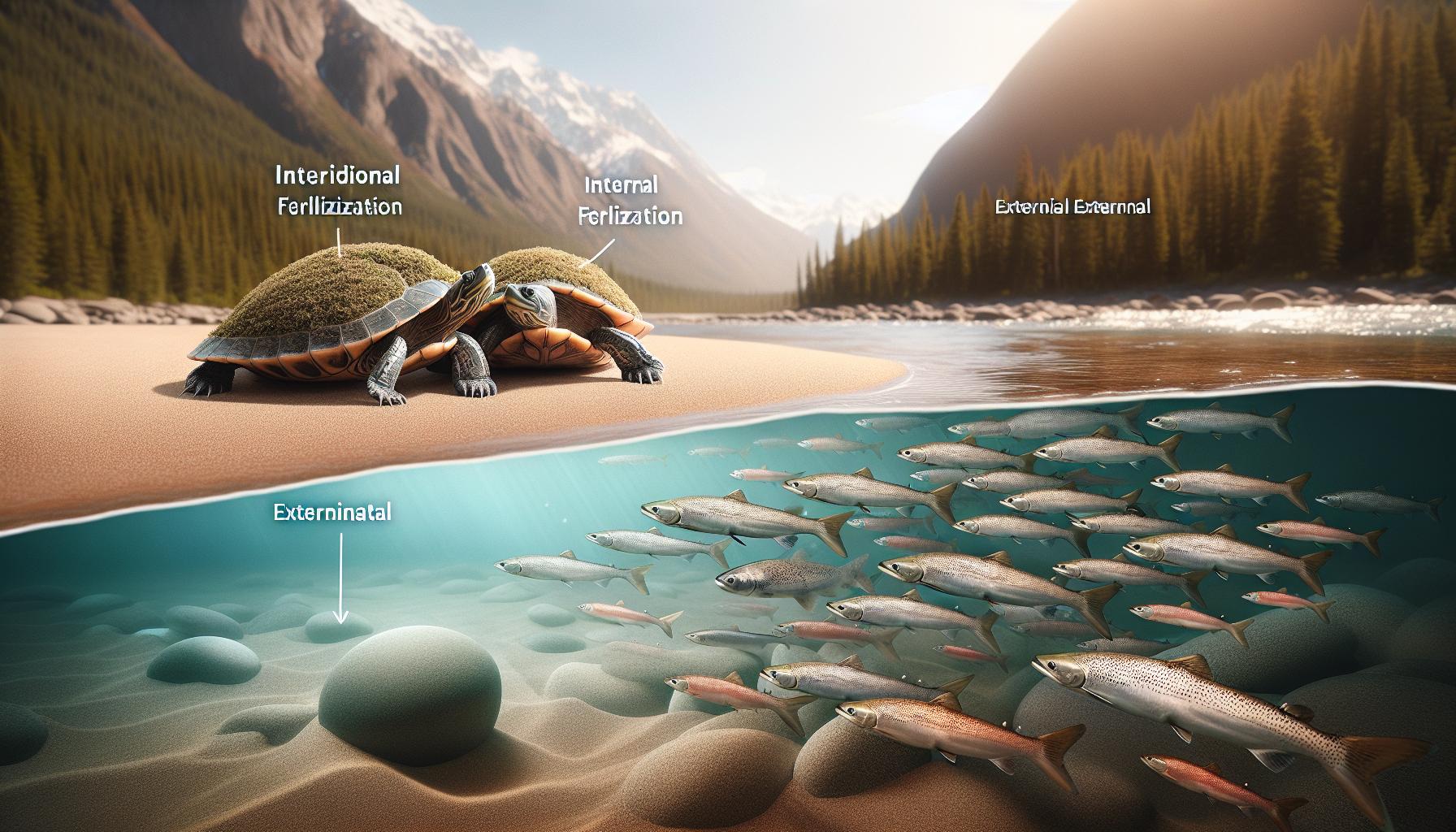
Mammals and birds exhibit distinct reproductive strategies that are primarily defined by their methods of fertilization. Most mammals utilize internal fertilization, where a sperm cell fertilizes an egg within the female’s body, culminating in gestation. This process provides several advantages: it protects the developing embryo from environmental hazards and allows for nutrient exchange directly from the mother. For example, in species such as humans, the fertilized egg implants in the uterus, forming a rich connection that supports the embryo’s growth for several months until birth.
In contrast, birds have evolved to rely on external fertilization, usually achieved when the male deposits sperm onto the egg as it is laid or shortly afterward. This process not only differs in timing but also requires the female to provide a protective shell and the necessary incubation environment for the eggs. Some birds, like ducks and chickens, have intricate mating behaviors that ensure the sperm reaches the ovum at just the right time. The advantages here include the ability to produce multiple eggs efficiently, a common strategy among many bird species.
Implications of Fertilization Methods
The implications of these differing fertilization methods extend beyond conception. Internal fertilization in mammals, for instance, typically leads to fewer offspring but allows for a higher investment in parental care and protection as the young grow inside the mother. Birds may lay larger clutches but often invest less time in each individual egg after laying, reflecting their reliance on the egg’s inherent defenses and environmental conditions for survival.
- Mammals: Internal fertilization leads to extended parental care, resulting in fewer offspring.
- Birds: External fertilization allows for larger clutches but often entails less direct care once eggs are laid.
Understanding these reproductive methods offers insight into the evolutionary paths that mammals and birds have taken, influencing not only species survival but also their ecological interactions and parental strategies. This exploration reveals not just the biological mechanics of reproduction but also the diverse adaptations that enable different species to thrive in their environments.
Gestation and Incubation: Timeframes and Processes
The journey of developing new life differs significantly between mammals and birds, grounded in their unique reproductive strategies. In mammals, gestation periods can vary widely, from as short as 21 days in some rodents to as long as 660 days in the case of the African elephant. During this internal gestation, the embryo forms within the uterus, where it is nourished through the placenta, allowing for complex and extended development before birth. The interior womb environment provides a safe haven, where the developing young can grow with protection from environmental factors, and the mother can provide direct nutritional benefits to the embryo through her blood supply.
In contrast, birds undergo the process of incubation externally. After laying eggs, birds typically incubate them in nests, which can range from simple ground depressions to intricately built structures. The duration of incubation varies by species, lasting anywhere from about 11 days in some smaller birds to over 80 days in larger species like the albatross. During this period, it’s crucial for the parent birds to maintain an appropriate temperature, generally achieved through body heat, and ensure the eggs are regularly turned to promote even development. Unlike mammalian gestation, the parents must rely on external conditions, including environmental temperatures and the safety of their nests to support the embryos’ growth.
These differences in gestation and incubation timeframes and processes influence parental strategies as well. Mammals often invest heavily in fewer offspring, enabling extensive postnatal care, which is vital for nurturing the young through their early, vulnerable stages. Birds, while often having larger clutches, may have less individual care for each chick once they hatch, which underscores their reliance on instinctual survival skills.
Understanding these processes can provide deeper insight into how species adapt to their environments and what this means for their survival, development, and overall reproductive success. This knowledge can also help navigate challenges in conservation efforts and animal husbandry, as recognizing the needs and timelines of various species is essential for effective management and support strategies.
Egg Development: Mammals vs. Birds
The development of eggs in mammals and birds showcases the fascinating diversity of reproductive strategies in the animal kingdom. While both groups share the core purpose of producing offspring, the ways in which they develop their eggs highlight critical differences in strategy, environment, and biology. In mammals, the process of egg development culminates in live birth, while in birds, it results in the laying of eggs which will later hatch into chicks.
In mammals, the journey begins with internal fertilization, where sperm fertilizes the egg within the female reproductive tract. The fertilized egg, or zygote, implants itself in the uterus, and from this point, the embryo develops over several stages, supported by the placenta. This structure is vital, as it provides nutrients and oxygen while removing waste, allowing for a complex and nurturing environment. Mammalian gestation can vary significantly, with shorter periods in smaller species and much longer ones like those found in elephants, leading to the birth of a well-developed, albeit vulnerable, young.
In contrast, birds exhibit a completely different approach to reproduction. After internal fertilization, the female birds produce eggs that encapsulate the developing embryo within a hard calcium-rich shell. The transition from a fertilized egg to a hatched chick involves an external incubation period where the parents maintain the necessary environmental conditions. Egg development in birds occurs outside the mother’s body, and during incubation-lasting from as few as 11 days in quail to over 80 days in albatrosses-parents must vigilantly provide warmth and safety. This reliance on external factors for development emphasizes a critical adaptation in avian species.
This divergence not only highlights the evolutionary adaptations of mammals and birds but also influences parental care strategies. Mammals typically provide extensive care post-birth, which fosters a longer bond between mother and offspring. Birds, while they may lay larger clutches of eggs, often exhibit varied levels of nurturing after hatching, depending on the species’ ecological needs and survival strategies. Understanding these fundamental differences in egg development enriches our knowledge of reproductive biology and the unique challenges faced by each group in their evolutionary journey.
Parental Care Strategies in Mammals and Birds

Parental care reflects the complex strategies that mammals and birds use to ensure the survival of their offspring, guided by evolutionary adaptations and ecological needs. This aspect of their reproductive systems is as diverse as the species themselves, varying significantly in approach and duration.
In mammals, the bonding process starts well before birth. The mother undergoes development linked to hormonal influences that prepare her for nurturing. After birth, mammals typically invest extensive resources into their young. For instance, species such as elephants and humans not only provide sustenance but also care that fosters social structures and learning. Mothers nurse their young, providing not only nutrition but vital antibodies that protect against diseases. This close-knit relationship allows for learning and emotional bonding, critical for species with prolonged maturation periods.
In contrast, bird parental care strategies are notably different, primarily shaped by their reproductive methods. After laying eggs, birds exhibit a range of behaviors from thorough incubation to attentive feeding once the chicks hatch. Some species, like the Emperor penguin, demonstrate remarkable dedication by keeping their eggs warm during harsh conditions, while also alternating responsibilities with their partners. Others may lay a larger number of eggs, ensuring that some survive even if environmental conditions are less than ideal. This strategy illustrates the varied approaches birds take, balancing between quantity and quality of care, driven by their ecological adaptations.
Key Differences in Parental Care
- Nurturing Pre-Birth vs. Post-Hatching: Mammals often provide care during gestation, nurturing the embryo through placental support, whereas birds primarily focus their care after the eggs are laid.
- Duration of Care: Mammal offspring usually require extended care which may last from a few months to several years, while many birds focus their energy on the critical early weeks following hatching.
- Teaching and Development: Mammalian young often learn survival skills from their parents over an extended period, while many birds must quickly become self-sufficient, though some species engage in complex learning from their parents.
Mammals demonstrate intricate emotional bonds with their young, creating a supportive environment that fosters long-term survival and social learning. Birds, less directly nurturing after hatching, rely on instinctual behaviors to care for their young, but their strategies are equally impressive and tailored to their environmental contexts. Understanding these differences not only enriches our grasp of their evolutionary paths but also highlights the varying challenges each group faces in protecting their offspring.
Reproductive Strategies: Reproductive Frequency and Clutch Size

Mammals and birds exhibit stark differences in their reproductive strategies, particularly in terms of reproductive frequency and clutch size. These differences not only reflect their evolutionary adaptations but also align with their ecological niches and parenting styles. Understanding these strategies can provide insights into the broader implications for species survival and population dynamics.
Birds generally display a higher reproductive frequency compared to mammals. Many bird species can raise multiple broods within a single breeding season, which can be influenced by factors such as food availability and environmental conditions. For instance, a typical songbird may produce two or three clutches per year, varying from one egg to over a dozen in a single clutch, depending on the species and environmental circumstances. This strategy enables birds to maximize their reproductive output, allowing some offspring to survive even in challenging conditions, thereby increasing the overall survival rate of the species.
In contrast, mammals typically have lower reproductive frequencies and clutch sizes. Most mammals give birth to one or two offspring at a time, although there are exceptions like the porcupine or the swine that may have larger litters. This lower reproductive rate is often compensated by a longer gestation period, during which the mother invests significant resources in developing her young. For example, elephants have a gestation period of nearly two years, resulting in a strong parental investment in each offspring. The nurturing process significantly increases the chances of survival for their young but limits the frequency of reproduction.
The interplay between reproductive frequency and maternal investment shapes the survival strategies of both groups. Birds tend to adopt a more “quantity over quality” approach, while mammals typically focus on fewer offspring but provide extensive care. These reproductive strategies not only influence individual species’ survival but also impact the stability of ecosystems, as different reproductive rates contribute to population dynamics and biodiversity. To understand the complexities of these strategies, it’s essential to consider the ecological pressures each group faces and how these pressures shape their reproductive behaviors and outcomes.
Recognizing and celebrating the unique reproductive strategies of mammals and birds enriches our understanding of their ecological roles. By appreciating their distinct approaches to reproduction, researchers and conservationists can better address the challenges these species face, particularly in the context of environmental changes and habitat loss.
Hormonal Influences on Reproduction in Both Groups

The intricacies of reproduction in mammals and birds are profoundly influenced by hormones, which regulate a variety of essential processes from mating behaviors to parental care. Understanding these hormonal influences can reveal not only how different species reproduce but also why they adopt specific reproductive strategies that align with their environments.
In mammals, various hormones play pivotal roles throughout the reproductive cycle. Estrogen and progesterone are critical for managing the menstrual cycle, ovulation, and pregnancy. For instance, during the reproductive phase, estrogen promotes the thickening of the uterine lining in preparation for a potential embryo, while progesterone helps maintain that lining if pregnancy occurs. Interestingly, studies show that stress levels can affect these hormonal balances, demonstrating how external factors impact fertility and reproductive success.
Birds, on the other hand, primarily rely on the influence of testosterone and prolactin during the breeding season. Testosterone is vital for courtship behaviors and nest-building, enhancing males’ physical attributes and aggressive behaviors to attract mates. Prolactin, often dubbed the “parenting hormone,” increases during incubation and is instrumental in motivating parental care in both sexes. Remarkably, studies show that when parental care is absent, prolactin levels can drop, affecting the success of offspring.
Both groups exhibit diverse adaptations in their hormonal responses to environmental cues, employing these biological signals to optimize reproductive success. For instance, environmental stressors like food scarcity can influence hormone levels, leading to altered breeding seasons or even skipped reproductive cycles altogether. This resilience is essential for navigating the often unpredictable nature of their respective habitats.
By illustrating how hormones shape reproductive strategies in mammals and birds, we can appreciate the delicate balance of biology, behavior, and environment. This understanding not only enriches our knowledge of species-specific reproductive systems but also provides insight into conservation efforts aimed at protecting these diverse forms of life.
Evolutionary Adaptations in Reproductive Systems
The diversity of reproductive systems in mammals and birds showcases remarkable evolutionary adaptations tailored to their specific environments and lifestyles. These adaptations not only serve to maximize reproductive success but also ensure the survival of offspring in a variety of habitats. One fascinating aspect is how each group has evolved distinctive strategies for gestation, parental care, and egg development, all influenced by ecological pressures.
Mammals exhibit a wide range of reproductive strategies, from marsupials that give birth to relatively underdeveloped young to placental mammals that nourish their embryos during a prolonged gestation period. This variation allows species to thrive in environments where resources may be scarce or where maternal care can significantly enhance offspring survival. For example, the long gestation of an elephant (up to 22 months) provides the developing fetus with more time to grow and prepare for the challenges of life outside the womb, while the swift reproductive turnaround in small rodents allows them to quickly adapt to population pressures.
Conversely, birds have evolved a distinct reproductive framework that includes laying eggs with hard shells, enabling them to withstand exposure to environmental hazards. This adaptation allows birds to nest in diverse environments, from tree branches to ground burrows. The timing of egg-laying is often synchronized with environmental cues such as temperature and food availability, ensuring that chicks hatch when resources are abundant. Some species, such as the emperor penguin, exhibit remarkable parental care behaviors, where males incubate the eggs on their feet for about two months in extreme conditions, highlighting their investment in offspring survival.
Both mammals and birds have refined their reproductive systems through the lens of competition and cooperation, resulting in unique mating rituals and courtship displays. This diversity reflects the complexity of their reproductive strategies tailored to specific evolutionary pressures. As we explore further into reproductive health and challenges, understanding these adaptations will also illuminate the factors contributing to fertility and reproduction in both groups, guiding conservation efforts for endangered species and informing research into reproductive biology’s future.
By appreciating these evolutionary adaptations, readers can gain insights not only into the biological mechanisms of reproduction but also into the profound interconnections between environment, behavior, and species survival in the face of changing ecological landscapes.
Common Reproductive Health Issues in Mammals and Birds
Reproductive health is a vital aspect of both mammalian and avian biology, with distinct challenges arising from their unique anatomical and physiological features. For mammals, issues such as infertility can stem from various factors, including hormonal imbalances, structural abnormalities in the reproductive organs, and environmental stressors. Conditions like endometriosis, polycystic ovary syndrome (PCOS), and issues related to advanced maternal age can significantly affect reproductive outcomes. Understanding these conditions is crucial; for example, endometriosis may lead to painful menstrual cycles and difficulty conceiving, while PCOS can result in irregular ovulation and hormone fluctuations.
In avian species, reproductive health concerns often focus on egg quality and breeding behavior. Factors such as nutritional deficiencies, environmental pollutants, and habitat destruction can lead to decreased fertility rates and poor egg development. For instance, specific species may experience reduced clutch sizes due to inadequate food resources during the breeding season. Additionally, artificial insemination has become a common intervention in aviculture, especially in endangered bird species, needing careful handling and timing to ensure successful fertilization and hatching.
Both groups face challenges regarding genetic health, where inbreeding depression can occur, particularly in small or isolated populations. Such genetic issues may lead to increased susceptibility to diseases and reduced reproductive success. Conservation efforts have highlighted the importance of genetic diversity to bolster the resilience of both mammalian and bird populations.
While navigating reproductive health issues, emotional support is crucial for individuals and families experiencing these challenges. Those facing infertility-whether in mammals or birds-can find solace in community support and resources. Sharing experiences, knowing that they are not alone in their struggles, and learning about various family-building paths, including adoption, can offer hope and empowerment in the face of uncertainty.
Conservation and Reproductive Challenges in Endangered Species
Conservation efforts aimed at endangered species have revealed numerous reproductive challenges that are crucial to address for species recovery. For both mammals and birds, these reproductive issues are deeply intertwined with habitat loss, climate change, and human activities. Addressing these challenges often requires innovative strategies and a holistic understanding of each species’ reproductive biology.
In many cases, habitat degradation disrupts breeding grounds, limiting access to suitable nesting sites or food sources critical for raising offspring. For example, the decline of wetlands affects numerous bird species that rely on these ecosystems for nesting and raising young. Similarly, mammalian species often face challenges when their natural habitats are fragmented, leading to decreased genetic diversity and increased risks of inbreeding. Maintaining healthy habitats is essential for ensuring that these species can reproduce successfully and maintain viable populations.
Moreover, artificial insemination (AI) has become a vital tool in conservation efforts for endangered species. This technique allows for genetic material from individuals that may not be able to breed naturally due to conditions like low population size or isolation. Successful AI requires precise timing, and ongoing research into reproductive physiology helps improve success rates. For avian species, the use of AI has proven effective in regulating breeding programs, enhancing genetic diversity, and increasing clutch size in situations where natural mating is less feasible.
To tackle these reproductive challenges effectively, collaborative efforts are necessary. Conservationists, researchers, and local communities must work together to implement sustainable practices. This includes habitat restoration initiatives, legal protections for endangered species, and public education to raise awareness about the importance of biodiversity. Furthermore, monitoring programs can help assess the reproductive health of populations over time and adapt strategies to ensure long-term success.
Ultimately, addressing the reproductive challenges faced by endangered mammals and birds not only aids in the survival of these species but also serves as a reminder of the interconnectedness of ecosystems. By prioritizing reproductive health in conservation biology, we create pathways for these species to thrive, offering a glimmer of hope in the face of adversity.
Future Research Directions in Reproductive Biology
The intricate world of reproductive biology presents a fascinating landscape for future research, particularly as scientists endeavor to unravel the complexities surrounding mammalian and avian reproductive systems. With rapid advancements in technology and a deeper understanding of genetics and environmental influences, exciting opportunities lie ahead for enhancing our knowledge and addressing challenges faced by these species.
One promising direction is the exploration of genetic and environmental interactions that impact reproduction. By studying gene expression patterns related to fertility, scientists can identify specific genes that influence reproductive outcomes in both mammals and birds. For instance, understanding how environmental stressors like temperature fluctuations and habitat degradation affect reproductive success may lead to targeted conservation strategies. Such research is vital not only for endangered species but also for informing breeding programs in controlled environments.
Research on Hormonal Regulation
Understanding the hormonal mechanisms governing reproductive processes remains a critical area of exploration. Research could focus on how hormonal fluctuations affect reproductive behavior, success rates, and overall health in mammals and birds. For example, developing a comprehensive understanding of hormonal pathways involved in ovulation and sperm production may pave the way for innovative therapies aimed at enhancing fertility in both groups. Additionally, studying how endocrine disruptors in the environment impact these hormonal systems could lead to vital insights for wildlife conservation.
Behavioral Ecology Insights
Delving into behavioral ecology offers another avenue for future research. Investigating parental care strategies and mating habits across diverse species can shed light on evolutionary adaptations that shape reproductive success. Understanding how social structures and environmental contexts influence parental investment can lead to improved conservation actions that encompass population dynamics and genetic diversity maintenance. For instance, studies of cooperative breeding in birds versus solitary parenting in some mammals can offer significant insights into reproductive strategies’ efficiency and risks.
Technology and Conservation
Finally, leveraging emerging technologies such as CRISPR gene editing, advanced genetic sequencing, and AI analytics can revolutionize reproductive research. These tools allow for refined genetic management in conservation breeding programs, enabling the restoration of genetic diversity within populations of endangered species. Moreover, monitoring reproductive health through non-invasive techniques can provide valuable data for adjusting breeding and conservation strategies effectively.
promise to enhance our understanding of the unique challenges faced by mammals and birds while contributing to their conservation. By embracing innovative methodologies and interdisciplinary approaches, researchers can ensure that efforts toward maintaining the delicate balance of our ecosystems continue to evolve, ideally fostering conditions for both species to thrive anew.
Q&A
Q: What are the primary differences in reproductive anatomy between mammals and birds?
A: The reproductive anatomy of mammals and birds differs significantly. Mammals typically have internal reproductive organs, including a uterus for fetal development, whereas birds have external structures such as a cloaca. This difference influences gestation and incubation processes, which are covered in more detail in the article’s sections.
Q: How do mammals and birds differ in fertilization processes?
A: Mammals mainly utilize internal fertilization, with sperm meeting the egg within the female’s body. In contrast, most birds also rely on internal fertilization but lay eggs that develop outside their body. For comprehensive insights, refer to the article’s section on fertilization methods.
Q: What is the significance of parental care differences between mammals and birds?
A: Parental care varies widely between mammals and birds. Mammals often invest significant time nurturing their young through direct feeding and protection, while birds may vary from extensive care to minimal post-hatching involvement. Further exploration of these strategies can be found in the article.
Q: How do gestation periods compare between mammals and birds?
A: Generally, mammals have longer gestation periods, ranging from a few weeks to several months, depending on the species. Birds, however, incubate their eggs for a shorter period, often just a few weeks. Detailed timelines can be found in the relevant sections of the article.
Q: What role do hormones play in the reproductive systems of mammals and birds?
A: Hormones are crucial in regulating reproduction in both mammals and birds. In mammals, estrogen and progesterone manage cycles and pregnancy, while birds rely on hormones for egg production and brooding behavior. Insights on hormonal influences are elaborated upon in the article.
Q: How does egg development differ between mammals and birds?
A: Egg development varies significantly; mammals typically do not lay eggs (with the exception of monotremes), instead developing embryos internally. Birds, on the other hand, lay eggs that require incubation and environmental conditions for development. Explore this topic further in the comparative overview.
Q: What common reproductive health issues do mammals and birds face?
A: Both groups encounter reproductive health issues like infertility, hormonal imbalances, and sexually transmitted diseases. However, specific conditions can vary widely between the two. Common issues are discussed in detail within the article.
Q: How have mammals and birds adapted their reproductive strategies over time?
A: Both groups have evolved diverse reproductive strategies, including variation in reproductive frequency and clutch size, to maximize survival and reproductive success. The article’s section on evolutionary adaptations provides richer context on these adaptations.
Wrapping Up
As we conclude our exploration of how mammalian and avian reproductive systems compare, it’s clear that both offer unique adaptations that highlight the diversity of life on our planet. Understanding these differences not only satisfies our curiosity but also enriches our knowledge of biology and the intricate processes that govern reproduction.
If you’re eager to dive deeper into related topics, check out our articles on the intricacies of reproductive strategies in different species and the role of genetics in evolution. Don’t forget to subscribe to our newsletter for the latest insights and updates on reproductive science-you won’t want to miss our upcoming expert interviews and resources designed to support your journey.
Join the conversation in the comments section below; we’d love to hear your thoughts or questions. Your engagement helps build a community of learning and support, where every question contributes to greater understanding. Thank you for being part of this journey!
Get our latest guides, news, and insights highlighted in your Google Search & AI Overviews.