The reproductive system is a remarkable network that not only facilitates conception but also plays a crucial role in maintaining the body’s homeostasis. Did you know that imbalances in hormones can affect everything from mood to physical health? For those navigating the complex journey of fertility, understanding how this system functions can empower your decisions and provide insights into your body’s signals. Whether you’re facing infertility challenges or simply curious about reproductive health, this exploration will shed light on how this intricate system regulates itself, adapts to changes, and supports overall well-being. Join us as we delve into the mechanisms that keep the reproductive system in balance and learn how they impact your health and family-building journey.
Understanding Homeostasis in the Reproductive System
The reproductive system is a finely tuned orchestra of hormones, organs, and physiological processes, all working together to maintain homeostasis and support reproduction. At its core, homeostasis in the reproductive system involves a delicate balance between various hormones such as estrogen, progesterone, and testosterone, which are critical for regulating the menstrual cycle, ovulation, and sperm production. When these hormones are in sync, reproductive health flourishes, but any imbalance can lead to significant challenges, underscoring the importance of understanding how these systems interact.
One of the key aspects of maintaining reproductive homeostasis is the feedback mechanisms that regulate hormone levels. These mechanisms can be influenced by external factors, including stress, nutrition, and overall health. For instance, chronic stress can disrupt the hypothalamic-pituitary-gonadal axis, leading to irregular menstrual cycles or reduced sperm production. It’s essential for individuals to recognize how stress management techniques, such as mindfulness and relaxation strategies, can play a pivotal role in preserving their reproductive health.
Nutrition further influences the delicate balance of reproductive homeostasis. A diet rich in essential nutrients, including vitamins C and E, zinc, and omega-3 fatty acids, supports optimal hormone function and reproductive health. In contrast, a poor diet can exacerbate hormonal imbalances, leading to conditions like polycystic ovary syndrome (PCOS) or diminished fertility in men. Emphasizing nutrient-dense foods can empower individuals on their fertility journey, making it vital to approach nutrition with intention and care.
In conclusion, is crucial for anyone navigating the complexities of reproductive health. By acknowledging the interplay of hormones, the impact of lifestyle choices, and the significance of emotional well-being, individuals can take proactive steps toward maintaining this intricate balance. Whether seeking fertility support or managing reproductive health challenges, it’s about honoring each step of the journey and recognizing the body’s remarkable ability to adapt and thrive.
Key Functions of the Reproductive System

The reproductive system plays a vital role in not just reproduction itself, but also in maintaining overall homeostasis in the body. It is responsible for producing gametes-sperm in males and eggs in females-and facilitating the processes that allow for fertilization and development of offspring. Beyond reproduction, the reproductive system also significantly influences endocrine function, affecting other bodily systems through hormonal interactions.
Key Functions in Reproductive Health
Understanding the helps clarify how it maintains a balance critical for homeostasis. These functions include:
- Hormone Production: The reproductive organs, such as the ovaries and testes, produce sex hormones like estrogen, progesterone, and testosterone. These hormones regulate not just reproductive functions like the menstrual cycle and sperm production, but also broader aspects of health, including mood, bone density, and metabolic processes.
- Gamete Formation: The ongoing production of eggs and sperm is essential for sexual reproduction. In females, this involves a complex cycle of ovulation, while males continuously manufacture sperm through spermatogenesis. This dynamic process is pivotal for successful reproduction.
- Fertilization and Development: The reproductive system enables the fertilization of the egg by sperm, leading to conception. Following fertilization, the woman’s uterus supports the embryo’s growth, illustrating the integral role of the reproductive system not only in initiating life but ensuring healthy development.
- Interplay with Other Systems: The reproductive system operates not in isolation but in concert with other body systems. For instance, it interacts with the immune system to aid in the safe development of the fetus during pregnancy. Hormonal feedback loops with the hypothalamus and pituitary gland further showcase its regulatory influence.
Maintaining balance in these functions ensures not only effective reproduction but also the overall well-being of individuals. Issues such as hormonal imbalances or reproductive disorders can disrupt this harmony, leading to challenges that may feel overwhelming. Each person’s journey through reproductive health is unique, and it’s crucial to approach it with empathy and understanding, acknowledging the emotional landscape that accompanies fertility treatments, diagnosis of reproductive disorders, or family planning decisions. Seeking support from healthcare professionals, engaging in open dialogue about options, and understanding the implications of various reproductive health choices can foster a more informed and comforting approach to navigating these complex systems.
Hormonal Regulation and Balance in Reproduction
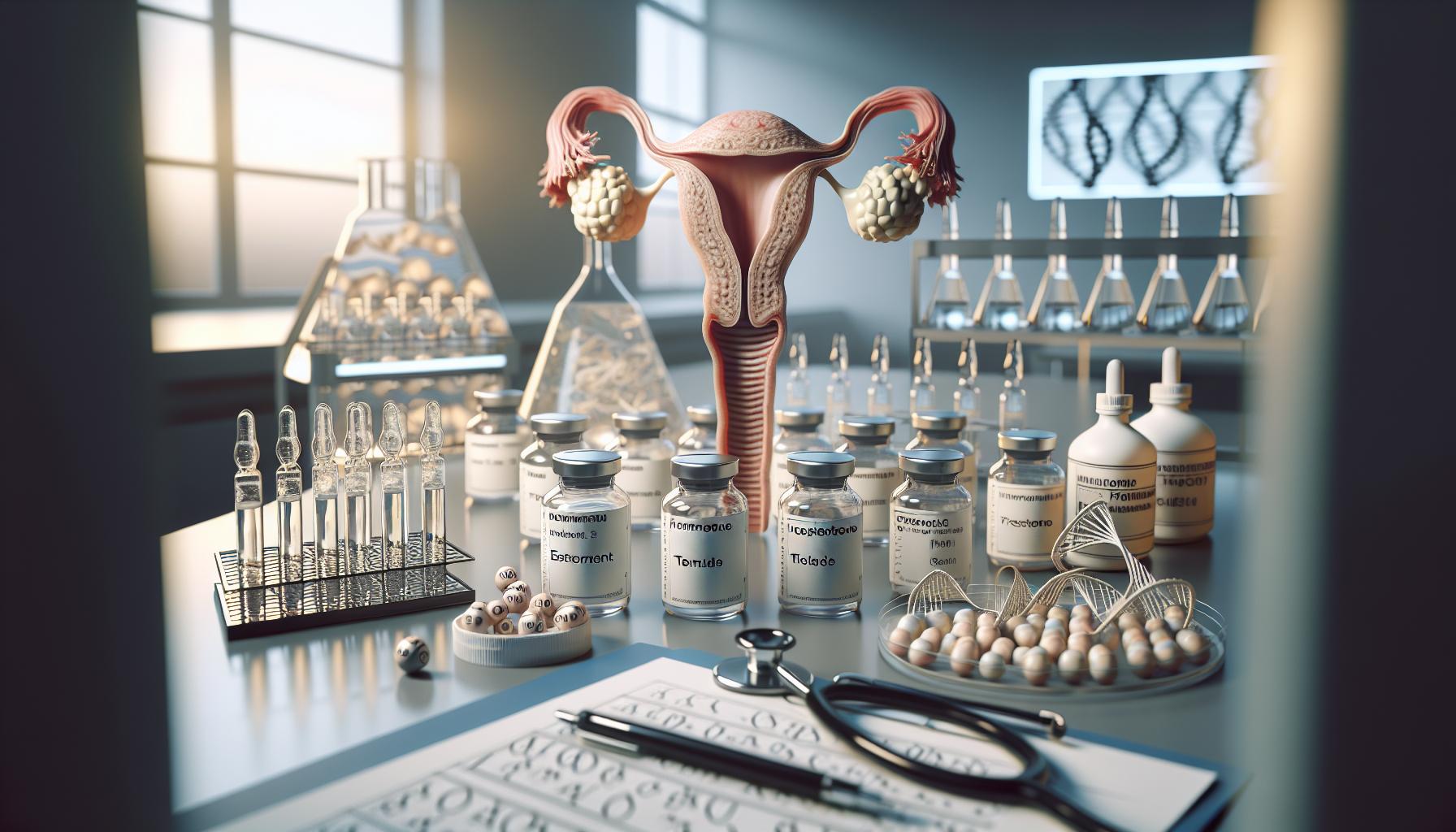
The intricate dance of hormones is central to maintaining homeostasis within the reproductive system, influencing not just fertility, but a myriad of bodily functions. Hormones like estrogen, progesterone, and testosterone serve as messengers, coordinating the complex processes involved in reproductive health. This hormonal orchestration is critical for functions including the menstrual cycle, sperm production, and even broader physiological effects like mood regulation and metabolic balance.
Maintaining hormonal balance requires a delicate interplay between various glands, primarily the hypothalamus, pituitary gland, and the reproductive organs themselves. The hypothalamus produces Gonadotropin-Releasing Hormone (GnRH), which signals the pituitary gland to release Luteinizing Hormone (LH) and Follicle-Stimulating Hormone (FSH). These hormones then stimulate the ovaries and testes to produce their respective sex hormones and gametes. Any disruption in this feedback loop can lead to hormonal imbalances, resulting in conditions such as polycystic ovary syndrome (PCOS) in women or low testosterone levels in men.
Understanding how external factors can impact this hormonal regulation is vital. Stress, for instance, can trigger the release of cortisol, which may inhibit reproductive hormone production, leading to irregular cycles or even fertility challenges. Nutrition plays a significant role as well; deficiencies in vital nutrients can disrupt hormone synthesis and thereby affect overall reproductive health.
Empowering yourself through knowledge is crucial on this journey. Engaging with healthcare professionals about your hormonal health, including discussing any symptoms or concerns, can lead to better management of any challenges you face. Consider keeping a journal of your cycle, nutritional habits, and stress levels-this can provide valuable insights into your hormonal patterns. It’s essential to approach your reproductive health with compassion and understanding, recognizing the emotional weight that often accompanies this journey. Celebrate small victories, and don’t hesitate to seek support when needed, knowing that your experience in navigating this complex system is valid and shared by many.
Impact of Stress on Reproductive Health
Chronic stress can have profound effects on the reproductive system, affecting everything from hormone levels to fertility. When faced with stress, the body enters a state of heightened alertness, releasing stress hormones like cortisol. Prolonged elevations in cortisol can disrupt the delicate hormonal balance crucial for reproduction, leading to irregular menstrual cycles, anovulation, and potential fertility issues. Understanding this interplay emphasizes the importance of stress management as part of maintaining reproductive health.
How Stress Affects Hormonal Balance
Under normal circumstances, the hypothalamus plays a vital role in regulating the release of hormones that control reproduction. However, when stress surges cortisol levels, this can inhibit the hypothalamus from functioning properly. This inhibition can lead to lower production of Gonadotropin-Releasing Hormone (GnRH), which in turn affects the secretion of Luteinizing Hormone (LH) and Follicle-Stimulating Hormone (FSH) from the pituitary gland. The downstream effect disrupts ovarian and testicular function, showing just how closely linked stress and reproductive health are.
Practical Strategies for Managing Stress
To counteract the effects of stress on reproductive well-being, consider implementing mindfulness and relaxation techniques. Here are some practical strategies to foster resilience:
- Meditation and Deep Breathing: Techniques such as mindfulness meditation can help reduce anxiety and promote relaxation.
- Regular Physical Activity: Exercise releases endorphins, which can improve mood and reduce stress levels.
- Healthy Sleep Patterns: Adequate sleep is crucial for hormone regulation. Establish a consistent sleep schedule to support better hormonal balance.
- Nutritional Support: A balanced diet rich in whole foods can help mitigate the effects of stress on the body. Focus on nutrients that support hormonal health, like omega-3 fatty acids and antioxidants.
- Seeking Professional Support: Engage with healthcare providers or counselors to address mental health concerns and develop coping strategies tailored to your personal challenges.
Recognizing the emotional weight community health service within paths toward family building is also essential. Many individuals face grief and uncertainty on this journey, and it is vital to validate those feelings. Support networks, whether through friends, family, or professional counseling, can help you navigate these emotional landscapes while fostering hope and resilience. Each small step you take towards managing stress is a celebration of your commitment to your reproductive health.
How Nutrition Influences Reproductive Homeostasis
A well-balanced diet is not just about maintaining overall health; it’s a cornerstone of reproductive homeostasis. Nutritional choices significantly influence hormone production, ovulation, and the overall functioning of the reproductive system. Research indicates that diets rich in specific nutrients can enhance fertility and regulate menstrual cycles, supporting those on their family-building journey.
To optimize reproductive health, focus on incorporating these vital nutrients:
- Omega-3 Fatty Acids: Found in fatty fish, flaxseeds, and walnuts, omega-3s support hormone production and improve blood flow to the reproductive organs.
- Antioxidants: Vitamins C and E, selenium, and zinc found in fruits, vegetables, and nuts can protect reproductive cells from oxidative stress.
- Lean Proteins: Sources like chicken, turkey, legumes, and beans provide essential amino acids necessary for hormone synthesis.
- Complex Carbohydrates: Whole grains, fruits, and vegetables help maintain steady energy levels and support metabolic functions linked to reproduction.
While understanding these nutritional components is crucial, the emotional aspect of diet should not be overlooked. Many individuals encounter stress or anxiety during their fertility journey, and food can serve as both nourishment and comfort. Encouraging mindful eating and emotional awareness around food choices can foster a healthier relationship with nutrition and self-care.
Moreover, be aware of the potential impact of certain diets, such as those high in processed sugars and fats, which can lead to hormonal imbalances. Regularly consuming such foods may disrupt ovulation and contribute to conditions like Polycystic Ovary Syndrome (PCOS). Balancing nutrient intake is not merely about improving fertility; it’s about creating a holistic approach to well-being that acknowledges the emotional complexity often experienced during the family-building process.
As you navigate nutritional choices, consider consulting with a healthcare provider or a nutritionist who specializes in reproductive health. They can guide you in creating a dietary plan tailored to your unique needs and experiences, ensuring you feel supported every step of the way. Remember, small changes can lead to significant improvements in your reproductive health, and your journey deserves compassion and understanding.
Role of the Immune System in Reproduction
The immune system plays a vital yet often overlooked role in reproductive health, acting as both a protector and a participant in the intricate dance of conception and gestation. In a healthy reproductive system, the immune response must be finely tuned-neither too aggressive, which could attack reproductive tissues, nor too weak, allowing infections or disruptions to thrive. This balance is crucial for maintaining homeostasis within the reproductive tract, particularly during the complex processes of fertilization, implantation, and pregnancy.
Understanding the immune system’s role in reproduction begins with recognizing the beautiful challenge it faces: the body must allow sperm to enter and fertilize the egg while simultaneously protecting against pathogens. The female reproductive tract is equipped with specialized immune cells, including regulatory T cells and macrophages, that manage this delicate balance. These cells not only help in combating infections but also play a supportive role during implantation by creating a welcoming environment for the embryo. This is a fascinating process, as the body must recognize the embryo as a “friend,” despite the genetic differences between the mother and the developing fetus.
Moreover, external factors like stress and lifestyle choices can significantly impact immune function, which in turn can affect reproduction. Chronic stress, for instance, can lead to an overactive immune response, potentially causing inflammation that disrupts reproductive processes. It’s essential to consider how emotional and physical well-being intertwine in this context. Practices such as mindfulness, stress-reduction techniques, and a balanced diet rich in anti-inflammatory foods can support both immune health and reproductive function.
Maintaining open communication with healthcare providers about immunity, fertility, and emotional health can empower individuals on their reproductive journey. When considering treatments like in vitro fertilization (IVF) or artificial insemination, understanding how the immune system interacts with fertility can be an important factor. There are ongoing studies exploring immunotherapy as a potential treatment for fertility issues, showcasing the dynamic nature of this field. Remember, nurturing your immune health is as essential as any other aspect when aiming for reproductive wellness, and each small step taken towards understanding and enhancing it can make a substantial difference in your fertility journey.
Cycles of the Reproductive System: A Detailed Overview
The reproductive system operates in a series of finely-tuned cycles that are essential for maintaining homeostasis and facilitating reproductive success. Understanding these cycles can empower individuals on their fertility journeys and enhance their overall reproductive health.
One of the most vital cycles in the female reproductive system is the menstrual cycle, which typically spans about 28 days but can vary significantly among individuals. It can be divided into several phases, including the follicular phase, ovulation, and the luteal phase:
- Follicular Phase: This initial phase begins on the first day of menstruation and lasts until ovulation. The pituitary gland releases follicle-stimulating hormone (FSH), prompting several ovarian follicles to mature. The dominant follicle produces estrogen, which not only stimulates the thickening of the uterine lining but also regulates the cycle.
- Ovulation: Around the midpoint of the cycle, a surge in luteinizing hormone (LH) triggers the release of the mature egg from the ovary. This is a critical point for conception, as the egg is viable for about 12 to 24 hours.
- Luteal Phase: After ovulation, the empty follicle transforms into the corpus luteum, which secretes progesterone to further prepare the uterine lining for potential implantation. If fertilization does not occur, progesterone levels fall, leading to menstruation and the start of a new cycle.
These hormonal fluctuations are vital not only for reproduction but also for overall well-being. For those trying to conceive, understanding this cycle can be particularly beneficial as it highlights the importance of timing intercourse with the ovulation period and recognizing the signs of ovulation, such as changes in cervical mucus and slight temperature increases.
Men also experience cyclical hormonal changes, although typically more subtle than those in women. In men, the regulation of testosterone levels influences both reproductive health and general vitality. Acknowledging these patterns can aid couples in synchronizing their reproductive efforts, but it’s essential to remember that not all cycles are equal, and variations are normal.
Navigating these cycles might come with emotional ups and downs-acknowledging this complexity is crucial. It’s a journey filled with hope and uncertainty, and understanding your body’s rhythms can provide empowerment in what may sometimes feel like a daunting process. Being informed means you’re one step closer to achieving your reproductive goals, whether that involves natural methods or assisted reproductive technologies like IVF and artificial insemination.
Common Disorders Affecting Reproductive Homeostasis
Many individuals may not realize that disorders affecting the reproductive system are relatively common and can significantly disrupt hormonal balance and overall homeostasis. Conditions such as polycystic ovary syndrome (PCOS), endometriosis, and fibroids present challenges that require tailored approaches for management and treatment. Understanding these disorders empowers individuals to navigate their fertility journeys more effectively and seek appropriate interventions.
Polycystic Ovary Syndrome (PCOS)
PCOS is a hormonal disorder that affects approximately 1 in 10 women of reproductive age. It is characterized by irregular or absent menstrual cycles, excess androgen levels, and polycystic ovaries. The imbalance in hormones can lead to difficulties with ovulation, which often results in fertility challenges. Women with PCOS may also experience weight gain, acne, and excessive hair growth, which can be emotionally distressing. Treatment options vary from lifestyle modifications, such as nutrition and exercise, to medications like hormonal contraceptives or insulin-sensitizing agents. Understanding PCOS helps women acknowledge their experiences while exploring viable management strategies aligned with their reproductive goals.
Endometriosis
Endometriosis affects about 1 in 10 women and occurs when tissue similar to the lining inside the uterus grows outside of it, often causing pain, irregular bleeding, and infertility. This disorder can severely impact emotional well-being due to chronic pain and frustration regarding fertility challenges. Treatment might involve pain management, hormonal therapy, or surgical options to remove endometrial lesions. Support from healthcare providers trained in reproductive health can be invaluable in addressing both the physical and emotional implications of endometriosis.
Uterine Fibroids
Uterine fibroids are noncancerous growths in the uterus that can contribute to heavy menstrual bleeding, pelvic pain, and complications during pregnancy. As they can significantly impact quality of life, understanding their potential to disrupt homeostasis is vital. Treatment options vary from monitoring to medication and surgical procedures, depending on the size and symptoms of the fibroids. Couples facing challenges related to fibroids should engage actively with their physicians to explore the most effective pathways toward wellness.
A compassionate approach to understanding and treating these disorders is essential. Acknowledging the emotional weight of dealing with reproductive health issues fosters a supportive environment where individuals can express their concerns and seek guidance. Whether exploring lifestyle changes, medications, or assisted reproductive technologies, individuals deserve validation of their feelings and recognition of the diverse family-building paths available.
Innovative Treatments for Reproductive Imbalances
Innovative approaches in the treatment of reproductive imbalances are continuously evolving, empowering individuals and couples in their fertility journeys. With advancements in medical technology and a deeper understanding of reproductive health, solutions are emerging that cater to a range of conditions, from hormonal imbalances to uterine disorders.
One notable innovation is the use of in vitro fertilization (IVF) and its variations, such as intracytoplasmic sperm injection (ICSI), which can assist couples facing infertility due to male factor issues. IVF involves retrieving eggs from the ovaries and fertilizing them outside the body, allowing for precise control over embryo selection and the timing of implantation. It’s important to discuss the emotional and financial aspects, as the costs can vary significantly, often ranging from $10,000 to $15,000 per cycle, depending on the clinic and individual circumstances. Success rates typically hover around 40% for women under 35, though age and other factors can influence outcomes.
For women experiencing hormonal disorders like polycystic ovary syndrome (PCOS), lifestyle interventions such as integrated dietary plans and exercise regimens have proven beneficial. Studies suggest that adopting a balanced diet rich in whole foods and maintaining a healthy weight can improve insulin sensitivity and restore ovulatory cycles. Medications such as metformin and hormonal contraceptives are also common, providing both hormonal balance and menstrual regularity.
In addition to conventional treatments, emerging therapies such as acupuncture and mind-body techniques are gaining recognition for their role in alleviating stress and enhancing fertility. Many individuals find that these complementary strategies provide significant support during the often emotionally taxing process of addressing reproductive health challenges.
These innovative treatments signify a growing recognition of the complexities of reproductive health, emphasizing a personalized approach that accommodates the emotional landscape of each individual’s journey. Clinics increasingly offer integrated care that combines medical interventions with psychological support, recognizing that emotional wellness is vital to achieving reproductive goals. By fostering an environment where questions are welcomed and hope is nurtured, patients can navigate their pathways to parenthood with greater confidence and assurance.
Emotional Aspects of Reproductive Health
Navigating the emotional landscape of reproductive health can feel like traversing a winding path filled with both hope and uncertainty. Many individuals and couples facing fertility challenges witness how intertwined emotions are with physical health. It’s essential to acknowledge that feelings of grief, anxiety, and frustration are common experiences during a fertility journey. This emotional weight can affect decisions about treatment options and your overall well-being, further complicating the search for homeostasis in the reproductive system.
Recognizing your emotional state is a critical step toward managing stress, which in itself can play a significant role in reproductive health. Research shows that high-stress levels may impact hormonal balance, potentially leading to irregular cycles or other reproductive issues. Addressing stress through practical strategies can foster both mental resilience and bodily harmony. Consider implementing relaxing practices such as yoga or mindfulness meditation, which have been shown to help many during their journeys to parenthood. These strategies can cultivate a sense of control and acceptance, vital aspects in maintaining emotional equilibrium.
Another aspect of emotional wellness involves the necessity of support systems. Surrounding yourself with empathetic friends, family, or support groups who understand the complexities of your experience can provide validation and reassurance. Engaging in open discussions with a therapist can also furnish you with tools to process your feelings constructively. Remember, you’re not alone; sharing your experiences and insights with others who have walked a similar path can offer solace.
In the quest for family-building-whether through IVF, artificial insemination, or adoption-it’s crucial to celebrate small victories along the way. Each step forward, no matter how minor it may seem, can contribute significantly to emotional strength. While it is essential to remain realistic about potential outcomes and associated costs-IVF cycles can range from $10,000 to $15,000, with success rates varying by age-holding space for hope amidst that realism empowers individuals and couples to remain engaged in their journeys. Hence, by nurturing your emotional health, you contribute to an overall sense of well-being that supports your reproductive system’s ability to maintain homeostasis effectively.
Integrative Approaches to Enhance Reproductive Wellness
Many individuals seeking to enhance their reproductive health often overlook the profound impact of integrative approaches. These holistic methods, which harmonize physical, emotional, and lifestyle factors, play a crucial role in fostering reproductive wellness. By understanding that the reproductive system is interconnected with overall health, individuals can adopt multifaceted strategies that promote homeostasis effectively.
Nutrition’s Role in Reproductive Health
A balanced diet rich in vitamins and minerals is foundational to reproductive wellness. Nutrients such as folic acid, zinc, and omega-3 fatty acids are especially important for both male and female reproductive health. Incorporating a variety of fruits, vegetables, whole grains, lean proteins, and healthy fats into daily meals can support hormonal balance and improve fertility outcomes. For example, a diet high in antioxidants can combat oxidative stress, which is known to affect reproductive function negatively.
Consider consulting with a nutritionist who specializes in fertility to tailor a diet plan that fits your individual needs, including any dietary restrictions you may have.
Mind-Body Practices
The integration of mind-body techniques, such as yoga and meditation, has been shown to cultivate a sense of calm and balance, critical for maintaining homeostasis in the reproductive system. These practices can reduce stress levels-an essential factor, as chronic stress can disturb hormonal balance and lead to reproductive issues. Techniques like mindfulness meditation can enhance emotional well-being and improve coping strategies during the often-challenging fertility journey.
Additionally, some practitioners advocate for specific yoga poses that target reproductive organs and promote blood flow, potentially enhancing fertility. Engaging in these practices regularly can foster a sense of empowerment and connection to your body.
Support Systems
Creating a supportive environment is vital in the context of reproductive health. Whether through friends, family, or support groups, having a network of understanding individuals can alleviate feelings of isolation and anxiety. Sharing experiences with those on similar journeys can provide encouragement and help validate the emotional challenges encountered.
Consider seeking professional counseling if needed; therapists specializing in fertility issues can offer tools to navigate complex emotions and stressors related to reproduction.
Integrating these approaches not only addresses the physical aspects of reproductive health but also nurtures emotional well-being, creating a comprehensive framework for achieving homeostasis. Embracing a balanced lifestyle that respects both mental and physical needs enhances the journey toward reproductive wellness and personal fulfillment.
Future Research Directions in Reproductive Homeostasis
Research in reproductive homeostasis is rapidly advancing, uncovering new approaches that promise to improve our understanding of reproductive health. One compelling avenue of exploration focuses on the intricate relationship between the microbiome and reproductive function. Recent studies suggest that the vaginal microbiome plays a significant role in maintaining reproductive health, influencing factors such as inflammation, hormonal balance, and even the likelihood of successful conception. Future research could delve deeper into how the microbiome interacts with hormonal changes throughout the menstrual cycle, and whether adjusting microbial populations could enhance fertility or reduce reproductive disorders.
Another promising direction lies in the emerging field of personalized medicine. As we become more aware of genetic, environmental, and lifestyle factors that contribute to reproductive health, tailored interventions may become a reality. This approach may involve genetic testing to identify predispositions to conditions like polycystic ovary syndrome (PCOS) or endometriosis, allowing for early intervention and support. It may also extend to nutrition and lifestyle recommendations tailored to individual metabolic profiles, enhancing the body’s natural ability to maintain homeostasis.
The impact of environmental factors, such as endocrine disruptors, cannot be overstated. Continued research into how exposure to chemicals in our food, products, and surroundings affects reproductive health is crucial. Understanding the mechanisms behind these effects can pave the way for public health initiatives aimed at reducing exposure, as well as for the development of therapeutic interventions to mitigate damage.
Moreover, the role of psychological well-being in maintaining reproductive homeostasis is gaining more visibility. Future studies exploring the interplay between mental health and hormonal balance-particularly in stress management techniques-could provide valuable insights into preventative measures and interventions. By emphasizing a holistic view of reproductive health that includes mental and emotional wellness, we can better support individuals on their fertility journeys.
As we look forward, it is essential that these research directions not only seek to expand the scientific understanding of reproductive homeostasis but also prioritize practical applications that empower individuals to take control of their reproductive health. By integrating findings into clinical practices, practitioners can offer more comprehensive support that respects the emotional and physical aspects of the reproductive journey, ultimately fostering a healthier environment for family building.
FAQ
Q: How does the reproductive system react to hormonal changes?
A: The reproductive system maintains homeostasis by responding to hormonal fluctuations through cycles of ovulation and menstruation. Hormones like estrogen and progesterone regulate these cycles, ensuring proper function and adaptation to internal and external changes. Regular monitoring and lifestyle adjustments can enhance hormonal balance.
Q: What role does the brain play in reproductive homeostasis?
A: The brain, particularly the hypothalamus and pituitary gland, controls reproductive homeostasis by secreting hormones that stimulate the ovaries and testes. This regulatory mechanism ensures proper hormone levels and reproductive functions. Managing stress through relaxation techniques can improve this regulation.
Q: How does stress impact reproductive homeostasis?
A: Stress disrupts hormonal balance, affecting menstrual cycles and fertility. Elevated cortisol can inhibit the production of reproductive hormones, leading to irregular cycles. Stress management techniques such as mindfulness or yoga can help restore balance and support reproductive health.
Q: What are the symptoms of reproductive system imbalances?
A: Symptoms of reproductive imbalances include irregular periods, excessive bleeding, mood swings, and fertility issues. It’s crucial to consult a healthcare provider for a comprehensive evaluation if you experience these symptoms. Regular health check-ups can aid in early detection and management.
Q: Can diet affect reproductive health?
A: Yes, a balanced diet rich in nutrients can significantly impact reproductive health. Nutrients like folic acid, omega-3 fatty acids, and antioxidants support hormonal balance and overall reproductive function. Incorporating a variety of whole foods can enhance reproductive wellness.
Q: How does the immune system influence reproductive health?
A: The immune system plays a critical role in reproductive health by protecting against infections and maintaining a healthy uterine environment for embryo implantation. Understanding and managing autoimmune conditions can improve reproductive outcomes.
Q: What lifestyle changes support reproductive homeostasis?
A: Lifestyle changes such as maintaining a healthy weight, regular exercise, avoiding tobacco, and managing stress significantly enhance reproductive homeostasis. Aim for a balanced routine that includes physical activity and relaxation techniques for optimal reproductive function.
Q: When should I seek medical advice for reproductive issues?
A: Seek medical advice if you experience persistent irregularities in your menstrual cycle, significant pain, or difficulty conceiving. Early intervention can lead to better outcomes and is crucial for maintaining reproductive health. Regular gynecological check-ups can also provide valuable insights.
To Wrap It Up
Understanding how the reproductive system maintains homeostasis is essential for appreciating its vital role in overall health. Our exploration has highlighted the intricate balance of hormones and bodily functions involved in fertility and reproduction. As you navigate this complex subject, remember that you’re not alone. Consider exploring our related articles on infertility causes and treatments, such as IVF and artificial insemination, which can provide further clarity and support on your journey.
Don’t miss the chance to stay informed and empowered-sign up for our newsletter for the latest insights and resources tailored for you. If you have questions or concerns, feel free to leave a comment below; we’re here to help. Remember, each step you take toward understanding your reproductive health brings you closer to the support you need. Explore more, and embrace this journey with confidence and hope!
Get our latest guides, news, and insights highlighted in your Google Search & AI Overviews.