Artificial insemination (AI) in dogs is a crucial process for breeders seeking to enhance their canine companions’ lineage or preserve specific traits. Understanding how to collect sperm from a dog is essential for ensuring the success of AI procedures, which can sometimes feel overwhelming. By delving into this topic, dog owners and breeders can empower themselves with knowledge, leading to informed decisions and ultimately healthier, well-bred puppies. This journey can be filled with questions and uncertainties, but knowing the steps involved can help to ease those concerns. Whether you’re a seasoned breeder or new to this, our guide will offer you practical insights and support through this vital aspect of canine reproduction, addressing both the technical and emotional sides of the process. Join us as we explore the methods, essential precautions, and best practices for obtaining sperm, ensuring a positive experience for both you and your dog’s future.
How Artificial Insemination Works with Dogs
Artificial insemination in dogs involves a carefully orchestrated process that can significantly enhance breeding success. Understanding how this method works can not only ease your mind but also improve the chances of a fruitful outcome for both the sire and the dam. The primary objective of artificial insemination is to introduce sperm directly into a female dog’s reproductive tract, overcoming various barriers that may prevent natural mating.
To begin, it’s essential to recognize the various techniques available. Depending on the specific circumstances and breeding goals, different methods of insemination can be utilized, such as intracervical insemination (ICI) or intrauterine insemination (IUI). These methods may require training or assistance from a qualified veterinarian familiar with canine reproduction. The collection of sperm from the male is typically performed through natural stimulation or the use of an artificial vagina, tailored specifically for dogs. After coll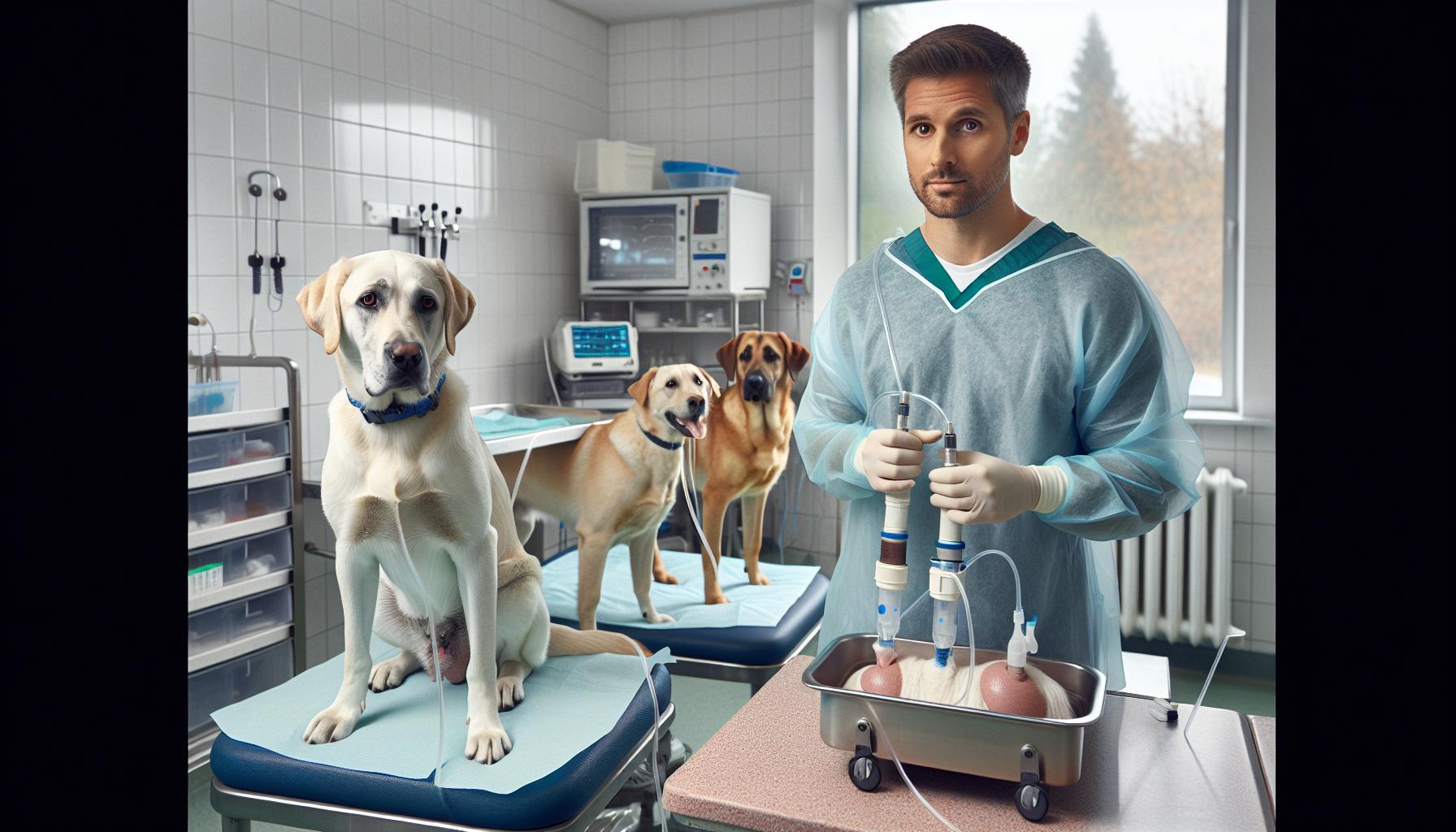
Understanding the Need for Sperm Collection
To successfully navigate the world of canine reproduction, understanding the necessity of sperm collection is crucial. It serves as the foundation for artificial insemination, enabling the breeding process even when natural mating encounters challenges. Factors such as timing, reproductive health of the dam, and even the behavior of the sire can affect the chances of successful natural mating. In such cases, sperm collection emerges as a strategic option to ensure that the breeding goals can still be met, highlighting its importance in responsible dog breeding practices.
The sperm collection process allows breeders to obtain high-quality sperm from a male dog, providing critical flexibility when coordinating breeding efforts. This is particularly vital when dealing with distance, scheduling conflicts, or issues related to the female’s fertility cycle. Moreover, the collected sperm can be stored and transported, allowing breeders to engage in planned matings without the necessity for immediate physical proximity between the breeding pair. For those considering artificial insemination, recognizing the positive impact of quality sperm collection can instill confidence in the breeding process, easing any concerns about natural mating barriers.
Sperm collection also opens doors for breeders looking to access exceptional genetics. For example, someone may wish to breed their female dog with a champion male located far away. By utilizing sperm collection, breeders can introduce quality genetics into their lineage, promoting healthy offspring with desirable traits. It’s essential to approach this process with sensitivity and respect, as it impacts not just the animals involved but also the broader dog breeding community, where ethical practices play a significant role.
Engaging a veterinarian with expertise in canine reproduction is invaluable. These professionals can provide guidance on the best techniques for sperm collection and ensure that the process is humane and effective. With diligent planning, sperm collection can be a rewarding experience that paves the way for healthy litters and the continuation of cherished dog breeds.
The Process of Collecting Sperm from Dogs
The art of collecting sperm from dogs is a vital process in canine reproduction that requires careful consideration and expertise. There are various methods for collecting semen, but all aim to ensure that the sperm is viable for use in artificial insemination. Understanding the intricacies of this process can help breeders successfully navigate artificial breeding paths, maximizing their chances of producing healthy litters.
To begin, it’s essential to create a comfortable and stress-free environment for the male dog. This can involve choosing a quiet location and minimizing distractions. Handled with care, dogs often respond positively when their comfort is prioritized. The semen collection typically occurs in one of two ways: through manual stimulation or the use of a seminal collection device. Manual stimulation involves the handler gently encouraging the dog, often using a glove or lubricant, to aid in the collection process. On the other hand, collection devices such as an artificial vagina can be utilized, which closely mimics the natural conditions of mating. This device is often preferred for its effectiveness in generating a better sample, which is crucial for the success of artificial insemination.
Once ejaculation occurs, it’s important to quickly analyze the sample for its quality. This evaluation typically involves assessing sperm motility, morphology, and overall volume. This step is crucial because not all sperm are equal; healthy, vigorous sperm are necessary for a successful pregnancy. A veterinarian or a trained professional typically performs this assessment to ensure accuracy and to provide guidance on next steps should the sample need further processing or storage.
Lastly, proper care and handling of the collected sperm cannot be overstated. Depending on the immediate needs, breeders may opt for freezing, which allows for long-term storage, or process it fresh for immediate insemination. Each choice has its benefits and drawbacks, and understanding the viability period of the sperm is key. Proper storage involves specific temperature controls and handling protocols to keep the sperm viable, allowing breeders to strategically plan matings regardless of geographic barriers. By managing these steps carefully, breeders can achieve their goals while promoting ethical practices in the canine breeding community.
Preparing Your Dog for Sperm Collection
Creating a safe and inviting environment for your male dog is foundational when preparing for sperm collection. Dogs are sensitive to their surroundings, and ensuring they feel relaxed can significantly enhance the success of the process. Begin by selecting a quiet, familiar location that is free from distractions such as loud noises or unfamiliar people. The presence of calming scents or favorite toys can also contribute to a supportive atmosphere. Pets can pick up on their owner’s emotions, so maintaining a calm demeanor is crucial as well.
Next, routine health checks are vital prior to sperm collection. Ensure your dog is in good health, free from any infections, and up to date with vaccinations. Consulting with a veterinarian ahead of time can help identify any underlying health issues that may affect sperm quality. If your dog is anxious, consider techniques to soothe them, such as gentle pets or familiar treats, which can create positive associations with the collection process.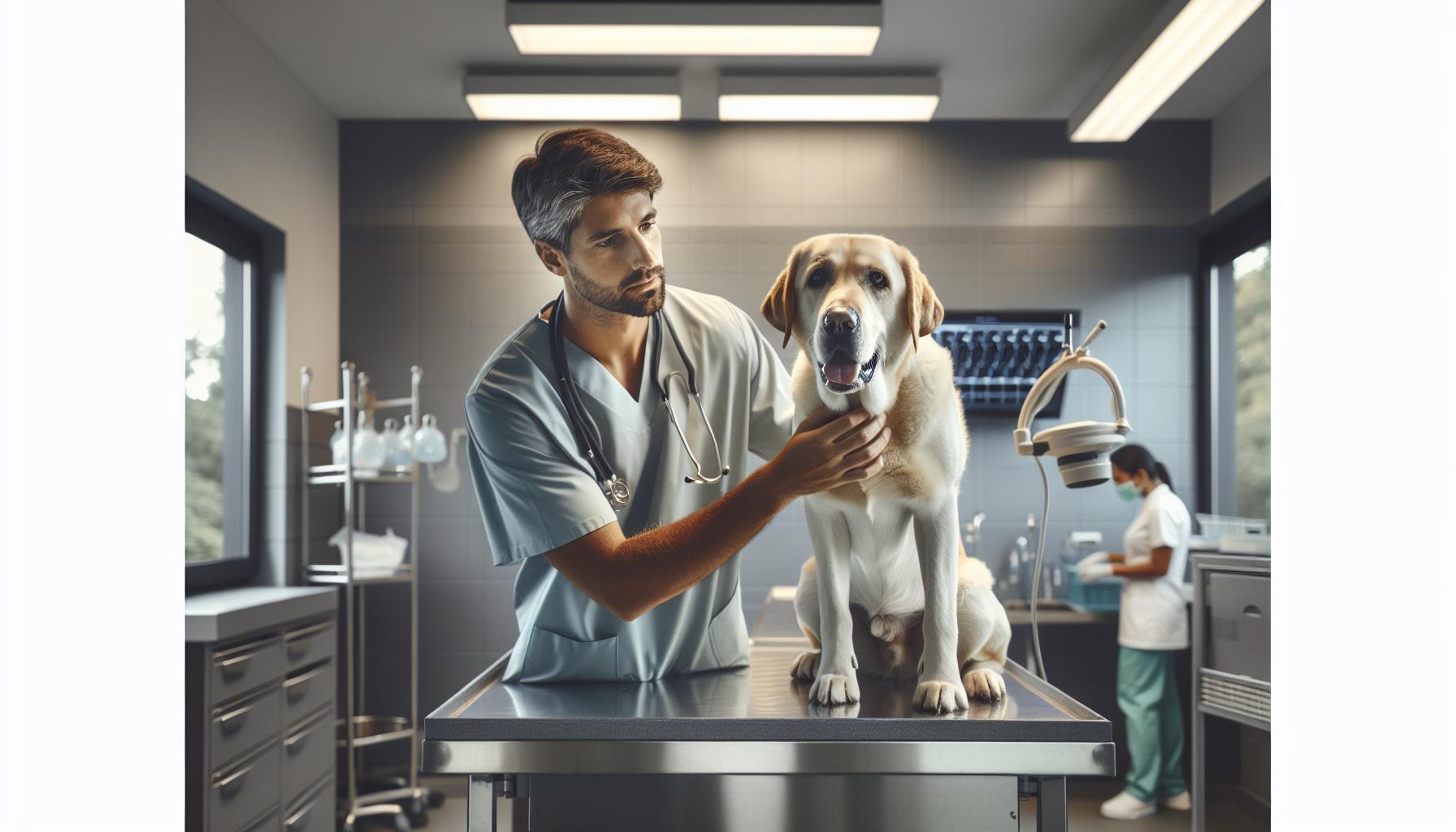
Equipment You’ll Need for Sperm Collection
To perform successful sperm collection for artificial insemination in dogs, having the right equipment is crucial. This process is delicate and requires specific tools to ensure both the comfort of your dog and the quality of the sample. Here’s a comprehensive overview of the essential items you’ll need.
- Collection Device: A properly fitted collection cone or artificial vagina is vital for safe sperm collection. Depending on the method you choose, ensuring that these devices are clean and suited for your dog’s size will enhance the process.
- Semen Collection Cup: After collection, you’ll need a sterile container to hold the semen. This cup should be free from contaminants and designed to minimize exposure to air, preserving sperm viability.
- Lubricant: Use a veterinary-approved lubricant to facilitate the collection process. Avoid any products with harmful additives, as these can affect sperm quality.
- Heating Pad: Keeping the semen at the right temperature post-collection is essential. A heating pad, used on a low setting, can help maintain optimal conditions if immediate processing isn’t possible.
- Protective Gloves: Wearing gloves is not only a hygiene measure but also prevents contamination. It is a best practice for anyone involved in the collection process.
- Storage Containers: For long-term storage or transportation, specialized cryogenic containers or coolers may be required to maintain the right temperature without freezing the semen.
- Thermometer: Monitoring the temperature of the collected semen is important. A reliable thermometer will help ensure the sample remains in the ideal range, which is typically between 95°F and 98°F (35°C to 37°C).
- Labels and Markers: For organizat
Timing: When to Collect Dog Sperm
Understanding the timing for sperm collection is essential to maximize the chances of successful artificial insemination in dogs. Generally, the ideal time to collect sperm from a male dog coincides with the female’s estrus cycle, particularly when she is most fertile. This cycle, often referred to as heat, typically lasts about three weeks and occurs roughly twice a year in female dogs. However, pinpointing the precise timing can vary depending on individual animals and specific breeds.
During the estrus cycle, females exhibit distinct behavioral changes, such as increased affection towards males or changes in physical appearance. The most fertile phase usually occurs between 10 to 14 days into the heat cycle, when the female is receptive and ovulating. To effectively time sperm collection, monitoring the female’s cycle through regular veterinary check-ups or utilizing hormone testing can be invaluable. Observing behavioral signs and closely tracking temperature changes can also offer clues, as there tends to be a slight drop in temperature just before ovulation.
When planning for sperm collection, careful preparation is vital. A well-timed collection can greatly influence sperm quality and motility. Ideally, you should collect sperm during the female’s peak receptivity, as this increases the likelihood of successful fertilization. However, if your male dog is not available during the optimal time, do not despair-semen can be collected and stored using proper techniques, allowing for future use. This not only provides flexibility but also helps safeguard the breeding process against unforeseen circumstances.
Ultimately, understanding the nuances of your dog’s reproductive cycle, combined with proactive and timely sperm collection, plays a critical role in navigating the emotional landscape of dog breeding. The challenges might seem daunting, but with the right approach and support, the journey can lead to joyous milestones.
Factors Affecting Sperm Quality in Dogs
The quality of sperm collected from male dogs is crucial for successful artificial insemination and can significantly influence outcomes. Factors affecting sperm quality can range from environmental conditions to the dog’s overall health and wellbeing. Understanding these factors can empower breeders and pet owners to maximize the chances of achieving a successful pregnancy.
Health and Wellness
A male dog’s overall health directly impacts his sperm quality. Factors such as age, nutrition, and pre-existing medical conditions play a pivotal role. For optimal sperm health, maintaining a balanced diet rich in antioxidants, vitamins, and minerals is essential. Regular veterinary check-ups can help identify underlying health issues, such as hormonal imbalances or infections, that might affect fertility. Additionally, keeping your dog at a healthy weight is essential, as both obesity and malnutrition can negatively impact sperm production and motility.
Environmental Factors
The environment in which a male dog lives can also influence sperm quality. Exposure to high temperatures, toxins, and pollutants can decrease sperm viability and motility. For instance, prolonged exposure to heat can affect the testicular temperature, which is crucial for optimal sperm production. It’s vital to ensure that the dog’s living area is well-ventilated, cool, and free from harmful substances.
Timing of Collection
Another important aspect is the timing of sperm collection. As previously mentioned, aligning the collection with the female’s reproductive cycle can enhance the quality of the sperm. Collecting sperm during the male’s peak reproductive period, usually assessed through veterinary evaluation, can yield better results. Furthermore, understanding the timing of ejaculation during the collection process can help ensure that viable sperm is obtained.
By paying attention to these factors and prioritizing your dog’s health and environment, you can greatly enhance the quality of sperm collected and improve the chances of successful artificial insemination. The journey can be filled with emotional highs and lows, but approaching it with care and knowledgeable support can lead to rewarding outcomes.
Understanding Breeding Seasons in Dogs
Understanding how breeding seasons affect dog sperm collection is essential for anyone involved in artificial insemination. Dogs have natural reproductive cycles that can influence their fertility and the timing of semen collection. Typically, these cycles occur twice a year, but the exact timing can vary depending on the breed and individual dog. Understanding these cycles allows breeders to better align their collection efforts with the male dog’s peak fertility, maximizing the chances of successful insemination.
Male dogs are generally fertile year-round, but there are specific peaks in their reproductive behavior that can be observed. Peak sperm production often occurs in response to the female dog’s heat cycle, or estrus. During this time, males may exhibit increased interest in mating, known as “stud behavior,” including marking territory, heightened aggression towards other male dogs, and vocalizations. This behavioral change is a crucial indicator that can help inform breeders when to schedule semen collection.
Research shows that the quality of sperm can be affected by both the dog’s health and the timing of the collection within the breeding season. Dogs are most fertile when collected during their peak cycle, which is usually assessed through veterinary guidance. It’s important to monitor the female’s estrous cycle and use this as a key guideline when planning for collection. It’s beneficial to collaborate closely with a veterinarian to determine the optimal times for collection, taking into account the male dog’s overall health and readiness.
In addition to monitoring heat cycles, other practical considerations help ensure effective collection. Factors such as environmental conditions, the dog’s diet, and overall wellbeing can play significant roles in sperm viability. By focusing on these interconnected aspects and recognizing the natural rhythms of canine reproduction, breeders can enhance their chances of achieving successful artificial insemination outcomes.
Evaluating the Sperm for Viability
To ensure successful artificial insemination, evaluating the viability of collected dog sperm is a critical step that often determines the outcome. Sperm viability refers to the quality and functionality of the sperm cells, which are essential for fertilization. Factors such as sperm motility, concentration, and morphology provide insight into the sperm’s potential to successfully fertilize an egg. Understanding how to assess these factors can help breeders make informed decisions, ultimately enhancing the chances of a successful pregnancy.
One of the key parameters to evaluate is sperm motility, which refers to how well the sperm can move. This is often assessed using a microscope, where a trained expert can observe the sample’s motile sperm percentage. A motility rate above 60% is generally considered acceptable for successful insemination. Alongside motility, checking sperm concentration-the number of sperm per milliliter-helps ensure there are enough viable sperm present. A concentration of at least 200 million sperm per milliliter is typically ideal for maximizing fertility potential.
Morphology is another important aspect of viability evaluation. This involves examining the sperm’s structure, including the head and tail formations. Abnormal shapes can hinder the sperm’s ability to reach and fertilize the egg. Most experts agree that at least 70% of the sperm should have a normal morphology for it to be considered viable.
It is crucial to conduct this evaluation as soon as possible after collection, ideally within a few hours, to get accurate readings. For transport or later use, sperm should be stored under conditions that maintain its viability. Temperature control and proper handling are vital, as fluctuations can significantly impact both motility and overall health of the sperm. Partnering with a veterinary specialist can provide additional insights and assistance, ensuring that all evaluations are conducted correctly and effectively. Understanding these factors is not just about enhancing breeding success; it is also about respecting the emotional commitment involved in the journey to expanding one’s family.
Storing and Transporting Dog Semen Safely
Maintaining the viability of dog semen during storage and transport is crucial for successful artificial insemination. The health of sperm can degrade rapidly if not handled correctly, which could ultimately jeopardize the chances of fertilization. One of the fundamental aspects to remember is that temperature control is key. Sperm should be kept cool but not frozen unless specifically intended for long-term storage. Typically, a temperature range of 4-10°C (39-50°F) is recommended for short-term transport, ensuring that sperm remains motile.
Additionally, proper packaging is essential in ensuring that the semen does not experience temperature fluctuations during transit. Using insulated containers, such as specially designed coolers or insulated shipping boxes, helps protect the sample. Include cold packs to maintain the necessary temperature. If possible, monitor the temperature during transport using small thermometers to guarantee the optimal conditions are maintained.
When it comes to duration, keep in mind that fresh semen should ideally be used within 24 to 48 hours of collection. For long-distance transport, refrigerating the sample is critical, while a more extended period might require cryopreservation. If you need to freeze the semen for long-term storage, engage with a professional for the freezing process, ensuring the right procedures are followed to prevent damage to the sperm cells.
As a supportive guide on this challenging journey, remember the emotional weight of this process. It’s natural to feel a mix of hope and anxiety about breeding outcomes. Maintaining open communication with your veterinarian about the storage and transport of dog semen can alleviate some concerns and guide you through creating a reliable plan for successful artificial insemination. Each step taken, from collection to storage, is a vital part of your path towards expanding your canine family.
Legal and Ethical Considerations in Dog Breeding
Engaging in dog breeding, particularly through artificial insemination, involves not only an understanding of the biological processes but also a thorough awareness of the legal and ethical frameworks that govern these practices. Breeding dogs irresponsibly can have severe consequences, not just for the animals involved, but also for the broader community. Breeders must navigate a complex landscape that varies widely by location, often requiring adherence to national and local breeding regulations, animal welfare laws, and breed-specific mandates.
One of the primary legal considerations is ensuring that both the sire and dam are healthy and properly registered with relevant breed organizations. Breeding any dog, especially purebred varieties, often mandates paperwork that verifies the dog’s lineage and health certifications. Many jurisdictions require breeders to obtain a license, demonstrating compliance with strict regulations designed to promote responsible breeding and deter puppy mills. Additionally, ethical breeding practices advocate for transparency; potential buyers should be informed about the health status and genetic history of the breeding animals, which can prevent significant health issues in future litters.
Ethically, prospective breeders should reflect on the impact of their breeding decisions on the overall health and welfare of the dog population. This includes taking into account the emotional toll of breeding and it’s accompanying challenges. Many breeders experience moments of hope and uncertainty, and it’s essential to remain compassionate and mindful throughout the process. Furthermore, understanding that not all breeding will result in healthy offspring or successful pregnancies can help in managing expectations and emotional well-being. Engaging with veterinarians and canine geneticists can offer invaluable insights as you navigate this responsible pathway toward expanding your canine family.
As you consider artificial insemination for breeding, the legal and ethical implications cannot be overstated. Maintaining strong ethical standards ensures the welfare of the dogs involved and contributes positively to the breeding community at large. Ultimately, ethical decisions not only impact the immediate situation but also shape the future of canine breeding as a whole. As you embark on this journey, remember the significance of each choice made along the way, advocating for the health and integrity of all dogs.
Frequently Asked Questions
Q: What is the best time to collect sperm from a dog for artificial insemination?
A: The best time to collect sperm from a dog is during the female dog’s estrus cycle, typically around days 9 to 14, when she is most fertile. Monitoring her behavior and physical signs can help ensure optimal timing for collection and insemination.Q: How can I assess the quality of collected dog sperm?
A: To assess the quality of collected dog sperm, examine its motility, morphology, and concentration. A sperm analysis can provide insights into viability and fertility potential, which are crucial for successful artificial insemination.Q: What equipment is necessary for collecting dog sperm?
A: Essential equipment includes a collection cone, a sterile collection container, and possibly a doppler or ultrasound device for monitoring. Ensure all items are clean and suitable for veterinary use to maintain sample integrity.Q: Can I collect sperm from my dog at home?
A: While it isKey Takeaways
Now that you’re equipped with the essential knowledge on how to get sperm from a dog for artificial insemination, it’s time to take the next steps towards your goals. Remember, this process can significantly enhance your chances of successful breeding when done correctly. If you have any lingering questions or concerns, don’t hesitate to reach out for expert guidance; we’re here to support you every step of the way.
For further insights, feel free to explore our related articles on canine reproduction techniques and tips for successful insemination. Additionally, consider subscribing to our newsletter for exclusive updates and resources tailored to your needs.
Embark on this journey with confidence, knowing the importance of informed decisions in your breeding program. Together, let’s celebrate the small victories and manage any challenges that arise. Your success is our priority, and we look forward to accompanying you on this rewarding path!
Make MIE a Preferred SourceGet our latest guides, news, and insights highlighted in your Google Search & AI Overviews.
✓ Preferred Source Added