In today’s fast-paced world, instant noodles like Maggi are a go-to comfort food for many, but their impact on health, especially concerning fertility, raises important questions. While there’s no direct link between Maggi and infertility, understanding the potential long-term effects of frequent consumption is crucial for anyone who may be trying to conceive. With growing concerns about diet and reproductive health, it’s essential to explore how what we eat can influence our fertility journey. Are instant noodles a dietary choice you can stick with during such a pivotal time in your life? Let’s delve deeper to uncover the facts and help you make informed decisions for your well-being and that of your future family.
Does Maggi Contain Harmful Ingredients for Fertility?
Eating processed foods like Maggi and other instant noodles often raises concerns about their impact on health and, specifically, fertility. While there is no direct evidence suggesting that Maggi contains harmful ingredients that specifically cause infertility, it’s essential to evaluate the nutritional content and health implications of its long-term consumption.
Instant noodles, including Maggi, are typically high in refined carbohydrates, unhealthy fats, and sodium, and often low in essential nutrients. Regular consumption of such ingredients could lead to various health problems, including obesity, metabolic syndrome, and cardiovascular issues, which may indirectly affect reproductive health. Studies indicate that a diet high in processed foods may contribute to reduced fertility by affecting hormonal balance and overall metabolic health[1[1], [3[3].
Particular attention should be paid to the preservatives and additives commonly found in instant noodles. Some studies suggest that certain additives may have negative effects on health, contributing to inflammation and oxidative stress, both of which can impair fertility. Furthermore, the high sodium content in instant noodles can lead to increased blood pressure and other cardiovascular issues, which can further complicate reproductive health[2[2].
For individuals trying to conceive or maintain reproductive health, it might be beneficial to prioritize whole foods over instant options. Emphasizing a balanced diet rich in fruits, vegetables, lean proteins, and whole grains can provide the essential nutrients necessary for optimal reproductive function. Integrating healthier eating habits and reducing the regular intake of processed foods can help improve overall health and fertility outcomes.
Understanding the Connection Between Instant Noodles and Infertility
Eating instant noodles like Maggi has become a swift solution for many, but concerns persist about their longer-term health implications, particularly regarding fertility. While there is no straightforward evidence linking Maggi directly to infertility, the ingredients and nutritional profile of instant noodles necessitate a thoughtful examination of their role in your diet, especially if you are trying to conceive.
Processed Ingredients and Nutrition
Instant noodles, including Maggi, are generally high in refined carbohydrates and sodium, while being low in essential nutrients. This nutritional imbalance raises questions about their impact on overall health. Diets consistently high in processed foods may lead to obesity and metabolic disorders, which are known to interfere with hormonal regulation-an essential factor in fertility. The high sodium content can contribute to hypertension and cardiovascular problems, potentially complicating pregnancy and a healthy reproductive environment as higher blood pressure and stress on the cardiovascular system can affect ovulation and menstrual cycles.
Preservatives and Additives
The preservatives and additives found in instant noodles warrant special attention. Some studies suggest that these ingredients can lead to inflammation and oxidative stress in the body. These conditions have been linked to poorer reproductive outcomes, highlighting the potential risk when consuming highly processed foods like Maggi frequently. It’s crucial to note that while an occasional packet may not pose a significant threat, regular consumption could cumulatively affect metabolic health and, in turn, fertility.
In navigating the complex interactions between diet and reproductive health, individuals looking to conceive should consider prioritizing whole food options. A balanced diet rich in fruits, vegetables, lean proteins, and whole grains can offer essential nutrients that support reproductive function and overall well-being. Embracing nutritious alternatives does not mean sacrificing convenience; quick meals can also be made from fresh or frozen ingredients, ensuring that you’re meeting dietary needs without relying heavily on processed options. Your journey to conception is nuanced, and fostering a supportive diet can be an empowering step.
Scientific Studies Linking Processed Foods to Health Risks
Research increasingly reveals a concerning relationship between processed foods and various health risks, particularly in the context of reproductive health. Studies indicate that diets high in processed foods, including instant noodles like Maggi, can lead to negative health outcomes that may indirectly affect fertility. The nutritional composition of such foods is often poor, marked by high levels of refined carbohydrates, unhealthy fats, and low essential nutrients, which can contribute to obesity and metabolic disorders. These conditions are known disruptors of hormonal balance, a crucial factor for ovulation and overall reproductive health.
Moreover, specific studies suggest that the consumption of processed foods can be linked to increased inflammation and oxidative stress in the body. These health issues are associated with poorer reproductive outcomes, with elevated levels of inflammation potentially harming egg quality and impairing other reproductive functions. A study published in the American Journal of Clinical Nutrition highlighted that women who consume higher amounts of refined carbohydrates and fast foods have a greater risk of experiencing fertility problems compared to those who eat a diet rich in whole foods.
Furthermore, research has shown that a diet high in sodium, such as that found in instant noodles, is linked to hypertension and cardiovascular problems. These conditions can significantly complicate pregnancy, as they place additional stress on the body and may disrupt normal menstrual cycles. It’s important to recognize that while snacking occasionally on instant noodles may not pose a significant threat, habitual consumption could cumulatively lead to metabolic issues that affect fertility negatively.
As you navigate the complexities of your reproductive health, it is essential to prioritize nutrient-rich foods. Emphasizing a diet comprised of whole grains, lean proteins, fruits, vegetables, and healthy fats can provide the body with the vitamins and minerals it needs to support not only overall health but also reproductive functioning. By making informed dietary choices, you can take proactive steps in your fertility journey, fostering an environment that maximizes your chances of conceiving and maintaining a healthy pregnancy.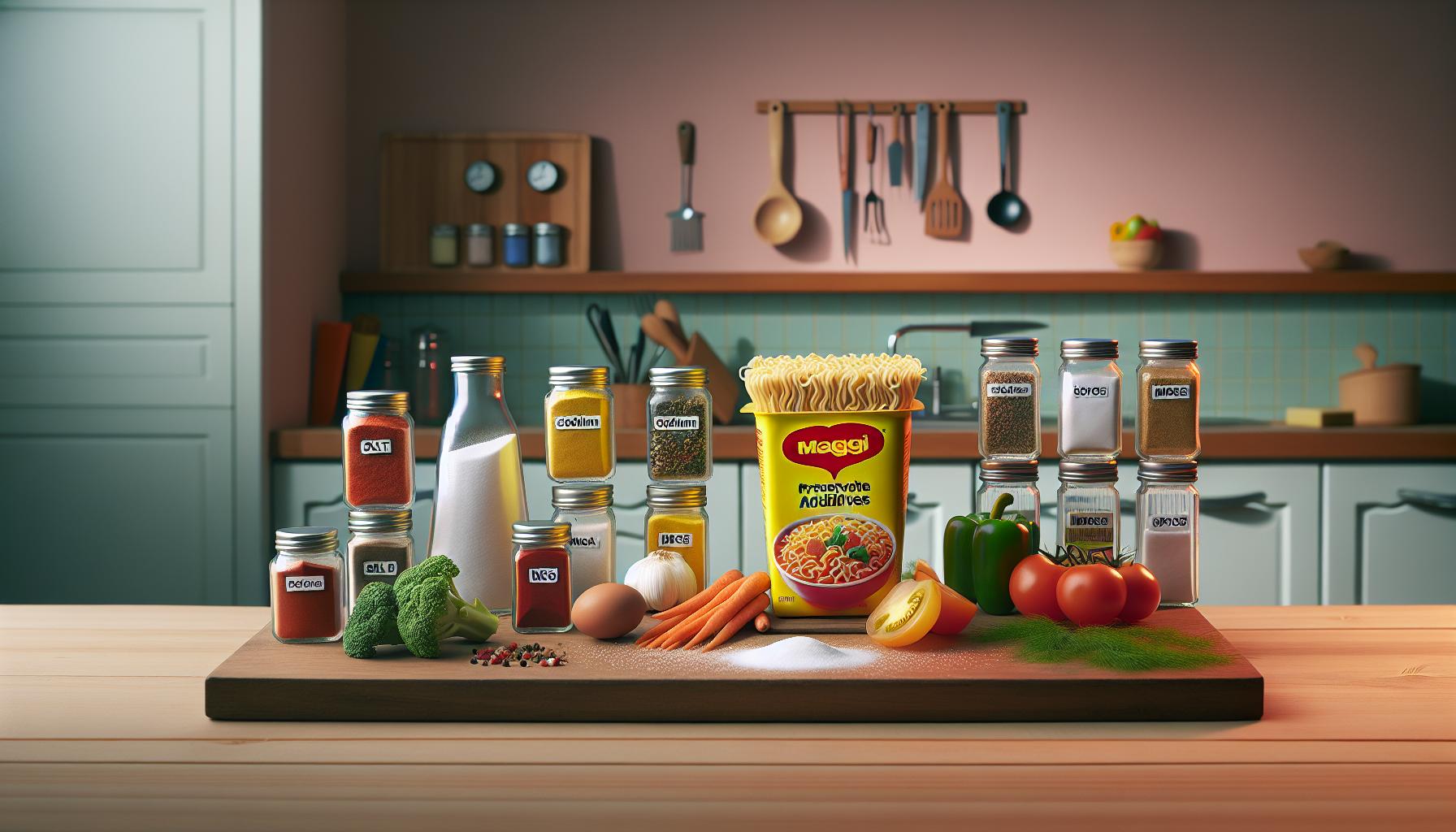
The Role of Preservatives and Additives in Maggi
Many consumers may not realize that the seemingly convenient and tasty instant noodles, such as Maggi, contain a range of preservatives and additives that could raise concerns about their long-term health effects, particularly regarding reproductive health. Preservatives are commonly added to enhance shelf life and enhance flavor, but they can also contribute to potential health risks, especially when consumed frequently.
Some of the prominent additives found in instant noodles include monosodium glutamate (MSG), sodium nitrite, and various artificial colorings. While these ingredients are generally recognized as safe by food authorities, studies have suggested that excessive consumption might have detrimental effects on health. For instance, high sodium intake, often found in instant noodles, has been linked to hypertension and cardiovascular issues, which can complicate pregnancy and overall reproductive health. This is particularly relevant for those on a fertility journey, as elevated blood pressure can interfere with normal ovulatory cycles and hormonal balance, essential for conception.
Moreover, the cumulative effect of consuming processed foods laden with these additives may lead to increased inflammation in the body. Chronic inflammation has been associated with various reproductive disorders, potentially impairing egg quality and menstrual regularity. Thus, while an occasional serving might not pose a direct threat, a regular diet that includes such preservatives could underpin health issues that contribute to fertility challenges over time.
As you navigate your fertility journey, it’s crucial to be informed about what you consume. Ensuring your diet includes whole, nutrient-dense foods can provide your body with the vital vitamins and minerals necessary for optimal reproductive function. Consider opting for fresh ingredients whenever possible, and if you do choose to indulge in instant noodles, balance them with whole foods to mitigate the potential negative effects of preservatives and additives. By being mindful of your dietary choices, you can take proactive steps toward maintaining your reproductive health and overall well-being.
Nutritional Comparison: Instant Noodles vs. Whole Foods
The convenience and allure of instant noodles, particularly popular brands like Maggi, appeal to many due to their quick preparation and satisfying taste. However, when compared to whole foods, the nutritional profile of instant noodles raises significant concerns. While instant noodles can be a quick meal solution, they often lack essential nutrients that support overall health and fertility.
Whole foods such as fruits, vegetables, whole grains, and lean proteins are laden with vitamins, minerals, and fiber, all of which have been shown to enhance reproductive health. These foods not only provide the nutrients necessary for hormone production and ovulatory function but also promote optimal bodily functions that are crucial during the fertility journey. In contrast, instant noodles, which are usually high in refined carbohydrates, fats, and sodium, offer little more than empty calories. They often lack fiber, vitamins A, C, and E, and essential minerals such as zinc and selenium, which play significant roles in fertility and pregnancy health.
To illustrate the differences more clearly, consider the following comparisons:
| Component | Instant Noodles (per serving) | Whole Foods (per serving, e.g., mixed vegetables) |
|---|---|---|
| Calories | 350 | 100-150 |
| Sodium | 1,500 mg | 20-50 mg |
| Fiber | 1 g | 3-5 g |
| Vitamins | Minimal | High (A, C, K) |
| Protein | 7 g | 3-6 g (varies by food) |
The high sodium content in instant noodles can contribute to hypertension and cardiovascular issues, potentially complicating fertility by disrupting the hormonal balance necessary for ovulation and conception. On the other hand, whole foods help reduce inflammation and provide antioxidants that support reproductive function.
Incorporating whole foods into your diet-such as leafy greens, berries, whole grains, nuts, and seeds-can enhance your chances for a successful conception. By prioritizing these nutrient-rich options, you can not only support your reproductive health but also create a balanced lifestyle that may ease the emotional and physical demands of the fertility journey. Thus, while it’s okay to indulge in instant noodles occasionally, raising your awareness about the benefits of a whole food diet will serve your overall health and fertility much better in the long run.
Impact of High Sodium Levels on Reproductive Health
High sodium intake is increasingly being recognized as a potential factor impacting reproductive health. The sodium levels found in instant noodles, such as Maggi, can reach up to 1,500 mg per serving, which is significantly higher than the recommended daily limit of 2,300 mg for most adults. This excess sodium can lead to health issues that may indirectly affect fertility, including hypertension and cardiovascular complications that disrupt hormonal balance essential for conception.
Elevated sodium intake can result in high blood pressure, which is detrimental not only to overall health but also to reproductive function. Stress on the cardiovascular system can impede blood flow to the reproductive organs, potentially reducing fertility. Furthermore, excessive sodium consumption has been linked with increased metabolic syndrome risks, an umbrella term that encompasses a variety of conditions like obesity and insulin resistance, which are known to negatively influence reproductive outcomes.
Taking proactive steps can significantly mitigate these risks. Individuals aiming to enhance their reproductive health should consider the following strategies:
- Limit Processed Foods: Reducing intake of processed foods, including instant noodles, can help manage sodium intake effectively.
- Incorporate Fresh Fruits and Vegetables: Whole foods are lower in sodium and richer in essential nutrients that promote reproductive health. Consider adding leafy greens, berries, and nuts into your diet.
- Monitor Salt Use: Be mindful of added salt in cooking and opt for herbs and spices for flavor enhancement without the sodium.
By making informed dietary choices and prioritizing whole foods over processed options, individuals can support their reproductive health and overall well-being. Balancing a diet with the right nutrients can foster a healthier environment for conception, providing the necessary support during this emotional journey toward family-building. Remember, every positive dietary shift contributes to a greater impact on your reproductive health.
Common Misconceptions About Instant Noodles and Fertility
Instant noodles, including popular brands like Maggi, often face scrutiny regarding their health impacts, particularly concerning reproductive health and fertility. A widespread misconception is that consuming these noodles directly leads to infertility. In reality, while instant noodles can pose health risks if consumed excessively, they are not a standalone cause of infertility. Instead, it is the overall lifestyle and dietary patterns that play a more significant role in reproductive health.
Many individuals believe that since instant noodles are convenient and quick to prepare, they are a suitable meal item during times of stress or when busy. However, the lack of essential nutrients in these processed foods can lead to nutrient deficiencies over time, which can impact overall health and, by extension, fertility. For instance, a diet high in processed foods often lacks important vitamins and minerals like folate, vitamin D, and omega-3 fatty acids, all crucial for reproductive health. Focusing solely on meals that are quick to make-like instant noodles-over more nutritious options can be detrimental.
Another misconception is that adding vegetables or proteins to instant noodles makes them a healthy meal choice. While it’s true that incorporating fresh ingredients can enhance the nutritional profile of instant noodles, it’s vital to consider the sodium and preservative levels present in the noodles themselves. High sodium intake can contribute to health issues, including hypertension, which is known to negatively affect fertility over time. Balancing meals and ensuring that instant noodles are an occasional rather than frequent meal can mitigate these concerns.
Ultimately, understanding that no single food leads to infertility can help reduce anxiety surrounding dietary choices. Focusing on a well-rounded, nutritious diet that includes a variety of whole foods-such as fruits, vegetables, whole grains, and lean proteins-can better support reproductive health. In essence, moderation and variety are keys to maintaining a diet that aids fertility while allowing for the occasional convenience of meals like instant noodles. By recognizing these nuances, individuals can make informed dietary decisions aligned with their reproductive goals.
How Lifestyle Choices Affect Fertility and Diet
Eating habits and lifestyle choices play a crucial role in fertility, significantly impacting one’s reproductive health. A surprising statistic reveals that approximately 40% of infertility cases are related to lifestyle factors. This connection underscores the importance of being mindful about what we consume and how our daily routines can influence our bodies’ abilities to conceive.
When it comes to instant noodles like Maggi, they are often chosen for convenience, especially by those juggling demanding schedules. However, reliance on processed foods can lead to nutritional deficiencies. For example, essential nutrients such as folate, which is vital for DNA synthesis and repair, are often lacking in a diet heavy in instant noodles. To foster a healthier lifestyle, aim to incorporate a variety of whole foods into your daily meals. This could look like adding fresh vegetables, fruits, lean proteins, and whole grains to ensure a well-rounded intake of vitamins and minerals essential for reproductive health.
Another critical aspect to consider is the high sodium content present in many instant noodles. Chronic high sodium intake can contribute to hypertension and other cardiovascular issues, which are known to negatively impact fertility. It’s important to balance quick meal options like instant noodles with nutritional wisdom. Regularly preparing meals that are rich in omega-3 fatty acids, antioxidants, and fiber can enhance overall health and support reproductive function.
Lastly, lifestyle choices extend beyond diet. Regular physical activity, stress management techniques like mindfulness and yoga, and proper sleep hygiene can help optimize your fertility journey. Making small, sustainable changes in these areas can create a more robust foundation for reproductive health, allowing for the occasional indulgence in convenience foods without compromising your goals. A perspective that embraces balance rather than perfection can ease anxiety and cultivate a more positive relationship with food and health during this journey.
Personal Stories: Experiences with Maggi and Infertility
Navigating the journey of infertility can be overwhelming, and many individuals turn to convenient food options like Maggi instant noodles during this challenging time. Personal stories and shared experiences often shed light on the often unspoken emotions surrounding diet and fertility, revealing both frustration and hope among those who have faced difficulties in conceiving.
One couple, Sarah and Jason, shared their experience of relying on instant noodles due to their busy lifestyles. They initially viewed meals like Maggi as a time-saving solution, especially during stressful periods when they were undergoing fertility treatments. However, after several months, they noticed how this convenience had taken a toll on Sarah’s health. With many nights spent consuming quick meals, Sarah began to feel fatigued and more anxious about their fertility journey. They decided to consult a nutritionist, who emphasized the importance of a nutrient-rich diet to support reproductive health. This shift to incorporating more whole foods not only improved Sarah’s physical well-being but also provided emotional comfort as they felt more empowered in their choices.
Another story comes from Mia, who after a year of trying to conceive, had her doctor express concern about her dietary habits. Mia grew up eating Maggi as a quick after-school snack but wasn’t aware of its potential implications for her health as an adult trying to conceive. Her doctor explained that while instant noodles don’t directly cause infertility, their low nutritional value could contribute to a less-than-ideal diet over time. Realizing the impact of her food choices, Mia started experimenting with healthier alternatives and recipes that included the flavors she loved but were also rich in nutrients essential for supporting fertility.
While some individual experiences may not directly link Maggi to infertility, they reflect a greater theme: the relationship between diet and reproductive health. Many individuals might find themselves in similar situations, feeling the stress of infertility compounded by the pressures of daily life that lead to poor dietary choices. It’s crucial to remember that making small, meaningful adjustments-like replacing instant noodles with fiber-rich grains and fresh vegetables-can not only enhance overall health but also contribute positively to one’s fertility journey. Sometimes, it’s the simplest changes that lead to the most significant benefits.
These narratives highlight the importance of self-compassion and understanding that everyone’s path to parenthood is unique. Turning to each other for support and sharing these stories fosters a sense of community among those navigating similar challenges. It encourages open conversations about dietary habits and their potential effects on fertility, emphasizing that every choice can lead to progress on this deeply personal journey.
Expert Opinions: Nutritionists and Doctors Weigh In
Long-term reliance on convenient foods like Maggi noodles raises important questions about their impact on fertility, and insights from nutritionists and healthcare providers are invaluable. Experts acknowledge that while instant noodles like Maggi don’t directly cause infertility, they are often lacking in essential nutrients, which can cumulatively affect overall health and reproductive capabilities.
Nutritionist Dr. Julia Harris emphasizes the significance of a well-rounded diet for those trying to conceive. She points out that instant noodles tend to be high in carbohydrates and low in fiber, protein, and essential vitamins and minerals. “A diet that skews heavily toward processed foods can contribute to issues like insulin resistance and inflammation, both of which are detrimental to reproductive health,” she explains. Moreover, there’s concern about the excessive sodium levels frequently found in these products, which can lead to hypertension and negatively impact overall wellness.
In a clinical setting, Dr. Samuel Chen, a fertility specialist, often sees patients who experience difficulties because of dietary choices. He advises, “Rather than focusing solely on the occasional consumption of instant noodles, it’s crucial to consider the frequent reliance on such foods as part of a broader lifestyle. A nutrient-rich diet supports hormonal balance and optimal reproductive functions.” He recommends swapping instant noodles for whole grains, legumes, and plenty of fresh fruits and vegetables, promoting sustained energy levels and better health outcomes.
Together, these expert opinions underline the vital role that balanced nutrition plays in fertility. They encourage individuals to understand that while instant noodles may save time, they can be detrimental when they replace more nutrient-dense foods. Making small, consistent changes in dietary habits can lead to significant improvements in reproductive health, paving the way for a more promising fertility journey.
Practical Tips for Healthier Eating Habits
Making mindful choices about what you eat can be a transformative step on your fertility journey. If you find yourself relying on convenient options like Maggi noodles, consider incorporating healthier alternatives into your diet. A well-rounded, nutrient-rich meal plan plays a significant role in supporting reproductive health, enhancing your chances of conception and overall well-being.
One effective approach is to prioritize whole foods over processed options. Start with a few easy swaps: replace instant noodles with whole grains like quinoa, brown rice, or whole wheat pasta. These not only provide more fiber but also essential nutrients necessary for hormonal balance. Adding a variety of colorful vegetables to your meals can enhance the nutritional profile, offering vitamins and antioxidants that support cellular health.
Include sources of lean protein and healthy fats in your diet as well. Foods rich in omega-3 fatty acids, such as salmon, walnuts, and flaxseeds, can help reduce inflammation-an important factor for reproductive health. Similarly, legumes like lentils and chickpeas are excellent plant-based protein sources that also support sustained energy levels without the blood sugar spikes associated with highly processed foods.
- Meal Planning: Take time each week to plan your meals. This can help you make healthier choices and reduce the temptation to rely on instant noodles.
- Batch Cooking: Prepare larger portions of healthy meals that can be stored and easily reheated. This saves time and ensures you have nutritious options readily available.
- Mindful Eating: Pay attention to what you eat and savor each bite. Mindful eating can reduce overeating and help you appreciate your meals more.
- Stay Hydrated: Drink plenty of water throughout the day. Sometimes, we misinterpret thirst for hunger, which can lead to unhealthy snacking.
- Seek Support: Connect with a nutritionist who specializes in fertility. They can provide personalized guidance tailored to your specific needs and help you develop a balanced eating plan.
Embracing these dietary changes can feel daunting, but remember, progress is about making small, sustainable adjustments rather than overwhelming transformations. Celebrate each positive choice you make, as these small milestones can lead to significant improvements in your reproductive health and overall quality of life. You’re not alone on this journey; seek support from friends, family, or professionals who understand the emotional landscape of trying to conceive.
Alternatives to Instant Noodles for Reproductive Health
Making informed dietary choices can significantly support your reproductive health. While instant noodles like Maggi may seem convenient, there are numerous healthier alternatives that can not only satisfy your cravings but also provide essential nutrients beneficial for fertility. Transitioning from processed options to whole foods doesn’t have to be overwhelming; small swaps can lead to more significant health improvements over time.
Consider incorporating whole grains into your meals. Foods like quinoa, brown rice, and whole wheat pasta are excellent substitutes for instant noodles. These alternatives are not only rich in fiber, which aids digestion, but they also contain essential nutrients that support hormonal balance and reproductive health. Pairing these grains with a variety of colorful vegetables-think bell peppers, spinach, and carrots-can enhance your meals’ nutritional profile, providing necessary vitamins and antioxidants that support cellular health.
Including lean proteins and healthy fats is also vital. Sources such as salmon, walnuts, and flaxseeds are beneficial due to their omega-3 fatty acids, which can help reduce inflammation-an important factor for reproductive wellness. Additionally, legumes like lentils and chickpeas offer plant-based protein that supports energy levels while helping to maintain stable blood sugar, unlike the spikes often caused by processed foods.
To cultivate healthier eating habits, consider these practical strategies:
- Meal Planning: Allocate time each week to plan and prep meals, which can help prevent reliance on instant noodles during busy days.
- Batch Cooking: Preparing larger quantities of nutritious meals can provide easy, healthy options when time is short.
- Mindful Eating: Focus on your meals, savor the flavors, and pay attention to when you feel full, which can help reduce overeating.
- Stay Hydrated: Drinking sufficient water can curb hunger and aid overall health.
- Seek Support: Connecting with a nutritionist who specializes in fertility can ensure your dietary choices align with your reproductive goals.
By embracing these alternatives and strategies, you can create a dietary landscape that supports your fertility journey. Remember, progress is gradual-celebrating each small step allows for meaningful improvements along the way. You’re not alone in this; seek out support from those who understand the emotional journey, and strive for balance in every meal you enjoy.
FAQ
Q: Can eating Maggi noodles affect fertility in men?
A: Yes, consuming Maggi noodles may impact male fertility. The high sodium content and preservatives present can influence overall health, including reproductive functions. Limiting processed foods and maintaining a balanced diet can support better fertility outcomes. For a detailed nutritional breakdown, check the section on Nutritional Comparison.
Q: What are the potential health risks of instant noodles like Maggi?
A: Instant noodles like Maggi can pose health risks such as obesity, heart disease, and nutritional deficiencies due to their high levels of sodium, unhealthy fats, and low nutrient density. Consider alternatives that offer higher nutritional value to reduce these risks, particularly for those concerned about reproductive health.
Q: How does sodium intake affect reproductive health?
A: High sodium intake can lead to hypertension and stress the cardiovascular system, possibly affecting fertility. It’s important to monitor sodium consumption, especially for those trying to conceive, to promote overall reproductive wellness.
Q: Are there healthier alternatives to Maggi for snacking?
A: Yes, healthier alternatives include whole grain crackers, vegetable sticks with hummus, or homemade whole grain pasta. These options provide better nutritional value and can support reproductive health, making them preferable choices for snacking.
Q: How often can one safely consume instant noodles without affecting health?
A: Consuming instant noodles occasionally is generally safe for most people, but regular consumption can lead to health issues. It’s advisable to limit intake to once or twice a month and focus on a varied diet rich in fruits, vegetables, and whole foods for optimal health.
Q: Does Maggi contain any harmful additives or preservatives?
A: Yes, Maggi contains additives such as MSG and artificial preservatives, which may have adverse health effects. For those concerned about fertility, it’s best to minimize consumption of products with such additives and choose fresh, natural foods instead.
Q: What ingredients in Maggi should I be cautious about for reproductive health?
A: Be cautious of MSG, artificial flavors, and high sodium levels in Maggi, as they may negatively influence reproductive health. Opting for less processed food can contribute to better fertility outcomes. For more specific concerns, refer to the Role of Preservatives and Additives section.
Q: Can lifestyle changes offset potential infertility risks tied to diet?
A: Yes, adopting a healthier lifestyle can significantly offset infertility risks. Regular exercise, balanced nutrition, and stress management contribute positively to reproductive health. Focus on whole foods, reduce processed food intake, and stay hydrated for optimal results.Closing Remarks
As we wrap up our discussion on whether Maggi and other instant noodles could impact fertility, it’s clear that while they are not direct causes of infertility, their nutritional profile should be considered, especially for those planning to conceive. If you’re interested in understanding more about nutrition and its role in reproductive health, we highly recommend exploring our articles on dietary choices during pregnancy and the potential effects of processed foods on overall health.
Your health decisions matter-don’t hesitate to take actionable steps! For more insights, consider signing up for our newsletter, where we share expert advice and tips for optimal reproductive health. And if you’re feeling uncertain or have questions about your fertility journey, our comprehensive guides on fertility treatments such as IVF and insemination are just a click away.
Join the conversation! Share your thoughts in the comments below or dive deeper into related topics for a fuller understanding. Remember, knowledge is power, and together we can navigate these important health concerns.