When exploring the intricate relationships within our bodies, it’s essential to recognize how the endocrine and reproductive systems interconnect. Many may wonder, “Are these systems the same?” While they share key hormonal functions, each serves distinct yet complementary roles. Understanding this interplay can illuminate the complexities of reproductive health, offering insights critical for anyone navigating fertility challenges. Knowing how hormones influence everything from ovulation to overall well-being is invaluable. As we delve deeper into this topic, you’ll discover not just the biological mechanisms at play, but also how they resonate with your personal journey. Whether you’re considering paths to parenthood or simply seeking to understand your body better, this exploration can empower you with knowledge and support.
Understanding the Endocrine System’s Role in Reproduction
The intricate dance of human reproduction hinges significantly on the endocrine system, which orchestrates the delicate balance of hormones essential for fertility and overall reproductive health. This network of glands, which includes the pituitary, thyroid, adrenal glands, and the pancreas, produces hormones that travel through the bloodstream to target organs, signaling them to perform their functions. In the context of reproduction, hormones such as estrogen, progesterone, luteinizing hormone (LH), and follicle-stimulating hormone (FSH) play pivotal roles in regulating menstrual cycles, ovulation, and sperm production.
Understanding this system is fundamental, as hormonal imbalances can lead to various reproductive challenges. For instance, conditions like polycystic ovarian syndrome (PCOS) and thyroid dysfunctions often interfere with regular ovulation, potentially leading to difficulties in conceiving. While the reproductive system comprises the organs directly involved in procreation-such as the ovaries, uterus, and testes-it is the endocrine system that ensures these organs function optimally. When hormonal signals are disrupted, the entire reproductive process can be thrown off balance, leading to symptoms ranging from irregular periods to infertility.
Moreover, environmental factors and lifestyle choices can impact hormonal health, illustrating the interconnectedness of our endocrine function and reproductive capabilities. Endocrine-disrupting chemicals (EDCs) found in plastics, personal care products, and pesticides have been linked to adverse effects on reproductive health. Understanding how these factors contribute to hormonal imbalance is crucial for those on a fertility journey. By recognizing these influences and seeking support through lifestyle changes or medical interventions, individuals can take proactive steps toward restoring hormonal balance and enhancing reproductive potential.
In this ever-evolving landscape of reproductive health, staying informed and advocating for oneself can make a significant difference. By fostering a deeper understanding of how the endocrine system supports reproductive functions, individuals can navigate their fertility journey with greater clarity and confidence.
Key Differences Between Endocrine and Reproductive Systems
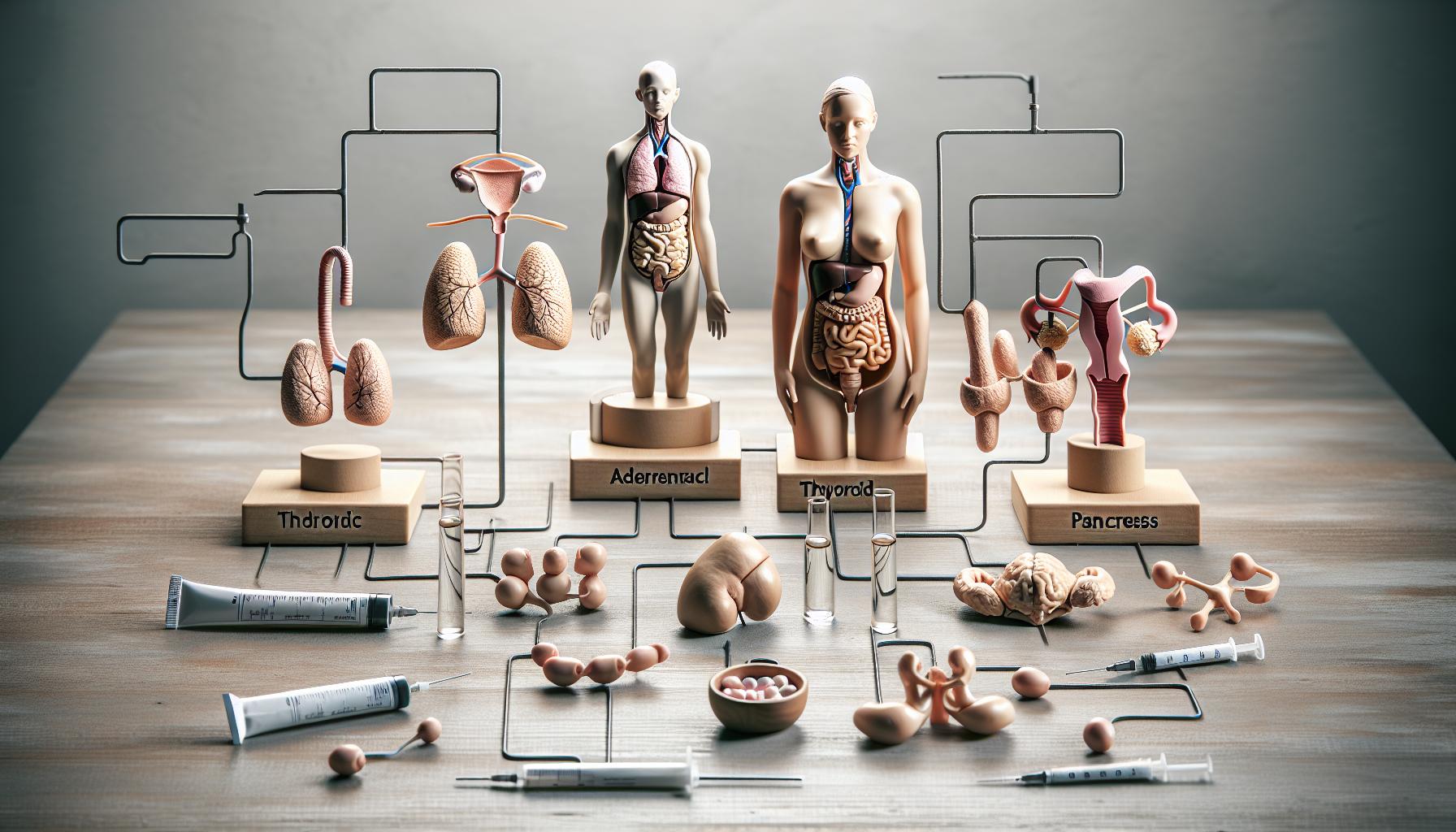
The relationship between the endocrine and reproductive systems is profound yet distinct, each playing essential but separate roles in human biology. The endocrine system consists of a complex network of glands that produce and secrete hormones directly into the bloodstream. These hormones serve as chemical messengers that regulate various bodily functions, including metabolism, growth, and mood. Critical glands in this system include the pituitary, thyroid, adrenal glands, and pancreas. The reproductive system, however, is specifically concerned with sexual reproduction and the organs that facilitate this process-primarily the ovaries, testes, uterus, and vagina.
While these two systems interact harmoniously, being interconnected, they function differently. The endocrine system sends hormonal signals that can influence reproductive health; for example, hormones like estrogen and testosterone orchestrate the development of reproductive organs and govern menstrual cycles. In contrast, the reproductive system is primarily focused on the mechanisms of reproduction-producing gametes, facilitating fertilization, and nurturing early development. Thus, you can think of the endocrine system as the regulatory body that ensures the reproductive system can operate at its optimal capacity.
Understanding these differences becomes critical, especially when considering fertility challenges. Conditions like polycystic ovarian syndrome (PCOS), which disrupt hormonal balance within the endocrine system, can lead to irregular ovulation or anovulation, significantly impacting reproductive health. Addressing endocrine disorders can therefore enhance reproductive function, emphasizing that while these systems are distinct, their interplay is essential for conception and overall reproductive success.
In navigating the complexities of reproductive health, it’s vital to recognize these differences. A thorough understanding empowers individuals to seek appropriate support and treatment, whether that means endocrinological evaluations, lifestyle adjustments, or reproductive assistance. Each person’s journey is unique, and acknowledging this complexity can lead to more effective strategies in addressing fertility concerns, enhancing both emotional well-being and reproductive outcomes.
Common Hormones in the Endocrine System
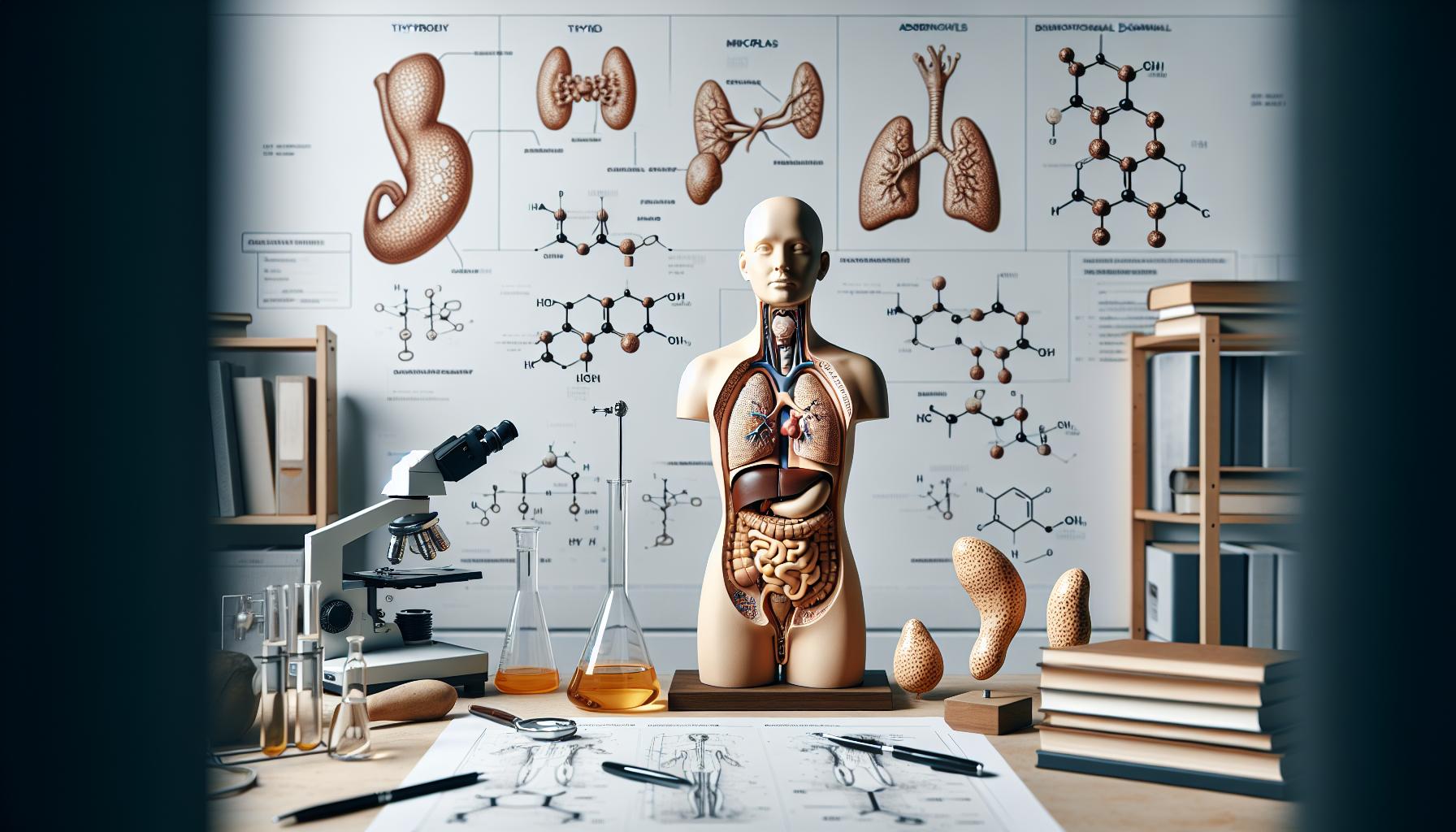
Hormones play a pivotal role in maintaining the intricate balance of bodily functions, especially within the context of reproduction. Among the myriad of hormones produced by the endocrine system, several are critical for reproductive health. These hormones act as chemical messengers, regulating everything from sexual development to the menstrual cycle, and even the onset of pregnancy.
One of the most well-known hormones is estrogen, primarily produced in the ovaries, which is essential for the development of female secondary sexual characteristics and regulation of the menstrual cycle. It plays a vital role in maintaining the health of the reproductive system and preparing the uterus for potential pregnancy. In contrast, testosterone, predominantly produced in the testes, is crucial for male sexual development and libido. Both hormones must be in proper balance to support reproductive health and functionality.
Other key hormones include progesterone, which prepares the body for pregnancy following ovulation and helps maintain the uterine lining, and luteinizing hormone (LH) and follicle-stimulating hormone (FSH), produced by the pituitary gland. These hormones work intricately together to regulate the reproductive processes, including ovulation, sperm production, and overall menstrual cycle function. A disturbance in any of these hormonal levels can lead to reproductive issues such as irregular cycles or infertility.
In summary, the endocrine system’s hormones are not only integral in regulating physiological processes but are also critical in supporting the reproductive system. Your journey through fertility challenges may involve understanding these hormones and their roles, as establishing balance can make a significant difference in achieving desired reproductive outcomes. Being aware of these connections reinforces the importance of seeking professional guidance when navigating reproductive health issues. Remember, you are not alone in this journey, and understanding your body’s hormonal intricacies is a powerful step toward achieving your reproductive goals.
How Hormones Affect Reproductive Health

Understanding the intricate relationship between hormones and reproductive health can significantly influence your fertility journey. Hormones, produced by the endocrine system, are vital players in regulating every aspect of reproduction-from the onset of puberty to menopause and everything in between. A fascinating aspect of this dynamic is how these chemical messengers operate seamlessly to ensure that reproductive functions proceed without a hitch, affecting menstrual cycles, ovulation, and overall reproductive health.
For instance, estrogen and progesterone are crucial for female reproductive health. Estrogen facilitates the thickening of the uterine lining in preparation for potential pregnancy, while progesterone stabilizes this lining once implantation occurs. Any imbalance between these hormones can lead to a variety of issues, including irregular menstrual cycles or even complications concerning pregnancy. For men, testosterone is vital not only for the development of male sexual characteristics but also for the production of sperm. Low testosterone levels can directly affect libido and fertility, leading to challenges that may require medical intervention.
Key Factors in Hormonal Influence:
- Feedback Mechanisms: The body’s hormonal pathways rely on feedback loops. For example, the hypothalamus and the pituitary gland work closely together to regulate the hormones produced by the ovaries and testes. Any disruption in this feedback mechanism can lead to reproductive disorders.
- Environmental Influences: Exposure to endocrine-disrupting chemicals (EDCs), such as those found in plastics, can affect hormone levels, leading to reproductive health challenges. Research indicated that women exposed to EDCs may experience earlier onset of puberty, irregular menstruation, or even conditions like polycystic ovary syndrome (PCOS) [1].
Navigating the complexities of these hormonal relationships raises common concerns among individuals trying to conceive. Grief and uncertainty often accompany the desire for a family, especially when faced with infertility issues. It is essential to remember that you are not alone; understanding your hormonal health can empower you to take proactive steps toward achieving your reproductive goals. Working with a reproductive endocrinologist can help clarify how hormonal testing and treatments, such as medication or assisted reproductive technologies, may optimize your chances of conception. This supportive approach allows for a respectful and thorough examination of both physical and emotional health, validating your unique journey and celebrating milestones along the way.
In summary, hormones play a profound role in reproductive health, influencing everything from conception to menstrual regularity. Recognizing and understanding this relationship is key to addressing reproductive challenges effectively. Seek professional guidance when needed, and advocate for your reproductive health with confidence, knowing that you can navigate this path with clarity and support.
The Interconnectedness of Endocrine and Reproductive Systems

The intricate relationship between the endocrine and reproductive systems is fundamental to understanding how our bodies function, especially regarding fertility. These two systems are not the same, yet they are deeply interconnected. The endocrine system, responsible for hormone production and regulation, plays an essential role in the reproductive process. Hormones released by the endocrine glands influence reproductive health and reproductive functions, creating a delicate balance crucial for conception and maintaining a healthy pregnancy.
When hormones like estrogen, progesterone, and testosterone are released into the bloodstream, they signal various processes in the reproductive system. For example, the hypothalamus sends signals to the pituitary gland, which in turn regulates the release of hormones that control the ovaries and testes. This hormonal interplay is vital for menstrual cycle regulation, ovulation, and sperm production. Disruptions in this communication can lead to reproductive health issues, including infertility, irregular cycles, and other hormonal disorders.
Furthermore, environmental factors can impact this interconnectedness significantly. Endocrine-disrupting chemicals (EDCs) found in everyday products can interfere with hormone production and function, leading to adverse effects on reproductive health. Addressing these external contributors is crucial for those struggling with fertility. Individuals seeking to improve their reproductive health may consider reducing exposure to EDCs, understanding their cycles, and collaborating with healthcare providers to monitor hormonal health.
Overall, recognizing that the endocrine and reproductive systems work in tandem empowers individuals on their fertility journeys. Seeking guidance from specialists, such as reproductive endocrinologists, can help decode these complex interactions and develop targeted treatment approaches, ensuring that those navigating these challenges feel supported and informed every step of the way.
Disorders Impacting Endocrine and Reproductive Functions
Disruptions in the endocrine system can have profound impacts on reproductive health, often leading to conditions that challenge the journey towards conception. Hormonal disorders such as polycystic ovary syndrome (PCOS), thyroid dysfunction, and adrenal insufficiency can significantly alter the hormonal balance, affecting ovulation, menstrual cycles, and overall reproductive function. For instance, PCOS, which affects up to 10% of women of reproductive age, can result in irregular periods and anovulation-where ovulation does not occur-causing difficulties in achieving pregnancy.
Some common endocrine disorders include:
- Hypothyroidism: Low thyroid hormone levels can lead to irregular menstrual cycles, weight gain, and infertility.
- Hyperthyroidism: Overactive thyroid can cause similar issues but may also lead to weight loss and menstrual irregularities.
- Cushing’s syndrome: This condition, caused by excessive cortisol, can impact menstrual cycles and fertility.
- Adrenal gland disorders: Both underactive and overactive adrenal glands can influence reproductive hormones and thus affect fertility.
Recognizing and addressing these disorders is crucial. For instance, managing thyroid function through medication can restore normal menstrual cycles and improve fertility outcomes. Likewise, lifestyle changes, such as weight management and dietary adjustments, can help in managing conditions like PCOS. Seeking support from a reproductive endocrinologist can provide targeted treatment strategies tailored to individual hormonal profiles, offering a clearer path toward fertility.
Additionally, emotional support is essential throughout this journey. Many individuals and couples may experience feelings of grief, frustration, or even helplessness as they navigate hormonal challenges and infertility. Remembering to celebrate small milestones on the way-be it successful cycles or positive diagnostic tests-can help maintain hope and encourage perseverance. It’s important to validate these emotions and foster an environment where questions are welcomed, fostering a partnership with healthcare providers towards a shared goal of reproductive health.
The Role of Hormonal Imbalance in Infertility
Hormonal imbalances play a pivotal role in infertility, often creating barriers to conception that can feel insurmountable. A delicate interplay of hormones governs reproductive processes, and when this balance is disrupted, the body may struggle to ovulate, maintain a pregnancy, or even achieve a regular menstrual cycle. Conditions like polycystic ovary syndrome (PCOS), thyroid disorders, and adrenal issues exemplify how hormonal imbalance can manifest, impacting not just physical health but emotional well-being as well.
For women experiencing infertility, understanding common hormonal disruptions is crucial. Hypothyroidism, characterized by low thyroid hormone levels, can lead to irregular menstrual cycles, weight gain, and diminished fertility. Conversely, hyperthyroidism may produce lighter or infrequent menstrual periods alongside other symptoms like unintentional weight loss. Cushing’s syndrome, resulting from excess cortisol, can also interfere with menstrual cycles and overall reproductive health. Adrenal disorders, whether hyperactive or underactive, can contribute significantly to reproductive hormone dysregulation, complicating efforts to conceive.
Effective management of these hormonal imbalances is often a multi-faceted approach that includes medical treatment, lifestyle changes, and emotional support. Medications can help restore thyroid function or regulate cortisol levels, promoting more regular cycles and improving fertility outcomes. Additionally, lifestyle adjustments-such as achieving a healthy weight through balanced diet and exercise-can enhance hormonal balance. Importantly, seeking guidance from a reproductive endocrinologist provides access to specialized care tailored to individual needs, empowering patients with the right tools and knowledge to navigate their fertility journey.
Navigating infertility can elicit a wide spectrum of emotions, including feelings of grief, disappointment, and uncertainty. It’s vital to recognize and validate these feelings, as they are part of a complex experience that can feel isolating. Celebrating small victories, whether it’s a successful ovulation or a positive doctor’s appointment, can foster a sense of hope. Remember, on this challenging path, you are not alone-and every question or concern is important in your journey towards achieving reproductive health and wellness.
Exploring Endocrine Disorders Affecting Fertility
Endocrine disorders play a critical role in reproductive health, significantly affecting fertility for many individuals and couples. A fascinating aspect of these disorders is how they often intertwine with various reproductive challenges, leading to a profound impact on the journey toward conception. Understanding these conditions is essential for anyone navigating the complexities of infertility.
Polycystic Ovary Syndrome (PCOS) is among the most common endocrine disorders affecting women’s reproductive health. Characterized by hormonal imbalances, PCOS can result in irregular menstrual cycles, ovulatory dysfunction, and elevated androgen levels, all of which can influence fertility. Women with PCOS may experience symptoms like weight gain and excessive hair growth, which can further complicate their emotional state during the journey of trying to conceive. Early diagnosis and management through lifestyle changes, such as diet and exercise, alongside medical treatments, can significantly enhance fertility prospects.
Another significant endocrine disorder is hypothyroidism, where an underactive thyroid leads to insufficient hormone production. This condition can cause irregular menstrual cycles and ovulatory issues, making it challenging for individuals to conceive. On the other hand, hyperthyroidism, or an overactive thyroid, can also disrupt menstrual cycles and hormone levels, illustrating the delicate balance required for optimal reproductive health. Treatment options exist for both conditions, typically involving medication to restore normal hormone levels, which can help improve fertility outcomes.
It is essential to approach these challenges with empathy and understanding. Infertility evokes a complex mix of emotions, such as grief and hope. Acknowledging this emotional weight can make a significant difference. Celebrating small milestones-like achieving a regular menstrual cycle or successfully ovulating-can provide encouragement during a challenging journey. Furthermore, having an open dialogue with healthcare professionals specializing in reproductive endocrinology can empower individuals and couples to make informed decisions about their treatment options.
In summary, exploring endocrine disorders offers vital insights into the broader context of fertility. Understanding these conditions not only helps demystify the hurdles faced in conception but also emphasizes the importance of a supportive environment-one that recognizes the emotional and practical complexities involved in family building.
Treatments for Endocrine-Related Reproductive Issues
Navigating the landscape of endocrine-related reproductive issues can feel overwhelming, but understanding the available treatments provides hope and clarity. Timely and effective intervention can significantly enhance fertility prospects for those dealing with hormonal imbalances affecting reproduction. Here’s a look at some common treatment strategies tailored to address these complex challenges.
Medical Treatments
For endocrine disorders like Polycystic Ovary Syndrome (PCOS) and thyroid imbalances, medical treatments often start with medications that aim to restore hormonal balance. For PCOS, a healthcare provider may prescribe:
- Hormonal contraceptives: Regulate menstrual cycles and manage symptoms by balancing hormone levels.
- Metformin: Commonly used for type 2 diabetes, this medication can help improve insulin sensitivity and may assist in restoring ovulatory function.
- Ovulation induction agents: Medications like Clomiphene citrate or Letrozole can stimulate the ovaries to produce eggs.
For thyroid disorders, treatment typically includes hormone replacement therapy aimed at correcting deficiencies or imbalances:
- Levothyroxine: For hypothyroidism, this synthetic hormone replacement helps normalize thyroid hormone levels.
- Antithyroid drugs: For hyperthyroidism, medications like methimazole can reduce hormone production and restore balance.
Assisted Reproductive Technologies
In cases where medical treatments alone do not yield the desired outcome, assisted reproductive technologies (ART) may be considered. These include:
- In Vitro Fertilization (IVF): A process where eggs are retrieved and fertilized outside the body before being implanted into the uterus. IVF is often recommended for individuals facing moderate to severe infertility related to endocrine issues.
- Intrauterine Insemination (IUI): Timed insertions of sperm into the uterus during ovulation can help improve the chances of conception.
Lifestyle Modifications
Alongside medical and assisted treatments, lifestyle changes can play a crucial role in enhancing reproductive health. Recommendations might include:
- Weight management: Achieving a healthy weight can help regulate menstrual cycles and improve fertility prospects, particularly in women with PCOS.
- Diet and nutrition: A balanced diet rich in whole foods, lean proteins, and healthy fats can support hormonal balance. Foods high in omega-3 fatty acids, antioxidants, and fiber can be particularly beneficial.
- Regular exercise: Physical activity encourages hormonal regulation and improves overall health, contributing positively to reproductive health.
Understanding the treatment options available empowers individuals and couples to take an active role in their reproductive health journey. It’s equally vital to acknowledge that this path can be fraught with emotional challenges-celebrating small wins, like improving menstrual regularity or successful ovulation, can provide vital encouragement along the way. Having thorough discussions with knowledgeable healthcare professionals can help patients navigate decisions around treatment pathways while offering the necessary support and compassion as they move forward.
Lifestyle Factors Influencing Hormonal Balance
Hormones serve as essential messengers in the body, orchestrating numerous functions, including those related to reproduction. Among the various influences on hormonal balance, lifestyle factors are critical and can significantly sway both endocrine health and reproductive success. Understanding these factors can empower individuals to make informed choices that positively impact hormonal regulation and, by extension, reproductive health.
Incorporating a nutritious diet plays a foundational role in maintaining hormonal balance. A well-rounded diet, rich in fruits, vegetables, whole grains, lean proteins, and healthy fats, can provide the essential nutrients that help the body produce and regulate hormones effectively. Specific foods can be particularly beneficial: for example, omega-3 fatty acids found in fish and flaxseeds support hormonal health, while fiber-rich foods assist in eliminating excess hormones from the body. Regular meals can also help maintain stable blood sugar levels, which is vital for consistent hormone production.
Regular physical activity is another key element that can significantly influence hormonal levels. Engaging in moderate exercise, such as brisk walking, swimming, or yoga, promotes circulation and can enhance the body’s hormonal responses by reducing insulin resistance and improving metabolic health. However, excessive exercise can lead to hormonal imbalances, so finding a healthy balance is essential. Mental wellness practices, including stress management through mindfulness or meditation, also contribute importantly, as chronic stress is known to disrupt hormonal pathways and compromise reproductive health.
Ultimately, understanding the interconnectedness of these lifestyle choices can be a powerful tool in the journey toward hormonal balance and reproductive well-being. Each individual’s body responds uniquely, so it’s beneficial to adopt personalized strategies while consulting with healthcare professionals. Small, consistent changes-such as improving diet, enhancing exercise routines, and prioritizing mental health-can lead to significant improvements in hormonal health and reproductive outcomes over time. By actively engaging with these lifestyle factors, individuals can foster a supportive environment for their endocrine and reproductive systems, paving the way for a healthier future.
How to Advocate for Your Reproductive Health
Understanding is crucial in navigating the complexities of fertility, especially with the intertwining roles of the endocrine system. This journey can be emotionally charged, filled with moments of hope and instances of disappointment. Knowledge is power, and being proactive about your health can lead to better outcomes.
Start by engaging in open conversations with healthcare professionals. Prepare for your appointments by writing down questions and concerns you have regarding your endocrine health and how it relates to your reproductive goals. Understand the common hormonal factors affecting fertility, such as estrogen, testosterone, and progesterone levels, and don’t hesitate to ask your doctor to explain how these hormones impact your body specifically.
It’s also beneficial to keep a detailed health journal. Documenting your menstrual cycle, any symptoms you experience, and lifestyle factors like diet and exercise can provide invaluable insights for your healthcare team. This record can help identify patterns that may point to hormonal imbalances or other underlying reproductive health issues, which will allow for more tailored treatment plans.
Moreover, consider seeking a supportive community or therapy to help manage the emotional rollercoaster that often accompanies fertility challenges. Connecting with others who share similar experiences can provide comfort and encouragement. It’s essential to celebrate small achievements along the way, whether that means understanding a complicated medical term or receiving a clear diagnosis.
By staying informed and actively participating in your healthcare decisions, you create a partnership with your providers that fosters a more positive experience on your journey to reproductive health. Remember, every step, no matter how small, is part of a larger narrative of resilience and self-advocacy in the face of challenges.
Future Research and Advances in Endocrine-Related Reproductive Care
As researchers delve deeper into the intricate relationship between the endocrine and reproductive systems, exciting advancements are promising to reshape reproductive care. Innovative studies are underway to illuminate how hormonal pathways can be optimized for improved fertility outcomes. One area gaining traction is the exploration of individualized hormone therapy, focusing on tailored approaches that account for each patient’s unique hormonal profile. This personalized strategy could ensure that interventions are more effective, minimizing unnecessary treatment cycles.
Furthermore, cutting-edge technologies such as artificial intelligence (AI) and machine learning are increasingly being integrated into reproductive medicine. These tools can analyze large datasets to predict ovulation and optimize the timing for insemination or in vitro fertilization (IVF). By harnessing data analytics, practitioners can enhance success rates and reduce costs associated with fertility treatments. For women facing conditions like polycystic ovary syndrome (PCOS) or endometriosis, emerging research aims to better understand the specific hormonal imbalances at play, paving the way for more targeted therapies.
In addition, there is a growing focus on the psychosocial aspects of reproductive health, recognizing that emotional and mental well-being are closely linked to hormonal health. Supportive therapies, such as counseling and group support, are being integrated alongside medical treatments. This holistic approach not only addresses the physical components of fertility but also the emotional landscape that many individuals navigate during their journey. The future of reproductive care thus looks promising, as advancements aim to blend scientific discovery with compassionate patient care.
As we look ahead, it is essential to stay informed and engaged in these discussions, advocating for yourself or loved ones while navigating the complexities of reproductive health. Collaboration among medical professionals, researchers, and patients will be crucial in shaping a future where reproductive challenges are met with both cutting-edge science and empathetic support. By embracing these advancements, individuals can move forward with renewed hope and empowerment on their journey to family building.
Q&A
Q: What is the main function of the endocrine system in relation to reproduction?
A: The endocrine system regulates crucial reproductive processes by producing hormones that control development, menstruation, fertility, and pregnancy. Understanding its role helps clarify how these hormones impact reproductive health.
Q: How do endocrine disorders affect reproductive health?
A: Endocrine disorders can disrupt hormonal balance, leading to issues such as irregular menstrual cycles, infertility, or complications during pregnancy. Early diagnosis and treatment of these disorders are essential for maintaining reproductive health.
Q: Are endocrine and reproductive systems interconnected?
A: Yes, the endocrine and reproductive systems are interconnected. Hormones produced by the endocrine system influence reproduction, and reproductive organs release hormones that affect the endocrine system. This synergy is vital for overall health.
Q: What are common hormones involved in reproduction?
A: Key hormones include estrogen, progesterone, luteinizing hormone (LH), and follicle-stimulating hormone (FSH). These hormones play critical roles in regulating the menstrual cycle and supporting pregnancy.
Q: Can hormonal imbalances affect fertility?
A: Absolutely. Hormonal imbalances can lead to conditions like polycystic ovary syndrome (PCOS) or thyroid issues, which can significantly impact fertility. Regular hormone level assessments are important for those trying to conceive.
Q: How is treatment approached for endocrine-related reproductive issues?
A: Treatments often involve hormone replacement therapy or medications to address specific imbalances. Personalized treatment plans are essential and should include regular monitoring to ensure effectiveness and safety.
Q: What lifestyle changes can support hormonal balance?
A: Maintaining a balanced diet, regular exercise, managing stress, and ensuring adequate sleep can support hormonal balance. These lifestyle factors play a significant role in overall reproductive health.
Q: When should I seek medical advice regarding my endocrine or reproductive health?
A: Seek medical advice if you experience irregular cycles, unexpected weight changes, or difficulty conceiving. Early intervention can improve outcomes related to both endocrine and reproductive health.
Insights and Conclusions
As we wrap up our exploration of whether the endocrine and reproductive systems are the same, it’s clear that while they share interconnections, they each serve distinct roles vital to your health and wellness. Understanding these differences can empower you to make informed decisions about your reproductive health. If you have further questions or concerns, don’t hesitate to reach out for a personalized consultation.
For more insights, check out our articles on infertility causes and IVF treatment options. These resources provide detailed information to help you navigate your journey, whether you’re exploring assisted reproductive technologies or seeking emotional support. Remember, your health is a priority, and our compassionate team is here to guide you every step of the way. Let’s continue this conversation-share your thoughts in the comments or join our newsletter for ongoing updates and support. Your path to understanding starts here!
Get our latest guides, news, and insights highlighted in your Google Search & AI Overviews.