Navigating the journey of in vitro fertilization (IVF) can be both exciting and daunting, with many physical changes to consider along the way. One key aspect many people wonder about is how much the ovaries expand during this process. Typically, ovaries can grow significantly in size as they respond to hormonal stimulation aimed at producing multiple eggs. Understanding these size changes is crucial for managing expectations and emotions during IVF, as it directly relates to the success of egg retrieval and overall fertility. This article will guide you through the anatomy of ovarian growth during IVF, addressing common questions and concerns while providing valuable insights to help you feel more empowered and informed on your fertility journey. Whether you’re just starting this process or are already navigating the complexities of treatment, knowledge is a powerful ally.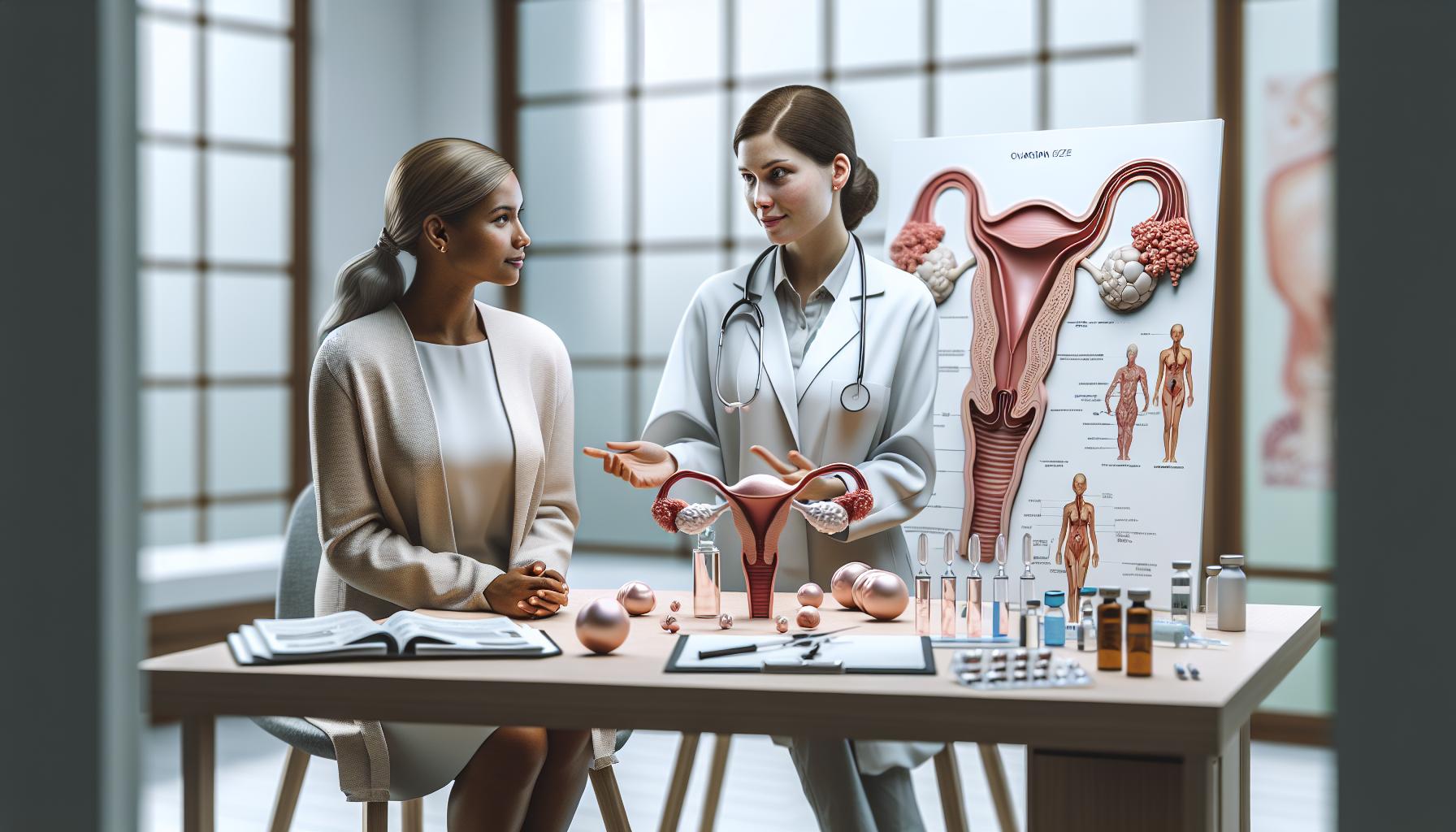
Understanding Ovarian Size Changes During IVF
The journey through IVF can be both exhilarating and daunting, and one of the pivotal aspects of this process involves observing how ovarian size changes throughout treatment. It is important to understand that these changes are a direct result of ovarian stimulation, which aims to enhance follicular development, the process where eggs mature within the ovaries. Typically, a woman’s ovaries are about 3-5 cm in size, but during IVF, they can swell significantly due to hormonal influences, reaching even 8-10 cm or more, depending on individual responses to medication.
Why Size Changes Occur
During IVF, medications containing hormones like follicle-stimulating hormone (FSH) are administered to promote ovarian response. These hormones encourage multiple follicles to develop simultaneously, leading to an increase in ovarian size. It’s crucial to monitor these changes, as they can indicate how well the ovaries are responding to treatment. Understanding this dynamic can help alleviate fears and provide clarity during a time that can often feel overwhelming.
Monitoring Ovarian Size
Monitoring is essential not just for assessing ovarian response but also to mitigate the risk of ovarian hyperstimulation syndrome (OHSS). Regular ultrasounds are performed to track follicle development and ovarian dimensions. It’s normal to experience fluctuations, and maintaining open communication with your healthcare provider can provide reassurance. If size changes are unexpected, it could lead to adjustments in medication dosages, ensuring safety while optimizing the chances for a successful cycle.
In this intricate reproductive journey, acknowledging both the science and the emotional landscape is vital. The changes in ovarian size are not merely clinical measurements; they represent hope and the potential for new beginnings. Celebrating each step, recognizing emotional responses, and fostering a supportive network can significantly enhance the experience for those embarking on IVF.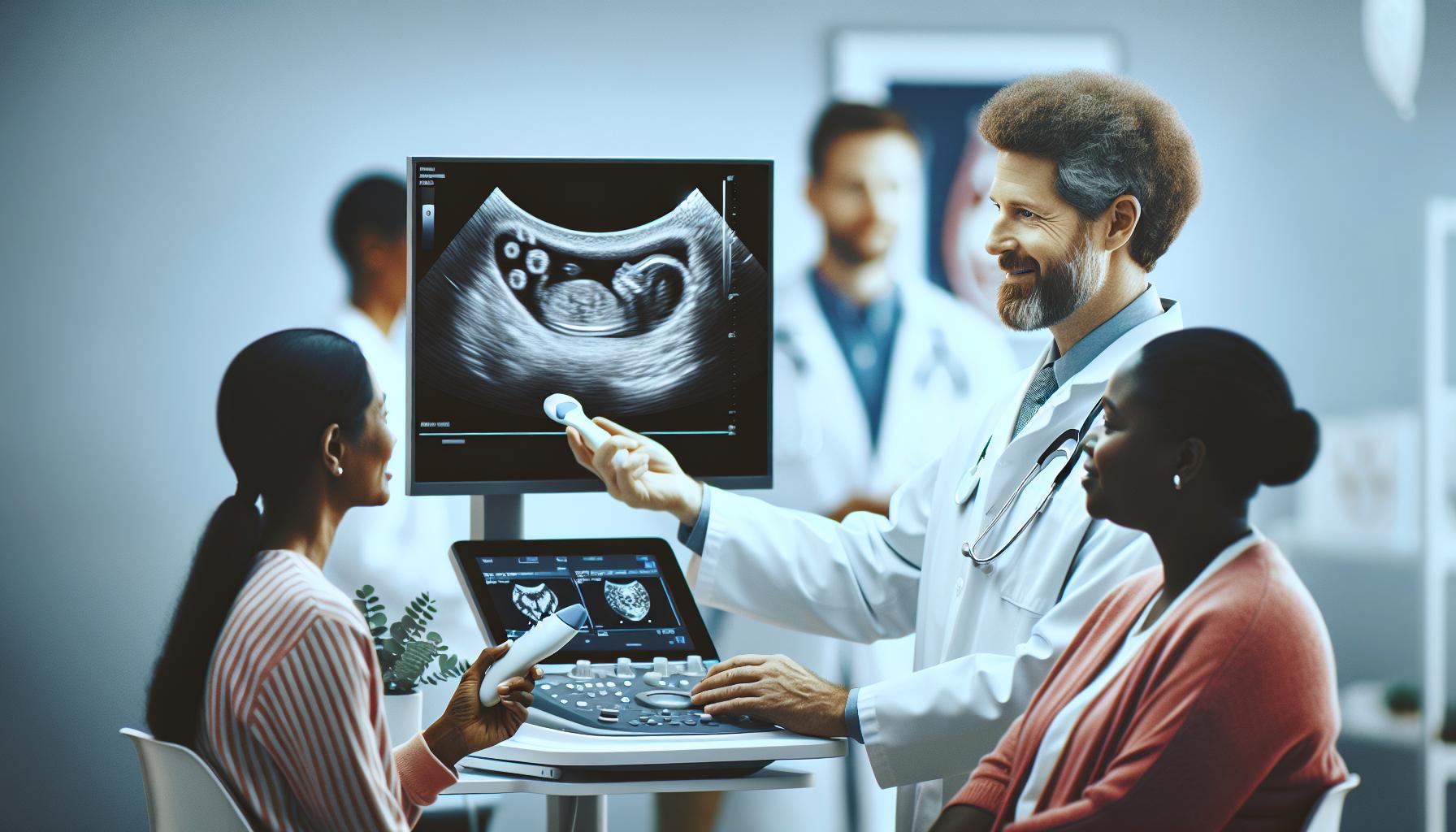
Why Ovaries Change Size in IVF
During in vitro fertilization (IVF), the process of stimulating the ovaries to produce multiple eggs can lead to significant changes in ovarian size. This transformation is largely driven by hormonal injections, primarily follicle-stimulating hormone (FSH) and luteinizing hormone (LH), which are administered early in the treatment cycle. These hormones signal the ovaries to not just grow but also to develop multiple follicles, each capable of yielding an egg. For many women, this leads to an increase in ovarian size from the typical 3-5 cm to potentially 8-10 cm or more, depending on individual responses to the fertility medications.
The rationale behind this swelling is straightforward: a larger ovarian size indicates that multiple follicles are growing, which is the desired outcome for IVF. Each follicle holds an egg, and the goal is to retrieve as many viable eggs as possible to increase the chances of a successful pregnancy. However, not everyone will experience the same degree of enlargement, as factors like age, baseline ovarian reserve, and overall health can influence how effectively the ovaries respond to stimulation.
It is essential to closely monitor these changes through regular ultrasounds and blood tests during the treatment cycle. This vigilance helps ensure the ovaries are responding appropriately and can mitigate risks such as ovarian hyperstimulation syndrome (OHSS), a condition that can occur when the ovaries are overstimulated. By understanding why and how ovarian size changes during IVF, patients can better grasp the dynamics of their treatment, empowering them to engage more fully with their health care providers and navigate their fertility journey with confidence and clarity.
The Role of Hormones in Ovarian Stimulation
During IVF, hormonal treatments are at the heart of ovarian stimulation, driving the critical changes in ovarian size. This process primarily involves the administration of medications such as follicle-stimulating hormone (FSH) and luteinizing hormone (LH), both of which signal the ovaries to grow and develop multiple follicles. Each of these follicles has the potential to yield an egg, fundamentally increasing the chances of a successful conception.
When FSH is introduced into your treatment, it stimulates your ovaries to produce numerous eggs, resulting in growth. This increase in follicular development can lead to significant changes in ovarian size-often expanding from a normal range of about 3-5 cm to 8-10 cm or even larger as the follicles mature. It’s essential to understand that this expansion is considered a normal and desired effect of IVF, as multiple developing follicles indicate progress in the ovarian stimulation process.
Monitoring your hormonal levels throughout this journey is crucial. Regular blood tests and ultrasounds are performed to assess how your body is responding to these injections. This monitoring helps adjust medication dosages as needed and is vital for preventing complications like ovarian hyperstimulation syndrome (OHSS). By keeping track of your hormone levels, your healthcare provider can ensure that your body is responding optimally to the treatment while minimizing potential risks.
Understanding the role of these hormones not only equips you with essential knowledge about your treatment but also empowers you during what can be an emotionally charged journey. While the prospect of IVF can be overwhelming, recognizing how hormonal stimulation leads to ovarian changes fosters a sense of agency and clarity as you navigate through the nuances of fertility treatment.
Normal Ovarian Size Before and After IVF
During in vitro fertilization (IVF), it’s essential to understand what constitutes normal ovarian size before and after treatment. A woman’s ovaries usually range from about 3 to 5 cm in diameter in their resting state, containing dormant follicles waiting for the right hormonal signals to mature. However, once you undergo ovarian stimulation, these measurements can significantly change, often resulting in ovaries expanding to between 8 to 10 cm or even larger, depending on how many follicles are developing.
Understanding these changes can help ease some anxiety around the procedure. With ovarian stimulation medications like follicle-stimulating hormone (FSH), your body is encouraged to produce multiple follicles, each potentially containing an egg. In a typical IVF cycle, the goal is to retrieve around 10 to 15 mature eggs, which translates to a greater number of growing follicles and consequently larger ovaries. This increase in size is not a cause for concern but rather an indicator that the treatment is working as intended.
It’s also vital to monitor ovarian size as it can provide insights into your health and how well you are responding to the medications. Regular blood tests and ultrasounds will detail the growth of your follicles and help healthcare providers make necessary adjustments to your treatment plan. This ongoing observation allows your medical team to promptly identify early signs of complications such as ovarian hyperstimulation syndrome (OHSS), ensuring that any risks are managed effectively.
As you navigate this journey, remember that experiencing physical changes in your body can be emotionally complex. It’s perfectly normal to feel a mix of hope, anxiety, and even frustration as your body undergoes these transformations. No matter your family-building path-be it IVF, insemination, or adoption-acknowledging these emotions is crucial. Each step of this process is significant, and celebrating small milestones can help you maintain a positive outlook as you strive toward your ultimate goal.
Factors Influencing Ovarian Size in IVF
The size of your ovaries during IVF is significantly influenced by a variety of factors that play a vital role in how your body responds to treatment. Understanding these factors not only empowers you but also helps in alleviating some of the anxiety surrounding the IVF process.
Firstly, the type and dosage of ovarian stimulation medications, such as follicle-stimulating hormone (FSH) and luteinizing hormone (LH), directly affect ovarian size. Higher doses of these hormones can lead to the development of more follicles, resulting in larger ovaries. Your body’s unique response to these hormones can vary widely, which is why close monitoring is crucial.
Age and Hormonal Levels
Another critical factor is your age and hormonal baseline levels. Younger women generally have more responsive ovaries due to a greater number of viable follicles. As age increases, the ovarian reserve diminishes, which may result in a less pronounced increase in ovarian size despite stimulation.
Health Conditions
Preexisting health conditions, such as polycystic ovary syndrome (PCOS), can also impact ovarian size. Women with PCOS may have larger ovaries with many small follicles, which might lead to more significant fluctuations in size during IVF treatment. Additionally, lifestyle factors such as stress, diet, and physical activity can influence ovarian health and responsiveness to stimulation.
Monitoring these factors is essential, as they can guide your healthcare team in optimizing your IVF treatment plan. Regular ultrasounds and blood tests during the stimulation phase allow for real-time adjustments, ensuring that your treatment remains safe and effective.
Navigating IVF can evoke a mix of emotions, from hope to anxiety. Acknowledging these feelings is an integral part of your journey. Remember, it’s okay to seek support when needed and to celebrate small victories along the way!
How Ovarian Size Affects IVF Success
When undergoing IVF, the size of your ovaries can provide crucial insights into the success of the treatment. Larger ovaries, typically developing more follicles, are often seen as a positive indicator of a robust response to ovarian stimulation medications. This is because each follicle holds the potential for an egg, and more eggs can enhance the likelihood of achieving a successful pregnancy. However, while larger ovaries might seem beneficial, it’s essential to find balance; significant swelling may indicate the risk of ovarian hyperstimulation syndrome (OHSS), a condition that can complicate IVF.
The correlation between ovarian size and IVF outcomes is influenced by several factors. For example, the quality of the eggs retrieved is as important as the quantity. Studies suggest that while having a larger number of follicles might improve chances of retrieval, the viability of the eggs and genetic factors also play a critical role in embryo development post-retrieval. Therefore, it’s not solely about how big your ovaries get but also about how many high-quality eggs they produce.
Monitoring ovarian size during the IVF process is vital. Regular ultrasounds allow your healthcare provider to gauge follicular development and adjust stimulation protocols accordingly. This tailored approach ensures both optimal ovarian response and the mitigation of risks associated with overstimulation. Understanding your unique response to treatment can empower you during this journey, helping to alleviate some of the uncertainty and anxiety that often accompanies IVF.
Ultimately, achieving a balance between ovarian size, egg quality, and overall health is key. Celebrate the progress made throughout this journey-each follow-up, each healthy follicle counts as a milestone, no matter the outcome. Surround yourself with support and maintain open communication with your care team; together, you’ll navigate the journey toward building your family.
Monitoring Ovarian Size Throughout the IVF Process
During the IVF process, regular monitoring of ovarian size is critical for optimizing treatment outcomes. As the ovaries respond to stimulation medication, their size can increase significantly. This monitoring primarily involves ultrasounds, which allow healthcare providers to track follicular development closely. This not only helps in assessing the body’s response to the medications but also enables timely adjustments to the stimulation protocol, safeguarding against complications such as ovarian hyperstimulation syndrome (OHSS).
One reassuring aspect of monitoring is that each ultrasound appointment can also serve as a moment to celebrate progress. While the numbers may fluctuate, each measurement helps your care team tailor the approach for your unique situation. Patients often find comfort in these check-ins, knowing that they are actively participating in their fertility journey. Embracing this partnership with your medical team can alleviate anxiety and provide clarity.
Understanding what the measurements mean is equally important. Your healthcare provider will explain how the size of the follicles correlates with egg retrieval potential. Larger follicles indicate readiness for egg retrieval, but the focus should also be on the quality of eggs contained within. Remember, it’s not just about size; it’s about potential. Keeping an open line of communication with your provider can ensure that all your questions and concerns are addressed, helping you feel empowered at every step of the process.
With every ultrasound, you’re not just tracking numbers; you’re marking a milestone in your journey toward parenthood. Each visit offers both hope and the opportunity to adjust your path, affirming that every step-no matter how small-counts toward your ultimate goal.
Recognizing Signs of Overstimulation
During the IVF process, monitoring your ovaries is crucial not only for tracking progress but also for recognizing potential complications, such as ovarian hyperstimulation syndrome (OHSS). This condition occurs when the ovaries become overstimulated in response to fertility medications, leading to the development of numerous enlarged follicles, sometimes causing discomfort and more serious health issues. Understanding the signs of overstimulation can empower you to seek timely intervention and ensure your well-being throughout the journey.
Common symptoms of OHSS include abdominal swelling or pain, nausea, vomiting, and sudden weight gain due to fluid retention. In more severe cases, shortness of breath or changes in urination may occur. If you experience any of these symptoms, particularly if they intensify, promptly contacting your healthcare provider is essential. They can assess whether your symptoms might indicate overstimulation and will work with you to manage your care effectively.
Your emotional state throughout treatment can also impact your experience. It’s normal to feel anxious or frustrated when faced with the realities of fertility treatments. By actively keeping an eye on your physical symptoms and remaining engaged in conversations with your medical team, you create an environment where you are well-informed and supported. Your team is there to help you through this complex journey, and recognizing signs of potential complications early on can lead to better outcomes. Always remember that you are your best advocate and that your health and comfort are paramount as you navigate this path toward parenthood.
What Ovarian Size Means for Egg Retrieval
The size of the ovaries during the IVF process plays a critical role in determining the success of egg retrieval. As the ovaries respond to stimulation medications, they often enlarge significantly to accommodate the development of multiple follicles-each housing an egg. Typically, a healthy ovary may range from 2 to 5 centimeters in diameter, but during ovarian stimulation for IVF, they can grow much larger, resulting in multiple follicles. This increase in size is essential as it means that potentially more eggs are being developed, which can lead to a higher chance of obtaining viable embryos for transfer.
Monitoring ovarian size is a key aspect of the IVF timeline. Medical professionals use ultrasound imaging to assess follicle growth and ovarian response, allowing them to time the trigger injection precisely. This injection prompts the final maturation of the eggs just before retrieval, and understanding the relationship between the size of the ovaries and the number of follicles can help specialists optimize the egg retrieval process. Generally, a well-stimulated ovary may produce anywhere from 8 to 15 mature follicles, though this can vary widely based on individual response and fertility history.
It’s also important to consider that while larger ovaries with multiple follicles can indicate a good response to medication, they also require careful management to avoid complications like ovarian hyperstimulation syndrome (OHSS). In practice, if your ovaries are extremely enlarged, your healthcare team may adjust your treatment plan to ensure safety and comfort while still achieving a productive egg retrieval.
Remember, the journey through IVF is unique for each individual, and feeling apprehensive about ovarian changes is completely normal. Open communication with your fertility specialist can help you navigate your concerns, clarify your questions, and create a customized plan to achieve your goals in the safest way possible. Each ultrasound can be a step forward-celebrate these moments as part of your unique path toward family-building.
Understanding Follicle Development During IVF
The journey of follicle development during IVF is a fascinating and crucial aspect of the fertility process. Each cycle brings the promise of potential, but it also requires a precise orchestration between hormones, follicles, and ovarian health. Follicles are tiny fluid-filled sacs within the ovaries, each containing an immature egg. During IVF, the aim is to stimulate these follicles to grow and mature so that multiple eggs can be retrieved for fertilization.
In a natural menstrual cycle, usually one follicle matures, but during ovarian stimulation, using medications such as gonadotropins, the goal is to encourage the ovaries to produce several follicles simultaneously. This increased follicular development can significantly enhance the chances of retrieving viable eggs. Typically, monitoring of follicles begins early in the cycle, with healthcare providers conducting regular ultrasounds to observe growth. An optimal response usually yields 8 to 15 mature follicles, although results can vary widely depending on individual factors, such as age and prior fertility history.
While larger ovaries and multiple developing follicles can indicate a positive response to stimulation, it’s essential to bear in mind the balance required to ensure overall health. During monitoring, any signs of ovarian hyperstimulation syndrome (OHSS) should be listened for carefully. Symptoms can include abdominal pain, bloating, and fatigue. If too many follicles are developing, adjustments to the medication or treatment plan may be necessary to protect your well-being while still aiming for successful egg retrieval.
As you navigate this process, remember that each stage is a step forward. Communicating openly with your fertility specialist about your concerns, questions, or feelings is vital. Your comfort and understanding are just as important as the science behind IVF. Celebrate each ultrasound and hormonal milestone, recognizing them as significant achievements on your unique path toward building your family. Embrace the support systems available to you, and don’t hesitate to express any worries or celebratory moments along the way.
Post-IVF Ovarian Recovery: What to Expect
After undergoing IVF, many individuals may wonder about their ovarian recovery and what to expect in the days and weeks following the procedure. Understanding this phase is crucial as it plays a significant role in your overall well-being. The ovaries often experience notable swelling during stimulation due to the development of multiple follicles. Once the egg retrieval is complete, these swollen ovaries will typically begin to reduce in size. This process might take a few days to several weeks, depending on individual responses to the stimulation and the number of follicles that were developed.
During the recovery period, it’s essential to listen to your body. You may experience varying levels of discomfort: mild bloating or cramping is common, but you should report any severe pain or unusual symptoms, such as heavy bleeding or persistent nausea, to your healthcare provider. They can help you differentiate between normal post-retrieval symptoms and potential complications, such as ovarian hyperstimulation syndrome (OHSS), which can occur if your ovaries have reacted excessively to the stimulation medications.
Managing Discomfort and Recovery
To facilitate your recovery, consider taking gentle steps to support your body during this time. Here are some practical tips:
- Stay Hydrated: Drink plenty of fluids to help your body recover and reduce bloating.
- Rest: Allow yourself time to rest and recuperate. Listening to your body is important, as overexerting yourself can lead to discomfort.
- Balanced Diet: Focus on a nutritious diet rich in fruits, vegetables, and lean proteins to help your body heal and maintain energy levels.
- Follow-Up Care: Attend all follow-up appointments as recommended by your fertility specialist to monitor your recovery and address any concerns.
As your ovaries return to their normal size, emotional recovery is equally important. Acknowledge the emotional weight of the IVF process-it’s completely normal to feel a range of emotions, from hope to anxiety. Foster open communication with your support system and fertility specialist, sharing your feelings and celebrating each step along the way. Remember, each milestone in your journey contributes to the larger goal of building your family, and your well-being-both physical and emotional-remains a priority throughout this process.
Navigating Concerns About Ovarian Health
During your journey through IVF, it’s natural to have concerns about your ovarian health, particularly when experiencing changes in size. Did you know that during ovarian stimulation, each ovary can grow significantly due to increased follicle development? While this can be a normal part of the IVF process, understanding what these size changes mean is crucial for managing your health and expectations.
One of the most important things to consider is the potential risk of ovarian hyperstimulation syndrome (OHSS), a condition that can occur when the ovaries respond excessively to stimulant medications. Symptoms might include severe abdominal pain, rapid weight gain, and difficulty breathing. It’s essential to communicate openly with your fertility specialist about any symptoms you experience. They can monitor your ovarian responses closely, adjusting your treatment plan if necessary to minimize risks.
Additionally, maintaining a healthy lifestyle during IVF can support ovarian function. Focus on eating a balanced diet rich in vitamins and minerals, particularly antioxidants, which are essential for reproductive health. Hydration is equally important; drinking plenty of fluids can help ease bloating and support your body’s recovery process. Regular check-ins with your healthcare team can not only ensure physical health but also provide emotional support. The emotional toll of IVF can be significant, with feelings ranging from anxiety to hope. Acknowledging these emotions and discussing them with your support network is key in navigating your fertility journey.
It’s vital to educate yourself about normal ovarian size variations and what they can indicate regarding your response to treatment. Typically, a normal ovary should measure around 2 to 3 centimeters in size, but during IVF, it can expand significantly by several centimeters as follicles develop. Understanding this allows you to set realistic expectations and recognize when changes may warrant a deeper conversation with your doctor. Remember, while IVF can be stressful, each step taken reinforces your path toward achieving your family-building goals.
Q&A
Q: How much do ovaries enlarge during IVF?
A: Ovaries typically enlarge significantly during IVF due to hormonal stimulation. They can grow from their normal size of about 3-5 cm to roughly 5-10 cm or more, depending on the number of follicles developing. Monitoring sizes helps ensure a successful egg retrieval process.
Q: What is the normal size of ovaries post-IVF?
A: After IVF, ovary size generally decreases back to normal within a few weeks. A standard post-IVF ovarian size is around 3-4 cm, although this can vary based on individual response to stimulation and overall health.
Q: When should I be concerned about ovarian size during IVF?
A: Concerns typically arise if ovaries exceed 10 cm or if symptoms of ovarian hyperstimulation syndrome (OHSS) develop, such as severe abdominal pain or bloating. It’s crucial to discuss any unusual symptoms with your fertility specialist.
Q: How often should ovarian size be monitored during IVF?
A: Ovarian size should be monitored regularly, usually through ultrasounds every few days during the stimulation phase. This helps your doctor assess follicle development and adjust medication as needed to optimize results.
Q: What factors can affect ovarian size during IVF?
A: Several factors can influence ovarian size, including age, hormonal levels, and individual response to fertility medications. A comprehensive evaluation by a fertility specialist can provide insights tailored to your situation.
Q: Can ovarian size impact the number of eggs retrieved during IVF?
A: Yes, larger ovaries usually indicate a higher number of mature follicles, which may lead to a greater egg retrieval. Proper monitoring of ovarian size can maximize the chances of obtaining viable eggs for fertilization.
Q: What happens if my ovaries are overstimulated during IVF?
A: Ovarian overstimulation can lead to OHSS, characterized by enlarged ovaries, abdominal pain, and in severe cases, fluid accumulation. Immediate consultation with your specialist is essential to manage symptoms effectively.
Q: How long does it take for ovaries to return to normal size after IVF?
A: Ovaries generally take 1-2 weeks to return to their normal size after the IVF cycle, although this can vary. Regular follow-ups with your healthcare provider will help ensure your ovaries are recovering appropriately.
To Conclude
Understanding the changes in ovarian size during IVF can be both intriguing and essential for your fertility journey. As you navigate these hormonal shifts, remember that you are not alone; seeking support and gathering information is crucial. To delve deeper into related topics, you might find our articles on IVF success rates and coping strategies during treatment particularly helpful.
If you have lingering questions or would like personalized guidance, consider reaching out for a consultation or signing up for our newsletter for ongoing insights. Remember, your journey is unique, and every step forward is a milestone worth celebrating. Let us help you find the support and resources you need as you explore your family-building options. We’re here for you-join our community today!