Hermaphroditism, where an individual may possess both male and female reproductive organs, invites curiosity and concern alike. Understanding this complex condition is crucial not only for those who experience it but also for friends, family, and healthcare providers. Many people may wonder about the implications for health, relationships, and personal identity. In our exploration, we will clarify what it means to be a hermaphrodite and the variations that exist within this fascinating spectrum. By delving into both the biological and emotional aspects, we hope to foster a deeper awareness and appreciation for the diverse experiences individuals may face. Understanding hermaphroditism can empower readers with knowledge, dispel myths, and provide a supportive space for those navigating this unique journey. Let’s embark on this enlightening discussion together, as knowledge truly opens the door to compassion and acceptance.
Understanding Hermaphroditism: A Comprehensive Overview
Understanding the phenomenon of hermaphroditism requires delving into the complex interplay of biology, environment, and evolution. Hermaphrodites possess both male and female reproductive organs, allowing them to potentially engage in reproduction with any mate-an advantage in environments where encounters may be rare. This reproductive adaptation is not confined to a single species group; it is prevalent among various organisms, including certain invertebrates like snails and earthworms, as well as many fish species. In totality, this dual reproductive capability enhances the likelihood of successful reproduction, thereby supporting species continuity in diverse ecosystems.
From a biological standpoint, hermaphroditism manifests in various forms and degrees. Some species may have fully developed male and female reproductive systems, while others might exhibit functional asymmetries, or the presence of both sets of organs without complete functional capacity. The diversity in hermaphroditic traits is a fascinating area of study, showcasing nature’s ability to adapt and thrive. These traits challenge traditional binary classifications of sex, prompting scientists to explore new paradigms of understanding gender and reproductive strategies in both flora and fauna.
As we explore this further, it’s essential to address common misconceptions surrounding hermaphroditism. Many people mistakenly believe that hermaphrodites are abnormal or genetically defective. In reality, hermaphroditism represents a natural variation within the sexual continuum, prominent in evolutionary biology. This understanding fosters a more inclusive perspective on gender and reproduction, encouraging appreciation for the diversity of life forms on our planet.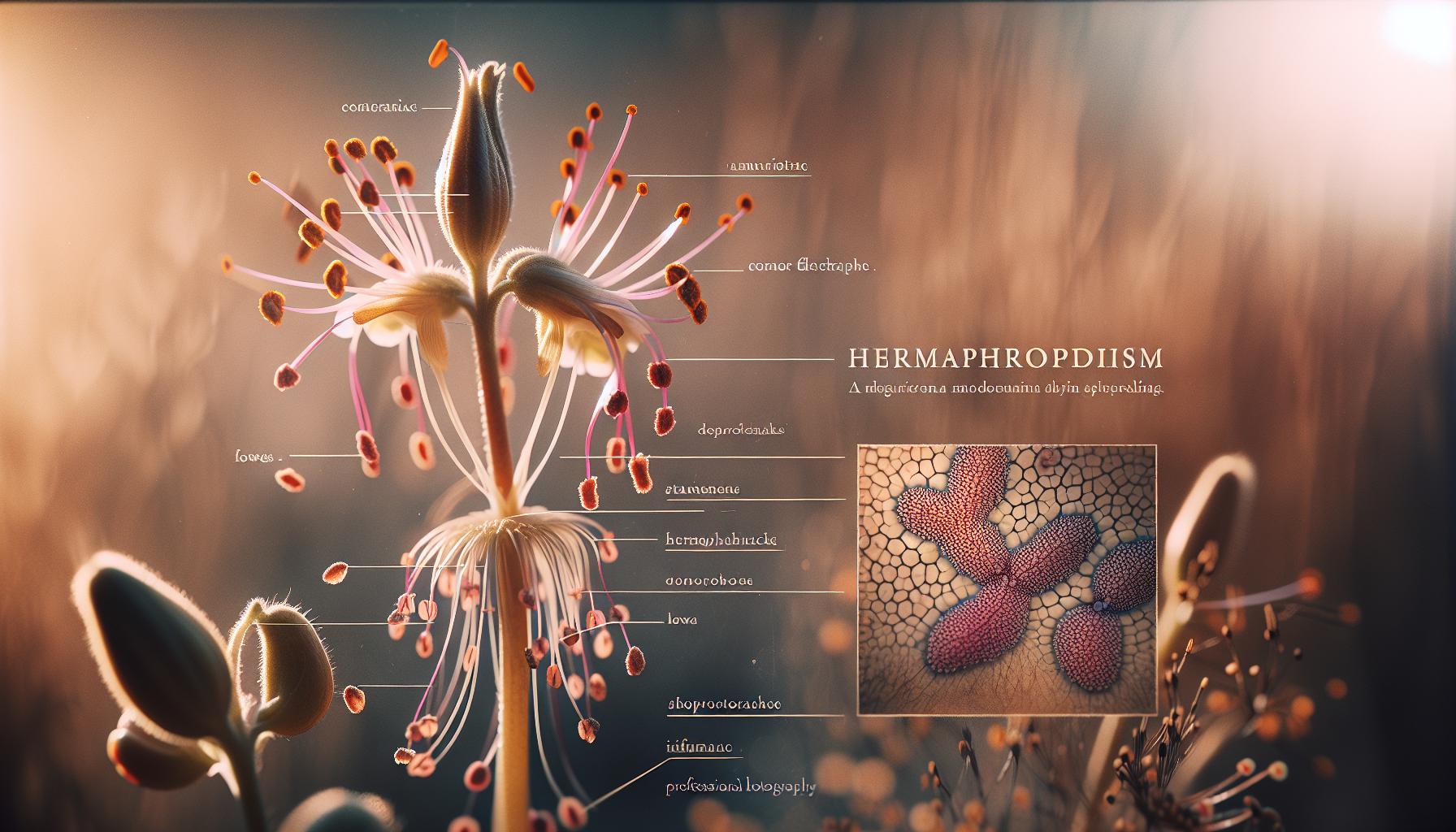
The Biology Behind Hermaphrodites: Anatomy Explained
The complex anatomy of hermaphrodites reveals a fascinating aspect of biological diversity. These organisms, which possess both male and female reproductive structures, challenge conventional notions of sexual reproduction and gender. In many hermaphroditic species, the presence of both sets of reproductive organs allows for greater versatility in mating options, which can be crucial in environments where potential mates are sparse. For instance, certain species of snails and earthworms demonstrate this adaptability, presenting distinct anatomical features that enable them to fulfill dual reproductive roles.
- Complete Hermaphrodites: Some species, like many fish, have fully developed male and female reproductive systems. This anatomical arrangement allows them to produce both eggs and sperm, providing flexibility during the mating process.
- Functional Asymmetry: In other hermaphrodites, such as certain gastropods, one sex may be more dominant or functionally mature than the other, meaning that while both reproductive organ types are present, their capacities may not be equally developed.
- Sequential Hermaphroditism: In some species, individuals can change their sex during their lifetime, depending on environmental conditions or social cues. An example includes clownfish, which are born male and can become female in response to the absence of a dominant female in their group.
These varied reproductive anatomies emphasize the adaptability of life and challenge the traditional binary classification of sex. By understanding the intricate reproductive systems in hermaphrodites, we can appreciate the evolutionary processes that shape these organisms, as well as the broader implications for biodiversity and ecological resilience. Furthermore, recognizing the nuances of hermaphroditic anatomy helps foster a more inclusive and informed discussion about gender in both biological and social contexts.
Differences Between Male, Female, and Hermaphrodite Reproductive Systems
Understanding the reproductive systems of hermaphrodites offers a fascinating glimpse into the complexity of biological life. Unlike typical male and female organisms, hermaphrodites possess both male and female reproductive organs, allowing them to engage in reproduction in versatile ways. This adaptability can be crucial in environments where mates may be limited. For example, species like earthworms and certain snails can fertilize each other’s eggs, effectively doubling their chances of reproduction just by encountering one another.
The anatomy of hermaphrodites varies significantly from that of strictly male or female organisms. Male reproductive systems are typically designed to produce and deliver sperm efficiently, featuring organs like testes and a continuous supply of sperm. In contrast, female reproductive systems are optimized for ovum production and support for embryo development, involving ovaries and uterine structures in more complex species. Hermaphroditic systems merge these two distinct structures, though the integration can take many forms, reflecting evolutionary adaptations to their specific ecological niches.
Consider the distinction between complete hermaphrodites-like many fish species, which have well-developed reproductive systems for both sexes-and those exhibiting functional asymmetry, such as certain gastropods, where one reproductive function may be more dominant or active than the other. Some hermaphroditic species also exhibit sequential hermaphroditism, changing sex based on environmental factors or social dynamics, such as in clownfish where individuals start as males and can transition to females in the absence of a breeding female.
Understanding these nuances helps illuminate not only the reproductive strategies of hermaphrodites but also the broader implications for biodiversity and evolutionary biology. Recognizing the flexibility and complexity of hermaphroditic reproductive systems invites a deeper appreciation for the diversity of life and the many unique strategies organisms employ to ensure their survival and reproduction.
Common Myths About Hermaphrodites Debunked
It’s a common misconception that all hermaphrodites possess fully functional male and female reproductive organs. In reality, the terms “hermaphrodite” and “intersex” encompass a wide variety of conditions and anatomical variations. While some species, like many types of fish and earthworms, do indeed have both types of reproductive organs and can function as either sex during reproductive activities, this is not universally true for all hermaphrodites. In fact, the capabilities can vary significantly.
Many hermaphroditic species are classified as either complete or functional hermaphrodites. Complete hermaphrodites possess both sets of reproductive organs that can function simultaneously. This adaptation allows these organisms to optimize their reproductive chances, especially in environments where mates are scarce. For example, in the case of Clarias gariepinus (African catfish), they can fertilize eggs from another fish while simultaneously being capable of being fertilized.
Conversely, functional hermaphrodites may exhibit dominant characteristics of one sex, perhaps possessing a fully functional male system but only rudimentary female organs, or vice versa. Such adjustments can be seen in certain gastropods where reproductive structures can experience asymmetry depending on social or environmental contexts. The phenomenon of sequential hermaphroditism also deserves attention, where organisms can change their sex in response to specific cues, adding another layer of complexity to misunderstandings surrounding hermaphroditism.
Additionally, another prevalent myth is that hermaphrodites cannot reproduce effectively due to their dual reproductive systems. This is contrary to the evidence from various species that have successfully adapted their reproductive strategies to ensure survival. Understanding these complexities is vital for fostering a more nuanced conversation about hermaphroditism, moving beyond simplistic assumptions towards a robust appreciation of biological diversity.
The Role of Hermaphroditism in Animal and Plant Kingdoms
In the natural world, hermaphroditism serves as a fascinating evolutionary strategy that enhances survival and reproductive success across various species. This duality of sexual characteristics, where organisms possess both male and female reproductive organs, is especially common among certain invertebrates and some fish. Understanding the role hermaphroditism plays in ecosystems can provide insights into the complexities of sexual reproduction and species adaptation.
One of the most notable examples of hermaphroditism can be found in many species of Gastropoda, such as snails and slugs. These creatures often utilize both sets of reproductive organs, which allows them to maximize reproductive opportunities in their sometimes solitary environments. For instance, when encountering a mate, both individuals can exchange sperm, enhancing genetic diversity and ensuring reproductive success even in low-density populations. Additionally, this adaptation is crucial in environments where finding a mate is challenging, illustrating nature’s ingenuity in overcoming reproductive hurdles.
In the plant kingdom, hermaphroditism is also prevalent. Many flowering plants are self-pollinating, possessing both male and female reproductive structures within the same flower. This strategy means they can successfully reproduce without reliance on external pollinators, which can be particularly advantageous in areas where pollinator populations fluctuate. However, hermaphroditic plants often also engage in cross-pollination, which helps to create genetically diverse offspring. This balance between self-reliance and genetic diversity highlights the multifaceted role that hermaphroditism plays in plant reproduction and ecosystem stability.
Furthermore, it’s essential to consider how hermaphroditism can affect population dynamics. In some species, the ability to change sex, known as sequential hermaphroditism, allows individuals to adapt their reproductive strategies based on social or environmental cues. For example, some fish species like clownfish exhibit this trait; when a dominant female in a group dies, the largest male transforms into a female to continue breeding, ensuring continuity within their group. Such flexibility not only supports individual survival but also stabilizes the population dynamics within their ecological niche.
In summary, the role of hermaphroditism extends far beyond the immediate biological functions of reproduction. It embodies a complex interplay of evolutionary advantages, adaptability, and ecological balance, revealing the remarkable strategies that organisms employ to thrive in diverse environments. Understanding these dynamics enriches our appreciation for biodiversity and the intricate systems sustaining life on Earth.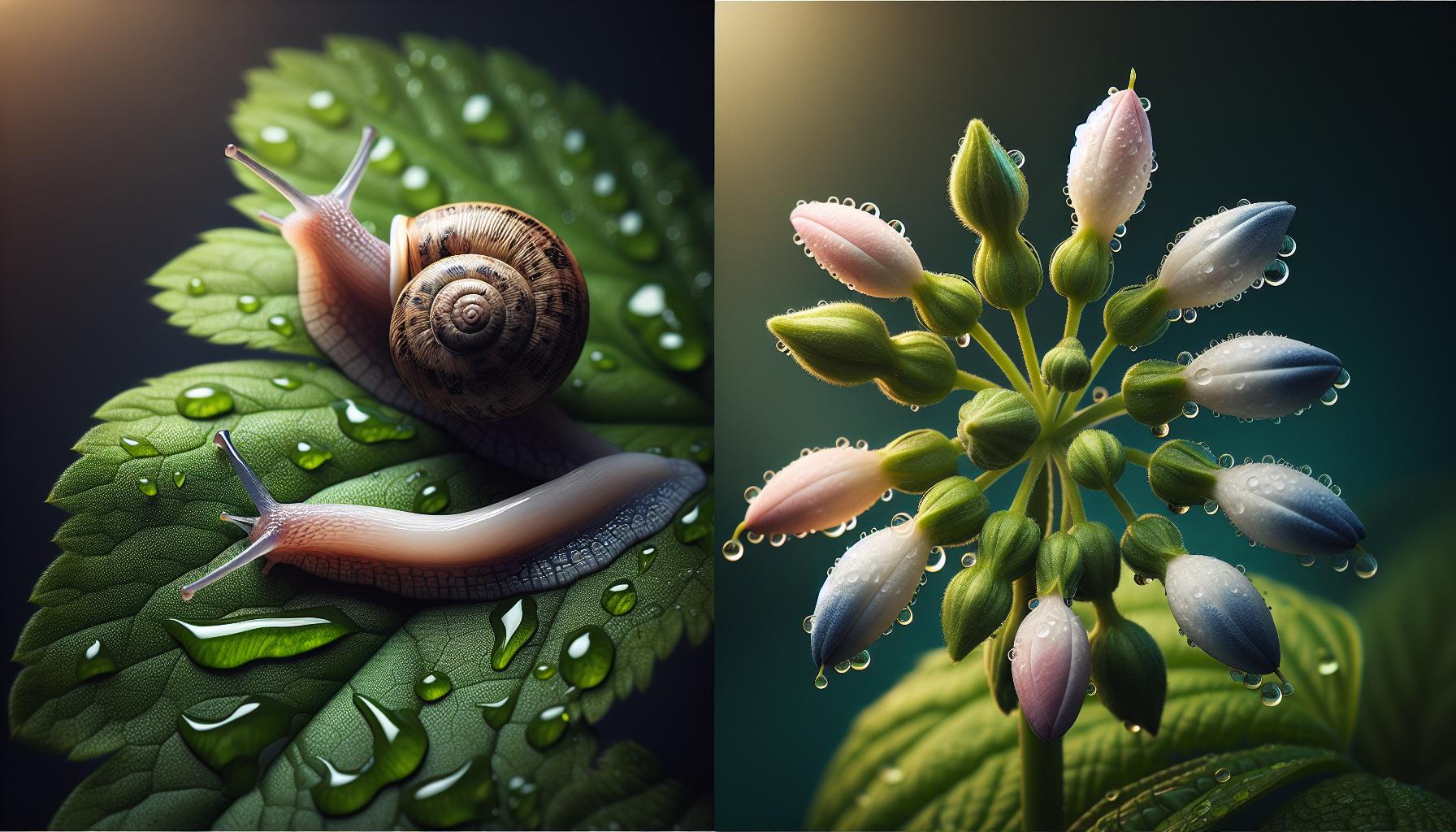
How Do Hermaphrodites Reproduce? Unique Processes Explored
Many people are surprised to learn that hermaphroditism offers a variety of unique reproductive strategies that extend beyond traditional male and female roles. Hermaphrodites possess both male and female reproductive organs, giving them the remarkable ability to engage in different reproductive processes. This multi-faceted approach not only enhances their chances of reproduction but also plays a crucial role in maintaining genetic diversity and population stability in various species.
In many hermaphroditic species, such as earthworms and certain types of fish, reproduction typically occurs through a process called cross-fertilization. During this process, two individuals come into contact, and each exchanges sperm with the other. After mating, both partners can potentially conceive, which maximizes reproductive success while fostering genetic variability. This strategy is particularly beneficial in environments where mating opportunities may be scarce, ensuring that even solitary individuals can successfully reproduce. For example, during a mating event, both individuals might utilize their male reproductive structures to deposit sperm, ensuring each can later fertilize its own eggs with the received sperm.
Some hermaphrodites exhibit sequential hermaphroditism, where individuals can change their reproductive role during their lifetime. This adaptability is particularly advantageous in species that live in social groups. Consider clownfish, where the dominant female typically controls mating within the group. If she dies, the largest male fish can undergo a transformation to become female, allowing continuity in reproductive roles within the group. This flexibility supports both individual and species survival, demonstrating nature’s insights into reproductive efficiency.
Moreover, a unique aspect of reproduction in certain plants is self-pollination. Many flowering plants have both male and female structures, enabling them to fertilize their own ovules without a pollinator. This method can quickly create seeds, especially in environments where pollinator populations fluctuate. However, some plants still benefit from cross-pollination, enhancing their offspring’s genetic robustness through interactions with external pollen sources.
By exploring the various methods by which hermaphrodites reproduce, we gain a deeper understanding of their ecological significance and the evolutionary benefits that come from such flexibility. These reproductive strategies not only ensure survival in challenging environments but also underscore the beauty of life’s complexity in adapting to changing circumstances.
Case Studies: Species with Hermaphroditic Traits
Many fascinating species exhibit hermaphroditic traits, showcasing the remarkable adaptability of life in response to environmental challenges. One of the most well-known examples is the earthworm, which possesses both male and female reproductive organs. During mating, two earthworms align themselves ventrally and exchange sperm. Each worm can later fertilize its own eggs with the received sperm, enhancing genetic variability among their offspring. This system not only maximizes reproductive success in situations where encounters with other mates may be limited, but it also ensures that both individuals can contribute to the population’s genetic diversity.
Another intriguing case is that of the clownfish, known for its unique role in marine ecosystems. Clownfish display sequential hermaphroditism, where the dominant individual in a group is female. If she dies, the largest male will undergo a transformation into a female, enabling the continuity of reproduction within the group. This dynamic adjustment not only secures the stability of their population but also enhances survival in fluctuating environments, highlighting the evolutionary benefits of hermaphroditism in responsive social structures.
In the plant kingdom, many flowering species exhibit hermaphroditic characteristics as well, possessing both stamen (male reproductive structures) and carpels (female reproductive structures). Take the common garden pea, for instance; it can self-pollinate, ensuring the production of seeds without the need for pollinators, which may be scarce in certain conditions. However, cross-pollination with other plants can lead to a greater genetic variability that might enhance resilience against diseases and environmental changes.
These case studies illustrate that hermaphroditism is not merely a biological curiosity but a vital adaptive strategy employed by a wide array of organisms. By combining male and female reproductive functions, these species not only enhance their chances of successful reproduction but also contribute to the overall resilience and diversity of their ecosystems. Understanding these traits allows us to appreciate the complexity of reproductive strategies in nature and their significance in ecological balance.
The Impact of Environment on Hermaphroditic Development
The development of hermaphroditism in various species is profoundly influenced by environmental factors, showcasing nature’s resilience and adaptability. For instance, environmental stresses such as population density and resource availability can dictate the expression of hermaphroditic traits. In many aquatic environments, where mating opportunities may fluctuate, organisms may develop both male and female reproductive organs as a survival strategy. This adaptability enables species to reproduce effectively in challenging conditions, thus sustaining their populations.
Seasonal changes and habitat conditions also play a significant role. For example, some fish species exhibit environmental sex determination, where temperature and social structure can affect whether offspring develop into males or females. In systems with limited male availability, a shift towards hermaphroditism can ensure that all individuals can contribute to reproduction, enhancing genetic diversity within the group. This flexibility is not only crucial for individual survival but also for the overall health and stability of ecosystems.
In terrestrial environments, factors such as soil quality and light exposure can influence hermaphroditic development in plants. Certain flowering species, like the common garden pea, possess both male and female reproductive structures, allowing for self-pollination when pollinators are scarce. However, cross-pollination often results in a more resilient genetic profile, equipping plants to better withstand diseases or climatic changes. This adaptability further emphasizes the importance of understanding how environmental conditions shape the reproductive strategies of hermaphroditic organisms.
Moreover, climate change presents a contemporary challenge that could alter the dynamics of hermaphroditism. Changes in temperature, moisture levels, and habitat availability can affect the reproductive behaviors of various species, potentially leading to shifts in population structures and survival rates. Conservation efforts must consider these environmental factors to protect and support the diverse forms of hermaphroditism, thereby ensuring the preservation of these unique adaptations in the face of changing ecosystems.
Ethical Considerations in Researching Hermaphroditism
Researching hermaphroditism brings to light a myriad of ethical considerations that are crucial for fostering respect and understanding in both scientific and public communities. One compelling aspect of this research is the potential for discovery in understanding intersex conditions and their implications for both human and non-human species. Historically, intersex variations have been misunderstood or stigmatized, leading to a pressing need for ethical and compassionate engagement in research. Scientists must approach these subjects with sensitivity, ensuring that the individuals and species being studied are treated with dignity and respect.
Respecting Individual Privacy and Identity
For research focusing on human hermaphroditism or intersex individuals, ethical considerations must prioritize privacy and identity. It is essential to acknowledge the diverse identities that people hold and to approach study participants with respect and understanding. Researchers should obtain informed consent, where subjects are fully aware of how their data will be used and the potential implications of their participation. This process alleviates feelings of exploitation and promotes a more inclusive dialogue surrounding the topic.
Furthermore, in discussions surrounding identity, researchers should be cautious of reinforcing societal misconceptions or biases related to hermaphroditism. The language used in research publications and media must accurately reflect the lived experiences of intersex individuals, prioritizing their voices and perspectives. This alignment not only fosters trust but enriches the scientific discourse.
Impact on Conservation and Animal Welfare
In the realm of ecological studies involving hermaphroditic traits in various species, ethical considerations expand to include the potential impact on conservation and animal welfare. Researchers must carefully consider how their studies affect local ecosystems and the species they observe. Interventions or manipulations in a natural setting should be approached with caution, as even well-intended actions can have unforeseen consequences.
Additionally, ethical frameworks should be established to ensure humane treatment of animals in research settings. This includes promoting practices that minimize harm and discomfort while maximizing scientific inquiry and understanding. By adhering to stringent ethical standards, researchers can effectively balance their pursuit of knowledge with the required empathy toward living beings.
Overall, the ethical landscape of researching hermaphroditism encompasses numerous considerations, from prioritizing individual agency and identity to safeguarding the well-being of organisms in both human and ecological contexts. Engaging with these ethical dimensions fosters a respectful and aware scientific practice, ultimately contributing to a deeper understanding of hermaphroditism and its significance in nature and society.
Addressing Societal Perceptions of Hermaphroditism
is crucial in fostering understanding and acceptance of intersex individuals. It is essential to recognize that hermaphroditism, often mistakenly conflated with intersex conditions, encompasses a range of biological variations. Many people are oblivious to the fact that intersex traits are naturally occurring and not merely a medical anomaly. This lack of awareness can perpetuate stigma, leading to misunderstanding and exclusion.
Education is a powerful tool in transforming perceptions. Clear, accurate communication about hermaphroditism can dismantle myths and biases. For instance, many individuals might believe that hermaphrodites possess fully functional reproductive organs of both sexes; however, this is a misconception. In reality, the anatomy of intersex individuals can vary widely, and they may possess a combination of both male and female reproductive structures, sometimes without complete functionality. Shining a light on these facts through community education initiatives and media representation can promote empathy and respect towards intersex individuals and their experiences.
An inclusive dialogue around hermaphroditism must also involve advocating for the rights and identities of intersex people. By sharing personal stories and insights from those directly affected, society can better understand the complexity of intersex identities. Acceptance begins with visibility. When intersex individuals share their experiences, it not only personalizes the conversation but also helps to break down barriers created by ignorance.
Furthermore, respectful language plays a significant role in shaping societal perceptions. Using terms and identities that intersex individuals prefer fosters a sense of validation and respect. It’s crucial to listen and adapt based on their preferences, which can vary widely within the community. Engagement in respectful conversations about intersex issues can challenge existing stereotypes and encourage more comprehensive supportive practices at institutional and societal levels.
The journey towards acceptance and understanding of hermaphroditism is ongoing; however, it is vital that we acknowledge and address the fears, biases, and misconceptions that exist. With a focus on education, advocacy, and respectful communication, we can promote a world where all individuals, regardless of their biological traits, are valued and respected.
Future Research Directions in Hermaphroditism Studies
Research into hermaphroditism is gaining momentum as scientists seek to understand the complexities of this unique biological phenomenon. Future studies have the potential to significantly deepen our knowledge, not only about hermaphrodites themselves but also about broader implications in genetics, evolution, and even societal attitudes toward intersex individuals. Understanding if and how hermaphrodites can possess both male and female reproductive organs presents a fascinating area of inquiry that can address many misconceptions.
One promising avenue for research is the genetic and hormonal mechanisms that lead to hermaphroditism. By studying the chromosomal differences in hermaphrodites compared to typical male and female individuals, researchers could unravel the genetic pathways that contribute to the development of both reproductive systems within a single organism. This could also include examining epigenetic factors that influence hormone exposure during critical developmental periods. Such insights may pave the way for innovative medical approaches to supporting reproductive health in intersex individuals.
Additionally, examining the environmental influences on the development of hermaphroditic traits can provide essential context. Factors such as exposure to endocrine disruptors-chemicals that can interfere with hormonal systems-can significantly impact sexual differentiation. Understanding these relationships can inform public health policies and conservation efforts, especially for species where hermaphroditism is prevalent, allowing us to protect vulnerable ecosystems and promote sustainable practices.
Moreover, engaging with hermaphroditic research can contribute to destigmatizing intersex identities. By creating inclusive studies that involve intersex individuals in the research process, scientists can address ethical considerations while respecting personal narratives. This engagement not only respects the lived experiences of intersex individuals but also fosters a broader societal understanding of the complexities surrounding gender and sexuality.
Ultimately, as research progresses, it is vital that findings are communicated effectively to reduce misconceptions and promote acceptance. A comprehensive understanding of hermaphroditism could potentially reshape how society views gender diversity, fostering a more inclusive environment for all individuals.
Resources for Further Learning About Hermaphrodites
Understanding the complexities of hermaphroditism can open the door to a wealth of knowledge not only about biology but also about the social constructs surrounding gender and identity. As you explore this multifaceted topic, consider engaging with a variety of resources that can enhance your understanding and support further inquiry.
One excellent resource is the comprehensive overview of hermaphroditism found in articles from reputable platforms like ScienceDirect. This resource provides a deep dive into the biological aspects of true hermaphroditism, particularly the characteristics that distinguish individuals who possess both testicular and ovarian tissue. You can read more about these insights [here](https://www.sciencedirect.com/topics/medicine-and-dentistry/hermaphroditism) [[1]].
Additionally, for those looking for a clinical perspective, articles that examine the current medical understandings of hermaphroditism, including hormonal and diagnostic approaches, offer valuable information. These pieces aim to clarify how modern medicine interprets cases of hermaphroditism, laying the groundwork for improved healthcare and support for intersex individuals. Such resources can be found at Biology Insights: [Real Hermaphrodite Today](https://biologyinsights.com/real-hermaphrodite-today-clinical-perspective-and-facts) [[2]].
Moreover, you may find personal narratives and historical accounts in articles that focus on real human examples of hermaphroditism. These accounts can provide a more relatable context to the scientific facts, helping to humanize the discussion around intersex identities. A notable resource is available [here](https://www.bitglint.com/hermaphrodite-human-examples-meaning/) [[3]], which not only explores medical cases but also addresses misconceptions and societal perceptions regarding hermaphroditism.
Finally, participating in forums or support groups can offer both emotional support and a platform for questions and discussions. Connecting with professionals and individuals who share experiences can greatly enhance your personal understanding and provide insights that academic sources may overlook.
These resources can empower you to explore the topic of hermaphroditism from various angles, enriching your understanding and promoting a more inclusive dialogue around gender diversity.
Faq
“`markdown
Q: What does it mean to be a hermaphrodite?
A: A hermaphrodite is an organism that possesses both male and female reproductive organs. This phenomenon allows for various reproductive strategies and adaptations, particularly in certain animal and plant species.
Q: Can hermaphrodites reproduce with themselves?
A: Yes, some hermaphroditic species can reproduce with themselves, a process known as self-fertilization. However, many also engage in cross-fertilization with other individuals to increase genetic diversity.
Q: Are all hermaphrodites completely functional in both reproductive systems?
A: Not all hermaphrodites have fully functional reproductive organs for both sexes. Some may have undeveloped organs or hormonal imbalances that affect fertility and reproductive capabilities.
Q: How do hermaphrodites affect species diversity?
A: Hermaphrodites contribute to species diversity by enabling flexible mating strategies. This can lead to more successful reproduction in fluctuating environments, promoting genetic variation within populations.
Q: What challenges do hermaphrodites face in natural habitats?
A: Hermaphrodites can face challenges like competition for mates, environmental changes, and specific survival threats. They must navigate complex social and biological environments to thrive.
Q: How is hermaphroditism approached in medical contexts?
A: In humans, hermaphroditism is more commonly referred to as intersex. Medical approaches often focus on understanding the individual’s anatomy and may involve hormonal treatments or surgical options for those seeking alignment with their gender identity.
Q: What role does environment play in hermaphroditic development?
A: Environmental factors, like temperature and social dynamics, can influence hermaphroditic development. For example, some species can change sex in response to population ratios, demonstrating flexibility to optimize reproductive success.
Q: Are there ethical debates surrounding the treatment of hermaphrodites?
A: Yes, ethical discussions often center on medical interventions for intersex individuals, including consent, the timing of surgeries, and respect for individual identity, emphasizing the need for compassionate, informed care.
“`
Concluding Remarks
Understanding the complexities of hermaphroditism can be enlightening and necessary for many. It’s crucial to recognize the diversity in human biology and how it influences reproductive health. If you still have questions or want to dive deeper into related topics like sexual differentiation or fertility options, explore our articles on Reproductive Health Basics and Understanding Sexual Development.
Take the time to reflect on the insights you’ve gained today and consider subscribing to our newsletter for ongoing support and information tailored to your needs. Remember, every question is valid, and we encourage you to reach out in the comments section to share your thoughts or experiences. Your journey matters, and we’re here to walk alongside you, ready to provide additional resources and understanding as you navigate these important topics.