Did you know that understanding how the reproductive system produces gametes is crucial for anyone considering starting or expanding their family? Gametes, the reproductive cells-sperm in men and eggs in women-play a vital role in fertility and conception. This topic is significant for those navigating the complex emotional landscape of family-building, whether through natural means or assisted reproductive technologies like IVF or insemination. It’s natural to have questions about how your body functions in this regard, especially if you’re facing challenges related to infertility. By exploring how these cells are formed, you can gain insights that may empower your journey, helping you to make informed choices while acknowledging the emotional weight that often accompanies these discussions. Let’s delve into the fascinating world of gamete production and its importance in reproductive health.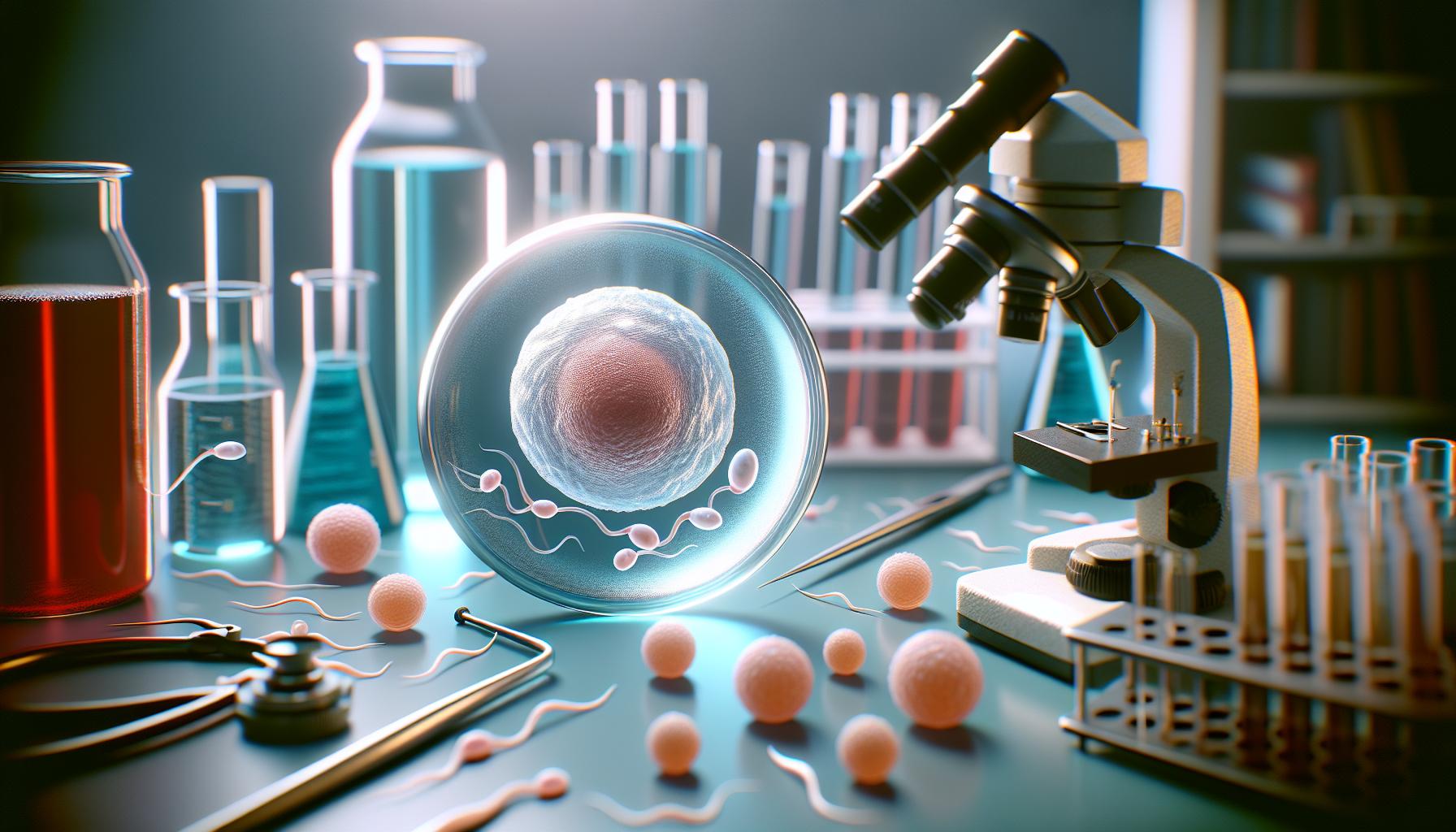
Understanding Gametes: The Basics of Reproductive Biology
Understanding gametes is fundamental to reproductive biology, as they are the building blocks of life, responsible for creating new organisms. Gametes, which include sperm and egg cells in humans, are specialized reproductive cells that carry half the genetic material of an individual. This unique process allows for genetic diversity through sexual reproduction, where the fusion of a sperm and an egg creates a zygote, establishing the first stage of a new organism’s development.
The reproductive system meticulously produces gametes through a process known as gametogenesis. In males, this occurs in the testes, where spermatogenesis leads to the production of several million motile sperm cells daily. In females, oogenesis takes place in the ovaries, resulting in the maturation of a limited number of eggs, typically one per menstrual cycle. Each mature gamete is haploid, meaning it contains only one set of chromosomes, which is crucial for maintaining the correct chromosome number in offspring when two gametes unite.
Hormonal regulation plays a pivotal role in gamete production, influencing everything from the maturation of gametes to their release. In males, testosterone is essential for the development of sperm, while in females, a delicate interplay of hormones such as estrogen and progesterone orchestrates the menstrual cycle and the release of eggs. This hormonal balance is vital for effective reproduction, and disruptions can lead to fertility issues, highlighting the intricate connection between hormonal health and successful gametogenesis.
As individuals navigate their fertility journeys, understanding these basics can empower them to make informed decisions about conception and family planning. Whether considering assisted reproductive technologies or evaluating their own hormonal health, recognizing the significance of gametes provides valuable insights into the broader context of reproductive health.
How the Reproductive System Produces Gametes
The creation of gametes is a remarkable biological process that underpins human reproduction. In males, gamete production occurs through a process called spermatogenesis, which takes place in the testes. This process begins at puberty and continues throughout the male’s life, resulting in the production of millions of sperm daily. Each sperm cell carries half of the genetic material required to form a new individual, ensuring genetic diversity through its unique combination of chromosomes.
In females, the production of gametes is more complex and defined by a process known as oogenesis, which happens in the ovaries. A female is born with all the eggs she will ever produce, typically around 1 to 2 million immature ova, but only a fraction of these will mature and be released during her reproductive years-usually one egg per menstrual cycle. This hormone-regulated process allows for the careful maturation of eggs, each of which is also haploid, essential for the proper pairing of genetic material during fertilization.
The nuances in gamete production directly reflect in reproductive health. For instance, hormonal imbalances can significantly impact both sperm development and egg maturation, making understanding these biological processes crucial for anyone navigating the complex pathways of conception. Male concerns such as low sperm motility or female issues like polycystic ovary syndrome (PCOS) can lead to fertility challenges, highlighting the importance of addressing these factors early in the family planning journey.
As individuals and couples explore their options for building a family, they may consider various alternatives like assisted reproductive technologies (ART) or the potential for egg or sperm donation. Each path has its unique requirements and emotional impacts, making knowledge about the gamete production process invaluable. By understanding how gametes are formed, individuals can better navigate their fertility journey, celebrate milestones, and address any challenges with compassion and informed support.
Structure and Function of Gametes: An Overview
Gametes are the cornerstone of human reproduction, comprising the sperm in males and the eggs in females. Each gamete is haploid, meaning it carries just one set of chromosomes, which is crucial for maintaining the species’ genetic stability over generations. When two gametes-a sperm and an egg-fuse during fertilization, they form a zygote that is diploid, possessing the full complement of chromosomes. This intricate process not only ensures genetic variability but also lays the groundwork for the development of a new individual.
In males, gametes arise through a finely-tuned process known as spermatogenesis, which occurs in the testes. This continuous process begins at puberty, leading to the production of millions of sperm each day. Sperm cells are highly specialized; they are equipped with a tail for motility and a streamlined head that contains the genetic material. Each sperm’s journey is both fascinating and challenging, as they navigate the female reproductive tract to reach the egg for fertilization. Common concerns like low sperm motility can significantly impact fertility, making awareness and early intervention vital.
Conversely, females undergo oogenesis, a more complex process occurring in the ovaries. Upon birth, females possess all the eggs they will ever have, typically around 1 to 2 million, but many will degenerate over time. Only a minority will mature during reproductive years, with generally one egg being released per menstrual cycle. This hormonal regulation, primarily influenced by estrogen and progesterone, plays a pivotal role in the careful selection and maturation of eggs, which are vital for reproduction.
Understanding the structure and functioning of gametes is essential for couples navigating the emotional landscape of conception. Factors such as age, lifestyle, and hormonal health can influence both egg quality and sperm health. For instance, conditions like polycystic ovary syndrome (PCOS) or lifestyle choices, such as smoking and obesity, can affect fertility. Recognizing these elements helps individuals grasp the importance of timing and health in the reproductive journey, allowing for informed decision-making that can enhance their chances of success in building a family.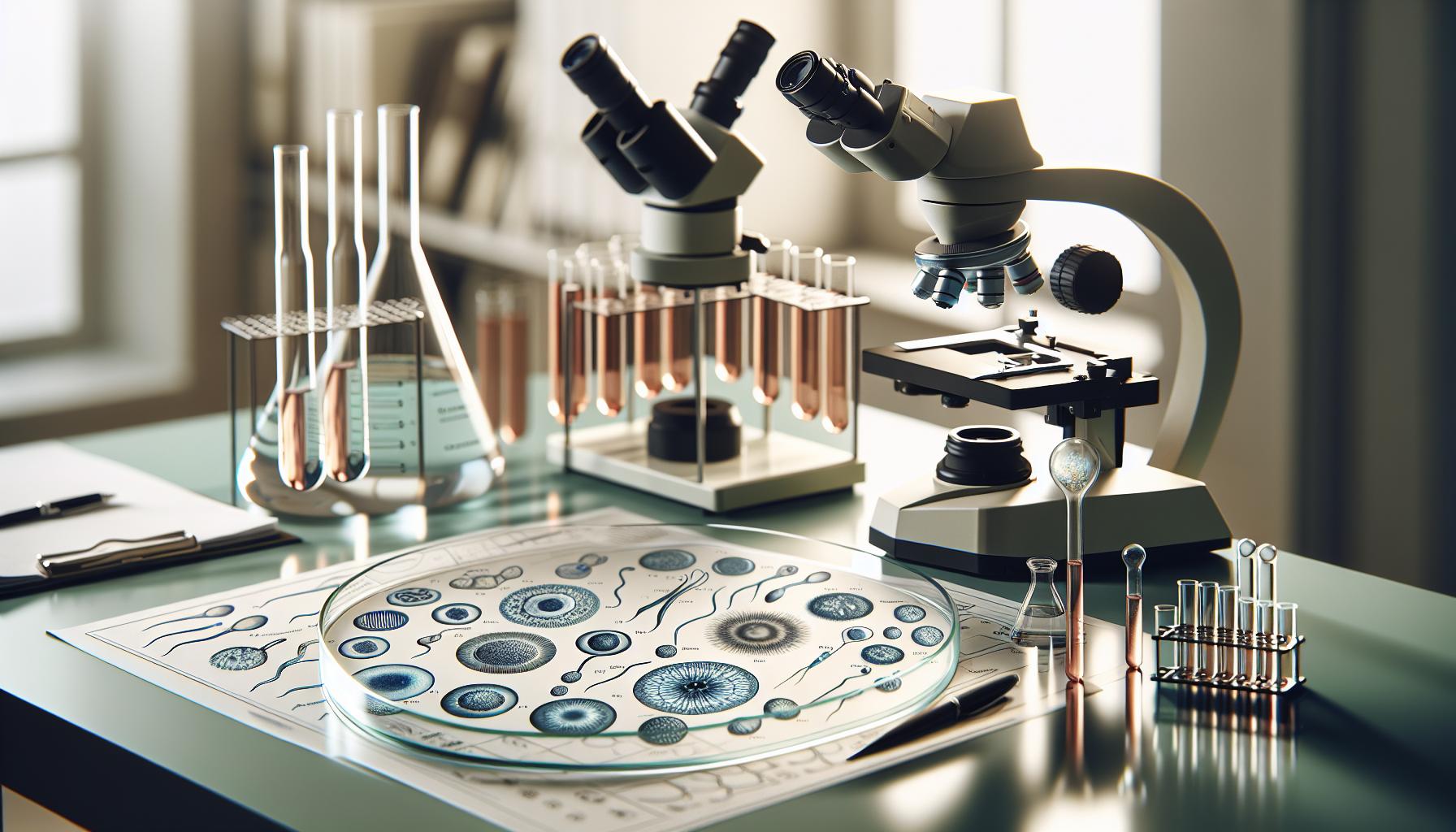
The Role of Hormones in Gamete Production
The production of gametes in both males and females is intricately tied to hormonal signals that orchestrate various stages of the reproductive process. In males, testosterone serves as the primary hormone regulating spermatogenesis, the continuous process that generates sperm. Testosterone not only stimulates the development of sperm cells in the testes but also influences the production of additional hormones such as follicle-stimulating hormone (FSH) and luteinizing hormone (LH) from the pituitary gland, which are crucial for proper testicular function.
In females, the hormonal landscape is more complex and cyclical. The menstrual cycle is governed by a delicate interplay of hormones, including estrogen and progesterone, playing key roles in oogenesis-the development of eggs in the ovaries. Early in the menstrual cycle, rising levels of follicle-stimulating hormone (FSH) stimulate the growth of ovarian follicles, each containing an egg. As these follicles mature, they produce increasing amounts of estrogen, which not only prepares the body for potential pregnancy but also initiates the surge of luteinizing hormone (LH) that triggers ovulation-the release of the mature egg.
Understanding these hormonal mechanisms is vital for individuals navigating the emotional and often challenging journey of conception. Imbalances in these hormones can lead to issues such as irregular ovulation or conditions like polycystic ovary syndrome (PCOS), which can significantly impact fertility. Recognizing the signs of hormonal fluctuations can empower individuals to seek medical advice early, enabling informed decisions regarding lifestyle adjustments or medical interventions. For example, maintaining a healthy weight, managing stress, and seeking support for emotional challenges related to hormonal imbalances can improve overall reproductive health.
Navigating the complexities of hormonal influences on gamete production can be daunting, but awareness is the first step toward understanding and addressing fertility issues. Emphasizing the importance of regular check-ups and open communication with healthcare providers can support individuals in achieving their goals for family building while acknowledging the emotional weight of their journey. This holistic approach helps to validate feelings of hope and uncertainty, fostering a supportive environment for those on the path to conception.
Differences Between Male and Female Gametes
Understanding the fundamental can provide essential insight into reproductive biology and fertility. Male gametes, or sperm, are designed for mobility and quantity, while female gametes, or eggs, are more focused on quality and competence. Each type of gamete plays a crucial role in fertilization and the subsequent development of a zygote, enhancing our understanding of reproductive health.
Sperm are produced continuously throughout a man’s life via the process called spermatogenesis, occurring in the testes. Each ejaculate can contain millions of sperm, emphasizing volume over individual capability. Sperm cells are streamlined and motile, with a flagellum that enables them to swim through the female reproductive tract toward the egg for fertilization. Their small size and numerous production allow for a better chance of reaching and fertilizing the egg, even amid the dynamic environment of the female reproductive system.
In contrast, female gametes are limited in number and produced during a specific timeframe in a woman’s life. Oogenesis, the process of egg formation, occurs within the ovaries and results in the production of one viable egg per menstrual cycle, alongside several non-viable polar bodies. This is indicative of quality over quantity; each egg is equipped with the necessary nutrients and genetic material to support early embryonic development. The egg is larger than a sperm and has a protective layer, allowing it to be specific about which sperm it will accept for fertilization.
To navigate the complexities of these differences in gametes, it’s essential to recognize how they impact fertility. Factors such as age, health conditions, and even lifestyle choices can influence the viability and quality of gametes. For instance, as women age, the quality and quantity of their eggs tend to decline, impacting their fertility potential. Conversely, while men can also experience changes in sperm quality with age or health issues, they continue to produce sperm throughout their lives, albeit at varying levels of health and motility.
Acknowledging these differences is critical, especially for those on the journey of conception. Understanding how male and female gametes operate can offer empowerment and clarity, fostering informed discussions with healthcare providers about fertility options, potential challenges, and the various paths to parenthood, whether through natural conception, assisted reproductive technologies like IVF, or other family-building approaches. By maintaining open communication and seeking support, individuals can navigate the complexities of their reproductive journeys with confidence and compassion.
Common Myths About Gamete Production Debunked
Misconceptions about gamete production can cloud the understanding of many who navigate their fertility journeys. One common myth is that all women are born with a fixed number of eggs that deplete over time without any possibility of replenishment. In reality, while females are indeed born with all the eggs they will ever have-approximately one to two million at birth-this number significantly decreases throughout life. By puberty, only about 300,000 to 400,000 remain, and typically only 400 to 500 mature into viable eggs during a woman’s reproductive years. This reality underscores the importance of understanding ovarian reserve and functionality as critical factors influencing fertility.
Another prevalent myth is that male fertility is infallible, particularly in contrast to female fertility, which is often perceived as precarious. It’s a misconception that men can remain fertile regardless of age. While it’s true that men continuously produce sperm throughout their lives, sperm quality and quantity can decline with age. Studies have shown that older age in men can be associated with decreased motility and increased risk of genetic abnormalities in sperm. This highlights that both partners’ reproductive health is crucial in addressing fertility challenges and underscores the importance of comprehensive fertility evaluations when couples face conception difficulties.
Understanding that lifestyle and health impacts gamete quality further dispels myths surrounding reproduction. Many believe that age alone dictates fertility, yet factors such as diet, exercise, smoking, and stress levels can significantly influence both egg and sperm quality. For instance, maintaining a healthy weight and avoiding substance abuse can lead to improved reproductive outcomes. Awareness of these factors encourages individuals on their family-building journey to take proactive steps in their lifestyle choices.
Awareness and clarity surrounding gametes and their production empower individuals and couples to make informed decisions about their reproductive health. By debunking these misconception pitfalls, those on the path to parenthood can approach their fertility challenges with greater understanding and a sense of agency, fostering open discussions with healthcare professionals about all available options, including assisted reproductive technologies or lifestyle interventions.
Impact of Age on Gamete Quality and Production
As we journey through life, the becomes increasingly significant, particularly for those navigating the complexities of family planning. Both women and men experience age-related changes that can affect their reproductive capabilities, and understanding these shifts is crucial for making informed decisions about fertility.
In females, the number of viable eggs declines steadily with age. Women are born with a finite supply of eggs, and by the time they reach puberty, this number decreases dramatically, leaving roughly 300,000 to 400,000 at the start of their reproductive years. By the late 30s, fertility begins to decline sharply, and by age 40, many women may experience decreased oocyte quality and quantity. This decline can lead to challenges in conception and a higher risk of miscarriage. It is essential for women to be aware of their reproductive health and explore options like fertility tracking, ovarian reserve testing, and genetic screening to better understand their individual situation.
Men too face changes in gamete quality with advancing age. Although they continue to produce sperm throughout their lives, studies indicate that sperm quality can decline in terms of motility and genetic integrity. Older age in males has been linked to an increased incidence of genetic abnormalities in sperm, which can lead to potential developmental issues in offspring. Men considering becoming fathers later in life should be aware of these factors and may benefit from lifestyle modifications that enhance sperm health, such as maintaining a healthy weight, quitting smoking, and minimizing alcohol consumption.
Navigating the emotions tied to age-related fertility challenges can be daunting. Couples may experience a range of feelings, from hope and excitement to grief and disappointment. It’s vital to engage in open communication with partners and healthcare providers, emphasizing a supportive approach to any fertility journeys ahead. Whether exploring assisted reproductive technologies or making lifestyle adjustments, staying informed and proactive can equip individuals and couples with the tools needed to enhance their chances of success while acknowledging the emotional complexities involved.
By understanding the profound , individuals become empowered to make choices aligned with their family-building goals. Embracing the challenges of reproductive health with knowledge and compassion can lead to a more meaningful journey towards parenthood, regardless of the path chosen.
The Connection Between Gametes and Fertility Challenges
As individuals embark on the journey of starting a family, understanding the intricate connection between gametes and fertility challenges becomes paramount. Gametes, the reproductive cells-sperm in males and eggs in females-play a critical role in conception. When either or both gametes have issues, they can significantly hinder the path to successful pregnancy, leading to emotional and physical challenges for couples.
The quality of gametes is influenced by a multitude of factors, including lifestyle choices and age. For instance, sperm motility-the ability of sperm to move effectively-can decline due to poor diet, lack of exercise, or exposure to environmental toxins. In females, egg quality diminishes with age, making it more challenging to conceive as women approach their late 30s and 40s. These fluctuations can lead to infertility, miscarriage, or complications during pregnancy. It’s crucial for couples to understand these factors to better navigate their fertility journey.
Moreover, emotional well-being plays an important role in coping with fertility challenges. It’s not uncommon to feel a range of emotions-hope, anxiety, frustration, even grief-throughout this process. Seeking support from healthcare providers, fertility specialists, or support groups can provide reassurance and guidance. Understanding the medical terms associated with fertility, such as follicles (the ovarian structures that contain eggs) and embryos (fertilized eggs that have divided), can empower individuals and couples to engage actively in discussions about their reproductive health.
Throughout this journey, celebrating small milestones can significantly boost morale. Whether it’s confirming ovulation, collecting a viable sperm sample, or even experiencing a successful IVF cycle, recognizing these achievements helps maintain a positive outlook. Being informed and proactive, while fostering a compassionate environment for open dialogue about fears and expectations, strengthens the partnership between individuals and their healthcare providers, enhancing the chances of successful conception while honoring the emotional complexities involved.
Infertility Causes Linked to Gamete Issues
Infertility can often feel like an overwhelming challenge, especially when it stems from issues related to gametes-the vital reproductive cells. Understanding the causes rooted in gamete abnormalities is crucial for couples facing these obstacles in their journey toward parenthood. When male sperm or female eggs have deficiencies, it can disrupt the fertilization process, leading to difficulties in conception.
One common cause of infertility linked to male gametes is poor sperm motility. This refers to the ability of sperm to swim effectively towards the egg. Factors that can adversely impact motility include lifestyle choices such as smoking, excessive alcohol consumption, and obesity. Furthermore, environmental exposures to chemicals or toxins can also lead to reduced sperm quality. In some cases, congenital issues or medical conditions like diabetes can hinder normal sperm production, impacting a man’s fertility.
On the female side, problems with egg quality can present significant barriers. Each month, ovaries produce mature eggs, but as a woman ages, the quality of these eggs tends to decline. Advanced age is associated with chromosomal abnormalities in eggs, which can lead to infertility or miscarriages. Other factors affecting egg quality include hormonal imbalances, conditions such as polycystic ovary syndrome (PCOS), or endometriosis. These conditions can disrupt the normal ovarian cycle and prompt irregularities in egg development and release.
Both partners should consider evaluation and counseling when faced with infertility linked to gamete issues. Consulting with a fertility specialist can provide insights into testing alternatives and treatment options tailored to individual circumstances. These may include assisted reproductive technologies such as in vitro fertilization (IVF) or intracytoplasmic sperm injection (ICSI), which can bypass some of the challenges linked to gamete abnormalities.
Understanding these intricate dynamics, combined with a compassionate approach to treatment options, can provide couples with hope and empower them to navigate their fertility journey with more assurance. Remember, though the path may be fraught with emotional ups and downs, every step toward understanding and addressing these issues is a vital part of the overall process.
Innovative Techniques for Gamete Preservation
In an age where more individuals are focused on career success, education, or personal circumstances, are becoming essential tools for those wishing to have children in the future. A particularly compelling method is cryopreservation, which involves freezing eggs, sperm, or even embryos for later use. This technique allows individuals to bypass age-related declines in gamete quality or preserve fertility before undergoing medical treatments that could affect reproductive health, such as chemotherapy or surgery.
Advancements in technology have improved the efficiency of cryopreservation, leading to higher survival rates of frozen gametes. The process is relatively straightforward: for egg freezing, hormonal treatments are administered to stimulate the ovaries, followed by the retrieval of mature eggs, which are then frozen. For sperm, males can produce a sample that is also cryopreserved. Many clinics offer comprehensive information about the freezing process and what to expect, which can ease any anxiety about the procedure.
Moreover, there are also emerging techniques such as oocyte vitrification, which is a rapid freezing process that minimizes ice crystal formation, drastically improving the chances of successful thawing and fertilization later on. If you are considering these options, being informed about the potential costs is crucial; cryopreservation can range from a few hundred to several thousand dollars depending on the clinic and specific procedures involved. Insurance coverage for these techniques can vary greatly, so discussing options with your provider may yield helpful insights into managing costs.
When contemplating your gamete preservation options, it’s essential to weigh the emotional aspects. It’s completely normal to feel a mix of hope and apprehension when thinking about future family building. Understanding not only the clinical process but also the emotional landscape of fertility preservation can empower your choices and support your journey toward parenthood. Seeking guidance from fertility specialists can also provide clarity, aiding you in navigating this complex yet hopeful path.
Exploring Assisted Reproductive Technologies: Gametes in Action
The landscape of assisted reproductive technologies (ART) offers hope and options for countless individuals and couples on their fertility journey. These advanced medical techniques utilize gametes-sperm and eggs-making it essential to understand how they function in various procedures and the emotional context surrounding them. For many, the prospect of starting a family may involve navigating through challenges with gamete quality and production, which is where ART plays a pivotal role.
In vitro fertilization (IVF) is perhaps the most well-known ART. This process begins with ovarian stimulation to produce multiple eggs, followed by retrieval and fertilization in the laboratory. The success rates of IVF can vary, often ranging from 20% to 40% per cycle depending on age and other factors, so it’s essential to have realistic expectations and discuss these with a fertility specialist. Knowing that each step-hormonal treatments, egg retrieval, and embryo transfer-can elicit a mix of emotions is vital. For some, it symbolizes a leap toward parenthood, while for others, it may bring anxiety and uncertainty.
Artificial insemination, or intrauterine insemination (IUI), is another option that involves placing sperm directly into the uterus around the time of ovulation, increasing the likelihood of fertilization. This method is often less invasive than IVF and can be suitable for couples facing mild fertility challenges. However, understanding the limitations and typical success rates (which often hover around 10-20% per cycle) is equally important in preparing emotionally and financially for each attempt.
For those contemplating ART, the initial steps can feel daunting yet empowering. It is crucial to explore not only the technical aspects of each procedure but also the emotional landscape that accompanies these experiences. Many individuals benefit from support groups or counseling to navigate the complexities of ART, where sharing feelings and seeking encouragement can help foster resilience. Moreover, understanding the financial implications-including costs that can range from a few thousand dollars for IUI to tens of thousands for multiple IVF cycles-can aid in planning and reduce potential stress.
In each stage of the journey, from initial consultations to treatment decisions, it is important to celebrate small victories while remaining clear-eyed about the challenges ahead. ART offers compassionate pathways toward family-building and can profoundly transform the experience of infertility into one of hope and possibility.
Emotional Aspects of Conception and Gamete Issues
The journey towards conception is often filled with a whirlwind of emotions, from hope to anxiety, and joy to grief. This emotional complexity can arise from various factors, especially when issues related to gametes-sperm and eggs-come into play. Understanding the heart of this matter can empower individuals and couples as they navigate their fertility journeys.
The process of creating and maturing gametes is not just a biological one; it’s also deeply entwined with emotions. Individuals undergoing treatments like in vitro fertilization (IVF) may experience a rollercoaster of feelings. While the possibility of conceiving can ignite hope, the reality of undergoing multiple cycles, facing potential failures, and dealing with hormonal changes can lead to significant stress and sadness. It is vital to acknowledge these emotions rather than brush them aside under a veil of ‘toxic positivity.’ Seeking support from counselors, joining local or online support groups, and communicating openly with partners can help mitigate feelings of isolation and despair.
Moreover, financial aspects can weigh heavily on emotional wellbeing. The costs associated with ART can be daunting, sometimes leading to anxiety about affordability and the pressure to “make it work” with limited resources. Clear communication with fertility specialists about costs, payment plans, and insurance coverage can provide clarity and hope. Understanding expected success rates-like typically lower rates for artificial insemination (10-20%) compared to IVF (20-40%)-can help set realistic expectations, allowing individuals and couples to celebrate small achievements while remaining grounded in their fertility journey.
The emotional landscape of conception encompasses acknowledging the uncertainties inherent in gamete issues. Infertility often brings its own set of grief, whether it’s overcoming the pain of unsuccessful attempts or facing the realities of different family-building options, including adoption. Embracing this journey with empathy and understanding promotes resilience. Each story is unique, and every person deserves to approach their path to parenthood with patience and compassion, recognizing that while the road may be challenging, it can also be a journey of profound growth and discovery.
FAQ
Q: What are gametes and their role in reproduction?
A: Gametes are specialized reproductive cells that play a crucial role in sexual reproduction. In humans, males produce sperm, while females produce eggs. When these gametes unite during fertilization, they create a zygote, which can develop into an embryo. Understanding gametes is essential for learning about the reproductive process. For more, see the section Understanding Gametes: The Basics of Reproductive Biology.
Q: How does age affect gamete production in men and women?
A: Age significantly influences gamete production. In women, egg quality and quantity decline after 35, impacting fertility. Men may experience decreased sperm quality and quantity as they age. Awareness of these changes is vital for planning families. Explore more in Impact of Age on Gamete Quality and Production.
Q: What are the differences between male and female gametes?
A: Male gametes (sperm) are smaller and mobile, while female gametes (eggs) are larger and non-motile. Each type has distinct functions and biological properties, contributing differently to reproduction. For detailed insights, individuals can review the section Differences Between Male and Female Gametes.
Q: What are common misconceptions about gamete production?
A: Many believe that gamete production is the same for all individuals. In reality, factors like age, health, and hormonal balance can drastically affect production. Clarifying these misconceptions can help in understanding fertility better. Delve deeper in Common Myths About Gamete Production Debunked.
Q: How can lifestyle choices impact gamete quality?
A: Lifestyle choices, including diet, exercise, and substance use, greatly influence gamete quality. A balanced diet rich in antioxidants and regular physical activity can enhance reproductive health. Explore more in The Role of Hormones in Gamete Production for actionable advice.
Q: What technologies are available for preserving gametes?
A: Gamete preservation techniques like cryopreservation allow individuals to freeze their eggs or sperm for future use, providing options for family planning. This is crucial for those facing medical treatments or delaying parenthood. Learn more in Innovative Techniques for Gamete Preservation.
Q: How do hormonal imbalances affect gamete production?
A: Hormonal imbalances can disrupt the regular production of gametes, leading to fertility issues. Conditions like PCOS or low testosterone can affect overall reproductive health. Understanding hormones is essential for addressing these challenges, further discussed in The Role of Hormones in Gamete Production.
Q: What emotional challenges can arise during the journey of gamete issues?
A: Experiencing gamete-related issues, such as infertility, can lead to significant emotional turmoil, including grief and frustration. Consulting support groups or therapists specializing in reproductive health can help. For further exploration, see Emotional Aspects of Conception and Gamete Issues.
Insights and Conclusions
As we conclude our exploration of the reproductive system’s role in producing gametes, it’s clear that understanding this process is crucial for anyone journeying through fertility. Remember, your questions are important, and addressing them is the first step in making informed decisions about reproductive health. To further your knowledge, explore our comprehensive guides on IVF success rates, artificial insemination, and common causes of infertility.
Don’t hesitate to reach out and join our community by subscribing to our newsletter for the latest insights and personalized support. Whether you’re facing challenges in family planning or simply seeking reliable information, know that you’re not alone. Let’s navigate this journey together-your path to understanding and connection starts here. Thank you for being with us, and we look forward to supporting you further on your fertility journey.