Understanding reproductive organs is essential for everyone, as they are the cornerstone of human health and family building. Did you know that nearly 15% of couples face fertility challenges, making knowledge about reproductive health more critical than ever? This guide aims to demystify the intricacies of reproductive organs, addressing common concerns and equipping you with empowering information for your journey. Whether you’re considering starting a family or simply wish to understand your body better, this comprehensive resource will provide clarity on the roles and functions of reproductive organs, from the basics of anatomy to the nuances of fertility treatments. We welcome you to explore this essential topic with curiosity, compassion, and the support you need, as every step towards understanding your reproductive health is a step towards greater well-being.
What Are Reproductive Organs? A Comprehensive Overview
The human reproductive system is an intricate network of organs and structures, meticulously designed to facilitate the process of reproduction. These organs are divided into two main categories: male and female, each with unique functions but working together to create the conditions necessary for conception and pregnancy.
In males, reproductive organs include the testes, which produce sperm and hormones like testosterone, the prostate gland, which aids in the production of seminal fluid, and the penis, which delivers sperm during intercourse. In females, the primary organs include the ovaries, where eggs (ova) are produced, the fallopian tubes, through which the egg travels to meet the sperm, and the uterus, which provides a nurturing environment for a fertilized egg to develop into a fetus.
These organs not only serve structural functions but also play critical roles in hormonal regulation, which influences everything from sexual development to the menstrual cycle in females. Hormones such as estrogen and progesterone are pivotal in establishing and maintaining reproductive health, while in males, testosterone is key for sperm production and libido.
Understanding these reproductive organs and their functions is essential for anyone interested in fertility and reproductive health. This foundational knowledge equips individuals with the information they need to make informed decisions, whether they are considering family planning methods, addressing fertility challenges, or navigating reproductive health resources. Engaging with this knowledge can transform feelings of uncertainty into empowerment, providing a clearer path through the complexities of human reproduction.
The Role of Reproductive Organs in Human Anatomy
The human body is a remarkable creation, intricately designed to ensure the continuity of life through reproduction. Understanding reveals not just their biological functions but also their profound impact on emotional and social aspects of life. These organs are not merely tools for reproduction; they are vital players in our identity and personal narratives.
Reproductive organs, comprising both external and internal structures, serve critical functions beyond reproduction itself. In males, the testes produce sperm and hormones, such as testosterone, pivotal for sexual development and secondary sexual characteristics. The penis plays a crucial role in the physical expression of intimacy and procreation. In females, the ovaries are responsible for egg production and hormone secretion, particularly estrogen and progesterone, which regulate the menstrual cycle and influence various bodily functions. The uterus, an astonishing organ, not only nurtures a developing fetus but also accommodates the varied hormonal shifts women experience throughout their lives.
The delicate interplay of these organs is a reminder of the resilience and complexity of human health. For those facing challenges in reproductive health, understanding this anatomy can be empowering. It is essential to recognize that fertility journeys are not linear and that emotions such as grief and hope are intertwined in this experience. Celebrating small milestones-be it the progression of a treatment cycle or simply understanding one’s body better-provides necessary validation. Resources are available to support individuals and couples, offering insight into treatment options like IVF or other assisted reproductive technologies.
As we continue to learn about our reproductive health, it becomes clear that these organs symbolize more than just biological function; they embody our aspirations, struggles, and connections to others. Approaching these topics with empathy and openness not only fosters understanding but also creates a supportive environment where individuals feel empowered to share their journeys.
Types of Reproductive Organs: Male and Female Differences
While both male and female reproductive systems are crucial for human reproduction, they exhibit significant structural and functional differences that reflect their distinct roles in the reproductive process. Understanding these differences can illuminate the complexities of fertility and reproduction, providing insights into health and wellness throughout life.
In males, reproductive organs primarily include the testes, penis, and associated ducts and glands. The testes are responsible for producing sperm and producing hormones, notably testosterone, which influences physical traits and sexual development. The penis acts as both a reproductive and urinary organ, releasing sperm during ejaculation. Additionally, accessory glands such as the prostate and seminal vesicles contribute fluids that nourish and transport sperm. Together, these structures are designed for sperm production, maturation, and delivery.
Conversely, the female reproductive system comprises the ovaries, fallopian tubes, uterus, and vagina. The ovaries are crucial for generating eggs (ova) and hormones like estrogen and progesterone, which regulate the menstrual cycle. Once released, the egg travels through the fallopian tubes, where fertilization by sperm may take place. If fertilization occurs, the resultant embryo travels to the uterus, which provides a nurturing environment for development. The vagina serves as both a birth canal and a receptacle for sperm during intercourse. Understanding the female system highlights the complexity of the menstrual cycle and how hormonal variations can influence reproductive health and fertility.
While these organs serve different purposes, their interdependence illustrates the intricate nature of human reproduction. For those navigating challenges in fertility, recognizing how these organs work together is essential. From hormonal imbalances affecting ovulation to issues with sperm quality, every aspect can impact the journey toward conception. By fostering an understanding of these differences, individuals and couples can approach their reproductive health with greater empathy and awareness, acknowledging the emotional dimensions involved in their experiences and choices.
Key Functions of Reproductive Organs Explained
Understanding the intricacies of reproductive organs illuminates their vital roles in human reproduction, from gamete production to hormonal regulation. The primary functions of these organs extend beyond mere anatomy; they encompass the delicate balance of biological processes essential for creating life. Both male and female reproductive systems are designed to facilitate reproduction through distinct yet complementary roles.
In males, the testes are paramount as the sites of sperm and testosterone production. This hormone not only influences the development of male characteristics but also plays a critical role in maintaining sperm production throughout life. The penis, paired with accessory glands such as the prostate and seminal vesicles, ensures that sperm is effectively delivered to the female reproductive system. This teamwork enhances fertility by providing the necessary environment for sperm to thrive and reach the egg successfully during intercourse.
On the female side, the ovaries are responsible for producing ova (eggs) and releasing hormones like estrogen and progesterone, which orchestrate the menstrual cycle and prepare the body for potential pregnancy. After ovulation, the egg travels through the fallopian tubes, where fertilization can occur if sperm is present. The journey culminates in the uterus, where the fertilized egg implants and develops into an embryo, making it vital for the uterus to sustain a healthy environment for gestation. The vagina not only serves as the entry point for sperm but also plays a crucial role during childbirth.
Managing reproductive health, especially for those facing challenges such as infertility, requires an understanding of these organs’ functions. Many who encounter issues like hormonal imbalances, poor sperm quality, or other reproductive health concerns may feel overwhelmed. It’s essential to approach these subjects with compassion and understanding, recognizing the emotional weight such challenges can carry. Celebrating small milestones, such as successful ovulation or positive test results from hormone therapy, can foster hope and resilience. With both clinical insight and emotional support, individuals and couples can navigate their reproductive health journeys more effectively.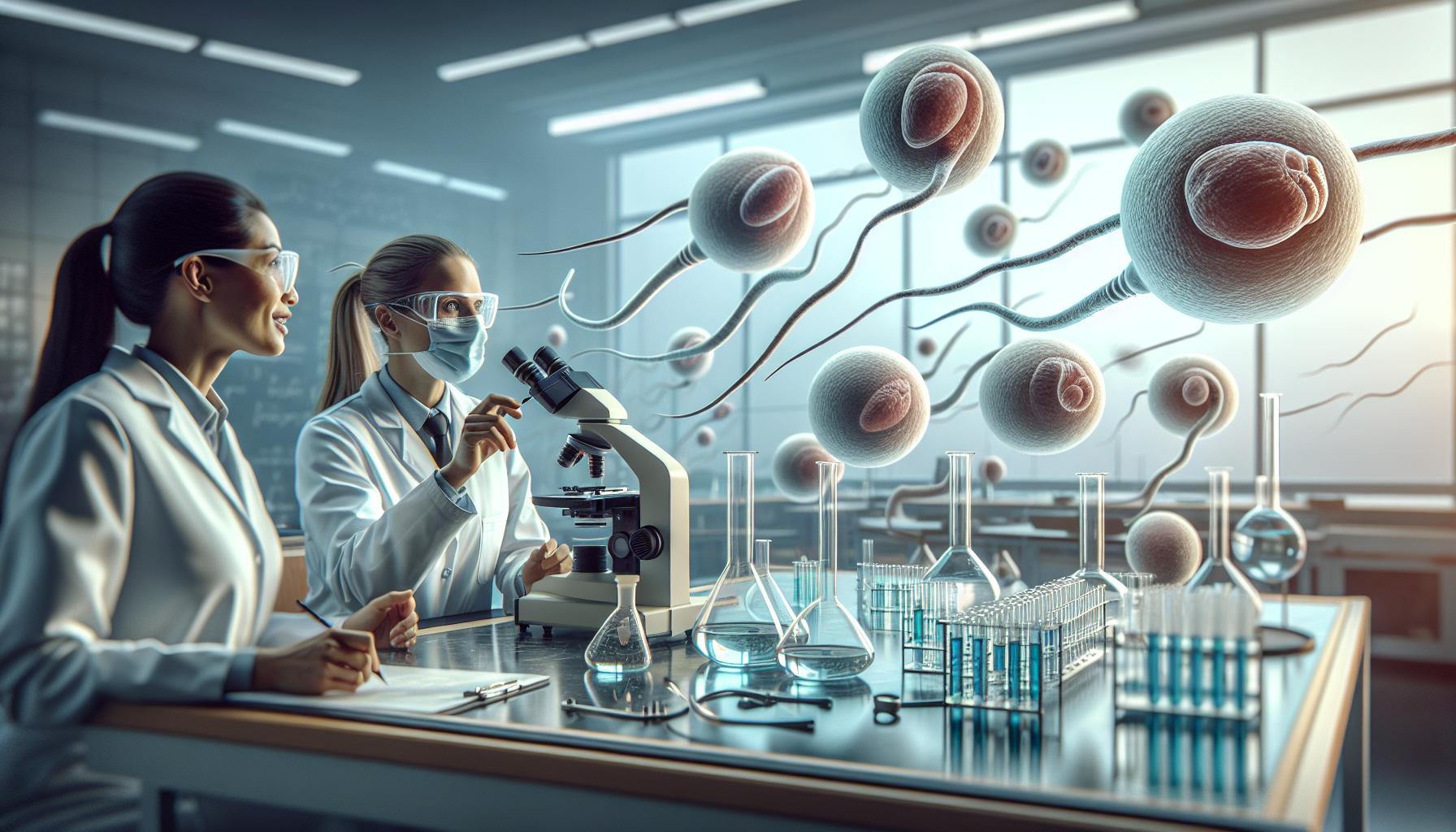
Understanding Gametes and Their Importance
Gametes are the cornerstone of human reproduction, representing the essential cells required for the creation of new life. These specialized reproductive cells-sperm in males and ova (eggs) in females-each carry a haploid set of chromosomes, meaning they contain only half the genetic material required to form a complete organism. During fertilization, a sperm cell unites with an ovum, restoring the diploid state and enabling the development of a new individual. This fundamental process is not just a biological event; it often carries profound emotional significance for individuals and couples on their journey toward parenthood.
Understanding the importance of gametes extends beyond their biological function. For many, the road to conception can be fraught with challenges such as infertility, which affects millions of individuals worldwide. The emotional landscape surrounding fertility can be complex, encompassing hope, grief, and uncertainty. As families navigate their options-whether it’s natural conception, assisted reproductive technologies like in vitro fertilization (IVF), or other family-building methods-acknowledging the weight of these experiences is vital. Celebrating small milestones, like successful ovulation or achieving a positive pregnancy test, can provide encouragement and nurture resilience during difficult times.
In recognizing the role of gametes, it’s important to address topics like these with clarity and compassion. Many may wonder about the factors affecting gamete quality, such as age, lifestyle, and health conditions. For example, the quality of sperm can be influenced by environmental factors, diet, and stress, while egg quality typically declines with age, particularly after the mid-30s. Understanding these factors can help individuals make informed decisions and seek appropriate assistance when needed.
As we explore this topic, remember that reproductive health is a deeply personal journey that varies for each person or couple. Whether you find yourselves considering IVF, exploring adoption, or venturing into other paths of family-building, it’s crucial to approach each step with support and understanding. Resources are available to help you navigate this journey, with professionals ready to offer guidance tailored to your specific needs. Together, let’s foster a dialogue around gametes, reproductive health, and the cherished journey to creating a family.
Hormonal Regulation of Reproductive Function
The intricate dance of hormones plays a pivotal role in regulating reproductive function, influencing everything from the menstrual cycle to pregnancy and beyond. Hormones such as estrogen, progesterone, and testosterone are central actors in this process, each fulfilling unique yet interdependent roles. For individuals trying to conceive, understanding how these hormones function can provide insight into their fertility journey and empower them to make informed choices.
In the menstrual cycle, hormonal fluctuations orchestrate the maturation of eggs in the ovaries and prepare the uterine lining for potential embryo implantation. For women, the cycle begins with the follicular phase, driven by follicle-stimulating hormone (FSH) which encourages the maturation of ovarian follicles. Once an egg is ready, a surge in luteinizing hormone (LH) triggers ovulation-a critical moment for conception. Following ovulation, if fertilization occurs, progesterone works to maintain the uterine lining, creating a nurturing environment for the embryo. If pregnancy does not happen, hormone levels fall, leading to menstruation.
For men, testosterone is vital for sperm production, influencing not just the quantity but also the quality of sperm. Men’s reproductive health hinges on a balanced testosterone level alongside other hormones. Abnormalities in hormonal regulation can lead to challenges such as low sperm count or erectile dysfunction, which can compound difficulties in conception.
Understanding these hormonal dynamics opens the door for targeted interventions. Factors like stress, diet, and underlying health conditions can impact hormonal balance. Seeking medical advice to address these factors-be it through lifestyle changes or medical treatments-can significantly enhance reproductive health. Embracing a holistic approach that addresses both physical and emotional health is essential in navigating the complexities of fertility. Remember, every journey is unique; engaging with health professionals who respect your individual needs can make a world of difference.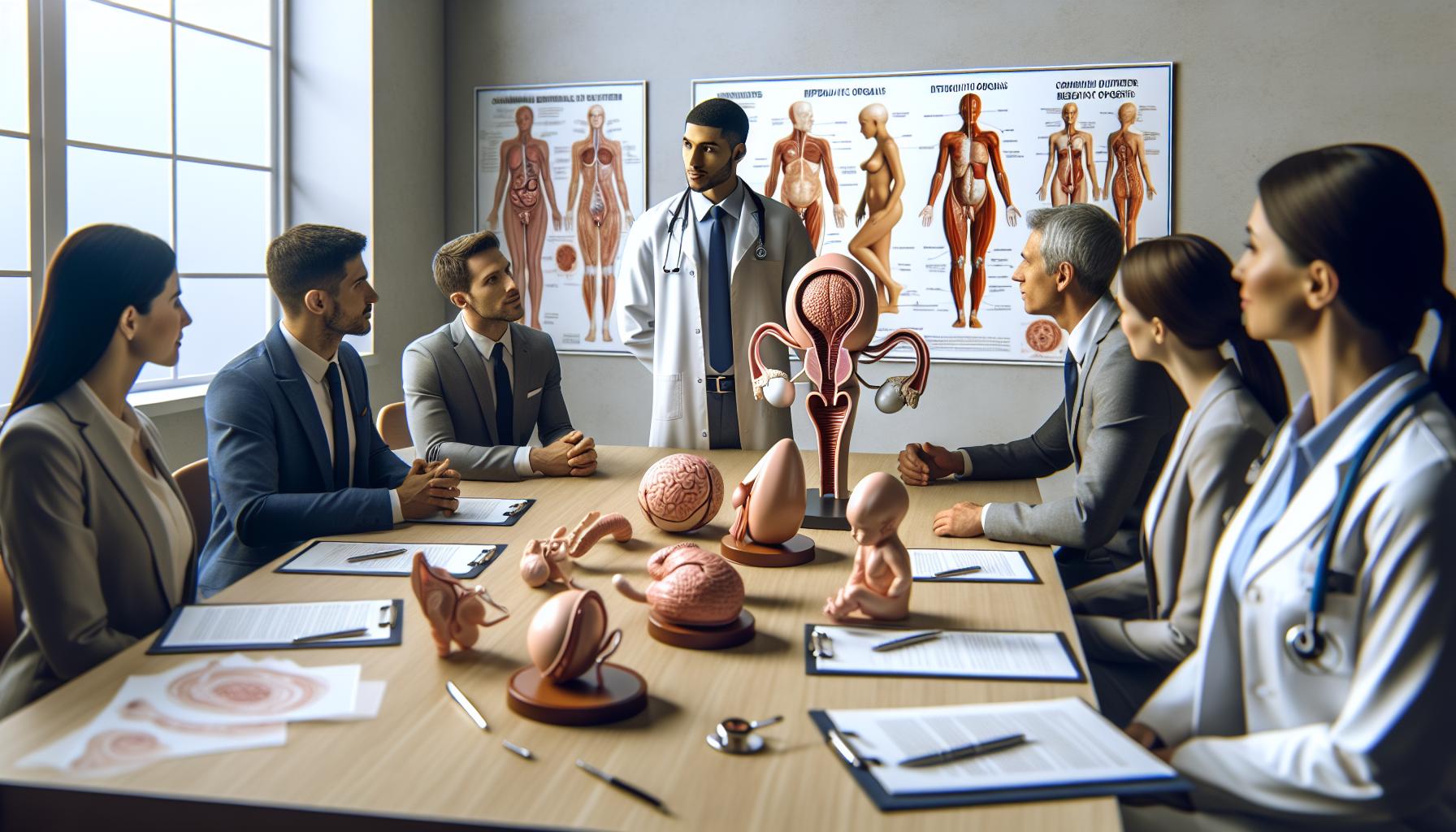
Common Disorders of Reproductive Organs
Understanding the complexities of reproductive health can be daunting, especially when faced with the various disorders that can affect reproductive organs. Common conditions can have profound impacts on individuals’ fertility and overall well-being, yet many remain shrouded in misunderstanding. Each person’s experience is unique, and oftentimes the emotional toll can be as significant as the physical symptoms.
Among the most prevalent disorders affecting reproductive organs is endometriosis, where tissue similar to the uterine lining grows outside the uterus, causing chronic pain and potentially affecting fertility. Uterine fibroids are noncancerous growths that can lead to heavy menstrual bleeding and discomfort, complicating a person’s reproductive health. Polycystic Ovary Syndrome (PCOS), characterized by hormonal imbalance, can lead to irregular periods and difficulty conceiving. Similarly, ovarian cysts are fluid-filled sacs that can form on the ovaries, often causing pain but typically resolving on their own.
Seeking Help and Treatment Options
It’s vital to recognize the symptoms and seek help when needed. Engage with healthcare providers to discuss concerns such as irregular cycles, unexplained pain, or fertility struggles. Treatment options may vary greatly depending on the condition but can include hormonal therapies, lifestyle adjustments, and, in some cases, surgical interventions. For instance, a myomectomy can be performed to remove fibroids, while those experiencing severe endometriosis might opt for a hysterectomy as a last resort.
Many individuals grapple with feelings of grief, uncertainty, and frustration as they navigate these health challenges. Remember that support exists, and connecting with community resources or counseling can provide not just information but also emotional reassurance. Recognizing that these experiences are valid and shared by many can foster a sense of empowerment in your reproductive journey. Always consult with a healthcare professional who respects your problems and can discuss the best strategies tailored to your situation, encouraging a proactive approach to your reproductive health.
Fertility Challenges: Causes and Solutions
Fertility challenges affect a significant number of individuals and couples, often evoking a complex array of emotions, from hope to frustration. Understanding the underlying causes is crucial for navigating this journey effectively. Common contributors to fertility issues include hormonal imbalances, polycystic ovary syndrome (PCOS), endometriosis, uterine fibroids, and male factor infertility, among others. These conditions can disrupt normal ovulation, affect the transport of reproductive cells, or hinder the implantation of embryos. Addressing these challenges begins with recognizing symptoms and consulting with healthcare professionals who can provide tailored advice and support.
Treatment options for fertility challenges are diverse and dependent on the specific diagnosis. For instance, lifestyle changes such as nutrition adjustments, exercise, and managing stress can significantly impact fertility positively. Medical treatments often include hormonal therapies that help regulate ovulation, medications to address specific conditions like PCOS, and surgical options for those with fibroids or endometriosis. Additionally, assisted reproductive technologies, such as in vitro fertilization (IVF) or artificial insemination (AI), provide alternatives for those facing more complex infertility issues. Success rates vary, and understanding the emotional and financial implications is important when considering these options. Many couples find it beneficial to join support groups or seek counseling to navigate the emotional complexities of their experiences.
It’s also essential to celebrate small victories throughout the fertility journey. Whether it’s achieving a successful ovulation cycle, finding a compassionate doctor, or simply learning more about one’s body, each step can build resilience and hope. While the path may be challenging, support networks-whether from friends, family, or professional groups-play a vital role in fostering a sense of community and understanding. By accessing the right resources and maintaining open communication with partners and healthcare providers, individuals can create a more empowered approach to their reproductive health.
Innovative Reproductive Technologies Explained
The landscape of reproductive health is continually evolving, ushering in a myriad of innovative technologies aimed at addressing infertility and enhancing reproductive capabilities. Assisted reproductive technologies (ART) have transformed the way individuals and couples approach family planning, offering hope where traditional methods may have fallen short. One prominent option, in vitro fertilization (IVF), involves the extraction of eggs and sperm, their combination in a lab to create embryos, and subsequent implantation into the uterus. This technique has dramatically improved success rates for many experiencing infertility, but it is essential to discuss the financial and emotional implications. For example, IVF can range from $12,000 to $15,000 per cycle, and multiple cycles may be needed, which can be both physically taxing and financially daunting.
Another groundbreaking technology is intracytoplasmic sperm injection (ICSI), which is particularly useful for male factor infertility. In this method, a single sperm is injected directly into an egg, improving fertilization chances in cases of low sperm motility or count. Additionally, egg freezing has gained popularity, allowing women to preserve their fertility for the future. This option is beneficial for those wanting to delay childbearing due to career or personal circumstances. However, it’s crucial to recognize the uncertainties associated with these technologies; success rates for frozen eggs can fluctuate based on age and health factors at the time of freezing.
Ethical Considerations and Future Directions
As we embrace these advancements, ethical questions naturally arise. For instance, the emergence of technologies like in vitro gametogenesis (IVG), which aims to create gametes from stem cells, poses significant implications for future reproductive choices and societal norms. While this could open doors for addressing certain types of infertility, it necessitates rigorous oversight to prevent misuse, such as creating “designer babies.” It’s vital for prospective parents to remain informed and engage in conversations about these technologies, considering both the medical and ethical landscape.
Understanding these innovative options empowers individuals on their reproductive journeys. Whether contemplating IVF, ICSI, or egg freezing, having a comprehensive plan can help navigate the emotional complexities involved. Celebrate the small victories, and remember that seeking support-whether through healthcare providers or community groups-can enhance resilience amid the uncertainties that often accompany fertility challenges.
Navigating Reproductive Health Resources
Navigating the world of reproductive health can often feel overwhelming. Whether you are newly starting a family or facing challenges with fertility, knowing what resources are available to you is crucial. High-quality information can ease anxieties and guide you through the complex decisions that accompany reproductive health issues. Many organizations and healthcare providers offer platforms that cater to educational needs while also addressing emotional support. This multifaceted approach can help you feel less alone during your journey.
One effective way to find support is by connecting with specialized clinics. Many centers focus on reproductive health and fertility, providing services such as education on reproductive technologies, personal consultations, and therapeutic options. For example, clinics dedicated to infertility treatment can be excellent places for learning about procedures like in vitro fertilization (IVF) and intracytoplasmic sperm injection (ICSI). These centers often have patient navigators who can help you understand treatment timelines, costs, and success rates, ensuring you obtain trustworthy information. Furthermore, support groups can be invaluable, allowing you to share experiences and receive encouragement from others who understand the emotional toll of reproductive struggles.
Online resources also abound, with websites devoted to reproductive health that offer articles, FAQs, and forums for discussing topics such as common disorders, hormonal regulation, and innovative reproductive technologies. For instance, organizations like the American Society for Reproductive Medicine (ASRM) or the Resolve: The National Infertility Association provide comprehensive resources, including insights on costs, insurance navigation, and emotional support strategies. They can assist you in making informed decisions about procedures and understanding what to expect at each stage of your reproductive health journey.
Finally, consider consulting mental health professionals who specialize in reproductive health. These experts can help you navigate the emotional complexities tied to fertility challenges, whether through individual therapy or support groups. They foster environments that acknowledge feelings of grief, hope, and uncertainty, creating a balanced approach to family building. Your journey is unique, and being supported by knowledgeable, compassionate professionals can help you celebrate the small victories while acknowledging the difficult emotions that come along the way.
In this journey, it is essential to stay informed and empowered, seeking resources that resonate with your personal experiences and needs. Empowerment comes from knowledge, connection, and understanding that you are not alone.
Support Systems for Reproductive Health Journeys
Navigating the emotional landscape of reproductive health can often feel like walking a tightrope, balancing hope, uncertainty, and the inherent challenges that accompany this journey. Creating a strong support system is vital in ensuring you don’t have to traverse this path alone. Limitless resources are available, waiting to empower you with both knowledge and community, helping you understand that what you’re experiencing is valid and shared by many.
Engaging with a specialized reproductive health clinic can be a transformative step. These clinics not only offer medical treatments like in vitro fertilization (IVF) and artificial insemination but also provide access to patient navigators. These professionals can explain complex medical terms, such as follicle and embryo development, while also helping you understand the timelines, costs, and success rates of various treatments. Moreover, they are equipped to provide emotional support, guiding you through each step with empathy and clarity.
Participating in support groups can also significantly bolster your journey. Meeting others who understand your feelings can give you a sense of belonging and validation. It’s essential to find groups that align with your experiences, whether they focus on infertility challenges, the emotional impact of treatment, or even alternative family-building paths like adoption. In these spaces, you can celebrate small victories, share your fears, and realize you are not alone in your struggles.
Additionally, online platforms present a wealth of information and community engagement. Websites and organizations such as the American Society for Reproductive Medicine (ASRM) offer comprehensive resources, addressing common concerns about treatment costs, insurance navigation, and emotional support strategies. Navigating these resources can equip you with the knowledge to make informed decisions, manage expectations, and foster resilience along your reproductive health journey. Remember, taking each day step by step, backed by a supportive network, can lead to enhanced coping strategies and a renewed sense of hope.
Cultural Perspectives on Reproductive Health and Family Planning
Navigating the intricate landscape of reproductive health and family planning reveals a tapestry woven with diverse cultural beliefs and practices. Across the globe, perceptions of reproductive health are deeply influenced by cultural, religious, and societal norms, shaping the choices available to individuals and couples. For many, discussions about family planning may be seen as taboo or sensitive. However, understanding these perspectives can foster a more inclusive dialogue surrounding reproductive choices.
In various cultures, family planning is perceived differently, often reflecting traditional values and medical practices. In some societies, the emphasis may be placed on natural methods of family planning, where cultural practices encourage awareness of fertility cycles over medical interventions. Conversely, other cultures may embrace modern technologies such as in vitro fertilization (IVF) and artificial insemination, viewing them as empowering options to expand family size. Recognizing this spectrum of beliefs can validate the journeys of individuals who seek support, whether they resonate with traditional or modern approaches.
Respecting religious teachings plays an essential role in shaping family planning attitudes. In certain faiths, beliefs about conception, contraception, and reproductive choices are closely tied to their doctrines. For example, some religions advocate for abstinence or specific family planning methods, while others may adopt a more liberal stance towards contraceptive use. Conversations about reproductive health can benefit from acknowledging these influences, offering compassionate and non-judgmental support tailored to individual values and circumstances.
Furthermore, the growing recognition of diverse family structures underscores the need for inclusive reproductive health resources. Cultural perspectives extend beyond conventional family frameworks to encompass same-sex couples, single parents, and those exploring alternative paths to parenthood through adoption or surrogacy. By embracing and celebrating these varied narratives, healthcare providers and community support systems can better cater to the needs of all individuals seeking guidance on their reproductive health and family planning journeys.
Ultimately, fostering cultural awareness in reproductive health creates a foundation for empathy and understanding, allowing individuals to explore their options with confidence and support. Providing educational resources that align with varying cultural beliefs ensures that everyone, regardless of background, receives the care and information they need to make informed decisions about their reproductive health.
Frequently asked questions
Q: What are the main functions of reproductive organs?
A: Reproductive organs are essential for producing gametes-sperm in males and eggs in females. They also facilitate fertilization and support fetal development during pregnancy. Understanding these functions assists in grasping overall reproductive health, as detailed in the Key Functions of Reproductive Organs section of the article.
Q: How do hormonal changes affect reproductive organs?
A: Hormonal changes regulate reproductive functions by controlling the menstrual cycle in females and sperm production in males. Hormones like estrogen and testosterone play critical roles in maintaining the health and functionality of reproductive organs. Explore more in the Hormonal Regulation of Reproductive Function section.
Q: What are common disorders that affect reproductive organs?
A: Some common disorders include endometriosis, polycystic ovary syndrome (PCOS), and erectile dysfunction. These conditions can significantly impact fertility and overall reproductive health. For more insights, refer to the Common Disorders of Reproductive Organs section in the article.
Q: When should someone seek help for reproductive health issues?
A: Individuals should seek help for reproductive health issues if they experience persistent pain, irregular cycles, or difficulty conceiving after a year of trying. Early intervention can improve outcomes. More guidance is available in the Navigating Reproductive Health Resources section.
Q: What innovative technologies are available for reproductive health?
A: Innovative reproductive technologies include in vitro fertilization (IVF), artificial insemination, and surrogacy options. These technologies can help overcome various fertility challenges. For a deeper understanding, check the Innovative Reproductive Technologies Explained section.
Q: How can lifestyle changes improve reproductive health?
A: Making lifestyle changes such as maintaining a balanced diet, exercising regularly, and reducing stress can significantly enhance reproductive health. Consult the article for more tips on optimizing your reproductive well-being through lifestyle adjustments.
Q: What cultural perspectives influence reproductive health decisions?
A: Cultural perspectives greatly shape reproductive health decisions, affecting views on family planning, contraception, and fertility treatments. Recognizing these influences is vital for a holistic approach to reproductive health, as discussed in the Cultural Perspectives on Reproductive Health and Family Planning section.
Q: How can support systems aid in reproductive health journeys?
A: Support systems, such as counseling, support groups, and healthcare providers, can provide emotional and practical assistance throughout reproductive health challenges. Consider leveraging these resources, as outlined in the Support Systems for Reproductive Health Journeys section.
Future Outlook
Thank you for exploring “What Is the Reproductive Organ: Essential Guide for Everyone.” Understanding your reproductive health is not only vital for your well-being but also empowers you to make informed decisions about your body and family planning. If you’re ready to take the next step, consider diving deeper into our resources on fertility options such as IVF and inseminación artificial, or explore common causes of infertility for more insights.
Don’t hesitate to reach out for personalized advice or questions-your journey matters to us, and we’re here to support you with compassionate guidance. Subscribe to our newsletter for updates on new articles and tips tailored to your needs. Remember, your health and happiness are paramount, and every step you take brings you closer to achieving your goals. Explore more and let us accompany you on this journey-every question is important, and we’re here to listen.