Understanding the main organs of the reproductive system is essential for anyone looking to navigate their fertility journey effectively. The reproductive system plays a crucial role not just in reproduction, but in overall hormonal health and emotional well-being. Whether you are exploring family-building options, facing challenges with fertility, or simply aiming to understand your body better, knowing these organs can empower you. Each organ, from the ovaries to the uterus and beyond, contributes uniquely to reproductive health. By learning about their functions and interconnections, you can gain valuable insights into your own reproductive health, making informed choices along the way. Join us as we delve deeper into the intricacies of these vital organs and their significance in your fertility and overall health.
Main Organs of the Reproductive System Explained
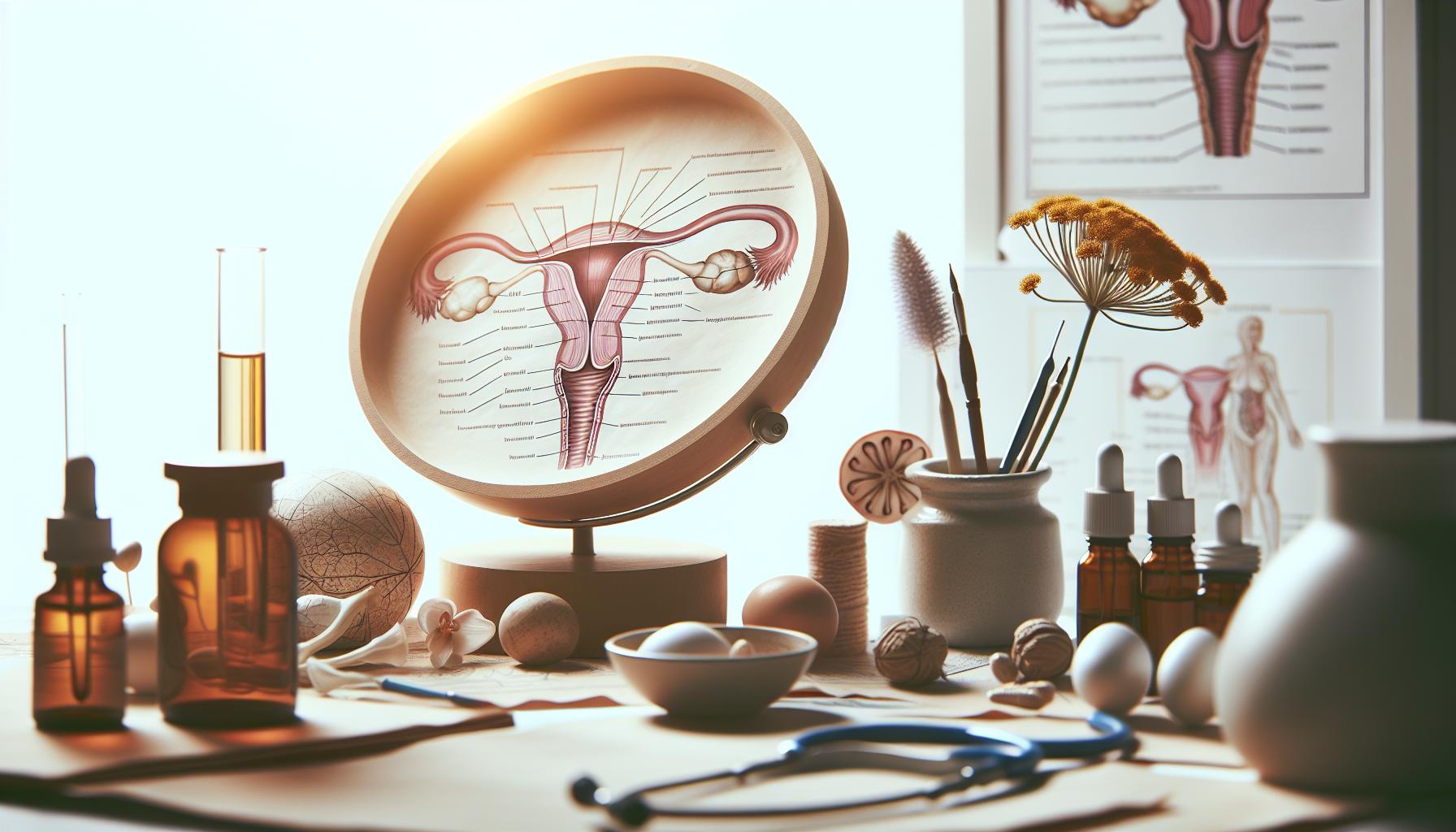
The human reproductive system is an intricate network of organs that play vital roles in the creation of life. Understanding these organs can empower individuals and couples on their reproductive journey.
In females, the primary organs include the ovaries, fallopian tubes, uterus, and vagina. The ovaries are responsible for producing eggs (ova) and hormones such as estrogen and progesterone, which regulate the menstrual cycle and support pregnancy. Each month, an ovary releases an egg that travels through the fallopian tube, where fertilization by sperm can occur. If fertilization takes place, the fertilized egg implants in the uterus, a muscular organ designed to nourish the developing fetus. The vagina serves as the birth canal and a passageway for menstrual fluid.
For males, the reproductive system comprises the testes, seminal vesicles, prostate gland, and penis. The testes produce sperm and testosterone, which is crucial for male sexual development and function. As sperm are produced, they move through a series of ducts leading to the seminal vesicles and prostate gland, which contribute fluids that form semen. During ejaculation, semen is expelled through the penis, enabling fertilization.
Key Functions of the Reproductive Organs
Both male and female reproductive systems function in harmony to enable conception. The release of hormones plays a crucial role: in females, hormones regulate the menstrual cycle and prepare the body for potential pregnancy. In males, testosterone supports sperm production and sexual function. Understanding these functions can help individuals recognize signs of fertility and infertility, guiding better reproductive health decisions.
This complex interplay can be influenced by various factors, including age, lifestyle, and medical conditions. For instance, lifestyle choices such as diet, exercise, and stress management can impact hormone levels, affecting reproductive health. Addressing these aspects holistically can enhance fertility potential, increasing the chances of conception or successful fertility treatments.
Functionality of the Female Reproductive Organs
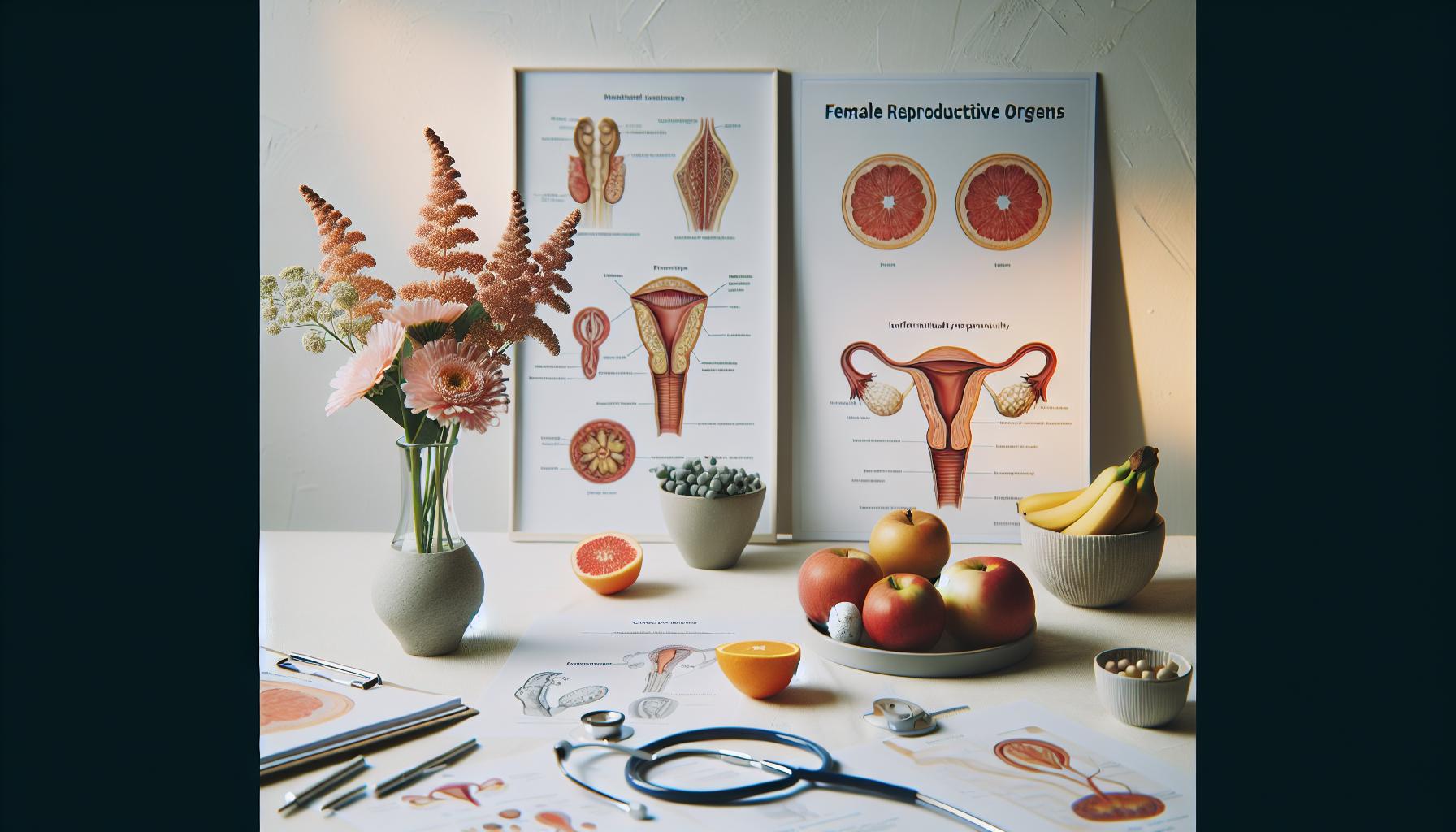
The female reproductive system is an incredible orchestration of organs working together to create the conditions necessary for life. Knowledge about how these organs function is crucial for anyone embarking on a journey toward conception or understanding reproductive health. The primary components include the ovaries, fallopian tubes, uterus, and vagina, each playing distinct but interconnected roles.
Ovaries are at the heart of the reproductive system, operating as the body’s egg (ova) producers and hormone-generating glands. Each month, under the influence of hormonal signals, one ovary releases a mature egg during a process called ovulation. This egg heads into the nearby fallopian tube, the site where fertilization can occur if sperm are present. Should fertilization take place, the embryo will travel to the uterus, a muscular organ designed to nurture and support the developing fetus throughout pregnancy. This environment is optimized for implantation, offering the necessary nutrients and protection.
The vagina serves multiple purposes as both the birth canal and the pathway for menstrual fluid. It is equipped with a self-cleansing mechanism and maintains a balanced environment crucial for reproductive health. Understanding these functions allows individuals to appreciate the intricate balance and potential issues that can arise, including hormonal imbalances or anatomical variations that could complicate natural conception.
Recognizing the functionality of these organs not only prepares individuals for potential physical challenges but also acknowledges the emotional aspects that accompany the fertility journey. Many individuals and couples face a rollercoaster of emotions-from the hope of starting a family to the grief of unsuccessful attempts. Regardless of the specific paths people choose, be it natural conception, assisted reproductive technologies (like IVF or IUI), or alternative routes (adoption), there is support available and milestones to celebrate along the way.
Understanding Male Reproductive Organs and Their Roles
The male reproductive system, though often less discussed, plays a vital role in human reproduction. Comprised primarily of the testes, seminal vesicles, prostate gland, vas deferens, and penis, these organs work together to produce, nourish, and deliver sperm. Each component is essential, contributing to the intricate process of reproduction and overall male reproductive health.
The testes function as the primary site for sperm production. They also produce testosterone, the key hormone that regulates male reproductive functions and secondary sexual characteristics. The sperm produced in the testes are then transported through the vas deferens, a muscular tube that propels sperm during ejaculation. This movement is crucial for ensuring the sperm can reach the female reproductive system.
Further along the pathway, the seminal vesicles and prostate gland contribute fluids that nourish the sperm, forming seminal fluid, which is expelled during ejaculation. This fluid not only provides energy for the sperm but also facilitates their journey through the female reproductive tract. Understanding the functions of these organs is important for recognizing potential issues such as low testosterone levels or prostate health concerns, which can affect fertility and overall well-being.
It’s important to acknowledge the emotional aspects associated with male fertility issues. Men often experience similar feelings of hope and disappointment as women do during the family planning journey. Whether considering assisted reproductive technologies like IVF, where sperm quality may become a factor, or simply navigating the emotional landscape that accompanies trying to conceive, support and understanding are essential. Discussions about reproductive health, including common disorders like low sperm count or hormonal imbalances, are critical not only for physical health but also for emotional well-being.
Key Differences Between Male and Female Structures
The anatomy of the reproductive systems in males and females reveals fascinating contrasts that are integral to human reproduction. Understanding these differences not only highlights the unique roles each gender plays in conception but also sets the stage for discussions about reproductive health issues that can affect both men and women.
In males, the reproductive system is designed for sperm production, storage, and delivery. Key structures such as the testes, vas deferens, and seminal vesicles work together to facilitate this. The testes are responsible for producing sperm and testosterone, which is crucial for male sexual development. Sperm travels through the vas deferens to the seminal vesicles, where it is mixed with seminal fluid, creating semen for ejaculation. This streamlined system prioritizes efficiency in transmitting the male gamete.
Conversely, the female reproductive system is intricately designed for nurturing a developing fetus. Key organs include the ovaries, fallopian tubes, uterus, and vagina. The ovaries produce eggs (ova) and hormones such as estrogen and progesterone, which regulate the menstrual cycle. After ovulation, an egg travels through the fallopian tubes, where it may meet sperm for fertilization. The fertilized egg then journeys to the uterus, ready to implant and grow into a fetus if conditions are favorable. Unlike the male system, which is primarily focused on gamete delivery, the female system is equipped for the complex processes of fertilization, gestation, and childbirth.
Key Structural Differences
- Sperm Production vs. Egg Production: Males produce millions of sperm daily, while females are born with all their eggs, which mature over their reproductive lifespan.
- External vs. Internal Structures: Male reproductive organs are predominantly external, while female reproductive organs are largely internal, providing a protective environment for fertilization and fetal development.
- Hormonal Roles: Testosterone predominantly drives male reproductive functions, whereas a balance of estrogen and progesterone governs female reproductive health.
- Functionality: Male reproductive organs facilitate sperm delivery, while female organs focus on egg reception, fertilization, and pregnancy.
Understanding these distinctions is essential for appreciating the unique challenges faced by each gender in reproductive health. Issues like infertility, hormonal imbalance, or anatomical abnormalities can arise and manifest differently in males and females. For instance, while men may encounter problems related to sperm quality or testosterone levels, women might face issues such as polycystic ovary syndrome (PCOS) or endometriosis, which can complicate their fertility journey. By recognizing the functional intricacies of male and female reproductive organs, we can foster deeper discussions about health interventions, emotional support, and comprehensive education tailored to the needs of individuals on their family-building paths.
The Role of Hormones in Reproductive Health
The intricate dance of hormones plays a crucial role in reproductive health, influencing everything from development to fertility. Hormones are chemical messengers that help regulate numerous bodily functions, and their balance is vital for both male and female reproductive systems. In females, hormones like estrogen and progesterone are pivotal for the menstrual cycle, orchestrating ovulation and preparing the uterus for a potential pregnancy. Estrogen promotes the thickening of the uterine lining, while progesterone stabilizes it, ensuring a conducive environment for an embryo if fertilization occurs.
In males, testosterone is the dominant hormone that facilitates sperm production and maintains sexual function. This powerful hormone contributes to the development of male secondary sexual characteristics during puberty, such as increased muscle mass and body hair. A healthy testosterone level is essential not only for fertility but also for emotional well-being, as fluctuations can impact mood and energy levels.
Common Hormonal Disruptions
The balance of hormones is delicate, and disturbances can lead to reproductive health issues. For women, conditions such as polycystic ovary syndrome (PCOS) may arise, characterized by an imbalance of reproductive hormones, leading to irregular menstrual cycles and difficulties conceiving. Men can also experience hormonal imbalances, such as low testosterone levels, which can affect libido, energy, and overall reproductive health.
The emotional weight of these hormonal challenges should not be underestimated. Many individuals navigating issues related to fertility face a rollercoaster of emotions ranging from hope to grief. Recognizing the influence of hormones can empower individuals to seek appropriate medical advice and explore supportive treatments or lifestyle changes that can rebalance these vital chemicals.
Enhancing Hormonal Balance
Achieving hormonal balance often requires a holistic approach involving diet, exercise, and sometimes medical intervention. Here are practical steps to support hormonal health:
- Nutrition: A well-balanced diet rich in whole foods, healthy fats, and antioxidants can support hormone production and regulation. Foods like leafy greens, nuts, and fatty fish are excellent choices.
- Exercise: Regular physical activity can help maintain a healthy weight and reduce stress, both of which positively impact hormone levels.
- Stress Management: Techniques such as yoga, meditation, and adequate sleep are vital for reducing cortisol levels, which can interfere with reproductive hormones.
Understanding the complexities of hormones in reproductive health empowers individuals to take charge of their fertility journeys. The path may be fraught with emotions and uncertainties, but support and knowledge can guide one toward informed choices and milestones of hope.
Common Disorders Affecting Reproductive Organs
Delving into the complexities of reproductive health sheds light on various disorders that can significantly impact individuals’ lives. Understanding these conditions is crucial not only for effective management but also for fostering a compassionate dialogue around reproductive health challenges. For many, navigating disorders like polycystic ovary syndrome (PCOS), endometriosis, and male infertility poses unique emotional and physical obstacles.
PCOS is one of the most common hormonal disorders affecting women and can result in irregular menstrual cycles, weight gain, and difficulties with fertility. Its symptoms stem from an imbalance in reproductive hormones, leading to the formation of cysts on the ovaries. Women may experience a range of symptoms, from acne to excessive hair growth, and often face challenges in achieving pregnancy. Treatment typically involves lifestyle changes, such as diet and exercise, along with medications that regulate menstrual cycles or promote ovulation.
Endometriosis: A Painful Truth
Endometriosis is another prevalent disorder where tissue similar to the lining of the uterus grows outside of it, leading to severe pain, especially during menstruation. This condition not only disrupts daily life but can also affect fertility. Women experiencing endometriosis may find relief through pain management strategies, hormone therapy, or surgery, highlighting the need for a tailored approach to treatment.
On the male side, conditions like low testosterone or azoospermia (absence of sperm in semen) contribute to fertility challenges. These disorders can affect mood, energy levels, and overall well-being. Addressing male infertility often involves a thorough assessment, lifestyle modifications, or medical interventions such as hormone replacement therapy, assisted reproductive technologies (ART), and sperm retrieval techniques.
Emotional Impact of Reproductive Disorders
The emotional toll of reproductive disorders can be profound, often leading to feelings of isolation, grief, or frustration. It is essential for individuals and couples to seek support from healthcare providers, counseling services, or support groups, which can offer not just medical guidance but also emotional support. Celebrating small milestones in the fertility journey and having open conversations about experiences can help alleviate some of the burdens associated with these conditions.
Incorporating lifestyle changes such as healthy eating, regular physical activity, and stress management techniques can also be beneficial. These choices can promote both physical and emotional well-being, empowering individuals to take an active role in their reproductive health. Remember, you are not alone in this journey-engaging with supportive communities and healthcare professionals can provide the guidance and reassurance needed to navigate the challenges of reproductive disorders.
Exploring the Impact of Lifestyle on Reproductive Function
Creating a healthy lifestyle can significantly enhance reproductive function, influencing everything from hormone balance to the overall health of reproductive organs. For both men and women, factors such as diet, exercise, and stress management play crucial roles in fertility and reproductive health. Understanding these elements can empower individuals on their fertility journeys, offering a sense of control amidst uncertainties.
Nutrition is foundational in supporting reproductive health. A balanced diet rich in antioxidants, vitamins, and minerals can help regulate hormonal levels and improve overall reproductive function. Key nutrients include:
- Folic Acid: Important for cell division and development of embryos, found in leafy greens, legumes, and fortified cereals.
- Omega-3 Fatty Acids: Support hormonal balance and may enhance reproductive capabilities; sources include fish such as salmon and flaxseeds.
- Vitamin D: Plays a role in reproductive hormone production; sunlight exposure and fortified foods can help maintain adequate levels.
Regular physical activity also has profound benefits for reproductive health. Exercise helps maintain a healthy weight, which is essential since both obesity and being underweight can lead to irregular menstrual cycles and hormonal imbalances. For instance, a moderate amount of aerobic exercise can improve ovulatory function in women, while strength training can enhance testosterone levels in men, promoting sperm production.
Moreover, stress can adversely affect fertility by disrupting hormonal levels and menstrual cycles. Stress management techniques such as yoga, meditation, and deep-breathing exercises can offer significant benefits. These practices not only help in reducing stress but also improve emotional well-being, which is invaluable during the often challenging fertility journey.
Engaging with healthcare professionals, including nutritionists, fertility specialists, and mental health counselors, can provide tailored guidance and support, ensuring a holistic approach to reproductive health. By embracing healthy lifestyle choices and incorporating them into daily routines, individuals can bolster their reproductive functions and navigate the emotional landscapes of their fertility journeys with greater resilience and hope.
Advancements in Reproductive Health Treatments
offer hope and solutions for those navigating the intricate journey of family building. With a growing understanding of reproductive systems, medical professionals are innovating therapies and technologies that can significantly enhance fertility outcomes. Treatments now encompass a spectrum of options from assisted reproductive technologies to hormonal therapies, each designed to address various aspects of the reproductive cycle.
Assisted Reproductive Technologies (ART)
One of the most remarkable advancements in recent years is the refining of Assisted Reproductive Technologies, including In Vitro Fertilization (IVF). IVF has progressed to include pre-implantation genetic testing, which allows for the identification of genetic disorders in embryos before they are implanted. This not only increases the chances of a successful pregnancy but also supports the emotional well-being of parents aspiring for a healthy child. The average cost of an IVF cycle can range from $12,000 to $15,000, and success rates vary between 40% to 70% depending on the age of the woman and other factors.
Additionally, Intrauterine Insemination (IUI) is another ART method that is less invasive than IVF and often less expensive, typically costing between $300 to $1,000 per cycle. It’s most effective for couples with unexplained infertility or for those using donor sperm.
Hormonal Treatments and Fertility Medications
For those facing hormonal imbalances affecting fertility, advancements in medication have proven invaluable. Clomiphene citrate and Letrozole are commonly prescribed to stimulate ovulation in women. These treatments can cost a few hundred dollars for a cycle and can be effective, with success rates of approximately 20% to 25% per cycle.
In men, hormonal therapies can address issues such as low testosterone or estrogen imbalances that impact sperm production. Medications aimed at improving sperm motility can enhance chances of conception without resorting to more invasive measures.
Emotional and Psychological Support
Recognizing the emotional challenges of infertility, many fertility clinics now provide mental health support throughout the process. Counseling services help patients cope with the psychological strain of treatments and provide strategies to handle stress and anxiety. Engaging with support groups, both online and in-person, can also foster community and reduce feelings of isolation during this challenging time.
Having a multi-faceted approach to reproductive health, involving both medical advancements and emotional support, ensures that individuals and couples feel dignified and empowered on their journey to parenthood. Embracing this combination can transform a deeply personal experience into one filled with hope and actionable paths forward.
Navigating Emotional Aspects of Reproductive Health
Navigating the emotional landscape of reproductive health can be a deeply personal and often overwhelming journey. Many individuals and couples may find themselves grappling with a mix of hope, anxiety, and sometimes grief as they pursue their dreams of parenthood. It’s essential to recognize that these feelings are valid and shared by many along this path. For instance, the emotional weight of infertility can be as heavy as any physical challenge faced during treatment. Emotionally charged moments may arise from undergoing procedures, handling disappointments, and balancing expectations with reality.
Understanding and Validating Emotions
One significant aspect of managing emotional well-being during this process is to acknowledge the range of feelings that can surface. Individuals may experience a spectrum of emotions, including frustration, sadness, and hope. Celebrate even the smallest milestones, as these can provide encouragement and relief amidst a challenging time. Engaging with support groups-whether in-person or online-can establish a sense of community, offering comfort in shared experiences. Connecting with others can help mitigate feelings of isolation and provide differing perspectives on navigating similar struggles.
Practical Steps for Emotional Support
To effectively cope with the emotional aspects of reproductive health, consider implementing practical strategies such as:
- Seek Professional Counseling: Engage with a therapist who specializes in reproductive health issues.
- Practice Mindfulness: Incorporate mindfulness techniques like meditation or yoga to alleviate stress and promote emotional clarity.
- Set Realistic Expectations: Be honest with yourself about the potential challenges and costs involved in treatments like IVF, which can range from $12,000 to $15,000, depending on various factors.
- Communicate Openly: Discuss feelings and concerns with partners or loved ones to foster understanding and support.
Supporting Each Other as a Couple
For couples, it is vital to remain united and compassionate towards each other during the ups and downs of reproductive health challenges. Engage in open dialogues about fears and aspirations, and also acknowledge that each partner may experience these challenges differently emotionally. It is essential to create a supportive environment where both individuals feel safe expressing their feelings without fear of judgment. This interaction can bring you closer together, reinforcing your bond during what can be a turbulent journey.
By addressing these emotional aspects and incorporating support mechanisms, individuals and couples can navigate the complexities of reproductive health with a greater sense of empowerment and clarity, fostering a hopeful outlook while pursuing their dreams of family building.
Family Planning: Making Informed Choices
Making informed choices about family planning is a pivotal aspect of reproductive health that requires careful consideration of various factors, including personal, medical, and financial elements. Navigating this journey involves not only understanding the physiological components, such as the reproductive organs, but also appreciating the emotional landscapes that accompany decisions about expanding a family.
The first step in effective family planning is a comprehensive understanding of the available options. Each path, whether it involves natural conception, assisted reproductive technologies like in vitro fertilization (IVF), artificial insemination, or even adoption, presents unique timelines, costs, and emotional implications. For example, while IVF can cost between $12,000 to $15,000 per cycle and has variable success rates depending on numerous factors like age and health, understanding these specifics upfront can empower you to make informed decisions that align with your circumstances and values.
Assessing Your Choices
The landscape of family planning is varied. Below are common options to consider:
- Natural Conception: This is often the first avenue explored but can be challenging for individuals facing infertility, which may involve conditions that affect ovulation or spermatogenesis.
- IVF: This technique involves retrieving eggs from the ovaries and fertilizing them with sperm in a lab. This can require multiple cycles to achieve a successful pregnancy.
- Artificial Insemination: A less invasive option that places sperm directly into the uterus, which can be more affordable and less emotionally taxing.
- Adoption: For some, this path is a fulfilling route to parenthood, offering a way to embrace family-building without biological connection.
Consideration of Emotional and Financial Factors
As you weigh your options, be mindful of both emotional considerations and financial realities. It’s essential to recognize that the journey of family planning can involve a mix of hope and potential disappointment. Taking time to assess not only the costs but also the emotional toll associated with each option can lead to more sound decisions.
Furthermore, fostering open communication with your partner about fears, aspirations, and concerns will aid in navigating this complex landscape together. Remember that emotional responses-whether they’re moments of joy following a successful cycle or sadness after a setback-are a natural part of this journey. Connecting with support groups or counselors can provide valuable perspectives, helping mitigate feelings of isolation.
In summary, making informed choices in family planning entails understanding your reproductive health, considering all available options, and acknowledging the emotional rollercoaster that comes with each decision. By taking a holistic approach, including open dialogue and professional guidance, you empower yourself and your partner to create a thoughtful plan that aligns with your family goals.
Resources for Further Learning About Reproductive Health
Navigating the complexities of reproductive health can be overwhelming, but there are numerous resources available to help you gain a deeper understanding of the main organs involved in reproduction and their functions. Educational institutions, health organizations, and online platforms provide valuable information, empowering you to take charge of your reproductive health.
Books and Guides
Several reputable books delve into reproductive health, offering detailed insights into anatomy and function, as well as the emotional aspects of reproductive journeys. Titles like “The Female Body Book” by Dr. Carolyn McNulty and “The Male Body: A New Look at Men in Public and in Private” by Susan Maushart explore the intricacies of male and female reproductive systems, providing scientific information in an approachable manner. These texts often include personal stories and advice that resonate with anyone navigating fertility challenges.
Online Resources
The internet is a treasure trove of information, with leading health organizations offering reliable resources. Websites such as the Planned Parenthood and the CDC’s Reproductive Health sections provide comprehensive information on reproductive health topics, including the anatomy of the reproductive organs, hormonal functions, and more. Additionally, forums like Fertility Awareness connect individuals facing similar challenges, fostering community support and shared experiences.
Support Groups and Counseling
Emotional well-being is paramount in any reproductive health journey. Connecting with support groups-whether in-person or online-can provide a sense of camaraderie as you navigate challenges. Organizations like Resolve: The National Infertility Association offer online resources and local support meetings, ensuring you’re not alone in this journey. Professional counselors specializing in reproductive health are also invaluable, guiding you through the emotional complexities associated with fertility, loss, and the journey toward parenthood.
By utilizing these resources, you can expand your knowledge and build a supportive network to assist you through your reproductive health journey. Each of these avenues offers unique perspectives that validate your experiences and empower you with information. Understanding your reproductive system is the first step toward making informed decisions about your health and family planning.
FAQ
Q: What are the primary functions of the reproductive system?
A: The primary functions of the reproductive system include the production of gametes (sperm and eggs), hormone production, the facilitation of fertilization, and support for fetal development during pregnancy. Understanding these roles is crucial for reproductive health and family planning.
Q: How do reproductive organs differ between males and females?
A: Male reproductive organs primarily include the testes, vas deferens, and penis, which are responsible for sperm production and delivery. In contrast, female organs such as ovaries, fallopian tubes, and the uterus facilitate egg production and nurturing of a developing fetus.
Q: Why are hormones important in the reproductive system?
A: Hormones play a vital role in regulating the reproductive system functions, including menstrual cycles, ovulation, and sperm production. They also influence physical and emotional aspects of reproductive health. Regular screenings can help maintain hormonal balance.
Q: When do the reproductive organs begin to develop?
A: Reproductive organs begin to develop early in fetal life, with initial differentiation occurring around the 6th week of gestation. These organs mature during puberty, which is crucial for reproductive health and function.
Q: Where are the main reproductive organs located in the body?
A: In males, the main reproductive organs are located in the scrotum and pelvis; in females, they are primarily located in the pelvic cavity, including the uterus and ovaries. Knowing their location aids in understanding health issues related to reproduction.
Q: How can lifestyle choices impact reproductive health?
A: Poor lifestyle choices, such as smoking, alcohol consumption, and inadequate nutrition, can adversely affect reproductive health by disrupting hormone levels and reducing fertility. Adopting a healthy lifestyle can significantly enhance reproductive function.
Q: What are common disorders associated with reproductive organs?
A: Common disorders include polycystic ovary syndrome (PCOS) in females and erectile dysfunction in males. Understanding these conditions can help individuals seek timely medical advice and support, fostering healthier reproductive outcomes.
Q: How can individuals support their reproductive health?
A: Individuals can support their reproductive health by maintaining a balanced diet, exercising regularly, managing stress, and scheduling regular check-ups with healthcare professionals. Staying informed about reproductive health can lead to better outcomes.
Key Takeaways
Understanding the main organs of the reproductive system is crucial for anyone looking to optimize their health and fertility. As you continue your journey, remember that knowledge is power-whether you’re considering options like IVF or looking into the causes of infertility. Make sure to explore our articles on IVF success rates and infertility treatments to deepen your understanding and get the support you need.
If you have questions or need personalized guidance, don’t hesitate to contact us for a consultation. Join our community by signing up for our newsletter, where we share insights and resources that can help demystify the reproductive process. Your journey matters, and we’re here to support you every step of the way. Explore the links, and let’s continue this conversation together!