Understanding female reproduction is crucial for any woman navigating her unique journey, whether it’s about family planning, addressing fertility concerns, or simply wanting to learn more about her body. Did you know that one in eight couples face difficulties conceiving? This guide empowers you with essential knowledge about reproductive health, from ovulation to assisted reproductive technologies.
Navigating the emotional complexities of this journey can feel overwhelming, but you’re not alone. As we explore the various aspects of female reproduction-such as menstrual cycles, fertility treatments, and common challenges-you’ll find a supportive space that respects your personal choices and experiences. Our approach balances compassionate insights with clear, practical information, helping you make informed decisions while feeling validated in your emotional experiences. Whether you’re contemplating options like IVF, understanding infertility causes, or seeking knowledge about your menstrual health, let’s embark on this journey together, equipping you with knowledge and support for wherever your path may lead.
Understanding the Female Reproductive System
The female reproductive system is a complex network, designed intricately to perform multiple functions critical to reproduction, hormonal regulation, and overall health. At its core, it primarily consists of the ovaries, fallopian tubes, uterus, and vagina. The ovaries play a key role by producing eggs (ova) and hormones such as estrogen and progesterone, which are essential for regulating the menstrual cycle and preparing the body for possible pregnancy.
Understanding this system begins with recognizing its cyclical nature, as it goes through periodic changes driven by hormonal fluctuations. Each month, a selected follicle in the ovary matures and releases an egg during ovulation, typically occurring around the midpoint of the menstrual cycle. The fallopian tubes serve as the passageway for the egg to travel towards the uterus, where it may encounter sperm and potentially become fertilized. If fertilization does not occur, the body naturally sheds the uterine lining, resulting in menstruation.
Moreover, the health of the reproductive system can significantly influence a woman’s overall well-being. Recognizing symptoms of common reproductive health issues-such as irregular periods, severe cramps, or unusual discharge-can prompt early intervention and support. This proactive approach helps in managing conditions like polycystic ovary syndrome (PCOS), endometriosis, and fibroids, which can affect fertility and hormonal balance.
Ultimately, empowers women to take charge of their health decisions, facilitate discussions with healthcare professionals, and seek assistance when needed. In this journey, knowledge serves as a powerful tool, fostering awareness of personal health, fertility, and choices that can impact family planning and reproductive well-being.
Key Stages of the Menstrual Cycle
The menstrual cycle is a remarkable process, intricately designed to prepare the body for potential pregnancy each month. Typically lasting around 28 days, the cycle involves several distinct stages driven by hormonal changes. Understanding these stages not only aids in fertility awareness but also fosters a deeper appreciation for the body’s natural rhythms.
Follicular Phase
The menstrual cycle begins with the follicular phase, which starts on the first day of menstruation. During this phase, the pituitary gland releases follicle-stimulating hormone (FSH), stimulating the ovaries to mature several follicles. Each follicle houses an egg, although usually only one will fully mature. As the follicles grow, they produce estrogen, leading to the thickening of the uterine lining in preparation for a potential pregnancy.
Ovulation
Around day 14, the cycle reaches its peak with ovulation. Triggered by a surge in luteinizing hormone (LH), the mature follicle ruptures, releasing an egg into the fallopian tube. This is the only window when conception can occur, making it crucial for those tracking their fertility. Signs of ovulation can include mild discomfort on one side of the abdomen, increased cervical mucus, and heightened libido.
Luteal Phase
Following ovulation, the cycle transitions into the luteal phase. The ruptured follicle transforms into a structure called the corpus luteum, which secretes progesterone. This hormone helps to maintain the uterine lining, preparing it for a fertilized egg. If fertilization does not occur, the corpus luteum will disintegrate, leading to a decrease in hormones and the eventual shedding of the uterine lining.
Menstruation
The cycle culminates in menstruation, a process signifying the end of an unfruitful cycle. Typically lasting between 3 to 7 days, menstruation involves the shedding of the uterine lining through the vagina. Symptoms such as cramps, bloating, and mood swings are common and can be managed through lifestyle adjustments or medical interventions.
Understanding these key stages not only empowers women to track their cycles effectively but also enhances their ability to communicate with healthcare professionals about their reproductive health. By recognizing the signs and symptoms associated with each phase, women can take proactive steps in managing their reproductive well-being.
Common Reproductive Health Issues Women Face
Women face a range of reproductive health issues throughout their lives, often characterized by a blend of physical and emotional challenges. Understanding these common concerns is essential for fostering proactive health management and overall well-being. Depending on various factors, including genetics, lifestyle, and environmental influences, some women may experience reproductive health issues that can impact their quality of life and fertility.
One prevalent issue is polycystic ovary syndrome (PCOS), a hormonal disorder that affects many women of reproductive age. This condition can lead to irregular menstrual cycles, excessive hair growth, acne, and weight gain. Women with PCOS may also struggle with infertility due to irregular ovulation. Management typically involves lifestyle changes such as diet and exercise, along with medications to regulate menstrual cycles and manage symptoms.
Another significant concern is endometriosis, where tissue similar to the lining of the uterus grows outside it. This condition can cause severe pain, especially during menstruation, and may lead to fertility problems. Early diagnosis is crucial, as treatment options vary from pain management to surgical interventions aimed at removing endometrial-like tissue. Women experiencing symptoms such as chronic pelvic pain, painful periods, or pain during intercourse should consult a healthcare provider for evaluation and tailored treatment options.
Moreover, uterine fibroids are non-cancerous growths that can develop in the uterus, often leading to heavy menstrual bleeding and discomfort. While not all fibroids require treatment, those causing significant symptoms might necessitate medical interventions, including medication or surgery in some cases. Recognizing the signs of fibroids can empower women to seek the help they need.
In addition to these physical aspects, emotional health plays a vital role in reproductive health. Many women navigating fertility challenges or other reproductive concerns may experience feelings of anxiety or depression. It is important to know that support is available. Engaging with mental health professionals, support groups, and educational resources can help women manage their emotional well-being during these challenging times.
By being informed about these common reproductive health issues, women can take proactive steps in seeking treatment and support, ultimately leading to better health outcomes and a more empowered reproductive journey. Regular check-ups and open discussions with healthcare providers can ensure any issues are addressed promptly and effectively.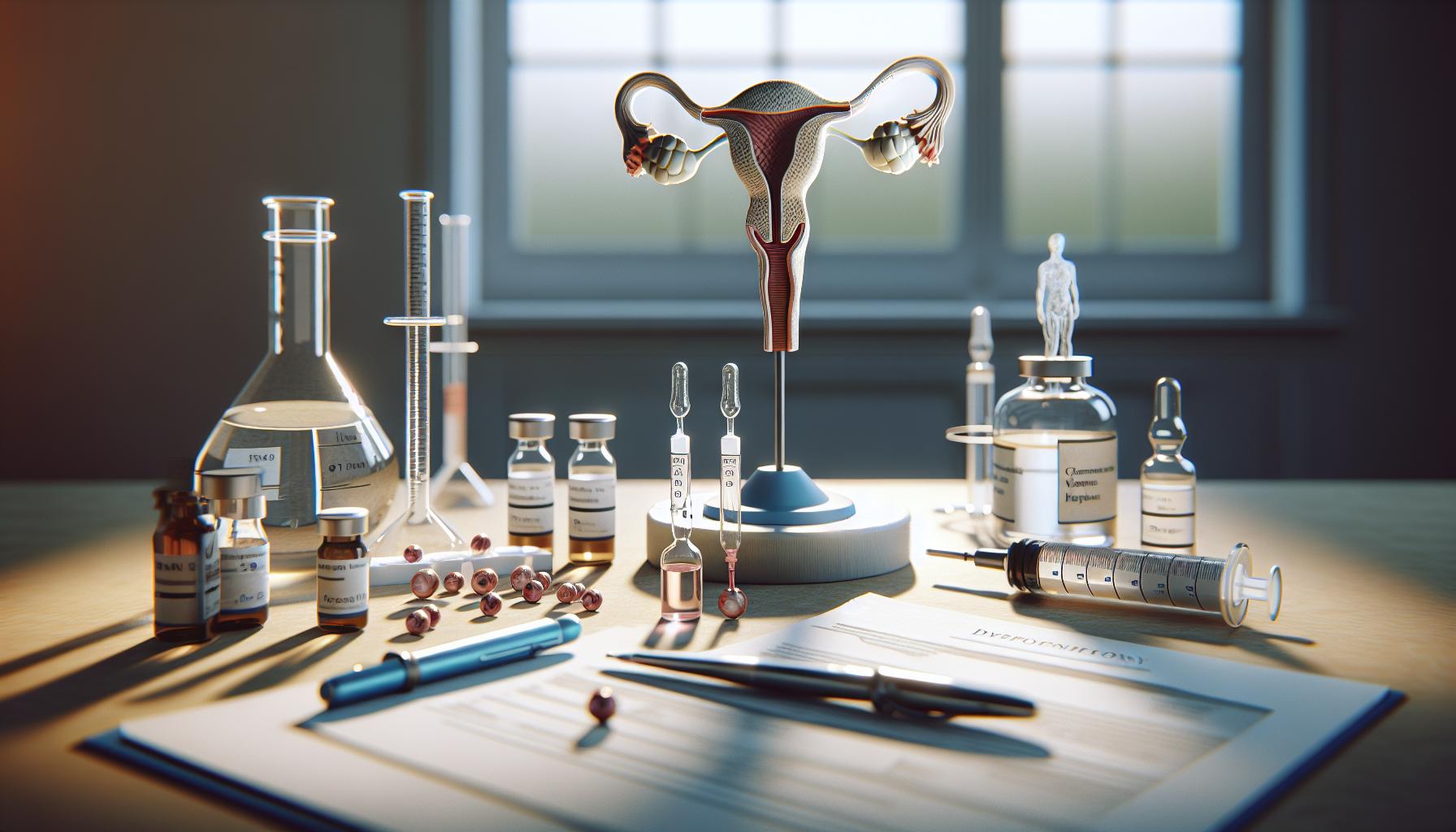
The Role of Hormones in Reproduction
The intricate dance of hormones plays a vital role in a woman’s reproductive health, orchestrating everything from the menstrual cycle to pregnancy. Understanding these hormonal influences can empower women to manage their reproductive journey more effectively. The primary hormones involved include estrogen, progesterone, luteinizing hormone (LH), and follicle-stimulating hormone (FSH), each with specific functions that are crucial for reproduction.
At the start of the menstrual cycle, the pituitary gland releases FSH, stimulating the growth of ovarian follicles. These follicles produce estrogen, which is essential for thickening the uterine lining in preparation for a potential pregnancy. As estrogen levels rise, they signal the pituitary gland to release LH, leading to ovulation-when an egg is released from the ovary. Following ovulation, the ruptured follicle transforms into the corpus luteum, which secretes progesterone. This hormone plays a critical role in maintaining the uterine lining and supporting an early pregnancy should fertilization occur.
If fertilization does not happen, levels of estrogen and progesterone will drop, leading to the shedding of the uterine lining through menstruation. This monthly cycle reflects the interplay of these hormones, emphasizing their importance in women’s health. However, hormonal imbalances can disrupt this cycle-conditions such as polycystic ovary syndrome (PCOS) or thyroid issues may contribute to irregular cycles, infertility, or other health concerns.
Recognizing the signs of hormonal imbalance is crucial. Symptoms such as severe PMS, irregular periods, or sudden weight changes may indicate underlying issues that should be addressed with a healthcare provider. For women facing infertility, understanding their hormonal levels can provide insight into potential treatment options, including lifestyle adjustments or hormonal therapies. An open conversation with a doctor about these topics can be empowering, fostering a greater understanding of one’s reproductive health. Each step of this journey comes with its challenges, but with the right support and information, women can navigate through with confidence and hope.
Fertility Awareness: Tracking and Timing
Understanding your fertility is a powerful tool that can significantly impact your reproductive journey. Tracking your menstrual cycle and recognizing your fertile window can enhance your chances of conception, giving you insight into your body’s natural rhythms. Many women find value in learning about the signs of fertility, which can empower them in their family planning efforts.
A common method to track fertility is through the calendar method, where you predict ovulation based on your cycle length. Generally, ovulation occurs about 14 days before your next period starts. For instance, if your cycle is typically 28 days, you might ovulate around day 14. However, it’s essential to remember that cycle lengths can vary, and factors like stress, health, and lifestyle can influence this timing. Thus, it’s often helpful to combine this method with more tactile signs of ovulation.
Another effective way to gauge your fertility is by tracking bodily changes. Paying attention to your basal body temperature (BBT) can aid in pinpointing ovulation. After ovulation, BBT typically rises due to increased progesterone levels. Charting your BBT daily can help identify the patterns over time. Additionally, observing changes in your cervical mucus can provide clues; as you approach ovulation, the mucus usually becomes stretchy and clear, often described as resembling egg whites.
Here are some practical steps to enhance your fertility awareness:
- Keep a fertility journal: Document your cycle length, BBT, and any physical symptoms. This can help you notice patterns and fluctuations over time.
- Use ovulation predictor kits (OPKs): These kits can detect the surge in LH that occurs just before ovulation, giving you a heads-up on your most fertile days.
- Consider apps: Many smartphone applications are designed to assist with tracking menstrual cycles and predicting ovulation. They often include features for logging symptoms and moods.
Fertility awareness isn’t just a tool for conception; it can also provide insights into overall reproductive health. Understanding your cycle helps to identify any irregularities, prompting conversations with healthcare providers about potential issues. This journey might seem overwhelming at times, but remember to celebrate every small milestone and stay patient with yourself. Embrace this experience as a step toward understanding and navigating your unique reproductive health.
Reproductive Options for Family Planning
When it comes to planning a family, understanding the available reproductive options can empower you to make choices that align with your values, circumstances, and desires. Whether you are considering starting a family soon, delaying parenthood, or exploring alternatives, knowing the full spectrum of family planning options is crucial. This journey can arouse a mix of emotions ranging from excitement to anxiety, and it’s important to approach it with both awareness and compassion for yourself.
One of the most common methods for family planning is hormonal contraception, which includes options like birth control pills, patches, and intrauterine devices (IUDs). These methods allow you to prevent pregnancy effectively while offering varying levels of reversibility; for instance, once you stop taking the pill, your fertility typically returns quickly. Understanding these options and their side effects can help tailor your approach to what suits you best.
In addition to hormonal methods, natural family planning techniques, such as tracking your cycle or using fertility awareness methods, allow you to identify fertile and non-fertile days in your monthly cycle. This approach requires dedication but can be empowering as it connects you closely to your body’s rhythms. Combining natural methods with additional tools, such as calendar apps or ovulation tests, can enhance accuracy and confidence.
For those reflecting on building a family through alternative routes, options such as artificial insemination or adoption can provide fulfilling paths. Artificial insemination, whether intrauterine or intravaginal, facilitates conception for couples facing fertility challenges or single women wishing to conceive. It’s important to consult with a fertility specialist to understand the procedures, costs, and success rates involved.
For individuals or couples exploring adoption, understanding the various types-domestic, international, and foster care-can guide you toward making an informed decision that aligns with your family-building vision. Each pathway comes with its unique set of challenges and rewards, and being aware of these can help in preparing emotionally and practically for the journey ahead.
Ultimately, the options for reproductive health and family planning are diverse and should reflect your values and situation. Consulting healthcare professionals for personalized advice, maintaining open communication with your partner, and seeking support from community resources can all be part of navigating this significant life decision with confidence and clarity.
In-Vitro Fertilization: A Step-by-Step Guide
In the journey of seeking to conceive, In-Vitro Fertilization (IVF) stands out as a beacon of hope for many couples facing challenges with fertility. This sophisticated procedure allows eggs to be fertilized by sperm outside the body, creating embryos that can later be implanted in the uterus. Understanding the step-by-step process of IVF not only demystifies the treatment but also prepares individuals emotionally and practically for this significant undertaking.
The IVF process typically begins with ovarian stimulation, where hormonal medications are used to encourage the ovaries to produce multiple eggs instead of the usual single egg during a menstrual cycle. This phase lasts about 8-14 days and involves regular monitoring through blood tests and ultrasounds to assess follicle development. Once the eggs are ready, a trigger shot of human chorionic gonadotropin (hCG) prompts ovulation.
Following ovulation, the next step is egg retrieval, a minor surgical procedure performed under sedation. A thin needle is guided through the vaginal wall into the ovaries, allowing the physician to collect the mature eggs. After retrieval, the eggs are combined with sperm in the laboratory during a process called fertilization. Depending on the specific infertility issues, either conventional insemination or Intracytoplasmic Sperm Injection (ICSI) may be utilized, where a single sperm is injected directly into an egg.
After fertilization, the embryos are monitored for several days, typically until day 5, when the embryologist assesses their development. The next critical step is embryo transfer. Depending on individual circumstances, one or more embryos may be transferred into the uterus through a thin catheter. The number of embryos often varies based on several factors, including age and previous implantation failures. After the transfer, a period of waiting begins, during which a pregnancy test is conducted approximately 10-14 days later to determine if implantation was successful.
Navigating the IVF process can be emotionally taxing. It’s essential to discuss not only the physiological aspects and medical protocols but also the emotional landscape that accompanies this journey. Acknowledge the mixture of hope, anxiety, and sometimes frustration that can arise. It’s perfectly normal to seek support, whether through counseling, support groups, or talking openly with loved ones about your experiences and feelings. It’s also wise to review the financial aspects of IVF, as costs can vary significantly depending on location, clinic, and specific treatments. Insurance coverage can also play a crucial role, so inquire ahead about what is covered under your plan.
Approaching IVF with knowledge and support can greatly enhance your experience, celebrating every small milestone as a step toward your ultimate goal of parenthood. Remember, you are not alone in this journey, and many resources are available to help you navigate it.
Assisted Reproductive Technologies Explained
In the evolving landscape of reproductive health, Assisted Reproductive Technologies (ART) have revolutionized the options available for individuals and couples seeking to build their families. From In-Vitro Fertilization (IVF) to sperm donation and egg freezing, these technologies offer hope and possibilities for many facing fertility challenges or who wish to delay parenthood. Understanding ART can empower you to make informed choices tailored to your needs and circumstances.
ART encompasses a variety of procedures designed to facilitate conception. The most widely recognized is IVF, where eggs and sperm are combined in a lab to create embryos. After occasionally freezing embryos for future use, doctors can then implant the embryos into the uterus. Success rates for IVF vary based on factors such as age and specific fertility issues, typically ranging from about 40% for women under 35 to around 10-20% for women over 40. It’s essential to have realistic expectations and discuss these rates with your fertility specialist.
Another approach is Intracytoplasmic Sperm Injection (ICSI), where a single sperm is directly injected into an egg. This method is particularly beneficial for couples dealing with severe male infertility issues, such as low sperm motility or count. Additionally, egg and sperm donation allows individuals to conceive when personal options are limited. Donor eggs may be the choice for those with diminished ovarian function or advanced age, while donor sperm can be essential for single mothers by choice or same-sex couples.
Cost and Support Considerations
Navigating ART often involves significant financial investment. IVF cycles can range from $12,000 to $15,000 per cycle in the United States, excluding medications and additional procedures. It’s crucial to explore insurance coverage and financial assistance options early in your journey. Many clinics offer payment plans, and some may provide financing specific to fertility treatments. Beyond the financial aspects, consider emotional support avenues, such as counseling or support groups. Sharing experiences with others can greatly alleviate the emotional burden often associated with infertility treatments.
Approaching your reproductive journey with the right knowledge and support can help you navigate the complexities of ART with confidence and clarity. Celebrate each milestone, big or small, on this path toward parenthood, and remember that you are not alone in this journey. There are numerous resources available to guide you through the emotional and logistical challenges, reinforcing that family-building through ART can be a rewarding, if sometimes challenging, process.
Navigating Infertility: Causes and Solutions
Infertility affects approximately one in six individuals of reproductive age, making it a prevalent and often distressing issue. Understanding the myriad causes and potential solutions can empower you to navigate this challenging journey with more clarity and hope. Infertility can stem from various factors, either encompassing issues with the female partner, the male partner, or both. In women, common causes include hormonal imbalances, ovulatory disorders, age-related decline in egg quality, and structural abnormalities such as fibroids or blocked fallopian tubes.
Recognizing these underlying issues is the first step towards effective solutions. Tests conducted by a healthcare provider can determine the specific causes of infertility. For instance, hormone tests, imaging studies, and ovulation tracking can reveal crucial insights. Understanding your reproductive health allows for tailored treatments that suit your unique circumstances.
Potential Solutions
There are several avenues available for those facing infertility, each designed to address specific causes. These options typically range from lifestyle changes to advanced medical treatments:
- Lifestyle Modifications: Weight management, a balanced diet, regular exercise, and reducing stress can enhance fertility for many individuals.
- Medications: Hormonal treatments can regulate ovulation and improve fertility. Common drugs like Clomid or Letrozole help induce ovulation in women experiencing irregular cycles.
- Assisted Reproductive Technologies (ART): When conventional methods aren’t successful, ART options like In-Vitro Fertilization (IVF) become viable. IVF has a success rate of up to 40% for women under 35, decreasing with age.
- Intrauterine Insemination (IUI): IUI may be beneficial for couples with unexplained infertility, as it places sperm directly in the uterus during ovulation for improved chances of conception.
- Surgical Interventions: Surgical procedures can resolve physical issues such as blocked tubes or fibroids. Laparoscopy is one such minimally invasive option.
- Donor Options: In cases of diminished ovarian reserve or severe male factor infertility, the use of donor eggs or sperm could be paths to consider.
Navigating infertility is not just about the physical challenges; the emotional aspect is equally significant. Grief, uncertainty, and anxiety often accompany the desire to conceive. It’s crucial to seek emotional support, whether through counseling, support groups, or online communities. Celebrate the small milestones along your journey, and remember that every step taken is significant. With the right information and support, navigating infertility can become a path of empowerment, offering hope and the possibility of building the family you envision.
Emotional Aspects of Reproductive Health
Experiencing reproductive health challenges can evoke a profound emotional response that varies widely among individuals. The desire to conceive is deeply intertwined with personal identity, family dreams, and cultural expectations, making the journey into fertility and family planning often overwhelming and layered with complex feelings. Recognizing that the road may involve setbacks, uncertainty, and grief can foster a deeper understanding of what many go through. It’s important to validate these emotions, acknowledging that feelings of sadness, frustration, and hope coexist-creating a mixed emotional landscape.
Understanding that emotional coping is as crucial as physical treatment can be a game-changer. Consider building a support network that includes understanding friends, family, or support groups where shared experiences can provide solace. Therapy can also be beneficial, offering strategies for managing anxiety and fostering resilience. Exploring solutions like mindfulness, journaling, or creative outlets can provide a constructive space to process emotions. Celebrating even small milestones in the fertility journey, whether it’s completing a treatment cycle or recognizing one’s strength, can cultivate positivity amidst challenging times.
It’s essential to approach all family-building paths-be it In Vitro Fertilization (IVF), adoption, or other alternatives-without judgment. Each decision carries emotional weight and significant considerations. By being informed about the realities of costs, success rates, and the emotional toll, individuals can prepare themselves and make choices aligned with their values and dreams. Engaging with comprehensive yet empathetic resources tailored to reproductive health can offer clarity both in understanding medical terminology-such as follicles, embryos, and sperm motility-and navigating personal feelings surrounding these concepts.
Ultimately, navigating reproductive health’s emotional aspects entails honoring the journey, embracing vulnerability, and recognizing that you are not alone. Being open about your experiences not only fosters community but can also lead to empowerment, transforming challenges into steps towards fulfilling family visions.
Coping with Pregnancy Loss and Grief
Experiencing pregnancy loss is often a profoundly isolating journey marked by complex emotions, yet it is a common reality for many. It’s essential to understand that grieving is a deeply personal process, and there is no right or wrong way to feel. Validating your feelings-be it sadness, anger, guilt, or even relief-can be a critical part of healing. Allowing yourself to grieve is not only natural; it’s necessary for emotional recovery. Connecting with others who have faced similar losses can help diminish feelings of isolation, as shared experiences can provide comfort and understanding.
Finding practical coping mechanisms can be beneficial during this challenging time. Establishing a routine can offer a sense of normalcy. Simple daily practices, such as taking a stroll, journaling about your feelings, or engaging in creative hobbies, can help channel and process emotions. Professional support, such as therapy or counseling, can also be invaluable. Therapists trained in grief or trauma can provide tailored strategies to help you navigate your emotions and support your healing journey.
Creating rituals to honor your loss can also contribute to healing. This may include planting a tree, lighting a candle on special days, or participating in support groups where you can share your story. Each act serves as a reminder of your loss while also creating a space for remembrance and acknowledgment. You might find comfort in writing letters to your unborn child, expressing dreams and sorrows, or creating memory boxes filled with symbols of your hopes and love.
Above all, remember there is no timeline for grieving, and honoring your feelings however they arise is important. Whether you are seeking support through friends and family or professional channels, you deserve understanding and compassion as you navigate this difficult path. Embrace your journey, and allow yourself the grace to heal at your own pace.
Resources for Support and Information
Finding reliable resources for reproductive health can feel overwhelming, especially when navigating complex topics like fertility, menstrual health, or pregnancy loss. Fortunately, there are many avenues available that provide support, information, and community connection. Seeking the right resources can empower you, offering insights that transform challenging experiences into informed choices.
Support Networks and Online Communities
Connecting with others who share similar experiences can significantly alleviate feelings of isolation. Online platforms like Peer Support Groups and Dedicated Forums can foster a sense of community. Websites such as Resolve offer resources specifically for those facing infertility, including local support groups and educational materials on various reproductive options. Facebook Groups and Subreddits focused on reproductive health can also serve as spaces for sharing personal stories and advice.
Professional Medical Resources
When it comes to understanding medical conditions or treatment options, professional resources are invaluable. Websites like the American College of Obstetricians and Gynecologists (ACOG) provide comprehensive, evidence-based information on everything from menstrual health to pregnancy guidelines. For specifics on treatments like In-Vitro Fertilization (IVF), the Society for Assisted Reproductive Technology (SART) gives insights into success rates, costs, and the latest advancements in reproductive technology.
Coping with Emotional Challenges
The emotional landscape of reproductive health can be tumultuous. For those navigating grief after pregnancy loss or facing infertility, mental health resources such as BetterHelp or Talkspace offer online therapy options. These platforms allow you to connect with licensed therapists who specialize in reproductive health issues. Books and podcasts focused on women’s health, such as “The Trying Game” by Emma Waverman, can also offer comfort and validation through shared narratives and expert advice.
No matter where you are in your reproductive journey, remember that you deserve the right support and information. Don’t hesitate to reach out for help or seek out communities that resonate with your experiences. Taking proactive steps towards understanding your body and connecting with others can pave the way for greater healing and clarity.
Q&A
Q: What are the key hormones involved in female reproduction?
A: The main hormones in female reproduction include estrogen, progesterone, luteinizing hormone (LH), and follicle-stimulating hormone (FSH). These hormones regulate the menstrual cycle, ovulation, and pregnancy. Understanding their roles is crucial for managing reproductive health; see our section on The Role of Hormones in Reproduction for details.
Q: How does stress affect female reproduction?
A: Stress can significantly impact female reproduction by disrupting hormonal balance, potentially leading to irregular menstrual cycles and fertility issues. Techniques such as mindfulness and relaxation exercises can help manage stress and support reproductive health. Explore our Common Reproductive Health Issues section for more insights.
Q: When should women consider seeking help for fertility issues?
A: Women should consult a healthcare professional if they have difficulty conceiving after 12 months of regular unprotected intercourse under 35 years, or 6 months if over 35. Early intervention can increase the chances of successful conception. For further guidance, refer to our Navigating Infertility section.
Q: What lifestyle changes can improve fertility in women?
A: Women can enhance fertility by maintaining a balanced diet, engaging in regular physical activity, managing stress, limiting alcohol and tobacco use, and achieving a healthy weight. These changes can positively affect hormonal balance and overall reproductive health.
Q: What are common misconceptions about female reproduction?
A: Misconceptions include the belief that pregnancy can only occur on certain days of the cycle and that age has no impact on fertility. In reality, ovulation can vary, and fertility decreases with age. Educating oneself about reproductive health is essential; our article offers detailed insights.
Q: How does the menstrual cycle influence women’s overall health?
A: The menstrual cycle is closely linked to hormonal fluctuations that can affect mood, energy levels, and overall health. Tracking these changes can help women better understand their bodies and recognize potential health issues-see our section on Key Stages of the Menstrual Cycle for more information.
Q: Why is emotional support important in reproductive health?
A: Emotional support plays a crucial role in reproductive health, as dealing with issues like infertility or pregnancy loss can be stressful and isolating. Seeking support from friends, family, or professional counselors can provide essential coping mechanisms. Check our Emotional Aspects of Reproductive Health section for more information.
Q: What resources are available for women experiencing reproductive health issues?
A: Numerous resources support women through reproductive health challenges, including fertility clinics, support groups, and online communities. Accessing reliable information and connecting with others facing similar situations can provide comfort and guidance. For additional resources, see our Resources for Support and Information section.
Closing Remarks
Understanding female reproduction is crucial for empowering women to take charge of their health and family planning. As we’ve explored, the female reproductive system plays a vital role in fertility, pregnancy, and overall well-being. If you have more questions or are considering options like IVF or artificial insemination, don’t hesitate to explore our detailed guides on these topics IVF Success Rates and Understanding Infertility Causes.
Take the next step on your fertility journey by joining our newsletter for ongoing support and tips, or consult with our specialists who are here to guide you through every phase. Your path to understanding and embracing your reproductive health deserves compassion and clarity. Remember, you’re not alone in this journey-share your thoughts in the comments, and let’s continue the conversation. Together, we can navigate the complexities of female reproduction with confidence and care.