Did you know that the male reproductive system plays a vital role not only in fertility but also in overall health? Understanding its anatomy is essential for anyone interested in reproductive health. This system includes important structures like the testes, epididymis, and prostate, each contributing to sperm production and hormone regulation. As you navigate the complexities of reproduction-whether you’re considering family planning, facing fertility challenges, or simply seeking knowledge-it’s crucial to comprehend how these interconnected parts work together. By familiarizing yourself with this anatomy, you empower yourself with the knowledge to proactively address concerns and seek guidance when needed. Join us as we explore the male reproductive system in a straightforward, accessible way that respects your journey toward understanding and well-being.
Understanding Male Reproductive Anatomy
The male reproductive system is a marvel of biological engineering, intricately designed to fulfill the essential function of reproduction. At its core are the testicles, oval-shaped organs housed within the scrotum, which not only produce sperm but also secrete testosterone, a hormone critical for male development and sexual function. Each testicle contains numerous seminiferous tubules where sperm develop, followed by maturation in the epididymis, a coiled structure perched atop each testis. Here, sperm gain motility and the ability to fertilize an egg.
As sperm prepare for ejaculation, they travel through the vas deferens- a muscular tube that transports mature sperm from the epididymis to the ejaculatory duct. This duct serves as the convergence point where sperm merges with fluids from the seminal vesicles and prostate gland to form semen, creating a nutrient-rich environment to facilitate sperm survival during their journey through the female reproductive tract. The prostate plays a vital role, contributing additional fluids that enhance sperm motility and viability.
Understanding this anatomy empowers individuals to better appreciate how various factors can impact reproductive health. Issues such as hormonal imbalances, physical blockages, or conditions like varicocele can significantly influence the efficiency of the male reproductive system. Recognizing these elements emphasizes the importance of maintaining reproductive health through awareness of symptoms and seeking timely medical advice when necessary. Remember, each journey through reproduction is unique, and being informed can help you navigate the complex emotional landscape that accompanies it.
The Key Functions of the Male Reproductive System
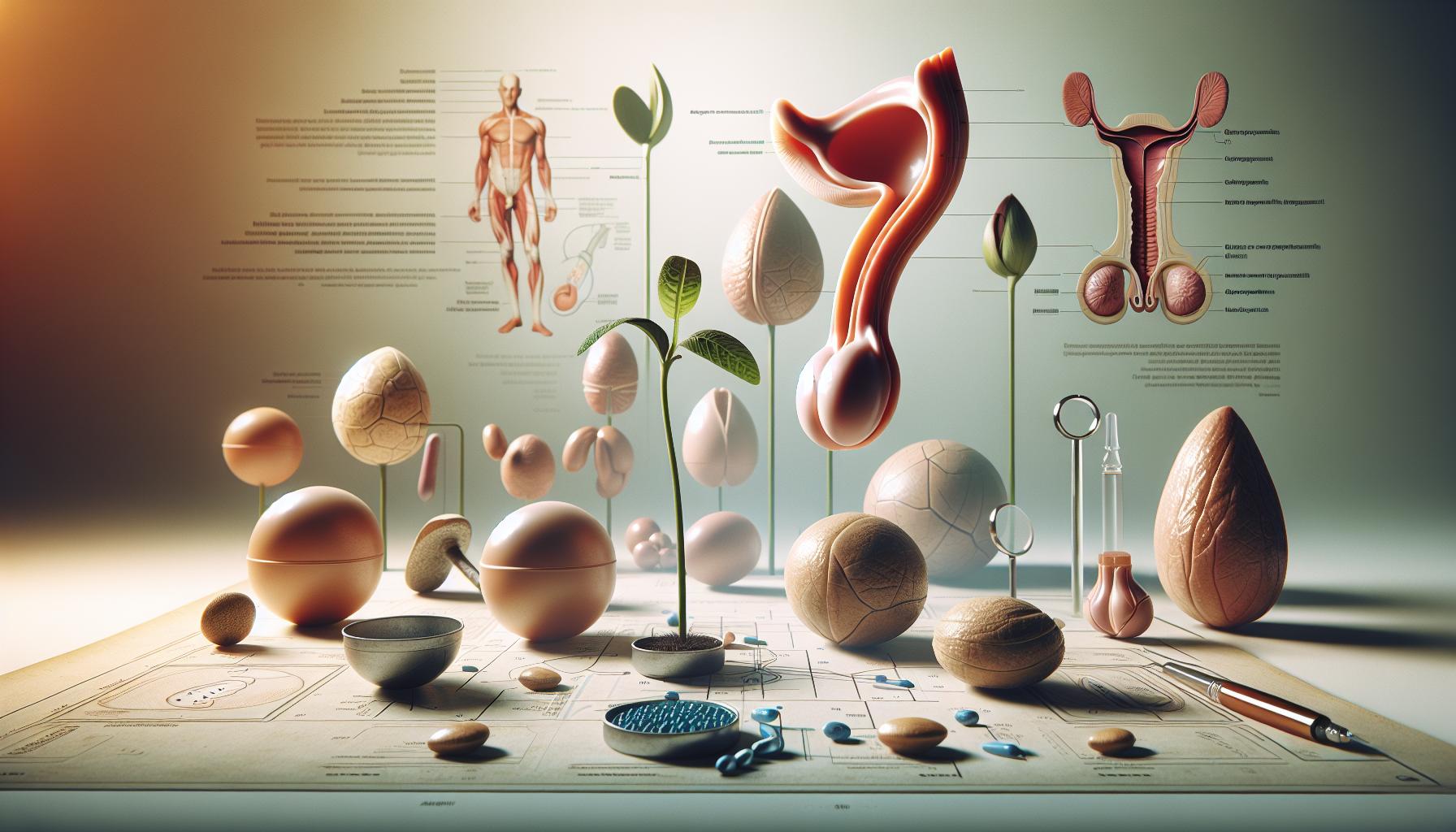
The male reproductive system plays a crucial role in not only procreation but also overall male health and hormonal balance. Its primary functions are centered around the production, maturation, and delivery of sperm, as well as the production of testosterone, which influences many physical and behavioral characteristics in males. Understanding these functions is vital for men who are considering starting a family or facing challenges related to fertility.
The system is primarily designed to ensure the production of healthy sperm through a well-coordinated process. At its core are the testicles, which generate sperm and the male hormone testosterone. The maturation of sperm takes place in the epididymis, where they gain motility. This motility is essential; without it, even the healthiest sperm cannot navigate through the female reproductive tract to reach the egg.
During ejaculation, sperm is propelled through a series of ducts, including the vas deferens, where it is mixed with fluids from the seminal vesicles and prostate gland. These fluids not only transport but also nourish sperm, providing essential nutrients and enhancing motility. The culmination of this process results in semen, which is a structured mixture that optimizes conditions for fertilization.
Maintaining the health of the male reproductive system is paramount, as various factors can impede these functions. Lifestyle choices such as diet, exercise, and smoking can significantly impact sperm quality and testosterone levels. Understanding these dynamics can empower men to take proactive steps in promoting their reproductive health, such as seeking medical advice early when faced with concerns about fertility or hormonal balance. By being informed and aware, individuals can navigate their reproductive health journeys with confidence and support.
Structure of the Male Reproductive Organs
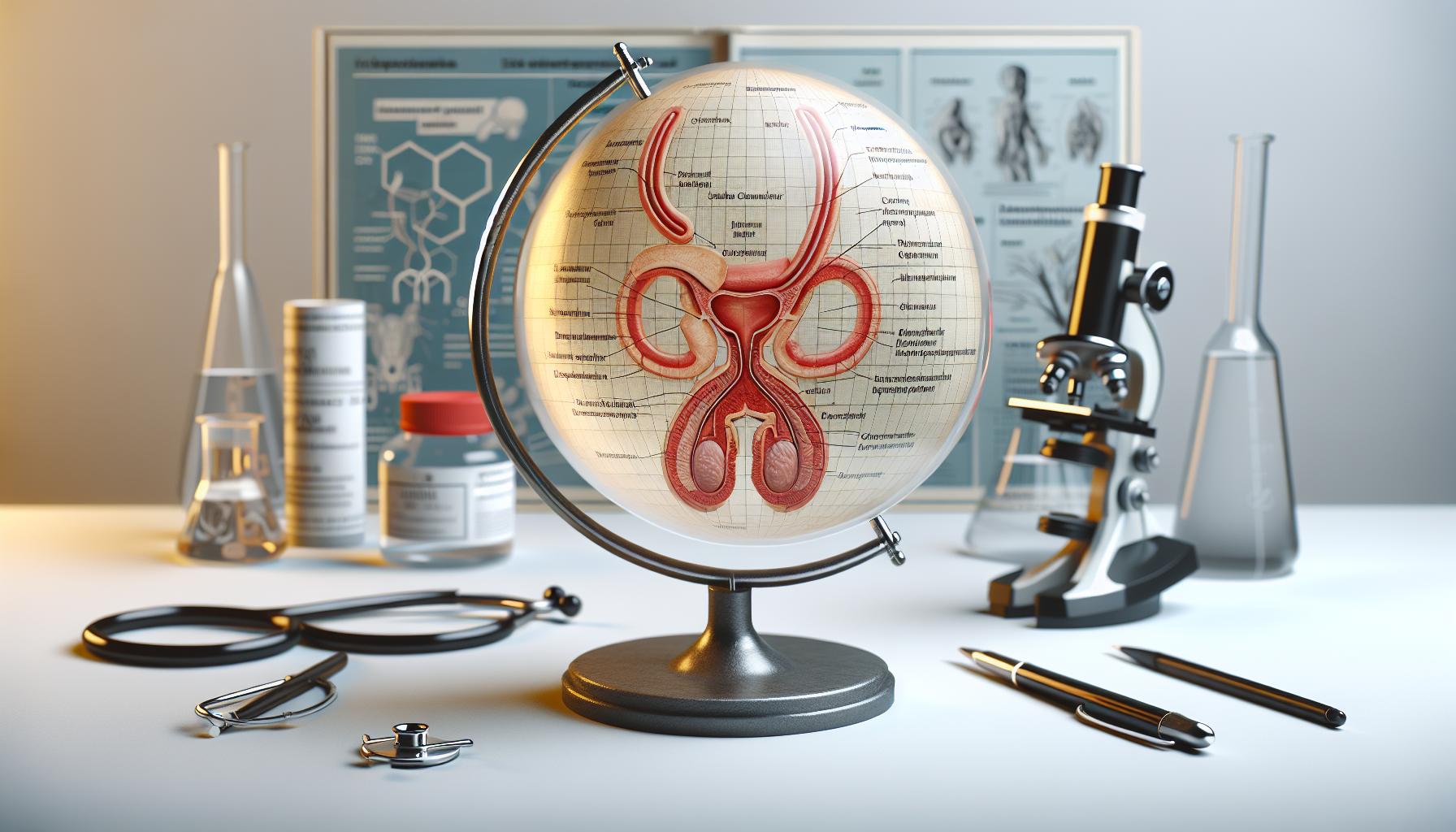
The male reproductive organs are a complex assembly of structures working harmoniously to produce, mature, and transport sperm, while also playing vital roles in hormone production and sexual function. At the heart of this system are the testes, small but powerful organs responsible for the production of sperm and testosterone, the male hormone that influences a range of physiological and emotional characteristics.
Testes and Epididymis
The testes can be found in the scrotum, a pouch-like structure that allows them to maintain a temperature slightly cooler than the body-ideal for sperm production. Once sperm is produced in the seminiferous tubules of the testes, they move to the epididymis, a coiled tube where they undergo maturation. This maturation process is crucial for gaining motility, enabling sperm to swim and navigate through the female reproductive tract to reach the egg.
Vas Deferens and Seminal Vesicles
After maturation, sperm are transported through the vas deferens, a muscular tube that ensures their passage from the epididymis to the ejaculatory duct. This journey is further enhanced by the fluids from the seminal vesicles and the prostate gland, which contribute to the formation of semen. These fluids not only provide nourishment and a transport medium for sperm but also create an optimal environment for fertilization.
Urethra and Penis
Finally, the male urethra, a fibromuscular tube, serves as the exit passage for both urine and semen. It extends from the bladder and runs through the penis, which is where the entire reproductive process culminates during ejaculation. The penis also houses the erectile tissue, which is essential for achieving and maintaining an erection, thus facilitating sexual intercourse.
Understanding the intricate structure and functionality of these organs can empower individuals to take proactive steps in maintaining reproductive health. For men facing challenges related to fertility, recognizing the roles each part plays not only aids in the journey to parenthood but also fosters a deeper connection to their overall well-being. It’s essential to take a holistic approach, prioritizing regular check-ups and being mindful of lifestyle choices to support these vital functions.
Hormonal Regulation in Male Reproduction
The male reproductive system operates like a well-coordinated orchestra, with hormones serving as the conductors that ensure each instrument plays its part at the right time. At the core of this hormonal symphony are two key players: Follicle-Stimulating Hormone (FSH) and Luteinizing Hormone (LH), both of which are released from the anterior pituitary gland. These hormones regulate the intricate processes of spermatogenesis and testosterone production, vital for male fertility and overall health.
The Role of FSH and LH
FSH is crucial for the maturation of sperm cells. It stimulates the Sertoli cells in the testes, promoting the development and nourishment of sperm as they progress from immature cells to fully developed, motile spermatozoa. In parallel, LH triggers the Leydig cells to produce testosterone, the hormone responsible for the development of male secondary sexual characteristics, libido, and the maintenance of spermatogenesis. Together, FSH and LH work in tandem to balance the production of sperm and hormones, ensuring that the male reproductive system operates efficiently throughout various life stages.
Inhibitory Mechanisms
A fascinating aspect of this hormonal regulation is the feedback mechanism involving inhibin, a hormone produced by the Sertoli cells. Inhibin provides a signal back to the pituitary gland to reduce FSH production when sperm levels are adequate. This feedback loop is vital for preventing overproduction of sperm and maintaining a stable hormonal environment, which can be affected by external factors such as stress, obesity, and lifestyle choices.
The Bigger Picture
Understanding hormonal regulation also sheds light on common health issues affecting male fertility. Hormonal imbalances can lead to conditions such as low testosterone levels, which are increasingly recognized for their role in reduced libido, fatigue, and even mood disturbances. Men experiencing these symptoms should seek medical advice, as addressing hormonal health is essential for overall well-being.
Recognizing the impact of lifestyle choices-like nutrition, exercise, and stress management-can empower individuals on their fertility journey. Simple adjustments, such as a balanced diet rich in antioxidants and regular physical activity, can enhance hormonal balance and support reproductive health. For those facing challenges, maintaining optimism and seeking support is crucial as every step towards understanding one’s reproductive health opens a pathway not only to potential parenthood but also to a healthier lifestyle overall.
Common Male Reproductive Health Issues
Male reproductive health issues can significantly impact not just fertility but also the overall well-being of individuals. A range of conditions can disrupt the intricate processes of sperm production and hormonal balance, leading to challenges that may feel overwhelming.
One common issue is varicocele, an enlargement of the veins within the scrotum that can hamper sperm production by increasing temperature and affecting blood flow. Symptoms might include discomfort or visible swelling, and while not all varicoceles require treatment, surgical options like varicocelectomy can often improve fertility outcomes.
Another prevalent condition is hypogonadism, characterized by low testosterone levels. Symptoms can manifest as fatigue, decreased libido, and mood changes, all of which can affect personal and relational dynamics. Treatment typically includes hormone replacement therapy, which can restore testosterone levels and potentially improve both physical health and quality of life.
Additionally, obstructive issues such as blockages in the reproductive tract can prevent sperm from reaching the ejaculation, often requiring surgical interventions or assisted reproductive techniques. Infections, such as epididymitis, can also interfere with sperm health and function, underscoring the importance of prompt medical attention for any symptoms of discomfort or unusual changes.
Taking a proactive approach when faced with these health challenges is crucial. Regular check-ups and open conversations with healthcare providers can lead to early detection and treatment, guiding men through their individual fertility journeys. Lifestyle modifications-increasing physical activity, maintaining a balanced diet, and managing stress-also play a critical role in enhancing reproductive health. Addressing mental and emotional aspects, including anxiety related to fertility, can create a more supportive environment as individuals navigate these complexities. Remember, seeking guidance from a compassionate fertility specialist can not only enhance reproductive chances but also provide the emotional support needed through this often challenging journey.
Impact of Lifestyle on Male Fertility
Engaging in healthy lifestyle choices is not merely about overall wellness; it plays a crucial role in influencing male fertility. The impact of daily habits on reproductive health is profound, with a strong connection between what we do, what we consume, and how it affects sperm quality and hormonal balance. It’s important to recognize that small changes can lead to significant improvements.
A balanced diet rich in vitamins and minerals is essential for optimal sperm production. Foods high in antioxidants, such as fruits and vegetables, can combat oxidative stress that harms sperm cells. Regular physical activity is also vital, as it helps maintain a healthy weight and supports hormonal regulation. Conversely, excessive consumption of alcohol, tobacco, or recreational drugs has been shown to negatively affect sperm health, lowering sperm count and motility.
Furthermore, stress management is crucial in the fertility equation. Chronic stress can lead to hormonal imbalances, which might negatively impact sperm production. Techniques such as mindfulness, yoga, or even regular exercise can alleviate stress, enhancing both physical health and emotional well-being. Remember that fertility is a journey filled with emotional ups and downs. Having a supportive environment, whether through social connections or professional guidance, can significantly ease this process.
Ultimately, every person’s situation is unique, and understanding these lifestyle factors can empower you to take actionable steps toward enhancing your reproductive health. Consider keeping a journal to track lifestyle habits and their effects on your wellness, or seek the advice of a healthcare provider specializing in male fertility to create a tailored plan that resonates with your personal journey. You are not alone in this; many are walking similar paths, and every positive change is a step toward potential success.
Diagnostic Tests for Male Reproductive Health
Diagnostic evaluations play a critical role in understanding male reproductive health, particularly for those facing fertility challenges. Insights gained from tests not only inform treatment options but also provide reassurance to individuals on their journey. A comprehensive initial assessment typically begins with a thorough medical history and physical examination, allowing healthcare providers to identify any underlying issues.
One of the most essential tests is the semen analysis, which evaluates critical factors such as sperm count, motility (movement), and morphology (shape). This test can offer valuable information about the sperm’s ability to fertilize an egg. According to studies, abnormalities in any of these parameters may indicate fertility issues that need to be addressed. Additional tests might include hormone evaluations to measure levels of testosterone and other relevant hormones, crucial for assessing reproductive function.
Furthermore, genetic testing is becoming increasingly important in male fertility assessments. Conditions such as Klinefelter syndrome or Y-chromosome microdeletions can significantly impact fertility and may be inherited, making awareness of these genetic factors vital for future family planning. Additionally, advanced tests, including testicular biopsy or sperm DNA fragmentation testing, can provide deeper insights for those facing unexplained infertility.
Emotional support throughout this diagnostic process cannot be overstated. Engaging with a healthcare professional who understands the emotional nuances of fertility testing can help mitigate stress and provide guidance on next steps, including treatment options and potential outcomes. Remember, embarking on diagnostic tests is a step toward clarity and empowerment in your fertility journey, and it’s essential to know that help is available, no matter what the results may indicate.
Treatment Options for Male Reproductive Conditions
The journey through male reproductive health can be complex, especially when facing challenges related to fertility. Understanding the available treatment options is crucial not only for addressing physical issues but also for providing reassurance and hope along the way. A tailored approach to treatment is often necessary, which can range from lifestyle modifications to advanced technologies.
For many men, the first step may involve lifestyle changes that can enhance fertility. This includes adopting a balanced diet, engaging in regular physical activity, managing stress, and avoiding tobacco and excessive alcohol consumption. These changes can help improve overall reproductive health and may lead to significant improvements in fertility.
If lifestyle changes alone are not sufficient, various medical treatments may be considered. These can include:
- Medications: Hormonal imbalances affecting fertility may often be managed with medications such as Clomid or other hormone treatments that stimulate sperm production.
- Surgery: In cases where anatomical abnormalities exist, such as a varicocele (enlargement of veins in the scrotum), surgical intervention may be beneficial. This procedure can improve sperm quality by enhancing blood flow and reducing temperature in the testicles.
- Assisted Reproductive Technologies (ART): Options like Intrauterine Insemination (IUI) and In Vitro Fertilization (IVF) with Intracytoplasmic Sperm Injection (ICSI) provide advanced solutions when traditional methods are not successful. ICSI, in particular, involves injecting a single sperm directly into an egg, making it a powerful tool for men with severe sperm quality issues.
It’s essential to recognize that financial considerations can be a significant aspect of the treatment journey. Costs for treatments like IVF can vary widely, and many couples may benefit from exploring insurance coverage options or financing plans. Open communication with healthcare providers can help navigate these concerns, ensuring that both emotional and financial aspects are addressed.
Remember that every couple’s journey is unique, and while treatment options exist, they may not all be suitable for everyone. Seeking support from healthcare professionals who can provide personalized advice and emotional guidance is important. A compassionate and understanding approach makes a difference, validating the emotional complexities that come with infertility while celebrating small milestones along the way. The path to parenthood is often filled with uncertainty, but with proper support and resources, hope remains at the forefront of the journey.
The Role of Genetics in Male Reproductive Health
Genetic factors play a crucial role in male reproductive health, influencing everything from sperm production to the potential for inherited reproductive disorders. Notably, genetic defects can lead to conditions that might affect a man’s fertility or the health of offspring. For instance, chromosomal abnormalities such as Klinefelter syndrome, characterized by the presence of an extra X chromosome, can result in reduced testosterone levels and infertility due to impaired sperm production.
Understanding the genetic underpinnings can empower men in their reproductive journeys. Genetic testing can help identify underlying issues – particularly for couples facing unexplained infertility. With the advancement of technology, options like Preimplantation Genetic Testing (PGT) allow for the screening of embryos during IVF for genetic disorders before implantation, enhancing the chances of a healthy pregnancy. This can be particularly beneficial for men with known genetic disorders or a family history of hereditary conditions.
Beyond specific disorders, lifestyle choices also interplay with genetic predispositions. Studies suggest that environmental factors, such as exposure to toxins, can exacerbate genetic vulnerabilities. Therefore, men are encouraged to maintain a healthy lifestyle, as this may help mitigate some of the risks associated with their genetic background. Simple actions like reducing exposure to harmful chemicals, eating a balanced diet rich in antioxidants, and managing stress can benefit both overall health and reproductive outcomes.
When contemplating family planning, it’s important to consider both genetic counseling and testing as part of the process. Engaging with a genetic counselor can provide valuable insights, especially when faced with decisions regarding assisted reproductive technologies or when considering the implications of genetic conditions on future children. This holistic approach allows for better-informed decisions while recognizing the emotional nuances of the journey towards parenthood, making it essential to validate feelings of anxiety or uncertainty that may arise during this process.
Sexual Function and Reproductive Success
Sexual health and reproductive success are interconnected aspects of men’s health that deserve careful attention. Many men may not realize that factors contributing to sexual function can also significantly affect reproductive outcomes. For instance, erectile dysfunction (ED), while often seen solely as a sexual issue, can indicate underlying health problems that might impact fertility. Understanding this link is essential for men who are planning families or experiencing challenges in their reproductive journeys.
Several physiological factors influence sexual function and, by extension, reproductive success. Hormonal health, particularly testosterone levels, plays a crucial role. Low testosterone can lead to both decreased libido and poor sperm production, affecting overall fertility. Furthermore, conditions like diabetes or hypertension can impair blood flow and sexual performance, creating barriers not only to engaging in sexual activity but to conceiving as well. Therefore, maintaining optimal health through regular exercise, balanced nutrition, and routine check-ups is vital for supporting both sexual and reproductive health.
Psychological factors, such as stress and anxiety, can also interfere with sexual function and reproductive outcomes. The emotional weight of trying to conceive can lead to performance anxiety, further complicating the situation. It’s essential for men to recognize the importance of mental health in this process and seek support when needed. Engaging in open conversations with partners about feelings, fears, and expectations can alleviate some of this pressure, fostering a supportive atmosphere where both partners can express their hopes and uncertainties.
Practices such as mindfulness and relaxation techniques can aid in reducing stress, which positively influences sexual health. Additionally, consulting a healthcare provider can provide valuable insights into any physical or psychological barriers affecting sexual function. This proactive approach not only addresses immediate concerns but also lays a solid foundation for reproductive success. In celebrating small victories on the path to parenthood-whether through natural conception or assisted reproductive technologies-it’s crucial to remain patient and hopeful, understanding that each step taken is a part of the broader journey toward family building.
Navigating Emotional Aspects of Male Infertility
Understanding the emotional journey of male infertility is crucial, as it can often be a deeply isolating experience. Many men are unaware of the emotional weight that comes with infertility challenges. Feelings of sadness, frustration, and anxiety can surface, impacting mental well-being and overall relationships. Just like any health issue, it’s essential to acknowledge that experiencing these emotions is not only normal but also valid. Infertility can trigger a sense of loss-not just the dream of parenthood, but the ideals of masculinity and virility that many men feel are tied to reproductive success.
Building a support system is paramount. It can be immensely helpful to talk openly with partners about feelings and fears surrounding infertility. Such conversations help to create an environment where both partners can express vulnerability and support one another. Joining a support group, whether in-person or online, can also connect men with others who are experiencing similar struggles. The shared experiences can help to lessen the isolation and provide comfort.
It is equally important to approach the emotional aspect with practical strategies. Mindfulness practices, such as meditation and breathing exercises, can reduce stress and anxiety, making the journey more manageable. Engaging with a mental health professional who specializes in reproductive health can provide tailored support and coping strategies. This professional insight can offer a safe space to process emotions and develop effective coping mechanisms.
Lastly, remember to celebrate the small victories along the journey, whether that includes progressing through treatments, gathering knowledge, or maintaining open communication with your partner. Each step taken reflects resilience and hope, vital components in navigating the complexities of male infertility. Balancing emotional health with the pursuit of fertility can be challenging, but with the right support and resources, many men can find a path forward that respects their emotional needs while pursuing their dreams of parenthood.
Future Directions in Male Reproductive Health Research
Research into male reproductive health is advancing rapidly, driven by the rising prevalence of infertility and the increasing recognition of men’s health issues. Future studies are expanding beyond traditional approaches, focusing on the interplay of genetics, environment, and lifestyle factors that influence male fertility. As we look to the future, several key areas of research are emerging, which may transform how we understand and address male reproductive health.
One promising avenue is the exploration of genetic factors that contribute to infertility. Researchers are investigating specific genetic markers that may indicate risks for conditions such as low sperm count or motility issues. By identifying these markers, healthcare providers could implement earlier interventions, potentially preventing infertility before it becomes a major issue. Additionally, advancements in gene therapy could one day provide solutions for hereditary infertility issues, offering hope for men facing genetic obstacles to fatherhood.
The influence of environmental factors on male reproductive health is also gaining attention. Studies are increasingly focusing on how pollutants, pesticides, and lifestyle factors such as diet and obesity can adversely affect sperm quality. This line of research is essential, as it not only opens the door for preventive health strategies but also encourages a holistic approach to fertility that emphasizes healthy living. Making informed lifestyle choices could become a cornerstone of male reproductive health care.
Furthermore, ongoing development in assisted reproductive technologies (ART) continues to evolve. Techniques like testicular sperm extraction (TESE) and intracytoplasmic sperm injection (ICSI) are becoming more refined and effective, allowing men with severe fertility issues to conceive. Future research aims to enhance the success rates of these procedures while minimizing emotional and financial stress on couples attempting to conceive. Improved protocols and better patient education will be integral to these advancements.
Lastly, addressing the emotional aspects of male infertility through research is crucial. Growing awareness of men’s mental health in the context of reproductive challenges underscores the need for supportive frameworks. Future initiatives may include creating targeted counseling programs that focus on the psychological impact of male infertility, providing men and partners with the tools and support necessary to navigate these complex emotions.
As these research areas progress, they hold the potential to dramatically improve our understanding of male reproductive health, leading to better outcomes for men and their partners facing fertility challenges. The journey through infertility is deeply personal and often filled with emotional ups and downs; however, the hope offered by scientific advancements reminds us that progress is not only possible but increasingly within reach.
FAQ
Q: What are the main functions of the male reproductive system?
A: The main functions of the male reproductive system include the production of sperm, the secretion of male hormones (like testosterone), and the delivery of sperm to the female reproductive system. These functions are essential for reproduction and contribute to sexual health. For a deeper understanding, refer to the section on *Key Functions of the Male Reproductive System* in our main article.
Q: How does testosterone affect male reproductive health?
A: Testosterone plays a crucial role in male reproductive health by regulating libido, sperm production, and overall sexual function. It also influences secondary sexual characteristics, such as muscle mass and body hair. Address potential issues by consulting the *Hormonal Regulation in Male Reproduction* section for further insights.
Q: What are common health issues affecting the male reproductive system?
A: Common health issues include erectile dysfunction, low testosterone, and infertility. Conditions like prostatitis and testicular cancer may also arise. Understanding these issues can help in early detection and management-explore the *Common Male Reproductive Health Issues* section for more information.
Q: How can lifestyle choices impact male fertility?
A: Lifestyle choices such as smoking, excessive alcohol consumption, poor diet, and lack of exercise can negatively affect male fertility. To improve fertility, focus on maintaining a balanced diet, regular physical activity, and avoiding harmful substances. Check our section on *Impact of Lifestyle on Male Fertility* for actionable tips.
Q: What tests are used to diagnose male reproductive health issues?
A: Diagnostic tests for male reproductive health include semen analysis, hormone level testing, and imaging studies like ultrasounds. These tests help identify underlying conditions affecting fertility and sexual health. For more detailed info, see the *Diagnostic Tests for Male Reproductive Health* section.
Q: When should men consider seeking help for reproductive health issues?
A: Men should consider seeking help if they experience symptoms like prolonged erectile dysfunction, low libido, or difficulties in producing offspring. Early intervention can enhance treatment outcomes-check our *Treatment Options for Male Reproductive Conditions* section for guidance.
Q: What role do genetics play in male reproductive health?
A: Genetics can influence various aspects of male reproductive health, including sperm quality and hormonal balance. Specific genetic conditions can lead to infertility or other reproductive issues. For a deeper dive, refer to our section on *The Role of Genetics in Male Reproductive Health*.
Q: How does emotional health affect male fertility?
A: Emotional health significantly impacts male fertility, as stress and anxiety can lead to hormonal imbalances and affect libido. Seeking appropriate emotional support and addressing mental health is vital for improving reproductive success. Learn more in the *Navigating Emotional Aspects of Male Infertility* section.
Final Thoughts
Thank you for exploring the male reproductive system with us! Understanding its anatomy is essential for grasping the broader topics of fertility and health. If you have more questions about related subjects like infertility causes or options such as IVF and artificial insemination, be sure to check out our detailed guides linked below.
Don’t forget to subscribe to our newsletter for insights and updates that can support your journey. Each step can feel overwhelming, but you are not alone; we’re here to help guide you through the complexities of reproductive health with compassion and clarity.
If you found this video helpful, please share your thoughts in the comments and let us know what other topics you’d like us to cover next. Remember, every small milestone in understanding can pave the way for deeper knowledge and healthier choices. Keep exploring, and together, let’s demystify this vital aspect of male health!
Get our latest guides, news, and insights highlighted in your Google Search & AI Overviews.