Did you know that hormones play a crucial role in reproduction, influencing everything from menstrual cycles to fertility? Understanding which endocrine glands are primarily responsible for these hormones can empower you on your family-building journey. The pituitary gland, ovaries, and testes are key players, each contributing to the delicate balance of hormones that regulate reproduction. Whether you’re exploring options like IVF, adoption, or simply seeking more information about your reproductive health, recognizing these glands’ functions can illuminate the path ahead. As you navigate this emotional journey filled with hopes and uncertainties, it’s essential to have a clear understanding of how your body works. Join us as we delve into the vital role of the endocrine system in reproduction, offering insights and support along the way.
The Role of Endocrine Glands in Reproductive Health
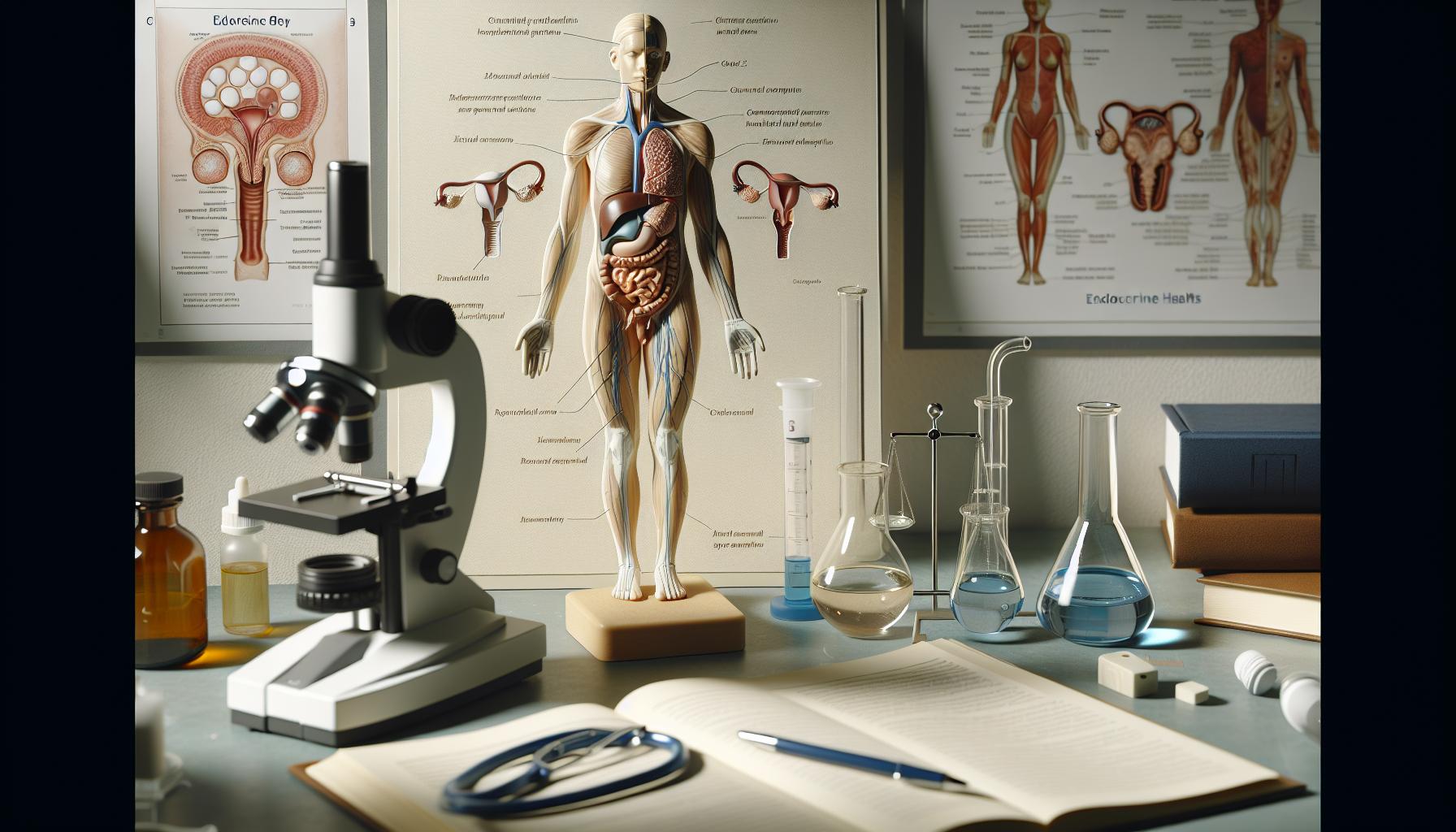
The intricate dance of hormones plays a pivotal role in reproductive health, where endocrine glands are the key players orchestrating this complex system. These glands include the hypothalamus, pituitary gland, ovaries, and testes, each contributing to the multifaceted process of reproduction. Understanding their roles can shed light on how they affect fertility and overall reproductive wellness.
The hypothalamus acts as a control center, sending signals to the pituitary gland. In turn, the pituitary releases hormones such as Luteinizing Hormone (LH) and Follicle Stimulating Hormone (FSH), which are essential for the development of eggs in women and sperm in men. The ovaries and testes respond to these hormones by producing sex hormones like estrogen, progesterone, and testosterone, which regulate menstrual cycles, ovulation, and spermatogenesis.
These hormones do more than just regulate reproductive processes; they also influence mood, energy levels, and overall health. For instance, fluctuating estrogen levels can affect emotional well-being, while testosterone plays a crucial role in libido for both men and women. Recognizing these connections can empower individuals to take steps toward balancing their hormonal health, from lifestyle changes to seeking medical advice when necessary.
It’s important to approach hormonal imbalances with empathy and awareness of the emotional weight they carry. Individuals facing challenges with fertility may experience a range of feelings, from hope to frustration. By understanding the pivotal role these endocrine glands play and how they interact within the body, individuals can better navigate their reproductive journeys and make informed decisions about their health and family-building options.
Key Endocrine Glands Involved in Reproduction
The intricate relationship between several key endocrine glands is vital for reproductive health, functioning as the body’s hormonal architects. At the forefront of this system are the hypothalamus and pituitary gland, often referred to as the master regulators. The hypothalamus, located at the base of the brain, releases gonadotropin-releasing hormone (GnRH), which prompts the pituitary gland to produce and secrete Luteinizing Hormone (LH) and Follicle Stimulating Hormone (FSH). These hormones play pivotal roles in the reproductive processes, such as egg maturation in the ovaries for women and sperm production in the testes for men.
The Ovaries and Testes
The ovaries and testes are essential players in this hormonal orchestration. In women, the ovaries produce estrogen and progesterone, hormones crucial for regulating the menstrual cycle, supporting pregnancy, and maintaining overall reproductive health. For men, the testes produce testosterone, which influences not only sperm production but also libido, muscle mass, and overall energy levels. The balance of these hormones is crucial-too little or too much can lead to fertility issues or other health concerns.
The Thyroid and Its Influence
Although not primarily associated with reproduction, the thyroid gland significantly impacts reproductive health by regulating metabolism and energy levels. Thyroid hormones can influence menstrual cycles and fertility; for example, hypothyroidism (an underactive thyroid) can lead to irregular cycles or difficulty conceiving. Providing support to the thyroid through a balanced diet and proper medical care can enhance reproductive outcomes.
Understanding Stress and Hormonal Balance
Stress can also alter the functionality of these glands. Chronic stress can lead to elevated levels of cortisol, which may impact the hypothalamus and disrupt the delicate balance of reproductive hormones. Incorporating stress management techniques, such as mindfulness, yoga, or regular exercise, can positively affect hormonal balance and fertility.
As you navigate your journey through reproductive health, remember that appreciating these key glands and their interactions is essential. Understanding your body’s hormonal signals can empower you to seek appropriate care and make informed lifestyle choices, promoting not just fertility but overall well-being. If you experience challenges or have questions about your hormonal health, consider consulting a specialist familiar with these complexities, as they can provide tailored guidance and support.
How Hormones Regulate Reproductive Processes
The delicate dance of hormones orchestrates every facet of reproductive health, ensuring that our bodily systems communicate effectively to support fertility and overall well-being. Central to this interplay are hormones released by key endocrine glands, specifically the hypothalamus, pituitary gland, ovaries, and testes. When the hypothalamus secretes gonadotropin-releasing hormone (GnRH), it signals the pituitary gland to release follicle-stimulating hormone (FSH) and luteinizing hormone (LH). These hormones are essential for the regulation of the menstrual cycle and the maturation of sperm, setting the stage for reproduction.
In women, the ovaries respond to FSH by maturing follicles, each containing an egg. The ovaries produce estrogen, which prepares the uterine lining for potential implantation and regulates various phases of the menstrual cycle. After ovulation, progesterone, produced by the corpus luteum, further thickens the uterine lining, ensuring it is ready for a fertilized egg. If fertilization does not occur, hormone levels drop, leading to menstruation. In men, LH stimulates the testes to produce testosterone, essential for sperm production and maintaining libido. This hormonal balance is crucial; fluctuations can lead to fertility challenges, highlighting the importance of a well-functioning endocrine system.
Understanding how these hormones influence reproductive processes empowers individuals on their fertility journey. Integrating healthy lifestyle choices-such as balanced nutrition, regular exercise, and stress management-can optimize hormone levels. For instance, maintaining a healthy weight can positively impact hormone production. Practices like yoga and mindfulness can help mitigate stress, which, when chronic, can disrupt hormonal harmony and affect reproductive health.
As you explore your reproductive health, it’s essential to recognize the profound impact these hormones have on your body. Should you encounter challenges or have concerns about your hormonal health, reaching out to a healthcare provider specializing in reproductive endocrinology can provide tailored strategies and insights. Remember, you’re not alone on this journey, and every step towards understanding your hormonal health is a step towards empowerment and informed decision-making.
The Hypothalamic-Pituitary-Gonadal Axis Explained
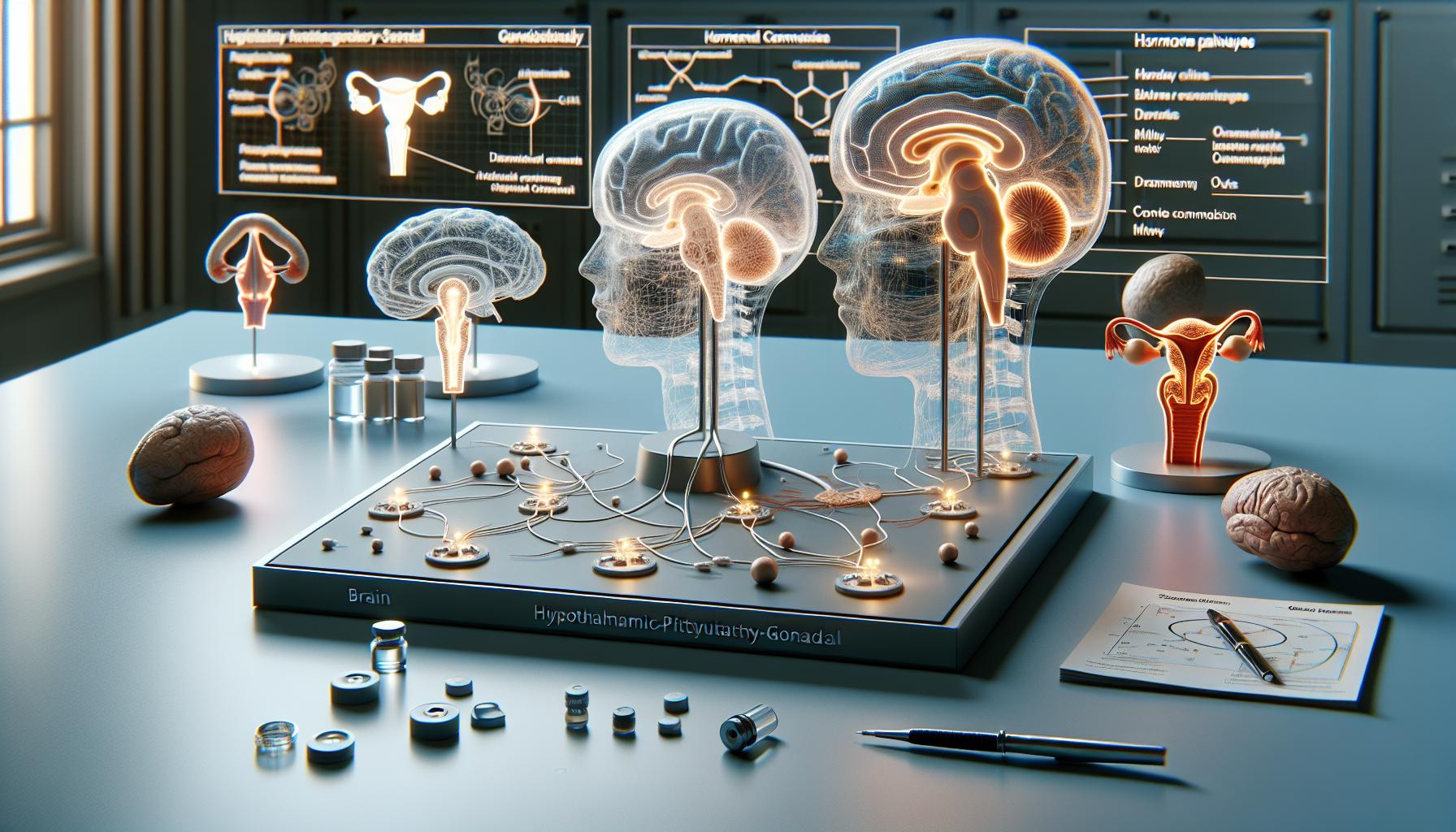
The intricate relationship between the hypothalamus, pituitary gland, and gonads forms the cornerstone of reproductive health. This communication network, known as the hypothalamic-pituitary-gonadal (HPG) axis, plays a crucial role in regulating reproductive functions through a cascade of hormonal signals. Understanding this axis is vital as it encompasses how the brain influences hormonal production and, subsequently, fertility.
At the helm of this axis, the hypothalamus produces gonadotropin-releasing hormone (GnRH), prompting the pituitary gland to release two key hormones: follicle-stimulating hormone (FSH) and luteinizing hormone (LH). In women, FSH is primarily responsible for stimulating the development of ovarian follicles, while LH triggers ovulation and stimulates the production of estrogen and progesterone. In men, FSH supports spermatogenesis, and LH stimulates testosterone production. This delicate interplay ensures that the reproductive system functions harmoniously, emphasizing the significance of each gland’s role in achieving reproductive success.
Disruptions in the HPG axis can lead to various reproductive challenges. For example, if GnRH secretion is inadequate, the pituitary may not release sufficient FSH and LH, leading to irregular menstrual cycles or ovulatory disorders in women and low testosterone levels in men. Such hormonal imbalances can affect not just fertility but also overall health and well-being.
Recognizing the importance of the HPG axis in reproductive health provides a pathway for individuals facing challenges in their fertility journey. Maintaining a healthy lifestyle-including proper nutrition, regular exercise, and stress management-can support hormonal balance and improve reproductive outcomes. Monitoring changes and seeking guidance from reproductive health specialists can also illuminate the complexities of hormonal health, offering tailored insights and strategies for those navigating the emotional landscape of fertility. By understanding and nurturing this system, individuals are empowered to take active steps toward achieving their family-building goals.
Common Disorders of Endocrine Function and Fertility
Hormonal imbalances can profoundly impact fertility, and recognizing the common disorders linked to endocrine function is crucial for those navigating this challenging journey. One prevalent condition is Polycystic Ovary Syndrome (PCOS), affecting many women. This disorder often leads to irregular menstrual cycles, excess androgen levels, and ovarian cysts. Women with PCOS may experience difficulties in ovulation, making conception more challenging. Lifestyle modifications, including weight management, balanced nutrition, and regular physical activity, can substantially improve regularity in menstrual cycles and enhance fertility odds.
Another significant concern is hypothalamic amenorrhea, where the hypothalamus fails to release gonadotropin-releasing hormone (GnRH) due to stress, extreme weight loss, or excessive exercise. This results in a lack of FSH and LH production, essential for ovulation and menstrual regulation. Addressing this disorder typically involves adopting a more balanced lifestyle, incorporating adequate nutrition, and reducing stressors.
In men, low testosterone levels can be a prevalent issue, often stemming from endocrine disorders involving the pituitary or testes. Low testosterone can result in reduced libido, erectile dysfunction, and decreased sperm production. Hormone replacement therapy may be indicated for some men, but it’s essential to seek specialized care to determine the appropriate treatment plan tailored to individual circumstances and health profiles.
It’s vital to approach these conditions with a mindset of understanding and hope. Although the path to fertility may present obstacles, recognizing hormonal disorders can guide you toward effective treatments. Connecting with reproductive health specialists can provide personalized strategies, helping illuminate a path forward in your family-building journey. Remember, every step taken towards understanding your body and its needs is a move towards reclaiming control over your reproductive health.
Impact of Stress on Hormonal Balance and Reproduction
Understanding how stress impacts hormonal balance is crucial for anyone navigating the complexities of reproductive health. Chronic stress activates the hypothalamic-pituitary-adrenal (HPA) axis, leading to elevated levels of cortisol, the body’s primary stress hormone. This elevation can disrupt the intricate balance of reproductive hormones essential for processes like ovulation and sperm production. For women, stress can lead to irregular menstrual cycles, missed periods, or even amenorrhea, where the menstrual cycle stops entirely. In men, stress may result in decreased testosterone levels, affecting libido and sperm health.
There are several practical steps you can take to mitigate the effects of stress on your hormonal balance:
- Mindfulness and relaxation techniques: Practices like yoga, meditation, and deep-breathing exercises can help lower cortisol levels and promote a more balanced emotional state.
- Regular physical activity: Engaging in moderate exercise not only helps in stress reduction but also positively influences hormone levels, contributing to reproductive health.
- Healthy sleep patterns: Aim for 7-9 hours of quality sleep per night. Poor sleep can exacerbate stress and hormonal imbalances.
- Nutrition: A balanced diet rich in whole foods, including fruits, vegetables, healthy fats, and lean proteins, supports hormonal stability and overall health.
Recognizing the emotional weight of the fertility journey is essential. Feelings of grief, uncertainty, and hope can coexist, creating a challenging landscape to navigate. It is important to acknowledge these feelings without judgment. Supporting yourself with compassionate care-whether that means consulting with an endocrinologist, a reproductive specialist, or a therapist-can create a reassuring framework for your journey. Celebrate small victories and remind yourself that understanding and addressing stress can be a pathway toward reclaiming control over your reproductive health, fostering resilience amid challenges.
The Influence of Age on Endocrine Functionality
The aging process profoundly influences the functionality of the endocrine system, which plays a critical role in reproduction. As individuals grow older, particularly women and men in their 30s and beyond, hormonal changes can create challenges in fertility. For women, the transition towards menopause typically begins in the mid-40s, characterized by a decline in estrogen and progesterone levels. This hormonal shift can lead to irregular menstrual cycles, reduced ova quality, and increased risks of conditions like ovarian reserve depletion, which together can complicate conception efforts.
In men, age-related decreases in testosterone are common and can impact sperm production and overall reproductive health. While some men may maintain higher testosterone levels into later life, many experience symptoms such as reduced libido, erectile dysfunction, and diminished sperm motility. These changes can become more pronounced as men reach their 50s and 60s, potentially making it more difficult to conceive and affecting sexual health.
Practical Steps for Managing Age-Related Changes
Understanding how age impacts hormonal balance can empower individuals to take proactive steps in managing reproductive health. Here are some practical approaches:
- Regular Monitoring: Regular health check-ups that include hormonal assessments can provide insights into reproductive health and identify any imbalances early on.
- Nutrition and Exercise: Maintaining a balanced diet rich in antioxidants, vitamins, and minerals, along with regular physical activity, can support hormonal health and improve overall well-being.
- Stress Management: Practices such as mindfulness, yoga, or therapy can mitigate stress, which negatively impacts hormone levels, reinforcing a healthy cycle of emotional and physical health.
- Support Networks: Engaging with support groups or therapy can help navigate the emotional landscape of aging and fertility, providing a platform for sharing experiences and finding encouragement.
The journey of embracing reproductive health in the context of age can inspire resilience, allowing individuals to approach challenges with clarity and support. Each step taken towards understanding and adapting to these changes reflects a commitment to maintaining reproductive vitality throughout life’s changes.
Understanding Menstrual Cycle Hormones
The menstrual cycle is a complex interplay of hormones that can significantly impact reproductive health. Each month, the body prepares for a potential pregnancy, driven primarily by the intricate actions of the hypothalamus, pituitary gland, and ovaries. Understanding these hormones is vital, as they can influence everything from mood to physical well-being, underscoring their importance in the reproductive journey.
At the core of this process are key hormones such as estrogen and progesterone, which are primarily produced by the ovaries. Estrogen is crucial during the first half of the cycle, promoting the thickening of the uterine lining and encouraging the maturation of ovarian follicles. As ovulation approaches, a surge in Luteinizing Hormone (LH) triggers the release of an egg, marking the transition into the next phase of the cycle. Following ovulation, progesterone takes the lead, preparing the endometrium for potential implantation by stabilizing the uterine lining. If pregnancy does not occur, progesterone levels drop, leading to menstruation.
Moreover, the interplay between these hormones and others like Follicle Stimulating Hormone (FSH) and luteinizing hormone (LH) is pivotal. FSH promotes the growth of follicles, while LH is essential for ovulation. The balance of these hormones can be disrupted by several factors, including stress, diet, and overall health, leading to irregular cycles and challenges in fertility.
To support hormonal balance, pay attention to lifestyle factors. Maintaining a nutritious diet rich in whole foods, managing stress through practices like yoga or meditation, and ensuring adequate sleep can help regulate hormonal fluctuations. Regular check-ups with a healthcare provider are also beneficial, as they can offer insight into hormonal health and fertility, making it easier to navigate your reproductive health journey with knowledge and confidence. This holistic approach recognizes not only the physiological aspects but also the emotional dimensions of navigating hormonal health.
Reproductive Hormones in Men: An Overview
Testosterone, often dubbed the male hormone, plays a pivotal role in various critical processes for men’s reproductive health. Produced primarily in the testes, testosterone is essential not only for the development of male reproductive tissues such as the testes and prostate but also for the promotion of secondary sexual characteristics like increased muscle and bone mass. Maintaining an adequate level of testosterone is vital; it directly impacts libido, sperm production, and overall fertility.
In addition to testosterone, other hormones produced by the endocrine system are crucial for male reproductive health. Luteinizing hormone (LH) and follicle-stimulating hormone (FSH), secreted by the pituitary gland, are integral to the regulation of testosterone and sperm production. LH stimulates the Leydig cells in the testes to produce testosterone, while FSH stimulates the Sertoli cells, aiding in sperm maturation. This intricate hormonal relationship underscores the importance of hormonal balance for optimal reproductive function.
Understanding how lifestyle factors, such as diet and exercise, affect these hormones can empower men to take proactive steps in enhancing their reproductive health. For instance, a diet rich in antioxidants-found in fruits, vegetables, and whole grains-can mitigate oxidative stress, potentially leading to improved sperm quality. Regular physical activity has also been shown to boost testosterone levels and promote healthy body composition, further supporting reproductive health.
It’s crucial to remain aware that various factors, including stress, obesity, and aging, can disrupt hormonal balance. If experiencing challenges related to fertility, it might be helpful to consult with a healthcare provider. They can offer personalized insights and interventions tailored to individual needs. By prioritizing both emotional and physical aspects of reproductive health, men can navigate their journey toward fatherhood with hope and confidence.
Natural Ways to Support Hormonal Balance
Maintaining a healthy hormonal balance is crucial for reproductive health, especially considering the complex interplay of various hormones produced by the endocrine glands. Taking proactive steps toward hormonal equilibrium can enhance fertility and overall well-being. Here are some natural approaches to support hormonal balance:
Dietary Considerations
A nutrient-dense diet plays a significant role in regulating hormone levels. Emphasizing whole foods, such as fruits, vegetables, whole grains, and lean proteins, can provide essential vitamins and minerals that support endocrine function. Incorporate foods rich in omega-3 fatty acids, like fatty fish, flaxseeds, and walnuts, to combat inflammation and promote hormone production. Additionally, managing blood sugar levels through a balanced intake of complex carbohydrates can prevent insulin spikes, which is vital for maintaining both reproductive health and hormonal balance.
Regular Physical Activity
Exercise not only boosts mood and energy levels but also significantly influences hormone regulation. Engaging in regular physical activity, such as walking, cycling, or strength training, can enhance testosterone levels in men and support healthy estrogen levels in women. Aim for at least 150 minutes of moderate exercise each week, alongside strength training sessions twice a week. This routine can help improve body composition, reduce stress levels, and promote overall hormonal health.
Stress Management
Chronic stress can lead to hormonal imbalances, particularly in cortisol levels, which can adversely affect reproductive functions. Incorporating stress-reduction techniques such as mindfulness, yoga, meditation, or deep-breathing exercises can lower cortisol levels and create a more favorable environment for hormonal balance. Engaging in activities that promote relaxation and emotional well-being is essential for maintaining a healthy reproductive system.
Sleep Hygiene
Quality sleep is a pillar of hormonal balance. Sleep deprivation can disrupt the production of key hormones like testosterone and estrogen, leading to fertility challenges. Establishing a consistent sleep routine-aiming for 7-9 hours of restful sleep each night-can help regulate hormonal cycles. Consider creating a sleep-friendly environment by limiting screen time before bed, maintaining a cool room temperature, and practicing calming bedtime rituals.
Taking these natural approaches can significantly influence hormonal balance, providing a solid foundation for reproductive health. Remember, everyone’s journey is unique, and it’s essential to listen to your body and make adjustments that resonate with your individual needs. Building a supportive community, seeking professional advice, and prioritizing self-care can empower you to navigate the complexities of fertility with resilience and hope.
Advancements in Endocrine Research and Reproduction
Innovations in endocrine research are significantly reshaping our understanding of reproductive health and fertility. Recent studies highlight not only the critical roles of traditional endocrine glands-like the hypothalamus, pituitary, ovaries, and testes-but also the emerging recognition of lesser-known factors such as adipose tissue and the gut microbiome in hormone regulation. For instance, adipose tissue is now understood to produce estrogen and other hormones that influence reproductive function, linking obesity to fertility challenges.
Advancements in technology, including genomic editing and precision medicine, are paving the way for tailored treatments that address specific endocrine disorders affecting reproduction. Techniques such as CRISPR are being utilized to explore gene therapy options for conditions like polycystic ovary syndrome (PCOS) or androgen insensitivity syndrome, offering hope for enhanced fertility outcomes. Furthermore, innovations in hormone replacement therapy and targeted medication are providing new avenues for individuals experiencing hormonal imbalances-a crucial step for those navigating their fertility journey.
Understanding Hormonal Interactions
The complex interplay between various hormones is another focus of current research. For example, studies are unveiling how hormones like luteinizing hormone (LH) and follicle-stimulating hormone (FSH) are intricately linked to not just reproductive processes but also overall metabolic health. Understanding these interconnections can help in developing comprehensive approaches for treating infertility that address underlying hormonal issues instead of merely symptomatic relief.
Impact of Environment on Endocrine Functionality
Environmental factors, including endocrine-disrupting chemicals (EDCs) found in plastics and pesticides, are a growing concern in reproductive health studies. Understanding how these chemicals interfere with hormonal balance can lead to improved public health recommendations and protocols for minimizing exposure. Continued advocacy for safer materials and dietary practices can empower individuals to protect their hormonal health proactively.
As we continue to learn more about the intricate systems governing reproduction, the importance of adopting a holistic approach becomes clear. Combining insights from advanced research with supportive practices-like lifestyle modifications and mental health care-will be vital in guiding individuals and couples through the myriad challenges of fertility. By staying informed and connected with healthcare professionals, those on this journey can foster a more hopeful path toward achieving their family-building goals.
Seeking Help: When to Consult a Specialist
While the journey toward understanding reproductive health can be both enlightening and challenging, knowing when to seek help is critical. If you’ve been trying to conceive for over a year without success, it’s prudent to consult a specialist. The emotional weight of infertility can be immense, bringing a blend of grief, hope, and uncertainty. A fertility expert can provide clarity on the role of endocrine glands-such as the hypothalamus, pituitary, ovaries, and testes-in your unique situation, facilitating a targeted approach to your reproductive health.
When considering a consultation, you should also take note of any signs that suggest hormonal imbalances. Irregular menstrual cycles, unexplained weight gain or loss, severe mood swings, or persistent fatigue can indicate underlying endocrine issues that may affect fertility. Additionally, both women and men experiencing difficulties can benefit from discussing their concerns with a specialist who understands the intricate relationships between hormones and reproductive functions.
As you navigate this path, remember that you are not alone. Many individuals share similar experiences, and a supportive healthcare team can help demystify the processes involved. Engaging with experts can guide you through treatment options like in vitro fertilization (IVF) or intrauterine insemination (IUI), with clear discussions about costs, timelines, and success rates. These conversations can empower you to make informed decisions that align with your family-building goals, without judgment or pressure.
Lastly, keep in mind that emotional support is equally essential. Whether through support groups, counseling services, or connecting with others on similar journeys, acknowledging your feelings and celebrating small milestones can help maintain hope during tougher times. Embracing the complexities of reproductive health becomes manageable when backed by professional guidance and a compassionate support network, paving the way for a more hopeful future.
Frequently Asked Questions
Q: What are the primary roles of the hypothalamus in reproduction?
A: The hypothalamus plays a crucial role in reproduction by producing hormones that regulate the pituitary gland. It controls the release of gonadotropin-releasing hormone (GnRH), which is essential for the hormonal regulation of the menstrual cycle and reproductive functions. For more on this, refer to the section on The Hypothalamic-Pituitary-Gonadal Axis Explained.
Q: How does the pituitary gland influence reproductive health?
A: The pituitary gland influences reproductive health by secreting hormones such as LH (luteinizing hormone) and FSH (follicle-stimulating hormone). These hormones stimulate the ovaries and testes, promoting gamete production and regulating menstrual cycles. For more details, check the section on Key Endocrine Glands Involved in Reproduction.
Q: What hormones do the ovaries and testes produce related to reproduction?
A: The ovaries produce estrogen and progesterone, while the testes produce testosterone. These hormones are critical for sexual development, reproductive health, and the regulation of the reproductive cycle. Explore the section on Reproductive Hormones in Men: An Overview for more information.
Q: What is the role of adrenal glands in reproductive hormones?
A: The adrenal glands produce hormones such as androgens and cortisol, which can influence reproductive processes. These hormones are involved in the stress response and can impact menstrual cycles and fertility. For a deeper understanding, refer to Common Disorders of Endocrine Function and Fertility.
Q: How do endocrine disorders affect fertility?
A: Endocrine disorders can significantly impact fertility by disrupting hormonal balance. Conditions like polycystic ovary syndrome (PCOS) or thyroid dysfunction can interfere with ovulation, leading to difficulties in conceiving. For detailed insights, check the section on Common Disorders of Endocrine Function and Fertility.
Q: What is the impact of stress on reproductive hormones?
A: Stress affects the body’s hormonal balance, often increasing levels of cortisol, which can inhibit reproductive hormone production. This disruption can lead to irregular periods and fertility issues. Learn more in the Impact of Stress on Hormonal Balance and Reproduction section.
Q: When should one consult a specialist about hormonal issues?
A: Consult a specialist if you experience persistent changes in your menstrual cycle, difficulty conceiving, or symptoms of hormonal imbalance, such as weight gain or fatigue. Early intervention can be crucial for reproductive health. See Seeking Help: When to Consult a Specialist for guidance.
Q: What natural ways can support hormonal balance?
A: To support hormonal balance naturally, maintain a healthy diet, exercise regularly, manage stress, and get adequate sleep. These lifestyle changes can enhance reproductive health. For more strategies, explore the section on Natural Ways to Support Hormonal Balance.
The Conclusion
Understanding the role of endocrine glands in reproduction is crucial for anyone navigating their fertility journey. By recognizing how these glands influence hormone regulation, you can better appreciate the complexities of conception and reproductive health. If you have lingering questions or need support, consider exploring our comprehensive resources on IVF success rates, artificial insemination options, or the underlying causes of infertility. Each small step forward is a victory worth celebrating, and we’re here to guide you through it.
Don’t hesitate to join our community by signing up for our newsletter, where we share valuable insights and updates on reproductive health. Whether you’re pondering your next steps or seeking reassurance, we’re dedicated to providing empathetic support. Together, let’s navigate this path with understanding and confidence. Share your thoughts in the comments below, and let’s continue this conversation-your journey is important to us.
Get our latest guides, news, and insights highlighted in your Google Search & AI Overviews.