Did you know that every human life begins with the union of two specialized cells known as gametes? These reproductive cells, crucial for sexual reproduction, carry half the genetic material necessary to form a new individual. Understanding gametes-how they are formed and their role in fertility-can empower you on your family-building journey. Whether you’re exploring options like IVF, insemination, or considering adoption, knowing about gametes helps shed light on the complexities of reproduction and fertility. This topic holds importance not only for those trying to conceive but also for anyone looking to grasp the fundamentals of human biology and reproductive health. Continue reading to uncover the fascinating process and significant implications of these remarkable cells, ensuring you’re informed and supported every step of the way.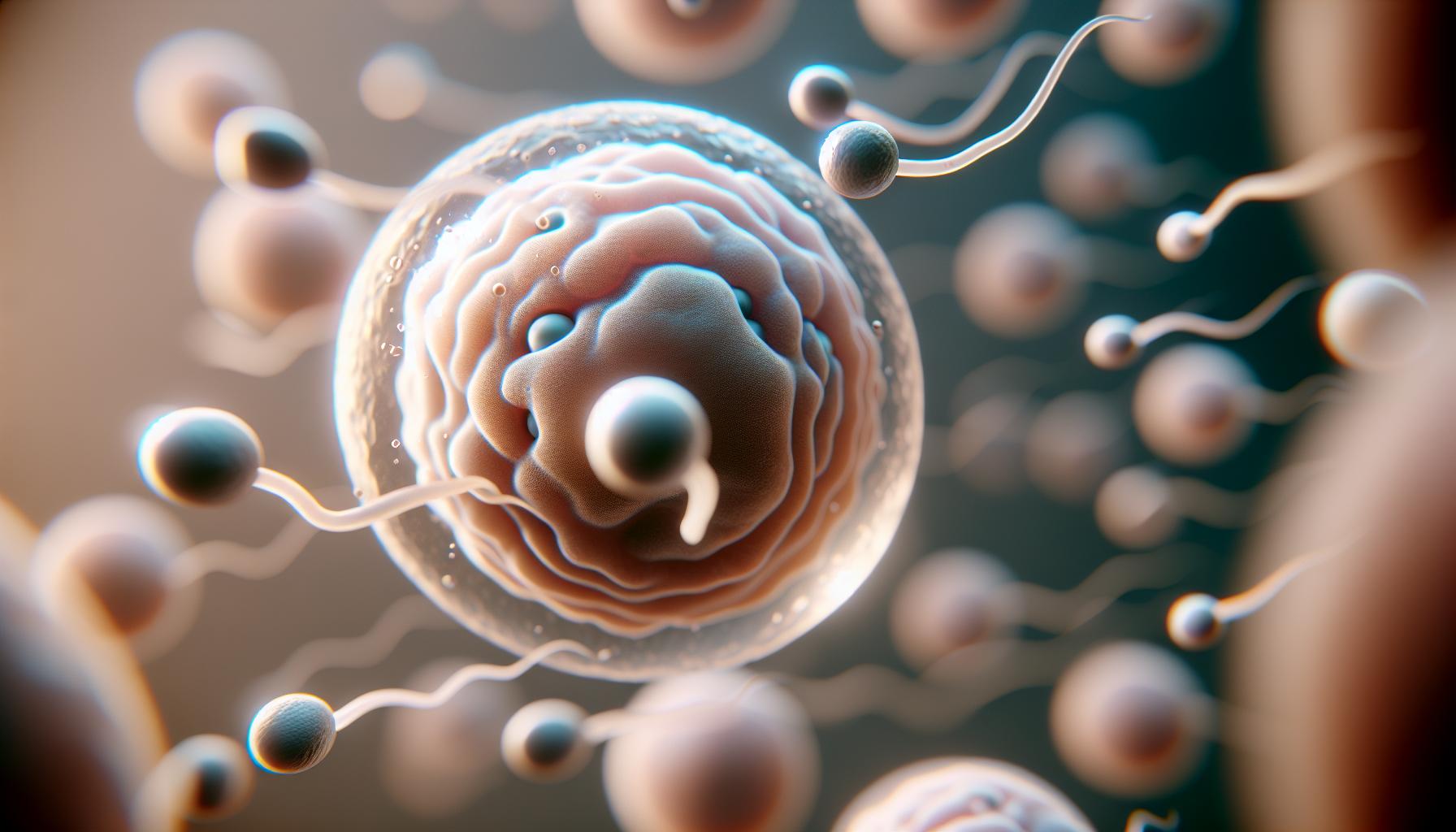
Understanding the Basics: What Are Gametes?
Gametes are the essential building blocks of sexual reproduction, serving as the vehicle through which genetic material is passed from one generation to the next. These specialized reproductive cells, known as sperm in males and eggs (or ova) in females, are crucial for the formation of a zygote when fertilization occurs. It’s fascinating to realize that each gamete carries only half of the organism’s genetic information, allowing for the combination of traits from both parents. This unique process not only facilitates reproduction but also contributes to genetic diversity, a fundamental aspect of evolution and species adaptation.
When we delve deeper into the realm of gametes, they are produced through a complex process called gametogenesis, which transforms diploid germ cells into haploid gametes. In males, this process is termed spermatogenesis, while in females, it is referred to as oogenesis. Each of these processes involves intricate stages of cell division – meiosis – ensuring that the resulting gametes carry the correct number of chromosomes, specifically 23 in humans. This reduction is vital because it allows for the restoration of the diploid number upon fertilization, leading to the development of a new organism.
While the biological functions of gametes are well-understood, the emotional journey surrounding their role in fertility can be profound. Many individuals and couples encounter challenges on their path to conception, which can lead to feelings of grief, anxiety, and uncertainty. It’s crucial to acknowledge that each journey is unique, and whether through natural conception, assisted reproduction techniques like IVF, or other family-building methods like adoption, there is a spectrum of options available. Understanding the fundamental role of gametes not only empowers individuals on their reproductive journey but also opens the door to informed discussions about fertility preservation, treatment options, and the implications of the genetic makeup of gametes.
The Role of Gametes in Reproduction
Gametes are the key players in the fascinating game of reproduction, acting as the vessels of genetic material that unite to create new life. Each gamete, whether a sperm or an egg, contains unique genetic information, which is crucial for the formation of a zygote during fertilization. This process not only enables the mixing of genetic traits from two parents, enhancing genetic diversity, but also sets the stage for the development of a new organism, often leading to the continuation of species and adaptation through evolution.
The journey of gametes doesn’t just involve their biological function; it’s also intertwined with the emotional experiences of individuals and couples hoping to conceive. is more than mechanical; it embodies hope, longing, and sometimes heartache. For many, the road to parenthood can be fraught with challenges, including infertility or genetic conditions that may affect gamete function. Understanding how gametes contribute to reproduction can empower individuals going through these challenges, helping them take informed steps during their journey towards fertility, whether through natural conception, in vitro fertilization (IVF), or other assisted reproductive technologies.
The Emotional Landscape of Gamete-Related Challenges
Navigating the emotional landscape surrounding gametes and reproduction can be overwhelming. It’s essential to recognize that feelings of grief or uncertainty are valid as one confronts the difficulties of conceiving. Support systems, whether professional guidance or peer networks, play an important role in helping individuals and couples process these emotions. Acknowledging that each fertility journey is unique fosters a sense of community and understanding, allowing individuals to share milestones and setbacks alike.
Providing clear, actionable information is crucial. For instance, understanding the basics of sperm motility and its importance in fertility, or how egg quality can influence successful fertilization, can help demystify the process. Many couples are unaware of the practical steps they can take to improve their gamete health, such as lifestyle changes or seeking medical advice on fertility treatments. Whatever the chosen path, knowledge can be a powerful tool in retaining hope and clarity during a deeply personal journey.
Types of Gametes: Sperm and Eggs Explained
The journey of life begins with the union of two distinct types of gametes: sperm and eggs. Each of these reproductive cells carries unique genetic information that is crucial for the process of fertilization, leading to the formation of a new organism. Understanding the nuances of these gametes can illuminate their vital roles in reproduction and fertility.
Sperm, produced by male organisms, are typically tiny, mobile, and numerous. A healthy male can produce millions of sperm daily, each uniquely designed for a singular purpose: to reach and fertilize an egg. The health of sperm can be influenced by factors like lifestyle choices, environmental exposures, and underlying health conditions, making it essential for men to prioritize their reproductive health. Important parameters such as sperm motility-how well and fast sperm swim-are critical considerations in the fertility process.
On the other hand, eggs, or oocytes, are produced in female organisms and are much larger than sperm. Women are born with a finite number of eggs, which decline over time both in quantity and quality. The quality of an egg can significantly impact the chances of successful fertilization and embryo development. Factors such as age, hormonal balance, and overall health play a significant role in egg viability. Each egg is released during the menstrual cycle through a process called ovulation, and understanding this cycle can be empowering for women trying to conceive.
It’s important to acknowledge the emotional weight of these biological processes. The realities of sperm and egg health are not just scientific facts; they intertwine with the dreams and challenges many face on the journey to parenthood. Couples navigating infertility often experience a spectrum of emotions from hope to grief. Support and education about sperm and egg health can provide reassurance and agency. Whether through lifestyle changes aimed at enhancing gamete quality or seeking medical interventions like IVF, knowing the specifics about these two types of gametes can guide informed decisions in the quest for fertility.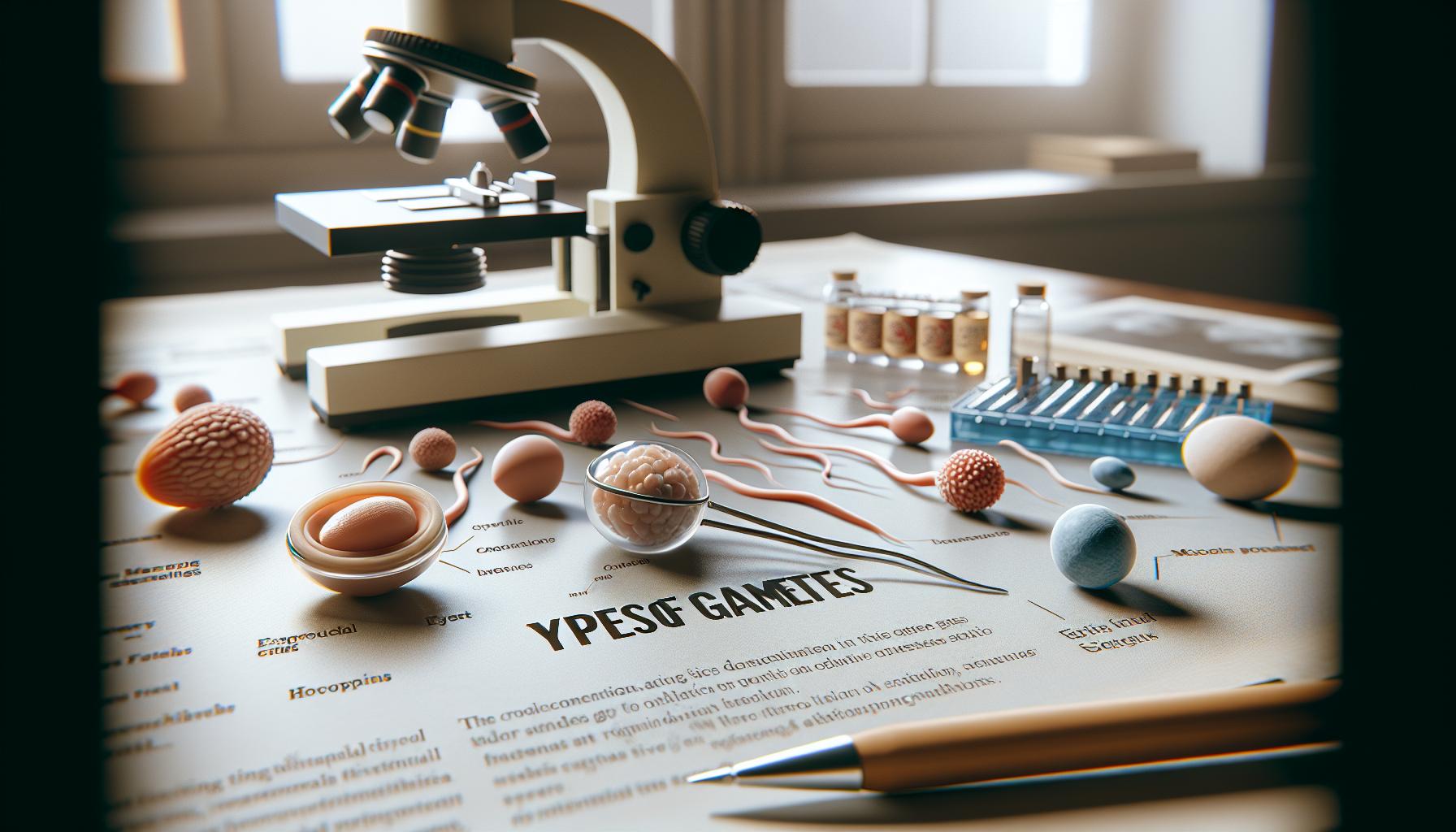
The Importance of Gametes in Fertility
Gametes serve as the foundational building blocks of reproduction, holding the key to genetic diversity and the continuation of species. The significance of these reproductive cells cannot be overstated; they are not merely vessels for DNA but play a crucial role in fertility and the successful formation of new life. Their health and viability directly impact the chances of conception, underlying the necessity of understanding both sperm and egg functionality.
Male gametes, or sperm, are typically produced in enormous quantities. A healthy male can release millions each day, but they must exhibit optimal motility and morphology to successfully navigate female reproductive anatomy and achieve fertilization. Factors such as stress, exposure to toxins, and lifestyle choices like diet and exercise can significantly affect sperm quality. For couples facing challenges with fertility, awareness of these factors can lead to proactive measures that enhance sperm health, potentially increasing the likelihood of conception.
On the other hand, female gametes, or eggs, come with their own complexities. Women are born with a finite number of oocytes, which diminish in both quantity and quality as they age. The viability of an egg is influenced by various factors, including hormonal balance and overall health. Since the egg’s quality can significantly affect fertilization and subsequent embryo development, understanding these aspects invites women to engage in lifestyle choices that support reproductive health. Tracking menstrual cycles and recognizing ovulation can empower women in their journey towards motherhood, especially in the context of trying to conceive.
Emotional well-being plays a pivotal role in the fertility journey, as potential parents navigate hopes and fears surrounding gamete health. Couples may encounter feelings ranging from excitement to disappointment, especially if faced with infertility. It’s vital to offer support and information that validate these experiences, helping individuals understand that they are not alone in this journey. Whether considering treatments such as in vitro fertilization (IVF) or opting for alternative family-building options, having a comprehensive understanding of gamete health provides couples with the knowledge and confidence to make informed decisions.
How Gametes Are Produced: The Process of Gametogenesis
The intricate process of gametogenesis, which produces the male and female gametes essential for reproduction, is a fascinating journey crucial for creating new life. In males, this process occurs in the testes through a series of stages known as spermatogenesis, while in females, oogenesis takes place in the ovaries. Understanding how these gametes are created can empower individuals with knowledge essential for their reproductive health.
Spermatogenesis: The Journey of Sperm Formation
In males, spermatogenesis begins at puberty and continues throughout life. This process involves several key stages, starting with spermatogonial stem cells that undergo mitosis to produce primary spermatocytes. These primary spermatocytes then enter meiosis, a specialized form of cell division that reduces the chromosome number by half, resulting in secondary spermatocytes and eventually haploid spermatids. These spermatids mature into spermatozoa, the functional male gametes capable of fertilization. The entire process takes about 64 to 72 days, during which the sperm undergo significant changes, developing a flagellum for motility and forming an acrosome that aids in penetrating the egg’s outer layers during fertilization.
Oogenesis: The Complexity of Egg Development
In contrast, oogenesis is a more complex and time-sensitive process. Females are born with all the oocytes they will ever have, and unlike males, these oocytes start their development before birth but pause at the prophase stage of meiosis I until puberty. Each menstrual cycle, several oocytes resume growth and development, but usually only one reaches full maturity and is released during ovulation. If fertilization occurs, meiosis II completes, leading to a mature ovum and a polar body. This finite supply of eggs means that a woman’s age can significantly impact her fertility. As a woman ages, both the quantity and quality of her eggs may decline, making understanding the timing of ovulation and potential fertility treatments, like in vitro fertilization (IVF), crucial for couples trying to conceive.
Both spermatogenesis and oogenesis are influenced by various factors including hormonal changes, lifestyle choices, and environmental influences. By maintaining a healthy lifestyle that includes a balanced diet, regular exercise, and stress management, individuals can support their reproductive health. Health care providers can assist in navigating complex emotions associated with fertility challenges, offering resources and guidance tailored to individual circumstances. Understanding these processes not only fosters a deeper awareness of personal fertility but also underscores the significance of seeking help and support when needed, validating the emotional journey of conception.
Common Disorders Affecting Gamete Function
Many individuals and couples face challenges related to gamete function, which can significantly impact fertility. Understanding the common disorders that may affect these reproductive cells is essential for anyone navigating the complexities of conception. From hormonal imbalances to anatomical issues, various factors can hinder the capability of sperm and eggs, affecting the overall journey to parenthood.
One of the most prevalent issues impacting male gametes is low sperm count or oligospermia. This condition can be exacerbated by factors such as obesity, smoking, exposure to environmental toxins, and certain medical conditions like diabetes. Additionally, sperm motility-the ability of sperm to swim effectively-can also be compromised. Understanding these factors is crucial for men seeking to enhance their fertility, as lifestyle changes, dietary adjustments, and targeted medical interventions can often improve sperm quality.
On the female side, disorders affecting oocyte health can include polycystic ovary syndrome (PCOS), endometriosis, and premature ovarian failure. PCOS is a hormonal disorder that can lead to irregular ovulation, making it challenging for women to conceive. Endometriosis, where tissue similar to the lining of the uterus grows outside of it, can interfere with egg release and fertilization. Premature ovarian failure results in decreased ovarian function before age 40, significantly reducing the number and quality of eggs. Women facing these issues may benefit from a thorough evaluation by a healthcare provider, who can guide them toward appropriate treatments such as hormone therapy, assisted reproductive technologies, or lifestyle modifications.
It’s important to approach these challenges with empathy and understanding, recognizing the emotional weight they carry. Many individuals experience feelings of grief, uncertainty, or frustration while trying to conceive. Validating these emotions and celebrating small milestones can foster resilience during this journey. Consulting with fertility specialists can provide personalized support tailored to one’s unique circumstances, ensuring individuals feel heard and understood while navigating their paths toward parenthood.
Gametes in Assisted Reproductive Technologies
The journey of overseeing reproductive health, especially when it comes to gametes, often leads to the exciting yet complex world of Assisted Reproductive Technologies (ART). These techniques have transformed the landscape of family-building, providing hope to many individuals and couples facing fertility challenges. ART encompasses a range of procedures that utilize sperm and eggs to achieve pregnancy when natural conception is not viable.
One of the most well-known and frequently utilized forms of ART is in vitro fertilization (IVF). During this process, eggs are retrieved from the ovaries and fertilized with sperm in a laboratory setting to create embryos. Depending on the specific circumstances, you may find it helpful to consider the following steps involved in IVF:
- Ovarian Stimulation: Hormones are administered to stimulate the ovaries to produce multiple eggs, increasing the chances of successful fertilization.
- Egg Retrieval: A minor surgical procedure is performed to collect the eggs, typically done under mild sedation.
- Fertilization: The eggs are combined with sperm in a lab, either through traditional insemination or Intracytoplasmic Sperm Injection (ICSI), where a single sperm is injected directly into an egg.
- Embryo Culture: Fertilized eggs develop into embryos, which are monitored for quality and growth.
- Embryo Transfer: Healthy embryos are transferred back to the uterus, with the hope of achieving pregnancy.
The success rates of ART can vary, with factors such as age, health conditions, and specific fertility issues influencing outcomes. For instance, women under 35 generally see higher success rates with IVF compared to older age groups. It can be comforting to know that many clinics also offer consultations to discuss personalized success rates based on individual profiles and previous medical history, helping to set realistic expectations.
Beyond IVF, options like artificial insemination (AI) are also available, which can be less invasive and more affordable. AI involves placing sperm directly into a woman’s reproductive tract during ovulation, bypassing some challenges posed by lower sperm counts or motility issues. It’s essential to have candid discussions with healthcare providers regarding the costs, which can range significantly based on location, treatment plans, and whether insurance covers any aspects of the procedures.
Navigating the emotional landscape of ART can be as critical as understanding the medical procedures involved. It’s essential to acknowledge the emotional weight that infertility can carry. Feelings of grief, uncertainty, or frustration are valid. Celebrating small milestones, whether it’s upon receiving a positive pregnancy test or successfully freezing embryos, can foster resilience. Allowing yourself to feel these emotions, while also seeking support through counseling or support groups, can offer comfort and companionship during this journey.
Understanding your options in ART, along with getting support and accurate information, provides a strong foundation for making informed decisions about family-building paths, whether that includes IVF, AI, or other methods. It’s a complex process, but also one filled with hope and potential for many families.
Preserving Fertility: Options for Gamete Storage
The ability to preserve gametes-sperm and eggs-has revolutionized the reproductive landscape, providing individuals and couples with greater control over their fertility. Whether due to medical conditions, age, or personal choice, many find themselves considering gamete storage as an option to secure their chances of having children in the future. This proactive approach not only eases anxieties about future fertility challenges but also offers the opportunity to plan for a family when the time feels right.
One of the most common methods for preserving gametes is through cryopreservation, a process that involves freezing eggs or sperm at extremely low temperatures. This technology is well-established and widely used, allowing for successful storage and subsequent use during assisted reproductive technologies like IVF. It’s essential to understand that while the success rates of using frozen gametes can be comparable to freshly retrieved ones, various factors, such as the age at which eggs are frozen, play a significant role in outcomes. Women under 35 typically have better chances of achieving pregnancy with frozen eggs than those who freeze at an older age.
Cost is another important consideration when it comes to gamete storage. The price of the initial retrieval and freezing process can vary widely among fertility clinics, often ranging from $3,000 to $10,000. Additionally, ongoing storage fees can accrue, usually costing several hundred dollars a year. While these investments may seem daunting, many clinics provide financing options and transparent discussions about costs, helping to facilitate informed decisions.
Moreover, it’s vital to approach your journey with a compassionate understanding of the emotional complexities surrounding fertility. The choice to freeze gametes can come with feelings of uncertainty and mixed emotions, especially related to the potential of using these stored reproductive cells in the future. Engaging with support groups or mental health professionals can provide comfort, validation, and coping strategies as you navigate this significant transition in your fertility journey. Remember that you’re not alone; many individuals are exploring similar paths, and there are resources available to support you every step of the way.
The Genetic Makeup of Gametes and Its Implications
The genetic makeup of gametes plays a crucial role in the health and potential of future generations. Gametes, which are the reproductive cells-sperm in males and eggs in females-are haploid, meaning they contain half the number of chromosomes compared to somatic cells. This unique genetic configuration ensures that when two gametes combine during fertilization, the resulting zygote inherits a complete set of chromosomes, half from each parent. This genetic diversity is essential for the evolution and adaptability of species.
Understanding the genetic implications of gametes extends beyond simple inheritance. Each gamete undergoes a process of meiosis, where genetic recombination occurs, allowing for a mix of parental traits. This is significant not only for passing on diversified traits but also in mitigating the risk of genetic disorders. As such, the genetic health of gametes can directly influence fertility outcomes. For instance, older age in women can lead to increased chromosomal abnormalities in eggs, increasing the risk of conditions like Down syndrome and other genetic issues. Couples considering parenthood should be aware of these implications, as they can impact their family planning decisions.
For those navigating fertility challenges, understanding the genetic aspects of gametes offers reassurance. While genetic testing of embryos-through preimplantation genetic testing (PGT)-is an option available during assisted reproductive technologies like IVF, it can empower couples to make informed decisions about their reproductive future. This approach allows them to screen for specific genetic disorders, ensuring a healthier start for their potential children.
In conclusion, the genetic makeup of gametes is not just a biological fact but a cornerstone of reproductive health that influences fertility and the future genetic landscape of families. As individuals and couples journey through their reproductive options, being knowledgeable about gametogenesis and its implications can foster a sense of control and hope amid uncertainty. Understanding these dynamics serves as a reminder that while challenges exist, informed choices can guide one towards fulfilling their family-building aspirations.
How Environment Impacts Gamete Health
The environment plays a pivotal role in the health of gametes, influencing fertility and the genetic potential of future generations. Factors such as exposure to toxins, lifestyle choices, and dietary habits can significantly affect both egg and sperm quality. For instance, studies have demonstrated that environmental pollutants, including heavy metals and pesticides, can lead to DNA damage in sperm and eggs, potentially resulting in reduced fertility and increased risk of genetic disorders in offspring.
Maintaining a healthy lifestyle is essential for safeguarding gamete health. A balanced diet rich in antioxidants can help counteract oxidative stress, which can adversely affect gamete quality. Incorporating foods such as fruits, vegetables, nuts, and whole grains can provide necessary nutrients to support reproductive function. Regular exercise is equally important, as it not only helps maintain a healthy weight-which is crucial for hormonal balance-but also enhances circulation and overall well-being.
Moreover, the impact of stress on fertility should not be underestimated. Chronic stress can disrupt hormonal levels, affecting ovulation and sperm production. Engaging in stress-reducing practices, such as mindfulness, yoga, and therapy, can be beneficial. It’s essential for individuals and couples to find supportive coping mechanisms tailored to their needs, creating a nurturing environment for potential conception.
As you navigate your fertility journey, consider how these various environmental factors interplay with your reproductive health. Make informed decisions about your lifestyle, minimizing negative exposures wherever possible, and fostering a supportive environment for your gametes. This holistic approach not only enhances your chances of conception but also lays a foundation for the health of future generations.
Future Innovations in Gamete Research
The field of gamete research is advancing rapidly, driven by innovations that hold the potential to transform reproductive health and fertility treatments. Exciting developments such as gene editing, advancements in cryopreservation, and improved techniques in artificial gametogenesis are opening new doors for those facing fertility challenges. These innovations promise not only enhanced success rates in assisted reproductive technologies but also a deeper understanding of the biological processes underlying gamete formation and function.
One remarkable area of focus is gene editing, particularly through tools like CRISPR-Cas9, which allows scientists to make precise modifications to DNA. This technology holds significant potential in eliminating genetic disorders from gametes before fertilization, leading to healthier embryos. For instance, by editing specific genes in sperm or eggs, researchers aim to reduce the risk of inheriting conditions such as cystic fibrosis or Duchenne muscular dystrophy. Ethical considerations remain crucial in this realm, necessitating transparent discussions and guidelines to safeguard future generations.
Improved cryopreservation techniques represent another significant stride in gamete research. Traditional methods often resulted in lowered viability for frozen eggs and sperm, yet recent innovations in vitrification-a rapid freezing process-have increased survival rates, making it possible for individuals to preserve their fertility much more effectively. This is particularly important for cancer patients or those undergoing surgeries that may impact their reproductive health, allowing them to opt for parenthood later without the fear of depleted options.
Moreover, the emerging field of synthetic gametes provides hope for individuals with limited options due to infertility or genetic issues. Researchers are exploring methods to create viable sperm or eggs from stem cells, which could revolutionize the fertility landscape by offering solutions where conventional methods such as IVF might not be feasible. These advancements could pave the way for more inclusive family-building options, accommodating same-sex couples and single individuals looking to start families.
As these innovations continue to develop, they are accompanied by important discussions about the emotional and ethical implications of their use. Addressing these complexities with empathy is essential, as individuals and couples navigate their unique fertility journeys. Staying informed about the latest research can empower those facing challenges, offering hope and clarity as they make decisions about their reproductive health options.
Support and Resources for Gamete-Related Issues
Navigating the terrain of fertility and gamete-related issues can be an overwhelming journey filled with emotions, uncertainty, and questions. However, resources are available to provide the support and guidance needed as you explore your options. Whether you’re facing challenges with conception or seeking to understand the complexities of reproductive health, it’s essential to connect with appropriate services that resonate with your experiences and needs.
Professional Support
Consider consulting with fertility specialists, reproductive endocrinologists, or healthcare providers who can offer expert insights tailored to your specific situation. They can help clarify medical terms and procedures, guiding you through treatments such as in vitro fertilization (IVF), artificial insemination (AI), or even advanced options like gamete storage and synthetic gametes. Many clinics provide initial consultations, which can help you establish a clear path forward without feeling pressured.
Support Groups and Counseling
Emotional well-being is just as critical as physical health during this journey. Support groups, whether in-person or online, allow individuals and couples to share their experiences, offer encouragement, and gain insight from others on similar paths. Finding a qualified counselor who specializes in fertility issues can also provide a safe space to process feelings of grief, disappointment, and hope. Such professionals can equip you with coping strategies and emotional resilience as you navigate challenges together.
Educational Resources
Understanding your body and the reproductive process can empower you in your journey. Reputable websites and organizations, such as Resolve: The National Infertility Association, offer a wealth of information on fertility, treatments, and what to expect at each stage. Educational materials can help you make informed decisions regarding your options and clarify costs associated with treatments, which often vary significantly based on location and individual circumstances.
Financial Guidance
The financial aspect of fertility treatments can be daunting. It is vital to explore your insurance coverage for fertility services and seek financial counseling if needed. Many clinics offer financial assistance programs or payment plans to ease the burden. Transparency about costs, success rates, and realistic timelines can help you set manageable goals and expectations.
By tapping into these resources, you can find the support you need to navigate your fertility journey with hope and confidence. Remember, you are not alone-countless individuals and families share similar experiences, and numerous tools exist to guide you.
Frequently Asked Questions
Q: What are the main functions of gametes in reproduction?
A: Gametes, or reproductive cells, have two primary functions: they carry genetic information and unite during fertilization to form a zygote. This process is crucial for sexual reproduction, leading to genetic diversity in the offspring.
Q: How do gametes differ from somatic cells?
A: Gametes are haploid cells (containing 23 chromosomes in humans), whereas somatic cells are diploid (46 chromosomes). This difference is vital for maintaining chromosome number during sexual reproduction.
Q: What process produces gametes?
A: Gametes are formed through gametogenesis, a specialized type of cell division that includes meiosis. This process reduces the chromosome number by half, ensuring genetic diversity and correct chromosome pairing during fertilization.
Q: What are the two types of gametes in humans?
A: The two types of gametes in humans are sperm and eggs. Sperm are produced by males and are small and motile, while eggs are larger, non-motile, and produced by females, playing a key role in reproduction.
Q: Why are gametes important for genetic variation?
A: Gametes contribute to genetic variation by undergoing processes like crossing over and independent assortment during meiosis. These mechanisms shuffle genes, resulting in diverse combinations that contribute to the uniqueness of individuals.
Q: Can environmental factors affect gamete quality?
A: Yes, environmental factors such as pollution, toxins, and lifestyle choices can significantly impact gamete quality. Maintaining a healthy lifestyle and avoiding harmful substances can enhance fertility and assist in producing healthier gametes.
Q: What is the role of assisted reproductive technologies in gamete use?
A: Assisted reproductive technologies (ART), like IVF, utilize gametes to facilitate conception for those facing fertility challenges. These techniques can enhance the chances of successful fertilization and pregnancy.
Q: How can individuals preserve their gametes?
A: Individuals can preserve their gametes through methods like cryopreservation. This involves freezing eggs or sperm for future use, especially beneficial for those delaying family planning or undergoing medical treatments affecting fertility.
For more detailed insights on gametes and their role in reproductive health, feel free to explore our support resources section.
To Conclude
Understanding that gametes, or reproductive cells, play a crucial role in the process of sexual reproduction is fundamental. They not only contribute to genetic diversity but also mark the beginning of new life. If you found this topic intriguing, explore more about how these cells form and function in plants in our article on male gametes, or dive into the fascinating process of zygote formation for a deeper grasp on the journey from gamete to new organism.
Feeling overwhelmed by your fertility journey? You’re not alone. Take the next step today by signing up for our newsletter for ongoing support, insightful resources, and the latest in reproductive health news. Let us guide you through every question and concern as you explore your options for family building. Join our community now and empower your knowledge around reproductive cells and beyond.