Artificial insemination (AI) has revolutionized breeding practices across various animal species, enhancing genetic diversity and health outcomes. From livestock to endangered species, AI allows for the strategic selection of top-tier genetics, overcoming barriers that natural mating often presents. As we explore what animals benefit from this technique, consider the impact it has on food production, conservation efforts, and genetic management. Whether you’re a farmer looking to improve herd quality or simply curious about modern animal breeding techniques, you’ll find that AI plays a crucial role in shaping the future of animal husbandry and wildlife preservation. Join us as we delve into the diverse species that utilize artificial insemination and uncover the significance behind this essential practice.
Types of Animals That Benefit from Artificial Insemination
Artificial insemination (AI) is a vital reproductive technology utilized across various animal species, significantly enhancing the breeding process and genetic diversity. Livestock producers predominantly use AI in cattle, where it offers the capability to breed animals with superior genetics without the need to house a bull on site. This has led to improved milk production and beef quality, while also reducing the risk of sexually transmitted diseases and other complications associated with natural breeding.
Additionally, AI has proven beneficial for swine, as it allows producers to manage breeding more efficiently by using high-quality semen from genetically superior boars. This method enhances litter sizes and improves the overall health of the offspring. In the equine industry, AI enables the breeding of high-value mares without the risk of transporting them for natural mating, thus ensuring better quality control and convenience.
Beyond agriculture, artificial insemination plays a crucial role in the conservation of endangered species. For example, many zoos and wildlife conservation programs use AI to facilitate breeding in species that have a dwindling population, helping to maintain genetic diversity and prevent extinction. Examples include species such as the California condor and African elephants, where AI allows for controlled breeding programs that would not be possible through natural mating due to habitat or population constraints.
In summary, the spectrum of animals benefiting from artificial insemination is broad, touching on essential agriculture practices while contributing to wildlife conservation efforts. This technology not only improves animal health and productivity in domestic species but also plays a pivotal role in protecting and sustaining endangered species for future generations.
The Science Behind Artificial Insemination Techniques
Artificial insemination (AI) has evolved into a precise scientific technique that has transformed the reproductive practices across various animal species. This process involves the collection, processing, and strategic placement of semen into the reproductive tract of female animals to achieve fertilization. One of the foundational aspects of AI is the careful selection and breeding of male animals with desirable genetic traits, which enhances the genetic quality of offspring. This selection is crucial, as it supports not only breed improvement but also the overall health and productivity of livestock.
AI techniques vary between species and are tailored to maximize success rates. For instance, in cattle, the timing of insemination must align closely with the female’s estrous cycle to ensure the highest chance of fertilization. Inseminators often utilize hormonal treatments to synchronize breeding, making it easier to manage breeding schedules and enhance success rates. In swine, the maintenance of optimal semen quality during storage and transportation is vital, with techniques such as refrigeration often employed to preserve sperm viability for up to a week.
In the equine industry, AI allows for the breeding of high-value mares using collected semen from elite stallions, eliminating the need for transportation of the mare, which minimizes stress and risk of injury. The protocol for managing AI in horses reflects a sophisticated understanding of timing, as precise ovulation detection is critical for success. Semen can be frozen for long-term storage, providing further flexibility in breeding schedules.
Moreover, AI is also making significant strides in conservation efforts, particularly for endangered species. The genetic material from a diverse array of individuals can be preserved and utilized to create genetically viable populations in controlled breeding programs. For example, AI techniques have been employed successfully in species such as the California condor and African elephants, where natural mating opportunities are limited due to population constraints. These applications not only enhance genetic diversity but also help in the long-term survival of these species in their natural habitats.
In summary, the science behind artificial insemination combines advanced reproductive technologies, genetics, and careful management of breeding practices. As farmers and conservationists alike harness AI’s capabilities, the influence of this technology continues to expand, offering greater efficiency and novel solutions for animal reproduction across various fields.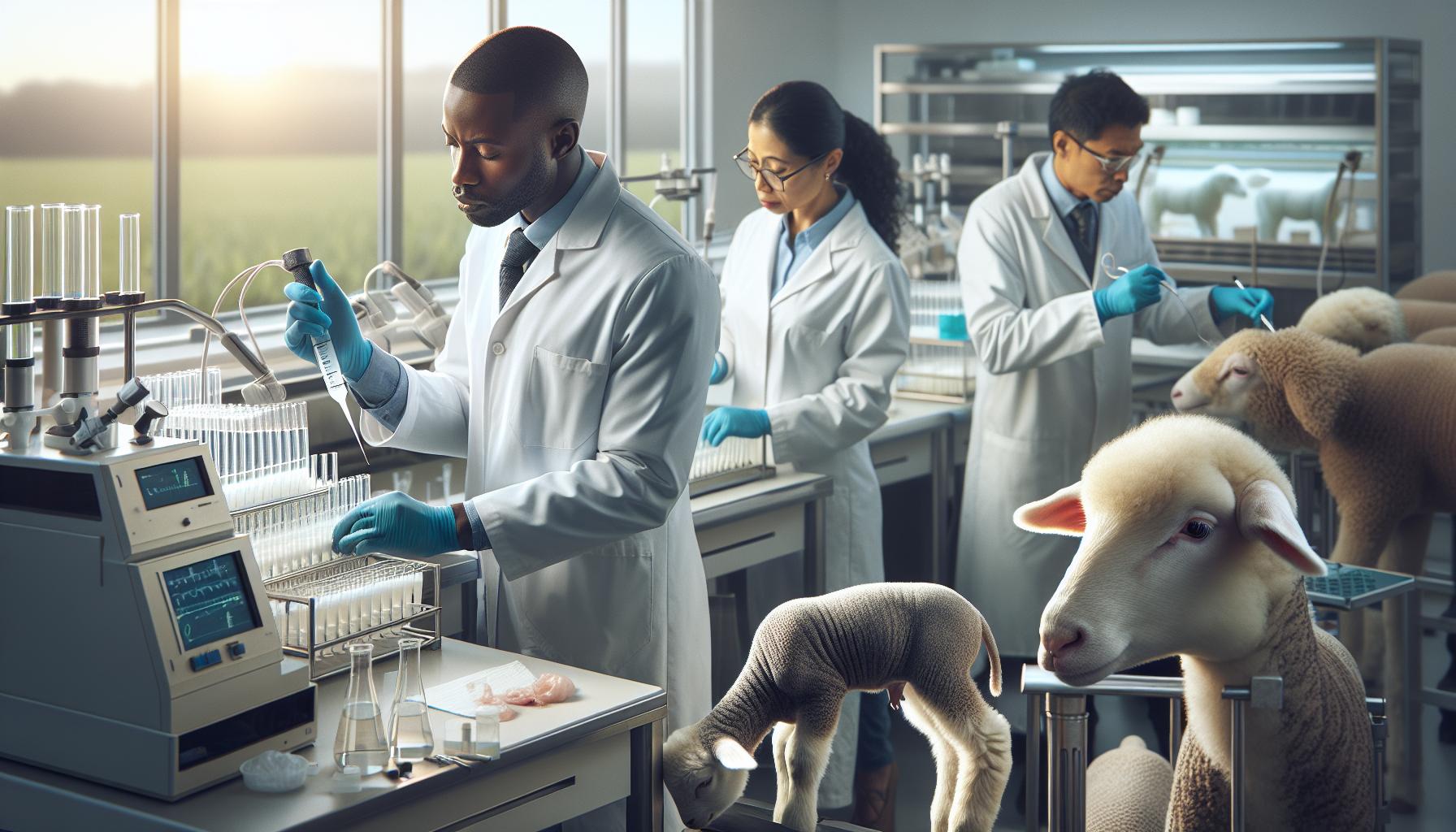
Success Rates of Artificial Insemination in Different Species
Success rates for artificial insemination (AI) can vary significantly among different animal species due to factors such as reproductive physiology, timing of insemination, and the techniques employed. Understanding these nuances not only informs breeding practices but also enhances the success of conservation efforts for endangered species.
In cattle, AI is widely used, and success rates can range from 50% to 70% per cycle when proper techniques are applied. Factors influencing success include optimal timing aligned with the female’s estrous cycle and the quality of the semen used. Hormonal treatments are often employed to synchronize estrus, maximizing the likelihood of conception. In swine, success rates can be even higher, averaging 80%, due in part to the robust nature of porcine reproductive physiology and the ability to use fresh or cooled semen effectively.
Equines present a unique set of challenges; however, advances in technology have considerably improved outcomes. For instance, well-timed AI procedures in horses can result in conception rates of 70% to 80% with fresh semen, with slightly lower rates when using frozen semen due to its inherent viability challenges. The key to success here lies in accurately detecting the mare’s ovulation cycle.
AI is also proving beneficial in the conservation of endangered species. For example, AI has been successfully utilized in rhinos and the California condor, where natural mating opportunities are limited. Although the exact rates can fluctuate based on the species and specific techniques used, AI has shown to be a viable option for increasing genetic diversity and supporting population growth in these vulnerable species.
Overall, artificial insemination’s success is influenced by species-specific biological factors, the timing of insemination, and the quality of the reproductive materials used. This underscores the importance of continuous research and technique refinement to enhance these success rates across various species.
Common Applications of Artificial Insemination in Agriculture
Artificial insemination (AI) has revolutionized agricultural practices, particularly in the breeding of livestock. By allowing farmers to use superior genetics without the need to maintain a physical herd of bulls, AI plays a crucial role in enhancing productivity and genetic diversity across various species. This method is widely adopted in cattle, swine, sheep, goats, and horses, making it a vital tool for livestock producers looking to improve herd quality and efficiency.
In cattle ranching, AI is particularly prominent due to its ability to streamline breeding operations. It enables breeders to use high-quality semen from bulls that may be geographically distant, ensuring that new genetic traits can be introduced more rapidly. Not only does this practice increase the overall genetic quality of the herd, but it also reduces costs associated with maintaining a bull. Additionally, AI allows for better disease management since it minimizes the need for close contact between animals, thereby reducing the risk of transmitting sexually transmitted infections among livestock.
Swine breeding has also benefitted immensely from AI, with farmers reporting successful implantation rates averaging around 80%. This high success rate stems from the ability to utilize fresh or cooled semen, which can be transported easily, paired with precise estrus detection techniques. The efficiency gained through AI means that a single boar’s genetic material can reach multiple sows, leading to more efficient herd improvements and optimized production schedules.
Moreover, AI is applied effectively in the equine industry, where it not only enhances breeding techniques but also supports the preservation of rare breeds. By using AI, breeders can inseminate a wide range of mares with the best available stallion genetics, often increasing the likelihood of successful pregnancies when timing and technique are correctly applied. This adaptability makes AI a valuable practice for both competitive breeding and conservation efforts.
In summary, the applications of artificial insemination in agriculture extend beyond mere convenience; they represent a strategic approach to enhancing livestock quality, genetic diversity, and operational efficiency. For farmers and breeders, embracing AI can lead to significant improvements in herd management and overall productivity, ensuring sustainable agricultural practices for the future.
Conservation Efforts: AI in Endangered Species
Artificial insemination (AI) has emerged as a critical tool in the conservation of endangered species, providing hope in the face of declining populations and habitat loss. By allowing the genetic material of rare animals to be used more efficiently, AI not only enhances breeding programs but also supports the genetic diversity necessary for species survival. For instance, in zoos and wildlife reserves, AI enables the breeding of animals that may be geographically isolated or unwilling to mate in captivity. This technique is particularly vital for species such as the black-footed ferret, where AI has been used to increase genetic variation and improve reproductive success.
The process of using AI in conservation efforts involves several sophisticated techniques that require expert knowledge and careful planning. With species facing reproductive challenges due to habitat destruction, climate change, or other human impacts, AI can be a game-changer. For example, in the case of the critically endangered California condor, AI has facilitated the successful breeding of condors in captivity, with researchers using eggs produced through AI techniques to increase the population. Such efforts not only help sustain existing populations but also allow for future reintroductions into their natural habitats.
Moreover, AI is being tailored to specific conservation needs, employing advancements in reproductive technologies like cryopreservation. This methodology allows for the freezing and storage of genetic material, making it possible to preserve the genetic diversity of species that are on the brink of extinction. For conservationists, this means that even if a species experiences a severe population decline, its genetic legacy can be preserved for future generations, providing a second chance at survival.
Ultimately, the integration of artificial insemination into conservation strategies represents a proactive approach to wildlife management. While it comes with challenges-such as the need for trained professionals and the cost of advanced technology-the successes achieved through AI are paving the way for a more sustainable future for some of our planet’s most vulnerable species. This hope intertwines with the broader mission of fostering a deep respect for biodiversity and ensuring that future generations can witness the beauty of these incredible animals.
Comparing Natural Breeding vs. Artificial Insemination
For many breeders, understanding the differences between natural breeding and artificial insemination (AI) is crucial in making informed decisions that align with their reproductive goals. Natural breeding involves the traditional mating process where a male and female are allowed to mate without intervention. This method has been used for centuries and can be seen as a more instinctual and familiar approach for most animals. However, AI offers unique advantages that are transforming the landscape of animal reproduction.
One of the most significant benefits of artificial insemination is the ability to utilize superior genetics. In natural breeding, breeders are limited to the animals available on-site, potentially overlooking high-quality sires located elsewhere. With AI, breeders can access semen from genetically superior males, often from different breeds or geographic locations, thereby enhancing the genetic diversity and trait quality of offspring. This capability is especially beneficial in livestock, where traits such as disease resistance, growth rates, and milk production can be drastically improved through selective breeding.
Furthermore, AI minimizes the risks associated with maintaining a male on the premises. It reduces the likelihood of sexually transmitted diseases and eliminates aggressive behavior that can occur during the breeding season. The hygienic aspects of AI are also noteworthy; the procedure is performed in sterile conditions, reducing the chances of infections that could compromise both the female and her offspring.
However, while AI presents numerous advantages, it also comes with its own set of challenges. The procedure requires specialized training and expertise for both the collection and insemination processes. Additionally, success rates can vary depending on factors such as the timing of insemination relative to the female’s estrous cycle, the health and motility of the sperm, and the specific techniques employed during AI. In contrast, natural breeding may present a simpler, albeit less controlled, approach for those who prefer a more hands-off methodology.
Ultimately, the choice between natural breeding and artificial insemination depends on multiple factors, including breeding goals, available resources, and the specific species involved. For many, AI offers a pathway toward enhanced genetic improvement and greater management efficiency, contributing positively to livestock production and conservation efforts alike.
Ethical Considerations Surrounding Artificial Insemination
Considering the growing reliance on artificial insemination (AI) in animal breeding, ethical considerations surrounding this practice are paramount. As breeders and veterinarians navigate the complexities of reproduction technology, they must weigh the benefits against potential ethical dilemmas related to animal welfare, genetic manipulation, and the broader implications for species diversity.
One of the primary ethical concerns focuses on the well-being of the animals involved. With AI, there is a risk of subjecting animals to procedures that may cause stress or discomfort. It’s crucial that professionals conducting AI adhere to stringent humane practices, ensuring that animals are handled gently and cared for pre-and post-procedure. Moreover, understanding the mental and physical implications of AI on different species is essential, as reactions can vary significantly. Responsible breeders must prioritize animal health and welfare, actively seeking methods that minimize distress.
Additionally, the ethical discourse surrounding AI extends into the realm of genetic manipulation. While AI allows for the selection of superior genetic traits, it also raises questions about biodiversity and the potential for unforeseen consequences. The focus on specific desirable traits may inadvertently lead to a reduction in genetic variability, which is vital for the long-term health of populations. In this context, breeders and researchers must balance the pursuit of enhanced production traits with the necessity of preserving genetic diversity to prevent health issues and ensure the resilience of animal populations.
Another critical facet of the ethical considerations is the philosophical perspective on reproduction itself. As advancements in AI technology continue to progress, it becomes essential to reflect on the implications of such practices on our understanding of natural reproduction. Engaging with these complex debates-not just from a scientific perspective, but also considering social, cultural, and religious views-can foster a more holistic approach to animal breeding. Open dialogues among stakeholders, including farmers, veterinarians, and ethicists, can facilitate thoughtful discussions, ensuring that AI practices align with societal values and the ethical treatment of animals.
In summary, navigating the ethical landscape of artificial insemination requires a multifaceted approach. Breeders and practitioners must prioritize animal welfare, carefully consider the implications of genetic selection, and engage in meaningful conversations around the ethics of reproductive technologies. By doing so, they can help ensure that the advantages of AI in animal reproduction are realized without compromising the wellbeing of the animals we care for.
Challenges and Limitations of Artificial Insemination
Although artificial insemination (AI) has revolutionized breeding practices across various species, it comes with its own set of challenges and limitations that must be carefully considered. For instance, the success of AI is heavily contingent on the quality of the sperm used, the timing of insemination relative to ovulation, and the health of the recipient animal. Issues like low sperm motility or viability can significantly impact pregnancy rates, leading to frustration and disappointment among breeders. Understanding these factors can help set realistic expectations and guide practices to enhance outcomes.
Another notable challenge is the technical skill required for successful AI procedures. The process can be intricate and requires a thorough understanding of reproductive anatomy and timing. Individuals performing AI must be trained to ensure proper technique, which can sometimes be a barrier for smaller operations or less experienced breeders. Mistakes or improper procedures can result in failed inseminations, lost time, and financial costs, further complicating the efforts to breed animals effectively.
Moreover, while AI can mitigate some issues related to inbreeding by allowing strategic use of genetic material, it also presents its own set of ethical and biological dilemmas. For example, the pursuit of specific traits through AI can inadvertently lead to reduced genetic diversity. This reduction can pose risks to the health and resilience of populations in the long term. Breeders must strive for a balance between desired traits and genetic health, which requires careful consideration and planning.
Finally, legal and regulatory factors can also limit the use of AI in certain regions. Issues related to the sourcing of donor sperm, quarantine laws, and genetic manipulation regulations can complicate the AI process. Legal restrictions might affect the availability of high-quality genetic material, thus limiting the choice for breeders and impacting the overall success of artificial insemination programs.
In summation, while artificial insemination holds tremendous potential for improving breeding practices across species, it is essential for breeders, veterinarians, and agricultural professionals to navigate the associated challenges with informed strategies and ethical considerations. Awareness of these limitations can lead to better preparation and ultimately enhance the success and sustainability of AI practices.
Innovations in Artificial Insemination Technology
Innovations in artificial insemination (AI) technology have significantly transformed the landscape of animal breeding, enhancing efficiency and success rates across various species. One notable advancement is the improvement in semen preservation techniques. The ability to freeze sperm effectively has allowed breeders to store genetic material for extended periods, ensuring that the best genetic traits can be passed on without the need for immediate mating. Techniques such as cryopreservation utilize advanced methods to maintain sperm viability, enabling the long-term storage of high-quality semen from genetically superior bulls, stallions, and other breeding animals.
Enhanced Insemination Techniques
The development of sophisticated insemination equipment has also played a crucial role. For instance, transcervical and laparoscopic insemination techniques allow for more precise delivery of sperm directly into the reproductive tract, improving fertilization rates while minimizing discomfort for the animal. These techniques require specialized training but offer significant benefits over traditional methods, particularly for species with complex reproductive anatomies.
Genetic Mapping and Selection
Equally important are advancements in genetic mapping and selection processes. With the integration of genomic technologies, breeders can now conduct genetic testing to evaluate the hereditary traits of potential sires and dams. This information allows for more informed decision-making when selecting breeding pairs, leading to offspring with desirable traits such as disease resistance, better growth rates, and enhanced reproductive performance. Such precision in breeding decisions not only accelerates the improvement of livestock populations but also promotes the ethical management of genetic diversity.
Integration with Technology
Moreover, AI technology is being integrated with modern digital tools, such as mobile applications and data management systems. These platforms assist farmers in tracking estrus cycles, timing inseminations, and managing records, making it easier to handle breeding schedules and assess AI performance. For example, intelligent algorithms can analyze historical data to predict optimal insemination times, thus maximizing the chances of successful pregnancies.
In summary, are not only driving improvements in animal breeding practices but also contributing to more sustainable agricultural systems. By embracing these advancements, breeders can enhance genetic gain, improve animal welfare, and ultimately, ensure greater productivity within their herds.
Future Trends in Animal Reproductive Technologies
The landscape of artificial insemination (AI) is evolving rapidly, with innovations that promise to take animal reproductive technologies to new heights. One of the most exciting future trends is the integration of advanced biotechnology and genetic engineering into AI practices. These advancements may lead to the ability to manipulate genetic traits more precisely, enhancing desirable characteristics in livestock and other species. For example, gene editing technologies such as CRISPR could be employed alongside AI to directly modify genes associated with disease resistance or growth efficiency, potentially revolutionizing productivity in agricultural settings.
The rise of artificial intelligence (AI) tools is another trend that merits attention. Machine learning algorithms can analyze vast amounts of data regarding reproductive cycles, fertility rates, and offspring outcomes. By leveraging this data, farmers and breeders can make informed decisions about breeding pairs and timing, ultimately increasing the success rates of inseminations. This effective management of genetic resources aims to optimize herd performance while reducing the environmental impact often associated with traditional breeding methods.
Moreover, there’s a growing trend towards sustainability within the field of animal reproduction. With an increasing emphasis on ethical breeding practices, there is potential for AI technologies to address animal welfare concerns more effectively. Innovations such as enhanced semen preservation techniques, less invasive procedures, and more humane treatment protocols during the breeding process can help ensure that the welfare of animals is prioritized alongside productivity goals.
Finally, the expansion of telemedicine in veterinary services is set to influence AI practices significantly. Remote health monitoring and consultation services may enable breeders to access expert advice and AI support regardless of geographical challenges. This could lead to more consistent success in insemination efforts and overall reproductive health management. As these trends continue to develop, they hold the promise of making animal reproduction more efficient, ethical, and responsive to both industry needs and animal welfare standards.
Real-World Examples of AI Success Stories
In the world of artificial insemination (AI), numerous success stories highlight the transformative impact this technology has had on various species’ breeding and conservation efforts. One notable example is the use of AI in cattle farming, where it has significantly increased genetic diversity and improved herd quality. Farmers have observed enhanced traits such as milk production, growth rates, and disease resistance by carefully selecting high-quality semen from superior bulls, often leading to healthier and more productive animals.
Moreover, the use of AI has been a game-changer in equine breeding. Thoroughbred horse breeders, for instance, have embraced artificial insemination to maximize the genetic potential of their mares by accessing a broader range of stallions, some of which may not be geographically accessible for natural breeding. This practice not only aids in preserving rare genetic lines but also allows for the utilization of frozen semen, enabling breeding to occur even when the stallion is no longer alive.
Another inspirational case involves endangered species conservation. For instance, AI has been successfully implemented in the breeding programs of the African cheetah and the Arabian oryx, both of which face threats from habitat loss and population decline. By employing AI techniques, conservationists have improved breeding rates in these species, facilitating the genetic management necessary for their recovery. As a result, the Arabian oryx has been reintroduced into parts of its native habitat, showcasing the vital role of AI in conservation efforts.
These real-world examples underscore the diverse applications of artificial insemination across species, illustrating not only its ability to enhance agricultural productivity but also its critical role in preserving biodiversity. As technology and techniques continue to evolve, the future of AI promises even more remarkable success stories in animal breeding and conservation.
Q&A
Q: What are some common animals that use artificial insemination?
A: Artificial insemination (AI) is commonly used in various species, including cattle, horses, sheep, goats, pigs, and poultry. It enhances breeding efficiency and genetic diversity by allowing for the introduction of superior genetics without the need for physical mating.
Q: How does artificial insemination benefit endangered species?
A: AI plays a crucial role in conservation efforts for endangered species, enabling controlled breeding to increase population numbers. For instance, the Przewalski’s horse, once extinct in the wild, has seen successful births through AI, aiding in its reintroduction efforts[2].
Q: Why is artificial insemination used in livestock breeding?
A: Artificial insemination is predominately used in livestock breeding to improve herd genetics, enhance breeding efficiency, and mitigate the risk of disease transmission. It helps to ensure that desirable traits are passed on without physical mating.
Q: Can artificial insemination be used for domestic pets?
A: Yes, artificial insemination can be employed in domestic pets, particularly in dog breeding. This method helps manage breeding schedules, expand genetic diversity, and facilitate pairing of specific breeds that may not naturally mate.
Q: What are the success rates of artificial insemination in different species?
A: Success rates for artificial insemination can vary widely among species. Livestock often see rates around 60-80%, while endangered species may have lower rates due to factors like genetics and reproductive health. For best results, it’s essential to consult reproductive specialists[3].
Q: What are the ethical considerations surrounding artificial insemination?
A: Ethical considerations include the welfare of the animals involved, the necessity and implications of breeding practices, and the potential impacts on genetic diversity. Ensuring humane treatment and responsible breeding practices is crucial in addressing these concerns.
Q: How does the artificial insemination process work?
A: The artificial insemination process typically involves collecting sperm from a male, processing it, and then inserting it into the female’s reproductive tract using specialized equipment. Timing and hormonal management are integral to the process to optimize success rates.
Q: What advancements are being made in artificial insemination technology?
A: Recent advancements in AI technology include improved sperm preservation techniques, genetic testing for enhanced breeding selection, and advancements in reproductive health monitoring. These innovations aim to increase success rates and streamline the process across various species.
In Summary
As we explore the fascinating world of artificial insemination across various species, it’s clear that this reproductive technique plays a vital role in enhancing genetic diversity and improving animal populations. From livestock to endangered species, understanding how artificial insemination can benefit these animals is crucial. If you’re intrigued by reproductive technologies in both animals and humans, check out our articles on IVF advancements and the emotional aspects of fertility journeys.
Ready to dive deeper? Subscribe to our newsletter for the latest insights, tips, and resources on reproductive health. Don’t hesitate to reach out if you have questions or need guidance-we’re here as your supportive companion through this complex landscape. Celebrate the milestones in your journey, big or small. Together, we can navigate the path to understanding and empowerment in reproductive options.
Get our latest guides, news, and insights highlighted in your Google Search & AI Overviews.