Understanding the major reproductive organs of female avian species is essential for anyone fascinated by bird biology and conservation. Did you know that unlike mammals, birds have a unique reproductive system that allows them to lay eggs? This remarkable adaptation not only supports their reproductive needs but also raises intriguing questions about their development and care. Whether you’re a birdwatcher, a student of biology, or simply curious about nature, knowing how avian reproduction works can deepen your appreciation for these incredible creatures. In this article, we will explore the key reproductive organs of female birds, their functions, and how they contribute to the lifecycle of avian species. Join us as we unravel the complexities of avian reproduction, providing insight and fostering a greater connection to our feathered friends.
Major Reproductive Organs in Female Birds
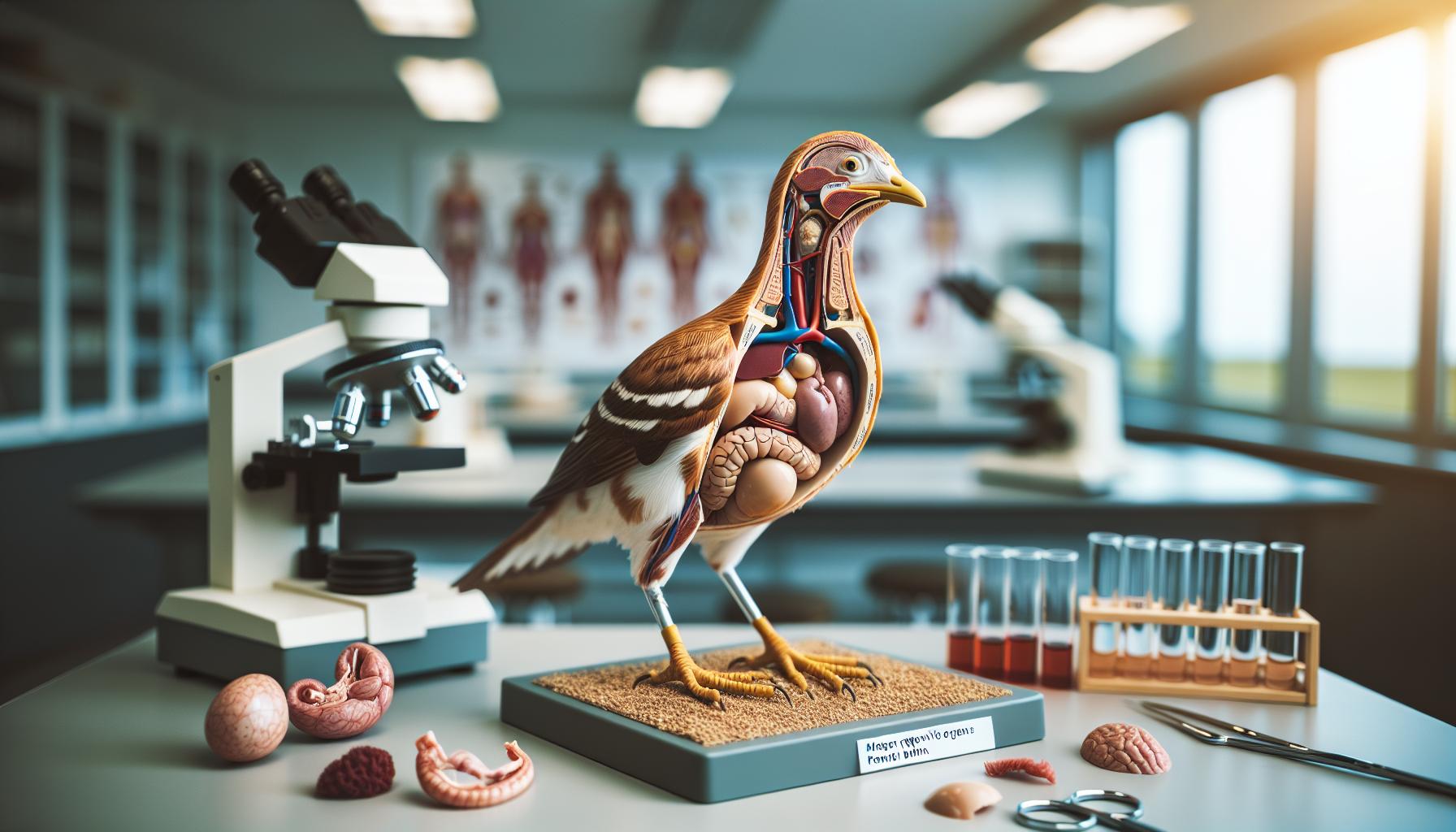
The reproductive system of female birds is a remarkable and specialized structure that has evolved to facilitate the production and nurturing of eggs. At the core of this system are the ovaries, which play a critical role in avian reproduction. Female birds typically possess a pair of ovaries; however, in most species, only the left ovary is functional, while the right ovary remains rudimentary. This adaptation allows for a more efficient reproductive cycle as the single functional ovary can produce multiple eggs in a short period.
The process begins in the ovaries, where oocytes (immature eggs) are developed. These oocytes undergo growth and maturation, regulated by various hormones, including estrogen and progesterone. Once an oocyte is fully developed, it is released into the oviduct, which is a specialized tube that plays a vital role in the subsequent stages of egg formation. The oviduct is divided into several sections, each responsible for adding different layers to the egg, such as the egg white (albumen), membranes, and ultimately the shell.
The cloaca, an important visceral cavity, serves multiple functions in female birds. It acts as the common exit for excretory and reproductive tracts, helping to expel waste and lay eggs. After the eggs are formed in the oviduct, they travel down to the cloaca, where they can be laid. This efficient system of using a single passage aids in simplifying the reproductive process.
Understanding the reproductive organs and their functions is essential for appreciating the complexities of avian life. Environmental factors, such as availability of food and breeding seasons, can heavily impact these reproductive processes, illustrating the delicate balance within avian ecosystems. As we delve deeper into the topic, it becomes evident how critical these organs are not only for reproduction but also for the survival of bird species as a whole.
The Role of Ovaries in Avian Reproduction
The ovaries of female birds play a pivotal role in their reproductive success, serving as the primary site for egg production. Interestingly, most avian species are characterized by a notable adaptation: while they possess two ovaries, typically only the left ovary functions actively, while the right one remains rudimentary. This unique trait facilitates a more efficient reproductive cycle, allowing for the rapid production of eggs, which is essential, especially during breeding seasons.
In the ovaries, oocytes, or immature eggs, undergo a complex development process that is meticulously regulated by hormones such as estrogen and progesterone. These hormones are essential not only for the maturation of oocytes but also for triggering ovulation, the process where a mature egg is released into the oviduct for further development. As the oocyte matures, it develops layers of protective membranes and, eventually, the egg white and shell within the oviduct.
Understanding the nuances of ovarian function is crucial for grasping the broader picture of avian reproduction. Factors such as environmental conditions, mating habits, and nutritional availability significantly influence ovarian activity and overall reproductive health. As a result, many female birds exhibit adaptive strategies, such as adjusting their laying patterns in response to food supply or climate conditions, demonstrating the intricate relationship between their biology and their environment.
Ultimately, the ovaries serve not just as reproductive organs but as vital components in the survival and continuation of bird species, highlighting the importance of conserving their habitats and ensuring their reproductive health. By appreciating the ovarian role in avian life, we can better understand the delicate balance that sustains these remarkable creatures.
Understanding the Avian Oviduct Structure
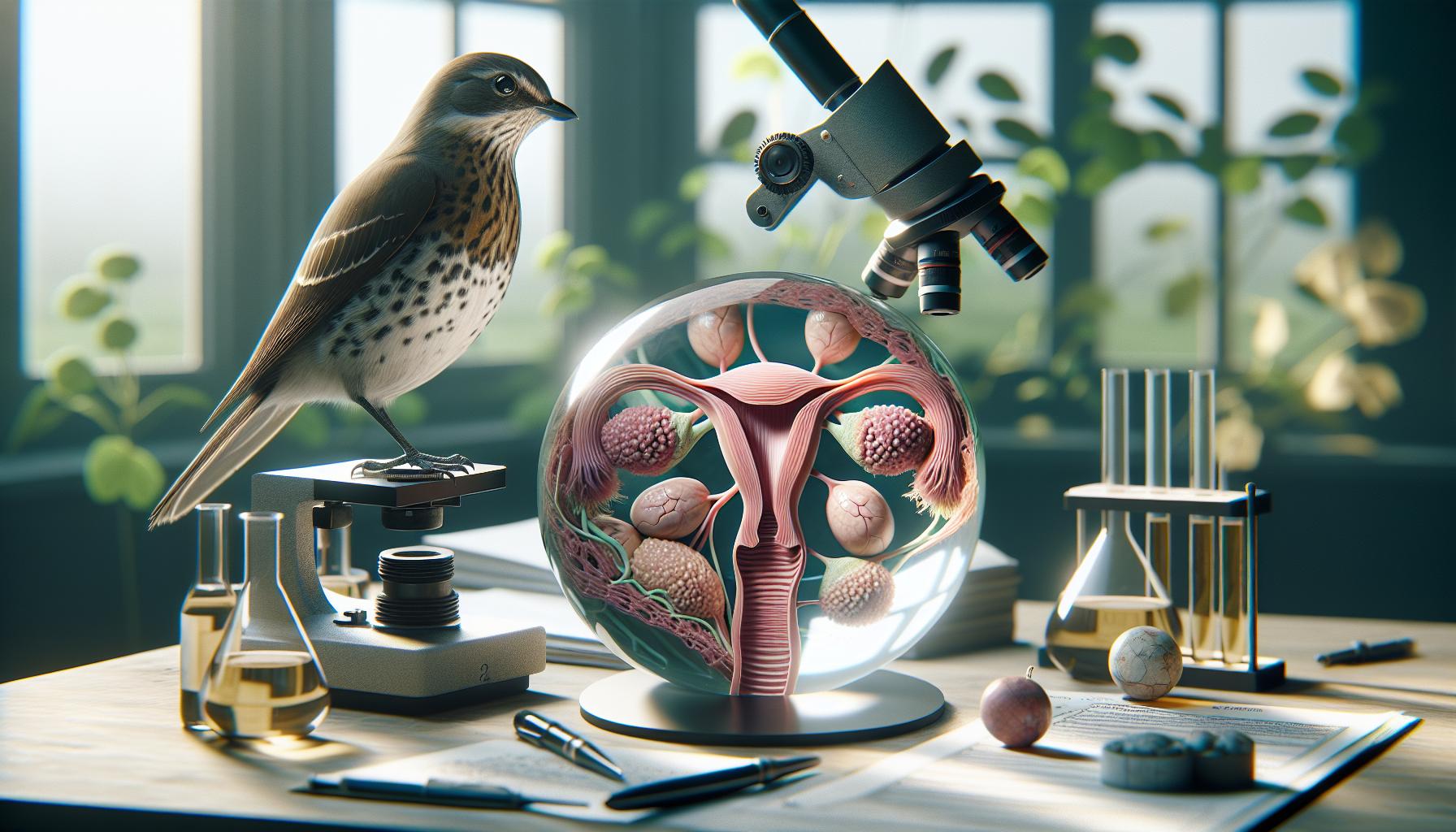
The avian oviduct is a remarkable structure designed for the complex process of egg formation and transport in female birds. Unlike mammals, where reproduction occurs within the body, birds have evolved a highly specialized system that allows them to produce eggs externally. Comprising several distinct sections, the avian oviduct is instrumental not only in the development of the egg but also in ensuring its protection and nourishment.
At its core, the oviduct consists of four main segments, each playing a critical role in the egg’s progression from ovulation to laying:
- Infundibulum: This is the first part of the oviduct, where the egg is initially received after ovulation. The infundibulum is responsible for capturing the released oocyte and is where fertilization typically occurs if sperm is present.
- Magnum: Following the infundibulum, the egg moves into the magnum, where the egg white (albumen) is added. This process is crucial as the albumen serves as a protective layer and provides water and proteins necessary for embryo development.
- Ileum: The next section is the isthmus, known for forming the inner and outer shell membranes. These membranes will later encase the egg, providing additional protection and maintaining moisture.
- Uterus (Shell Gland): Finally, the egg enters the uterus, where the hard shell is formed. This process can take significant time, as layers of calcium carbonate are deposited to create a sturdy shell that protects the developing embryo.
Each section of the oviduct is finely tuned to accommodate the needs of the developing egg, showcasing the incredible adaptability of avian reproductive anatomy. The journey through the oviduct can take anywhere from 24 to 30 hours, depending on the species and environmental conditions. This intricate timing is influenced by factors such as the bird’s health, nutrition, and environmental stressors.
The health of the oviduct is vital for successful reproduction. Any disruption within these segments can lead to developmental issues or egg formation problems. Understanding this structure is critical for researchers and avian caretakers alike, as it highlights the importance of monitoring the reproductive health of female birds. By ensuring a healthy oviduct, we can support the continuation of avian species and contribute to efforts in wildlife conservation, giving female birds the best chance to thrive and reproduce successfully.
Key Functions of the Cloaca in Birds
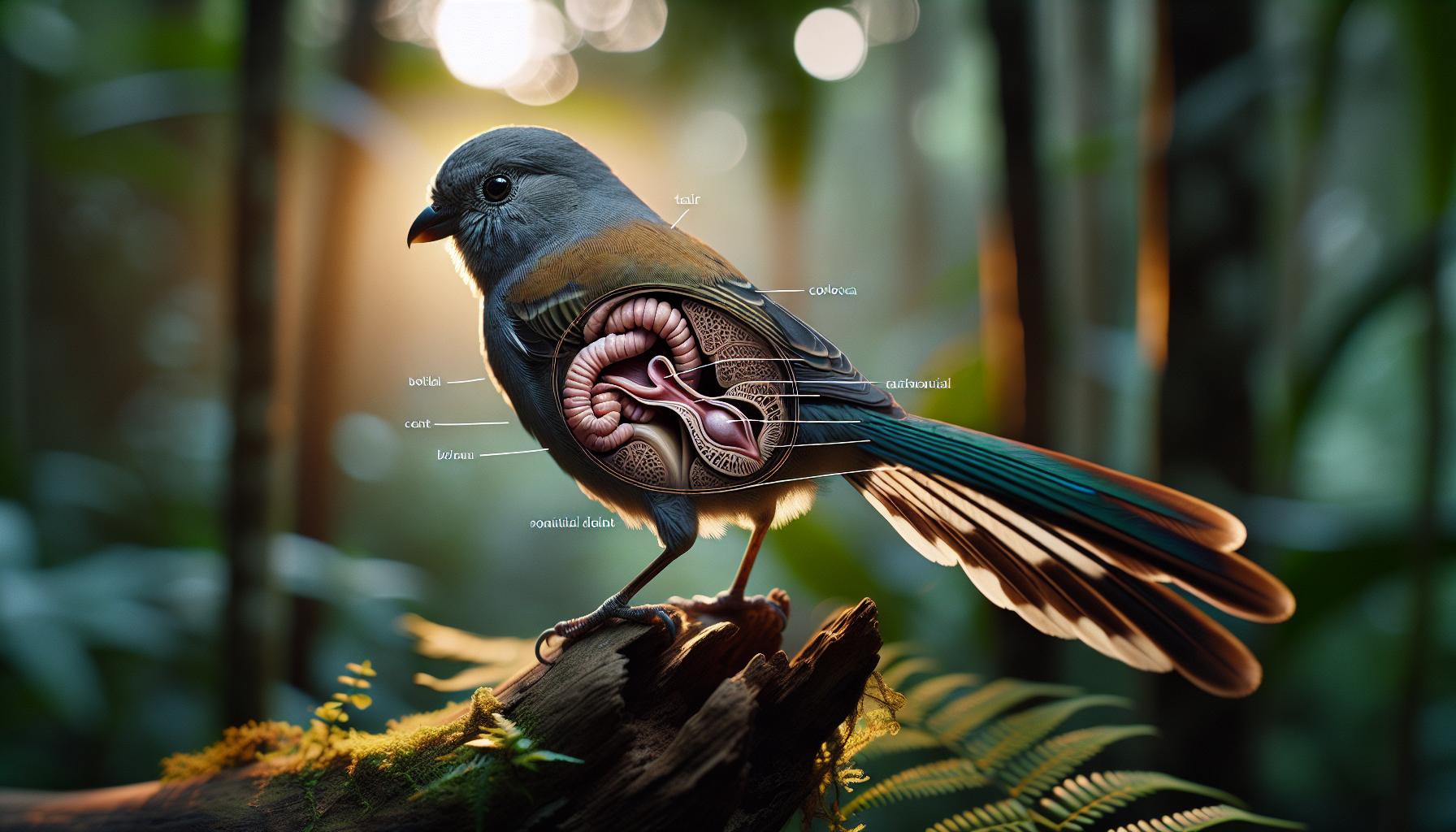
The cloaca, often referred to as the “common chamber,” plays a vital role in the reproductive system of female birds, serving multiple functions crucial for reproductive success. This multi-purpose structure is not only involved in the excretion of waste but also facilitates the entry of sperm during mating, the passage of eggs during oviposition, and the management of reproductive tissues. In many ways, the cloaca is the unsung hero of avian reproduction, integrating various physiological processes that are essential for the continuation of species.
One of the primary functions of the cloaca is to act as a conduit for reproductive materials. During copulation, the male bird transfers sperm to the female’s cloaca, where fertilization of the oocyte may occur if it is timed correctly with ovulation. The female’s reproductive system is designed to ensure that sperm can survive within the cloaca for an extended duration, increasing the chances of successful fertilization. After fertilization, the cloaca facilitates the passage of the fertilized egg, allowing it to move into the oviduct for the subsequent processes of egg formation.
Moreover, the cloaca plays a significant role in managing the waste of the bird, combining both urinary and fecal matter into a single outlet. This adaptation is particularly advantageous for birds, as it conserves water and reduces the weight of the body, an essential factor for flight. The cloaca’s lining is also structured to help maintain a healthy balance of microbes and to protect reproductive health, acting as a barrier against potential pathogens.
As avian reproductive health is closely linked to overall well-being, any disruptions or infections in the cloaca can lead to serious complications, including infertility. It’s essential for avian caregivers to monitor the health of female birds, ensuring that the cloacal environment remains free from infections that could hinder reproductive performance. Regular veterinary check-ups and a nutritious diet can support cloacal health, helping ensure that female birds have the best chance for successful reproduction and raising healthy offspring. Through understanding the multifaceted functions of the cloaca, one can appreciate the intricate biology that underlies avian reproduction and the importance of maintaining the health of these remarkable organisms.
How Egg Formation Occurs in Avian Species
The intricate process of egg formation in avian species is a remarkable journey that combines biology with a touch of artistry. This process starts in the ovaries, where the female bird has a finite number of oocytes, or egg cells. When a female bird reaches sexual maturity, typically influenced by factors such as age, health, and environmental conditions, her body prepares these oocytes for possible fertilization. Central to this preparation is the hormonal regulation that prompts oocyte development, crucial for subsequent stages of egg formation.
Once an oocyte is fully developed and ready to be released, it travels to the oviduct, a complex structure divided into several specialized regions. Each region plays a distinct role in the development of the egg. For instance, the infundibulum is the first section that captures the released oocyte and is the site where fertilization can occur if sperm is present. Following this, the oocyte moves through the magnum, where albumen (the egg white) is added, providing essential nutrients for the developing embryo.
As the egg progresses through the isthmus and uterus, more layers are added, including membranes and the shell itself. The uterus, also known as the shell gland, is where the egg receives its protective calcium carbonate shell, which is vital for the embryo’s protection against environmental factors. The entire egg formation process can take 24 to 26 hours in many bird species.
Ultimately, when the egg is fully formed, it will be laid through the cloaca. This efficient journey from ovulation to oviposition showcases the evolutionary adaptations that avian species have developed to maximize reproductive success. Monitoring the health of the oviduct and overall reproductive system in female birds is essential, as any disruptions in hormone levels or oviduct function can severely impact their ability to produce viable eggs. Stakeholders, whether pet owners or conservationists, should remain attentive to these factors to support the health and future of avian populations.
Hormonal Regulation of Reproductive Processes
Hormones play a critical role in orchestrating the complex reproductive processes in female birds. The journey toward producing viable eggs begins with the interplay of hormones that trigger and regulate ovarian functions. In female avian species, the primary hormones involved include estrogen and progesterone, which govern the development of follicles within the ovaries, the structures that ultimately release oocytes, or egg cells.
Estrogen stimulates the growth of ovarian follicles, promoting the release of oocytes during ovulation. This phase is crucial, as the timing of ovulation needs to align with a host of other factors, including the presence of a mate and environmental cues. Elevated estrogen levels not only influence follicle development, but they also prepare the reproductive tract for the arrival of the egg and ensure the necessary conditions for fertilization are met. When follicles mature, a surge in luteinizing hormone (LH) signals ovulation, leading to the release of the oocyte into the oviduct.
Following ovulation, progesterone plays an essential role in maintaining the reproductive cycle, particularly in supporting the early stages of egg development. It aids in the formation of the egg white and shell, processes that occur within the oviduct post-ovulation. These hormones must be in harmonious balance; disruptions in their levels can lead to issues such as infertility or egg-laying delays, underlining the importance of hormonal health in avian reproduction.
Environmental factors, such as photoperiod (the duration of daylight), also significantly impact hormonal regulation. Many birds rely on changes in light to signal the appropriate time of year for reproduction. Consequently, understanding how hormonal functions are intertwined with external factors can offer insight into reproductive health and success in avian species. Through careful monitoring of these hormonal interactions and environmental influences, avian caregivers and conservationists can better support reproductive wellness in female birds.
Comparison of Reproductive Adaptations Across Species
The reproductive adaptations found in female birds are as diverse as the species themselves, showcasing fascinating strategies that have evolved to enhance reproductive success. While the basic structure of major reproductive organs remains consistent-primarily the ovaries and the oviduct-variations exist based on ecological niches and lifestyle demands. For instance, the size and number of eggs, the nesting behaviors, and even the timing of reproduction reflect an array of evolutionary responses to environmental pressures.
One significant adaptation is the clutch size, which varies dramatically across species. For example, smaller birds like the American Robin may lay four to five eggs per clutch, while larger birds such as the ostrich can lay up to a dozen eggs at once. This adaptation can be linked to the availability of resources and nest predation risks in their respective habitats. Moreover, many bird species exhibit a fascinating phenomenon known as “brood parasitism,” where a female bird lays her eggs in the nest of another species, allowing her to evade the costs of parental care while maximizing her reproductive output.
Looking at the timing of reproduction, migratory birds like swallows often time their breeding to coincide with peak food availability during spring. Their reproductive strategies are finely tuned not just to their physical capacities but also to their environmental conditions, which underscores the importance of hormonal regulation that aligns reproductive timing with external cues such as photoperiod and temperature. This seasonal adaptability is essential for ensuring that the parents can provide adequate nourishment for their young.
In terms of nesting behaviors, some species, like the European Starling, exhibit highly communal nesting practices, where multiple females may lay eggs in the same nest. This communal approach can lead to increased chances of survival for the chicks, as the more numerous adults can provide better protection against predators. In contrast, solitary nesters, like the Bald Eagle, invest heavily in individual nesting sites, which require considerable resources and energy but ultimately provide a more controlled environment for egg development.
These various reproductive adaptations highlight the intricate balance female birds maintain to maximize their reproductive success in constantly changing environments. Understanding these differences not only enriches our appreciation of avian biology but also informs conservation efforts aimed at protecting diverse habitats and the species that rely on them.
The Importance of Nesting in Egg Development
Building a nest is not just a task for female birds; it’s a crucial process that significantly impacts the early development of their eggs and, ultimately, the survival of their offspring. The nest serves as a protective haven, ensuring that the eggs are shielded from predators and environmental threats. For instance, many birds select nesting sites with care, choosing locations that offer camouflage and safety, such as dense foliage or high cliffs. Such strategic choices highlight the intricate connection between nest location and successful reproduction.
The physical structure of a nest also plays a vital role in regulating the conditions for egg development. Nests are meticulously crafted from various materials-such as twigs, grass, mud, and feathers-to create a microenvironment that is conducive to hatching. For example, the weaver bird constructs highly intricate nests that not only secure the eggs but also provide insulation and maintain humidity levels. This insulation is crucial, as it helps maintain the optimal temperature necessary for embryonic development.
Moreover, the communal nesting behaviors seen in some species, like the European Starling, can further enhance the protective benefits of nesting. By nesting in groups, these birds can provide a greater collective defense against predators, improving the chances of survival for each other’s eggs. This social aspect of nesting illustrates a remarkable evolutionary strategy; while individual birds give up some autonomy, the overall survival rate of the young is improved through cooperative efforts.
Finally, it’s important to recognize how external factors influence nesting success. Availability of materials, environmental conditions, and climatic changes can affect nesting locations and construction. For instance, similarly to how climate conditions impact reproductive timing, they can also dictate when birds migrate to optimal nesting grounds. By understanding these dynamics, we can appreciate the complexities of avian reproduction and the critical role that nesting plays in facilitating successful egg development.
Influence of Environmental Factors on Reproduction
The environment plays a crucial role in the reproductive success of avian species, influencing aspects from hormonal cycles to nesting strategies. Changes in temperature and availability of resources can dictate not only the timing of breeding but also the overall fitness of the offspring. For example, many bird species rely on specific cues such as day length and temperature fluctuations to initiate hormonal changes necessary for egg production and mating behaviors. These environmental signals trigger the female’s reproductive organs, particularly the ovaries, to produce eggs at optimal times, aligning with the availability of food and favorable conditions for raising young.
One striking example is the impact of climate change on migration patterns and breeding timings. As seasons shift, birds that traditionally breed in March might find themselves needing to adapt their reproductive cycles to earlier or later dates. This misalignment can cause mismatches in when food sources are available for feeding chicks, resulting in lower survival rates. Another environmental influence is the quality of nesting sites, which is often determined by habitat integrity. Birds that can access rich, diverse ecosystems typically have higher reproductive success, as these habitats provide essential materials for nest building as well as abundant food sources for growing chicks. Understanding these dynamics is crucial for conserving avian populations, particularly as urbanization and environmental degradation continue to alter their habitats.
Moreover, each species may demonstrate unique adaptations to cope with environmental challenges. For instance, some birds engage in “strategic delayed breeding,” where they postpone reproduction to times when conditions are more favorable, thus ensuring that the chances of survival for their offspring are maximized. This adaptability highlights the complex interplay between avian reproductive systems and the fluctuating environment, underlining the need for ongoing research and conservation efforts.
Lastly, breeding and nesting behaviors can also be influenced by social factors that are intricately linked to environment. In densely populated areas, birds may exhibit communal nesting to enhance protection against predators, which can improve the reproductive success of individuals in the group. This social strategy illustrates how environmental pressures not only shape individual reproductive behaviors but can also drive the evolution of group dynamics in avian species. Understanding these influences is essential for both the conservation of diverse bird populations and the maintenance of ecological balance.
Challenges in Avian Reproductive Health
The health of female birds’ reproductive systems is crucial for their ability to produce viable offspring, yet various challenges can disrupt these processes and threaten avian populations. One pressing concern is the prevalence of environmental toxins, which can adversely affect ovarian function and hormone regulation. Chemicals such as pesticides and heavy metals have been shown to impair oocyte development, leading to reduced fertility rates. Awareness of these harmful substances is essential for protecting the reproductive health of birds, particularly in areas heavily impacted by human activity.
Another significant challenge arises from diseases that specifically target reproductive organs. Conditions such as ovarian tumors or infections in the oviduct can severely compromise a bird’s ability to lay eggs and successfully rear young. Avian veterinarians play a crucial role in diagnosing these issues early, enabling timely interventions that could save breeding seasons. Moreover, it’s important for bird enthusiasts and conservationists to understand the signs of reproductive health concerns, including changes in egg-laying patterns or brood sizes.
Additionally, reproductive health can be influenced by the stress levels experienced by birds. Increased stress due to habitat destruction, predation pressure, or inadequate food supplies can lead to hormonal imbalances that affect reproduction. Strategies to mitigate stress, such as maintaining healthy habitats and minimizing human disturbance during breeding seasons, are vital for ensuring that female birds can thrive and successfully raise their chicks.
Effective conservation efforts must address these challenges comprehensively, promoting healthy ecosystems that support not just the reproductive needs of avian species but also their overall well-being. By prioritizing habitat preservation and restoration, we can enhance the resilience of bird populations against the myriad threats they face. Through collaboration and education, researchers and community members can work together to foster environments where birds can reproduce successfully, ensuring their populations remain robust for future generations.
Conservation Efforts for Avian Species Reproduction
Conservation initiatives are vital for ensuring the reproductive health of female birds, which directly impacts their ability to produce viable offspring. With the challenges posed by habitat loss, pollution, and climate change, it is essential to focus on comprehensive strategies that protect and enhance the environments in which these avian species thrive. The importance of sustainable practices cannot be underestimated; they not only aid in maintaining the health of bird populations but also bolster broader ecosystem stability.
One effective approach involves the restoration of natural habitats. When wetlands, forests, and grasslands are rehabilitated, they provide essential nesting sites and food resources, directly benefiting female birds during critical breeding seasons. For example, organizations dedicated to wetland restoration have seen a resurgence in populations of shorebirds and waterfowl, species that heavily rely on these environments for raising their young. Engaging local communities in these efforts fosters a sense of stewardship that is crucial for long-term success.
In addition to habitat restoration, public education plays a critical role in conservation. Awareness campaigns about the effects of pesticides and urban development can lead to more informed choices among landowners and policymakers. Encouraging the adoption of bird-friendly practices-such as creating artificial nesting sites or maintaining natural landscapes around homes-can significantly contribute to avian reproductive success. By creating a network of supporters, conservationists can build momentum for policies that prioritize birds’ reproductive health.
Lastly, scientific research must continue to inform conservation efforts. Monitoring avian reproductive success through banding studies and citizen science initiatives provides invaluable data that can guide interventions. For instance, tracking the health of specific populations helps identify shifts in reproductive patterns, informing strategies that address emerging threats. Collaboration among researchers, conservation organizations, and local communities can lead to innovative solutions that promote the well-being of female birds and ensure the survival of future generations.
Through a combination of habitat restoration, education, and research, we can create an environment where female birds thrive, laying the groundwork for successful reproduction amidst the challenges they face.
Future Research Directions on Female Avian Reproduction
Future research on female avian reproduction is poised to address fundamental gaps in our understanding of the reproductive organs and processes critical to avian species. Recent advancements in molecular biology and genetic techniques provide fertile ground for groundbreaking discoveries in this area. By examining the roles of the ovaries, oviducts, and cloaca in greater detail, researchers can illuminate how these structures adapt under varying environmental stresses, potentially leading to improved conservation strategies.
One promising avenue involves investigating how hormonal changes influence reproductive cycles across different species. For instance, studying the impact of environmental factors such as temperature and habitat changes on hormonal signaling could reveal why certain species thrive in selective climates while others struggle. This research could harness tools like gene editing to explore how specific genes regulate reproductive health, potentially leading to measures that support reproductive success in endangered populations.
Understanding Reproductive Health Challenges
Research into the health challenges faced by female birds is also essential. Diseases and pollutants pose significant risks to reproductive success. Innovations such as metabonomics, which analyzes metabolic changes in birds exposed to environmental toxins, can help identify subtle shifts in reproductive health. This can provide insights into how specific contaminants affect reproductive organs, potentially guiding policies aimed at reducing these hazards in bird habitats.
The Role of Citizen Science and Community Engagement
Citizen science initiatives offer another rich resource for future research. By involving local communities in data collection on bird reproduction, scientists can gather extensive datasets while fostering a sense of stewardship within those communities. Programs that educate the public about avian reproductive health and encourage reporting of sightings and nesting behaviors can drive better understanding and conservation outcomes. This approach not only generates valuable data but also cultivates a network of engaged individuals who advocate for avian species.
Collectively, these research directions underscore the necessity of an integrated approach that combines scientific inquiry with community involvement. As we broaden our understanding of female avian reproduction, we will be better equipped to ensure the survival and thriving of diverse avian populations worldwide.
Q&A
markdown
Q: What are the main reproductive organs in female birds?
A: The primary reproductive organs in female birds include the ovaries and the oviduct. Ovaries produce eggs, while the oviduct transports and assists in the development of these eggs. Understanding these organs is essential for studying avian reproduction.

Q: How does the oviduct function in female avian species?
A: The oviduct serves multiple functions, such as the production of egg white, membranes, and shell around the egg. Each section of the oviduct plays a role in the egg's development, making it crucial for successful reproduction.

Q: What role do hormones play in avian reproduction?
A: Hormones regulate key reproductive processes in female birds. They control ovulation, egg development, and preparation for nesting. Understanding these hormonal mechanisms is vital for comprehending reproductive health in avian species.

Q: How do environmental factors affect avian reproduction?
A: Environmental factors, such as temperature, light, and food availability, can significantly influence avian reproductive cycles. These elements can affect hormonal balances and, consequently, reproductive success.

Q: What adaptations do different bird species have for reproduction?
A: Various bird species exhibit unique reproductive adaptations, including nesting behaviors and egg-laying strategies, tailored to their environments. These adaptations enhance survival and reproductive success across diverse habitats.

Q: Why is nesting important for avian reproduction?
A: Nesting provides a secure environment for eggs and developing chicks. It protects them from predators and environmental stresses, thus playing a critical role in the success of avian reproduction.

Q: What are some common challenges in avian reproductive health?
A: Common challenges include habitat loss, pollution, and climate change, which can adversely impact reproductive success. Addressing these issues is vital for conserving avian populations.

Q: How does egg formation occur in birds?
A: Egg formation in birds involves the development of the yolk in the ovary, followed by the addition of albumen, membranes, and shell in the oviduct. This complex process ensures that eggs are well-formed for successful incubation.
In Summary
Understanding the major reproductive organs of female avian species is crucial for anyone interested in avian biology or animal husbandry. Armed with this knowledge, you can ensure better breeding practices and enhance the welfare of your birds. If you found this information valuable, we invite you to explore related articles about bird breeding techniques and caring for avian reproductive health-visit our sections on “Breeding Best Practices” and “Common Avian Health Issues” for more insights.
Don’t miss out on the opportunity to deepen your knowledge! Subscribe to our newsletter for the latest updates and expert tips, or reach out for a consultation if you’re considering breeding your birds. Your journey in avian care starts here, and we’re here to support you every step of the way.
For further reading, check out our articles on avian health or join our community discussion on common challenges in bird breeding. Remember, your engagement helps us provide more valuable resources, so feel free to share your thoughts or questions in the comments below!
Get our latest guides, news, and insights highlighted in your Google Search & AI Overviews.