Did you know that reproductive hormones play a crucial role in not just fertility but also your overall health and well-being? These hormones, such as estrogen and progesterone, influence everything from menstrual cycles to mood swings and even skin health. Understanding how these hormones function can empower you to make informed decisions about your reproductive choices, whether you’re planning for a family, navigating health issues, or simply curious about your body’s rhythms.
In this guide, we will explore the essential roles reproductive hormones play, shedding light on how they interact and impact our lives. By understanding their functions, you can better navigate your health journey, celebrate your milestones, and address any challenges with the knowledge that you are not alone. Let’s embark on this enlightening exploration together, equipping you with valuable insights into your reproductive health and what you can do to foster balance and well-being.
Understanding the Role of Reproductive Hormones

Reproductive hormones are crucial players in the intricate ballet of human fertility, influencing everything from the development of eggs and sperm to the regulation of menstrual cycles and sexual function. These hormones help maintain the delicate equilibrium necessary for reproduction, and even slight imbalances can lead to significant challenges in conception and overall reproductive health. Understanding these hormones-and their impact-can empower individuals to take proactive steps in their fertility journeys.
The primary reproductive hormones include estrogen, progesterone, testosterone, luteinizing hormone (LH), and follicle-stimulating hormone (FSH). In females, estrogen helps develop and regulate the female reproductive system while facilitating the ovulation process. Progesterone prepares the uterus for a potential pregnancy and helps maintain it if conception occurs. In males, testosterone is key for sperm production and maintaining libido. LH and FSH play essential roles in regulating the menstrual cycle and influencing the production of eggs and sperm in both genders. Together, these hormones ensure that the reproductive systems function smoothly, maximizing the chances of conception.
Maintaining hormonal balance is vital for reproductive health. Imbalances can manifest as irregular menstrual cycles, altered libido, weight fluctuations, or other physical and emotional symptoms. Individuals might experience emotional highs and lows, fatigue, or unexpected changes in sexual health, all of which could signal an underlying hormonal issue that may need attention. Recognizing these signs early can lead to effective management strategies, enabling individuals to seek support and treatment when necessary.
To support hormonal health, consider a holistic approach that includes regular exercise, a balanced diet rich in essential nutrients, and stress management techniques. Engaging in activities such as yoga or meditation can significantly reduce stress and its adverse effects on hormone levels. Additionally, consulting with healthcare professionals for regular check-ups can help monitor hormone levels and detect any imbalances before they lead to more severe issues. Embracing lifestyle changes with informed strategies can help nurture hormonal health, setting a positive foundation for reproductive well-being.
How Hormones Influence Fertility in Both Genders

Understanding how hormones regulate fertility can be eye-opening, revealing the intricate ways in which our bodies are designed to facilitate reproduction. In both men and women, hormones serve as crucial messengers, guiding everything from the development of reproductive cells to the orchestration of complex physiological processes. For instance, in females, the menstrual cycle is carefully controlled by a delicate interplay of hormones, ensuring that ovulation occurs at the right time for potential fertilization. Similarly, in males, testosterone not only drives sperm production but also influences libido and overall sexual health.
The primary players in this hormonal dance include estrogen, progesterone, testosterone, luteinizing hormone (LH), and follicle-stimulating hormone (FSH). Each hormone has distinct functions that are vital for fertility. For women, estrogen regulates the growth of the ovarian follicles, while progesterone prepares the uterus for a potential pregnancy after ovulation. In men, testosterone is crucial for the production and maturation of sperm, while both LH and FSH are involved in the control of sperm development. This balance of hormones is essential; an imbalance-whether low testosterone in males or abnormal estrogen levels in females-can lead to issues with fertility.
It’s essential to recognize that hormonal influences extend beyond biological processes; they also intertwine with emotional and mental health. The stress of dealing with fertility issues can further exacerbate hormonal imbalances, creating a cycle that can be difficult to break. Learning to manage stress through mindfulness practices, such as meditation or yoga, can be beneficial not only for mental health but also for hormonal balance.
As we navigate our fertility journeys, understanding the role of hormones can empower us to make informed decisions and seek appropriate treatments when necessary. Being open about these challenges, celebrating small victories, and respecting the personal choices along the way-whether it involves treatment options like IVF or adopting different paths to parenthood-creates a supportive environment for all individuals and couples trying to build their families.
Key Reproductive Hormones and Their Functions
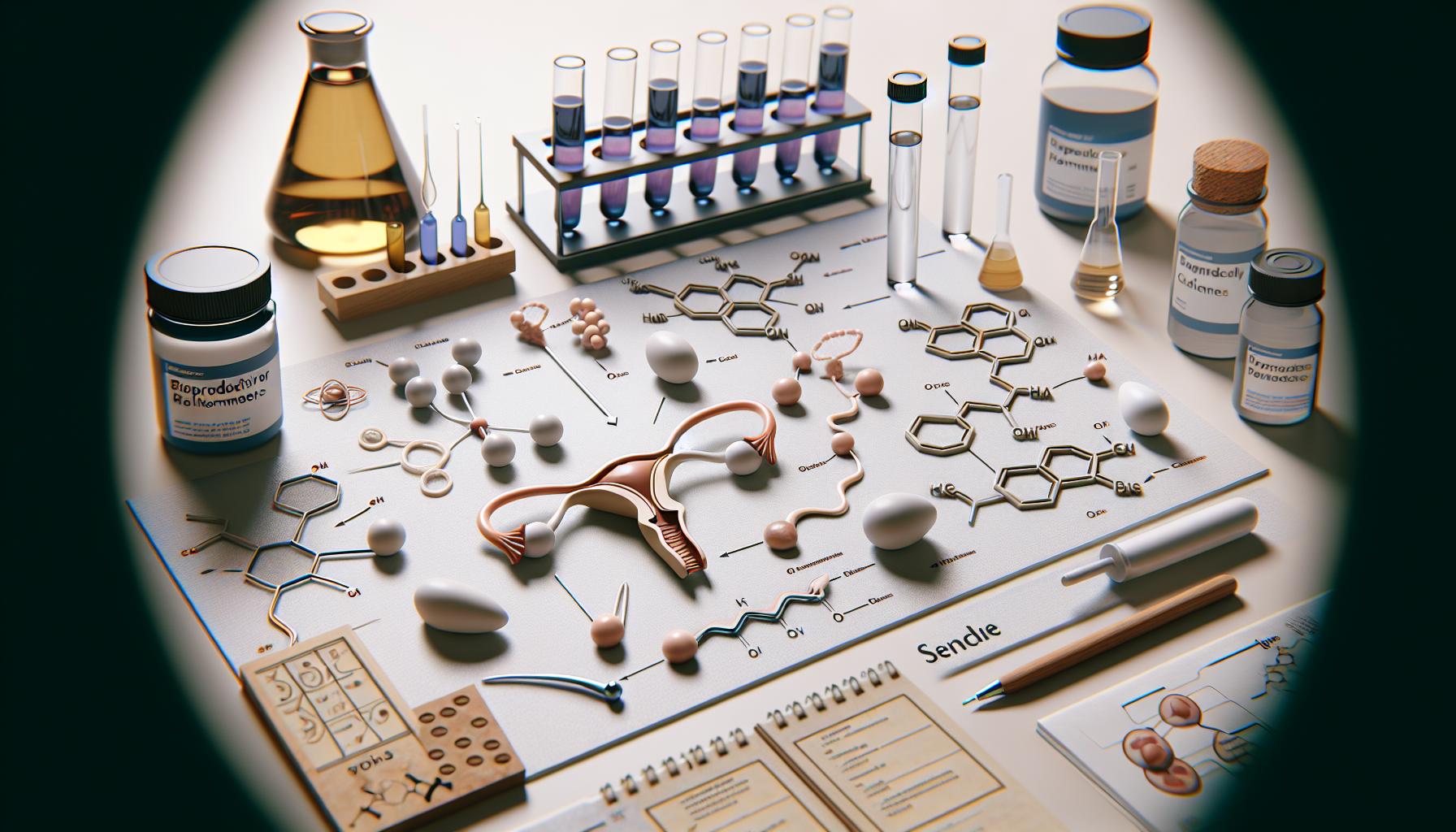
The intricate world of reproductive hormones plays a pivotal role in managing fertility and overall reproductive health. Hormones act as biological messengers, facilitating critical processes that allow individuals to conceive and maintain pregnancies. Understanding the primary hormones involved can empower those on their fertility journey and equip them with knowledge that fosters better health outcomes.
Estrogen
Estrogen, primarily produced in the ovaries, is vital for regulating the menstrual cycle and preparing the body for pregnancy. Its main roles include promoting the growth of ovarian follicles, thickening the uterine lining, and ensuring that the reproductive system functions optimally. In men, while produced in smaller amounts, estrogen contributes to the regulation of libido and the health of sperm.
Progesterone
Following ovulation, progesterone takes the lead. Secreted by the corpus luteum, this hormone is responsible for preparing the uterus to receive a fertilized egg. It helps maintain the uterine lining and supports early pregnancy. Insufficient levels of progesterone can lead to complications like miscarriage or difficulty in maintaining a pregnancy, highlighting its critical role in reproductive health.
Testosterone
Often associated primarily with male reproductive health, testosterone is essential for both genders. In men, it drives sperm production and influences libido, muscle mass, and overall energy levels. In women, testosterone is involved in ovarian function and contributes to sexual desire and bone health. Low levels of testosterone in either gender can result in decreased fertility and other health concerns.
Luteinizing Hormone (LH) and Follicle-Stimulating Hormone (FSH)
Both LH and FSH are critical in regulating the reproductive processes. In women, FSH stimulates the growth of ovarian follicles, while LH triggers ovulation-essentially the release of an egg each month. In men, LH stimulates testosterone production, and FSH supports sperm maturation. An imbalance in these hormones can affect reproductive capabilities and is often assessed during fertility evaluations.
Understanding these hormones and their functions is crucial for those embarking on fertility treatments or facing reproductive challenges. Awareness of hormonal health can lead to timely interventions that help manage fertility conditions. Remember, navigating infertility can invoke a range of emotions; being informed is a step toward empowerment and better health. Always consult with healthcare professionals to discuss any concerns or symptoms, as they can provide personalized advice and treatment options tailored to individual needs.
The Hormonal Balance: Why It Matters for Health
The balance of reproductive hormones is a cornerstone of overall health, influencing not just fertility but a multitude of bodily functions. When hormones function harmoniously, they regulate processes such as metabolism, mood, and even skin health. An imbalance, however, can lead to a spectrum of challenges, including irregular menstrual cycles, mood swings, and difficulties in conceiving.
Hormonal balance extends beyond mere numbers in blood tests; it’s about how your body feels and functions. For instance, optimal levels of progesterone and estrogen are necessary not just for achieving pregnancy but for maintaining it. Imbalances can result in symptoms like heavy menstrual bleeding or irregular cycles, impacting both mental and emotional well-being. It’s essential to recognize that these hormones don’t act in isolation. They interact with each other and can be affected by lifestyle factors such as diet, exercise, and stress.
A proactive approach includes regular check-ups and being attuned to your body’s signals. If something feels off, don’t hesitate to speak up. Similarly, natural strategies play a significant role in supporting hormonal health. Incorporating a balanced diet rich in vitamins and minerals, engaging in regular physical activity, and practicing stress management techniques such as mindfulness or yoga can contribute positively to hormonal balance.
In recognizing the vital role that hormonal health plays in overall well-being, we celebrate the importance of making informed decisions. Knowledge is power on this journey. Whether you are navigating fertility challenges or addressing hormonal health for overall wellness, a supportive healthcare team can guide you through your unique path, advocating for effective strategies that cater to your personal needs and circumstances. Remember, every step taken toward understanding and balancing your hormones is a step toward a healthier, more fulfilling life.
Signs of Hormonal Imbalance: What to Look For
Hormonal imbalances can manifest in myriad ways, often revealing themselves through subtle shifts in daily life that may be easy to overlook. For many, the first hints of imbalance might include changes in mood or physical symptoms that feel out of the ordinary. Understanding the signs is critical, as early detection can lead to more effective management of hormonal health.
Many individuals experience significant changes in their menstrual cycle, which can be a primary indicator of hormonal imbalances. For instance, irregular periods-whether they are missed cycles or irregular spotting-may point to issues with estrogen or progesterone levels. Other telltale signs include heightened emotional sensitivity, mood swings, or persistent fatigue. These symptoms may often be dismissed as stress or fatigue, but if they persist or worsen, they deserve attention.
Beyond menstrual irregularities, physical changes such as weight gain, especially around the abdomen, or difficulty losing weight can signify an imbalance, particularly involving insulin and cortisol. Additionally, skin issues like acne, excessive hair growth (hirsutism), or hair thinning can be related to hormonal fluctuations, particularly involving testosterone and estrogen. Identifying these symptoms is the first step toward seeking help and understanding the underlying causes.
Recognizing these signs is crucial as they often reflect broader health concerns that can affect overall well-being. If you find yourself resonating with several of these symptoms, consider keeping a detailed journal of your experiences, noting any changes that occur. This record can be invaluable for healthcare providers as they assess your condition. Remember, seeking help is a sign of strength, not weakness, and addressing these challenges can make a significant difference in your journey toward health and wellness.
Testing and Diagnosing Hormonal Issues
Understanding your reproductive hormones is crucial for maintaining overall health and addressing fertility issues. If you suspect a hormonal imbalance, the process of testing and diagnosing can feel daunting, but it is an essential step toward reclaiming your well-being. Typically, healthcare providers will begin with a thorough review of your medical history and a physical examination, helping them tailor the diagnostic approach to your specific concerns and symptoms.
Diagnostic testing often encompasses a variety of blood tests to measure hormone levels, such as estrogen, progesterone, testosterone, and thyroid hormones. These tests are generally scheduled at particular times in your menstrual cycle to ensure accurate readings, particularly for female patients. It’s also common for providers to check other markers related to metabolic health, like insulin and cortisol, especially if symptoms suggest potential conditions such as polycystic ovary syndrome (PCOS) or thyroid dysfunction.
In some cases, additional tests may be necessary. For instance, imaging studies like ultrasounds can evaluate ovarian health or detect structural abnormalities. Providers may also recommend genetic testing if there are indications of inherited conditions affecting fertility. As you navigate this process, it’s helpful to keep a detailed journal of your symptoms and any changes you notice-this can provide invaluable context for your healthcare provider.
Ultimately, it’s important to approach this journey with compassion for yourself. Finding a supportive healthcare professional who respects your concerns and provides clear information can significantly impact your experience. Remember, you are not alone in this process. There are resources available to help you understand your hormonal health and make informed choices tailored to your unique situation.
Natural Ways to Support Hormonal Health
Maintaining a healthy hormonal balance is crucial for reproductive health, yet many people often feel overwhelmed by the complexities involved. Simple lifestyle changes can powerfully influence your hormonal health. For instance, incorporating a nutrient-rich diet not only fuels your body but also supports hormone production. Focus on whole foods, rich in lean proteins, fruits, and vegetables, as well as healthy fats found in avocados, nuts, and seeds. The addition of specific nutrients, such as omega-3 fatty acids and antioxidants, can also promote hormonal balance and enhance overall well-being.
Stress Management
One of the most significant factors affecting hormonal health is stress. Chronic stress can lead to elevated levels of cortisol, which may disrupt the balance of other crucial hormones. Engaging in stress-reducing activities such as yoga, meditation, or even leisurely walks can significantly improve your hormonal health. Consider setting aside time each day for relaxation and reflection, which can provide your body with the reprieve it needs to maintain hormonal equilibrium.
Regular Exercise
Physical activity plays an essential role in supporting hormonal health. Exercise helps to regulate insulin levels and enhance the release of hormones involved in maintaining a healthy weight. Aim for a balanced routine that includes both aerobic exercise and strength training. Moreover, practices like Pilates or yoga not only build strength and flexibility but also contribute to lowering stress levels, further benefiting your hormones.
Quality Sleep
Never underestimate the power of a good night’s sleep. Sleep is vital for hormonal regulation, as many hormones, including those related to stress and appetite, are influenced by sleep patterns. Aim for 7-9 hours of quality sleep each night. Establish a bedtime routine that promotes relaxation, turning off electronic devices and engaging in activities like reading or listening to soothing music before hitting the pillow.
By embracing these natural strategies, you can cultivate a supportive environment for your hormones to thrive. Remember, everyone’s journey is unique, and small changes can lead to significant improvements in your hormonal health. You are not alone in navigating this path; take pride in each step you take toward better well-being.
Medications and Treatments for Hormonal Balance
For many individuals navigating hormonal imbalances, understanding the range of medications and treatments available can be a vital part of their reproductive health journey. Hormonal therapies can significantly assist in regulating cycles, enhancing fertility, or addressing symptoms related to hormonal disruptions. By communicating openly with healthcare providers, patients can explore options that best align with their personal health goals and circumstances.
Medications play a crucial role in addressing hormonal imbalances. Common therapies include hormonal contraceptives, which can help manage irregular menstrual cycles and alleviate symptoms such as acne and excessive hair growth related to conditions like polycystic ovary syndrome (PCOS). Medications like clomiphene citrate may also be prescribed to stimulate ovulation in those facing fertility challenges. It’s essential to discuss the potential risks and benefits of these options with your healthcare provider, as costs may vary widely depending on prescription coverage and insurance plans.
Alternative Therapies
In addition to traditional treatments, some individuals find relief through alternative therapies. Options like acupuncture and herbal supplements are gaining recognition for their potential to support hormonal balance. While evidence is still emerging, some patients report improvements in mood and menstrual regularity with these complementary approaches. Always consult with a healthcare professional before starting any new treatment to ensure it’s appropriate for your specific health profile.
Maintaining an open line of communication with your healthcare provider throughout this process is vital. Ask questions about treatment timelines, costs involved, and the potential success rates associated with various approaches. Remember, you are not alone on this journey; finding a support system, whether through friends, family, or support groups, can significantly light the path toward health and wellness. Each small step taken towards understanding and managing your hormone health is a step worth celebrating, and your experience matters as you navigate this personal journey.
Impact of Lifestyle on Reproductive Hormones
Embracing a healthy lifestyle isn’t just about feeling good; it’s pivotal for maintaining hormonal balance, which in turn affects reproductive health for both sexes. Factors like diet, exercise, sleep quality, and stress management can significantly influence hormone levels, making lifestyle choices a critical aspect of fertility and overall well-being.
One impactful change involves nutrition. Foods rich in antioxidants, omega-3 fatty acids, and whole grains can promote hormonal health. Consuming plenty of fresh fruits and vegetables provides essential vitamins and minerals that help balance hormones. In contrast, diets high in processed sugars and unhealthy fats can lead to hormonal disruptions. For instance, studies indicate that a high-sugar intake can exacerbate insulin resistance, which is linked to conditions like polycystic ovary syndrome (PCOS) that can affect fertility.
Exercise also plays a vital role in regulating hormones. Regular physical activity can help manage weight, reduce stress levels, and improve insulin sensitivity, thereby leading to balanced hormone levels. However, moderation is key; overly strenuous workouts can actually disrupt hormone levels, particularly in women. Aim for a mix of cardiovascular and strength-training activities, along with yoga or stretching to promote relaxation.
Sleep is another critical factor. Quality rest allows the body to recover and helps regulate hormones such as cortisol, the stress hormone, which can significantly impact reproductive health. Aim for 7-9 hours of uninterrupted sleep each night to support optimal hormonal function. Lastly, managing stress through techniques like mindfulness, meditation, or deep breathing exercises can mitigate the negative effects of stress on hormones, fostering a better hormonal balance.
By making mindful lifestyle choices, individuals can create a supportive environment for their reproductive hormones. Celebrate small victories along the way, and remember that each positive change contributes to your overall health and can enhance your reproductive journey.
The Connection Between Stress and Hormonal Changes
Chronic stress can play a significant role in hormonal changes that affect reproductive health for both men and women. When your body perceives stress, it triggers the release of cortisol, often referred to as the “stress hormone.” Elevated cortisol levels can disrupt the delicate balance of other hormones involved in reproduction, leading to a range of issues, including irregular menstrual cycles, decreased libido, and challenges with fertility. Understanding the connection between stress and hormonal health is essential for anyone navigating their reproductive journey.
Recognizing the signs of stress-related hormonal imbalance can be your first step toward recovery. Common symptoms include fatigue, anxiety, mood fluctuations, and physical changes such as weight gain or loss. These variations can signify that your body’s hormone levels are being impacted by stress. For women, conditions like polycystic ovary syndrome (PCOS) can be exacerbated by high cortisol levels, affecting ovulation and fertility. In men, elevated cortisol can lead to diminished testosterone production, resulting in reduced sexual function and sperm quality.
To manage stress effectively, it’s crucial to incorporate techniques that promote relaxation and well-being. Engaging in activities such as yoga, meditation, or deep breathing exercises can help mitigate stress responses and, in turn, support hormonal balance. Additionally, prioritizing self-care, such as maintaining a supportive social network, enjoying hobbies, or seeking counseling when needed, can be empowering. These actions not only enhance mental health but also positively influence physical well-being.
Ultimately, acknowledging the impact of stress on reproductive hormones is a vital component of health. Fostering a balanced lifestyle that includes stress reduction practices can contribute significantly to both emotional resilience and reproductive health. As you navigate your journey, remember that taking small, mindful steps toward stress management can create a positive ripple effect, enhancing your overall hormonal environment and supporting your path to parenthood.
Emerging Research on Reproductive Hormones
Recent advancements in the understanding of reproductive hormones bring both groundbreaking insights and hopeful pathways for those navigating fertility challenges. Research is now highlighting how hormonal interactions extend beyond traditional views, revealing the intricate and multifaceted roles these hormones play not only in reproductive health but also in overall well-being. For instance, studies are increasingly focusing on the influence of environmental factors, such as endocrine-disrupting chemicals, which can alter hormonal balance and affect reproductive outcomes.
One promising area of exploration involves the relationship between reproductive hormones and metabolic health. Researchers have found that conditions like insulin resistance and obesity can significantly impact hormone levels, consequently affecting fertility. By understanding this connection, healthcare providers can create more holistic treatment plans that address lifestyle factors in addition to direct hormonal therapies. For individuals struggling with issues like polycystic ovary syndrome (PCOS), which is heavily influenced by hormonal fluctuations, this research offers both clarity and hope.
Additionally, promising techniques in the field of reproductive medicine are emerging. The use of biomarkers to monitor hormonal levels has gained traction, allowing for more personalized treatment approaches. For example, tracking luteinizing hormone (LH) and follicle-stimulating hormone (FSH) through wearable technology might soon enable individuals to better time their therapies and understand their fertility patterns more intuitively. These innovative strategies not only empower patients with knowledge but may also lead to improved outcomes.
In conclusion, the landscape of reproductive hormone research is rapidly evolving, creating avenues for enhanced fertility solutions and greater awareness of how our bodies function. As we delve deeper into these studies, it’s essential to remain open to both the potential for advances in treatment and the need for ongoing emotional support throughout the journey. While navigating the complexities of reproductive health can be overwhelming, knowledge and self-advocacy can illuminate the way forward, fostering resilience as you pursue your family-building goals.
Support Resources: Navigating Hormonal Health Challenges
Navigating the complex landscape of hormonal health can feel daunting, especially for those experiencing fertility challenges. Understanding your body’s hormonal rhythms is not just about reproductive success; it’s also integral to your overall well-being. While many face emotional highs and lows on this journey, there are resources and support systems available that can help you manage these transitions with greater ease and understanding.
One supportive step is to connect with healthcare professionals who specialize in reproductive health. These experts can provide tailored advice that acknowledges your unique situation-whether you’re considering assisted reproductive technologies like IVF or exploring natural therapies. Joining support groups where individuals share similar experiences is another invaluable resource. These groups often foster a sense of community, helping to combat feelings of isolation. They can offer insights into practical challenges and celebrate milestones together, bolstering emotional resilience.
Furthermore, staying informed about your reproductive hormones is crucial. Utilize validated online resources, educational workshops, or webinars that focus on hormonal health. These platforms can help you understand terms like “luteinizing hormone (LH)” and “follicle-stimulating hormone (FSH)”, as well as their roles in your fertility journey. Keeping track of your menstrual cycle and related symptoms using apps or journals can also be empowering; this data can guide conversations with your healthcare provider and lead to more personalized care.
Consider incorporating holistic approaches to support hormonal balance as well. Nutrition, for example, plays a pivotal role; incorporating foods rich in omega-3 fatty acids, fiber, and antioxidants can enhance hormonal health. Regular exercise can also help manage stress and improve overall hormone function. Mindfulness and stress-reduction techniques, such as yoga or meditation, can be beneficial as they create a sense of calm and control amidst uncertainty.
Ultimately, remember that every path to parenthood is unique. It’s okay to seek help, ask questions, and advocate for your needs. With the right support and knowledge, you can navigate your hormonal health challenges with confidence and hope for what lies ahead.
Frequently asked questions
Q: What are the main types of reproductive hormones?
A: The main types of reproductive hormones include estrogen, progesterone, and testosterone. Estrogen is crucial for female reproductive health, testosterone for male, and progesterone helps regulate the menstrual cycle. Understanding these hormones is essential for grasping reproductive health.
Q: How do reproductive hormones affect mood?
A: Reproductive hormones like estrogen and progesterone can significantly influence mood and emotional well-being. Fluctuations in these hormones can lead to mood swings, anxiety, or depression, especially during menstruation or menopause. Monitoring hormonal levels can provide insights into mood changes.
Q: When should you consider hormone testing?
A: Consider hormone testing if you experience irregular periods, severe mood changes, infertility, or symptoms of hormonal imbalance. Testing can help identify underlying issues and guide appropriate treatment options. Consulting a healthcare provider will determine if testing is necessary.
Q: What lifestyle changes can support hormonal balance?
A: Lifestyle changes such as regular exercise, balanced nutrition, adequate sleep, and stress management can support hormonal balance. Incorporating foods rich in healthy fats, omega-3s, and antioxidants also helps maintain hormonal health, as detailed in the section on natural hormonal support.
Q: Can stress impact reproductive hormones?
A: Yes, stress can significantly impact reproductive hormones by increasing cortisol levels, which may disrupt the balance of estrogen and progesterone. Managing stress through techniques like meditation, yoga, or regular physical activity can positively affect hormonal health.
Q: How do hormonal contraceptives affect reproductive hormones?
A: Hormonal contraceptives primarily work by altering the levels of estrogen and progesterone to prevent ovulation and regulate the menstrual cycle. While effective, they can also lead to side effects and hormonal changes, which are discussed in the treatment section of the guide.
Q: What are the signs of hormonal imbalance to watch for?
A: Signs of hormonal imbalance include irregular periods, unexplained weight gain or loss, mood swings, fatigue, and changes in skin or hair. Recognizing these symptoms early can guide you toward effective diagnosis and treatment, as outlined in the guide.
Q: What role does diet play in hormonal health?
A: Diet plays a crucial role in hormonal health, as certain foods can either support or disrupt hormone production. Eating a balanced diet rich in whole foods, healthy fats, and fiber can help maintain an optimal hormonal balance and is covered in detail in our section on natural support for hormonal health.
In Conclusion
Understanding reproductive hormones is vital for navigating your health and family planning journey. With insights into their roles, you can take proactive steps toward achieving your goals, whether you’re exploring options like IVF or looking to manage hormonal balance effectively. Don’t leave your questions unanswered; visit our resources on infertility causes and your options, or connect with our supportive community where you can share experiences and seek advice.
Now is the time to empower yourself with knowledge! If you found this guide helpful, consider signing up for our newsletter for ongoing support and updates tailored to your reproductive health needs. Please share your thoughts or experiences in the comments below-your story could inspire others facing similar challenges. Stay engaged with us as we continue to explore related topics, ensuring you have the tools and information you need every step of the way.
Get our latest guides, news, and insights highlighted in your Google Search & AI Overviews.