Asexual reproduction, a fascinating and efficient process where a single organism creates offspring without the need for a mate, plays a crucial role in the survival of many species. This method can be particularly advantageous in stable environments where rapid population growth is beneficial. For readers interested in biology or nature, understanding the strengths of asexual reproduction can illuminate how certain organisms thrive in their ecosystems. By exploring the advantages of this reproductive strategy, we uncover insights into adaptability and resilience that resonate not only in the natural world but also in our own journeys. As you read on, you’ll discover two key benefits that highlight why asexual reproduction is not just a biological curiosity but an essential aspect of life on Earth.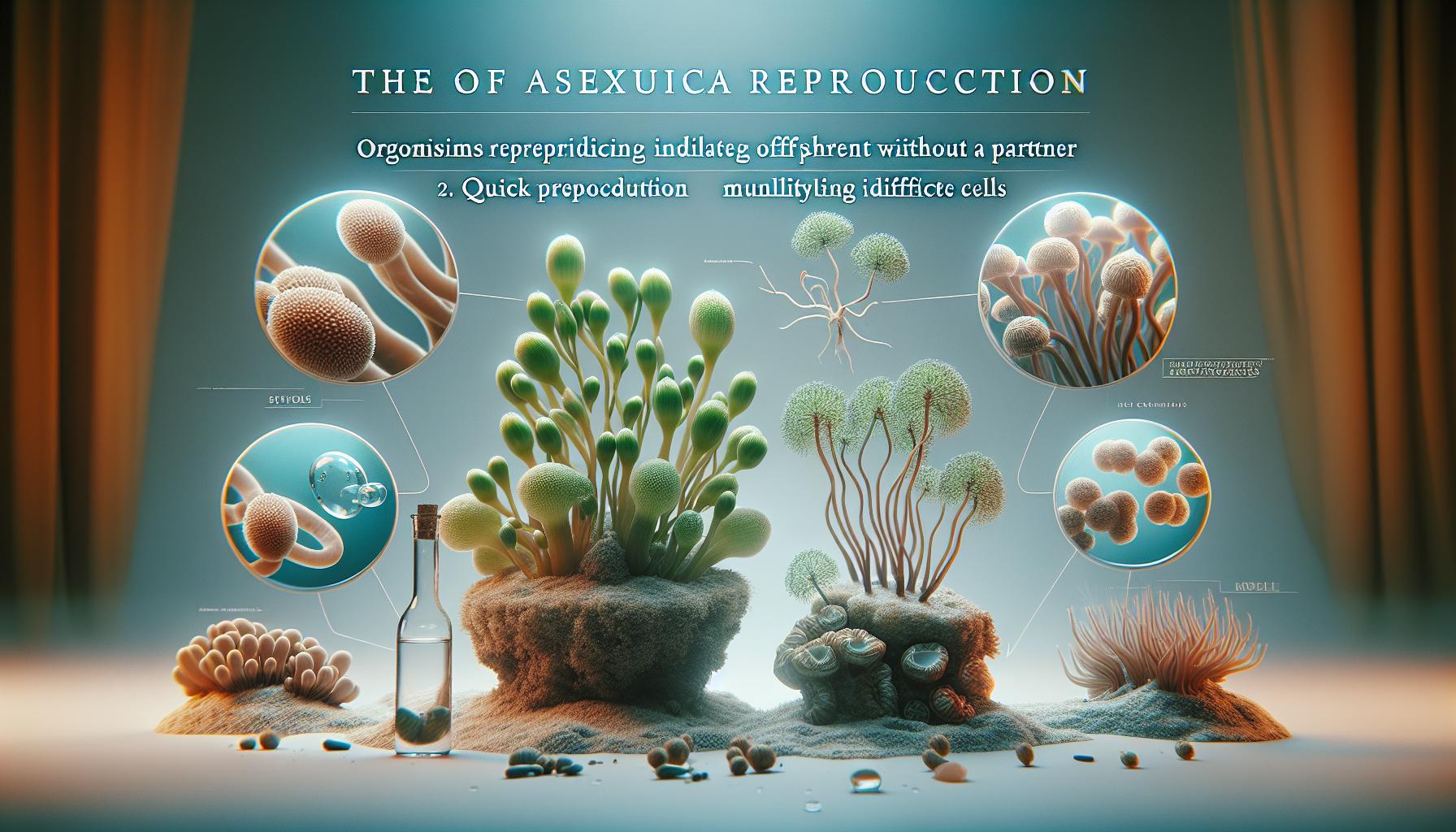
The Benefits of Asexual Reproduction Explained
Understanding the advantages of asexual reproduction can illuminate why many organisms thrive without the complexities of finding a mate. One compelling benefit of this reproductive strategy is its efficiency in reproduction. Asexual reproduction allows organisms to produce offspring rapidly, which is particularly advantageous in stable environments where resources are plentiful. For example, certain bacteria can divide every 20 minutes, leading to exponential population growth in favorable conditions, while plants such as strawberries can propagate through runners, effectively covering ground and outcompeting others for resources.
Another significant advantage is the consistent genetic makeup that asexual reproduction ensures. Organisms that reproduce asexually create clones of themselves, allowing for stable trait inheritance. This genetic clarity can be beneficial in environments where certain traits are advantageous for survival, such as drought resistance in plants or the ability to metabolize certain nutrients in bacteria. However, it’s important to note that this lack of genetic diversity can also pose risks in changing environments, as the uniformity may limit adaptability; yet, it remains a strategic advantage when conditions are stable.
To further illustrate these benefits, consider the case of the hydra, a small freshwater organism that can reproduce asexually through budding. This method not only allows hydras to proliferate rapidly when environmental conditions are ideal but also ensures that beneficial traits are passed down without alteration, aiding in their survival in consistent aquatic habitats. The inherent efficiency of asexual reproduction ensures that organisms can maximize their presence in their respective environments, making it a crucial mechanism for life across various ecosystems.
How Asexual Reproduction Enhances Survival
In environments where resources are abundant and conditions are stable, the ability to reproduce quickly can be a game changer for survival. Asexual reproduction allows organisms, such as certain bacteria and plants, to produce offspring rapidly without the need for a mate. This method of reproduction is incredibly efficient; for example, bacteria can divide approximately every 20 minutes under optimal conditions, leading to exponential population growth in a short timeframe. This rapid increase enables organisms to occupy niches and outcompete others for resources, effectively enhancing their chances of survival.
Another vital aspect of is through genetic stability. When organisms reproduce asexually, they pass on a consistent genetic makeup to their offspring, creating clones of themselves. This homogeneity can be particularly advantageous in environments where specific traits confer survival benefits. For instance, a plant species that can withstand drought may thrive in arid conditions when all its clones possess the same resilience traits. However, while this genetic uniformity can be beneficial in stable conditions, it can also pose challenges in dynamic environments, where genetic diversity may be crucial for adapting to changing circumstances.
Consider hydras, small aquatic organisms that reproduce through a process called budding. This not only allows for rapid population increases when conditions are right, but it also ensures that advantageous traits-like the ability to thrive in specific habitat conditions-are preserved in their offspring. This efficiency in both reproduction and trait inheritance illustrates a powerful survival strategy, enabling these organisms to maximize their population in conducive environments.
In summary, asexual reproduction enhances survival through rapid population growth and the assurance of stable genetic traits. These advantages provide organisms the means to thrive in their ecological niches, making asexual reproduction a vital strategy in various natural settings.
The Role of Genetic Clarity in Asexual Reproduction
Each time an organism engages in asexual reproduction, it creates genetically identical offspring, often referred to as clones. This ability to maintain genetic clarity is a double-edged sword, presenting notable advantages in stable environments while posing challenges when circumstances change. One of the primary benefits of genetic clarity is the assurance that advantageous traits are consistently inherited. For instance, plants that possess drought resistance can reproduce asexually, ensuring that their offspring inherit the same trait, thus enabling populations to thrive in arid conditions.
The genetic uniformity observed in asexual reproduction can greatly enhance survival rates during favorable conditions. When all offspring are clones, they carry the same characteristics that might give them an edge over competing species. For example, some bacteria can share beneficial traits rapidly across populations, leading to increased resilience against environmental pressures such as antibiotics. This is a compelling narrative seen in many unicellular and simpler multicellular organisms where reproduction does not involve sexual gametes.
However, genetic clarity also brings a vulnerability. In changing or unpredictable environments, a lack of genetic diversity may limit a population’s ability to adapt. Events such as disease outbreaks or significant habitat shifts can decimate a homogeneous population, as all individuals may respond similarly to threats. As such, while the consistency in genetic traits offers stability, it can also constrain evolutionary potential, making it critical for organisms in unstable ecosystems to balance asexual reproduction with other forms of reproduction, like sexual reproduction, to cultivate diversity and resilience against change.
To illustrate further, consider the ocean’s sea stars, which can reproduce asexually through fragmentation. When conditions are calm, their genetic consistency ensures that all new sea stars will possess traits that make them well-suited for their specific niche, such as their feeding habits or response to predators. Yet, should the environment shift dramatically, the lack of variety in their genetic makeup could diminish their chances of survival. This duality underscores how genetic clarity, while beneficial, also necessitates consideration of the broader environmental landscape and the potential role of genetic diversity in the long-term health of species.
A Look at Asexual Reproduction in Nature
Astonishingly, nearly half of all known organisms on Earth reproduce asexually. This method allows them to thrive in various habitats, highlighting a compelling evolutionary strategy. One key advantage of asexual reproduction is the speed at which organisms can multiply. For instance, bacteria can undergo binary fission every 20 minutes under optimal conditions, resulting in exponential growth. This rapid reproduction enables them to occupy ecological niches quickly and effectively, especially in environments where resources are abundant.
Another notable benefit is genetic stability. Since asexual reproduction produces genetically identical offspring, successful adaptations can be preserved across generations. For example, certain plants, like the dandelion, can clone themselves through vegetative propagation, ensuring that advantageous traits-like resilience to drought-are passed on consistently. This genetic clarity often provides a competitive edge over organisms that reproduce sexually, particularly in stable environments where changing conditions do not necessitate genetic diversity.
However, the prevalence of asexual reproduction is not limited to plants and bacteria. Many animal species, such as hydras and planarians, engage in budding and fragmentation, respectively. These strategies not only facilitate survival but also ensure that entire populations can grow and occupy a habitat efficiently. As a result, organisms that utilize asexual reproduction exemplify how evolution has ingeniously crafted diverse reproductive strategies tailored to specific environmental conditions.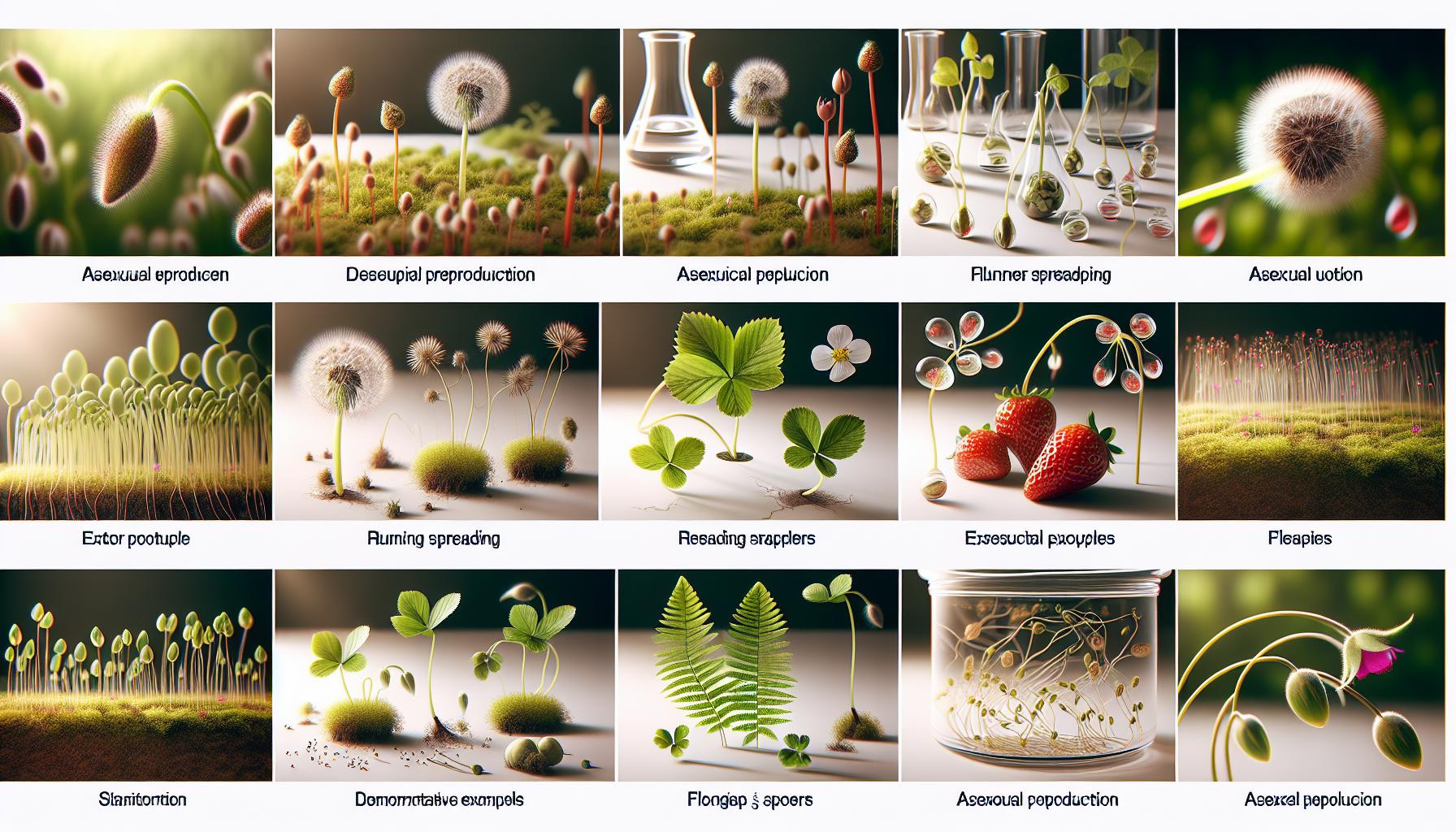
Comparative Advantages of Asexual vs. Sexual Reproduction
Organisms have evolved a myriad of reproductive strategies, each adapted to specific ecological niches, but two primary methods dominate: asexual and sexual reproduction. Asexual reproduction boasts unique advantages that can significantly impact survival and population dynamics. Firstly, the efficiency of asexual reproduction allows organisms to rapidly increase their numbers without the need for a mate. This is particularly beneficial in stable environments where conditions favor the offspring’s survival, as seen in many bacterial species that can divide every 20 minutes. The potential for exponential growth enables these organisms to quickly occupy available ecological niches, outcompeting others in the process.
Another critical advantage lies in genetic stability. Asexual reproduction results in offspring that are genetically identical to the parent. This consistency can be a double-edged sword; while it limits genetic diversity, it ensures that successful adaptations can be perpetuated. For instance, dandelions reproduce via vegetative propagation, ensuring that advantageous traits, such as drought resistance, are reliably passed on. In contrast, sexual reproduction introduces genetic variation, which can be advantageous in changing environments but may also dilute successful adaptations that are well-suited to a stable ecological niche. Thus, in certain scenarios, the predictability of asexual reproduction can provide a distinct edge over the genetic gamble of sexual reproduction, reinforcing the survival of well-adapted populations.
Moreover, asexual reproduction is inherently energy-efficient. The absence of a mating process reduces the time and energy expended on finding a partner, allowing resources to be directed toward growth and development instead. This efficiency can be especially crucial in resource-limited environments, where every energy expenditure counts. In comparison, sexual reproduction often requires significant investment in finding mates and courting behaviors, which may not always yield offspring if competition is high or environmental conditions are unfavorable. Therefore, the ease and efficiency of asexual reproduction position it as a formidable evolutionary strategy in many contexts.
Asexual Reproduction: Speed and Efficiency
Many organisms embrace asexual reproduction as a swift and efficient way to thrive in their environments. This method allows for rapid population growth without the need for a mate, making it particularly advantageous in stable conditions where resources are plentiful and competition is less fierce. For example, certain bacteria can undergo binary fission every 20 minutes, resulting in exponential increases in population size. This ability to multiply quickly enables them to occupy ecological niches before others can establish themselves, highlighting a core strength of asexual reproduction.
Moreover, the simplicity of the process translates into significant energy savings. Without the complex mating rituals and courtship behaviors seen in sexual reproduction, organisms can redirect their resources towards growth and reproduction. This is crucial particularly in challenging environments where resource availability may be limited. For instance, plants such as dandelions, which reproduce asexually through vegetative propagation, can effectively build expansive colonies that thrive in various conditions without competing for mates.
Asexual reproduction exemplifies an evolutionary strategy that prioritizes both speed and efficiency, allowing organisms to adapt and flourish in their respective ecosystems. This rapid reproduction not only secures population continuity but also represents a remarkable adaptation to specific environmental pressures, reinforcing the success of numerous species across the globe. In contexts where environmental stability prevails, asexual reproduction is not just advantageous – it can be a decisive factor in an organism’s survival and proliferation.
The Impact of Environmental Factors on Asexual Reproduction
Understanding how environmental factors impact asexual reproduction reveals the intricacies of this reproductive strategy and its adaptability to different scenarios. Organisms that reproduce asexually possess a remarkable ability to thrive in varied environments. For instance, they can rapidly populate in ecosystems where resources are abundant, as there is no dependency on mate availability. This is particularly significant in habitats that are stable, allowing for exponential growth. In such environments, species like E. coli can double in number approximately every 20 minutes, seizing opportunities to exploit available resources before competition arises.
However, the advantages of asexual reproduction can shift based on environmental conditions. In fluctuating or harsh environments, where resources can be scarce, the ability to reproduce asexually allows organisms to maintain population stability without the added energy costs of seeking mates or engaging in courtship behaviors. This adaptability is crucial, especially for organisms like certain plants that can produce clones through vegetative propagation. For example, in areas prone to disturbance, such as after natural disasters, these plants can quickly regenerate and occupy niches, maintaining ecosystem resilience.
Ultimately, environmental factors serve as both a catalyst and a constraint for asexual reproduction. Factors like temperature, nutrient availability, and habitat stability can greatly influence the success of asexual reproduction. When conditions are favorable, these organisms can occupy ecological niches quickly, while in less stable environments, their ability to multiply efficiently provides a survival advantage. Understanding these dynamics helps illuminate the significant role that environmental contexts play in shaping reproductive strategies across various life forms.
Common Organisms that Utilize Asexual Reproduction
Various organisms across the globe showcase the remarkable abilities and advantages of asexual reproduction, demonstrating how this strategy can lead to efficient population maintenance and colonization of ecological niches. For instance, single-celled organisms such as bacteria and protozoans primarily reproduce through binary fission, where one organism splits into two identical copies. This method not only allows for rapid population growth, doubling their numbers in a short time frame, but also enables them to thrive in diverse and challenging environments.
In the plant kingdom, numerous species exhibit asexual reproductive methods, particularly through vegetative propagation. For example, plants like strawberries can produce runners that grow into new plants, effectively creating clones of the parent. This not only facilitates a quick spread across suitable habitats but also helps maintain genetic uniformity. Similarly, certain succulents can propagate from leaf cuttings, allowing them to regenerate even after significant damage.
Among animals, some invertebrates like jellyfish and sea stars can reproduce asexually through processes such as budding or fragmentation. These species can regenerate lost parts and produce new individuals, ensuring their survival even in unpredictable environments. This capability allows them to maintain or increase their numbers without the need for mates, which can be particularly advantageous in habitats where partners are scarce or conditions are unfavorable.
The advantages of asexual reproduction are highlighted in species like the green algae, which can efficiently exploit advantageous conditions. During favorable seasons, they reproduce asexually to rapidly fill ecosystems, while shifting to sexual reproduction during adverse conditions to introduce genetic diversity. This dual strategy enables them to both capitalize on opportunities and prepare for environmental changes.
By understanding the diverse organisms that utilize asexual reproduction and the specific advantages this strategy provides, we gain insight into the remarkable adaptability and resilience of life on Earth.
Real-World Examples of Asexual Reproduction Success
In the natural world, numerous organisms exhibit remarkable success through asexual reproduction, highlighting its advantages such as speed and environmental adaptability. Consider the humble strawberry plant; it produces runners that can develop into new plants, effectively cloning itself and rapidly colonizing available space. This method allows strawberries to thrive in gardens and fields, ensuring their persistence in the environment. Their capacity to spread quickly not only contributes to their success but also enables them to capitalize on favorable conditions, securing resources in a competitive ecosystem.
Similarly, certain jellyfish demonstrate impressive asexual reproductive strategies through a process called budding. Adult jellyfish can develop small clones that detach and grow into new individuals. This method provides a significant survival advantage, especially in open ocean environments where finding a mate can be challenging. The ability to reproduce without sexual partners means that a jellyfish can quickly populate an area, ensuring greater survival rates for their species.
In the plant kingdom, potato plants also benefit from asexual reproduction through tubers. Each tuber can grow into a new plant, allowing potato crops to yield multiple identical offspring from a single plant. This method not only helps ensure stability in population numbers but also allows for quicker initial growth, which can be vital for farmers looking to maximize their harvests in competitive agricultural systems.
Moreover, green algae species exhibit a unique adaptation by alternating between asexual and sexual reproduction based on environmental conditions. During favorable climates, these algae reproduce asexually to quickly exploit resources and expand their populations. However, when conditions deteriorate, they switch to sexual reproduction to introduce genetic diversity, facilitating resilience against changing environments. This approach signifies the dual advantages of rapid reproduction alongside genetic variation in response to challenges, enhancing their overall chances of survival.
Through these real-world examples, it’s clear that asexual reproduction empowers various species to adapt, thrive, and maintain population stability in diverse ecological contexts, reinforcing its advantages in the biological world.
Future of Asexual Reproduction: Research and Innovations
The exploration of asexual reproduction is rapidly evolving, with researchers uncovering innovative insights and applications that could reshape our understanding of this biological phenomenon. Recent studies are delving into how asexual reproduction allows organisms to thrive in various environments, bolstering not only their survival but also their ecological impact. With advancements in genetics and biotechnology, there is potential for harnessing these asexual reproduction mechanisms to benefit agriculture and conservation efforts.
One promising avenue is the application of genetic engineering in crops that reproduce asexually. For instance, scientists are investigating ways to enhance traits in asexual crop varieties, such as disease resistance and nutrient efficiency, promising higher yields for farmers. By altering the genetic makeup of these plants, researchers aim to create strains that can withstand adverse environmental conditions, ultimately improving food security in the face of climate change. This innovation highlights the adaptability of asexual reproductive strategies and their potential to meet global agricultural demands.
Additionally, the study of microorganisms that employ asexual reproduction, like certain bacteria and archaea, is shedding light on evolutionary biology and ecosystem dynamics. Understanding how these organisms thrive and adapt can lead to breakthroughs in bioremediation-using living organisms to remove or neutralize contaminants from the environment. This practical application serves to illustrate the critical role asexual reproduction plays not only in the survival of species but also in maintaining Earth’s ecological balance.
As research continues, there are also ethical considerations surrounding the implications of using asexual reproduction strategies in biotechnology. Addressing concerns about biodiversity loss and the ecological consequences of manipulating natural reproductive processes is vital. Engaging with various stakeholders, including ecologists, ethicists, and the agricultural community, will foster a holistic understanding of how to best utilize the advantages of asexual reproduction while ensuring environmental sustainability.
In conclusion, the future of asexual reproduction is full of promise, paving the way for advancements in agriculture, conservation, and environmental management. By embracing the efficiency and adaptability that asexual reproduction offers, researchers can contribute to sustainable solutions for the world’s pressing challenges.
Addressing Misconceptions About Asexual Reproduction
Many people mistakenly believe that asexual reproduction lacks the complexity and advantages of sexual reproduction. However, this is not the case. Asexual reproduction, which involves a single organism reproducing independently, provides significant benefits that can be crucial for survival, especially in environments where conditions can be harsh. Let’s explore some common misconceptions and the realities behind them.
One widespread belief is that asexual reproduction leads to a lack of genetic diversity, resulting in weaker offspring. In truth, while it is true that asexually reproduced organisms are genetically identical to their parent, this uniformity can be advantageous in stable environments. When conditions are favorable, identical offspring can thrive without the complications and risks associated with mating strategies. Moreover, certain mechanisms, like horizontal gene transfer seen in bacteria, can introduce beneficial variations over time, allowing populations to adapt without sexual reproduction.
Furthermore, the notion that asexual reproduction is a less ‘pure’ or ‘natural’ form of reproduction undermines the evolutionary success of various organisms. Many plants and microorganisms utilize asexual methods, such as budding or vegetative reproduction, to thrive in their ecosystems. For example, certain species of starfish regenerate lost limbs and can reproduce asexually, which not only enhances their survival but also plays a crucial role in maintaining their populations. These organisms demonstrate that asexual reproduction is not a fallback strategy, but rather a sophisticated and effective reproductive strategy adapted to specific ecological niches.
Addressing these misconceptions is vital for understanding the full scope of how life adapts and flourishes in diverse environments. Acknowledging the strengths of asexual reproduction can enhance our appreciation of biological diversity and the resilience of ecosystems. As research expands, we are likely to uncover even more examples where asexual reproduction plays a critical role in the survival of species, proving that it is a legitimate and powerful strategy in the natural world.
Q&A
Q: What are the key benefits of asexual reproduction?
A: The primary benefits of asexual reproduction are rapid population growth and the ability to reproduce without a mate. This enables organisms to thrive in stable environments quickly and ensures that advantageous traits are preserved without genetic variation.
Q: How does asexual reproduction promote genetic uniformity?
A: Asexual reproduction produces offspring that are genetically identical to the parent, promoting genetic uniformity. This consistency can be advantageous in stable environments where specific adaptations are beneficial for survival and reproduction.
Q: Why is speed an advantage in asexual reproduction?
A: Asexual reproduction allows organisms to reproduce more rapidly than sexual reproduction, often leading to quicker colonization of available resources. This accelerated reproduction can help species survive and flourish in favorable conditions.
Q: What types of environments benefit from asexual reproduction?
A: Stable environments with little change are ideal for asexual reproduction, as the lack of genetic diversity is less of a risk. In these settings, organisms can efficiently utilize available resources, leading to successful population growth.
Q: How does asexual reproduction assist in survival during environmental stress?
A: Asexual reproduction allows organisms to maintain successful traits over generations, which helps them adapt and survive during environmental stress. Their ability to reproduce swiftly ensures presence in challenging conditions.
Q: In what ways do some organisms use asexual reproduction to ensure species survival?
A: Many organisms employ asexual reproduction through methods like budding, fragmentation, or vegetative propagation. These methods enable them to reproduce effectively, ensuring their species can survive and maintain populations despite environmental challenges.
Q: How does asexual reproduction affect natural selection?
A: Asexual reproduction can limit genetic variability, which may reduce adaptability to changing environments over time. However, it can also allow certain advantageous traits to remain prevalent, benefiting the population in stable conditions.
Q: Can asexual reproduction lead to colonization of new areas?
A: Yes, asexual reproduction can facilitate rapid colonization of new areas. As organisms quickly reproduce without needing mates, they can spread and establish populations in suitable habitats, enhancing their survival rate.
To Conclude
Understanding the advantages of asexual reproduction highlights how organisms can thrive without the complexities of sexual reproduction. With efficiency in producing offspring and the ability to rapidly populate environments, asexual reproduction plays a crucial role in numerous species’ survival and adaptability. As you explore more about this fascinating process, consider diving deeper into related topics like “Types of Asexual Reproduction” and “Comparisons with Sexual Reproduction” to broaden your knowledge.
Ready to take the next step in your learning journey? Subscribe to our newsletter for the latest insights or check out our resources for more educational content. Don’t miss the opportunity to engage with us in the comments below-share your thoughts or ask questions! Your exploration of reproductive strategies can lead you to surprising revelations in the natural world. Let’s continue this engaging conversation together!
Get our latest guides, news, and insights highlighted in your Google Search & AI Overviews.